Hand Tools
Best Ratcheting 10mm Wrenches Compared: Snap-on, Craftsman, GearWrench and Husky
Four ratcheting 10mm wrenches tested side by side, with the real differences coming down to tooth count and internal mechanism resistance.
Introduction
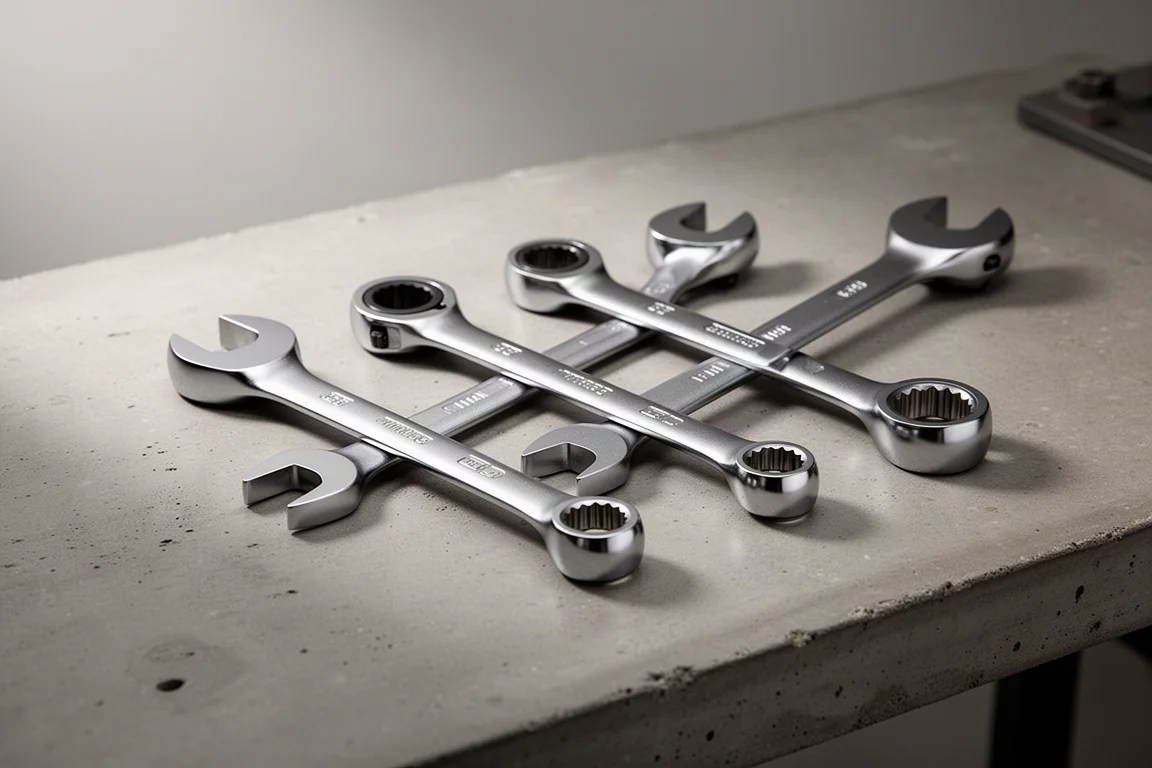
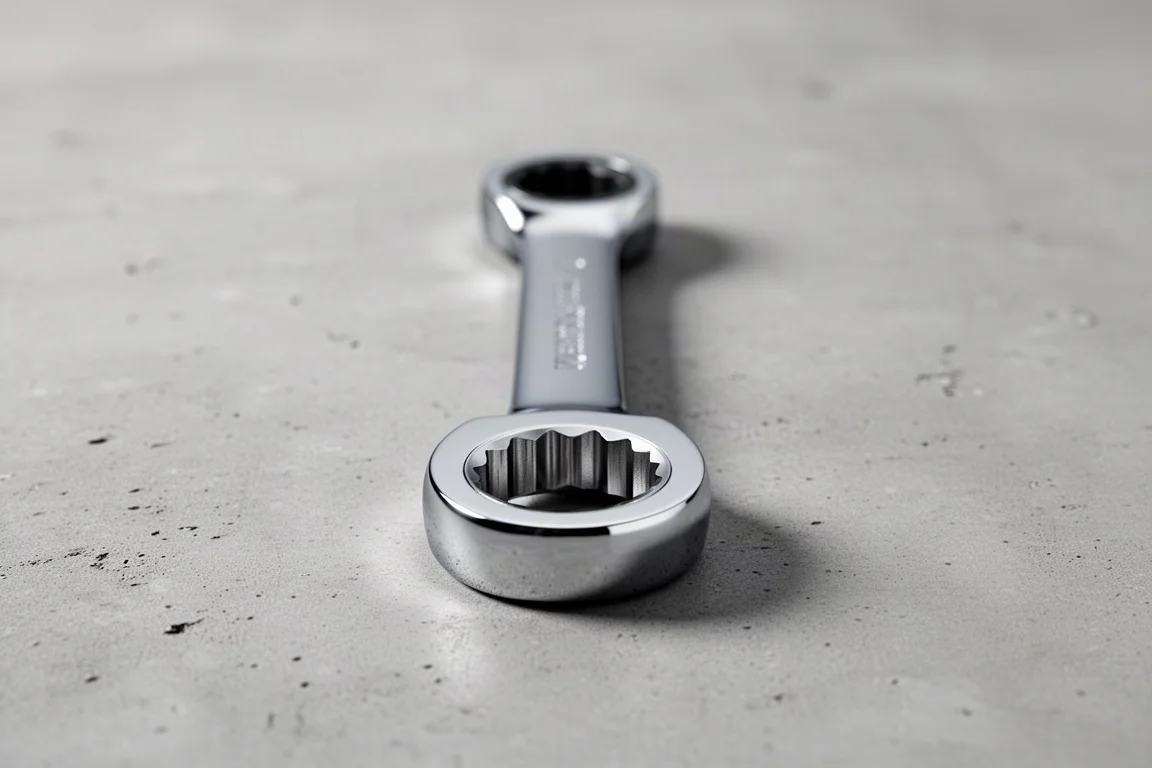
The 10mm is the bolt size every mechanic reaches for constantly, so the ratcheting version of that wrench gets a lot of use. We spent time with four popular ratcheting 10mm wrenches: the Snap-on, the USA-made Craftsman, the GearWrench co-branded as the Ace Professional, and the Husky. All of them look similar on the shelf, but the differences show up quickly once you start turning fasteners.
The biggest surprise is that tooth count and finish are only part of the story. The real separator between these wrenches is how much resistance the ratcheting mechanism has inside, and that affects how the wrench behaves in practical situations.
How They Were Compared
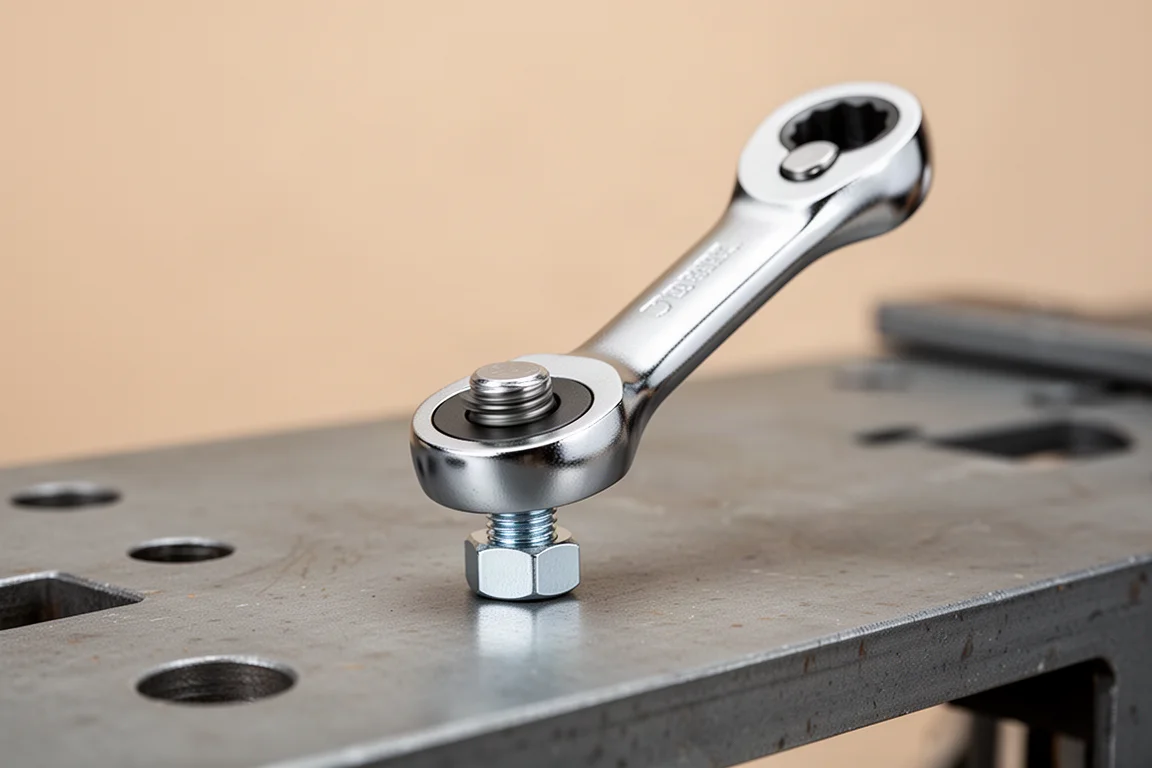
The comparison used a simple test rig: a collar nut loosened on top of a bolt so the nut spins with the wrench. By flipping the wrench and watching when it stops turning under its own weight, you can feel exactly how much internal resistance the mechanism carries. A wrench with low resistance keeps a loosened fastener spinning for far longer before it quits.
There are two other design details worth knowing. Some wrenches, like the Snap-on and one competing model, use about a 15-degree offset in the head. That saves knuckles in tight spaces, but because the head is offset you need a reversing mechanism to work in both directions. Flat-head designs avoid that by simply flipping the wrench over. Tooth count varies widely too: some older designs run around 20 to 36 teeth, while modern versions push into the 72 to 90 tooth range and click away noticeably finer.
Snap-on Ratcheting 10mm Wrench
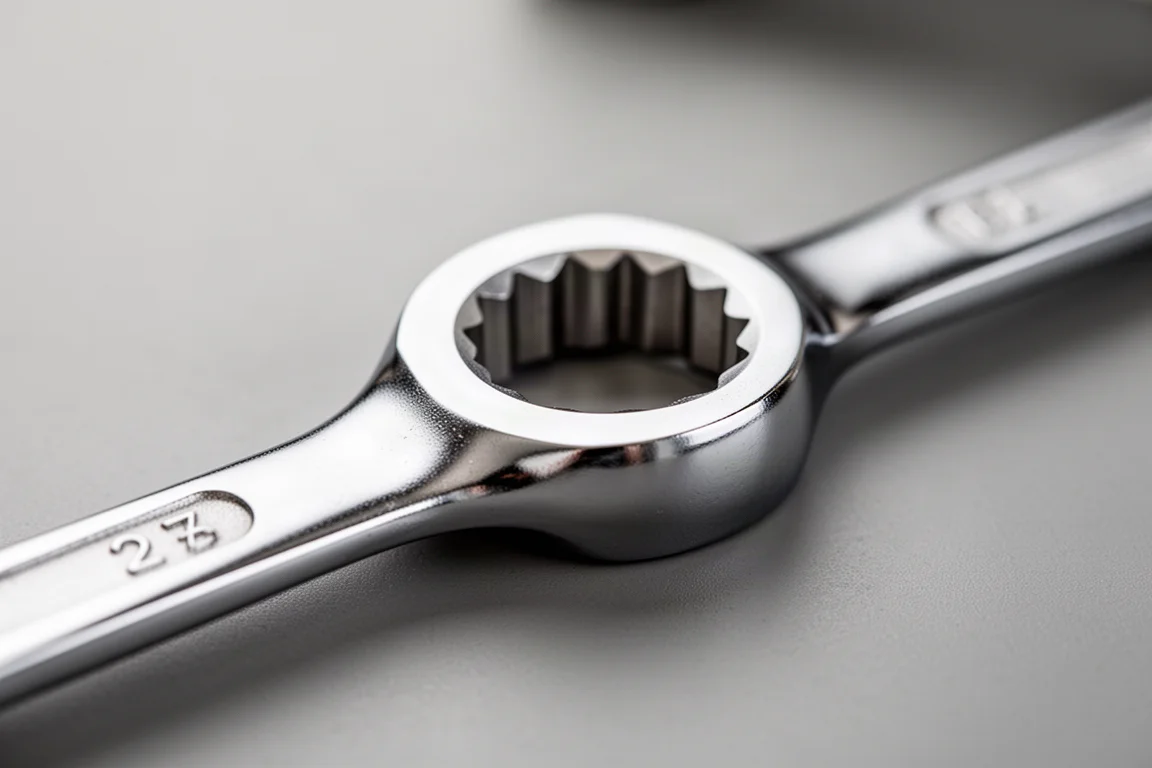
The Snap-on came out on top as the best of the group, and the reason is the low resistance in its ratcheting mechanism. On the test rig it kept turning a loosened nut long after the other wrenches had stopped, which matters more than it sounds: once a fastener loses resistance, a low-friction wrench can keep removing it where stiffer wrenches give up.
It also shares the offset-head design that saves your knuckles, paired with a reversing mechanism so you can change direction without pulling the wrench off the fastener. If you can justify the investment, this is the one to beat.
Craftsman Ratcheting 10mm Wrench
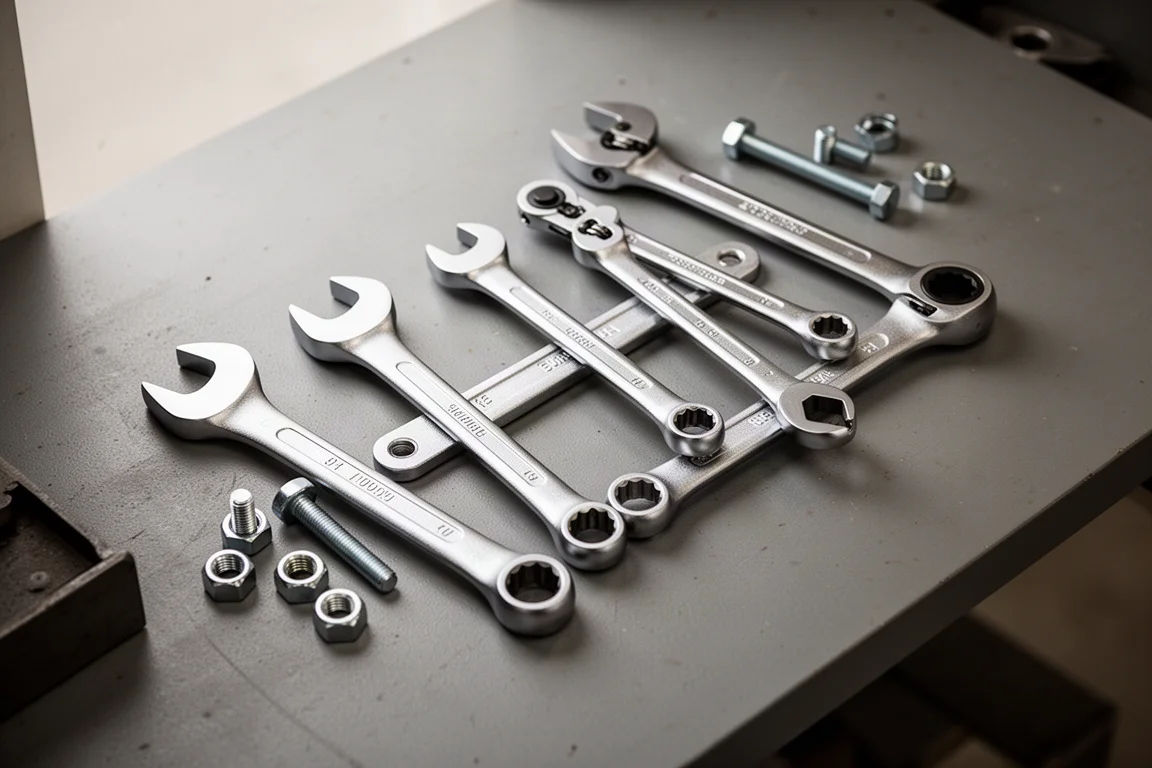
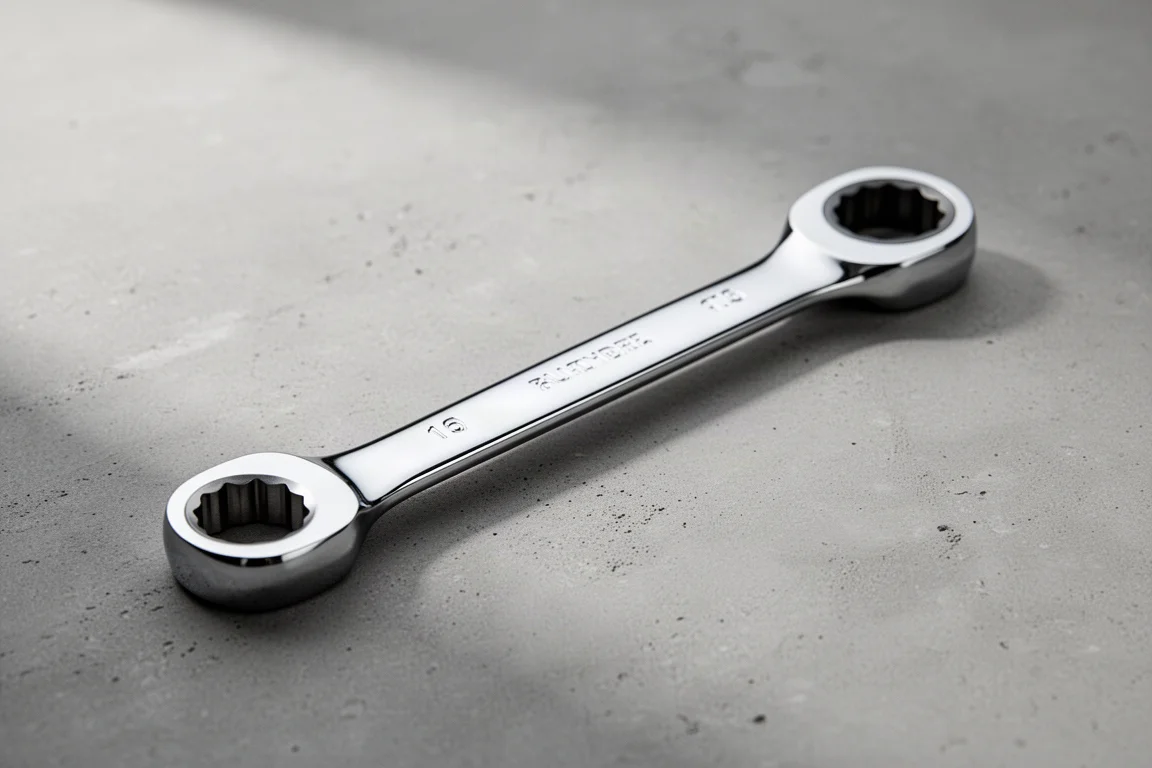
The USA-made Craftsman is the crudest of the group in terms of mechanism, running a roughly 20-tooth design that feels coarse compared to the finer-clicking modern wrenches. Another Craftsman variant steps up to around 36 teeth, which is a huge world of difference over the 20-tooth version.
That coarse design is not all bad news. Because there is so little mechanism to overcome, the Craftsman does not carry much resistance, so it spins out a loosened fastener reasonably well. If you want simple, domestically made and inexpensive, this one makes sense.
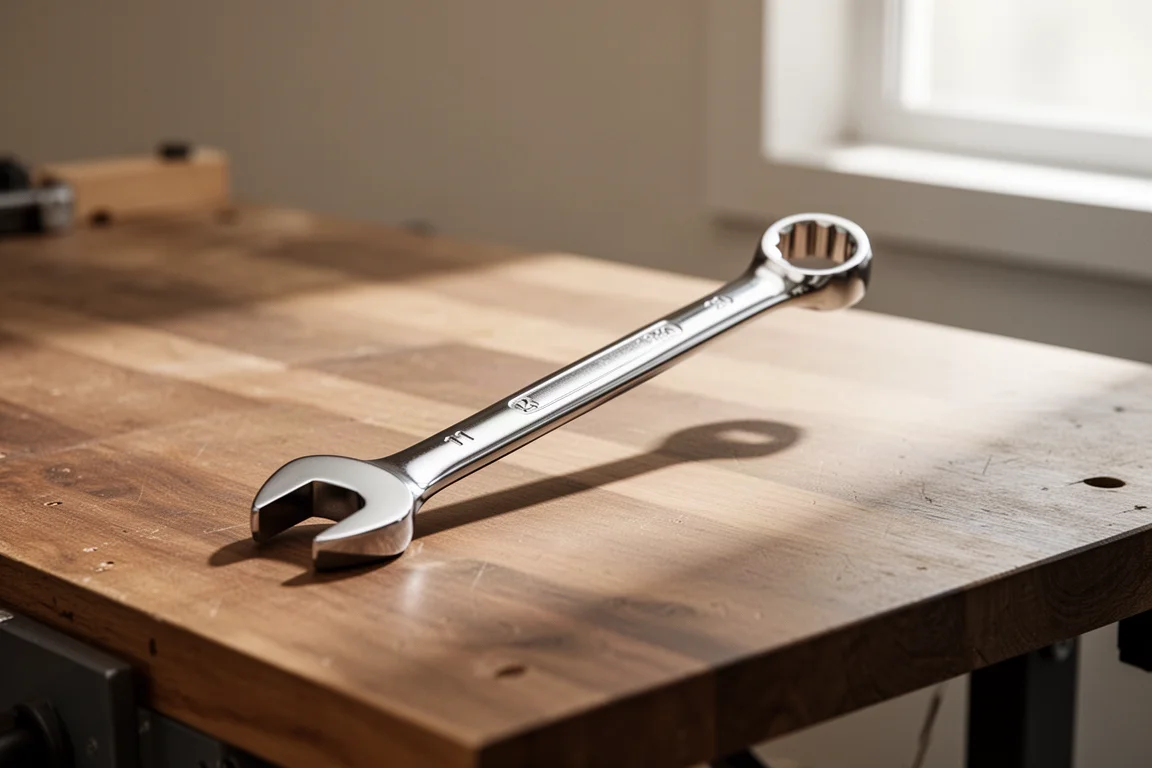
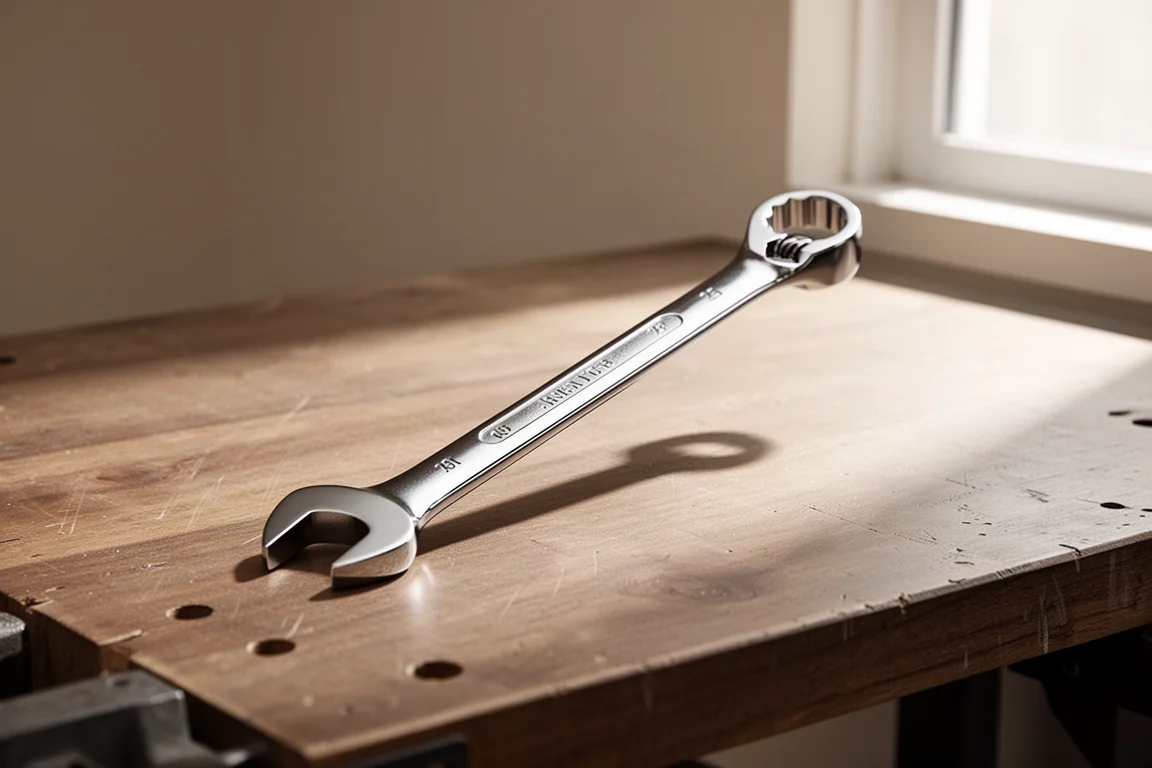
GearWrench (Ace Professional) Ratcheting 10mm Wrench
The GearWrench co-branded as the Ace Professional sits in a comfortable middle ground. Its mechanism resistance is noticeably lower than some of the stiffer offset designs, and the wrench handled the test rig cleanly once oriented the right way.
It has plenty of teeth up front and feels good in the hand with the usual 6-point and 12-point options. For shoppers who want modern fine-tooth ratcheting behavior without stepping up to a professional truck brand, this is a very sensible pick.
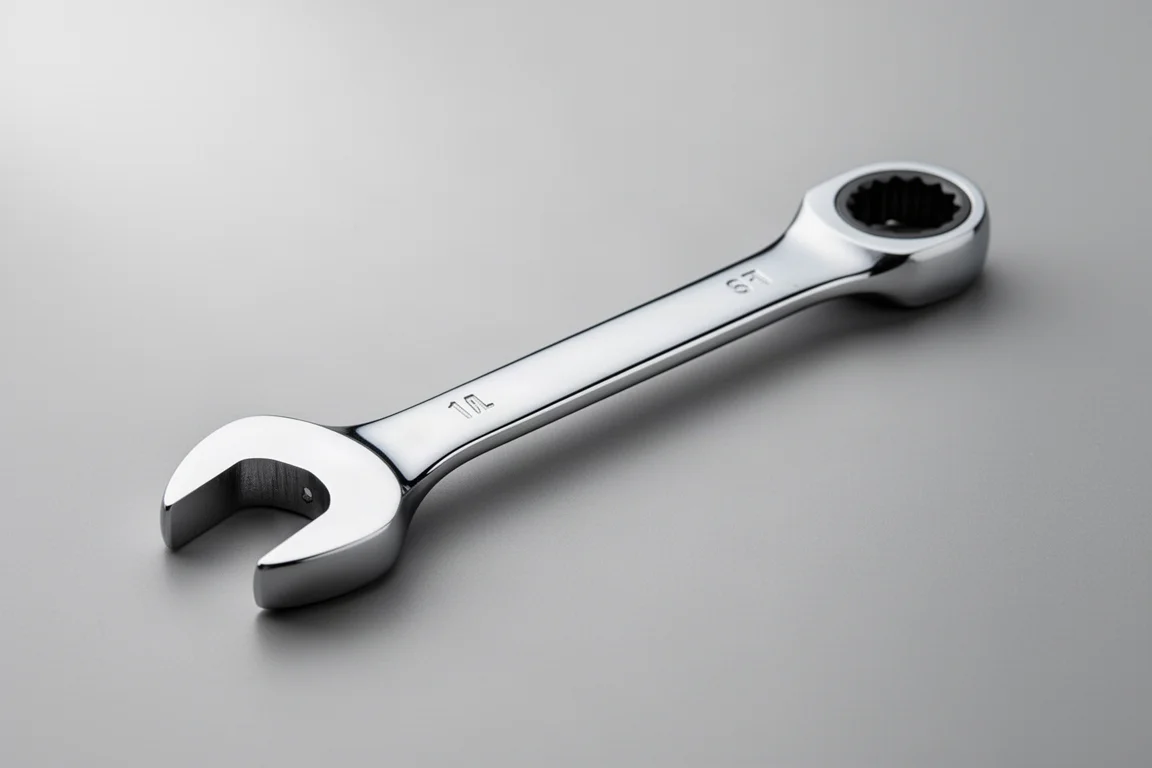
Husky Ratcheting 10mm Wrench
The Husky was the interesting one of the group. Even though it and the Ace-branded GearWrench probably come out of the same factory, the Husky felt a little smoother inside. Its mechanism resistance measured clearly higher than the Ace-branded wrench, and in the balanced-on-the-bolt test it behaved more like the stiffest wrenches in the group.
That stiffness is the trade-off with the modern fine-tooth designs: they feel great in the hand and offer plenty of teeth, but when loosening a fastener that has already lost resistance, a high-resistance wrench stops doing useful work sooner. The Snap-on, by contrast, kept turning until well past that point.
Overall Buying Advice
If internal resistance is the deciding factor, the Snap-on is the clear winner and worth the premium for daily professional use. The Husky and the GearWrench Ace Professional both offer modern fine-tooth ratcheting at retail-friendly prices, with the Ace-branded GearWrench showing less internal resistance than the Husky in testing. The USA-made Craftsman is the crudest mechanically, but its low resistance and simple design keep it usable, especially if domestic manufacturing matters to you.
One thing to watch for when shopping: an offset head is great for saving knuckles in tight spots, but make sure the wrench has a reversing mechanism if you go that route.
Conclusion
These four ratcheting 10mm wrenches look alike but behave very differently under load. The Snap-on earns its reputation with the lowest mechanism resistance, the GearWrench Ace Professional balances features and cost, the Husky is smooth but noticeably stiffer, and the USA-made Craftsman stays relevant through simplicity. Match the wrench to how often you reach for a 10mm, and you will not go far wrong with any of them.
Further reading
Related Reviews
Hand Tools
Best Diagonal Cutters 2026: 16 Pliers Tested for Cutting Power and Durability
We put 16 diagonal cutters through nail, screw, drill bit, and hex key tests to find the best value picks for your toolbox.
Hand Tools
Best Hex L Key Sets 2026: Nine Sets Tested for Real-World Torque
Nine hex L key sets from budget to premium, tested for torque, fit, and durability. See which sets deliver real performance and which ones to skip.
Hand Tools
Best Locking Pliers 2026: Top Picks Tested for Grip and Durability
We tested 18 brands of 10-inch locking pliers for grip strength, jaw bite, build quality, and ease of release to find the best options for tough jobs.