Hand Tools
Best Ratchet Thumb Spinners: Budget Set vs Premium Snap-On
Thumb spinners are a low-torque, old-school niche tool. We compare a $2 Pittsburgh set against the $81 Snap-On TS72, plus a GearWrench gimbal design and a classic Snap-On FFRS.
Introduction
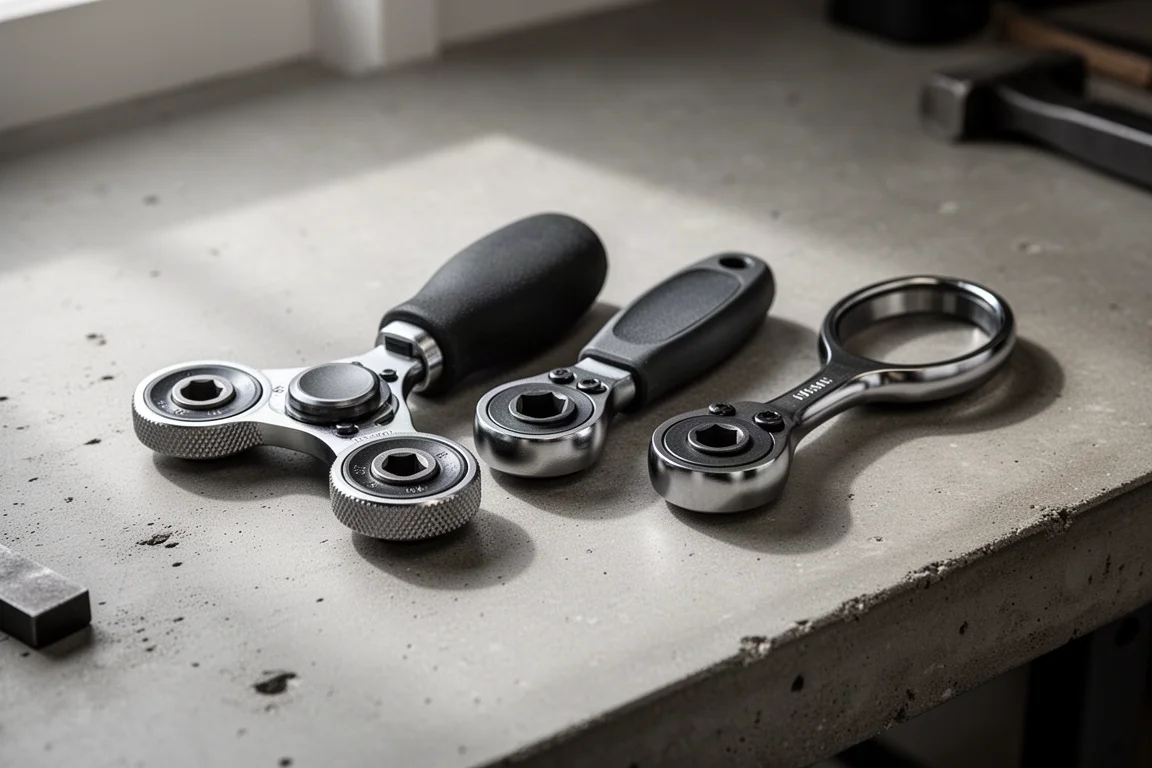
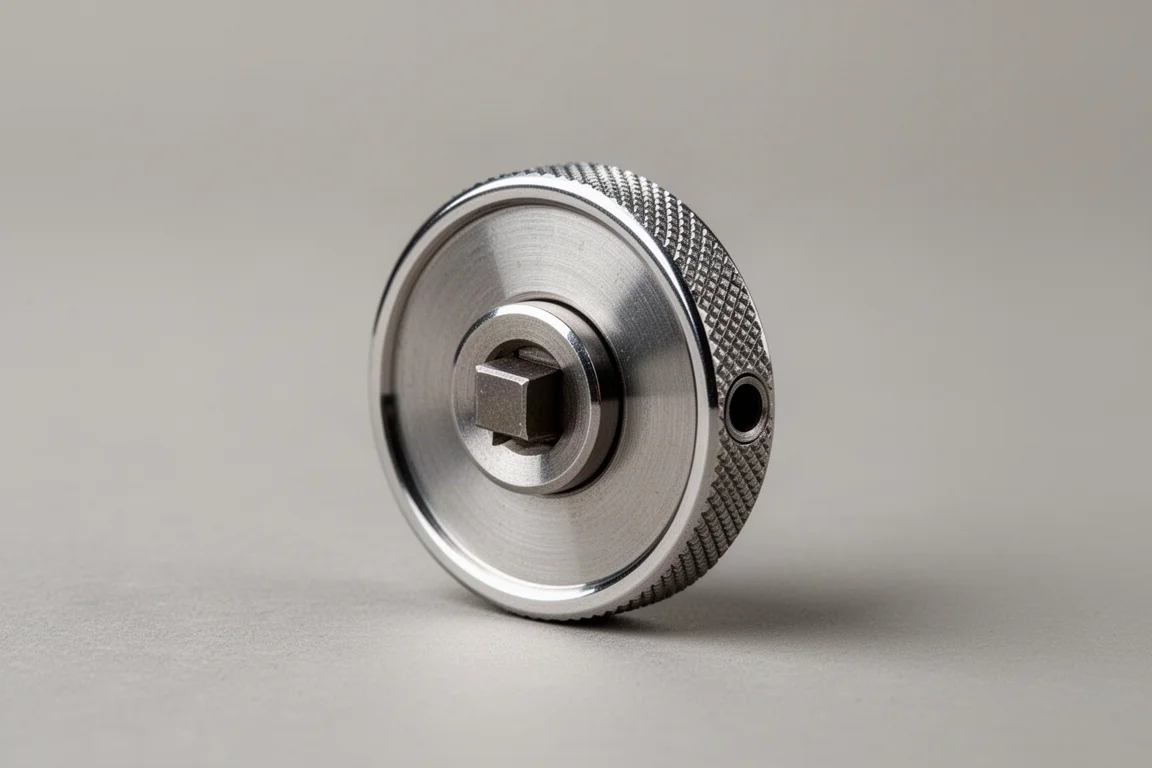
Thumb spinners, or ratchet spinners, are one of those old-school tools people either use constantly or just carry around. The idea is simple: a small wheel with a quarter-inch drive in the middle that you spin with your thumb to run a fastener in or out quickly. Both tools compared here are quarter-inch drive, low-torque, and mechanically simple.
The interesting part is the price gap. One is an $81.75 Snap-On, the other is a $2 Pittsburgh from a three-piece set that sells for $5.99. At roughly $40 per spinner for the Snap-On, you could buy about 40 of the Pittsburgh units for the price of one. That raises the obvious question: what do you actually need from this kind of tool?
What a Thumb Spinner Is Actually For
Because these are low-torque tools, you are probably not going to tax the mechanism even on the inexpensive versions. That changes the buying calculus. If you lose a $2 spinner, you shrug. Losing a premium one stings a lot more.
Some designs have a port on the back so you can run it as a ratchet wheel and finish the job with a ratchet, which adds a bit of flexibility. There are also dedicated bit drivers and socket drivers built around the same spinner concept, keeping the mechanism simple and robust.
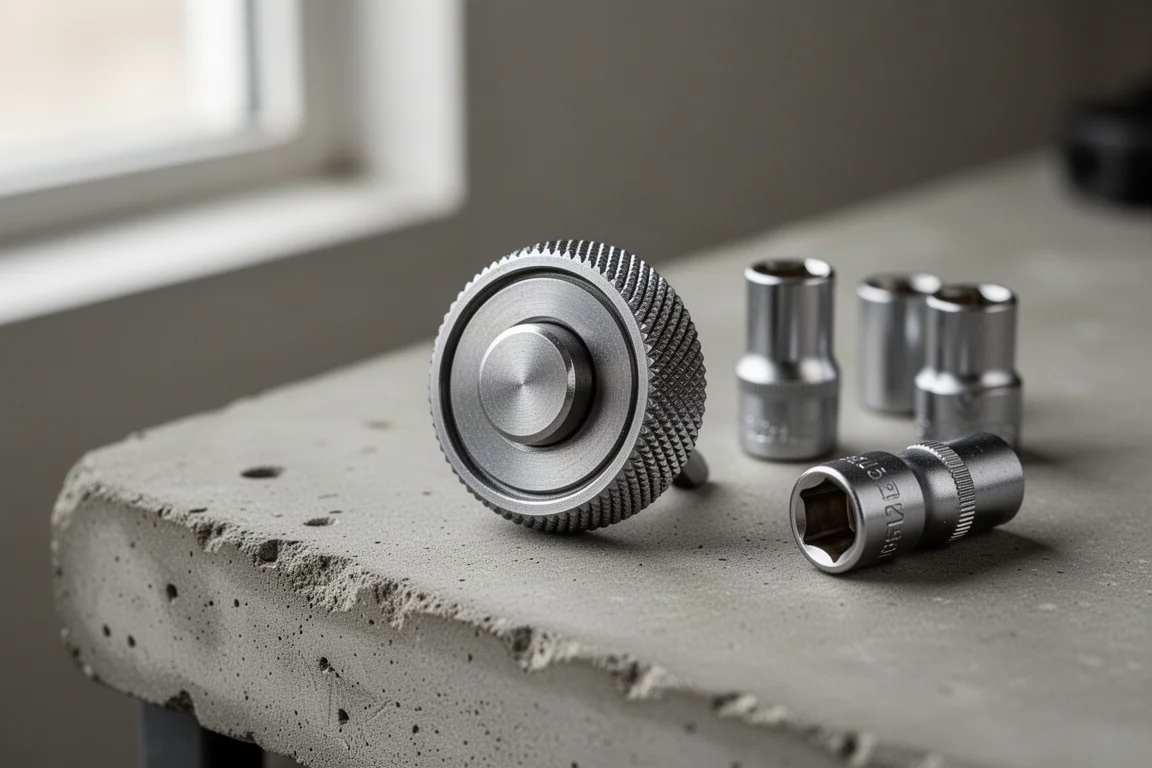
One honest caveat: a good micro ratchet with a fine tooth count can cover much of the same ground and offers more spinning opportunity, especially next to smooth-rimmed spinner wheels. But spinners predate the trustworthy mini ratchet, and some people still prefer them for fast thumb work.
Snap-On TS72
The Snap-On TS72 is the current premium offering at $81.75, made in the USA. It has around 72 teeth, which makes it smoother than cheaper alternatives, and it is undeniably well made. It is the kind of tool that earns the phrase pocket jewelry.
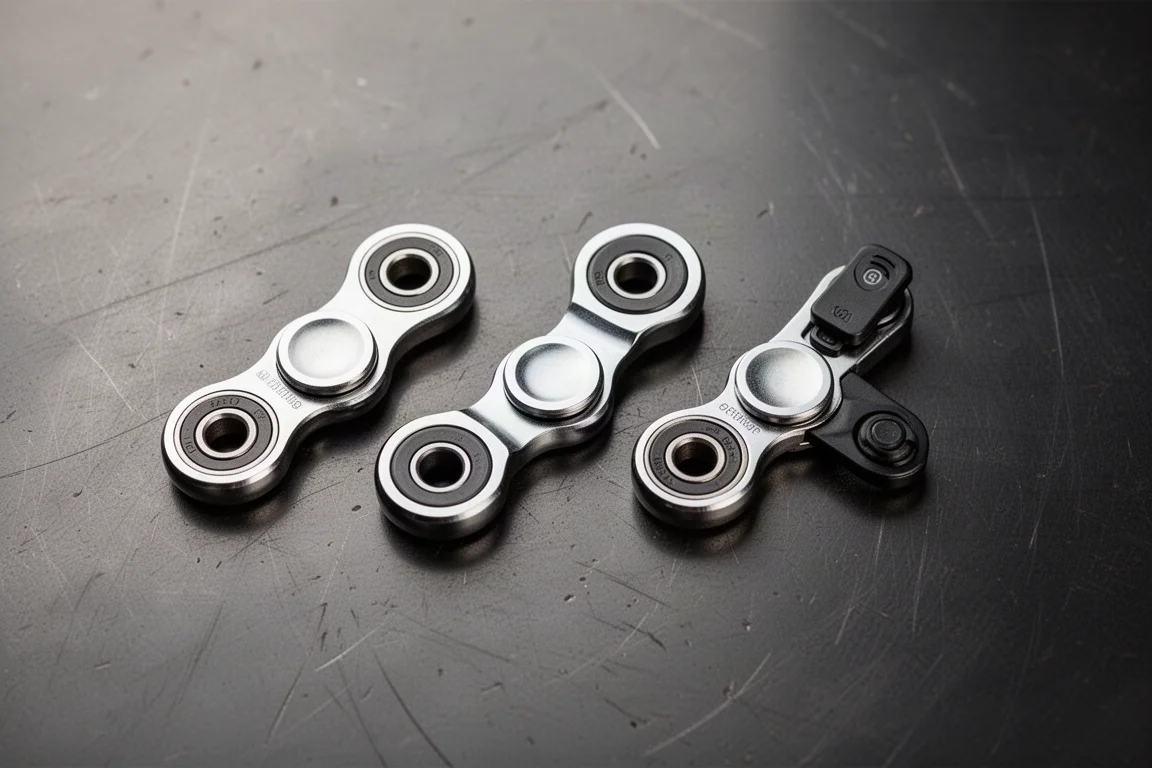
Is that precision worth it here? The counterargument is that on a low-torque tool, smoothness may not matter much in daily use. If you want precision and you use a spinner all day, the extra bucks buy a noticeably finer mechanism. If you are unsure you will use one regularly, it is hard to justify the premium.
Pittsburgh Thumb Spinner Set
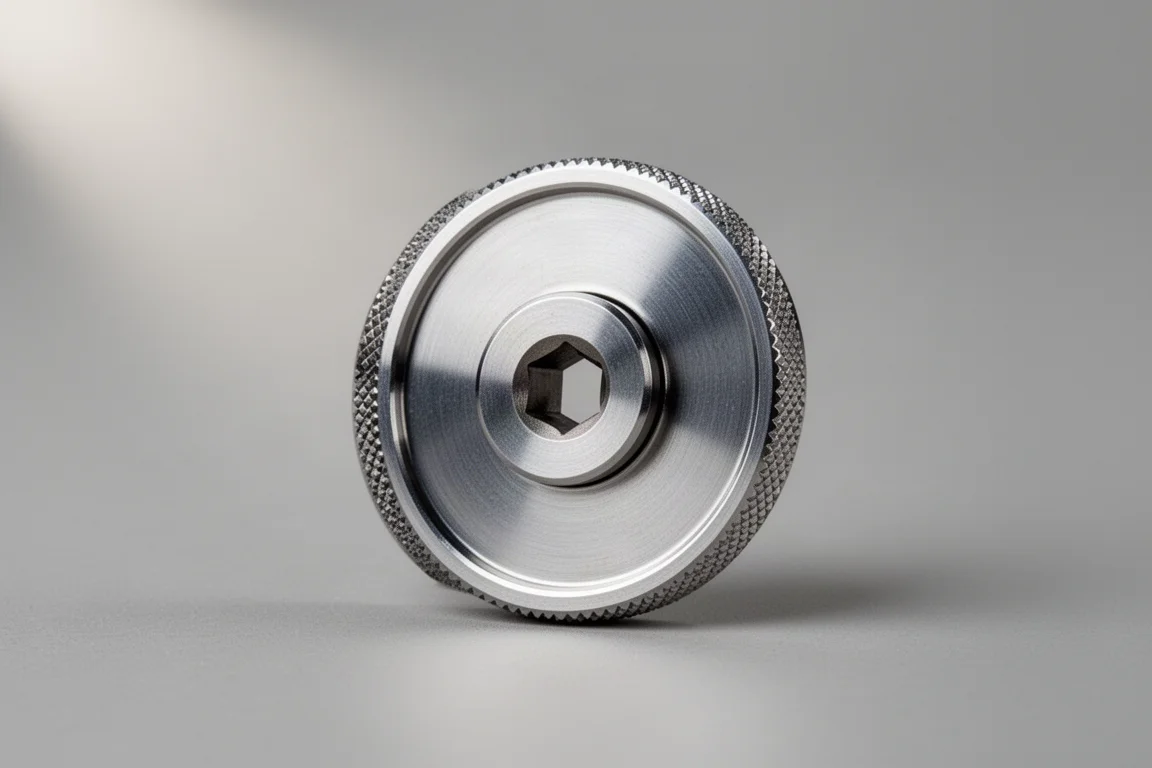
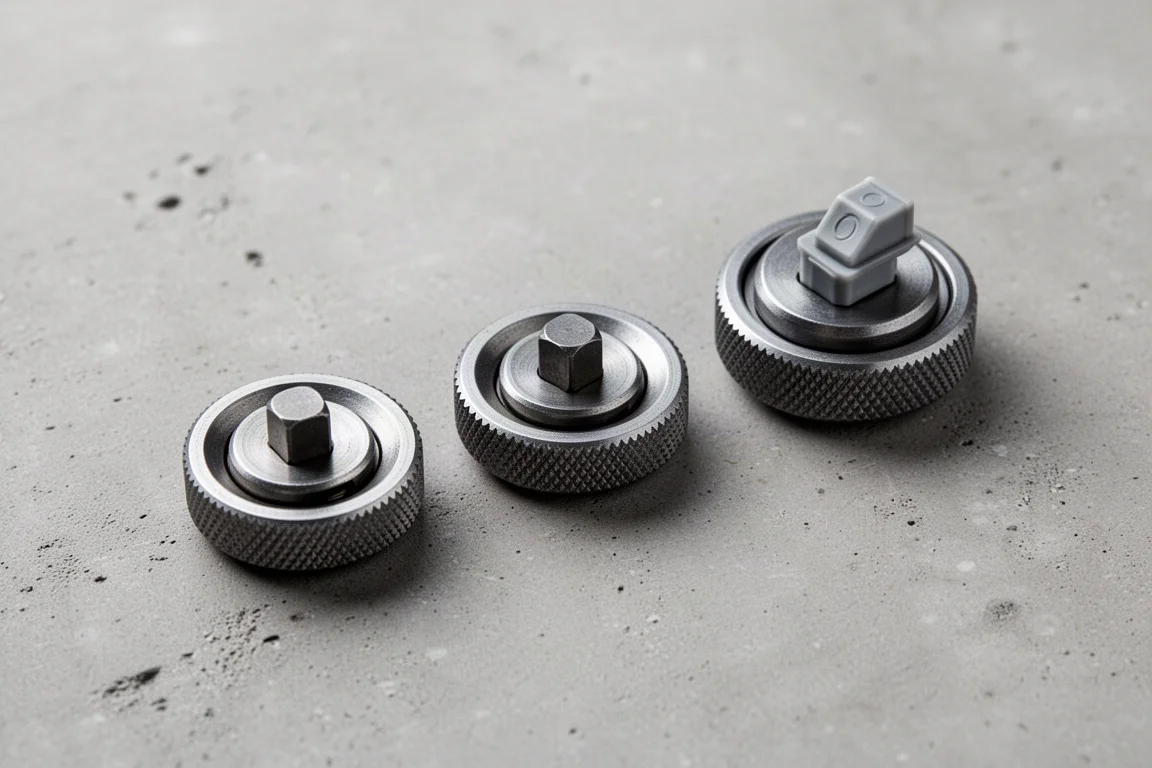
The Pittsburgh set comes with three spinners covering quarter-inch, 3/8, and half-inch drives, all for $5.99. That works out to about two dollars each. They are made in China with plastic reverse levers or switches on top, and the build is exactly what the price suggests.
Counting teeth on the quarter-inch one got roughly 60, not far off the Snap-On’s 72, though it is not as smooth and one unit felt slightly offset and loose in the mechanism. For a tool this cheap, that may not matter. The real puzzle is the half-inch version: it is genuinely unclear where that size comes into play for a thumb spinner.
As a trial run, this set makes total sense. If you discover you reach for a spinner constantly, then consider stepping up to the premium option.
GearWrench Gimbal Spinner
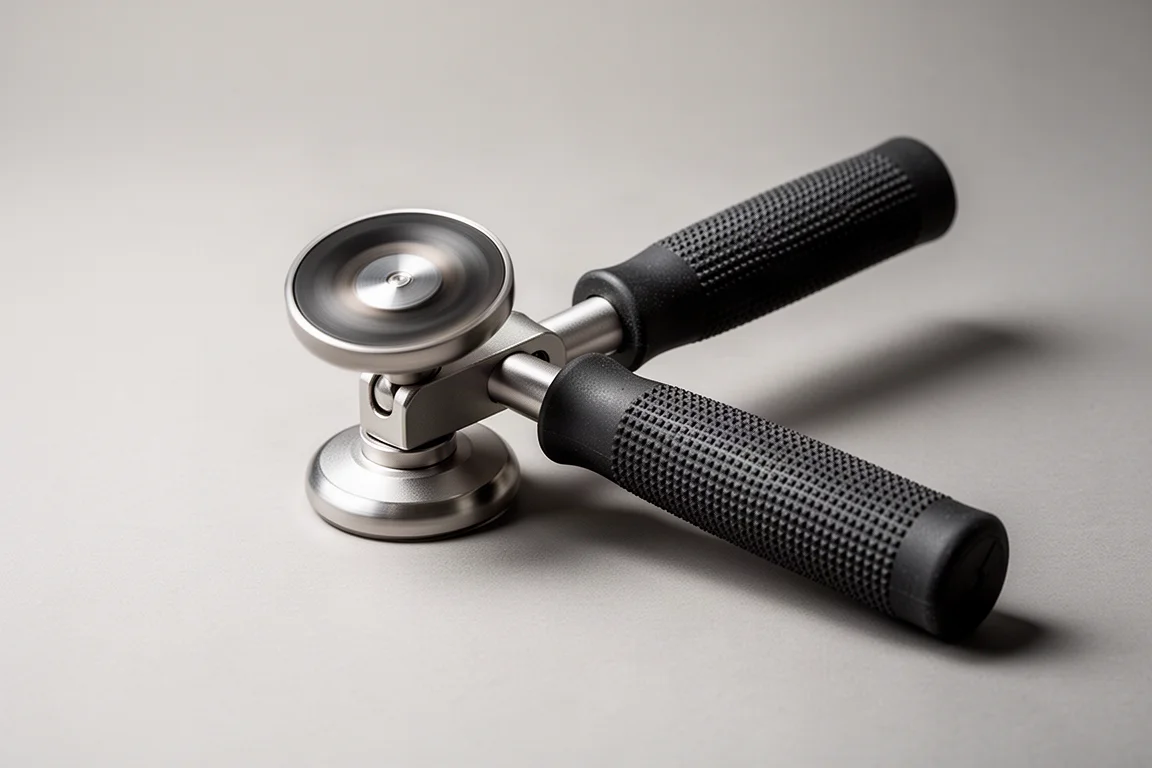
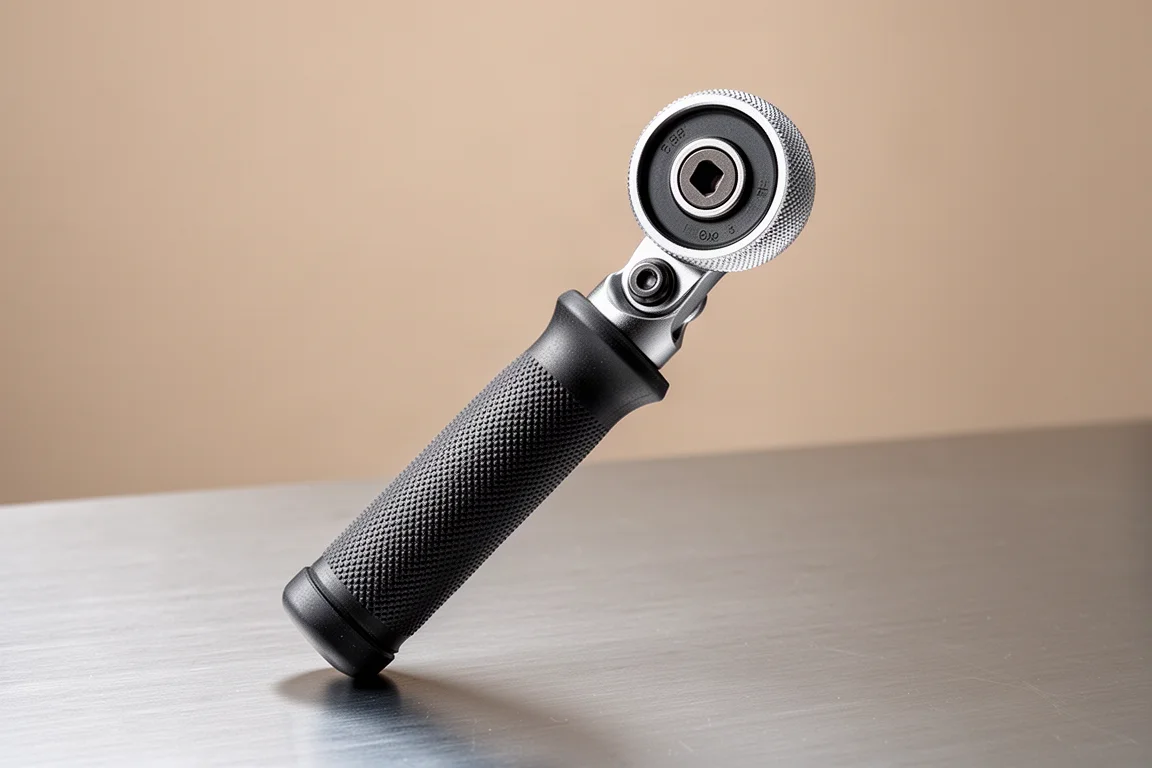
The GearWrench takes a different approach: the spinner wheel sits on a gimbal, so it can align with the fastener or even be spun at an angle. That is a genuinely neat design touch, and a set of these is available, though the one covered here is the quarter-inch version.
The big grippy handle is smooth but has indentations that give you something to hang onto, so you can generate decent force despite the smooth surface. If angled access is part of your workflow, this design is worth a look.
The Classic: Snap-On FFRS
There is also an older-school Snap-On, the FFRS, that many people still prefer over the newer design. Its thinner rim is the reason: the knurling on these tools is where manufacturers skimp, so the rims can feel smooth. A narrower ring lets your skin bite into it better, which gives you more control when spinning.
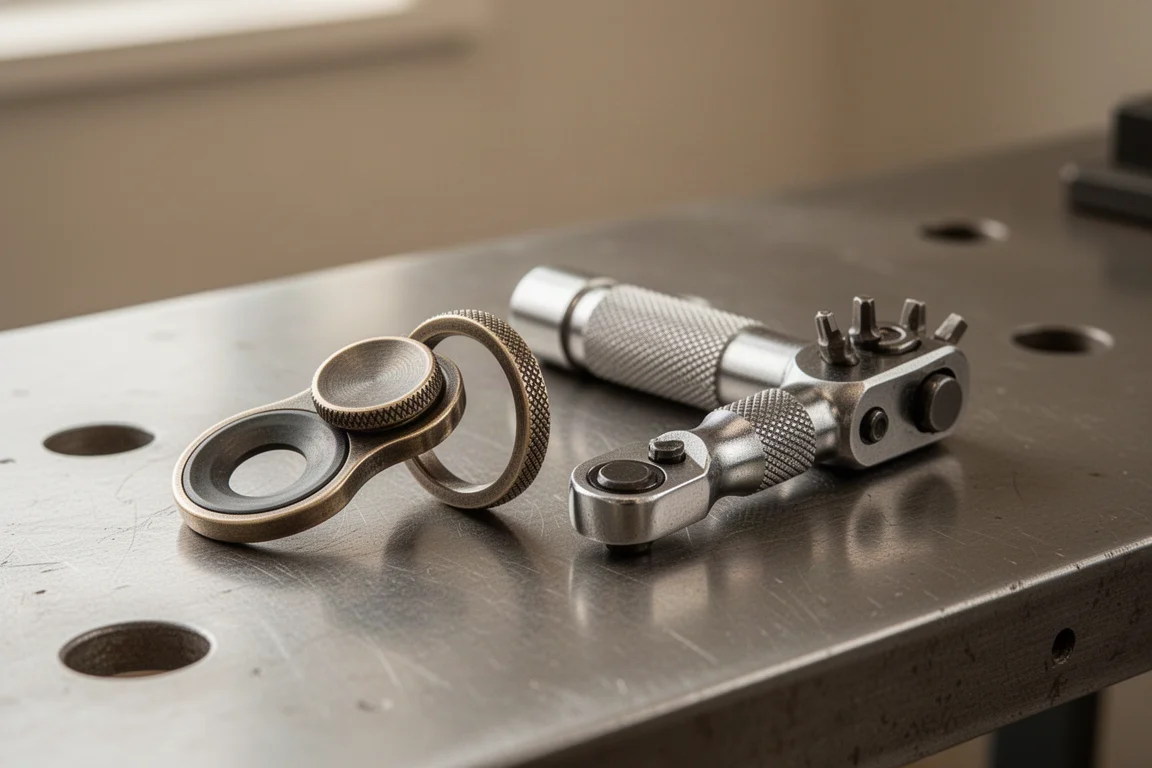
Another versatile old design, originally sold as a Blue-Point off the Snap-On truck but also sold under a number of other names, accepts a bit in one end and a quarter-inch socket in the other. If you like the format, hunting down one of those versions can be a smart alternative.
Buying Advice
The straightforward path is to start cheap. If you would rather have it and not need it, or you are not sure this is the right tool for you, try the Pittsburgh set for about six bucks. If you find yourself using it all the time, then spring for the Snap-On.
Also consider whether a quality micro ratchet with a fine tooth count fits your work better. Its swing arc is not much larger than a spinner wheel’s radius, and it offers more ways to spin a fastener. But if you have a specific job where a spinner is genuinely the go-to, the premium versions earn their keep.
Conclusion
Thumb spinners occupy a narrow but real niche. The Pittsburgh set is an easy, low-risk way to find out whether the format fits your work. The Snap-On TS72 and the classic FFRS serve people who use them daily and appreciate a finer mechanism or a better-controllable rim. Whichever route you take, this is one tool category where trying the budget option first is a perfectly rational move.
Further reading
Related Reviews
Hand Tools
Best Diagonal Cutters 2026: 16 Pliers Tested for Cutting Power and Durability
We put 16 diagonal cutters through nail, screw, drill bit, and hex key tests to find the best value picks for your toolbox.
Hand Tools
Best Hex L Key Sets 2026: Nine Sets Tested for Real-World Torque
Nine hex L key sets from budget to premium, tested for torque, fit, and durability. See which sets deliver real performance and which ones to skip.
Hand Tools
Best Locking Pliers 2026: Top Picks Tested for Grip and Durability
We tested 18 brands of 10-inch locking pliers for grip strength, jaw bite, build quality, and ease of release to find the best options for tough jobs.