Hiking Gear
Best Rain Gear and Layers for Cold, Wet Treks 2026: Six Field-Tested Picks
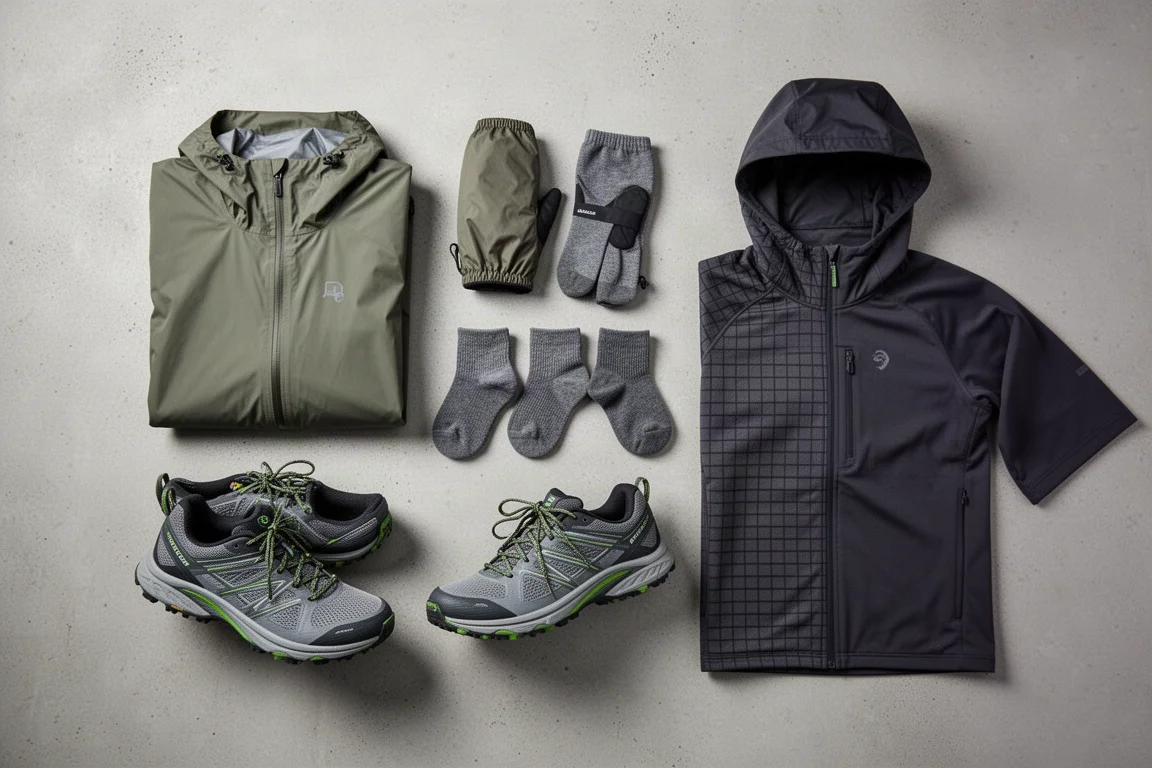
Six pieces of hiking gear for cold, wet treks, from a heavier rain shell and ultralight rain mitts to alpaca socks, trail runners, an Alpha Direct mid layer, and a quick-drying sun hoodie.
Introduction
A multi-day trek through cold, steady rain sorts gear quickly. Weight matters, but so does staying warm once everything is damp, and a piece that saves a few grams while leaving you shivering is a bad trade. The six items below were carried and used on the West Highland Way, and they cover the full spread of a wet-weather kit: a heavier rain shell, ultralight rain mitts, alpaca socks, trail runners, an Alpha Direct mid layer, and a quick-drying sun hoodie. Each one is described here with what it does well and where it asks for a compromise.
What Matters on a Cold, Wet Trek
Three things drive most of the decisions: how much a piece weighs in the pack, how it behaves once it is already wet, and how well it layers with everything else. Cold rain is the hardest test because it combines wind, moisture, and low temperatures at the same time, and gear that only handles one of those conditions tends to leave a gap. Ventilation matters too, especially in a shell that gets worn for hours on end, because being sealed in and overheating is its own kind of miserable. Drying speed is the quieter factor: an item that can be washed in a shower and hung overnight is far easier to live with on a long route than one that stays damp for days.

The aim here is not to build one perfect kit, but to match each piece to the conditions it will actually face.
Best Rain Shell: Patagonia Torrentshell
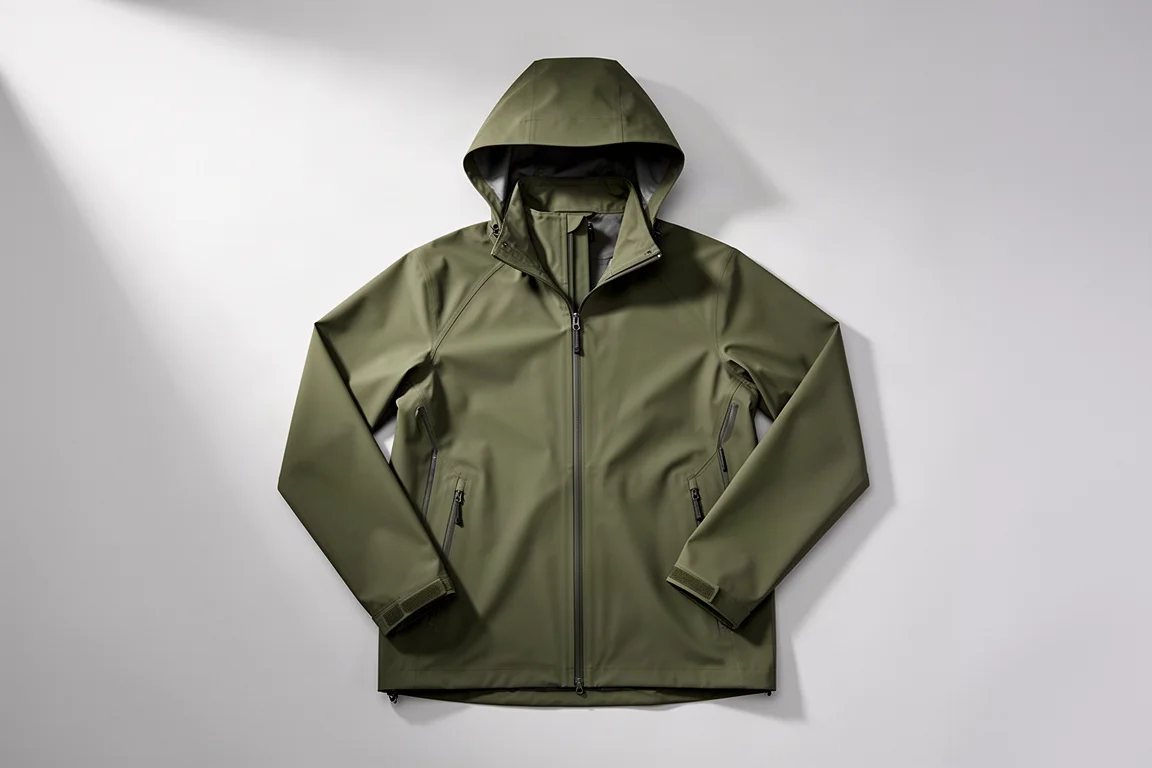
The Torrentshell is a deliberate step up in weight from the ultralight shells that usually get packed for a long-distance route. At 12.4 oz it is not the lightest option, but the extra material is exactly what makes it useful in cold rain and wind. Pit zips give a way to dump heat without opening the whole front, which matters on a climb. On the West Highland Way it kept its wearer dry, added a wind buffer when the jacket alone was enough, and held warmth when conditions turned cold and wet.
The reasoning behind the choice is worth repeating. On trips where a day pack is carried rather than a full backpacking load, a heavier shell costs less in relative terms and returns more protection. The same logic applies to a thru-hike that finishes in freezing rain, where a lighter jacket can be swapped out for this one. At $179 it sits above the cheapest shells on the shelf, and the trade is a jacket that handles cold rain rather than a passing shower. It is also simple enough in appearance to wear around town.
Best Rain Mitts: Zpacks Rain Mitts
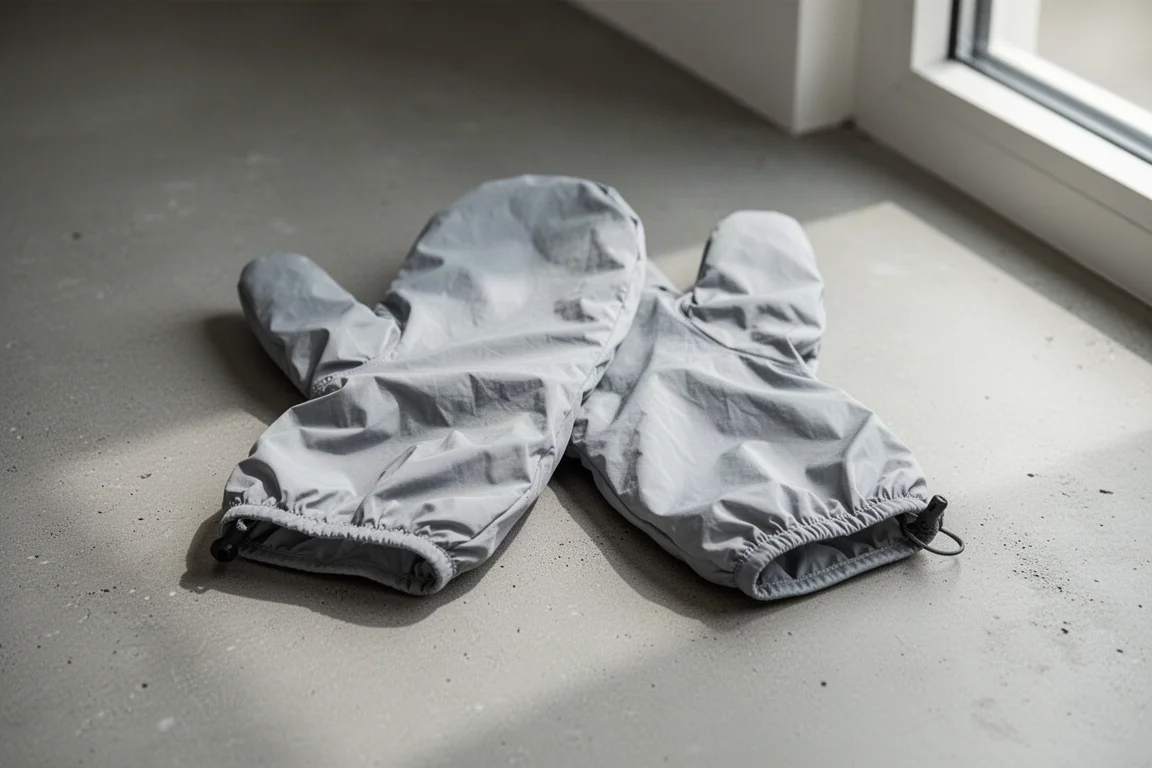
Rain mitts are a different approach to keeping hands warm. Waterproof gloves keep the rain out but separate the fingers, and in cold conditions separated fingers stay cold. Mitts keep the digits together, which traps more warmth, and they can be worn over a light down glove for extra insulation. The pair here weighs just under an ounce, around 0.99 oz, so it adds almost nothing to a pack. On a day of cold rain they were welcome, and on Ben Nevis they kept hands dry when the weather was at its worst.
The trade-off is dexterity: mitts make fine hand work harder, and that is the honest cost of the extra warmth. The other consideration is price, at $75 a pair they are not cheap.
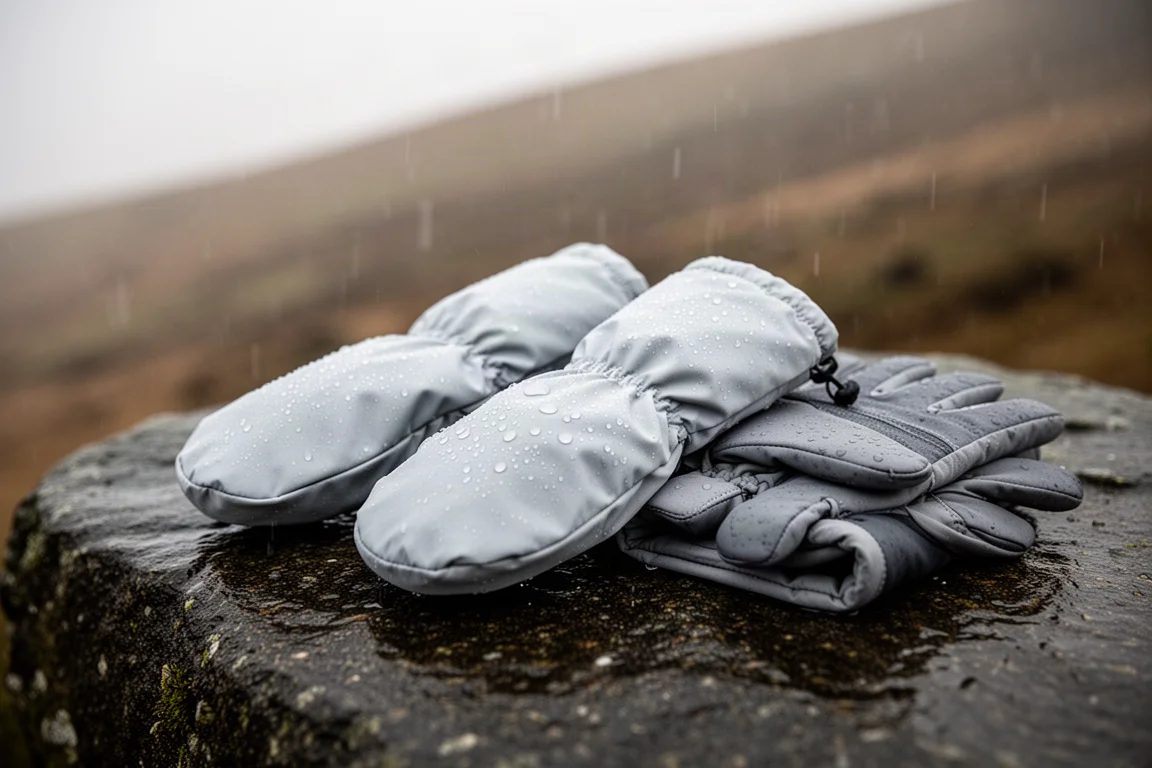
For anyone who runs cold in the hands, combining a mitt with a light insulating glove covers far more conditions than a single waterproof glove does.
Best Socks: Paka Alpaca Socks
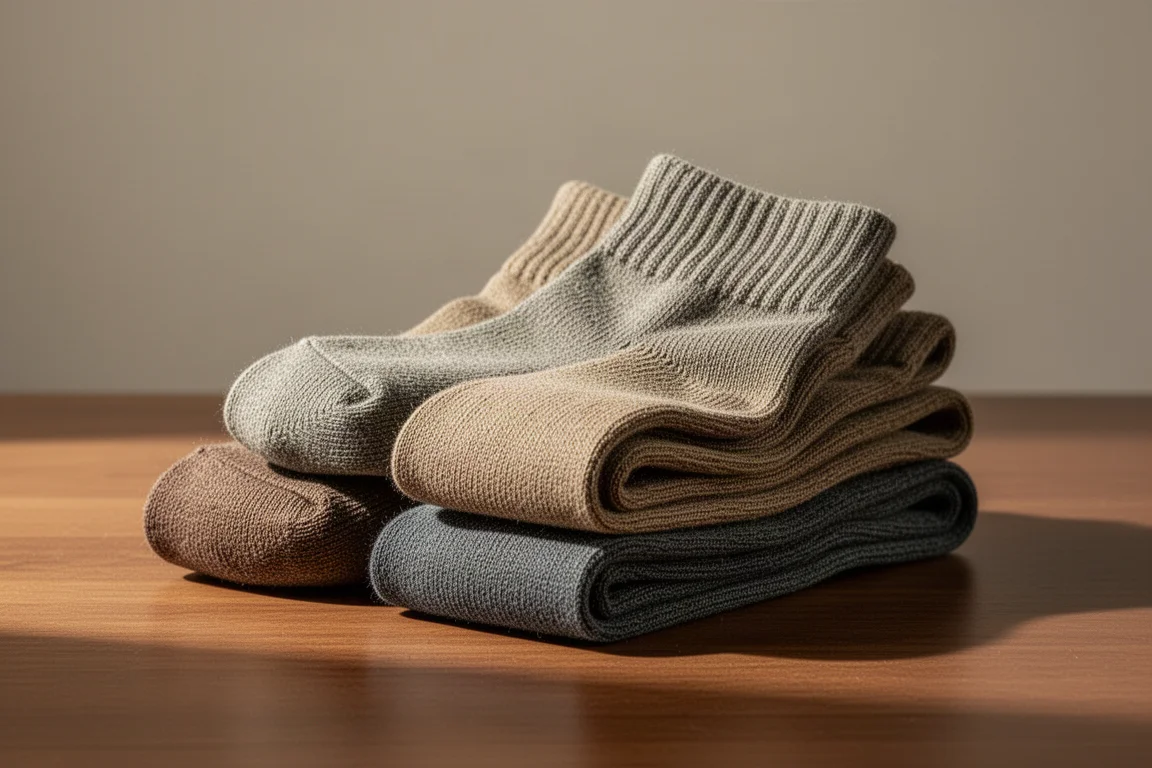
These socks are made from alpaca and carry a lifetime guarantee. In use they were cushioned and comfortable, and they stayed warm even with soaked feet, which is exactly what happened while wearing trail runners that were not waterproof. On Ben Nevis, with feet wet for hours, they were not cold. The feel and performance came across as comparable to merino wool alternatives, and the ankle height stayed in place rather than slipping down inside the shoe, which is a common annoyance with lower-cut socks.
A pack of three costs $48, which lines up closely with merino options at the same tier. For anyone who already buys wool socks around that price, alpaca is a straightforward alternative to try.
Best Trail Runners: Topo Athletic Terraventure 4S
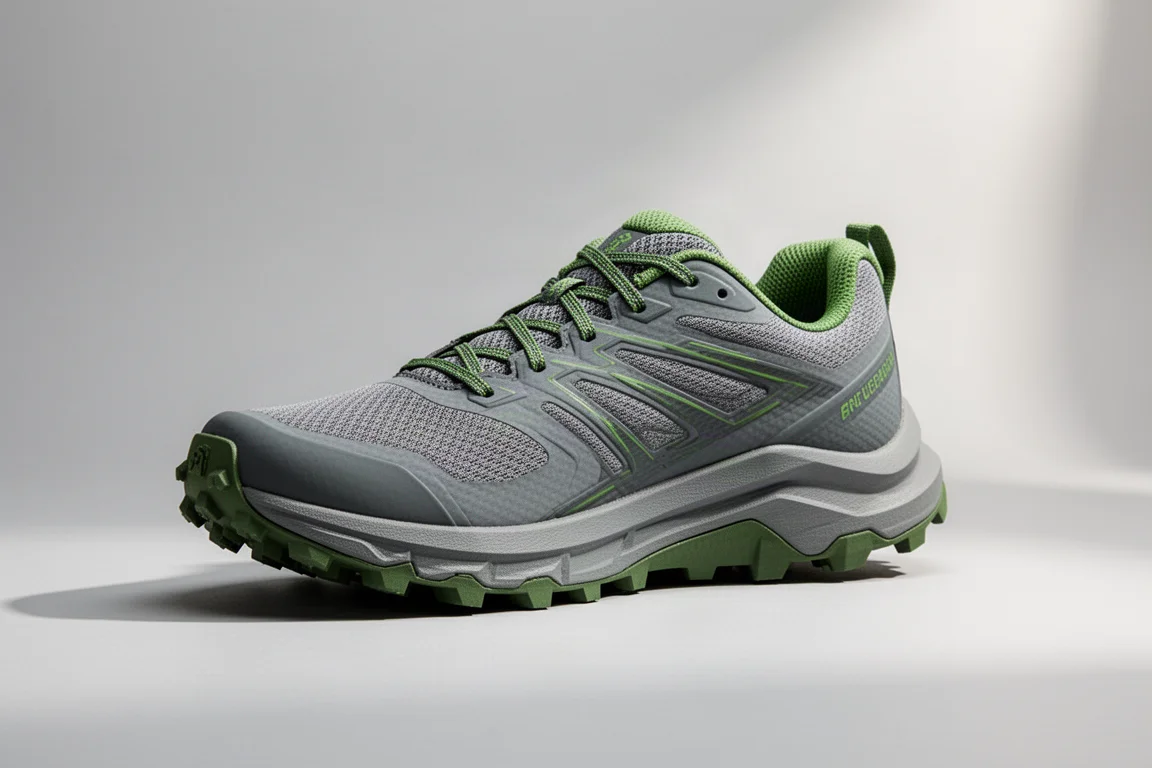
The Terraventure 4S was chosen over the Altra Lone Peak for a route that mixed improved surfaces with trail. Roads and sidewalks are harder on feet and shoes than dirt, and the Topo shoe felt more armored underfoot. The fit includes a roomy toe box, which is a requirement for long days, and a rock plate adds protection from sharp ground. The drop is 3 mm, with a stack height of 25 mm at the heel and 22 mm at the forefoot, so it sits close to flat without being a true zero-drop shoe.
They cost $135. The colorway in the men’s version used here was gray and green, a step up from some of the brand’s plainer options.
For hikers who normally wear zero-drop shoes, a 3 mm drop is a small adjustment rather than a change in stride.
Best Mid Layer: CI Designs Alpha Direct Hoodie
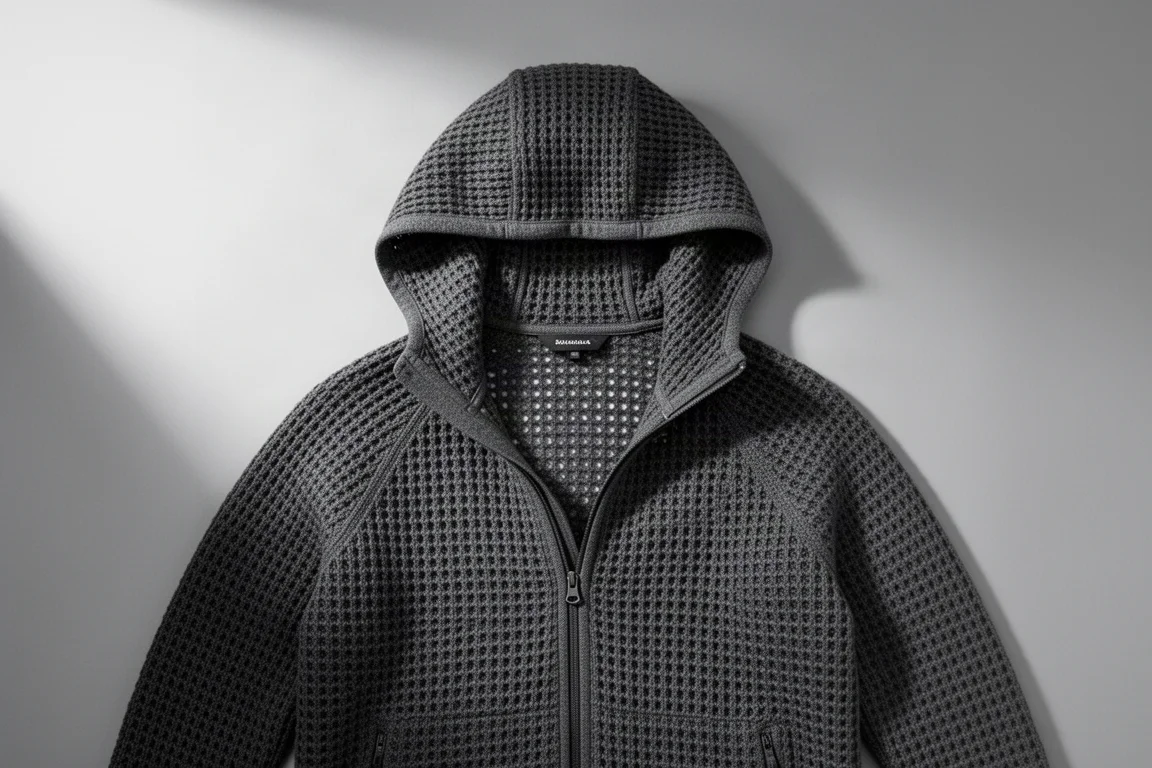
This hoodie uses Polartec Alpha Direct 120 fabric, which has an open, grid-like surface. That construction is what makes it breathe, and it is also why it does not block wind on its own. Worn as a mid layer over a long sleeve shirt and under a rain shell, it kept its wearer warm in cold rain. Unlike down, it does not lose its insulation when it gets wet, which removes one of the biggest worries on a wet trip.
Practical details include a front zipper for venting, a hood, and a front hand pocket. A medium weighs 7.5 oz and it costs $115.
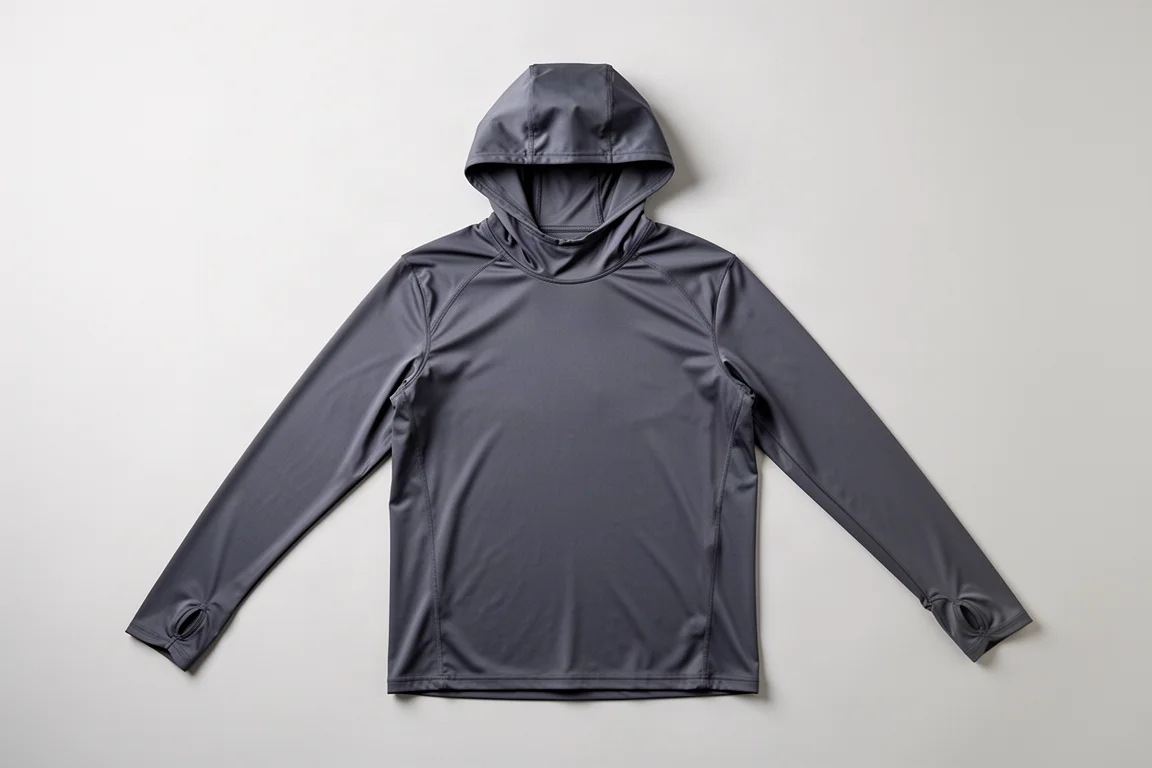
Best Sun Hoodie: KUIU Hila Women’s LS Sun Hoodie
The Hila sun hoodie comes from a brand better known for hunting apparel, which explains both its strengths and its styling. It keeps the wearer cool, provides sun protection rated to UPF 50+, and includes thumb holes that cover the back of the hands. It dries quickly: a shower wash followed by an overnight hang was enough to dry it fully. At 7 oz it is light enough to disappear in a pack.
Two things are worth knowing before buying. The color selection is drab, which follows from the brand’s hunting roots, and at $79 it is priced above basic sun shirts. A cheaper alternative tried previously did not fit as well and did not keep its wearer as cool.
Buying Advice: Matching Gear to the Trip
The clearest lesson from this set is that the right shell depends on the trip, not on a single number. Where a day pack is carried and cold rain is likely, a heavier jacket like the Torrentshell earns its weight. Where every gram counts on a long backpacking route, a lighter shell is the better default, with the heavier jacket as a swap-in for a cold, wet finish.
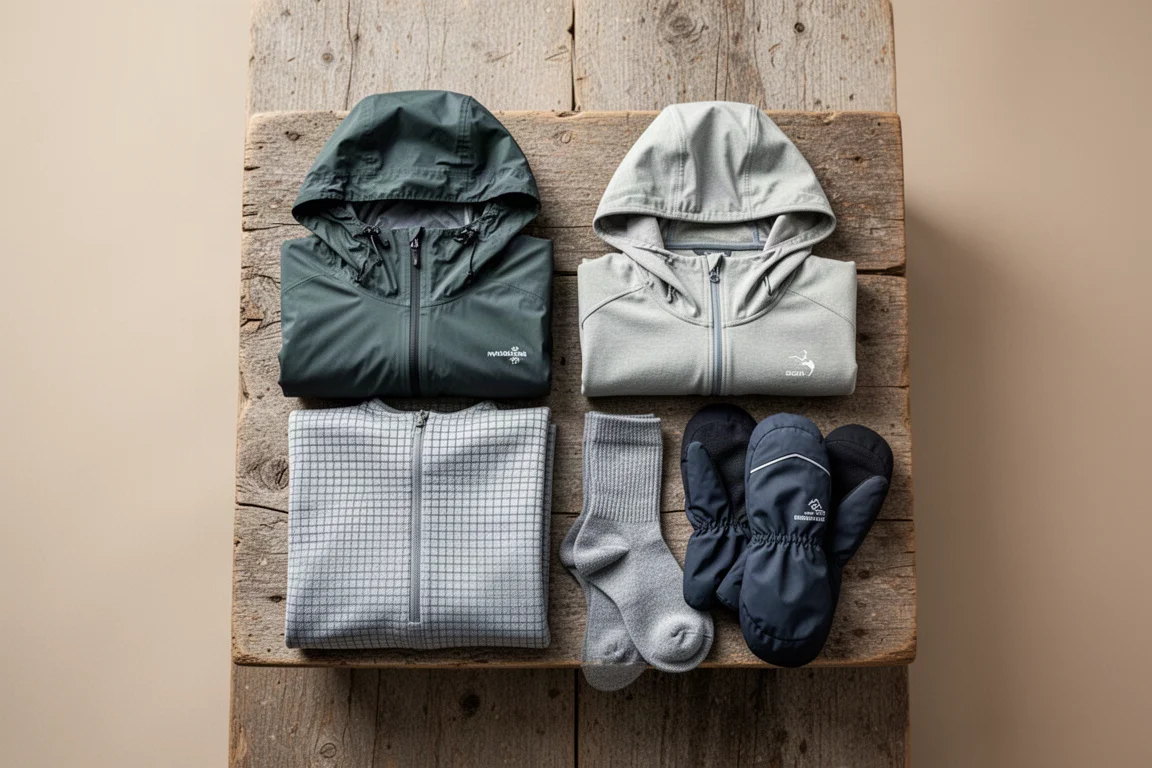
Hands and feet are where cold trips are won or lost. Mitts paired with a light insulating glove cover more conditions than waterproof gloves alone, at the cost of some dexterity. Socks that stay warm when wet make a bigger difference than most people expect, especially in non-waterproof shoes. For footwear, match the protection to the surface: a rock plate and a slightly more armored ride help on routes that mix pavement with trail.
Layering deserves the same logic. An Alpha Direct mid layer is a good partner for a waterproof shell because it keeps insulating when damp, and it needs that shell to handle wind for it. A quick-drying sun hoodie covers the warmer, sunnier half of the same trip, and the two together handle a wide range of conditions without much weight.
Conclusion
None of these six pieces is trying to be everything. The Torrentshell trades weight for protection in cold rain, the rain mitts trade dexterity for warmth, the alpaca socks stay warm when soaked, the Terraventure 4S adds underfoot protection for mixed surfaces, the Alpha Direct hoodie insulates while wet, and the Hila sun hoodie dries fast and blocks sun. Chosen for the conditions they were built for, they cover a cold, wet trek from head to hands to feet.
Further reading
Related Reviews
Hiking Gear
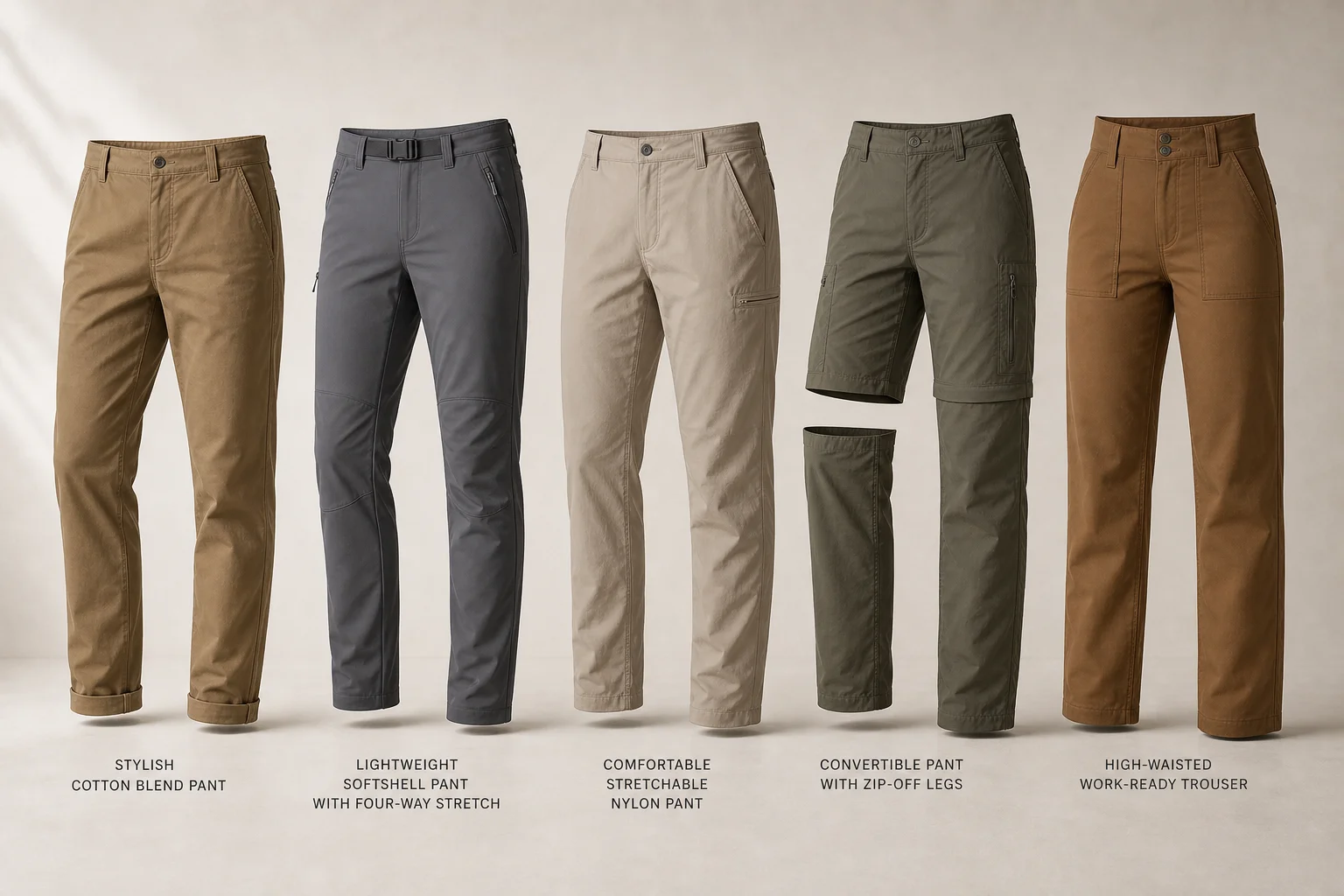
Best Hiking Pants on Amazon: Five Practical Options for Different Needs
A practical review of five hiking pants with clear strengths and trade-offs, from lightweight convertible styles to durable work-ready trousers.
Hiking Gear
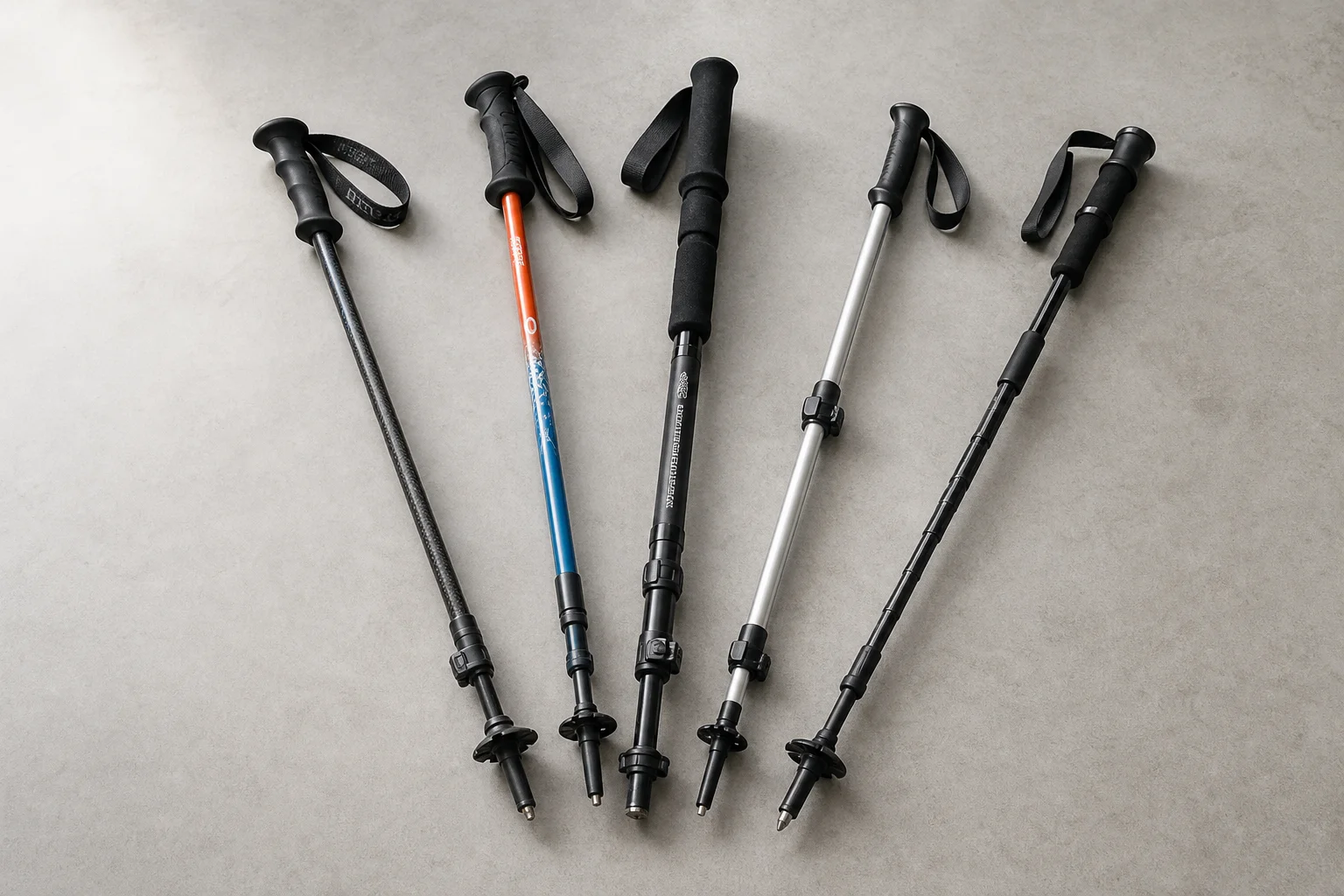
Best Hiking Poles 2026: Five Options for Different Trail Needs
A practical review of five hiking poles, from lightweight carbon designs to versatile all-terrain options, with clear strengths and trade-offs for each.
Hiking Gear
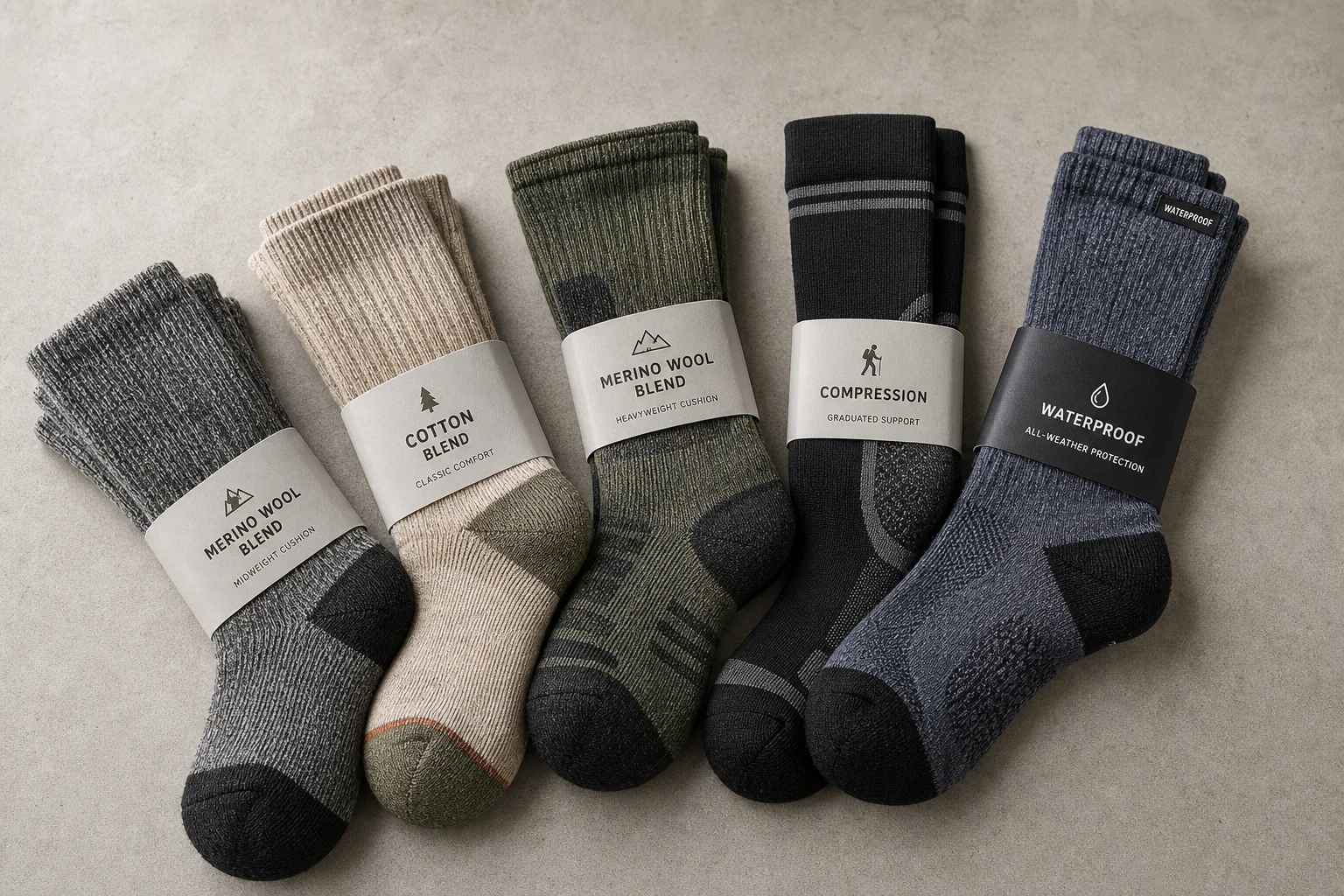
Best Hiking Socks 2026: Five Top Choices for Different Trail Needs
A practical roundup of five hiking socks, from lightweight merino options to heavy-duty compression styles, with clear guidance on which suits your outdoor activity.