Running Gear
Race Day Tested: Puma Fast-R Nitro Elite 3, Coros Pace 4 and Garmin Forerunner 70
Three race day picks put to work over a fast 10K: a firmer super shoe that keeps you ticking over, plus two affordable running watches that trade nothing on accuracy.
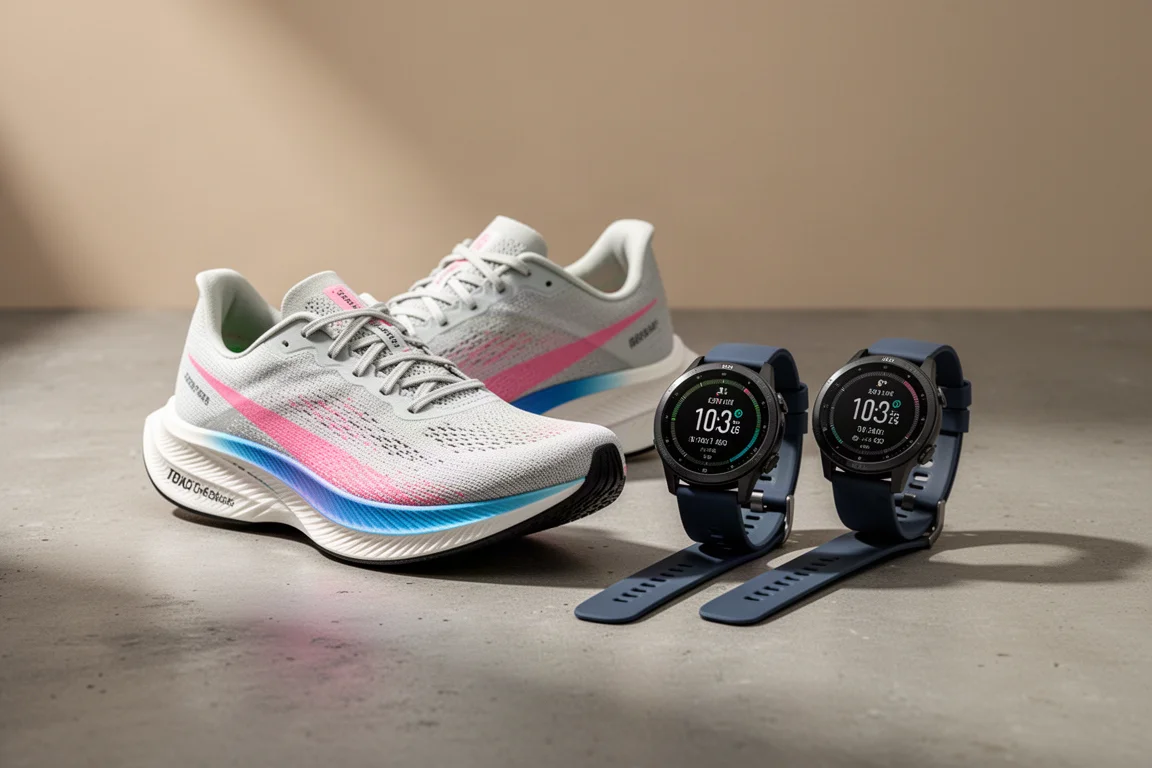
Introduction
Sometimes the best way to judge race gear is to race in it. That is exactly what happened at a flat, fast 10K on quiet country roads, where a pair of carbon racers and two affordable running watches all got a proper workout. The course was recently remeasured as an official 10K, mostly flat with one sharp little hill near the end, which makes it a genuinely good testing ground for both shoes and GPS accuracy.
All three products below delivered on the day. None of them is complicated to recommend, but each suits a slightly different runner, so it is worth understanding the trade-offs before you pick one.
First Up: Puma Fast-R Nitro Elite 3
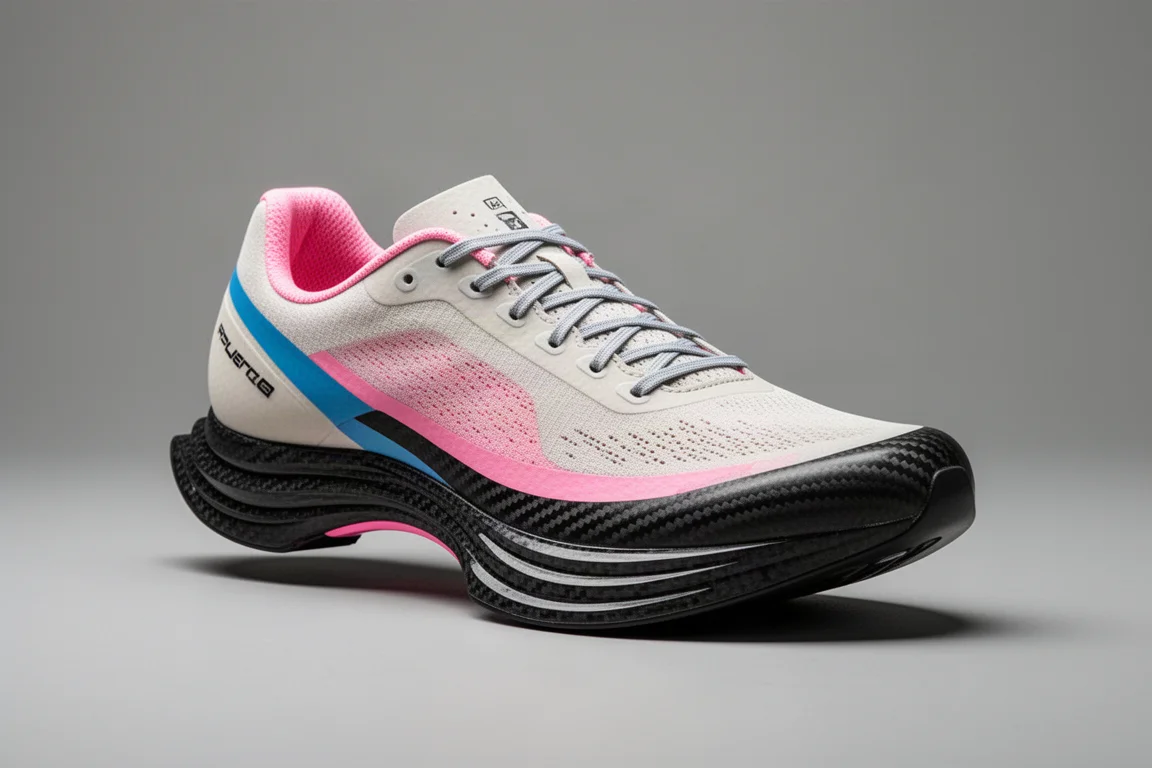
The Puma Fast-R Nitro Elite 3 is the shoe that did the business on race day. It pairs generous cushioning with a firmer, more rockered and aggressive ride than many super shoes, which is exactly what suits runners with a high cadence. It helps you turn over, and when fatigue sets in late in a race, that rhythmic rolling feel keeps you moving.

The fit runs long, so going half a size down is the sensible choice. The latest versions are also a touch lighter than the initial launch pairs, even accounting for the smaller size. On the road, the firmness never felt harsh. Instead it felt efficient, kissing off the surface and gaining momentum with every stride. In the early and middle kilometres, splits consistently came out faster than expected.
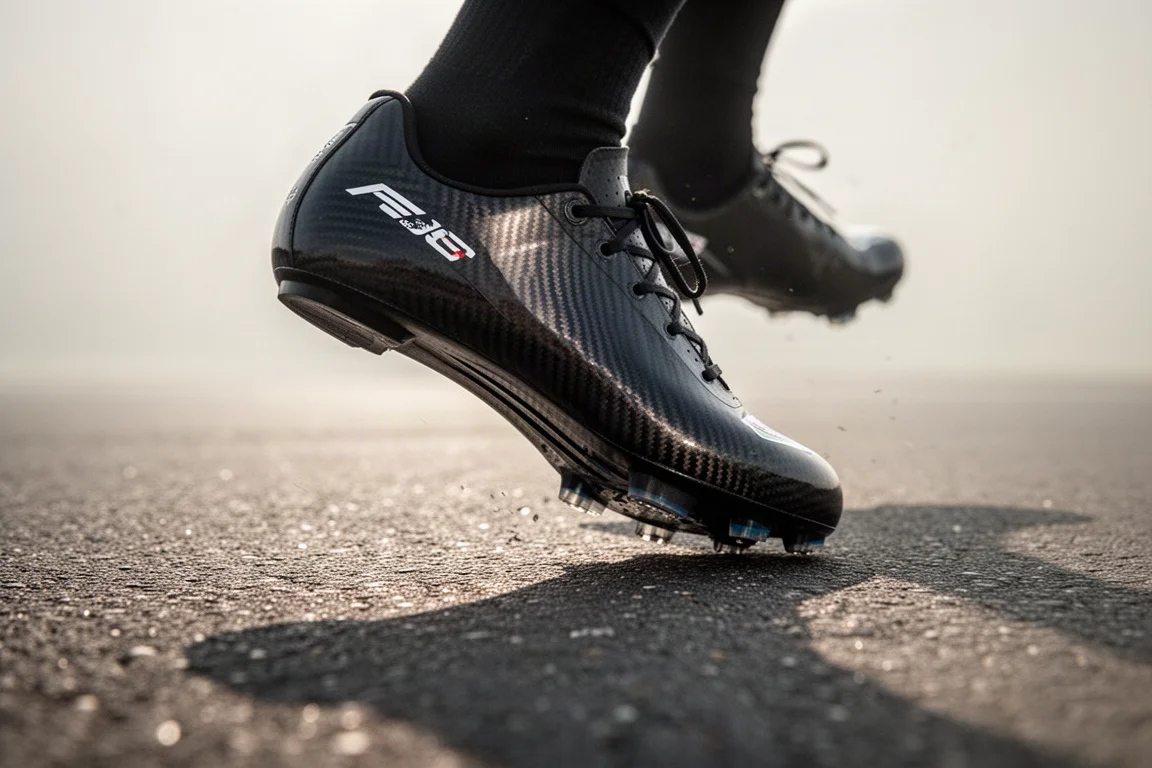
This is a shoe with a real balance of cushioning, comfort and speed, and it is an easy pick for everything from a fast 10K through to a marathon. If you want a racer that keeps a rhythm rather than one that feels soft underfoot, this belongs near the top of your list.
Coros Pace 4: Multi-band GPS and Long Battery Life
The Coros Pace 4 stands out in the affordable end of the running watch market, and it is anything but a beginner watch. It packs serious training analysis and, crucially, multi-band GPS, which proved very accurate in long-term testing including a big city marathon. On race day it matched the course almost exactly, logging just over 10K with GPS tracks nearly identical to its rival.
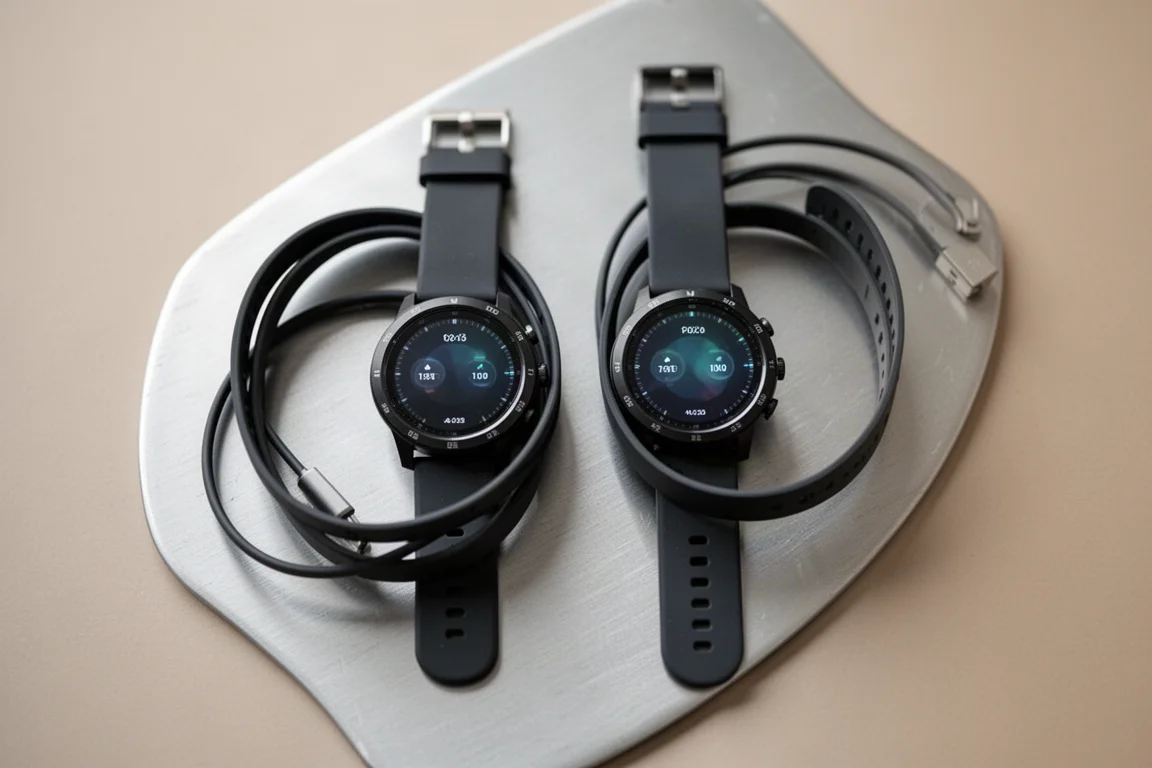
Battery life is a clear advantage here, better than most similarly priced competitors. It also has a built-in altimeter, which did not change much on a flat course but is worth having if you run a lot of hilly terrain. Heart rate took slightly longer to lock on at the start of the race than its competitor, but after that both watches tracked in line with each other all the way through a sharp uphill and a hard push to the finish.
If you often run under tall buildings, in cities, or on trails, the multi-band GPS edge makes the Pace 4 the safer long-term bet.
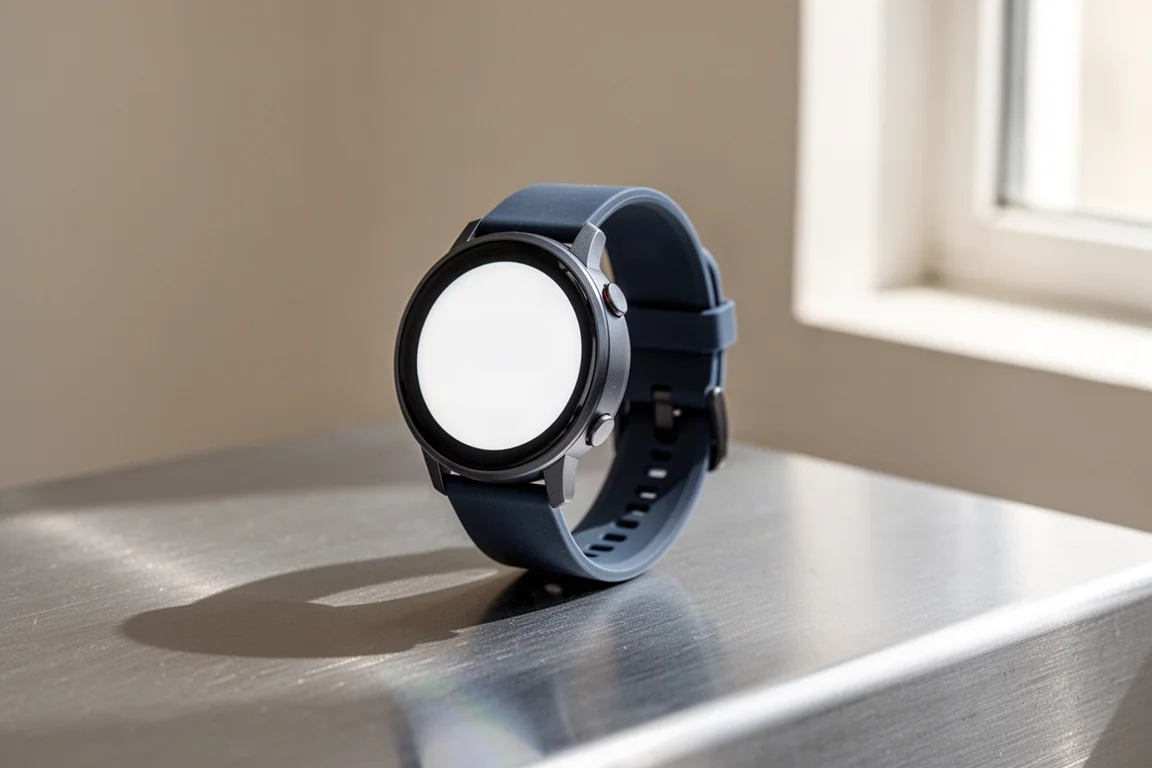
Garmin Forerunner 70: Five Buttons and Training Readiness
The Garmin Forerunner 70 sits at the same affordable price point and proves that Garmin’s all-systems GPS can match multi-band watches in almost all situations. On the remeasured course it hit almost exactly 10K, beeping in line with every kilometre marker, and its heart rate readings were right where a 10K effort should be throughout.

Design is where it earns its place. The five-button layout is easy to prefer for controlling a watch mid-race, and the training readiness stat is a genuinely useful extra for structuring your week. It also handles optical heart rate slightly better than its rival in tougher conditions, which matters in winter when wrist readings tend to struggle more.
What you give up here is battery life and multi-band GPS, plus the smart extras like NFC payments and music storage that a slightly more expensive model adds. If those do not matter to you, the Forerunner 70 delivers everything a runner of any level actually needs.
Overall Buying Advice
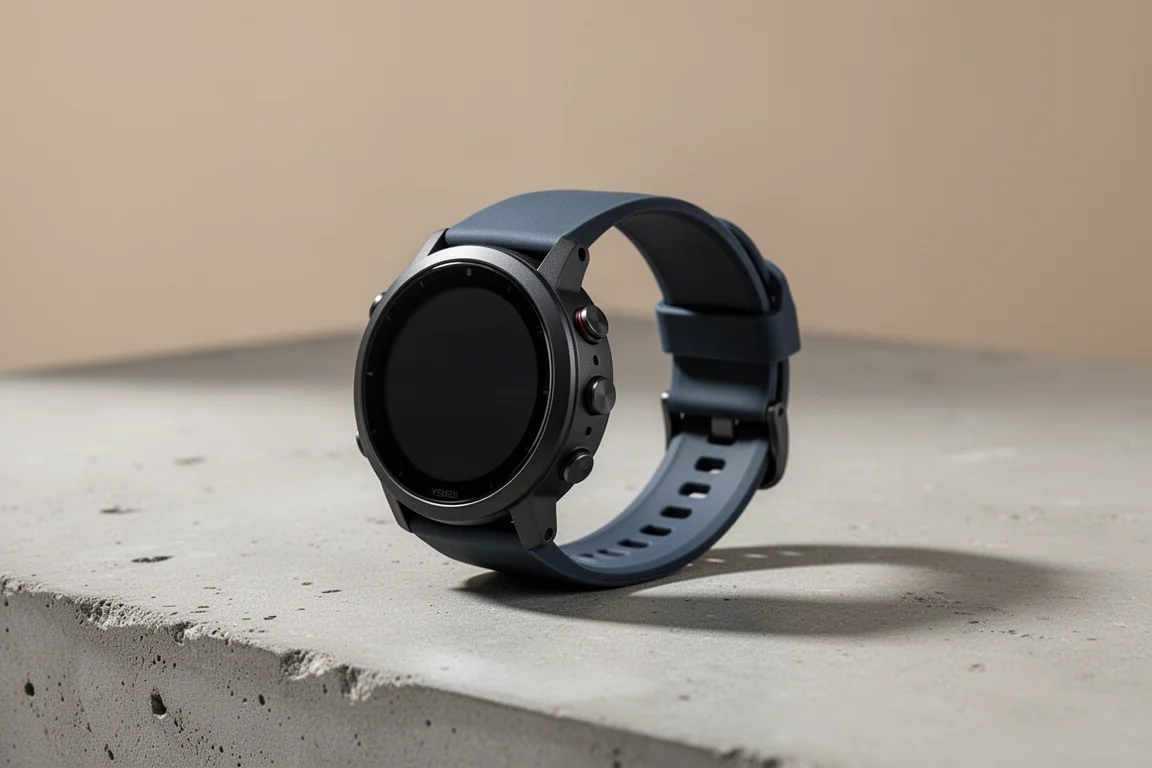
Choosing between these three comes down to what you race and how. If you want one shoe for fast road racing from 10K up to the marathon, the Puma Fast-R Nitro Elite 3 is the standout, provided you size down half a size. On watches, you are genuinely picking between two excellent options: the Coros Pace 4 wins on battery life, built-in altimeter and multi-band GPS for tricky environments, while the Garmin Forerunner 70 wins on button design, training readiness and cold-weather heart rate reliability. Neither forces you to compromise on accuracy.
Conclusion
A fast, flat 10K is a great leveller, and all three of these products passed with room to spare. The Puma delivered a rhythmic, efficient ride that translated directly into a personal best on the course, while both watches tracked distance and heart rate with the kind of accuracy you would expect from far more expensive gear. Pick based on fit, environment and the small design details, and you will not go wrong with any of them.
Further reading
Related Reviews

Running Gear
Best Running Caps 2026: Nine Tested Options for Summer and Winter
A comprehensive guide to nine running caps tested across different conditions, from lightweight summer options to waterproof winter choices.

Running Gear
Best Running Caps: A Guide to Summer and Winter Options
A comprehensive review of nine running caps for different conditions, styles, and preferences, from lightweight summer options to waterproof winter choices.
Running Gear
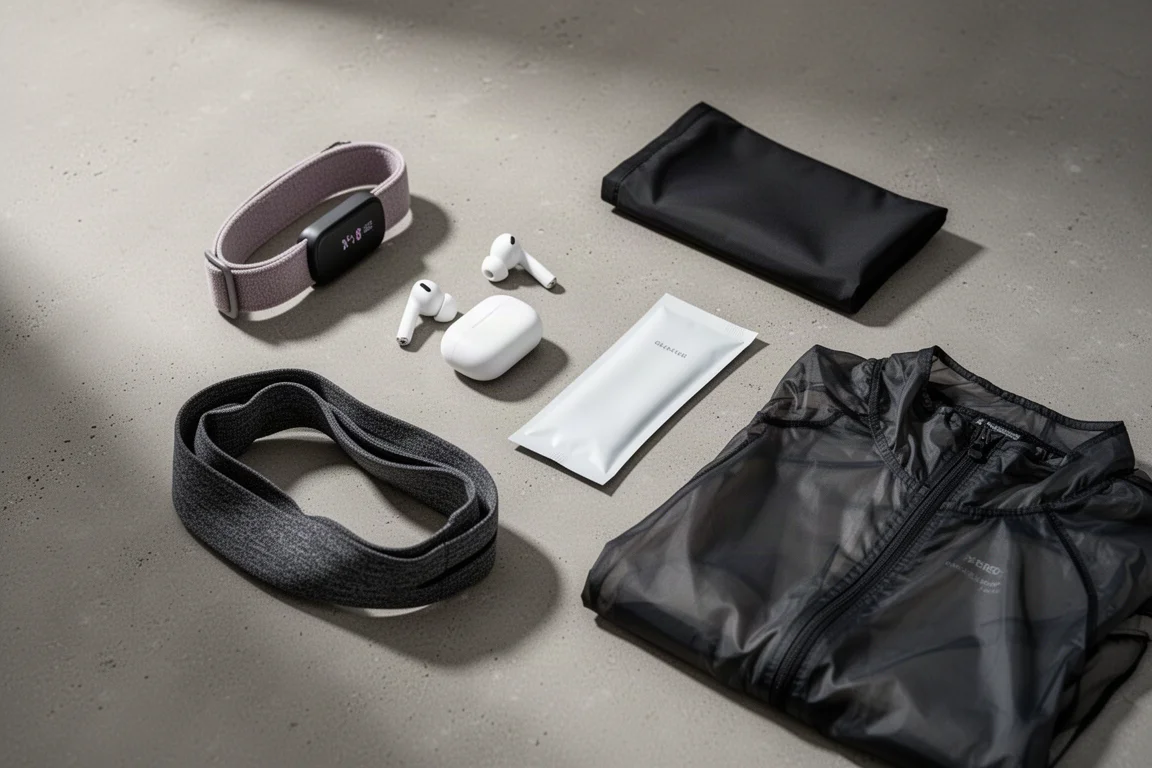
Best Running Gear 2026: Five Picks That Earn Their Place
Five running upgrades covering heart rate, audio, fuelling, carrying and weather protection, with the trade-offs worth knowing before you buy.