Hand Tools
Best Pry Bars for Carpenters: Five Levers That Do the Heavy Work
From the go-to Burke Bar to the surgical Crescent No. 56 nail puller, five pry bars that turn raw effort into real leverage on the job site.
Introduction
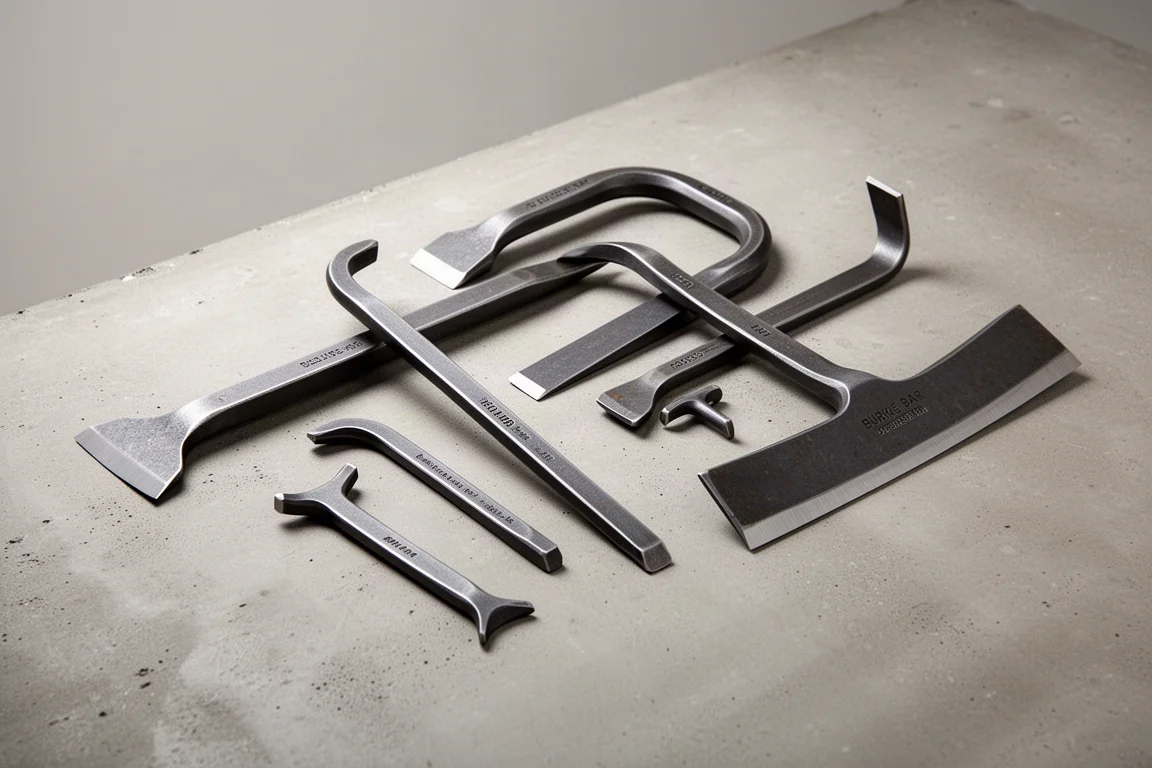
Leverage is the foundation of mechanical advantage, and the right pry bar turns hard work into smart work. Aristotle is famously quoted as saying that given a lever long enough and a fulcrum to place it on, he could move the world, and in theory at least he was not wrong. For anyone who plans on doing heavy physical work well into later years, keeping the right levers close at hand is not optional. These are the bars that belong in the truck, each one suited to a different kind of pull, push, or lift.
The Digging Bar: Reach the Bottom of the Hole
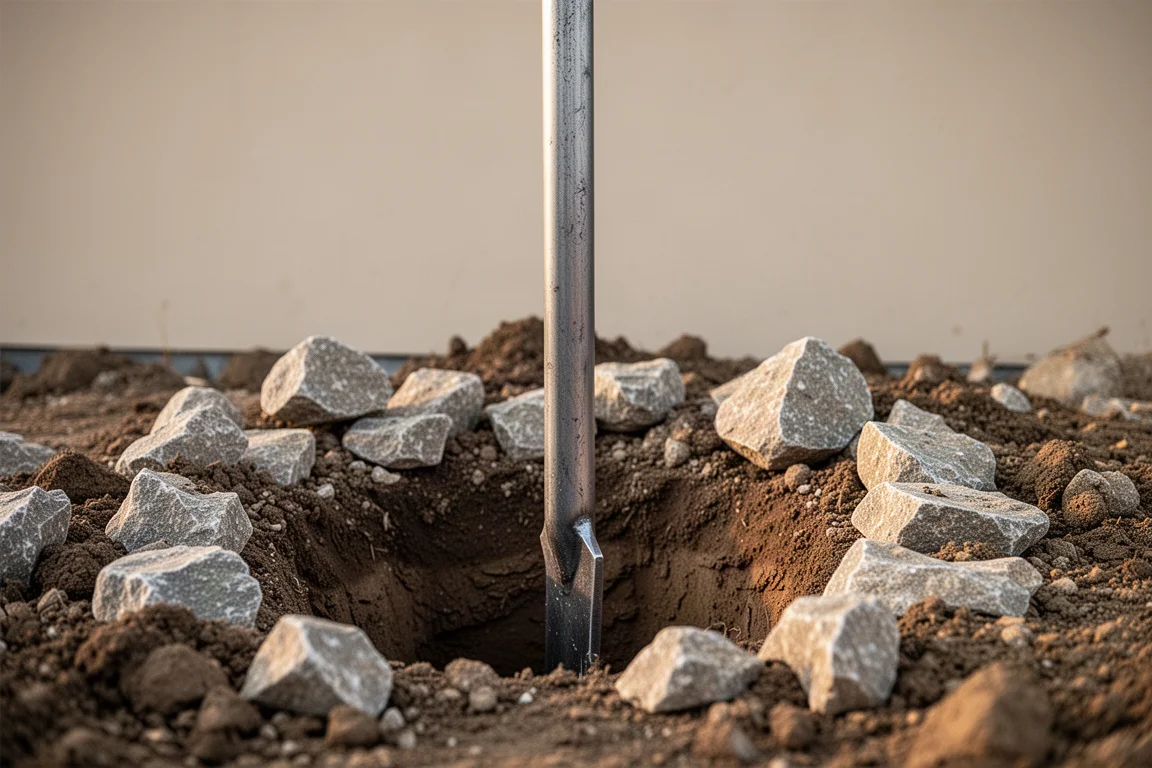
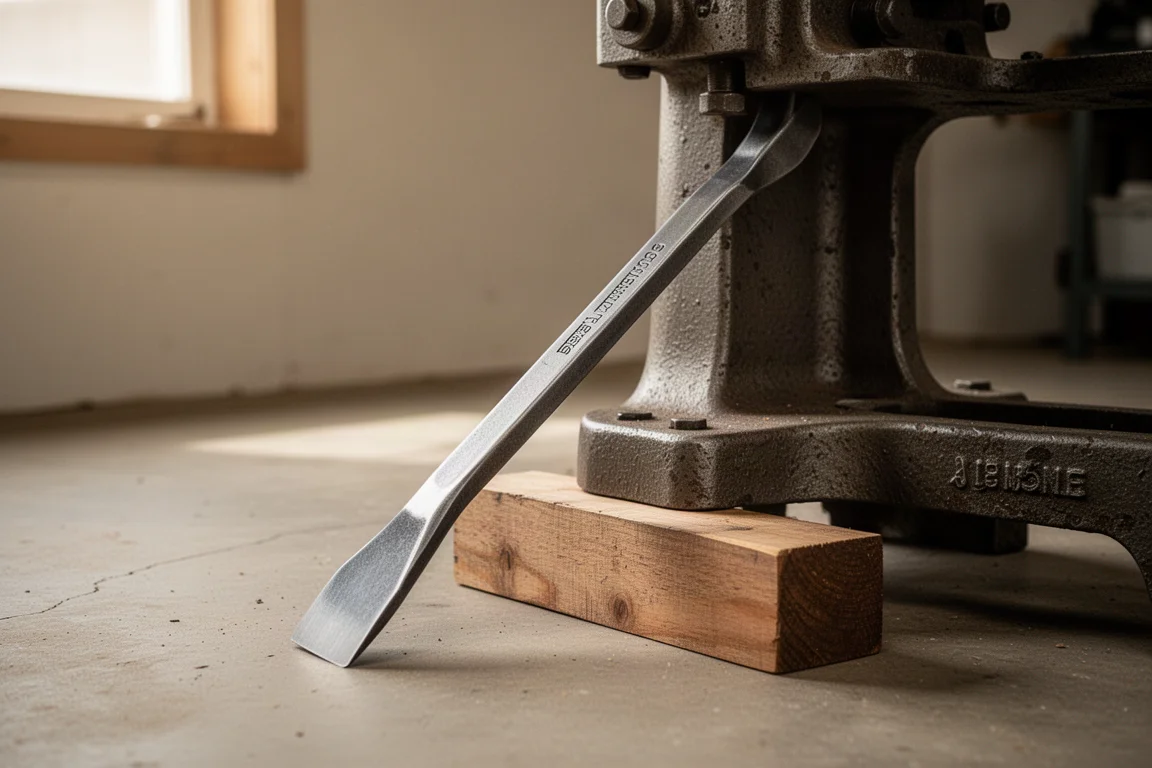
The digging bar is the pry bar used least often, but when the job calls for it, nothing else works. It is made for driving down into a post hole to do what a pick would normally do three or four feet underground, then prying rocks out of the bottom. If you are setting an eight by eight post twenty-two feet long in a four-foot hole for a pole barn, this bar gets you to the bottom and gives you a chance of nudging the post into line. It will also peel off the side of a hole.
It doubles as a straight lifting bar: place another fulcrum under the end, get purchase under something heavy like the corner of a machine, and push down. The weight of the bar itself provides serious uplift.
The Roughneck Gorilla Bar: The All-Rounder
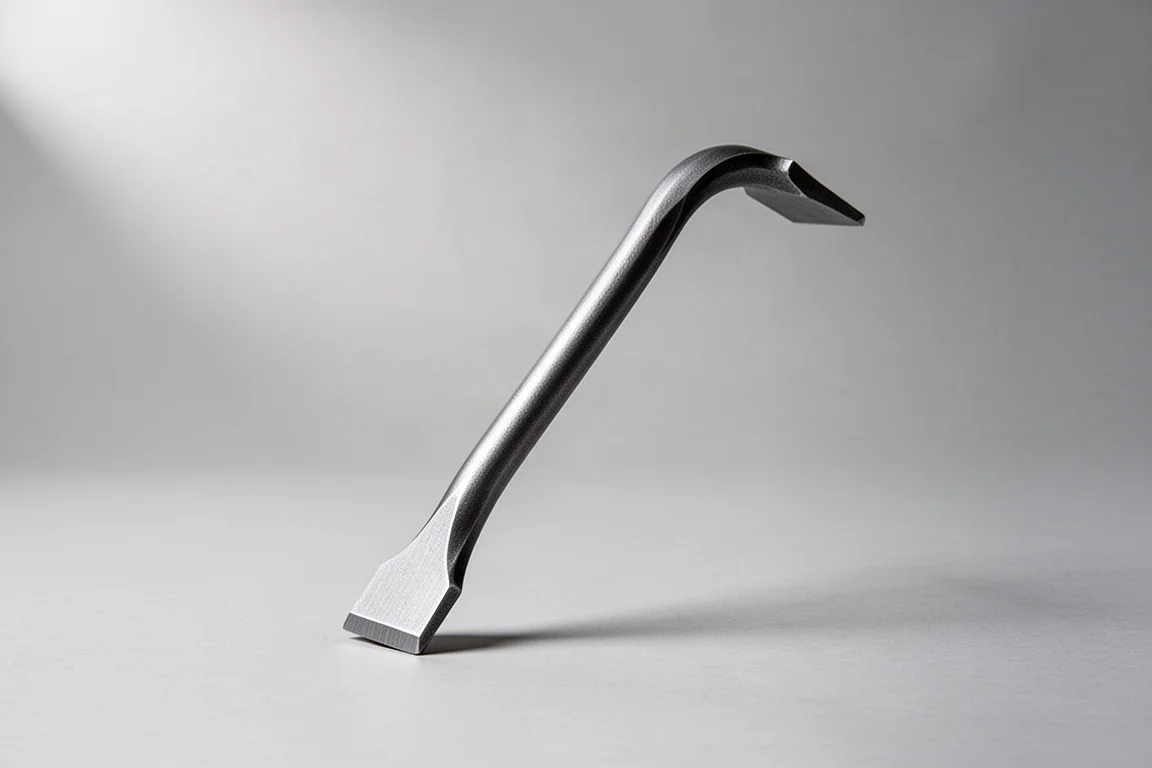
The gorilla bar, Roughneck’s take on a design that dates back decades, pairs a curving foot with a gooseneck profile that is simply better than a traditional crowbar shape. It fits in a toolbox and handles a little heavy work and a little light work, which makes it the bar for all-purpose situations.
Other bars will do a particular task better, but this one is comfortable in the hand, can take a strike when a blow is useful, and is small enough to carry into a fairly refined environment and still do some heavy work. It is not a daily driver, but there are cases where it is exactly the right thing.
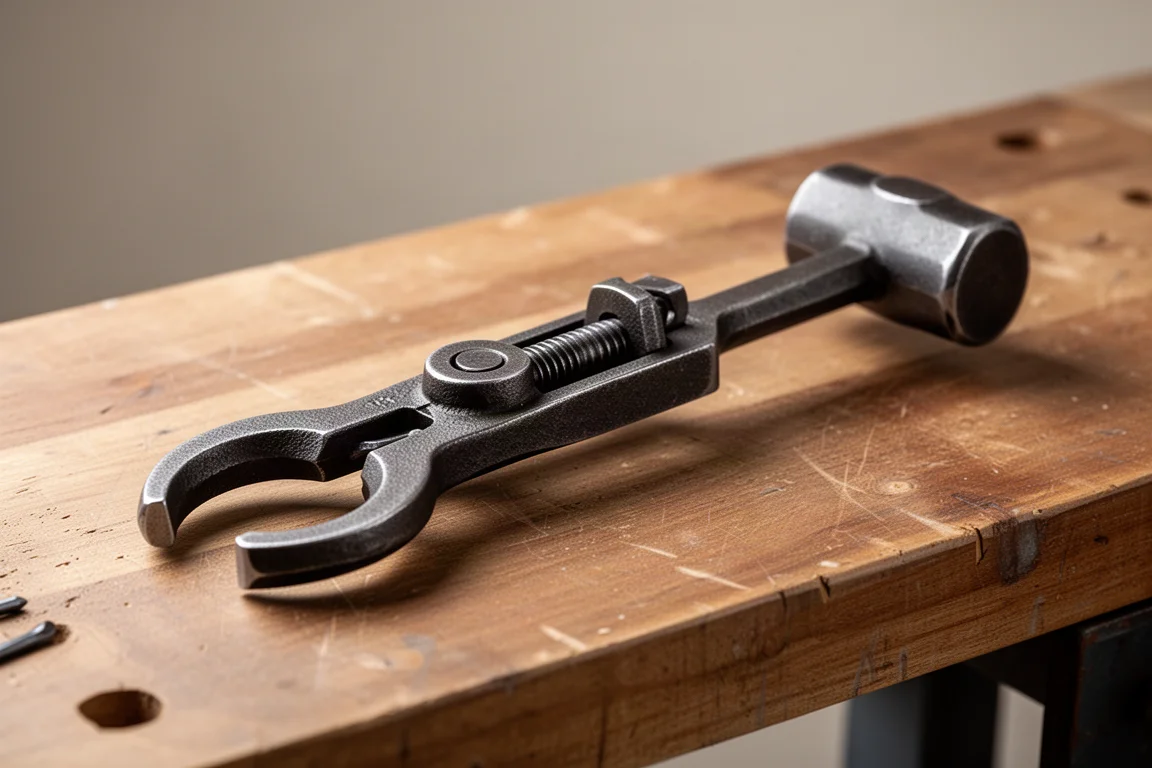
The Crescent No. 56 Sure Grip: Surgical Nail Extraction
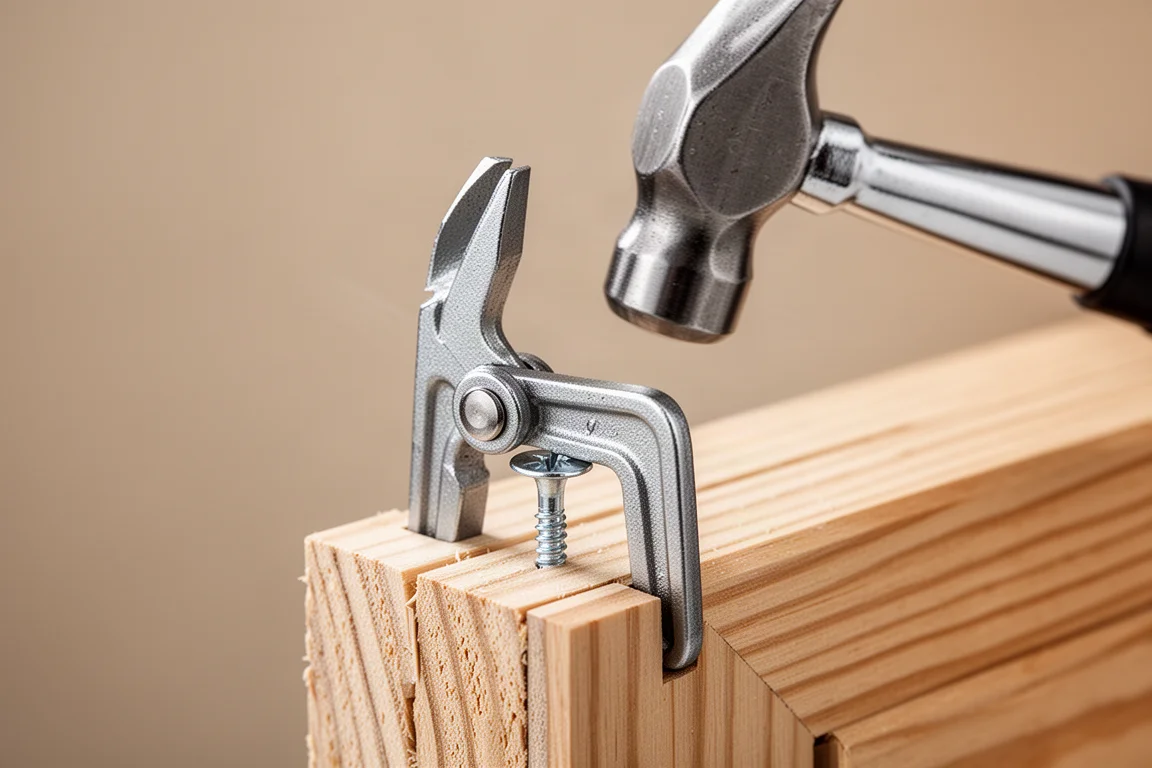
The dig out bar is used seldom but is almost irreplaceable when needed. The Crescent No. 56 Sure Grip puts its bits on either side of a nail head, and a sliding handle jars the jaws down into the wood until you can close them and pry the nail out. It is destructive to the work than a cat’s paw, and it will pull a seriously long nail or get a grip on a finish nail head.
This is a tool for refined or gentle demolition: a door jamb, a piece of baseboard, or a fascia board you want to reuse, where you cannot get behind the board and can only afford a hole the size of the nail head itself. It also shines on countersunk nails, whether driven below the surface by a nail gun or set with a nail set, where there is no way to get purchase any other way. It will go below the surface, get a grip, and pull out one nail at a time, surgically.
The Flat Bar: Small Nails and Fine Adjustments
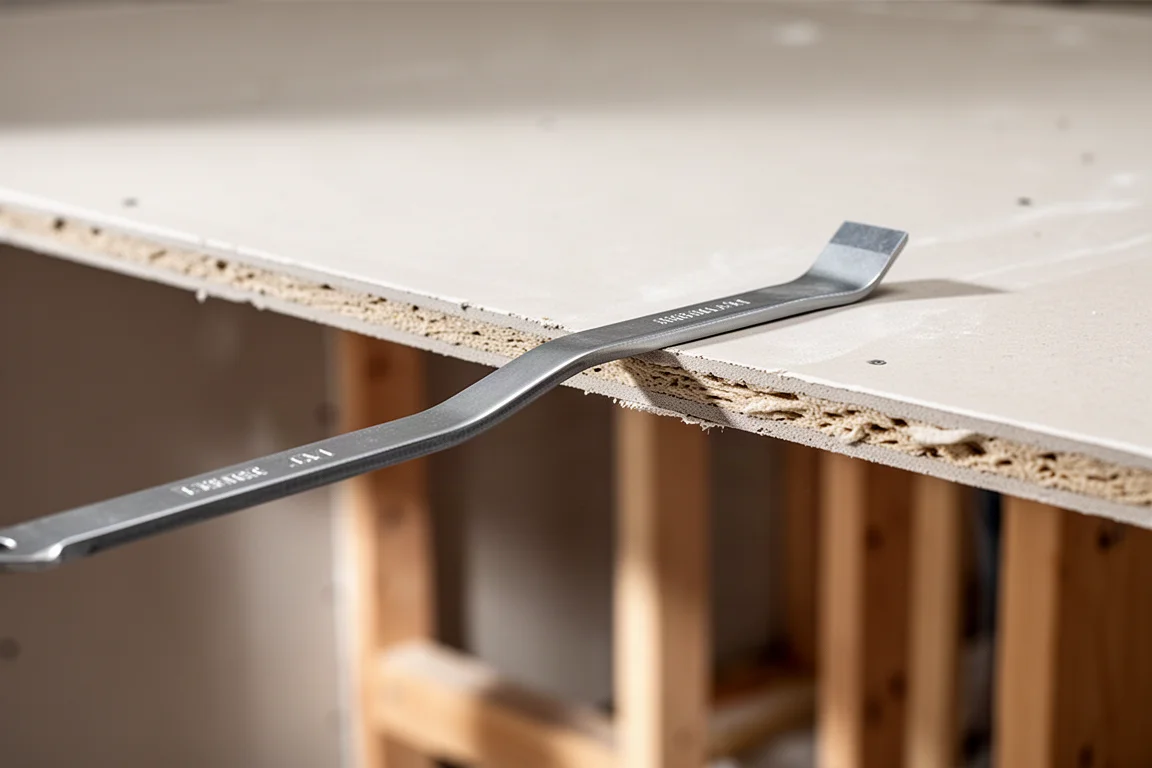
The flat bar is self-explanatory, and its uses are broad. Lift sheetrock to bring the bottom board up tight against the one above. Slide it into a door jamb and pry. Sneak it up under shingles for a roof repair, popping nails or staples loose before pulling them out. It will pull a decent nail too, though the flex in the thin handle keeps it best suited to smaller nail applications.
It is also ideal for raising a door: set it under the edge, push down with the toe of your boot, and lift enough to push a hinge into better alignment, or walk the door sideways while holding it up. In finish work, it can shelter a tough pull with a bigger bar, spreading the load across a wider surface on something you do not want to damage.
The Cat’s Paw: Controlled Destruction
The cat’s paw is the tool that makes you money, saves you money, or gets you out of a jam when a nail ends up in the wrong spot. It carries a sheep’s foot on one end for driving in with impact, and the cat’s paw itself for when you need to dig deep, tear something out, and get the nail out regardless of collateral damage.
Light enough to live in your bags, it doubles as a shim you can genuinely abuse: drive it into an opening to spread a trimmer off a frame or correct a mislocated door header. It will scoop a nail out, and if a nail has broken off, you can drive it three-quarters of an inch below the surface for at least a chance at purchase.
The Burke Bar: The Go-To Lever
The Burke Bar does most of what every other bar here will do, with the exception of the dig out bar and the cat’s paw, and it earns its place through sheer frequency of use. It is essentially a giant flat bar: put it under a door or a sheet of sheetrock, push down, and let the weight of the tool hold a significant load for you, which is a genuine help when working alone.
Strip concrete forms, pry a heavy lathe or table saw up off the ground, situate a tilt-up concrete panel while the crane holds the load, pull upper cabinets in a kitchen remodel, or tear out a header. It is easier to itemize what a Burke Bar will not do than what it will.
Buying Advice
Build the kit around the work you actually do. If leverage is the bulk of your day, the Burke Bar is the tool to borrow first, and one afternoon with it will explain its reputation. Add the Crescent No. 56 for finish and salvage work where the surface must survive, and keep a gorilla bar in the toolbox as the all-purpose striking and prying fallback. The digging bar, flat bar, and cat’s paw fill the specific gaps: post holes, small nails, and demolition respectively.
Conclusion
The right lever changes how you work more than almost any other tool decision. Match the bar to the job, look for opportunities to apply mechanical advantage, and the heavy work gets easier to keep doing for years to come.
Further reading
Related Reviews
Hand Tools
Best Diagonal Cutters 2026: 16 Pliers Tested for Cutting Power and Durability
We put 16 diagonal cutters through nail, screw, drill bit, and hex key tests to find the best value picks for your toolbox.
Hand Tools
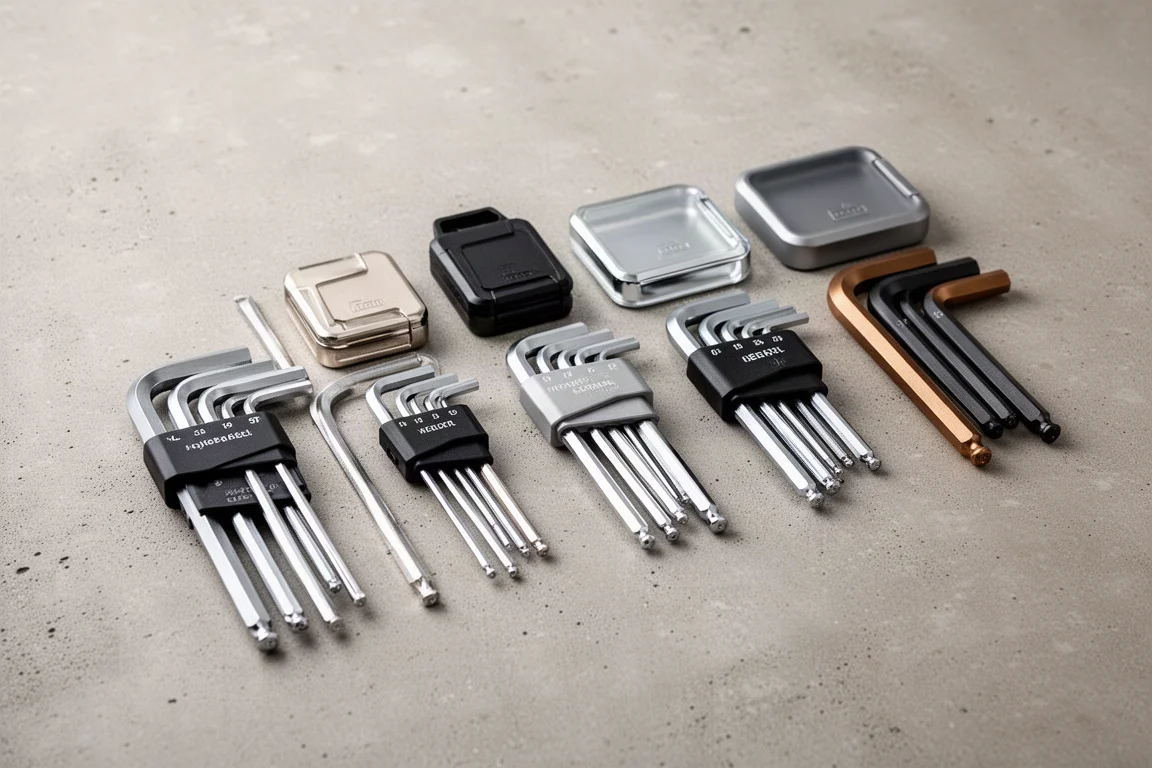
Best Hex L Key Sets 2026: Nine Sets Tested for Real-World Torque
Nine hex L key sets from budget to premium, tested for torque, fit, and durability. See which sets deliver real performance and which ones to skip.
Hand Tools
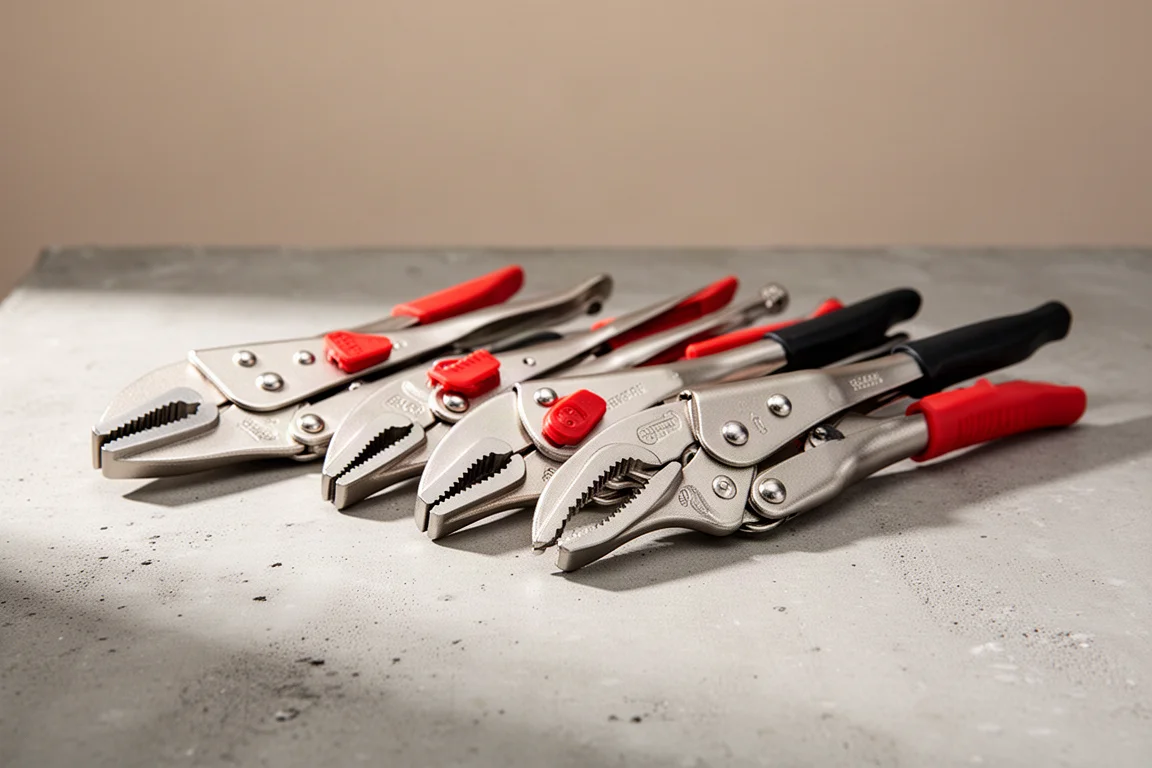
Best Locking Pliers 2026: Top Picks Tested for Grip and Durability
We tested 18 brands of 10-inch locking pliers for grip strength, jaw bite, build quality, and ease of release to find the best options for tough jobs.