Snowboarding
5 Progression-Focused Snowboards Worth a Look This Season
Five snowboards built around progression, from forgiving first-board twins to versatile all-mountain freeride decks.
Introduction
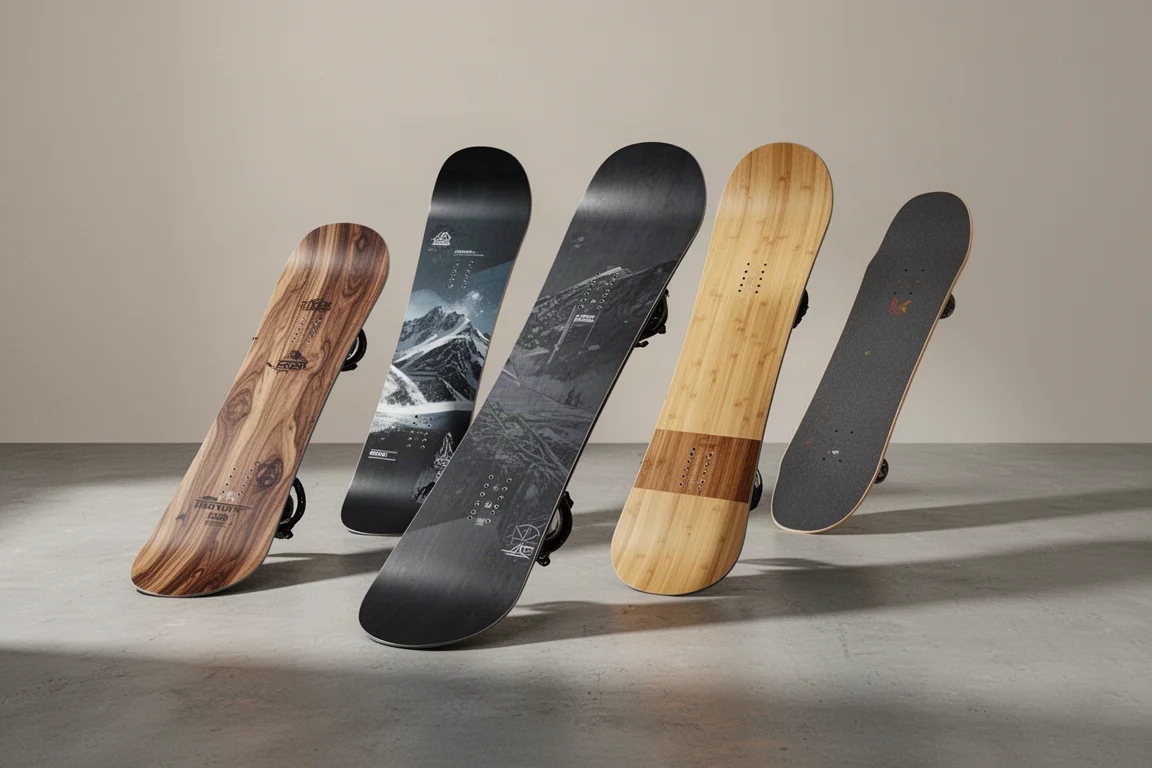
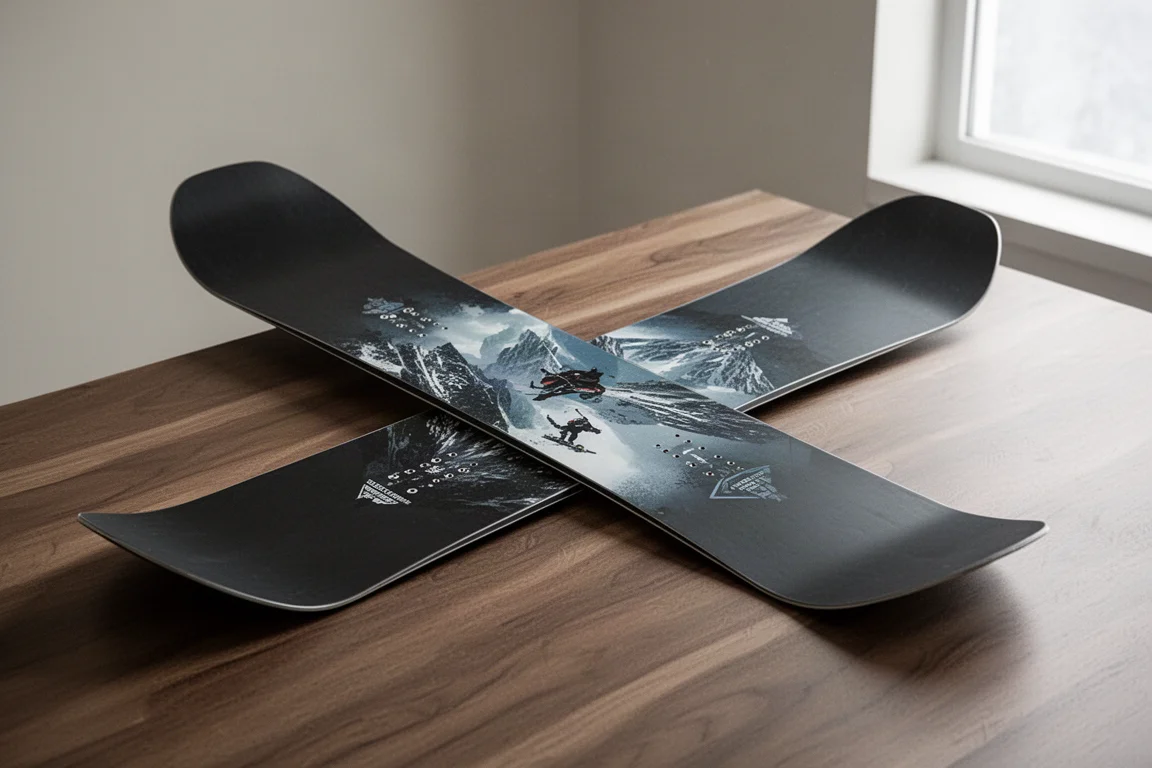
Progression looks different for everyone. For some riders it means locking in the fundamentals, for others it means taking on steeper and more technical terrain. The five snowboards below cover that full range, each with a design that makes learning something new a little easier. There is genuine variety here: rocker-dominant freestyle decks, hybrid camber freeride boards, a versatile middle-of-the-road all-mountain option, and forgiving twins for flat-ground tricks and first turns.
Arbor Formula Rocker
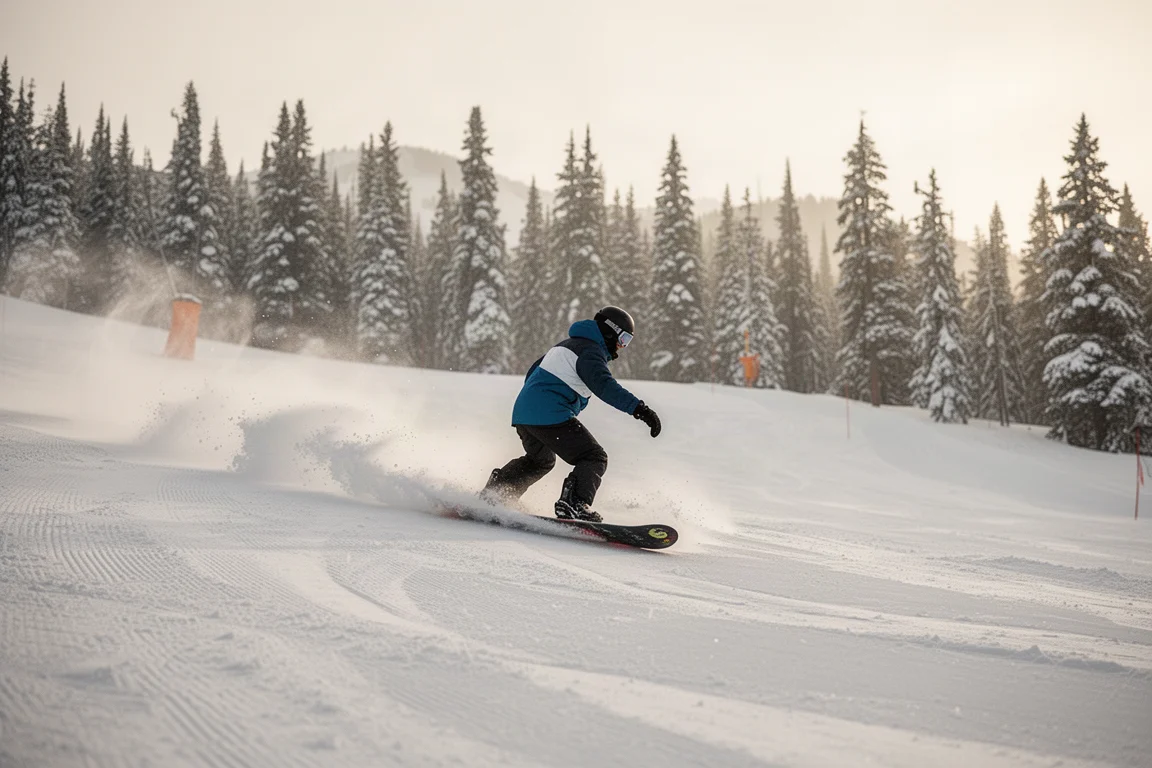
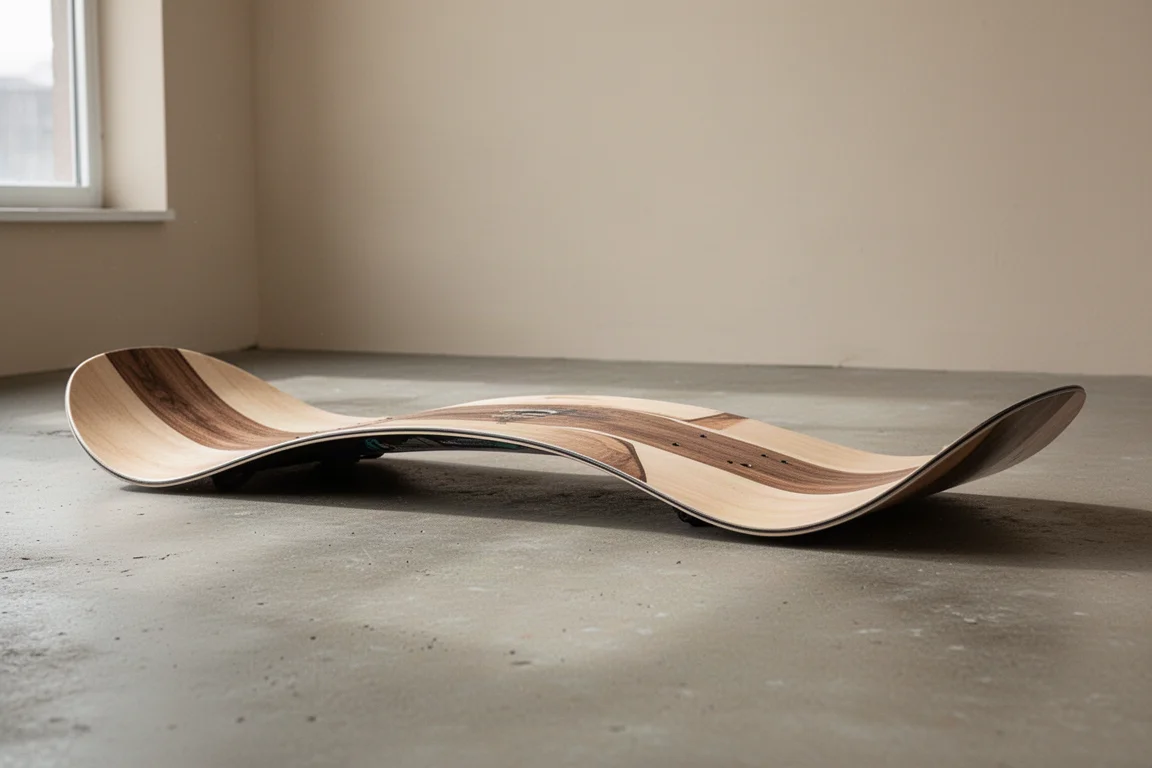
The Arbor Formula Rocker is an all-mountain freestyle board in the Arbor lineup with a slightly directional outline, meaning a slightly longer nose than tail outside the contact points. It runs Arbor’s parabolic rocker system for easier turn initiation, more leverage for presses and butters, and a slight benefit in soft snow. Grip Tech sidecuts add contact points right under your feet for a more confident feel in variable or icy conditions.
The overall feel is playful, buttery, and forgiving, which makes it a solid choice for learning the fundamentals while still offering versatility for all-mountain exploring. If you prefer a camber-dominant feel, Arbor also makes this board in a camber version.
Never Summer Snowtrooper
The Never Summer Snowtrooper is an all-mountain freeride board with a directional twin design, a slightly longer nose outside the contact points, and a 15 mm setback. It uses Never Summer’s original hybrid rocker camber profile: a long rocker section between the feet keeps the overall feel rocker dominant, while camber zones under the feet out to the tips add power and energy when you load up the board.
It is loaded with Never Summer tech, including the Power Grip sidecut, carbon in the tips for extra snap, multiple damping technologies, and a centered base. The result is a very versatile resort explorer with decent stability and power, strong edge hold, and enough precision to handle steeper, more advanced terrain as your riding progresses. It also stays fairly comfortable in the park for freestyle riding.
Salomon Sight
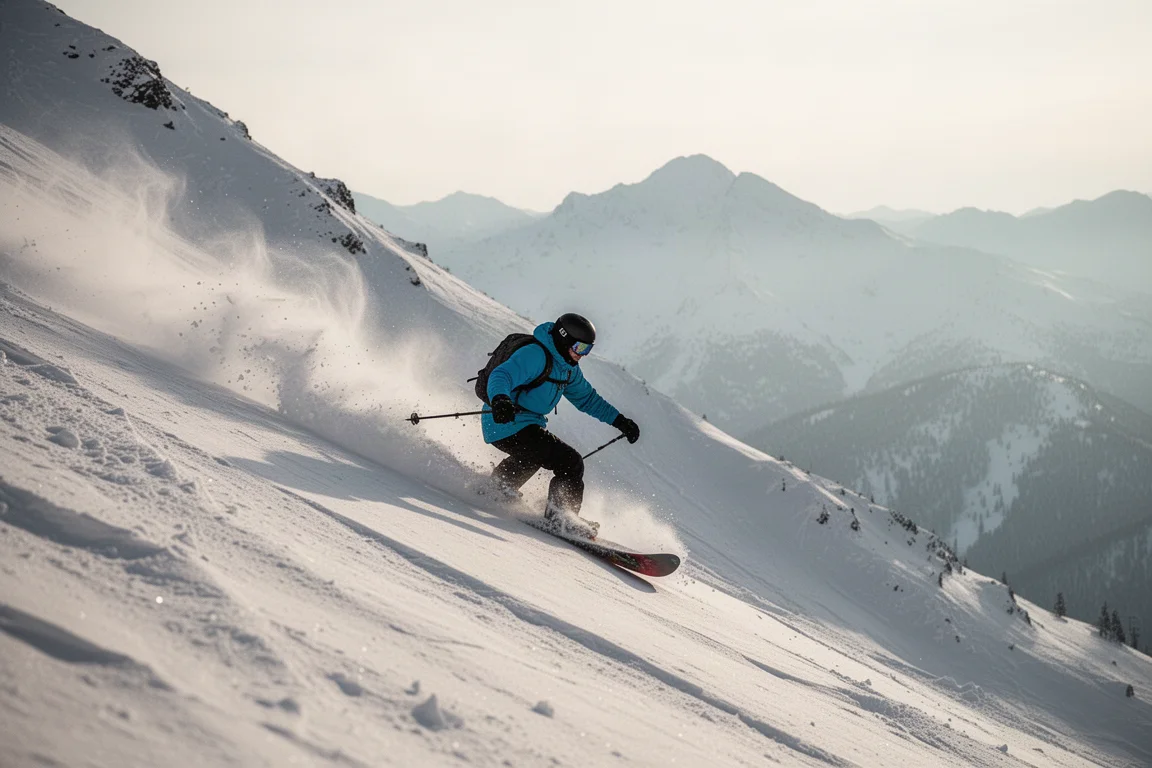
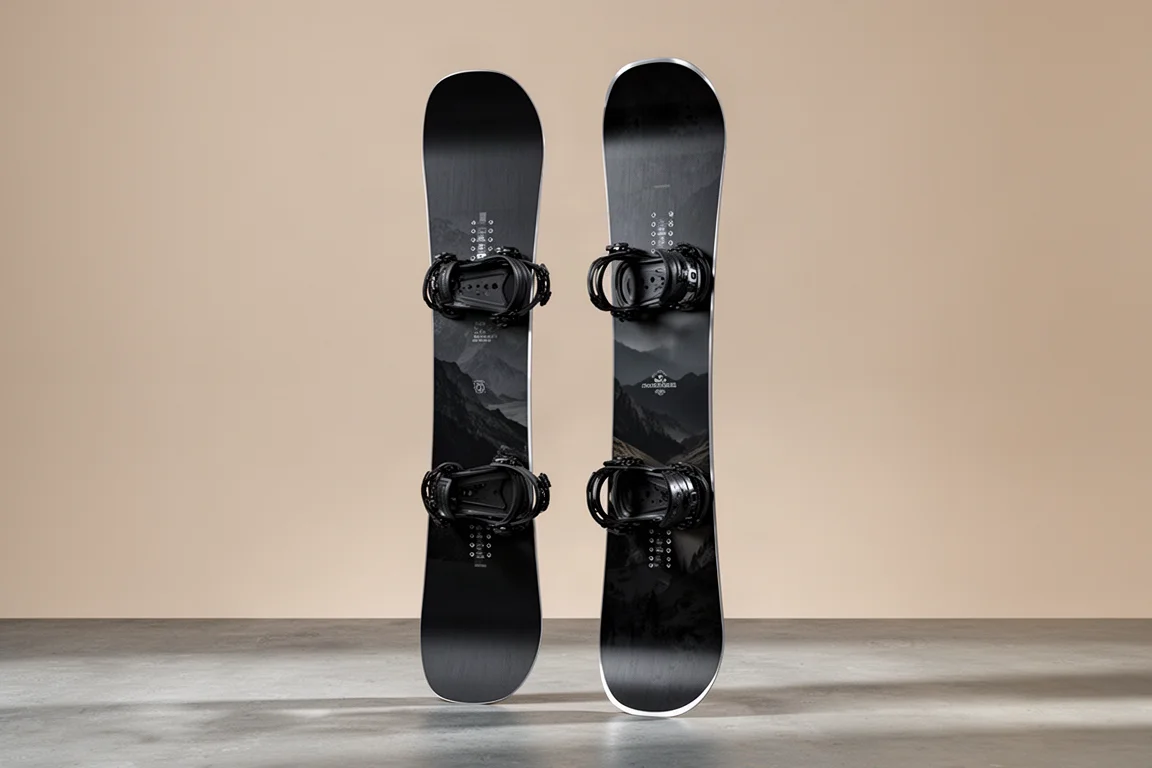
The Salomon Sight is an all-mountain board with a directional design: a slightly longer nose outside the front contact points, 3 mm of taper, and a 20 mm setback. It runs Salomon’s Cross Profile camber, which is camber dominant through the main body with rocker outside the bindings, making it more forgiving and less catchy while helping in powder. Cork in the sidewall underfoot adds damping, and it has an extruded base.
This is a solid middle-of-the-road all-mountain board focused on versatility. The positive camber combined with the directional design makes carving feel noticeably better than a typical true twin, and there is enough stability for more aggressive riding as you progress. It works as a freestyle board too, though it leans more toward jumps than jibs in the park, and it shines when hunting side hits and natural features. It also comes in at a great price.
Rome Mechanic
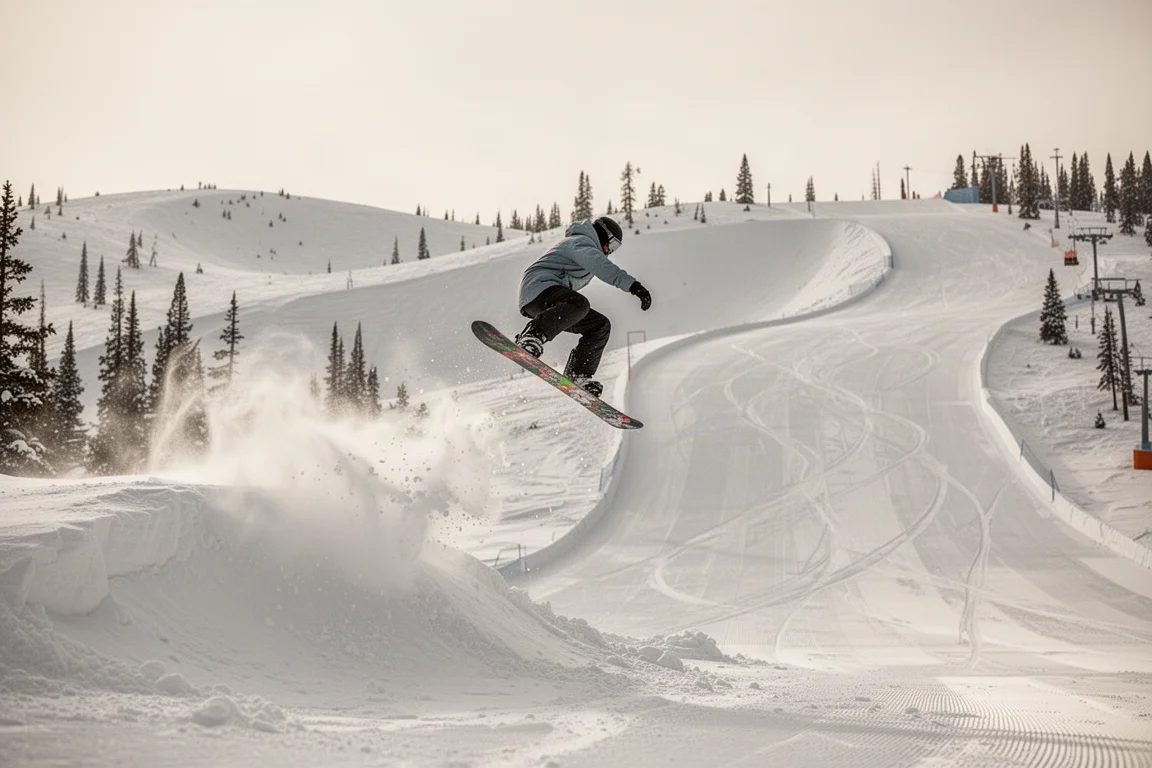
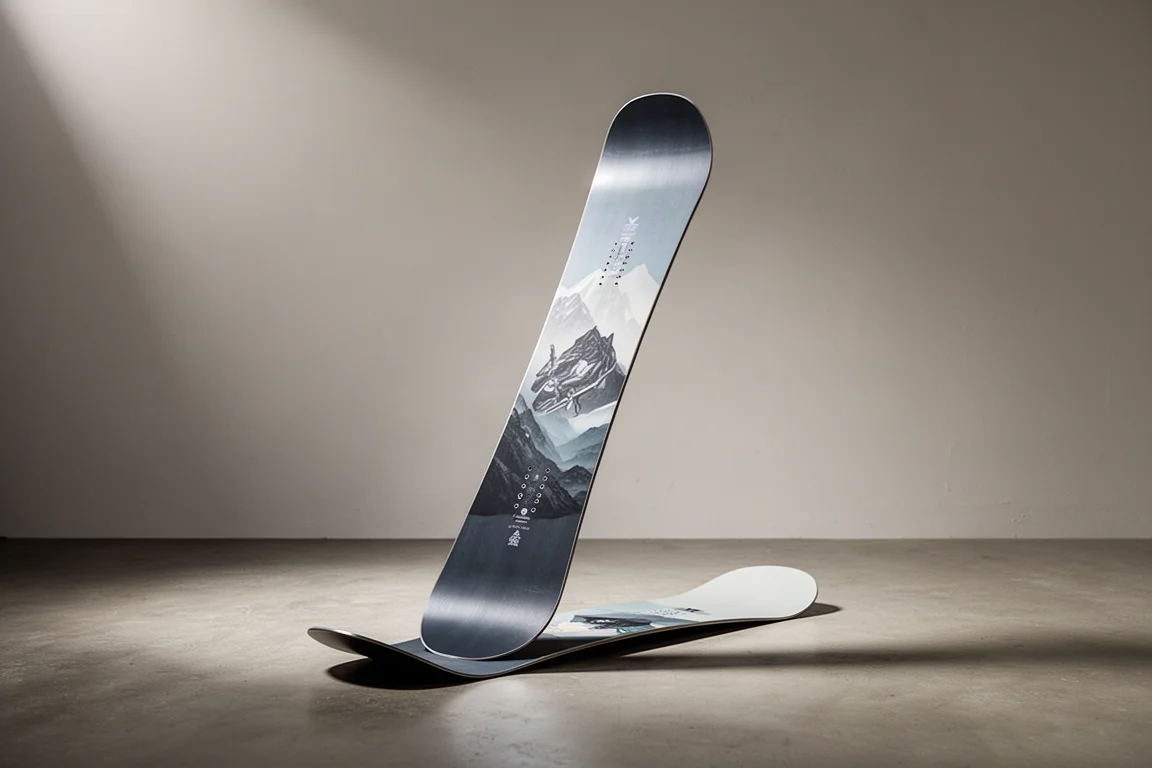
The Rome Mechanic is a freestyle-focused true twin running Rome’s Contact Rocker profile: flat through the main body with reverse camber in the nose and tail, giving it a predictable, easy-to-control feel that is less catchy. Twin bamboo Hot Rods are milled into the core from under your feet out into the tips, adding energy and snap, and it uses an extruded base.
With a softer flex and a very manageable feel, the Mechanic is a great board for flat-ground tricks and buttering. It is also a strong option for learning the fundamentals, whether that is your first turns or getting into freestyle riding. If you want a forgiving twin that makes the early stages of progression more enjoyable, this one fits well.
Burton Ripcord
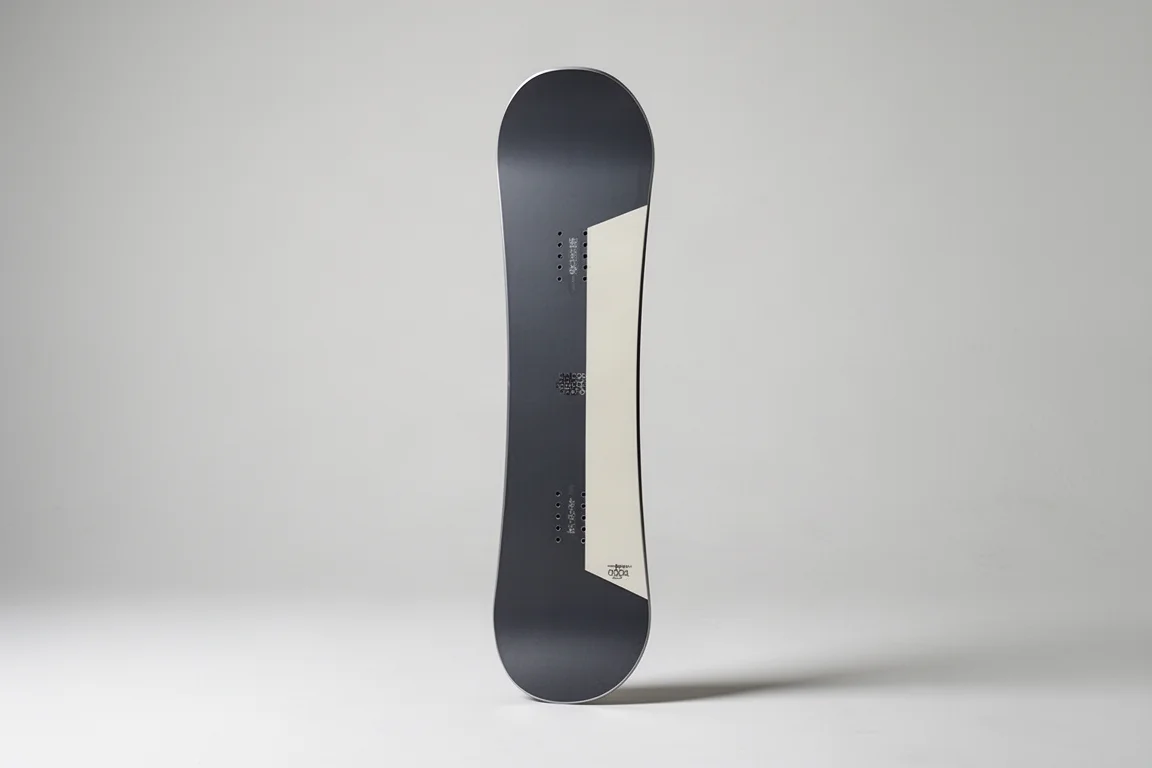
The Burton Ripcord is an all-mountain board with a slightly directional design: a very slight directional outline, a 5 mm taper, and a 25 mm setback that helps on days with softer snow. It runs Burton’s Flat Top profile, flat through the body with reverse camber out to the tips for a less catchy, more forgiving ride, plus an extruded base.
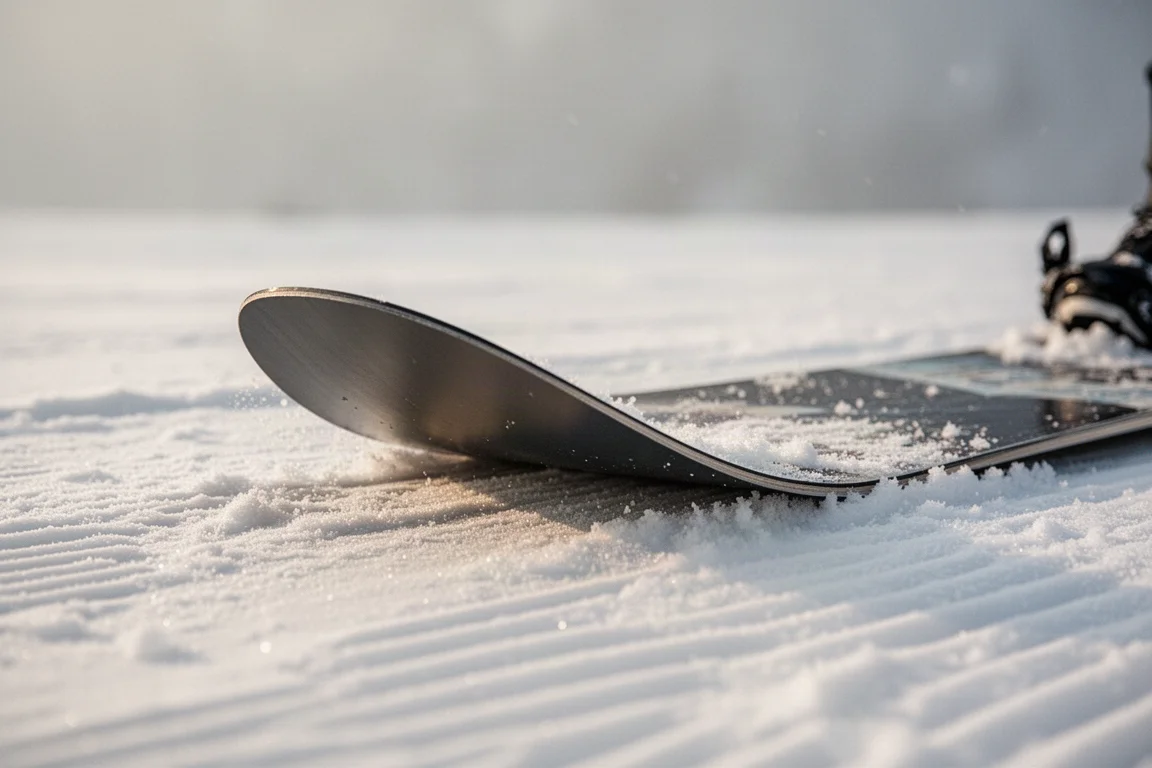
What sets the Ripcord apart is Burton’s Easy Bevel: slight 3D shaping outside the bindings where the base and edges are beveled up, making it far more catch-free on flat base and giving it a fun feel for butters and flat-ground tricks. You can lean into the nose or tail with confidence. Overall it is a forgiving choice for general resort exploring, from learning your first turn to dipping into the trees for the first time, with enough versatility for soft snow and freestyle progression. It makes a strong case as a first snowboard.
Buying Advice
Choosing among these comes down to where you are in your progression and what you want to ride. If you want a playful rocker-dominant freestyle deck for fundamentals and butters, the Arbor Formula Rocker and Rome Mechanic are the most forgiving picks. If you want a board that grows with you into steeper, more technical freeride terrain, the Never Summer Snowtrooper offers the most power and edge hold. The Salomon Sight is the versatile all-rounder that carves well and comes in at a great price, while the Burton Ripcord is the safest bet for a first snowboard thanks to its catch-free Easy Bevel design.
Conclusion
All five of these boards are built with progression in mind, but they get there in different ways. Match the board to your goals: forgiveness and playfulness for learning tricks, versatility for exploring the whole resort, or stability and power for advanced terrain. Any of these five can support the next stage of your riding.
Further reading
Related Reviews
Snowboarding
2025 Snowboard Gear List: Five Picks That Earned Their Place on the Mountain
From Zeiss-lens goggles to a hybrid step-in binding, here are five pieces of 2025 snowboard gear that held up across a full season of riding.
Snowboarding
2026 Snowboard Gear List: Boards, Bindings, Boots and Outerwear Worth a Look
A season-ready snowboard setup built from the bottom up: base layers, Strafe outerwear, Ride and Union boots, Union bindings, and two new Capita boards.
Snowboarding
32 Cold World Review: A Playful Hybrid Camber Board for Park Laps
The 32 Cold World blends classic camber underfoot with flat nose and tail sections for a predictable, butter-friendly ride aimed at intermediate park riders.