Food & Kitchen
Premium Pantry Upgrades Worth the Money: 8 Ingredients We Compared Side by Side
From tamari to puff pastry, we look at eight pantry staples where the premium version genuinely tastes different, and what that difference costs you.
Introduction
Some premium ingredients earn their price. Others ride on branding alone. When identical dishes are prepared with only one ingredient swapped between budget and premium, the differences are sometimes obvious blindfolded, and sometimes almost invisible once the food is on a plate with other flavors.
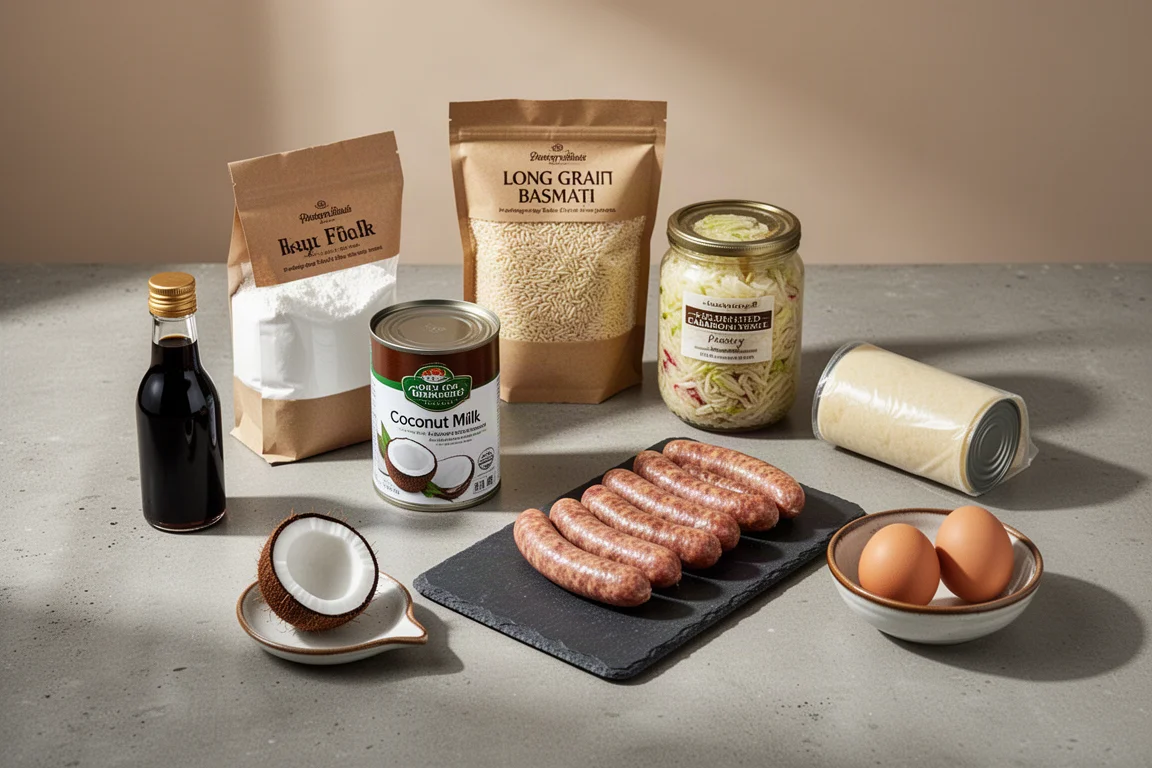
We looked at a wide range of head-to-head pantry comparisons, from soy sauce and bread flour to kimchi, coconut milk, sausages and puff pastry. The pattern is consistent: premium versions shine when the ingredient is the star of the dish, and fade when it disappears into a sauce with a dozen other flavors. This guide covers eight pantry upgrades where the premium option made a real, tastable case for itself, along with what you can expect to pay.
How We Compared These Pantry Upgrades
The fairest way to judge an ingredient is to hold everything else constant. In the comparisons covered here, dishes were prepared identically: same weights, measurements, cooking times and temperatures, with only one ingredient swapped for its premium counterpart. Tasters then picked the premium version blind.
That matters because the answer changes with context. A premium soy sauce is transformative for dipping sushi and barely detectable in a long-simmered stew. The same logic applies to tomatoes, vinegar, yogurt and nearly everything else below. Buy premium for the ingredients that lead the dish; save on the ones that blend in.
Soy Sauce: Sanchi Organic Tamari
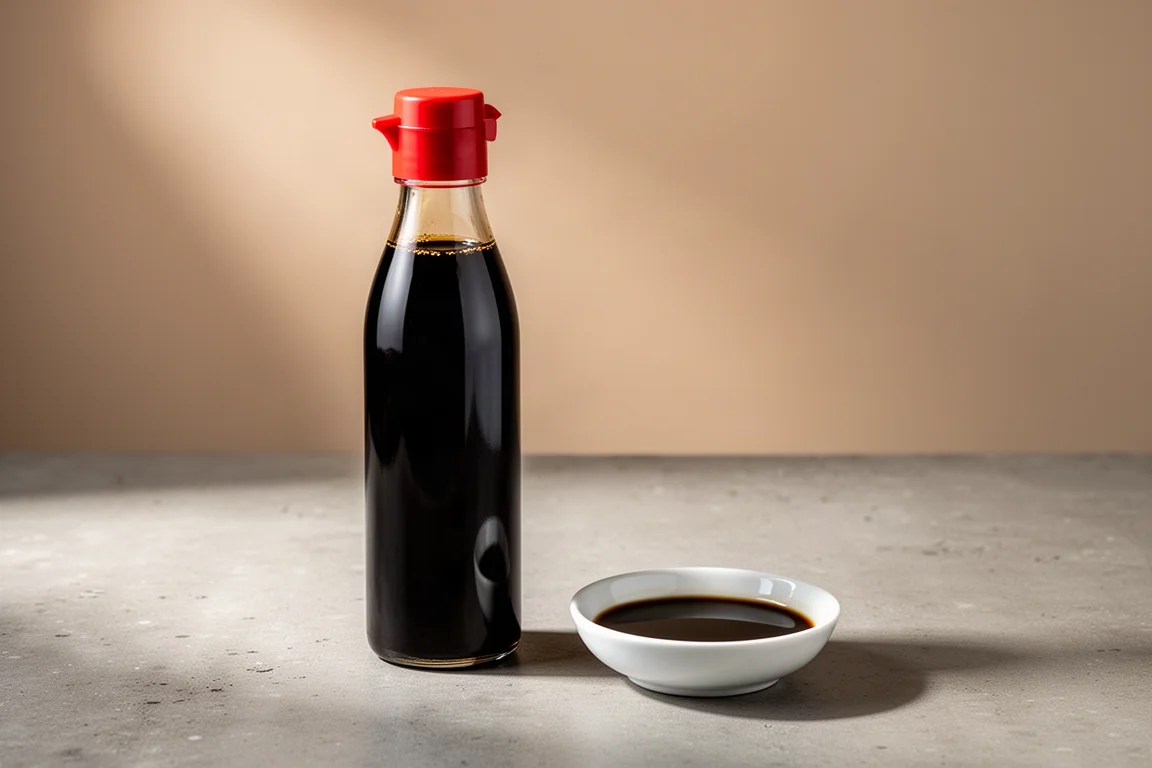
Tamari is a more refined style of soy sauce made from soybeans alone, without the roasted grain that most soy sauces include, which is also why it is often the gluten-free option. In a soy-marinated salmon dish with soy jelly, the premium tamari version was noticeably deeper and darker, while the budget light soy sauce tasted more balanced and let the other salad flavors through.
The price gap is stark: budget light soy sauce worked out at roughly £3.70 per liter, while the Sanchi organic tamari came in at about £30 per liter, eight times the price. The practical advice: keep a cheap soy sauce for marinades, broths, stir-fries and seasoning while cooking, and spend on tamari for dipping, finishing rice and anywhere the soy flavor leads.
Bread Flour: Shipton Mill Artisanal Strong White
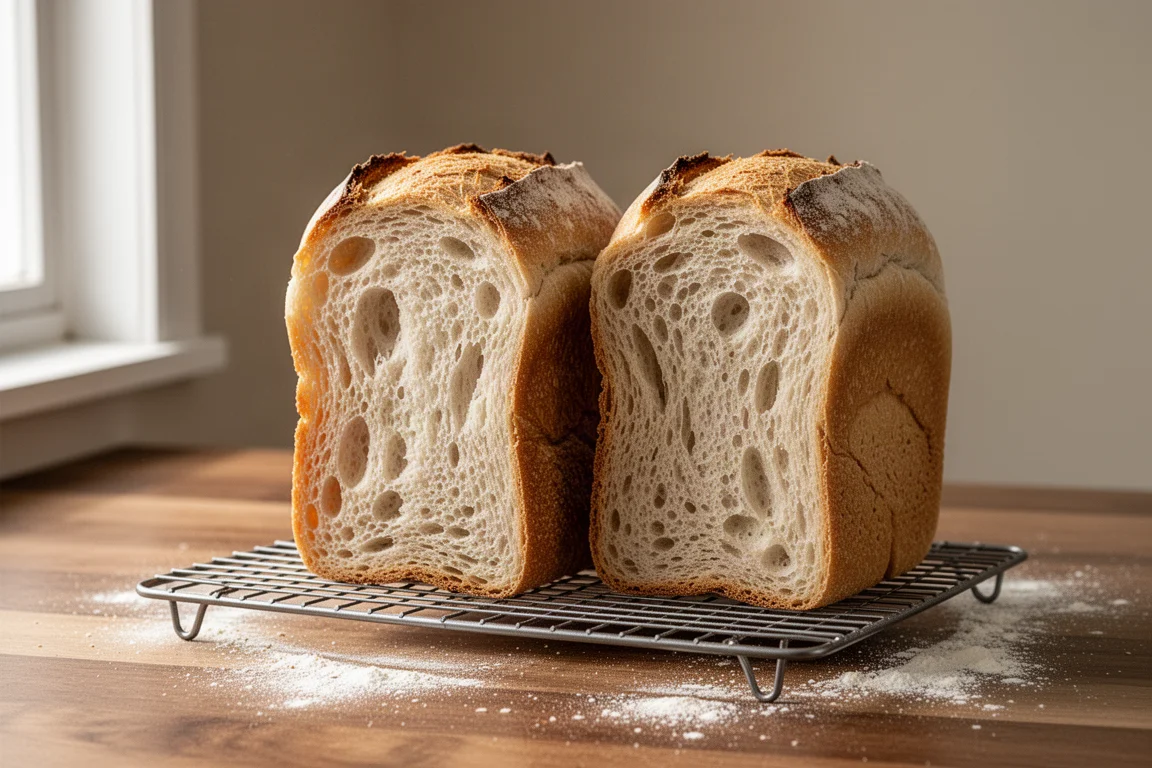
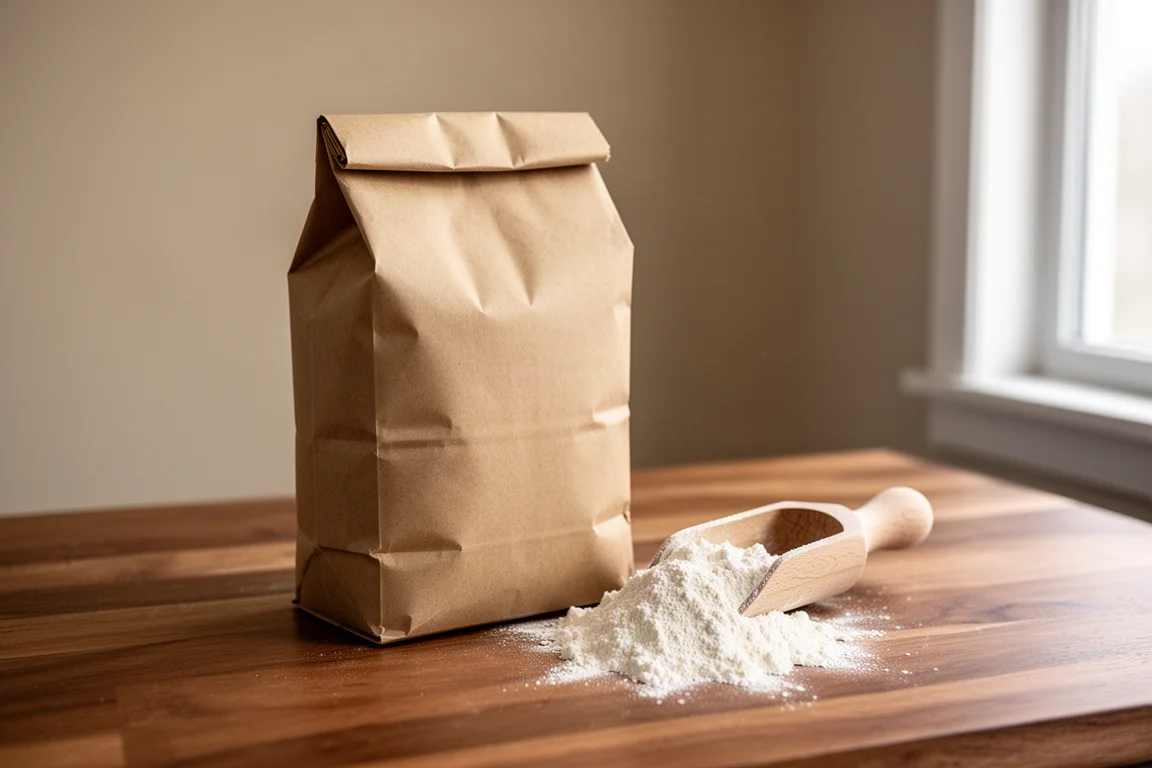
Flour seems like the most basic of staples, but in identical focaccia the difference was visible and structural. The premium loaf had more height, more air pockets and a more luxurious bite. The budget loaf formed bubbles that collapsed because the dough lacked the structure to hold them, leaving crisp spots where bubbles had popped.
The premium option is Shipton Mill artisanal strong white bread flour, milled in small batches from a blend of UK and international wheats for consistent performance. At roughly £1.55 per kilo against about 40p for the supermarket basic, it is around four times the price, but that is still only 70 to 80p of flour in a loaf of focaccia. If baking matters to you, this is an easy upgrade that also supports a smaller, specialist miller.
Basmati Rice: VT Mega Extra Long Grain Aged
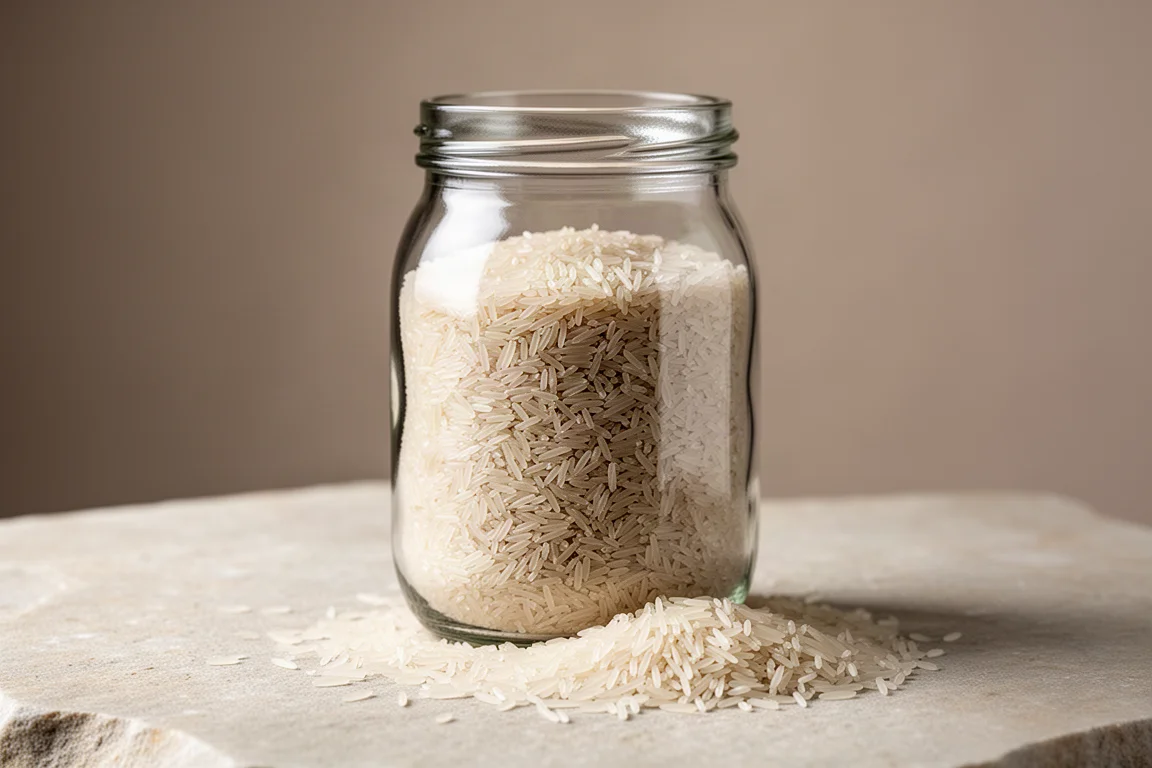
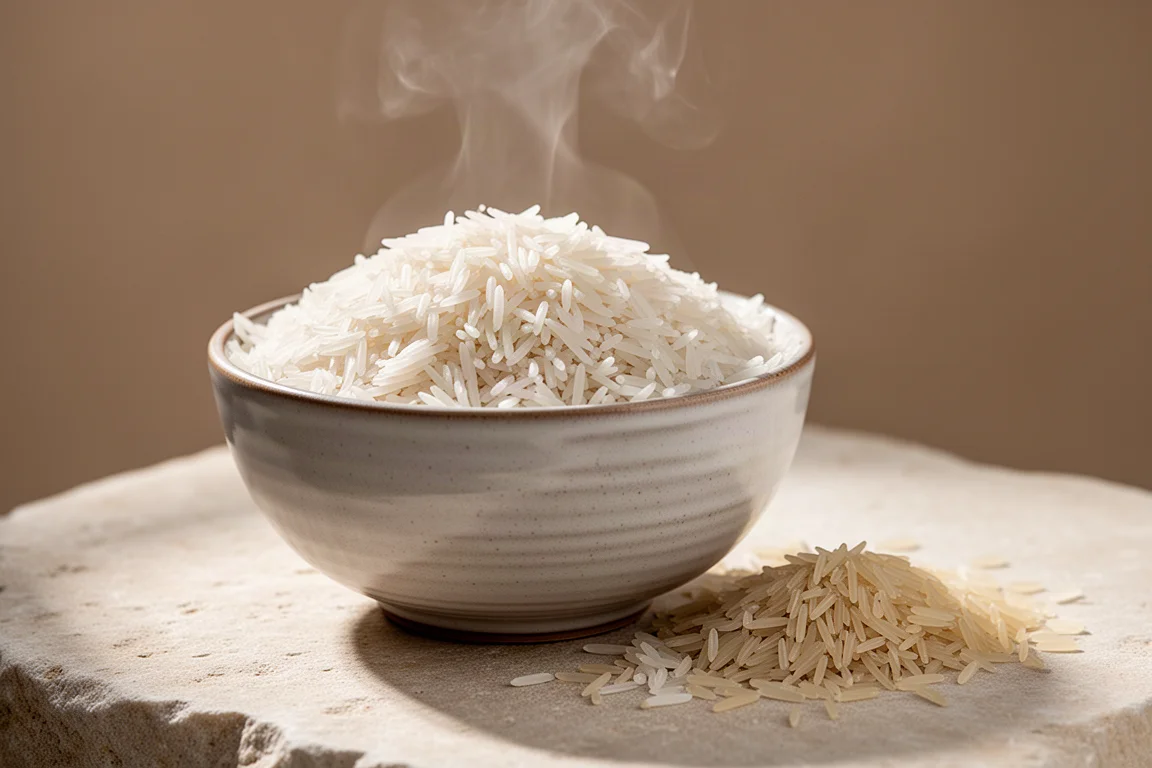
In a chicken biryani comparison, the premium rice was immediately identifiable: longer grains, silkier texture, more fragrant and floral aroma, and fewer broken grains. Basmati literally means aroma, and it carries far more of the aromatic compound also found in pandan than non-basmati grains. Aging the rice in sacks lets the flavor integrate and deepens it further.
The premium pick is VT Mega extra long grain aged basmati, a brand used by Michelin-starred Indian restaurants in London. It cost about £2.20 per kilo against roughly £1.40 for a supermarket own brand, so around 50% more, or 70-odd pence extra per kilo. Spread over the many meals a bag of rice delivers, that cost is negligible for a clearly better result.
Eggs: Clarence Court Burford Browns
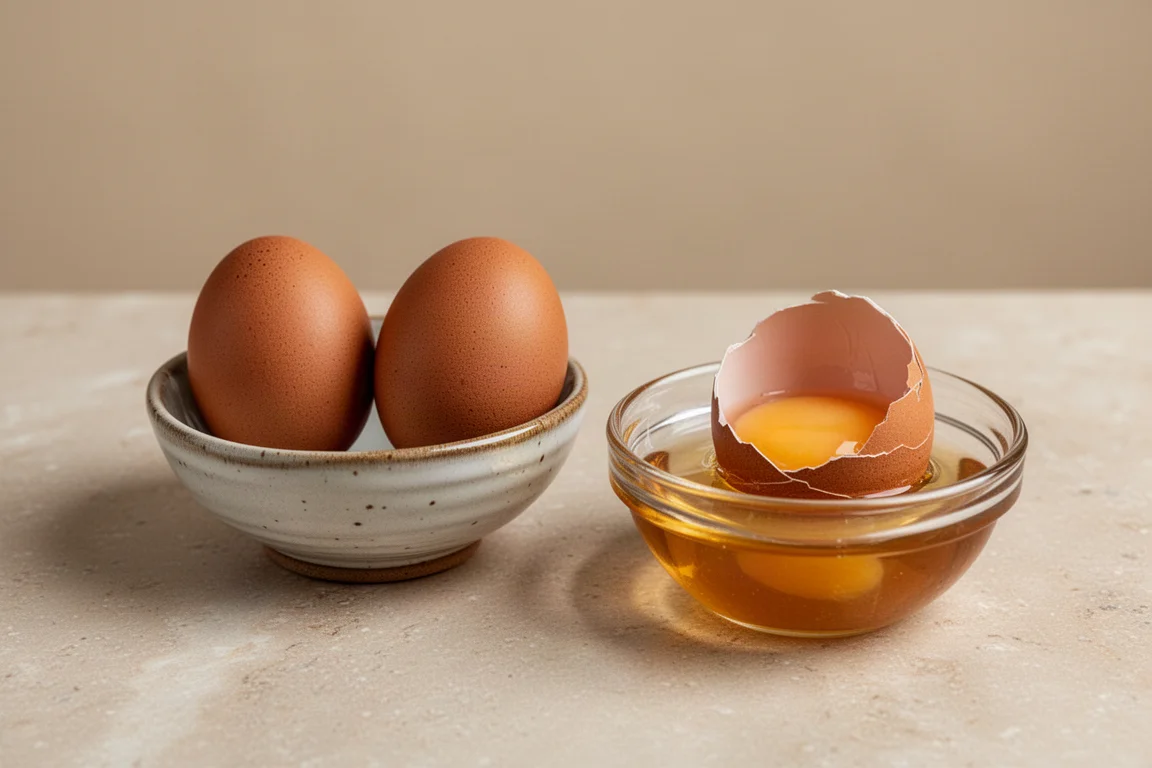
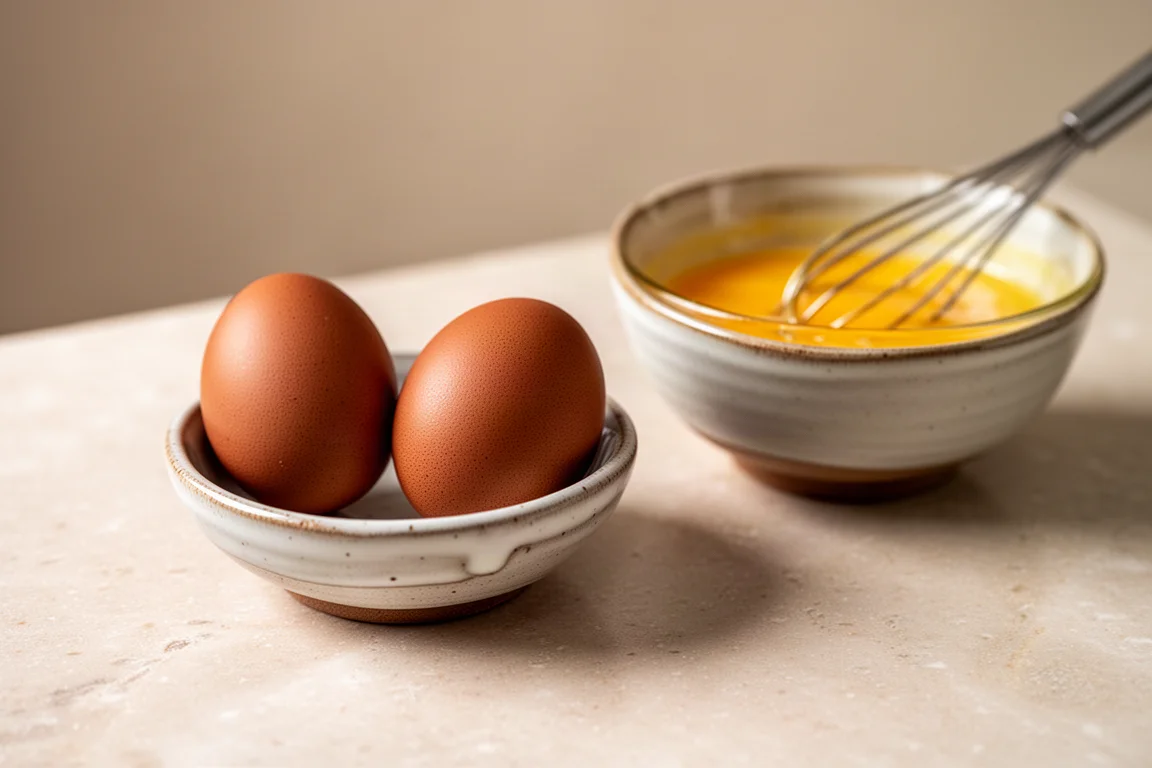
In identical French omelettes, the premium egg won on color, richness and depth. The Clarence Court Burford Browns come from hens with free roam all day and a carefully formulated diet including wheat, sunflower, seashell, soy, paprika and marigold, which shows in that luminous yolk. The supermarket free range eggs were perfectly good, with full traceability via a code on each egg, but noticeably paler and thinner in flavor.
The price worked out at about 50p per egg against 15p, roughly three times more. The advice here is straightforward: when eggs are the star of the show, an omelette or fried egg on toast, spend the money. When you are baking with a dozen eggs at a time, a good supermarket free range box is fine, helped by strong UK farming standards.
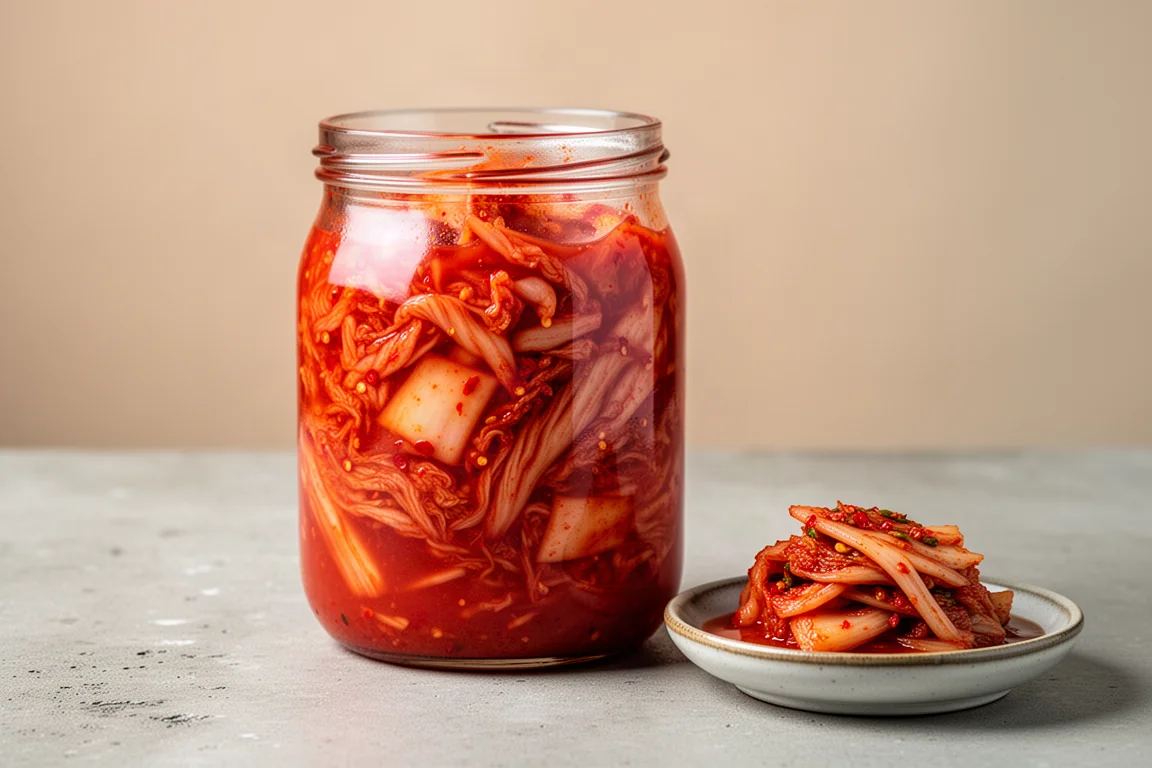
Kimchi: Cultured Collective Classic Kimchi
Kimchi produced one of the more surprising results. The premium jar, Cultured Collective Classic Kimchi, was spicier, more fragrant and punchier in a blind test, while the authentic whole-cabbage Korean kimchi from an Asian supermarket was more sour. Both are naturally fermented, unpasteurised and live, with all the benefits that brings.
The premium version includes cabbage, radish, spring onion, carrot, onion, anchovy, chilli, garlic, salt, ginger and a little sugar, made by a London-based company that specialises in quality ferments, though it is not the traditional Korean style. Pricing came in around £18 per kilo versus £7 for the authentic version, three times the cost. If you use kimchi sparingly, almost like a seasoning dolloped on top of dishes, the punchier premium jar suits that style of use well.
Coconut Milk: Coconut Merchant Organic Coconut Milk
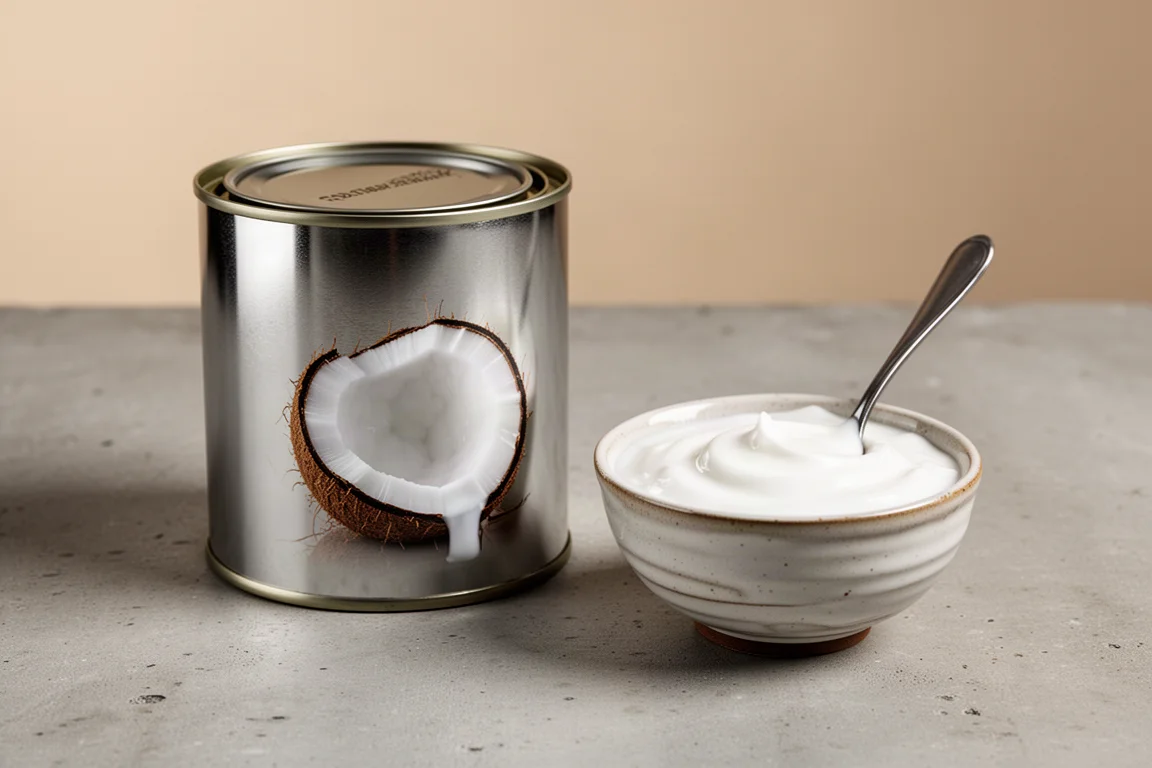
Coconut milk showed one of the biggest gaps of any category. Tasted alone, the premium tin had a rounder, more luxurious coconut flavor, while the budget tin hit hard with coconut then left an oily finish. In a Thai broth with rice noodles, the difference was described as worlds apart: the premium broth was thicker, fuller and carried more flavor, while the budget version tasted flat by comparison.
The key is the label. The Coconut Merchant organic tin contains 76% coconut extract, against 55% for the supermarket version, with water and stabilisers making up the rest. At around £3.50 per tin versus £1, it is three and a half times the price, but if you only open a tin occasionally for a special curry or broth, it is an easy call.
Sausages: Farmison & Co Cumberland Sausages
In a bangers and mash comparison, the premium Cumberland sausages were in a different league: chunky, traditionally crafted with chopped rather than minced pork, loosely packed proteins, real texture and balanced spice. The supermarket frozen version had a crisper casing but a one-dimensional, almost mushy interior, at 72% pork versus roughly 84% for the premium.
Farmison & Co charges about 83p per sausage, against 20p for the supermarket pack, with the premium sausages also considerably bigger. The wider principle applies to meat generally: buy the best you can afford, look for higher meat content and coarsely chopped meat rather than a paste, and remember that quality producers pass cost back to farmers through animal welfare and husbandry standards.

Puff Pastry: Dorset Puff Pastry
Even blindfolded, the pastry difference was obvious. The premium puff pastry tasted butterier, crispier, with more layers and more give, while the chilled supermarket roll tasted drier, its layers almost fused into two. The premium option is Dorset puff pastry, made fresh with regional Dorset butter and locally milled flour, with no additives or preservatives, then frozen to lock in that freshness.
At around £5 a roll versus roughly £1.50 to £2 for the supermarket version, it is two to three times the price. The smart strategy: make the pastry premium and fill it with cheaper, slower-cooked ingredients like onions and anchovies. And a practical note for everyone: there is no shame in buying good ready-made puff pastry, since even many restaurants do not fold their own.

Where Premium Pays Off, and Where It Does Not
The comparisons also produced some useful lessons in the other direction. Tinned tomatoes showed that a £2.40 premium cherry tomato tin, five times the price of a basic chopped tin, makes little sense when the tomatoes are heading into a pasta sauce or chili where onion and garlic mask the flavor. Frozen peas beat out-of-season fresh peas on sweetness and texture, since they are frozen within hours of picking. Even a high-welfare, expensive lean beef mince lost to a fattier budget mince in a kofta, because fat carries flavor and suits the dish better.
The through-line is simple: match the ingredient to its role. Premium shines when the ingredient is the hero, tasted on its own, or where texture and structure matter, as in pastry, bread and rice. Budget is fine when the ingredient is buried in a dish with other strong flavors, or when a cheaper version is actually more suitable for the application.
Buying Advice
If you upgrade only a few things, make them the ones where the blind tests were decisive: aged basmati rice, high-extract coconut milk, properly crafted sausages, all-butter puff pastry, and small-batch bread flour. All of these cost more per unit but little more per meal, and the difference is easy to taste.
For everything else, keep a two-tier approach. A cheap soy sauce for cooking, a premium tamari for dipping. Supermarket free range eggs for baking, Burford Browns when the egg is the dish. That balance gets you the best of both worlds without doubling your grocery bill.
Conclusion
Premium ingredients are not automatically better in every dish, but in the right role they are transformative. Spend where the ingredient leads, save where it blends, and the same grocery budget will produce noticeably better food.
Further reading
Related Reviews
Food & Kitchen
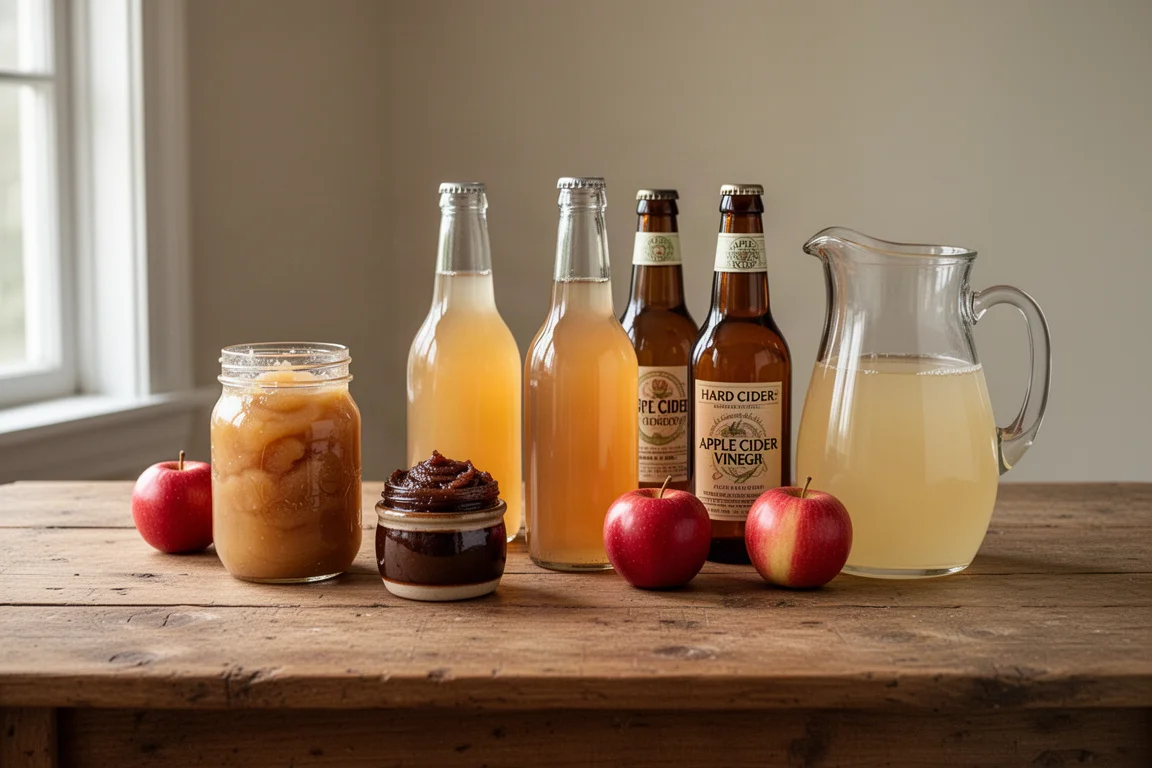
Apple Products Worth Knowing: From Applesauce to Hard Cider
Applesauce, apple butter, cider, hard cider, apple cider vinegar, and apple juice compared, with two picks that stand out.

Food & Kitchen
Best Bone Broth, Chicken Stock, and Chicken Base: Four Kitchen Staples Worth Knowing
Four warmed-and-tasted pantry staples compared: two bone broths with notably more protein, a classic chicken stock, and a convenient chicken base.
Food & Kitchen
Best Box Brownie Mixes: Four Standouts Worth Baking
We tested popular box brownie mixes for chocolate flavor, texture, and that crackly top. Here are the four that rose to the top of the pan.