Power Tools
Best Precision Impact Drivers: Metabo HPT 36V Triple Hammer vs Milwaukee M18 Fuel Surge vs Makita XDT13
Three impact drivers compared for control, noise, and precision rather than raw speed: a 36V triple hammer, an oil-pulse driver, and a classic two-hammer baseline.
Introduction
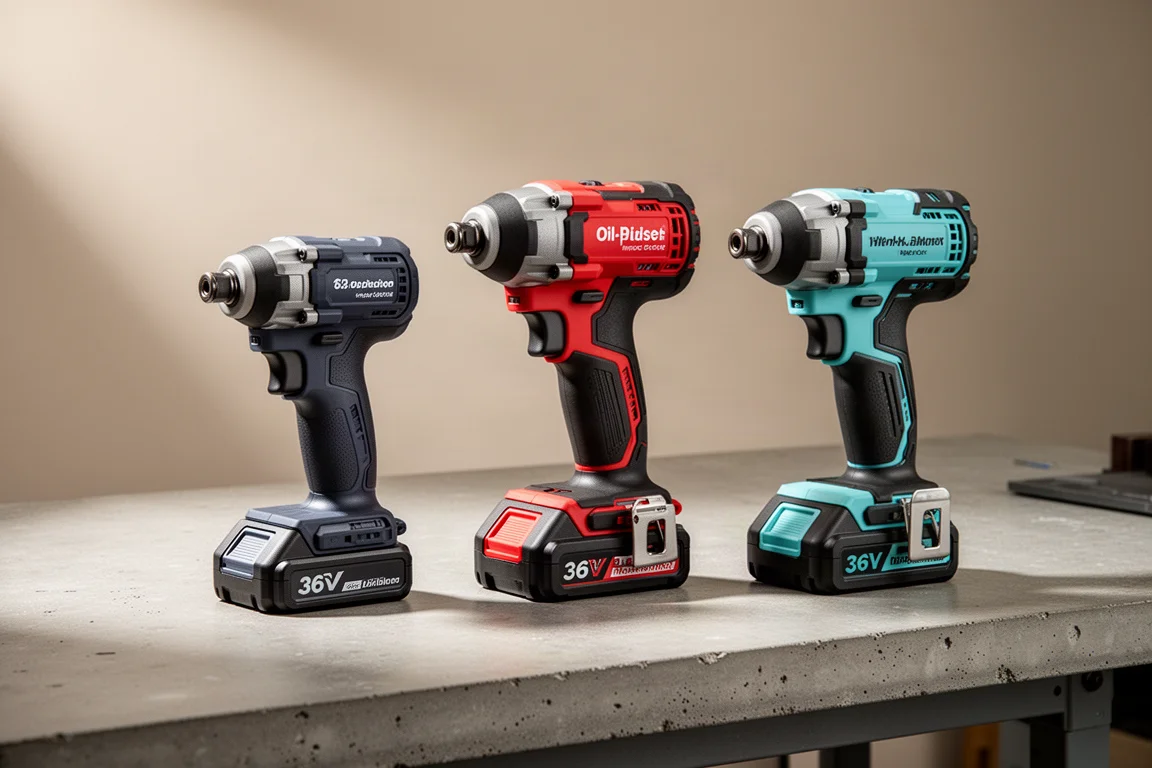
Impact drivers are usually judged by one number: how fast they bury a screw. But if you spend real time driving fasteners, the qualities that matter most are control, noise level, and how well the tool lets you fine-tune its impact. Three drivers make that trade-off especially interesting: the Metabo HPT 36V Triple Hammer, the Milwaukee M18 Fuel Surge, and the Makita XDT13 as a conventional two-hammer baseline.
All three were tested with fully charged 5 amp-hour-class batteries, driving the same deck screws with a T25 bit, in slow and controlled passes to see how far each tool goes before its impacts kick in.
Why Control Matters More Than Speed
Speed tests make for satisfying headlines, but they miss what most users actually feel at the trigger. A driver that wins a head-to-head sprint can still overdrive screws, pull fasteners out of your fingers, and vibrate your hands numb on longer sessions.
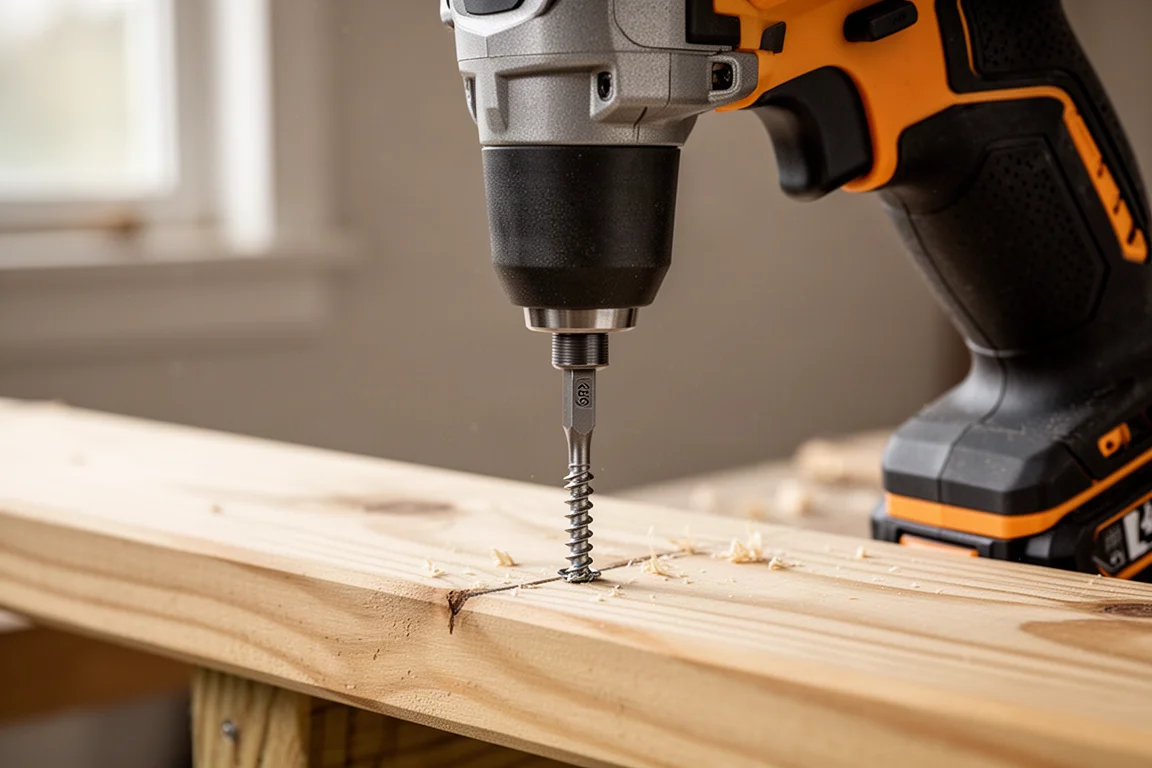
The more useful question is which driver gives you the most usable range between “motor only” and “full hammering.” That is exactly where a triple-hammer mechanism and an oil-pulse mechanism behave very differently from a standard two-hammer design.
Metabo HPT 36V Triple Hammer
The 36V Triple Hammer is the bigger sibling of the 18V Metabo HPT driver. The 18V version was strong on value and warranty but lacked power next to similarly priced Makita and Milwaukee options, and the 36V model addresses that: there is clearly more torque here. Running on the multi-volt battery (2.5Ah at 36V or 5Ah at 18V), it drives screws with authority and stays nearly fully seated on motor power alone before the impacts start.
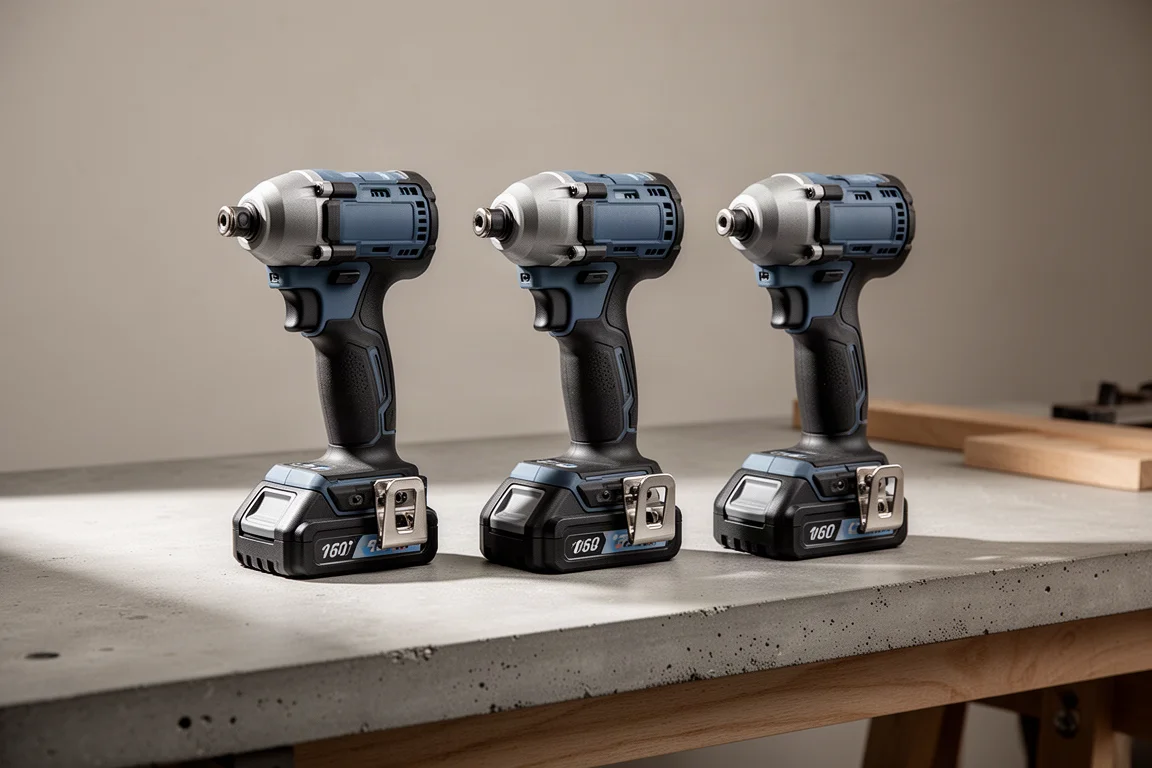
The triple-hammer mechanism delivers short, frequent impacts that feel close to an oil-pulse driver, just noisier. The trade-off worth knowing about: under heavy load the mechanism can start skipping impacts, so pushing harder does not necessarily produce more power. In precision work at lower speed, though, that short hammer travel is exactly what makes it so controllable. It offers mode selection, LED light on/off options, and an IP56 rating, which is why washing a dirty secondhand unit in the kitchen sink with soap and water was no problem. One annoyance: there is no quick-insert collet, so bits have to be pushed in by opening the collet manually, and the mode button sits on the side and takes a trigger press to cycle.
It is genuinely versatile: sensitive trigger, strong torque, and the ability to dial in just how much impact you apply to a fastener.
Milwaukee M18 Fuel Surge
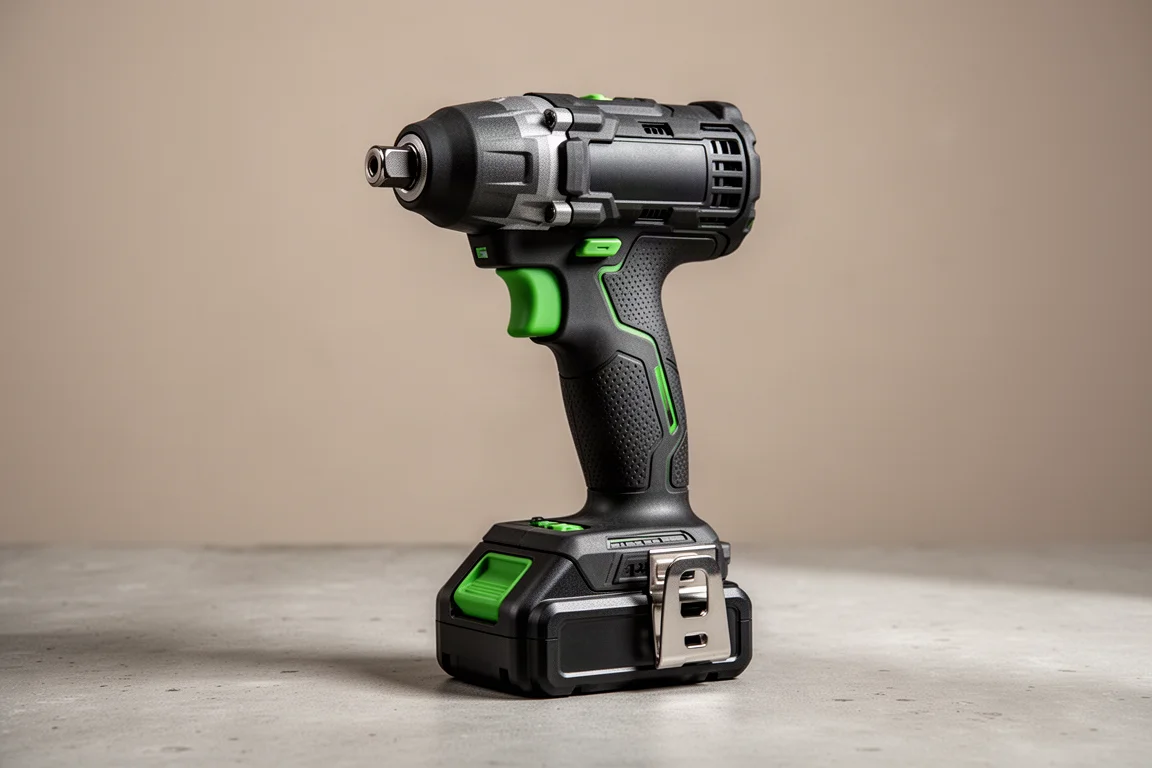
The Surge is the oil-pulse option in this lineup, and it behaves unlike anything else here. Set on speed three, it goes to impacts almost immediately under resistance, but those impacts are light, gentle, and remarkably quiet. Instead of violent hammering, it drives screws the way a powered screwdriver would, with very fine control over how fast and how often impacts occur.
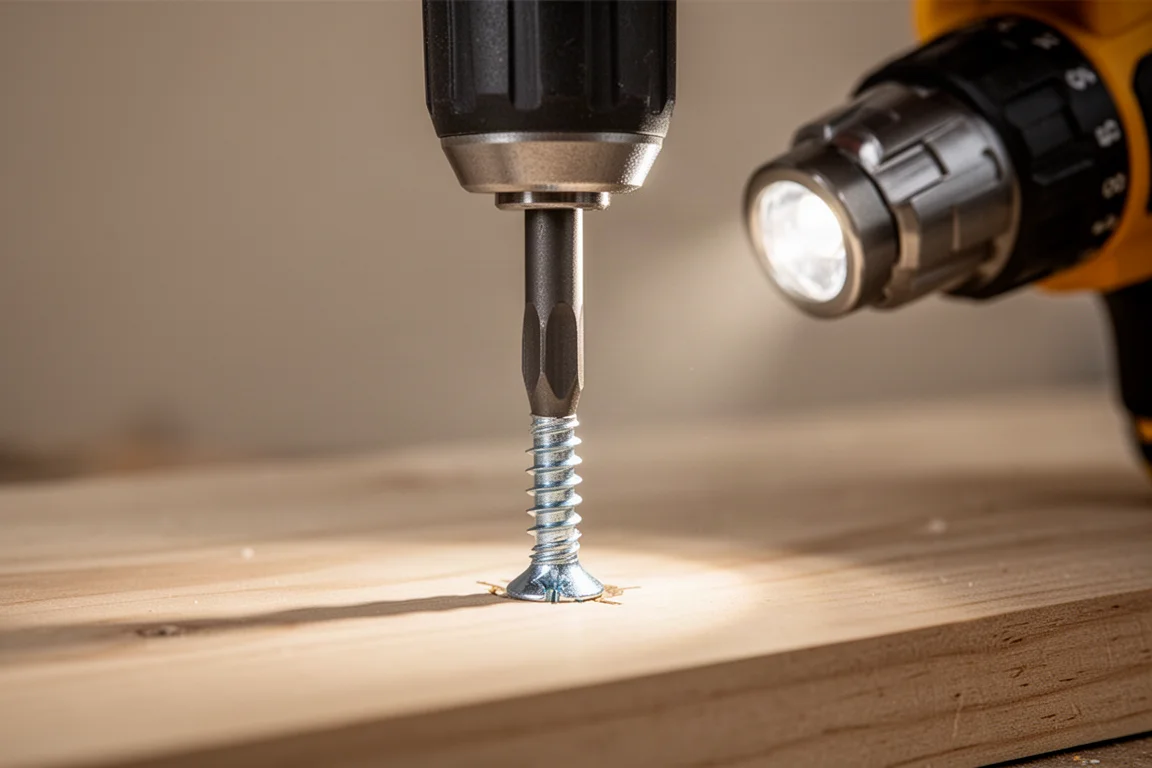
That precision makes it feel almost like using a screwdriver by hand: you can seat a screw exactly where you want it without overdriving. It also has a quick-insert collet, a genuinely nice touch for swapping bits. The catch is power. Among these three, the Surge is the weakest, and it relies less on raw motor force, so tough fasteners take longer. Oil-pulse drivers also rarely win speed battles, which is a common reason they get overlooked, and brands have largely stuck to a single generation of the technology.
Used units are easy to find at low prices, which makes it a low-risk way to try a genuinely different kind of driver.
Makita XDT13
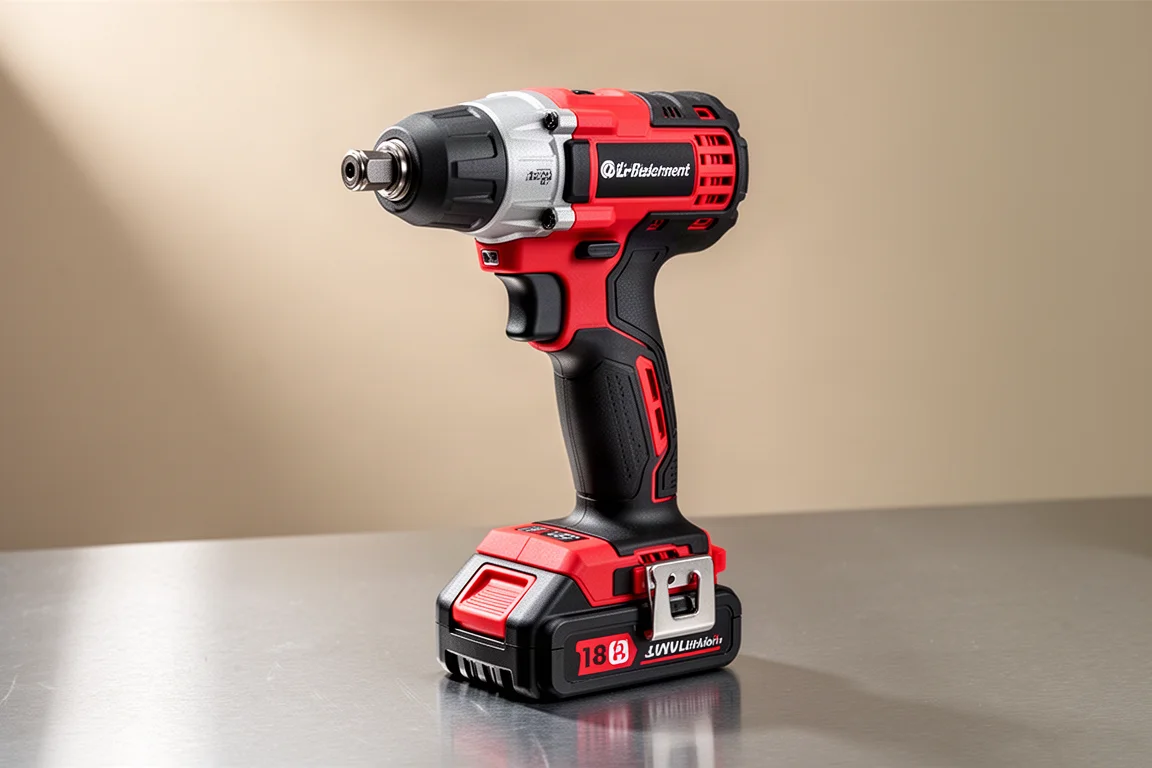
The XDT13 serves here as the conventional baseline: a standard two-hammer impact driver with no mode selection at all. Control is entirely down to trigger feathering. That shows immediately in testing. It drives screws fast, and it is easy to overdrive one by accident before you can react, because there is no speed one or speed two to fall back on.
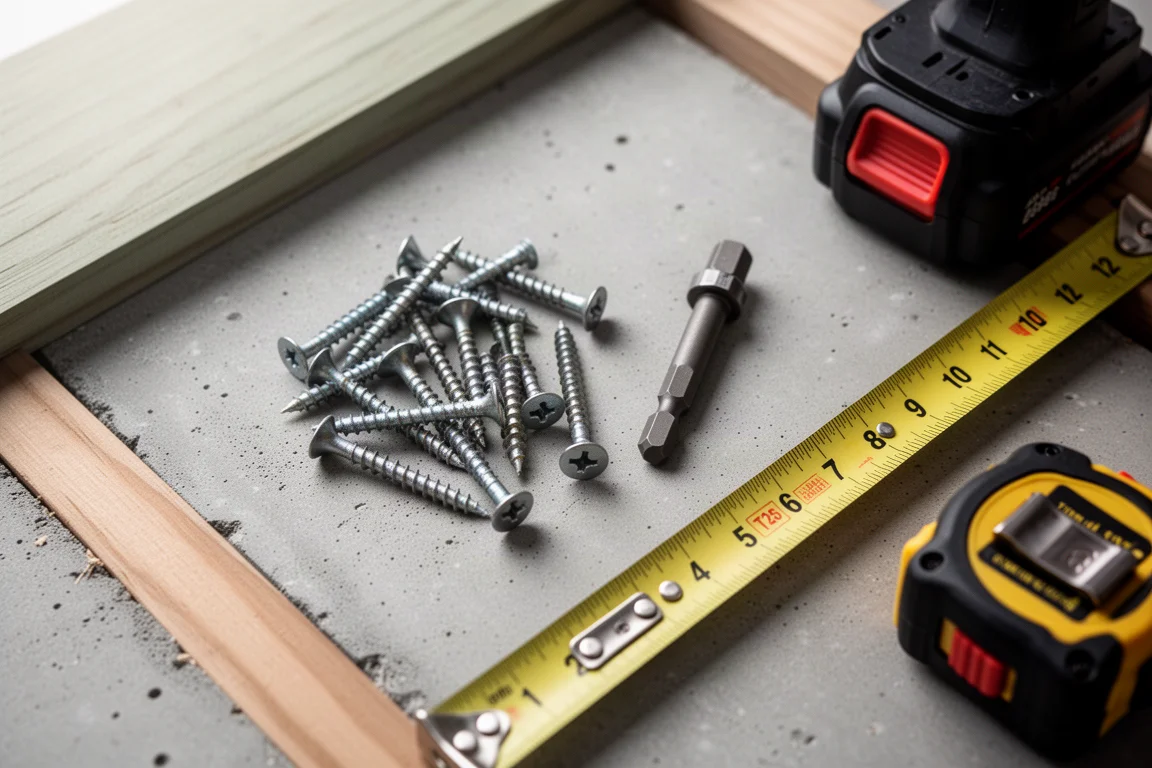
It is not hard to use, and it has plenty of power for the price, but the impacts are louder and more violent, and the vibration is noticeably higher than either the Triple Hammer or the Surge. For anyone doing precision screwdriving, it simply asks more of your fingers than the other two do.
Buying Advice
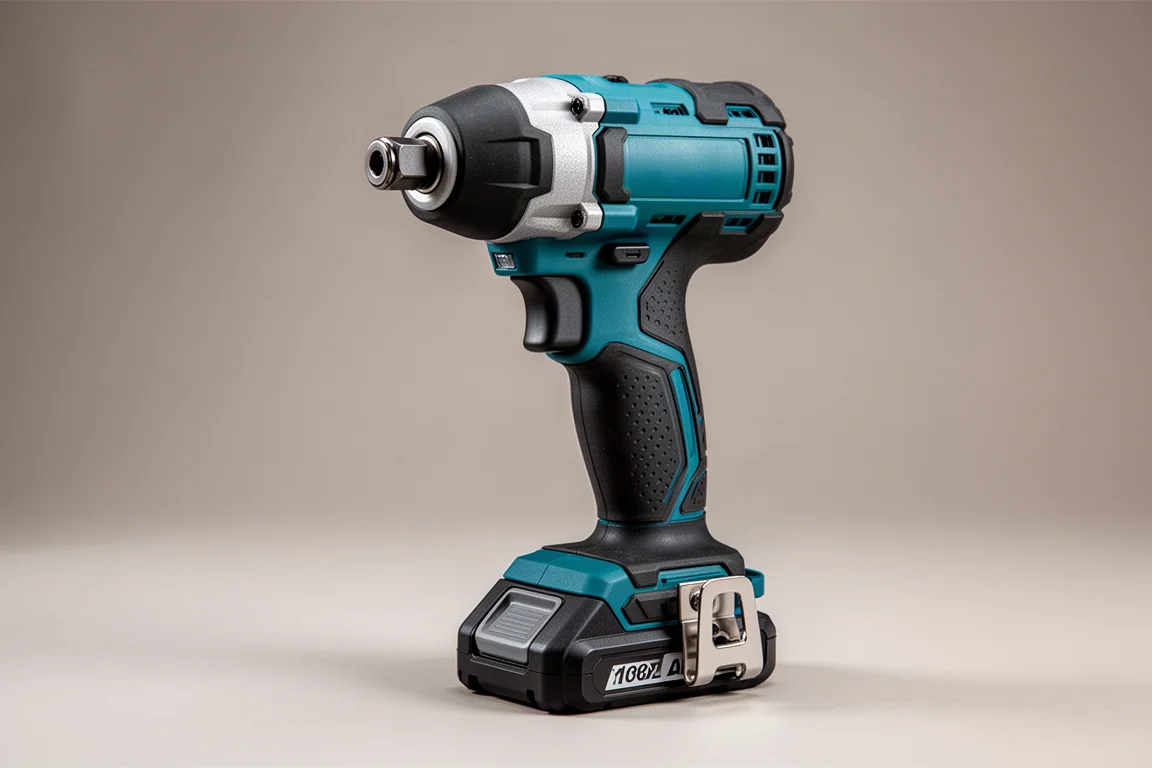
If raw speed is your only metric, a conventional two-hammer driver is fine, and the Makita is a solid value for it. But a driver chosen only on a speed test is like buying a car purely on zero-to-sixty: comfort, noise, and features matter in daily use.
For the best blend of torque and fine control, the Metabo HPT 36V Triple Hammer is the standout, with the bonus of an IP56 rating and strong warranty pedigree. For quiet, screwdriver-like precision on lighter fasteners, the Milwaukee M18 Fuel Surge is in a league of its own, as long as you accept less outright power. If your work is mostly brute-force driving and your budget is tight, the Makita XDT13 remains a dependable pick.
Conclusion
None of these three is simply “the best.” The Triple Hammer buys control and torque at the cost of a fussy bit change and impact skipping under heavy load. The Surge trades power for quiet, surgical accuracy. The XDT13 trades finesse for price and straightforward power. Match the mechanism to the work you actually do, and each of them earns its place.
Further reading
Related Reviews
Power Tools
Best 1-Inch Pistol Impact Wrenches: Three Heavy-Duty Options Compared
We compare three 1-inch pistol impact wrenches, from a budget-friendly Harbor Freight model to a premium Caterpillar unit, to help you choose the right one.
Power Tools
Best 3/4-Inch Impact Wrenches 2026: Five Contenders Compared
We compare five 3/4-inch impact wrenches across price and performance, from a budget Amazon option to Snap-on's most powerful model yet.
Power Tools
Best Budget Cordless Tools 2026: Walmart Finds That Punch Above Their Price
We tested five cordless tools from Walmart, including a high-torque impact wrench that trades blows with Milwaukee and a $35 duster that outperforms its price class.