Power Tools
Best Power Tools of 2025: Our Top Picks Across Every Major Category
Ten standout tools from a year of head-to-head testing, from the hardest-hitting hammer drill to the most versatile job site storage system.
Introduction
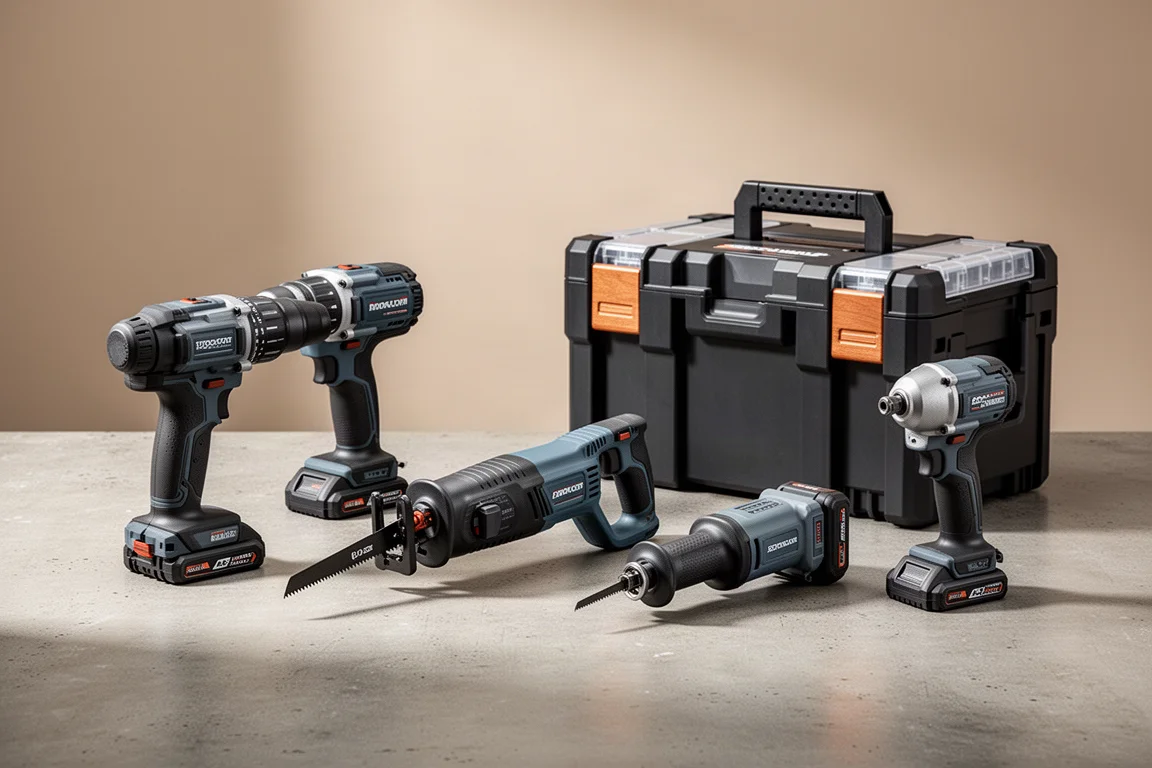
After a full year of putting the best tools in the industry through demanding head-to-head tests, a clear set of standouts emerged. No matter your trade or the tools you rely on, chances are something here earned its spot the hard way: through cutting tests, torque runs, blow-off wars, and real job site use. Here are the top performers of 2025 across all the major categories.
Best Cordless Hammer Drill: Flex FX1271T 24V Brushless
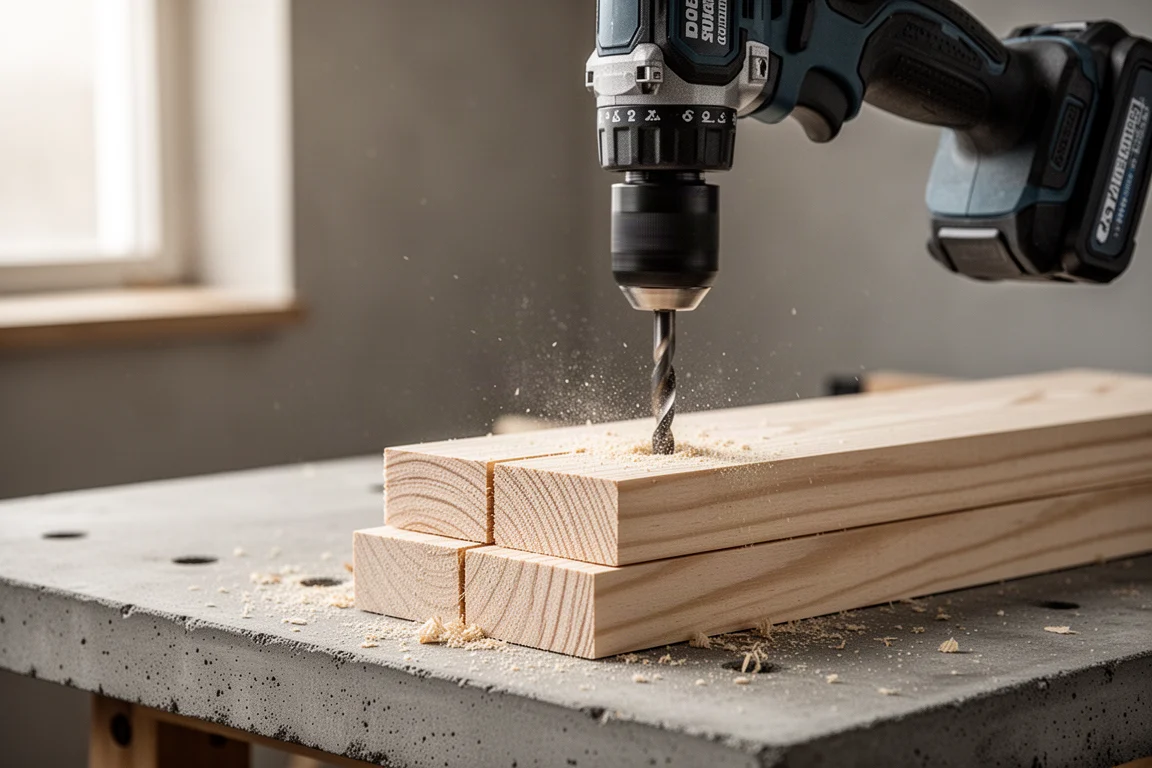
Flex has consistently delivered one of the hardest-hitting drills on the market since launching, and the FX1271T 24V brushless hammer drill proved it again. Its high-speed and high-torque capabilities really showed in testing, especially when paired with a 6Ah stacked lithium battery.
But Flex didn’t stop at power. The drill includes kickback control, a turbo mode that essentially gives you four usable speeds, and excellent balance that makes it feel more agile than its weight suggests. The overmold grip was the grippiest in its group. Pricing solidifies the value: it comes in lower than flagship models from DeWalt, Makita, and Milwaukee, and it’s backed by Flex’s lifetime warranty.

Best Reciprocating Saw: Makita GRJ02 40V XGT
The Makita GRJ02 40V XGT reciprocating saw dominated the hardest cutting tests, taking first place in both 4-inch PVC and 3-inch cast iron. It delivers the raw cutting speed and muscle demolition crews need, and even in categories it didn’t win, it stayed consistently near the top.
Makita also achieved top-tier vibration control, tying for the best score of any saw tested. It’s smoother, less fatiguing, and incredibly confident under load. Yes, it’s heavier and more expensive than many competitors, but those trade-offs buy you the only saw that hit every single flagship benchmark worth looking for. If you want pure performance, this is the one.

Best Cordless Blower: Robi RY40 HP LB01 800 CFM Whisper Series
The Robi RY40 HP LB01 800 CFM Whisper Series swept away every major blower category. It delivered the highest force on the meter, hit the highest mark on the ramp test, posted the quietest noise levels, and won the blow-off war.
Runtime was the only area where it didn’t lead, but there’s useful context: even in high mode, it was outputting 20 newtons, the most of the entire group. Ease off to around 15 newtons using cruise control and runtime improves dramatically. If raw clearing force and quiet operation top your list, this is the blower to beat.

Best Impact Wrench: DeWalt 20V Max XR DCF891
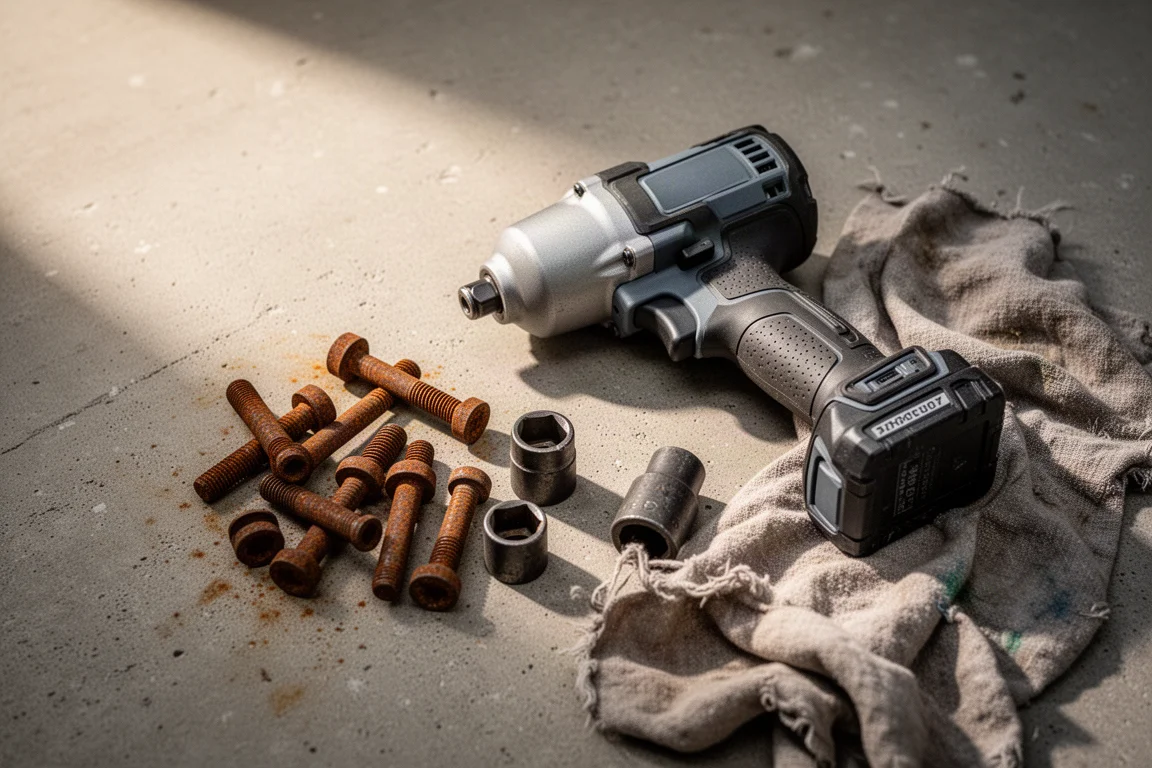
The DeWalt 20V Max XR DCF891 takes the top overall pick in its category. On paper, its torque numbers were impressive, but real-world testing is where this tool separated itself. Despite landing mid-pack on a torque tester, it was dominant in application, breaking bolts loose in under 3 seconds on average and fully sinking lag screws when others couldn’t.
It’s slightly heavier and longer than the most compact models, but not enough to count as a real downside. Features are straightforward, with welcome LED controls and a precision wrench mode. At the end of the day, performance is king, and DeWalt earned the crown.

Best Rafter Square: Johnson Johnny Square Mach 1
Choosing a favorite rafter square isn’t easy because they all handle basic layout, but the Johnson Johnny Square Mach 1 stands above the rest. It has the highest-contrast markings, useful notches, and smart marks that make layouts easier.
The small touches add up, and the favorite feature says it all: an embedded level in the heel. It’s a simple detail that makes a big difference on the job site, and it comes at a tool-framing price rather than a flagship one.

Best Battery Powered Mower: Echo 56V DMC-2100 SP
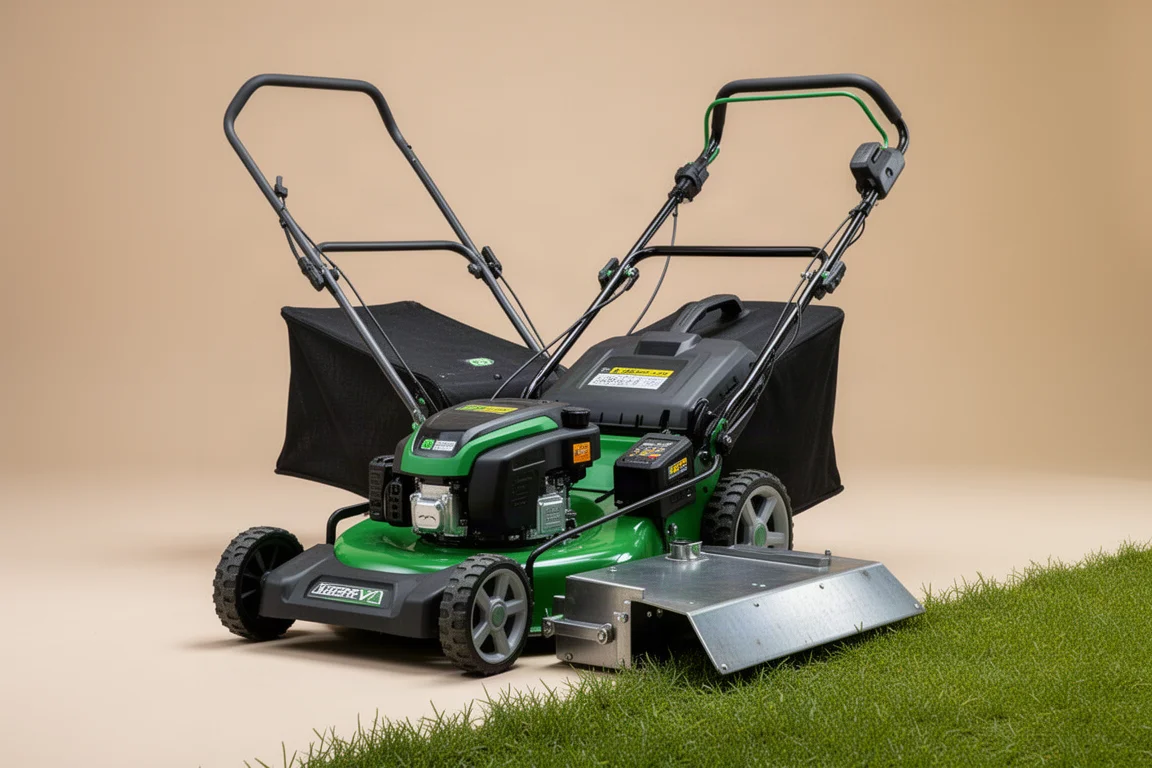
The Echo 56V DMC-2100 SP isn’t brand new, but it continues to deliver one of the best mowing experiences available. With power equivalent to a 160cc gas mower, it balances cutting strength and runtime extremely well. It’s lightweight, easy to maneuver, comfortable to control, and simple to adjust on the fly.

It’s not the most battery-efficient mower, so for anything over a quarter acre, the recommended two-battery kit is strongly advised. That setup will comfortably handle close to two-thirds of an acre in late mowing, or roughly half an acre in peak growth season, and the price won’t leave you broke.
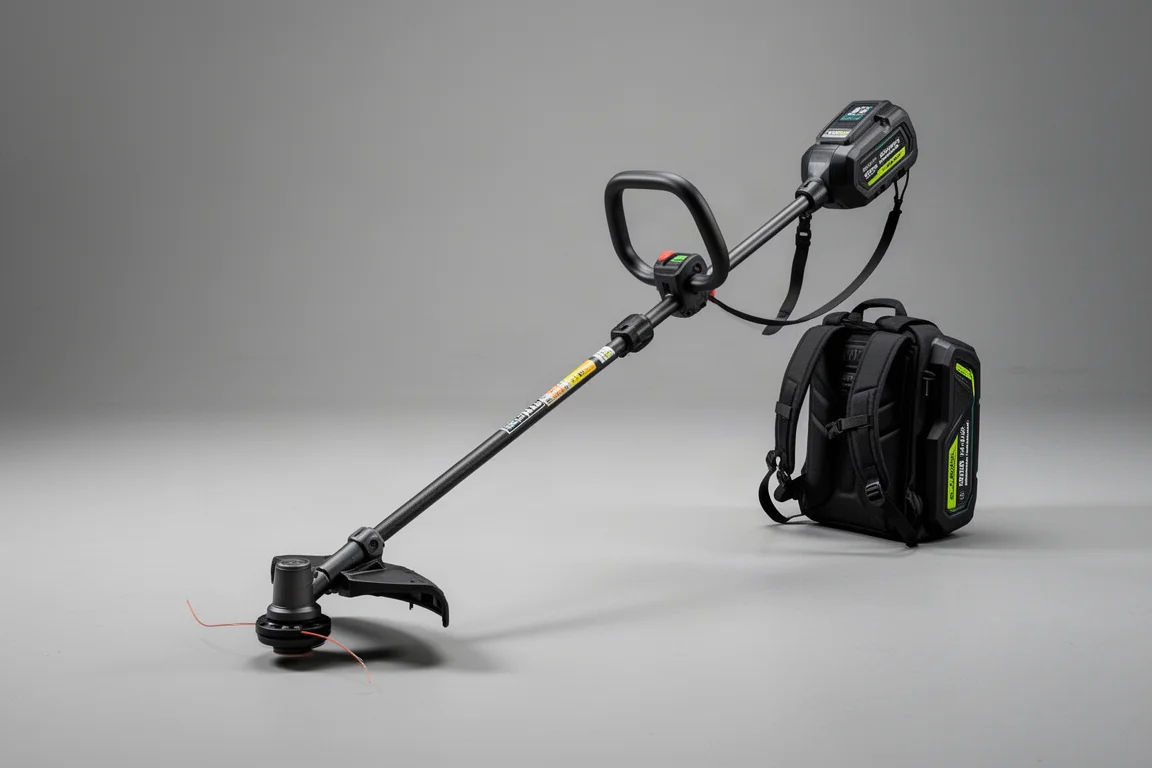
Best Battery Powered Trimmer: Stihl FSA 135R
The Stihl FSA 135R earns the professional trimmer pick. Designed as the electric counterpart to the popular FS91R gas model, it uses many of the same components, delivering familiar reliability and durability. Stihl’s dealer network adds unmatched support, and in use the trimmer offers excellent balance, low vibration, and solid power for maintenance work.
It’s not as strong as Makita’s DUR 189L-class offerings or Milwaukee’s for heavy overgrowth, but for pro daily use it’s a workhorse. It’s heavy, though Stihl still offers belt and backpack solutions to move the battery weight off the tool. One check before buying: confirm the cutting head, since Stihl lists the AutoCut C easy spool as included but units have shipped with a standard version.
Best Cordless Impact Driver: Flex FX1371A
The Flex FX1371A has held the top spot among cordless impact drivers since Flex first hit the market, which says a lot about how far ahead its first-generation design was. It performs extremely well on a standard battery and hits another gear with stacked lithium.
It doesn’t offer one-hand bit insertion or spring injection, but Flex’s quick eject button solves that, letting you open the collet without repositioning your hands. It’s a bit larger and heavier than some competitors, but it’s priced lower than most premium pro brands and carries a lifetime warranty when registered. Hard to argue with that package.

Best Job Site Storage: Milwaukee Packout
The Milwaukee Packout remains the gold standard for portable job site storage. The durability is job site proven, and the modularity is unmatched, letting you customize your setup across trades, from hand tools to power tools to small parts.
The latches, handles, and seals are all built for real abuse, and the massive ecosystem of compatible boxes, organizers, totes, and mounts makes Packout the most versatile storage system on the market. If your work moves between sites, this is the system that grows with you.

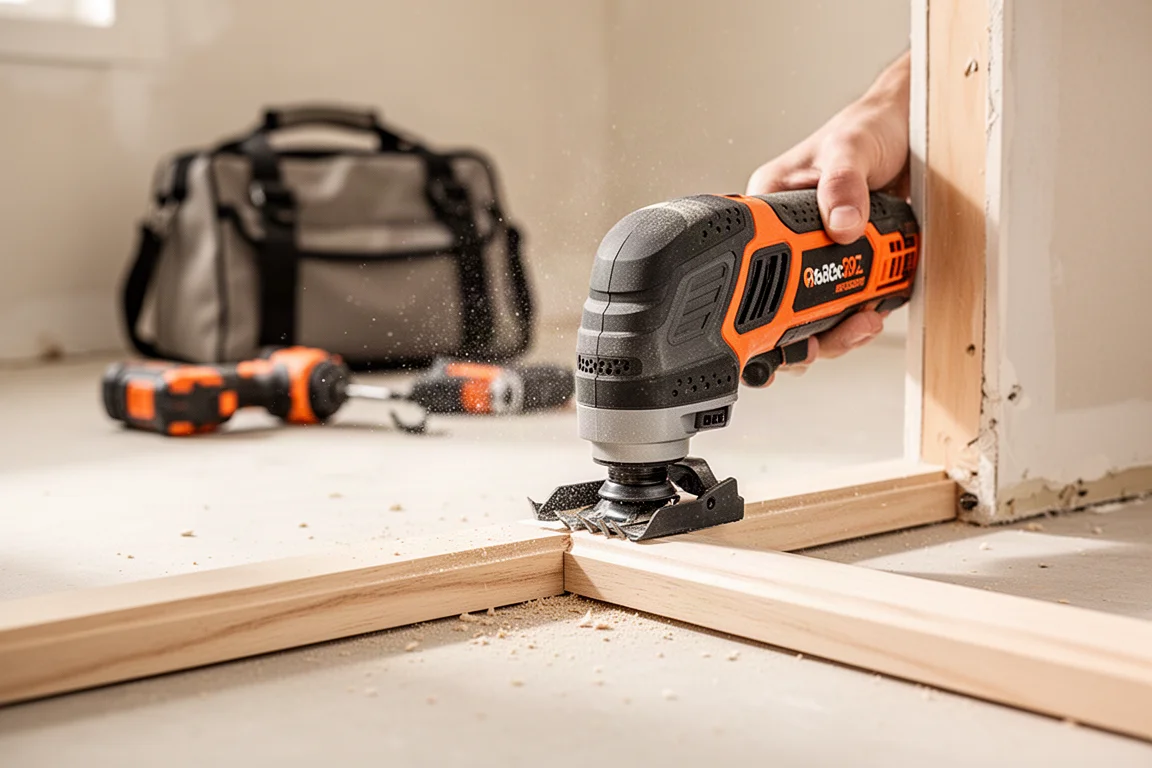
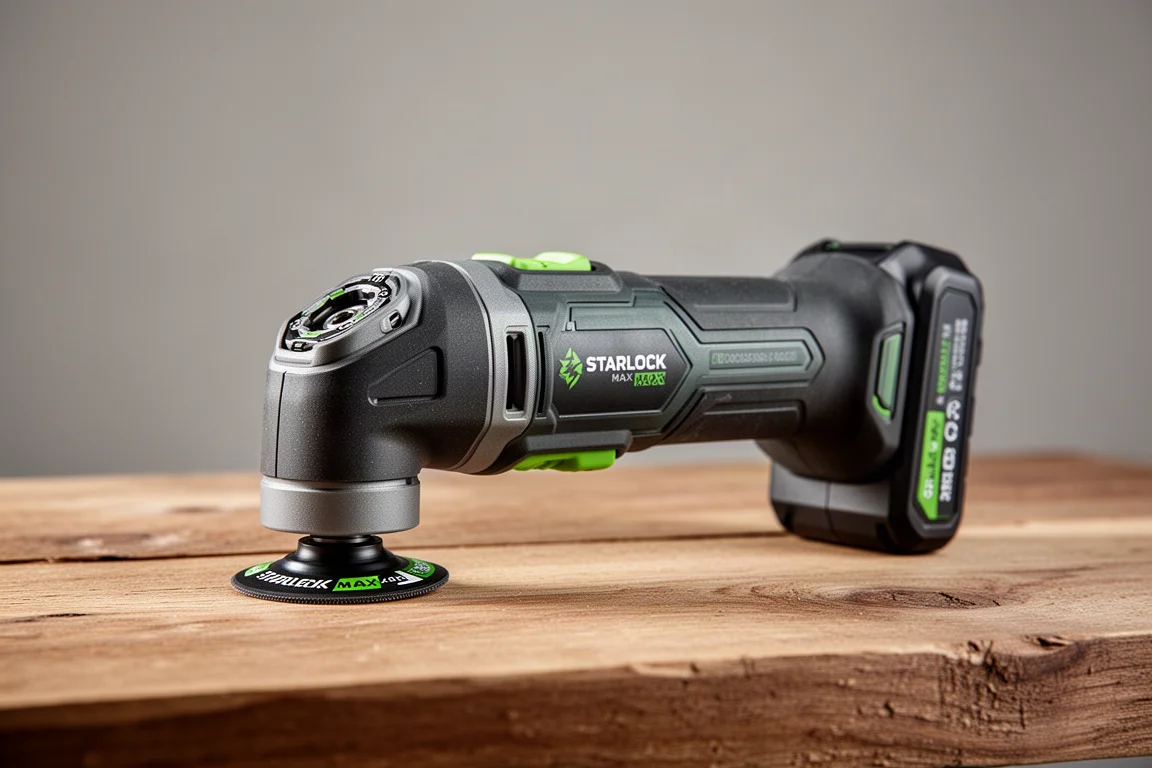
Best Oscillating Multi-Tool: Flex FX4111A
The Flex FX4111A takes best overall among oscillating multi-tools. It delivers the second-best performance in testing, costs less than many premium competitors, and uses a Starlock Max interface for quick accessory changes.
Its official vibration rating landed in the lower half, but thanks to an isolated head design, vibration during cutting remains well controlled. Flex was also one of the only brands in the lineup with an advanced vibration dampening system considered highly effective. The main downside is the smaller 24V ecosystem compared to Milwaukee or DeWalt, but Flex continues to expand, and the lifetime warranty covers both the tools and the batteries.
Overall Buying Advice
A pattern runs through this list: performance and value aren’t always in conflict. Flex’s drill, impact driver, and multi-tool all undercut flagship pricing from bigger names while posting winning numbers, and the Johnson square proves that thoughtful design can beat premium price tags. On the other end, the Makita reciprocating saw and Milwaukee Packout command their premiums by simply being the strongest in their class.
Before buying, think about ecosystem weight. If you already own batteries from DeWalt, Milwaukee, or Makita, staying within that platform often makes more financial sense than adding an orphan tool. If you’re starting fresh, Flex’s lifetime warranty on both tools and batteries is one of the strongest safety nets available, and Echo’s two-battery approach shows how runtime should be planned, not hoped for.
Conclusion
These ten picks earned their spots through hard testing rather than marketing. Match the tool to your real workload, weigh the ecosystem you’re already invested in, and any of these standouts should serve you well well beyond 2025.
Further reading
Related Reviews
Power Tools
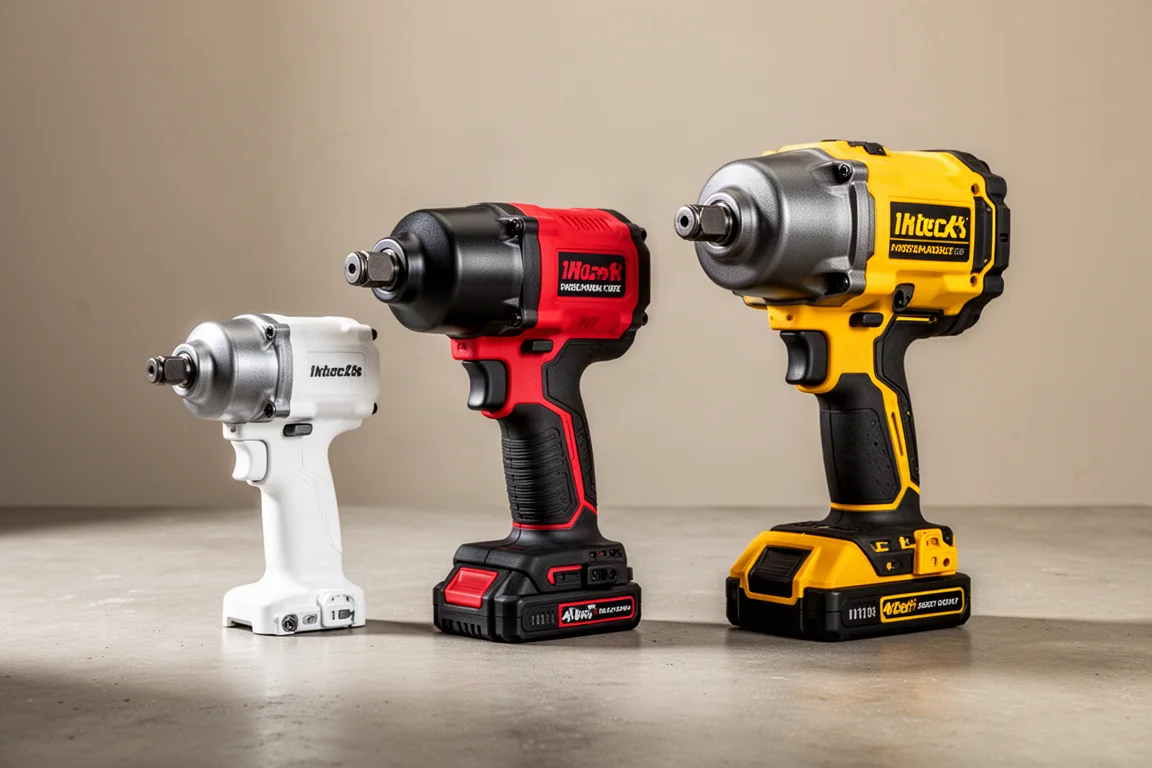
Best 1-Inch Pistol Impact Wrenches: Three Heavy-Duty Options Compared
We compare three 1-inch pistol impact wrenches, from a budget-friendly Harbor Freight model to a premium Caterpillar unit, to help you choose the right one.
Power Tools
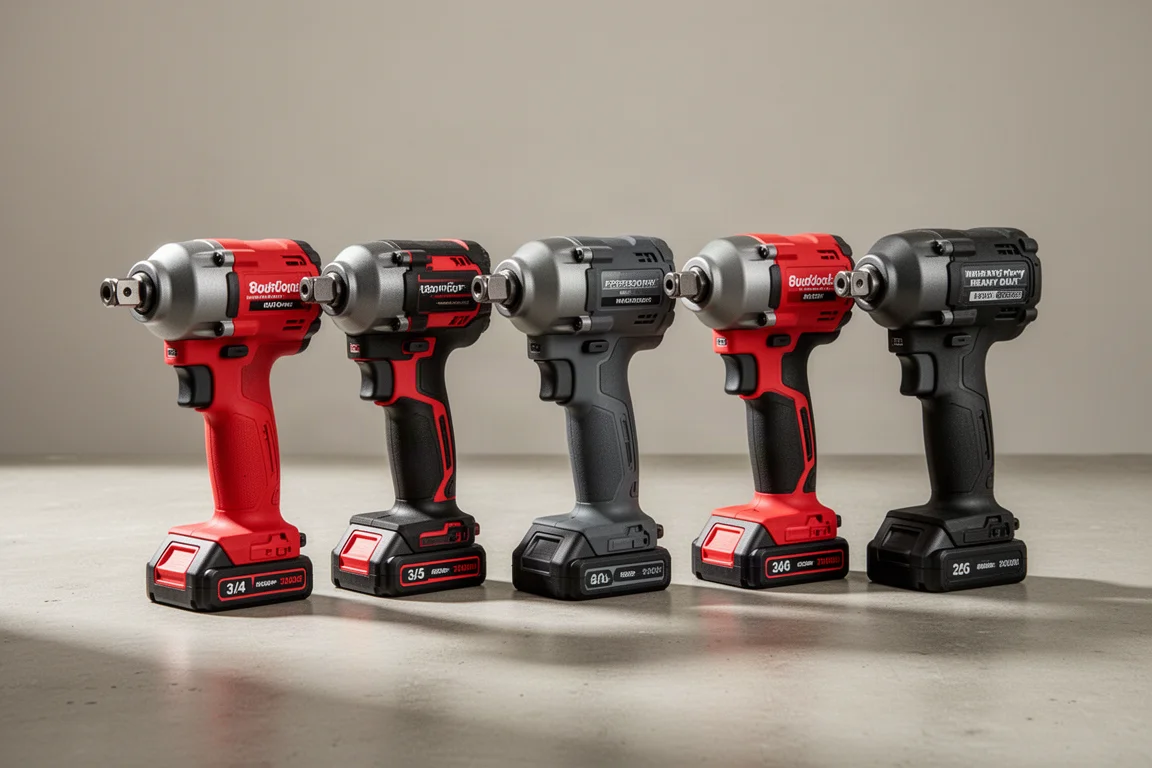
Best 3/4-Inch Impact Wrenches 2026: Five Contenders Compared
We compare five 3/4-inch impact wrenches across price and performance, from a budget Amazon option to Snap-on's most powerful model yet.
Power Tools
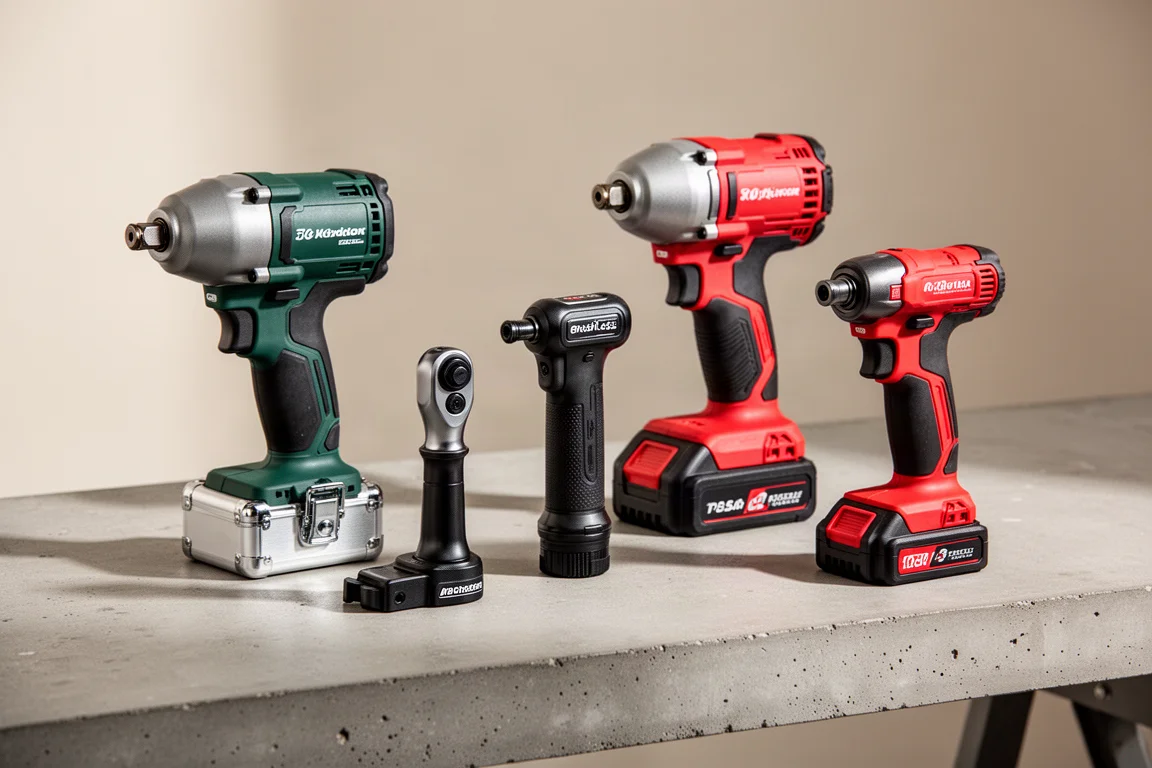
Best Budget Cordless Tools 2026: Walmart Finds That Punch Above Their Price
We tested five cordless tools from Walmart, including a high-torque impact wrench that trades blows with Milwaukee and a $35 duster that outperforms its price class.