Power Tools
Best Power Tools Worth a Look in 2026: Six Picks From the Tool Aisle
A practical listicle covering a Makita hammer drill, Milwaukee Forge batteries, the Bosch Bulldog SDS hammer, Packout and Rover lights, and One-Key Bluetooth tracking tags.
Introduction
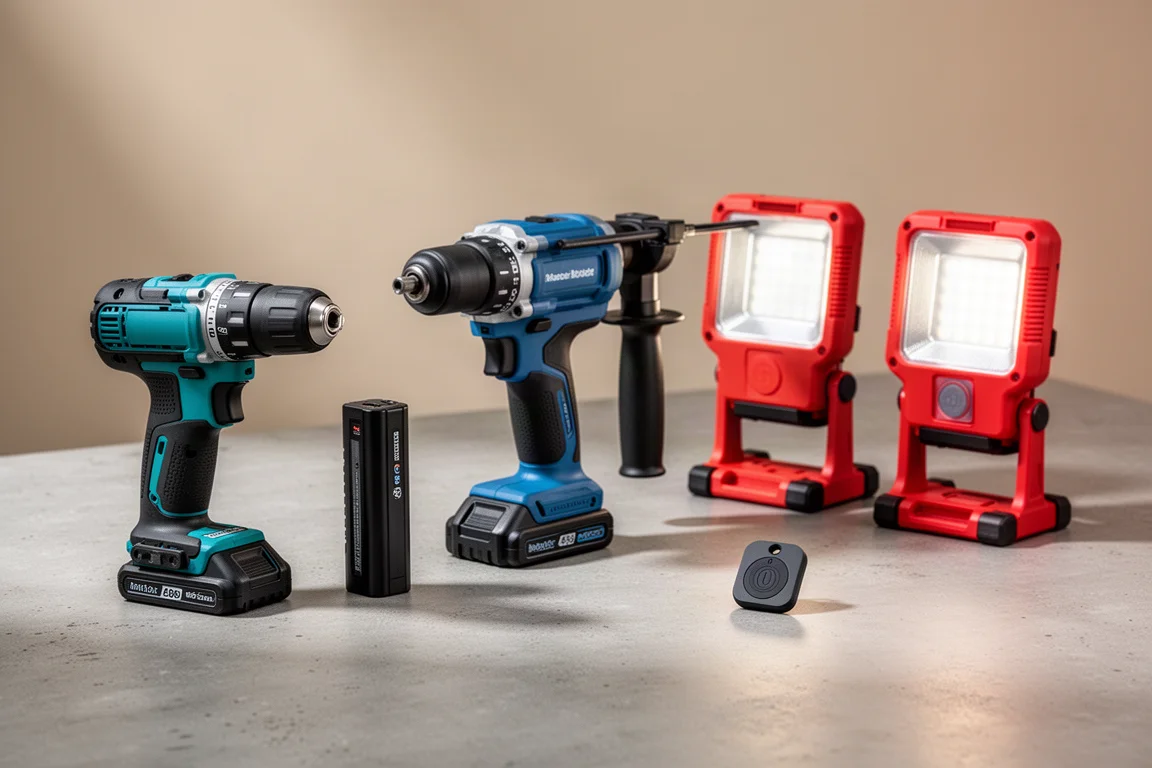
The power tool aisle keeps shifting, and 2026 is no exception. Big-box stores are devoting more shelf space than ever to pro-grade brands, while some long-running models linger on shelves far past their prime. That mix makes it easy to overspend on outdated gear or miss genuinely useful releases.
This listicle pulls together six products that keep coming up when sorting through what is actually worth putting in the cart: a workhorse Makita hammer drill, Milwaukee’s newer Forge batteries, a Bosch rotary hammer with a serious reputation, two Milwaukee lighting options, and a set of Bluetooth tracking tags with a mixed track record. Each one has a clear use case, and each comes with trade-offs worth knowing before you buy.
Makita XPH03 Hammer Drill
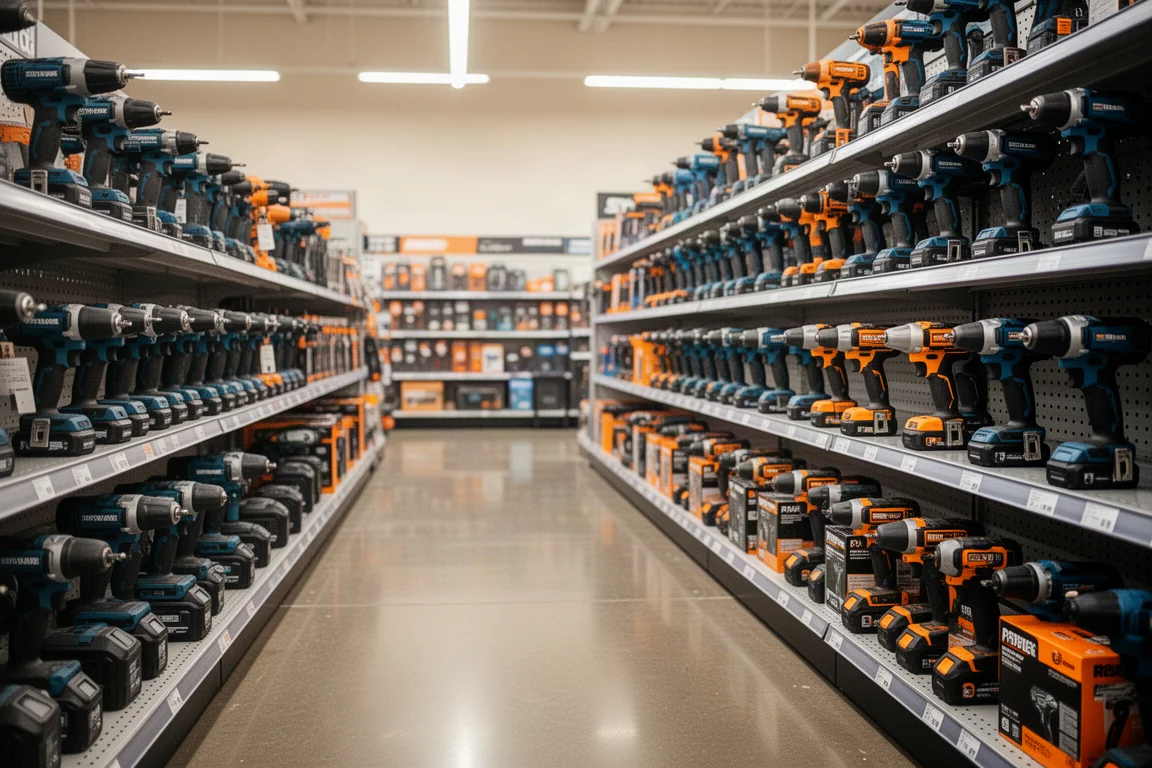
The Makita XPH03 is a reminder that not every shelf-dweller is a bad buy, but it pays to check the date code. This model has been around long enough that units in stores can carry dates going back many years, and Makita’s habit of slowly refreshing its lineup means the same drill can sit for close to a decade.
That is not necessarily a dealbreaker for a homeowner who drills occasionally, and Makita’s core design has proven itself. But buyers who want the latest motor technology and battery efficiency should compare it against newer brushless options before committing. Makita does make excellent tools, including well-regarded jigsaws, sanders, and routers, yet its slow replacement cycle shows here.
Milwaukee Forge Batteries
Milwaukee’s Forge line has drawn a lot of attention since launch, and it earned that popularity quickly. These batteries are not a tabless or pouch-style design; the distinguishing technology is something different, and it shows in how the line has been received by heavy users.
For anyone already invested in the M18 system, Forge packs are a sensible upgrade path, especially paired with Milwaukee’s multi-bay rapid chargers. The six-bay charger can charge two batteries simultaneously and cycle through six batteries in around three hours, which is genuinely practical for a busy crew. The supercharger option covers even faster turnaround.
Bosch Bulldog SDS Hammer
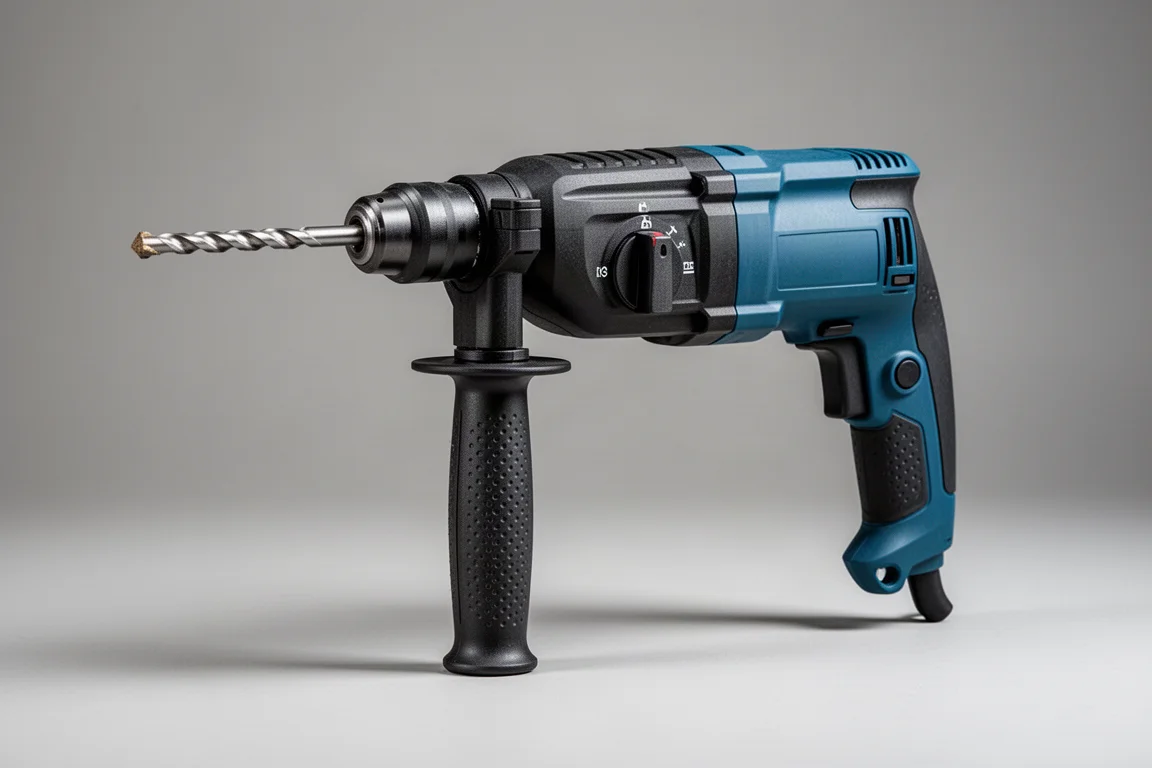
Few rotary hammers carry a reputation like the Bosch Bulldog. It has long been a favorite on job sites, and it is common to see companies that run Makita or Milwaukee for most of their cordless tools still buying Bosch specifically for SDS hammers.
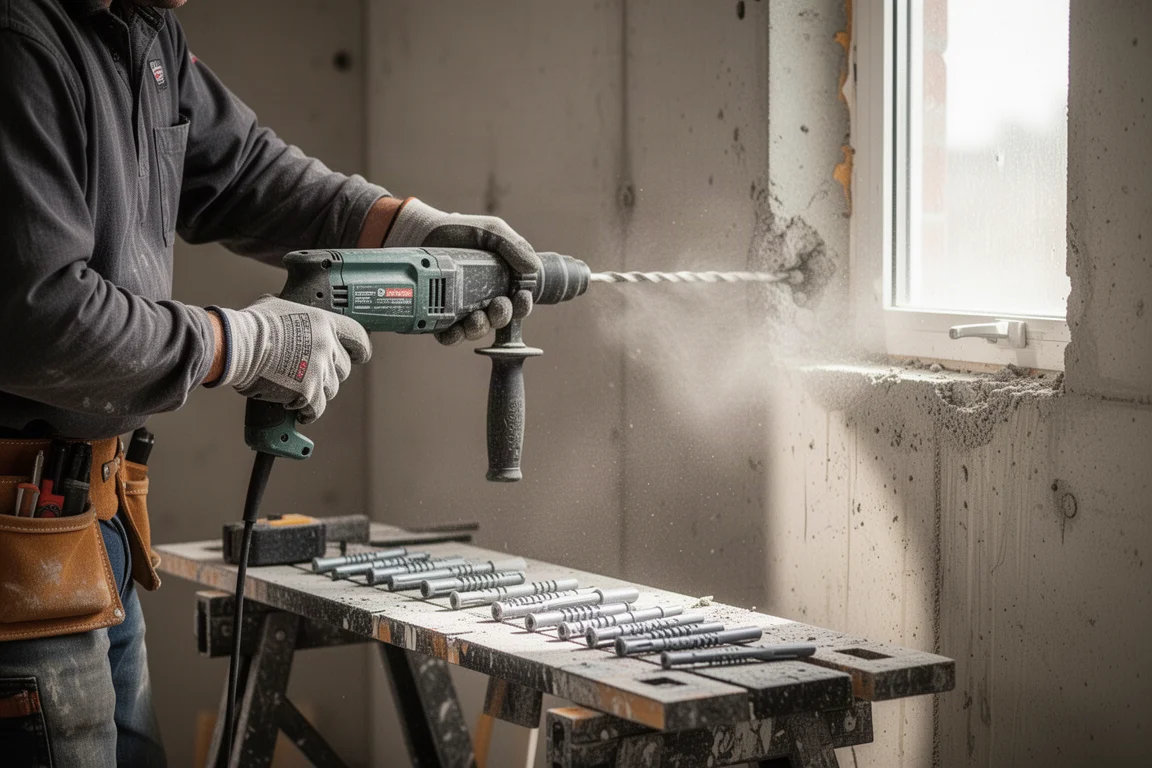
If concrete work is part of your routine, whether mounting hardware or running pipe through masonry, this is the category where brand loyalty matters most. It also helps to know the basics: SDS comes in different sizes, SDS Plus and SDS Max, and SDS Plus bits can even be used in a regular hammer drill in a pinch. When buying bits, brand names consistently outlast cheap alternatives, and Milwaukee’s hex-shank masonry bits are a solid companion purchase for hammer drill work.
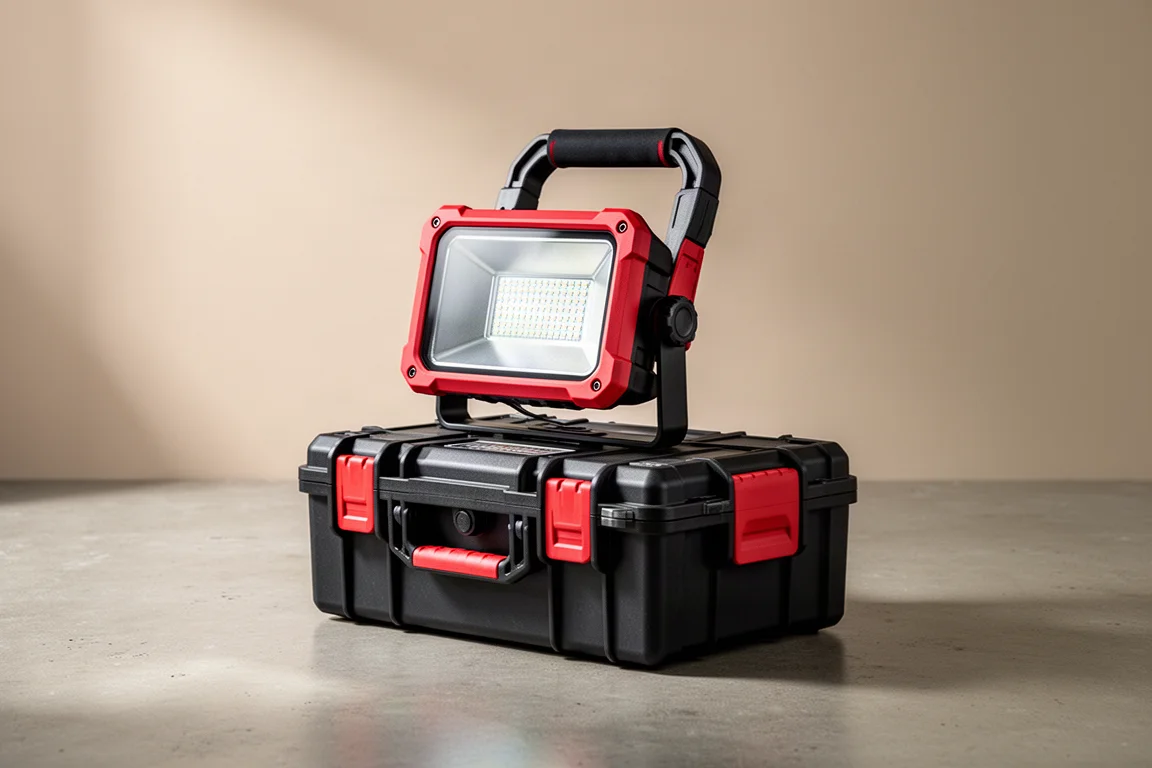
Milwaukee Packout Lights
The Packout lighting line includes the popular Rocket light, which consistently earns strong word of mouth from users who like the integrated Packout mounting system. At around 200 dollars, these are not cheap, and that price is the main hurdle.
What you are paying for is durability, integration with the Packout storage ecosystem, and light output that holds up on real job sites. For contractors already stacking Packout boxes, the lights slot naturally into an existing setup. For occasional DIY use, the value proposition is harder to justify.
Milwaukee Rover Lights
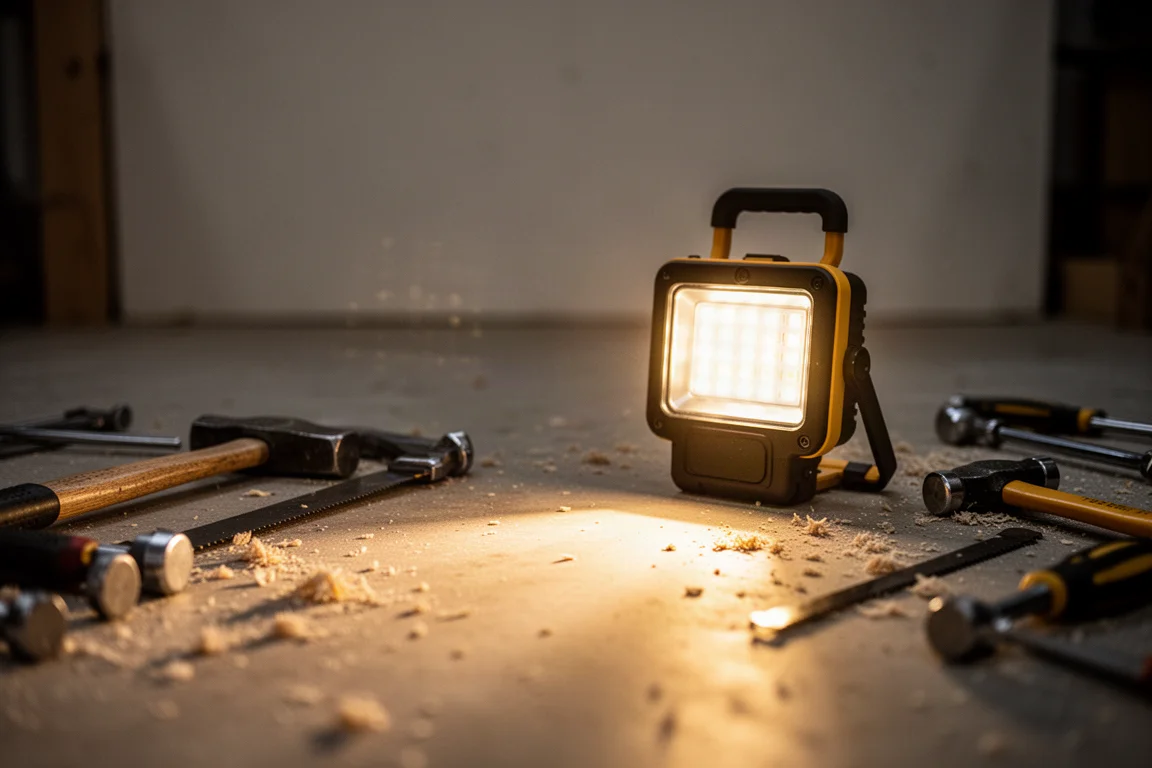
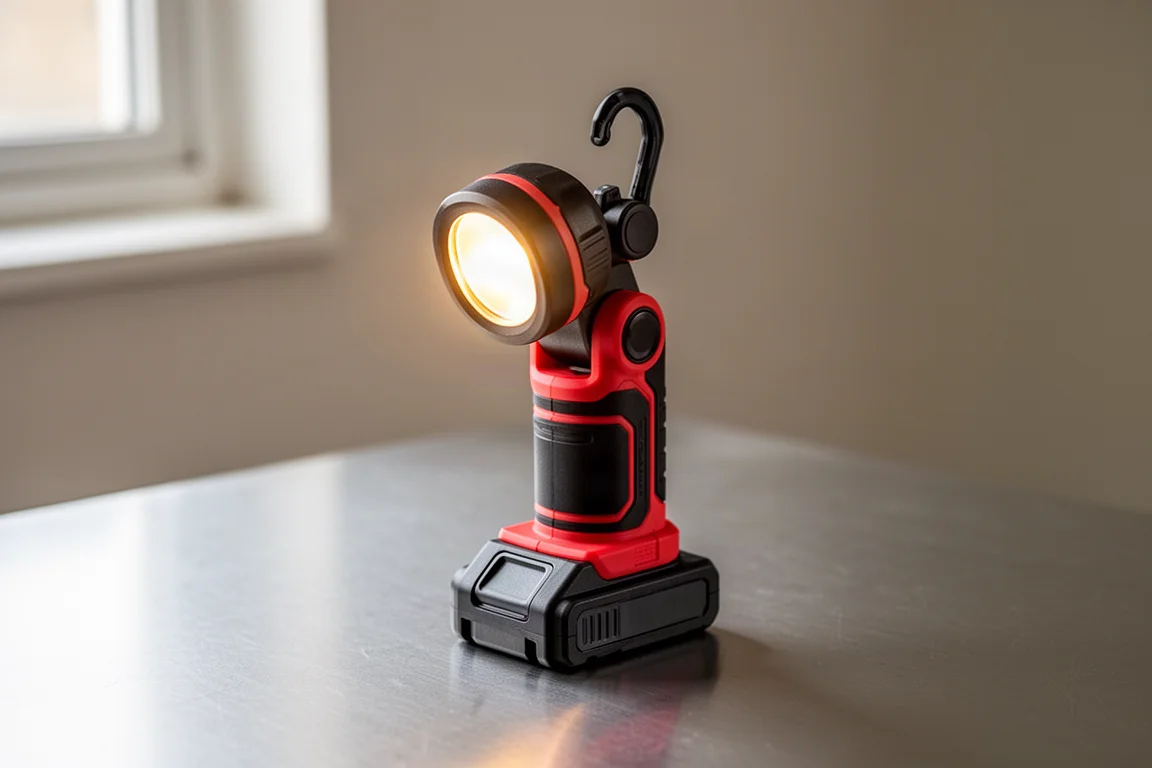
The Rover lights are a more compact and affordable lighting option, and they come with Milwaukee’s five-year warranty, which adds real peace of mind for a tool that gets knocked around. This is a genuinely useful light for work in attics, crawl spaces, and after-dark repairs.
The lighting category generally deserves attention right now. Makita’s comparable small lights cost considerably more, around 70 dollars, which makes alternatives from other brands appealing for budget-conscious buyers. Anyone deep in the M18 ecosystem, though, gets a light with strong backing and a proven warranty.
Milwaukee One-Key Bluetooth Tracking Tags
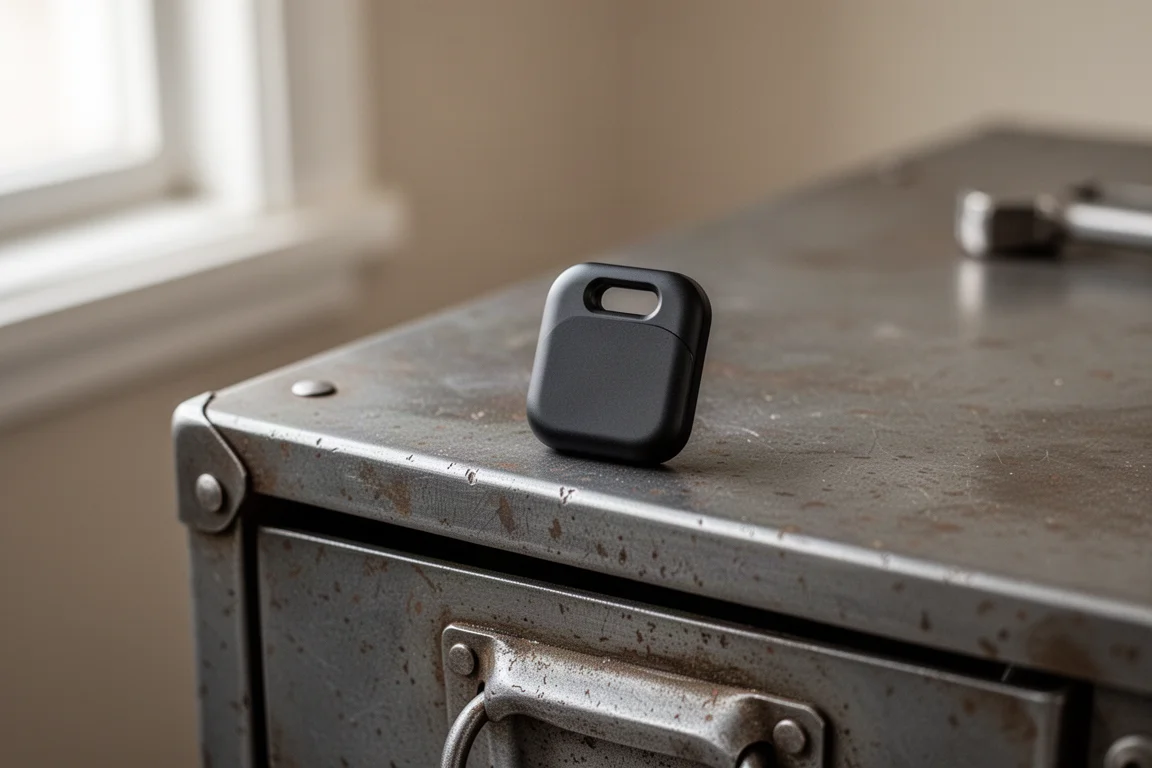
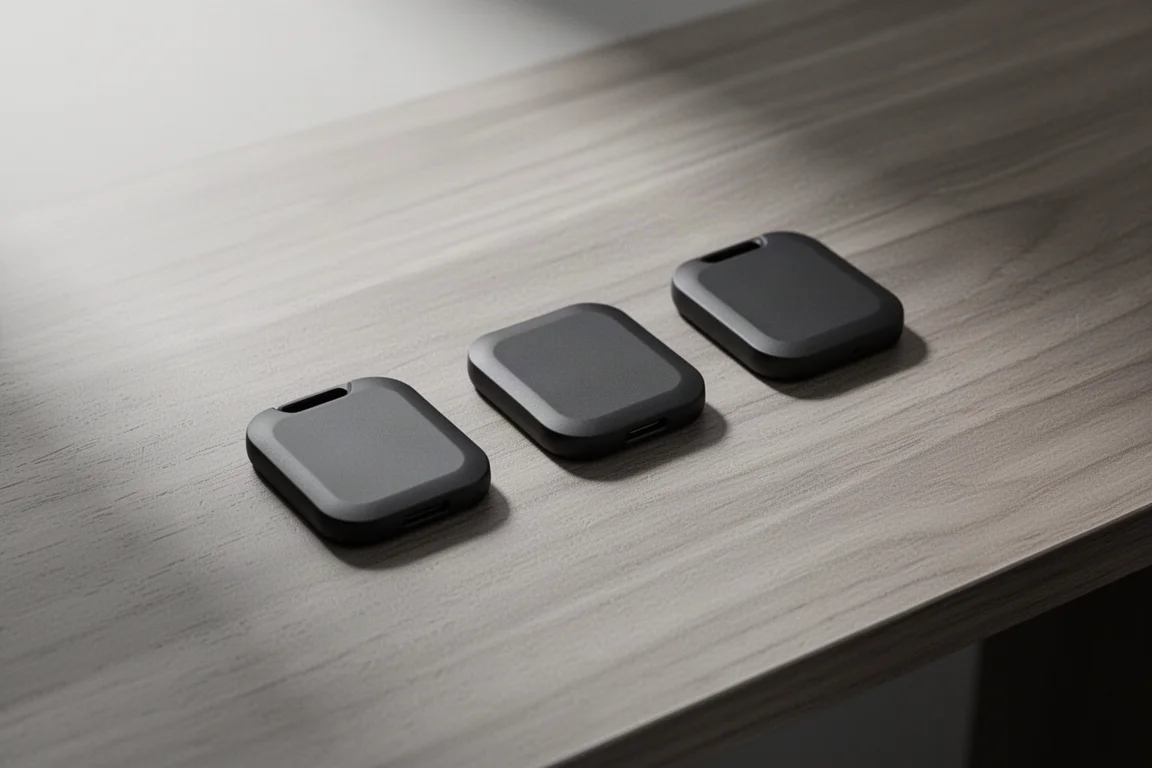
These One-Key Bluetooth tracking tags sell for around 30 dollars, with a box quantity of six. The concept is smart: attach a tag to a tool or case and track it through a phone. In practice, though, these tags have collected a run of poor user reviews.
That is the honest takeaway here. The idea is worth exploring for anyone constantly misplacing job site equipment, but the current track record suggests caution. Buyers should check recent user feedback before committing, since firmware or app updates may have addressed earlier complaints.
Buying Advice
A few patterns are worth keeping in mind from a wider walk through the tool aisle. Milwaukee keeps expanding its pro-grade presence with more M12 and M18 options, while brands like Ryobi cover nearly every price point with a huge lineup, though Ryobi’s accessories, bits, and blades are the one category consistently worth skipping. Diablo blades and bits, by contrast, earn their reputation by staying sharp far longer than budget alternatives.
On corded tools, warranty coverage is a differentiator: a five-year warranty on certain Milwaukee corded tools makes the modest price premium over shorter-coverage competitors easy to justify. And for SDS bits or any masonry work, brand-name consumables consistently outlast bargain options, making them cheaper over time.
Conclusion
The best purchase depends on the job. The Bosch Bulldog remains the default choice for serious concrete work, Milwaukee Forge batteries and Rover lights make sense for anyone building out the M18 platform, and the Packout lights suit contractors already committed to the Packout system. The Makita XPH03 works for light-duty users who do not mind a dated platform, and the One-Key tracking tags are best treated as a wait-and-see. Match the tool to the workload and check the date codes, and the tool aisle becomes much easier to navigate.
Further reading
Related Reviews
Power Tools
Best 1-Inch Pistol Impact Wrenches: Three Heavy-Duty Options Compared
We compare three 1-inch pistol impact wrenches, from a budget-friendly Harbor Freight model to a premium Caterpillar unit, to help you choose the right one.
Power Tools
Best 3/4-Inch Impact Wrenches 2026: Five Contenders Compared
We compare five 3/4-inch impact wrenches across price and performance, from a budget Amazon option to Snap-on's most powerful model yet.
Power Tools
Best Budget Cordless Tools 2026: Walmart Finds That Punch Above Their Price
We tested five cordless tools from Walmart, including a high-torque impact wrench that trades blows with Milwaukee and a $35 duster that outperforms its price class.