Power Tools
Top Power Tool Platforms to Watch: Makita, Hilti, DeWalt, Milwaukee and Flex Compared
A closer look at five cordless tool platforms worth researching before you commit your budget: Makita XGT and LXT, Hilti Nuron 22V, DeWalt PowerStack and FlexVolt, Milwaukee M18 and MX Fuel, and the Flex 24V line.
Introduction
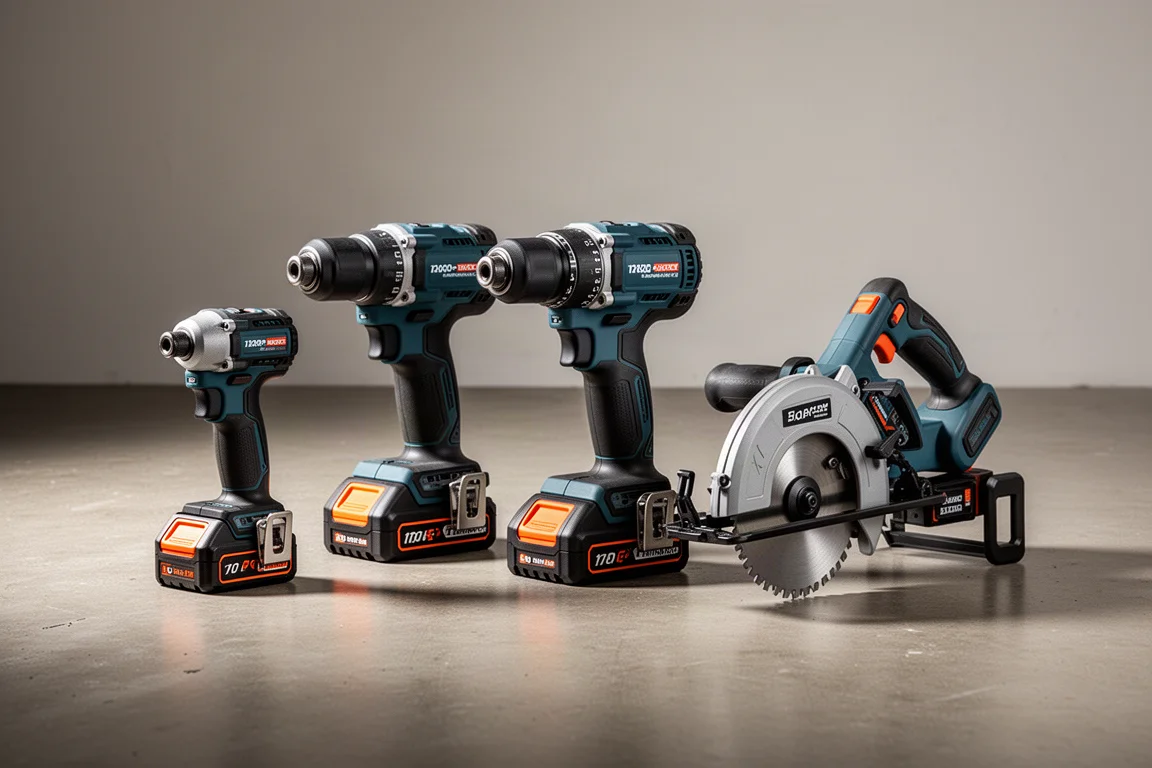
Choosing a cordless tool platform is one of the biggest commitments a tradesperson can make. Batteries, chargers and tool bodies add up quickly, and switching brands later is expensive. This roundup looks at five platforms that generated serious attention through recent launches and manufacturer roadmaps, and explains what each one does well and where the trade-offs sit.
Makita: One Platform for the Whole Job Site
Makita has a long-standing reputation for quality across the industry, built on heavy investment in research and development before any new release. That approach means launches are less frequent than some competitors, but the catalogue itself is broad and mature. Tools across the range tend to pack in functionality such as multiple operating modes and Bluetooth connectivity, which can genuinely speed up work on site.
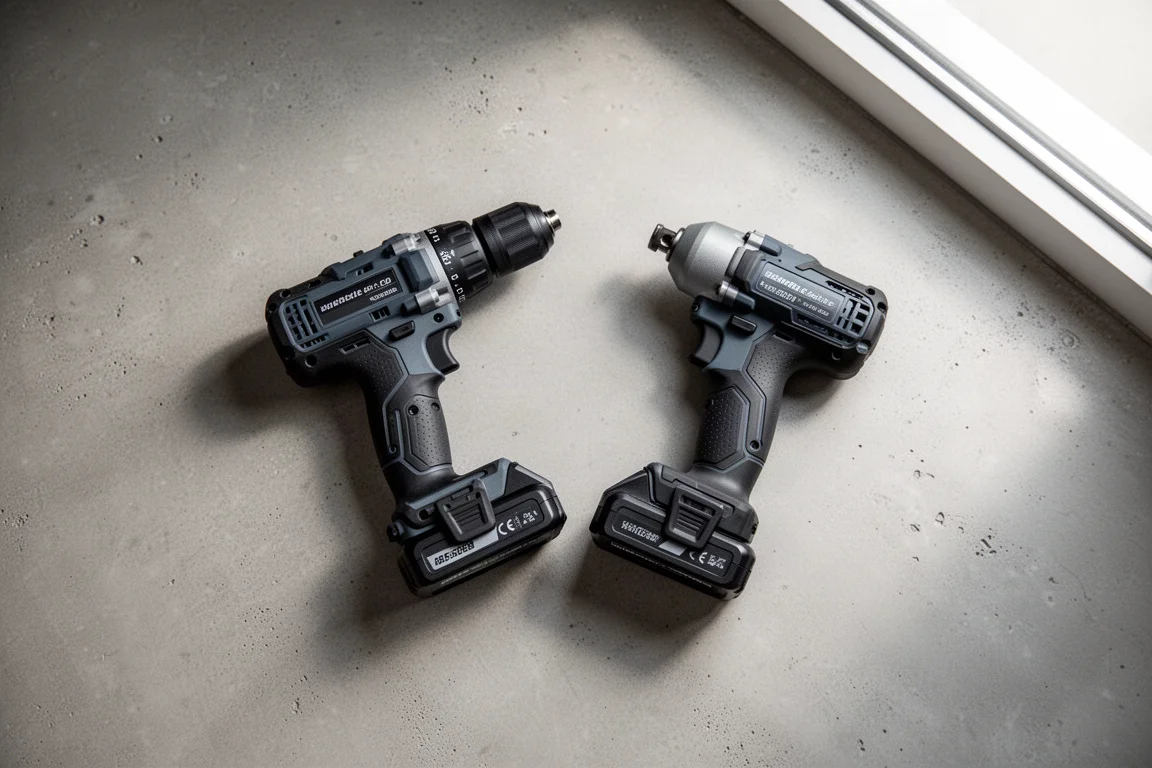
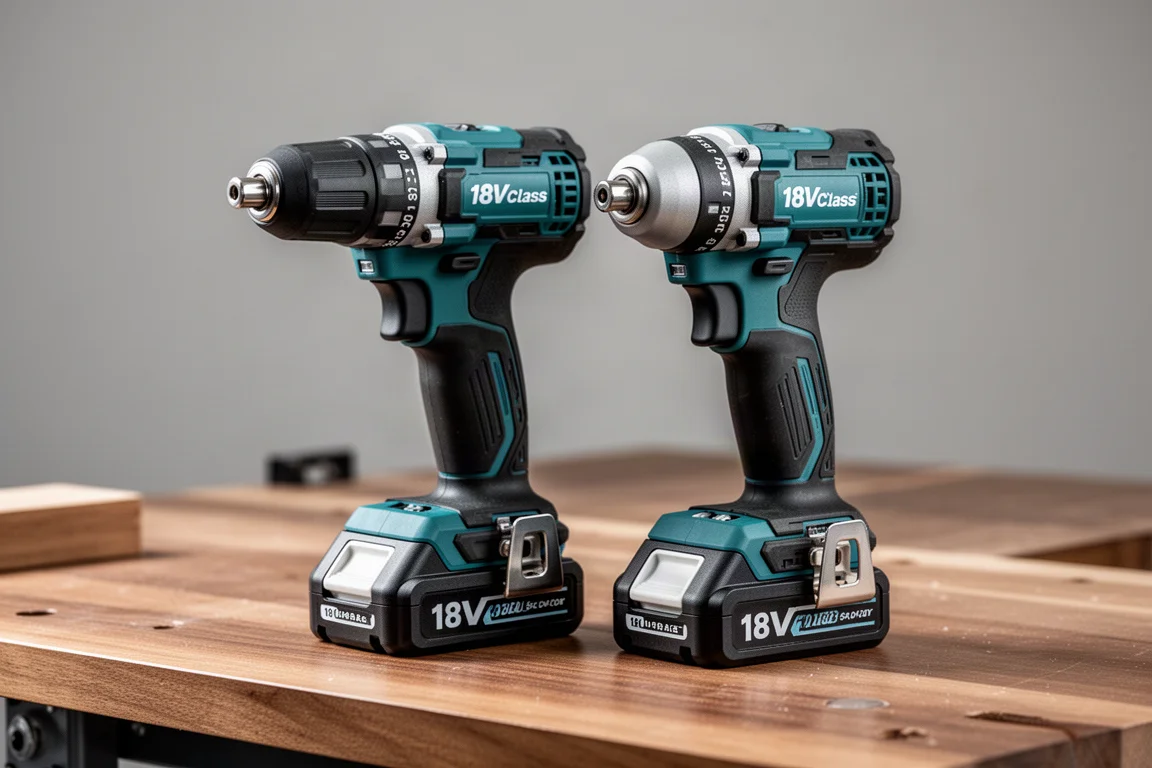
The headline development is XGT, a 40V and 80V platform that spans everything from compact impact drivers up to breakers and 14-inch demo saws. For anyone who wants a single battery system covering the smallest tool to the largest, that is a compelling argument. Makita’s established LXT platform, an 18V and 36V system, remains a strong alternative if your needs stop at hammer drills, impact drivers and similar mid-size tools rather than rotary hammers and cutoff saws.
Hilti Nuron 22V: Systems Thinking at Scale
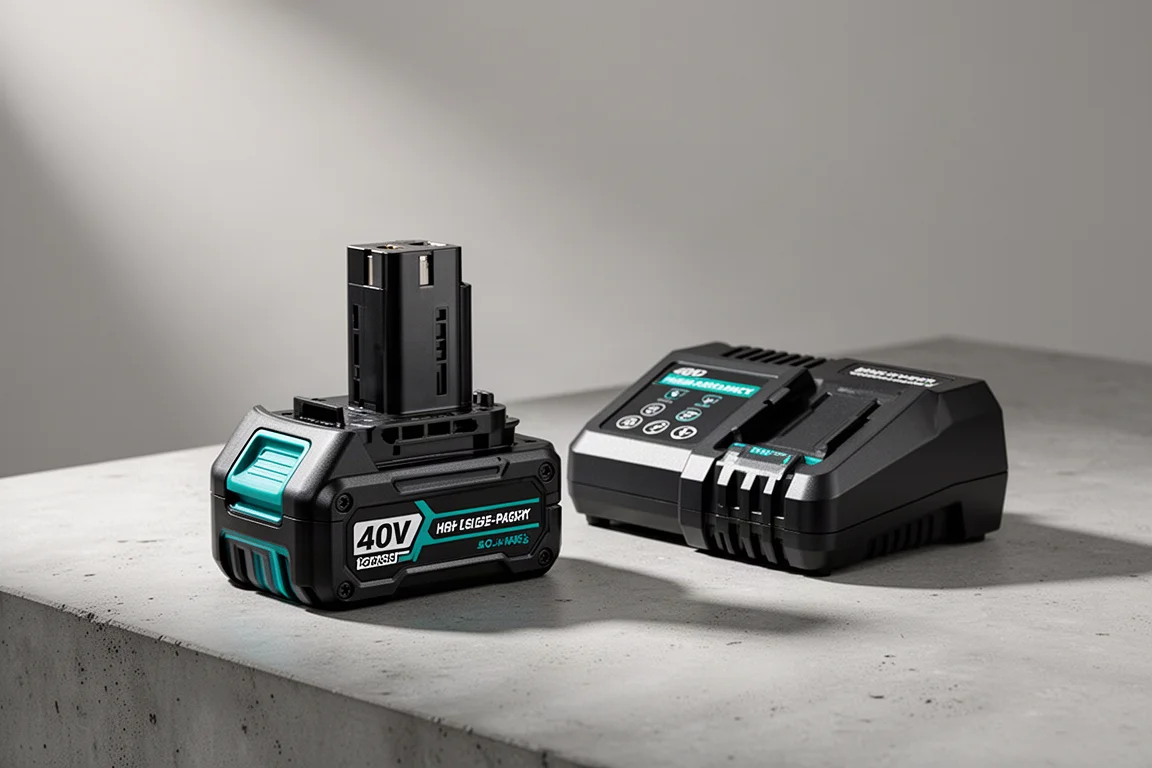
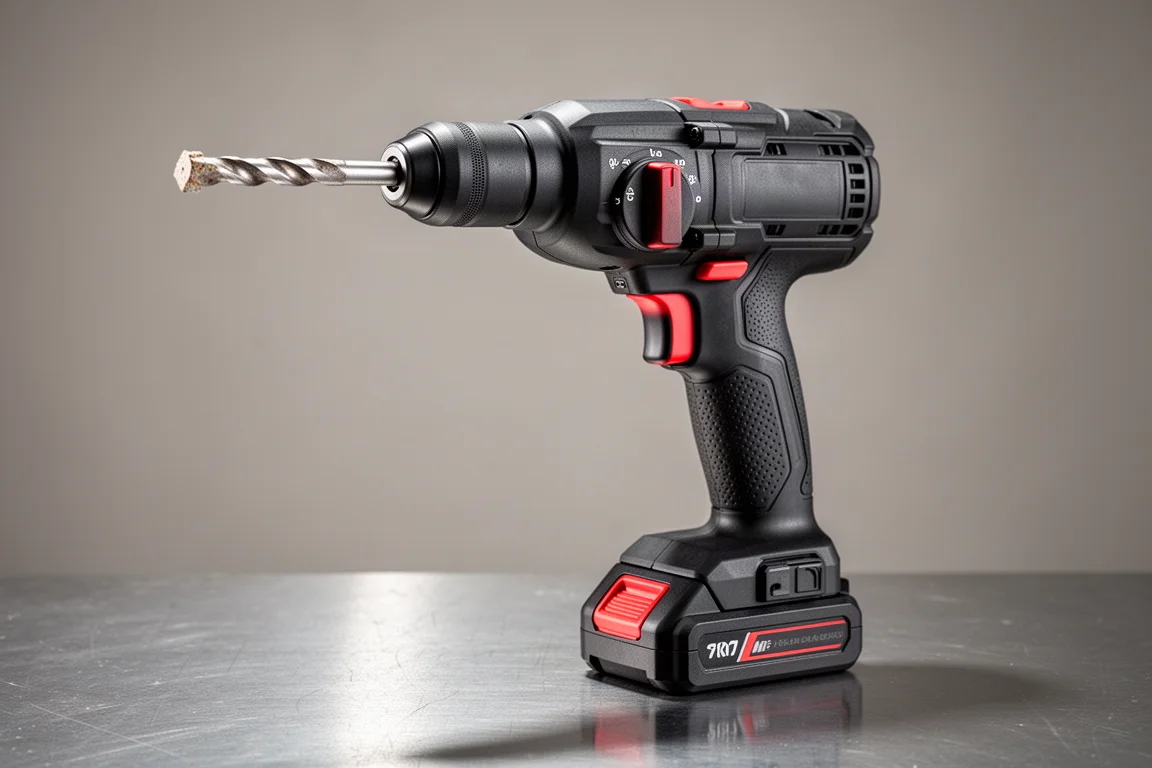
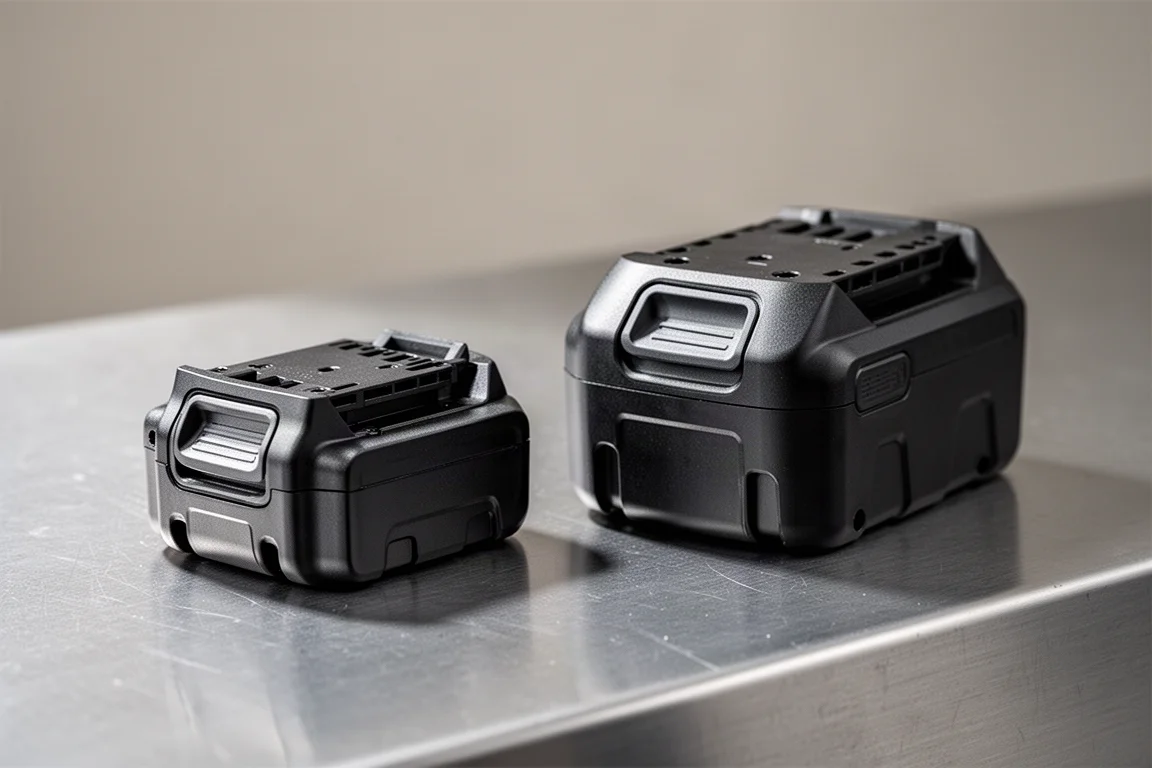
Hilti’s Nuron 22V platform impressed with sheer breadth at launch, with more than 70 new tools brought to market despite supply chain pressures. Some tools run on a single 22V battery while others use two, yet the packs stay compact while delivering enough power for 12-inch cut-off saws and breakers.
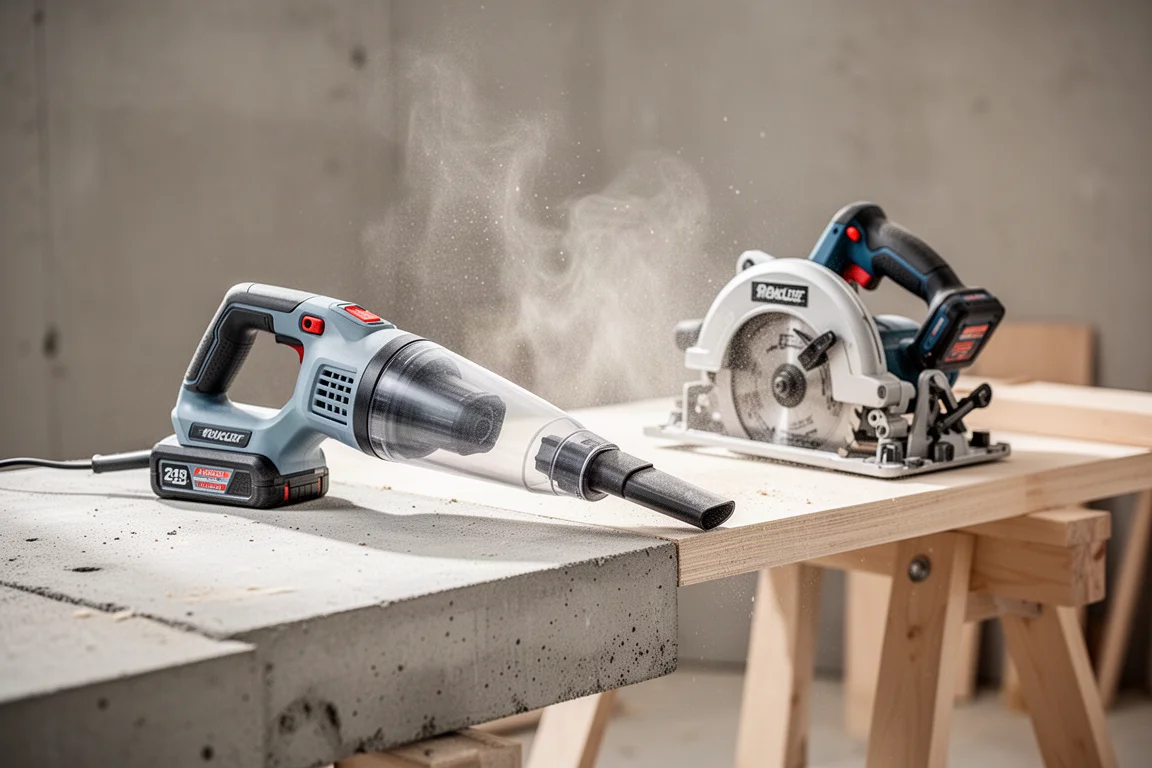
What really separates Hilti is the ecosystem around the tools: complete systems including Bluetooth-enabled vacuum cleaners that switch on and off with the tool to keep dust out of the air, OSHA compliance support, and hard-hitting tools from a company offering a 20-year warranty. The downsides are real, though. Tools are perceived as pricey, and availability generally runs through Hilti sales representatives or local retailers rather than big box stores. The offset is service: users report that a broken tool can be replaced overnight, with a working tool on the job site by 7 a.m. the next morning, so downtime stays minimal.
DeWalt: A Renewed Push With New Battery Technology
DeWalt has arguably never been more interesting than it is right now. The company has moved from what felt like a stagnant stretch to a flood of new releases, driven by new battery technology and more compact, more powerful tools.
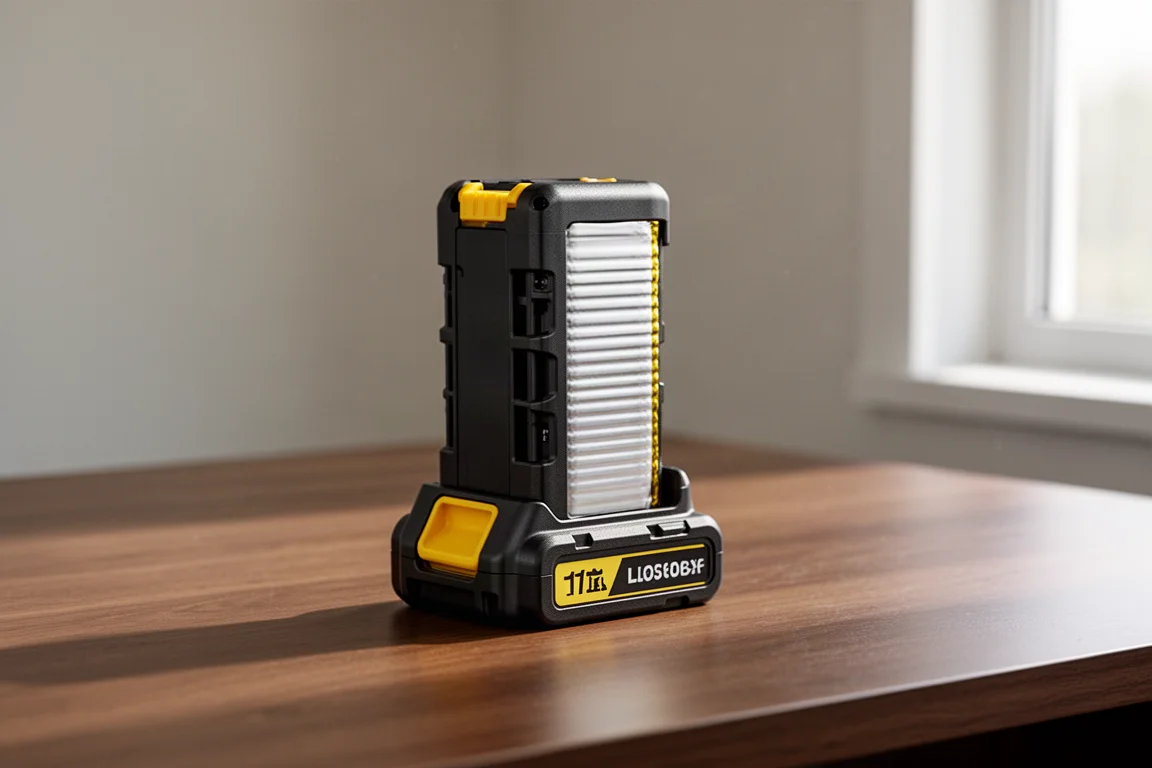
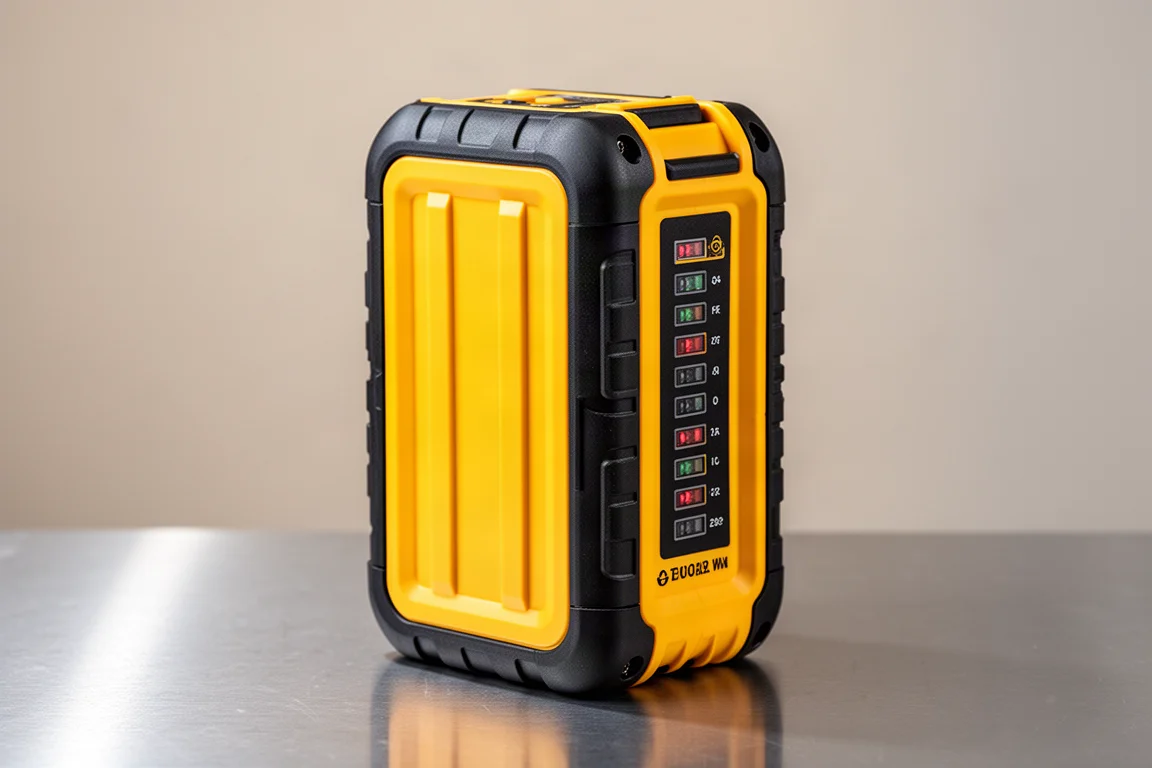
PowerStack is the technology to watch. These lithium batteries deliver high amperage in a smaller physical size, which means smaller watt-hours but still enough output to drive larger tools. A 1.7 amp-hour PowerStack pack has already made an impression, and a 5 amp-hour version has been reported as in development. Alongside it, FlexVolt batteries operate across 20V and 60V capacities, powering breakers, miter saws and table saws where high amp draw and higher voltage make the platform very efficient.
Milwaukee: M18 Depth Meets a Changing Strategy
Milwaukee’s M18 platform has earned real loyalty on job sites for over a decade, and the brand continues to fill out its portfolio with multiple versions of the same tool style and second and third generations of existing products. The historical criticism was simple: M18 covered smaller tools like impact drivers, hammer drills and rotary hammers, but larger equipment such as breakers and big saws required adopting a second platform, MX Fuel.
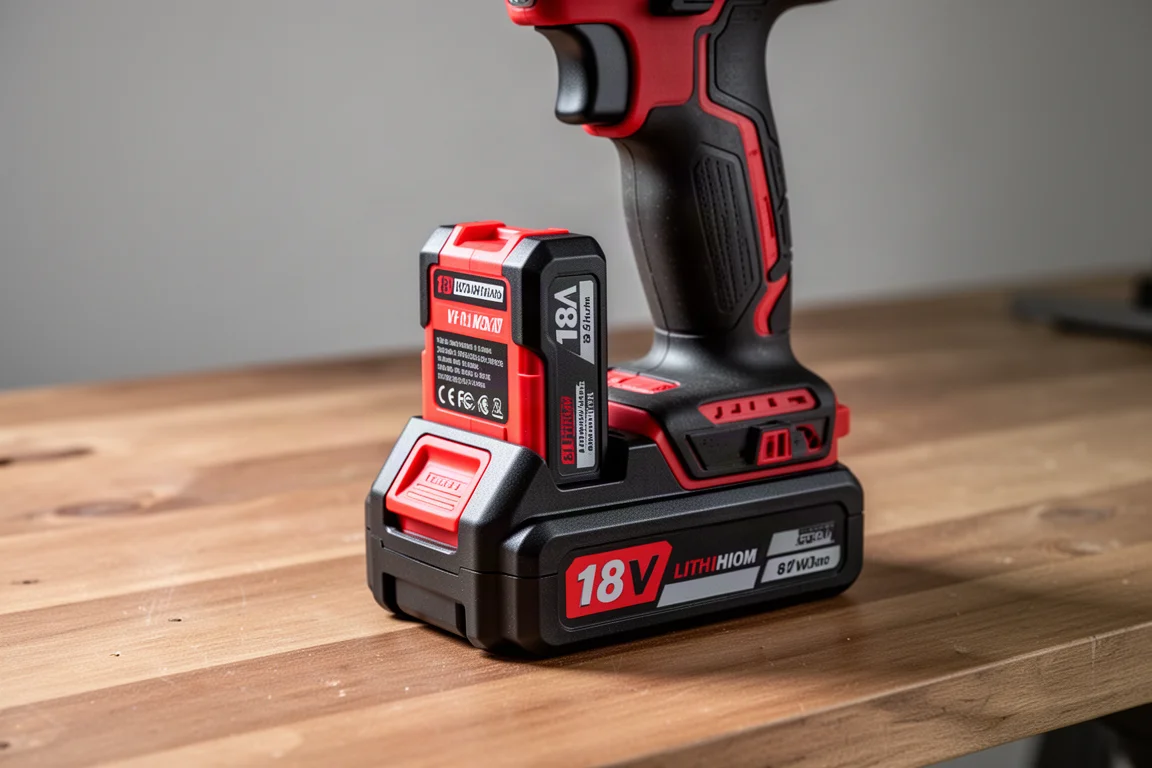
That picture is now shifting. Newer Milwaukee offerings, including an M18 lawnmower and newer vacuum cleaners, run on two M18 batteries rather than one, effectively creating a 36-volt class of tools somewhere between M18 and MX Fuel. There is also no clear option to run them on a single 18V battery. That strategy shift alone makes Milwaukee worth watching closely, because it suggests the platform boundaries are being redrawn.
Flex 24V: The Underdog With Serious Performance
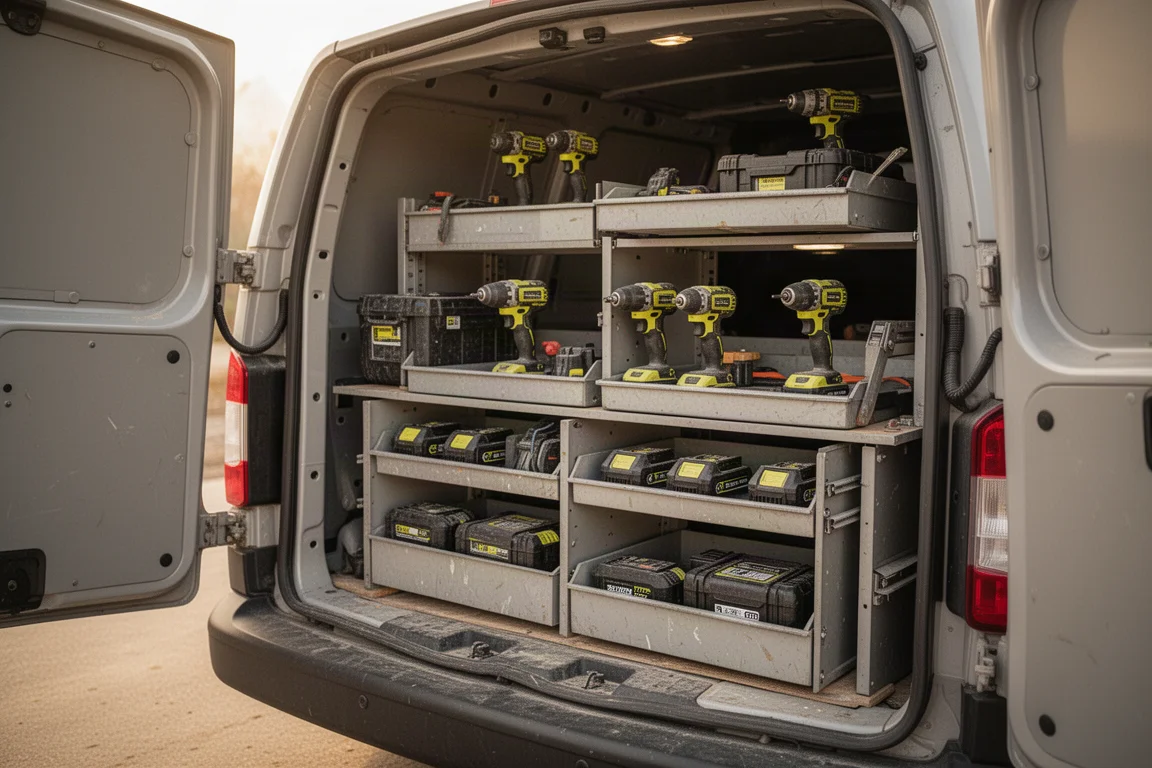
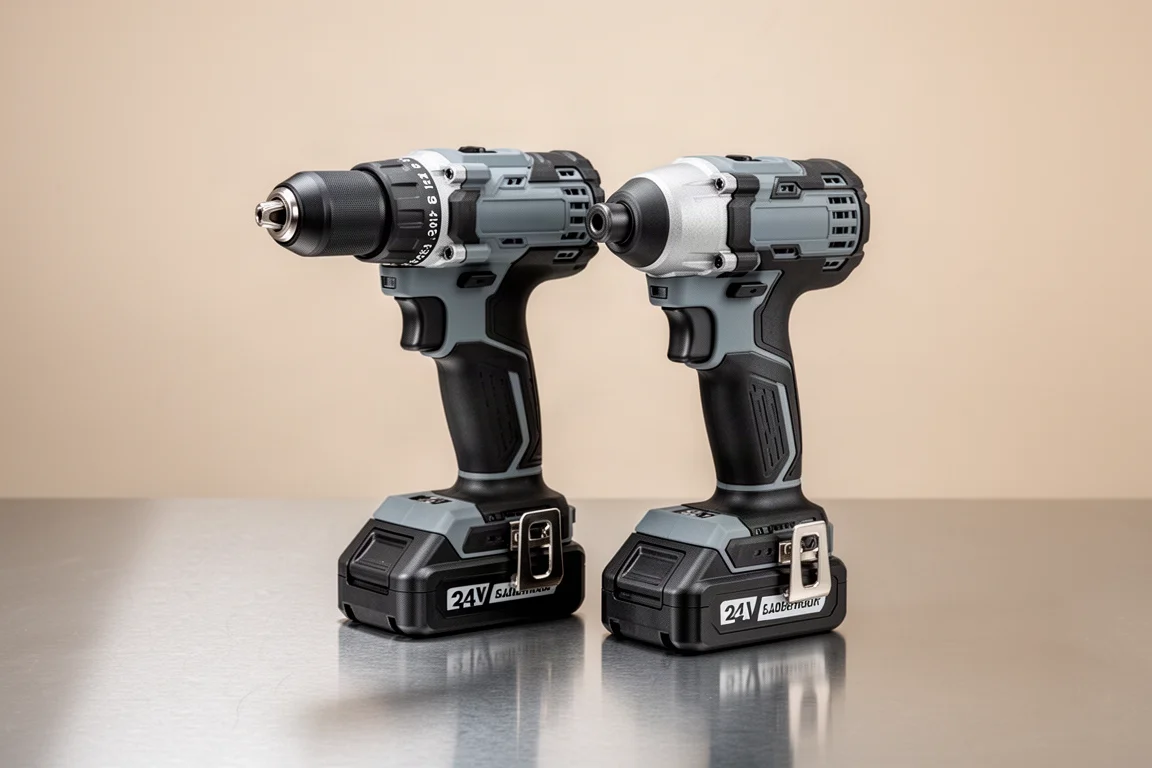
Flex takes the top spot for a simple reason: its initial 24V offerings were exceptional performers, with hammer drills and impact drivers that bested the top of the industry. The exciting question is what those tools can do with stacked lithium battery technology, a development the company has confirmed is coming to its platform.
There is an honest downside: the platform has not expanded far enough yet, so it may not offer every tool you need to finish a job. But pricing is very competitive, performance is close to second to none, and rumors of the line being canceled were firmly rebutted, with the company stating its launch exceeded expectations and that a second face-off event with new tools against close competitors was planned.
Buying Advice
If you want one battery to cover everything from drivers to breakers, Makita XGT and Hilti Nuron 22V make the strongest cases, with Hilti adding system-level extras and a long warranty at a premium price. DeWalt FlexVolt and PowerStack appeal if you want high-voltage capability plus fast-moving battery innovation. Milwaukee M18 remains a deeply mature platform, now edging toward higher-voltage territory. Flex 24V is the performance-per-dollar pick, provided the current tool selection covers your needs. Match the platform to the tools you actually run daily before committing.
Conclusion
Competition between these five brands is good news for buyers: it drives quality up and costs down. Watch Makita XGT for one-platform coverage, Hilti for complete job site systems, DeWalt for battery innovation, Milwaukee for portfolio depth, and Flex for raw performance at a competitive price.
Further reading
Related Reviews
Power Tools
Best 1-Inch Pistol Impact Wrenches: Three Heavy-Duty Options Compared
We compare three 1-inch pistol impact wrenches, from a budget-friendly Harbor Freight model to a premium Caterpillar unit, to help you choose the right one.
Power Tools
Best 3/4-Inch Impact Wrenches 2026: Five Contenders Compared
We compare five 3/4-inch impact wrenches across price and performance, from a budget Amazon option to Snap-on's most powerful model yet.
Power Tools
Best Budget Cordless Tools 2026: Walmart Finds That Punch Above Their Price
We tested five cordless tools from Walmart, including a high-torque impact wrench that trades blows with Milwaukee and a $35 duster that outperforms its price class.