Snowboarding
Best Powder Snowboards: Six Versatile Boards for Slashing Deep Snow
A practical look at six versatile powder snowboards, what each shape does well, and how to match a board to your terrain, stance, and rider weight.
Introduction
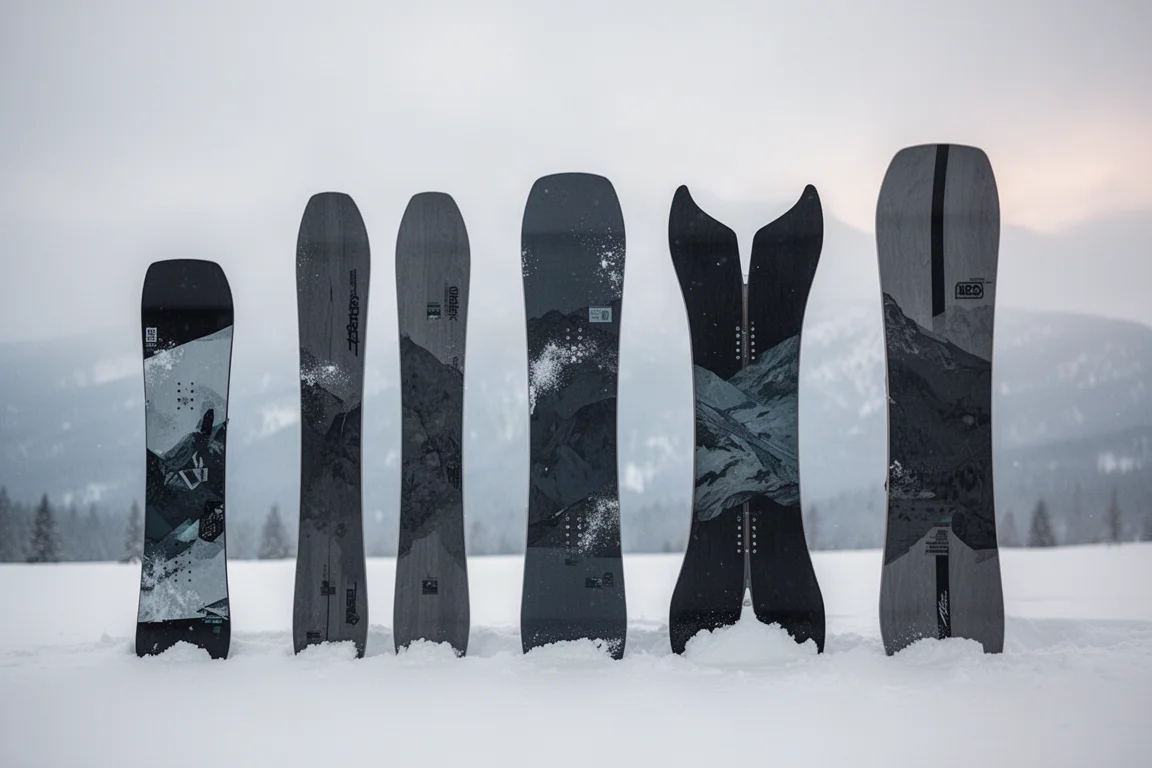
Powder boards are not a single category. Some are built to push snow away from the nose and keep you driving from the middle and back of the board, while others lean toward a playful, freestyle-friendly feel that still floats when the snow gets deep.
The six boards here cover that spread of shapes and personalities. Some are tapered directional decks aimed at trees and soft snow, one is a swallow-tail design with a set-back camber profile, and one comes in two builds so heavier riders can step up to a beefier construction.
What to Look For in a Versatile Powder Board
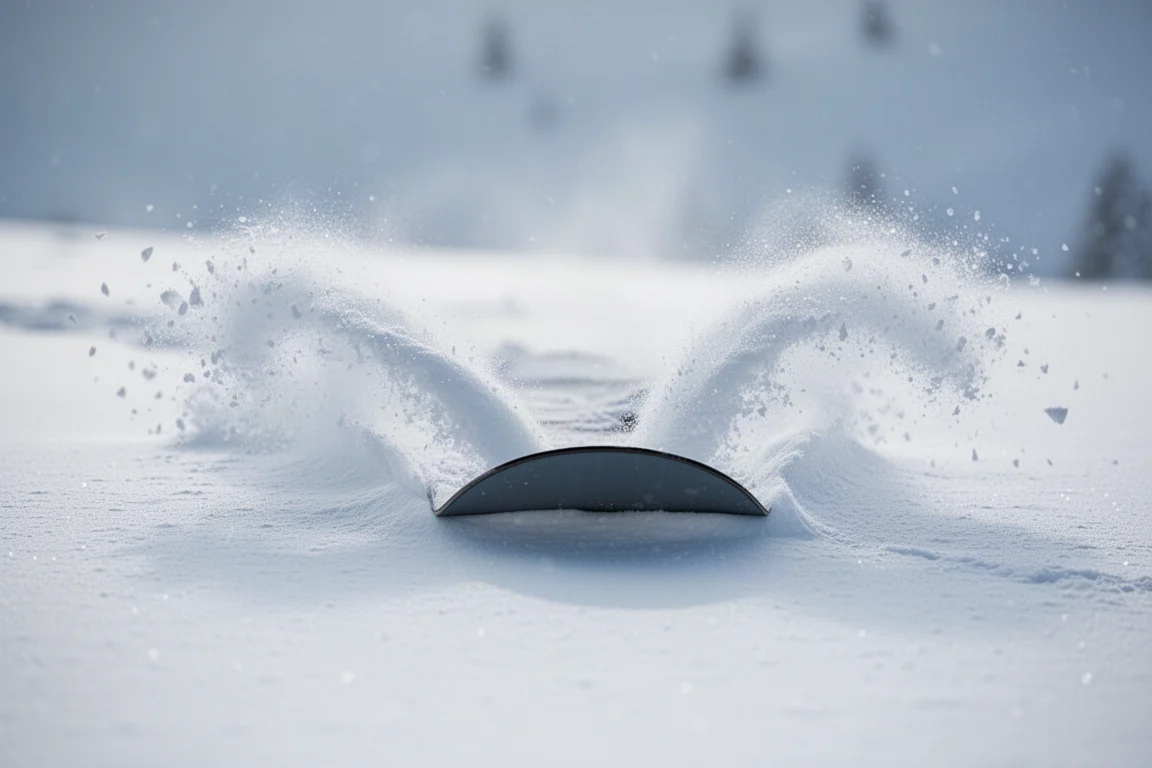
Nose shape matters more than almost anything else. A wide, contoured nose with rocker helps the front of the board stay up in deep snow, while camber underfoot adds pop and keeps an edge when the snow beneath you turns crusty or heavy. Taper, where the tail is narrower than the nose, helps sink the tail and lift the nose, which is what keeps a board planing instead of diving.
Stance and mounting also shape how a powder board feels. Some designs are meant to be driven from the middle and back, which keeps the nose up with very little effort, and adjustable mounting systems let you fine-tune where you stand. Rider weight is another factor worth thinking through: a construction that feels supportive for a heavier rider can feel overly stiff for a lighter one, which is why some shapes are offered in more than one build.
Jones Hovercraft: A Powder Displacement Shape
The Jones Hovercraft is built around snow displacement. Its minimal 3D shaping in the nose is designed to funnel snow away from the front of the board, which helps it ride on top of deep snow rather than pushing through it.
That shape still holds an edge when conditions turn crusty, so it is not limited to perfect powder days. It floats well, and it is designed to be driven from the middle and back of the board, which suits riders who like a stable, planted feel underfoot. Jones has a long-standing reputation for powder-focused designs, and the Hovercraft fits squarely into that approach.
Rossignol Sashimi: Tapered and Lively
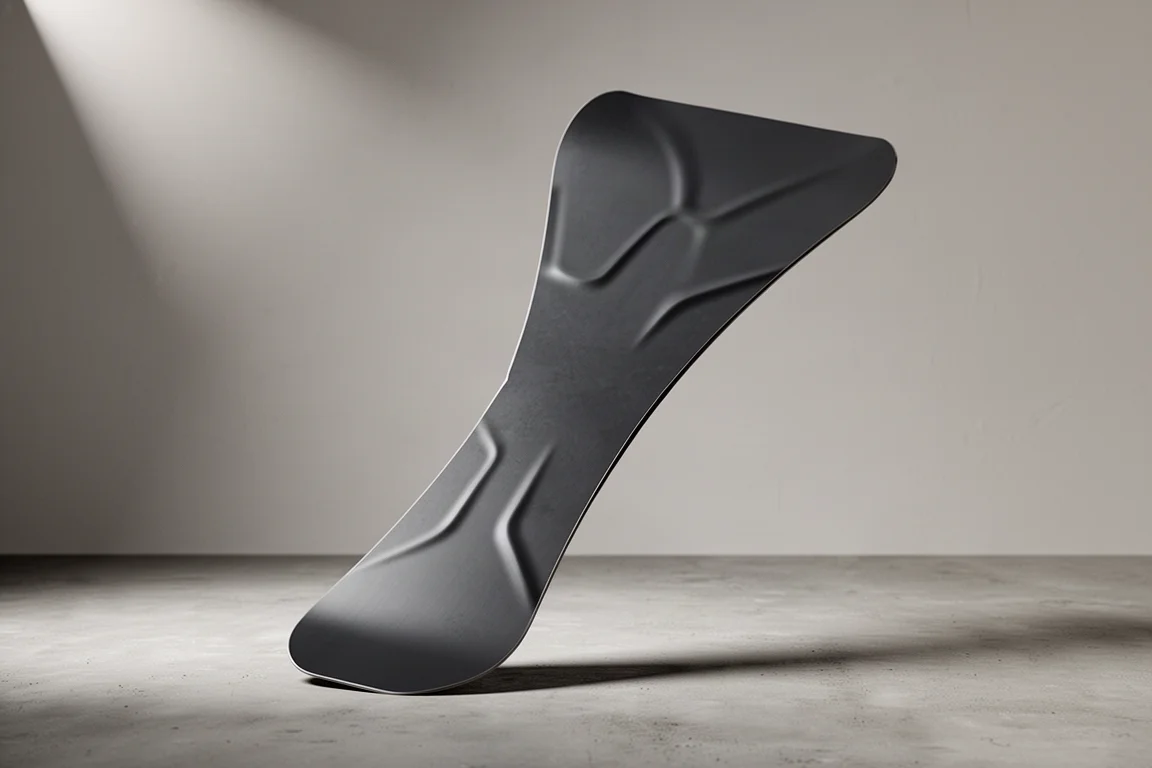
The Rossignol Sashimi is a tapered directional board with a flex pattern that has been refined over time. It holds an edge better in crusty snow than earlier versions, and the taper does exactly what you want in powder: the tail sinks, the nose rises, and the board keeps moving.
Camber underfoot gives it pop, while rocker in the nose improves float once the board engages with soft snow.
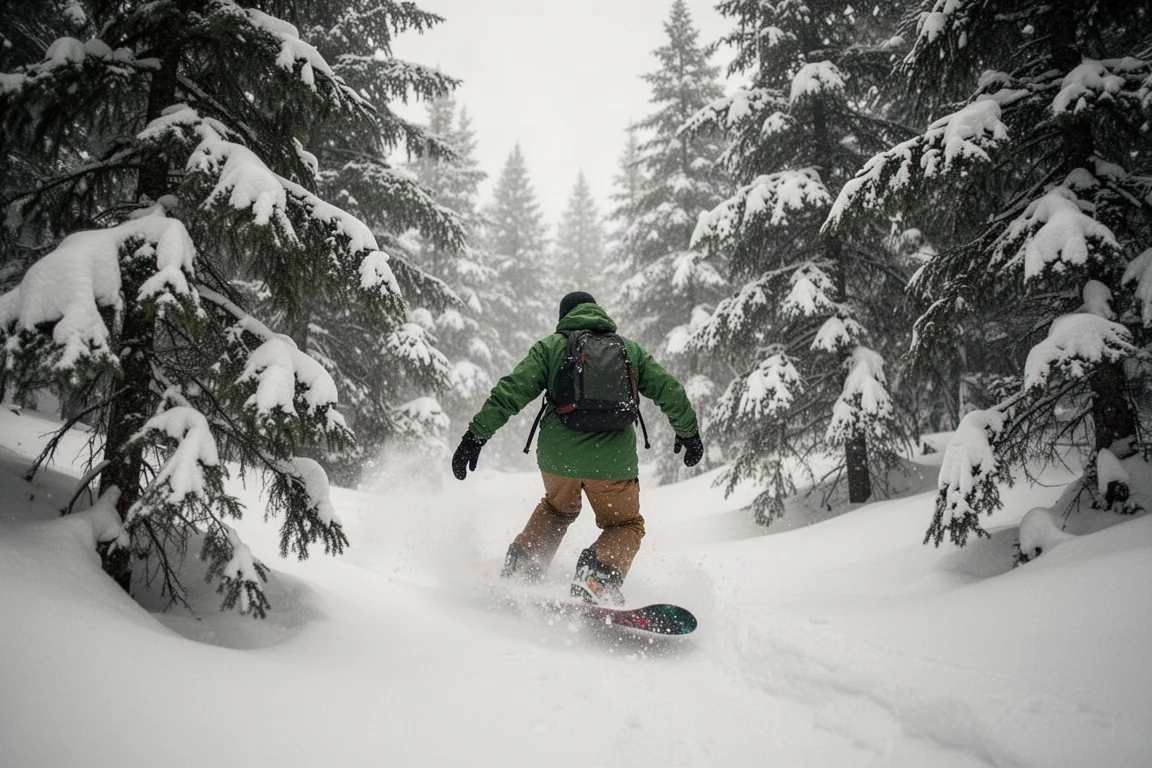
In practice, the Sashimi is at its best in the trees and in medium to low angle powder, where its taper and quick flex make it easy to move around. It still holds its own when the terrain gets steeper.
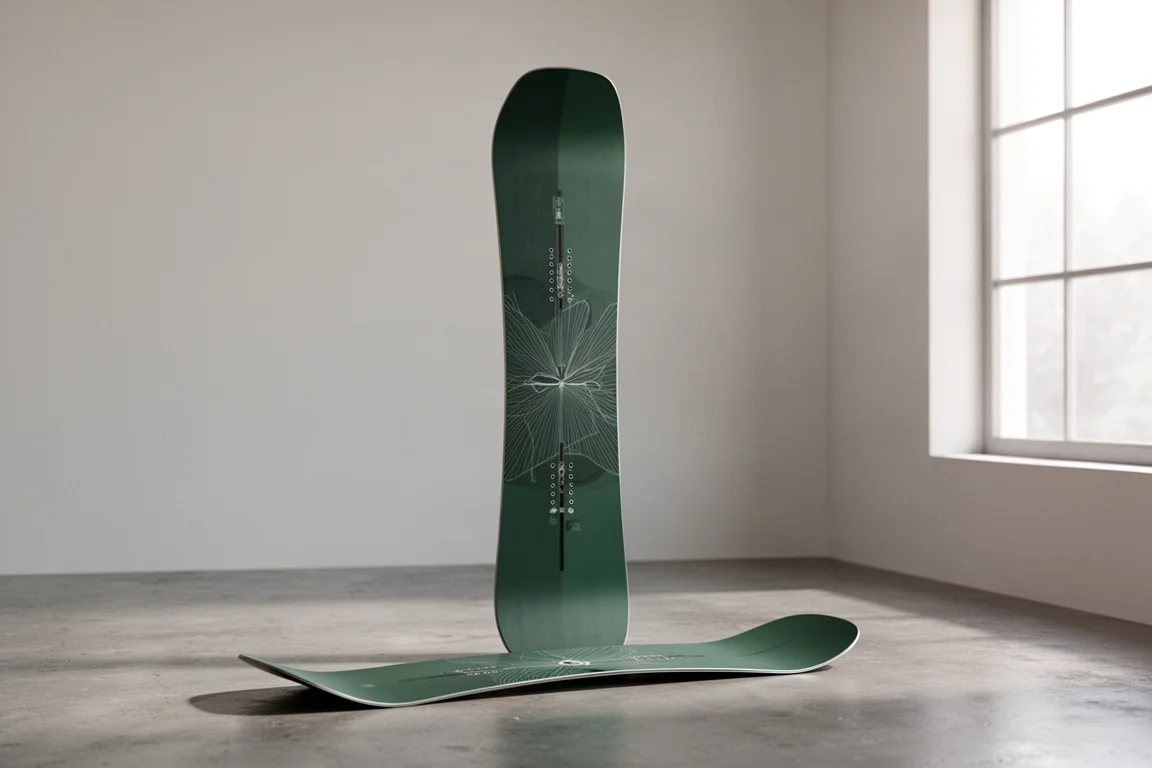
Rome Ravine: A Playful All-Mountain Freestyle Powder Board
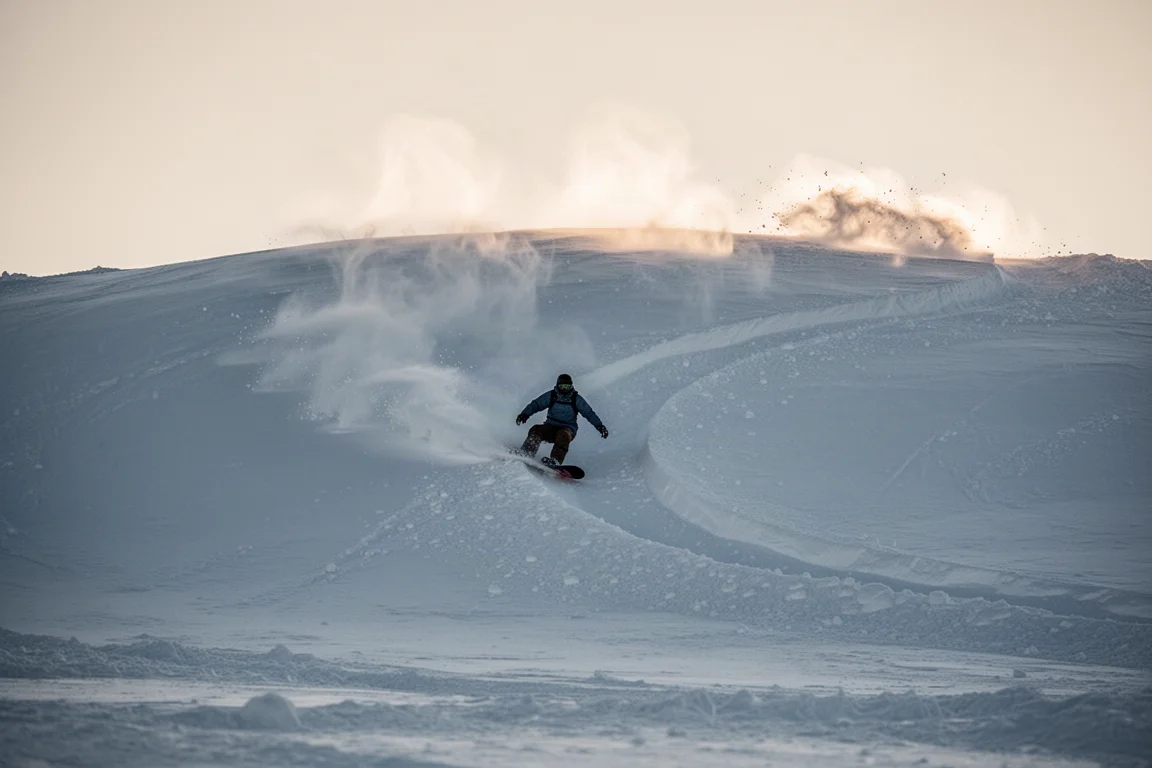
The Rome Ravine is best described as an all-mountain freestyle ride with a strong powder bias. It is playful where you want it to be, but it still performs exceptionally well in deep snow.
That combination makes it a natural fit for riders who want to hit a wind lip, spin a powder three, land it, and keep floating. It also handles high-speed powder butters without feeling unpredictable.
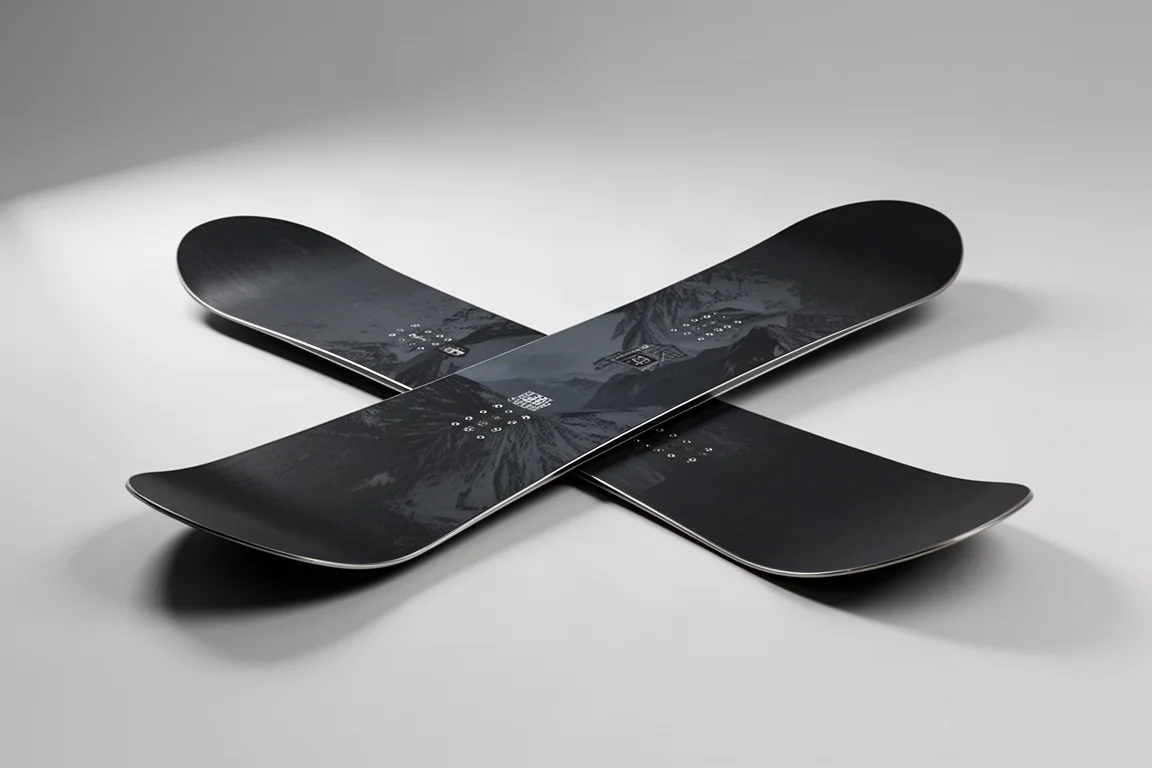
Rome Ravine Select: The Same Shape, Built for Heavier Riders
The Rome Ravine Select uses the same shape as the Ravine with a beefier construction. The extra material adds strength underfoot, which makes it a better match for heavier riders who want more support from the board.
Because the shape is unchanged, the Select keeps the playful, powder-friendly character of the standard Ravine while offering a stiffer, more supportive ride for riders who need it.
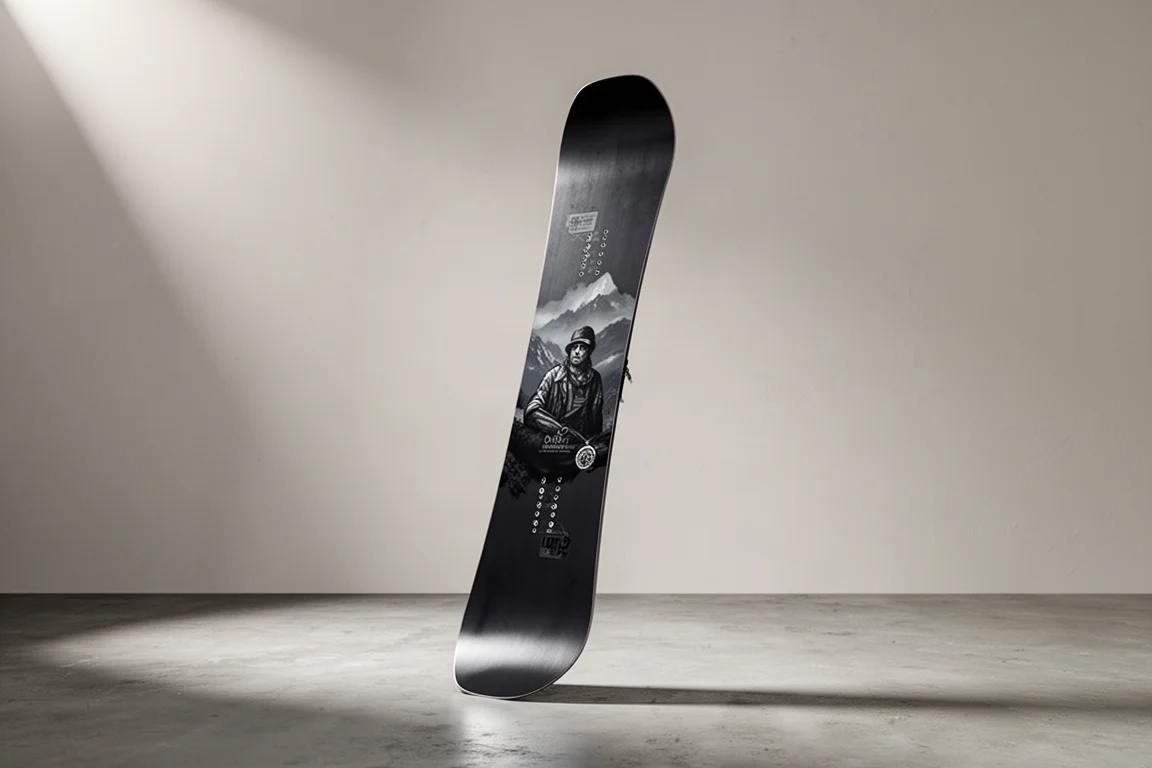
K2 Excavator: Smooth and Stable in Heavier Snow
The K2 Excavator is new for the season, and it makes a strong first impression. The tail sinks and the nose rises, so it slashes and floats with the best powder shapes in this group.
What stands out is how smooth and stable it feels. It is less stiff than it might appear, which makes it forgiving without giving up composure, and it pushes through heavier snow with ease. It has the predictable, consistent feel that K2 boards are known for.
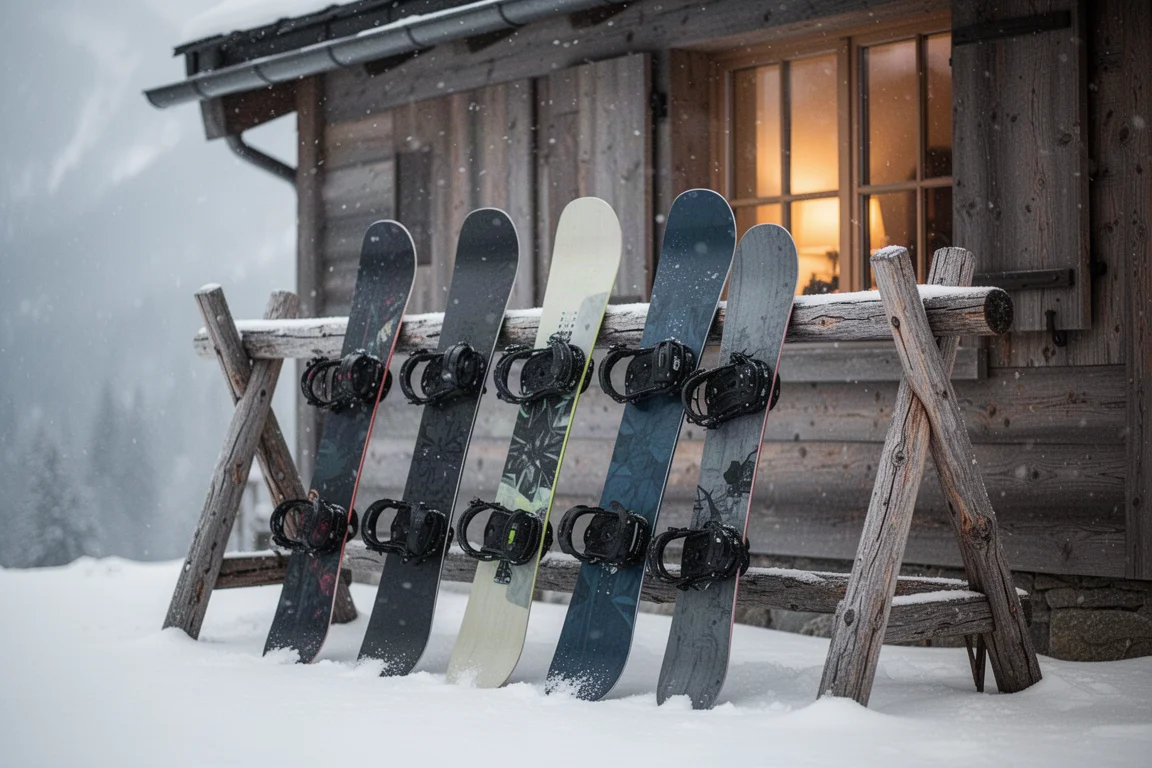
For a first-year model, the Excavator already behaves like a well-sorted all-around powder board.
Endeavor Archetype: The Most Versatile of the Group
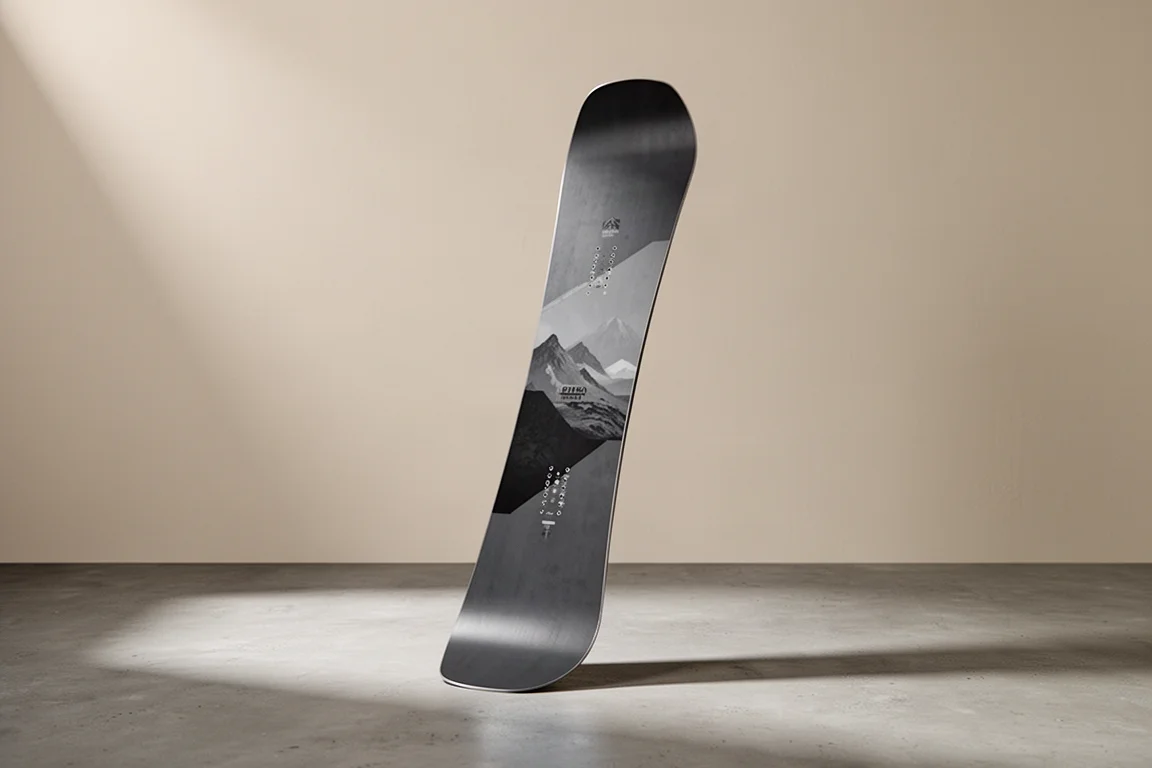
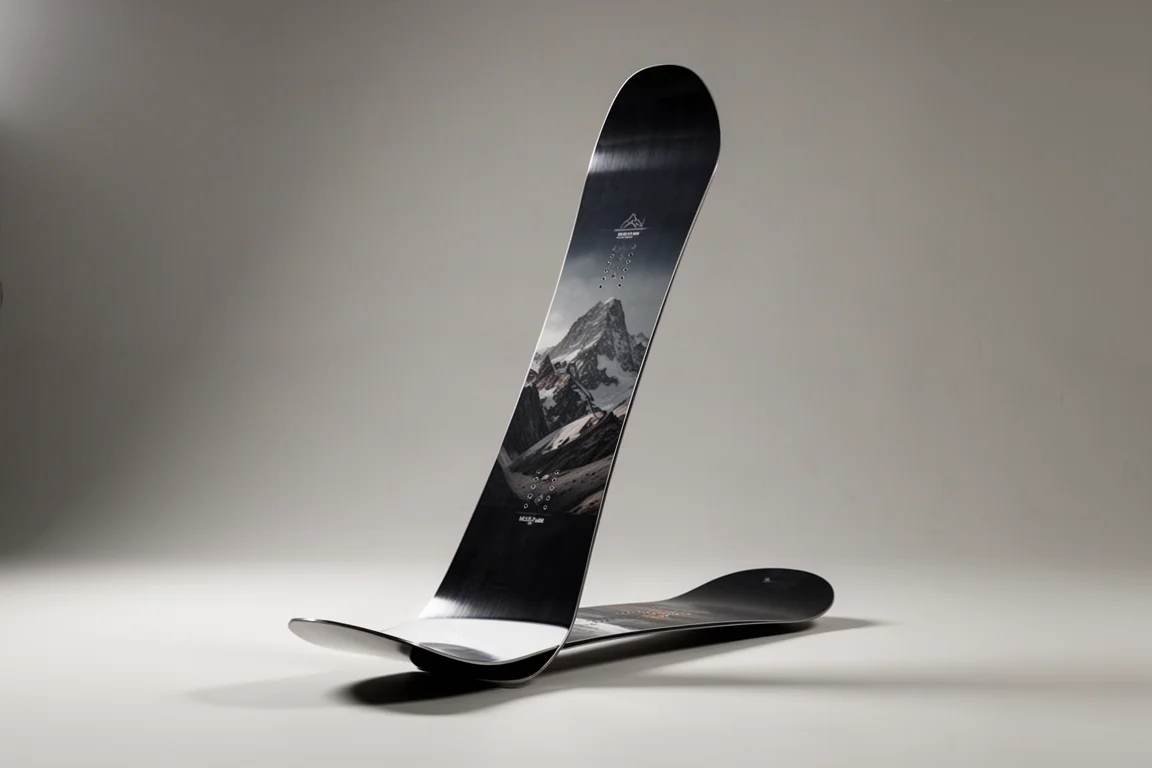
The Endeavor Archetype combines several powder-board ideas in one shape. It has a swallow tail and taper, plus hover camber that sits set back and loads from the back and middle of the board, which elevates the rocker in the nose.
ICS mounting lets you dial in your stance to suit your own setup and riding preference. Despite all that shaping, it is not a demanding board, and it can be pushed hard when you want to ride aggressively. It is a proven design that keeps riders coming back to it season after season.
Buying Advice
Start with the conditions you actually ride. If your powder days are mostly tree runs and lower-angle terrain, a tapered directional board with a rockered nose and camber underfoot is a strong all-round choice. If you want a board that doubles as an all-mountain freestyle deck, a playful shape like the Rome Ravine keeps things fun without giving up float.
Rider weight should shape the decision as much as riding style. Heavier riders get more out of a beefier construction, which is why the Ravine Select exists alongside the standard Ravine. Riders who want a set-back, swallow-tail shape with adjustable mounting have a clear option in the Endeavor Archetype, while the K2 Excavator and Jones Hovercraft cover the smooth, stable, displacement-focused end of the range. A few other boards came close to making this group but did not quite get there.
Conclusion
The right powder board is the one that matches your terrain, your weight, and the way you like to turn. A tapered directional shape with rocker in the nose covers most riders well, a beefier build helps heavier riders get the support they need, and a swallow-tail design with set-back camber rewards riders who want a dedicated powder shape they can still push hard.
Further reading
Related Reviews
Snowboarding
2025 Snowboard Gear List: Five Picks That Earned Their Place on the Mountain
From Zeiss-lens goggles to a hybrid step-in binding, here are five pieces of 2025 snowboard gear that held up across a full season of riding.
Snowboarding
2026 Snowboard Gear List: Boards, Bindings, Boots and Outerwear Worth a Look
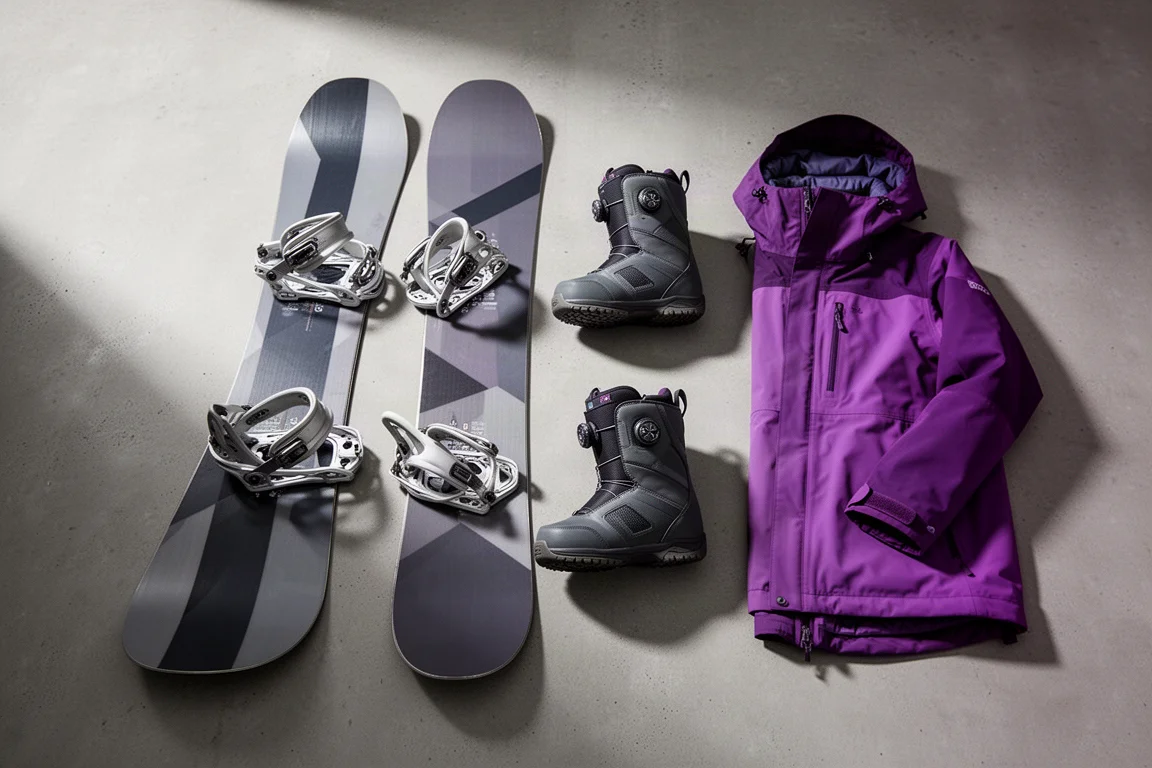
A season-ready snowboard setup built from the bottom up: base layers, Strafe outerwear, Ride and Union boots, Union bindings, and two new Capita boards.
Snowboarding
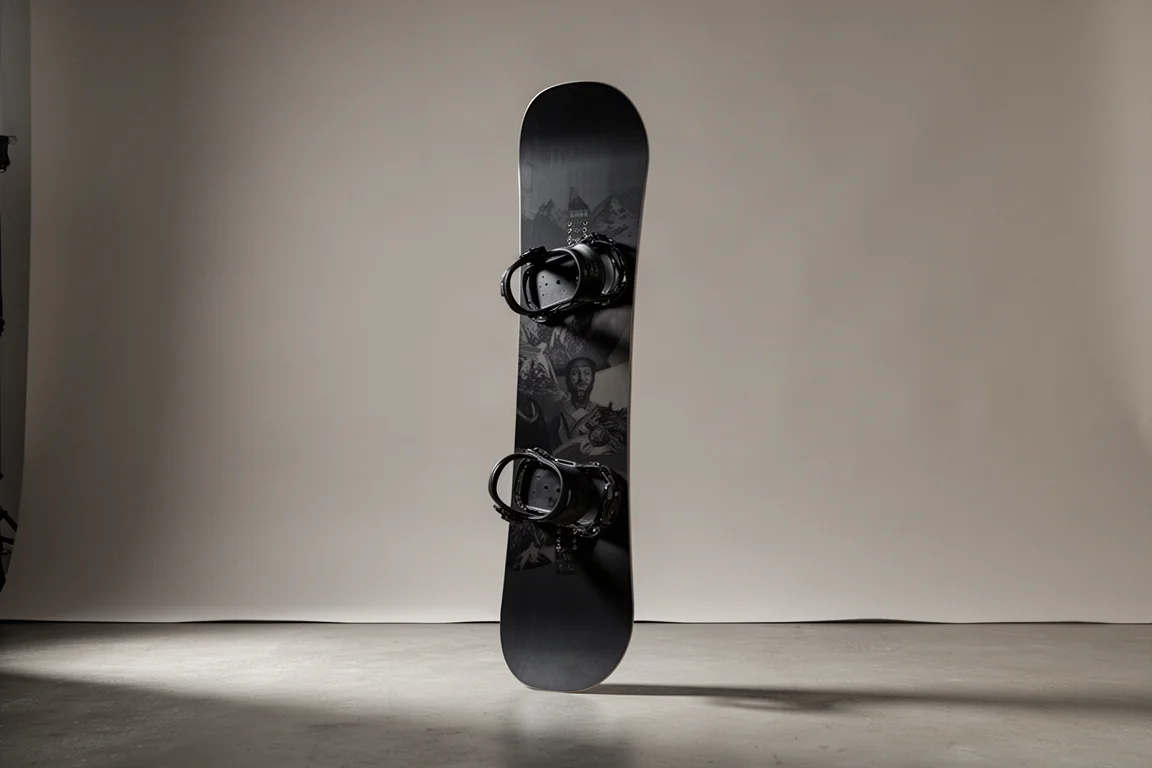
32 Cold World Review: A Playful Hybrid Camber Board for Park Laps
The 32 Cold World blends classic camber underfoot with flat nose and tail sections for a predictable, butter-friendly ride aimed at intermediate park riders.