Car Accessories
Two Portable Jump Starters Put Through a Freezer Test: What Actually Matters
We compare the Gulu GP4000 and a Loftek jump starter after a week in the freezer, covering real starting performance, cable quality, and what to look for before buying.
Introduction
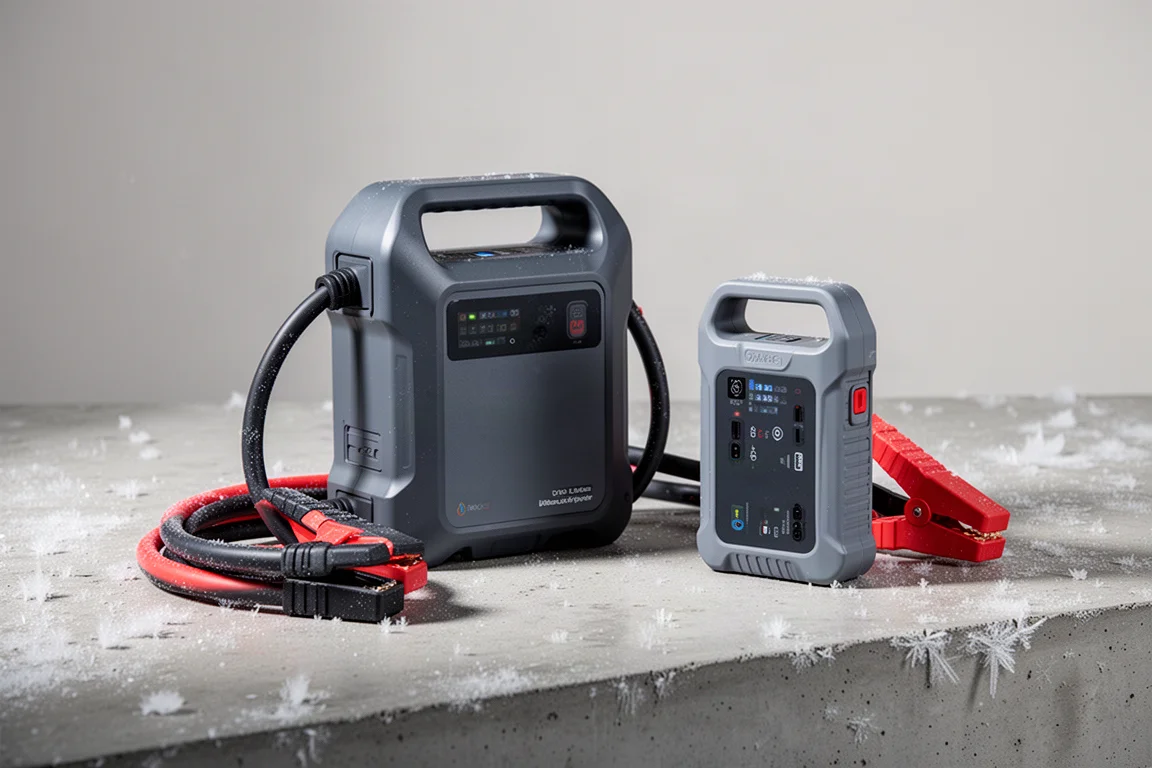
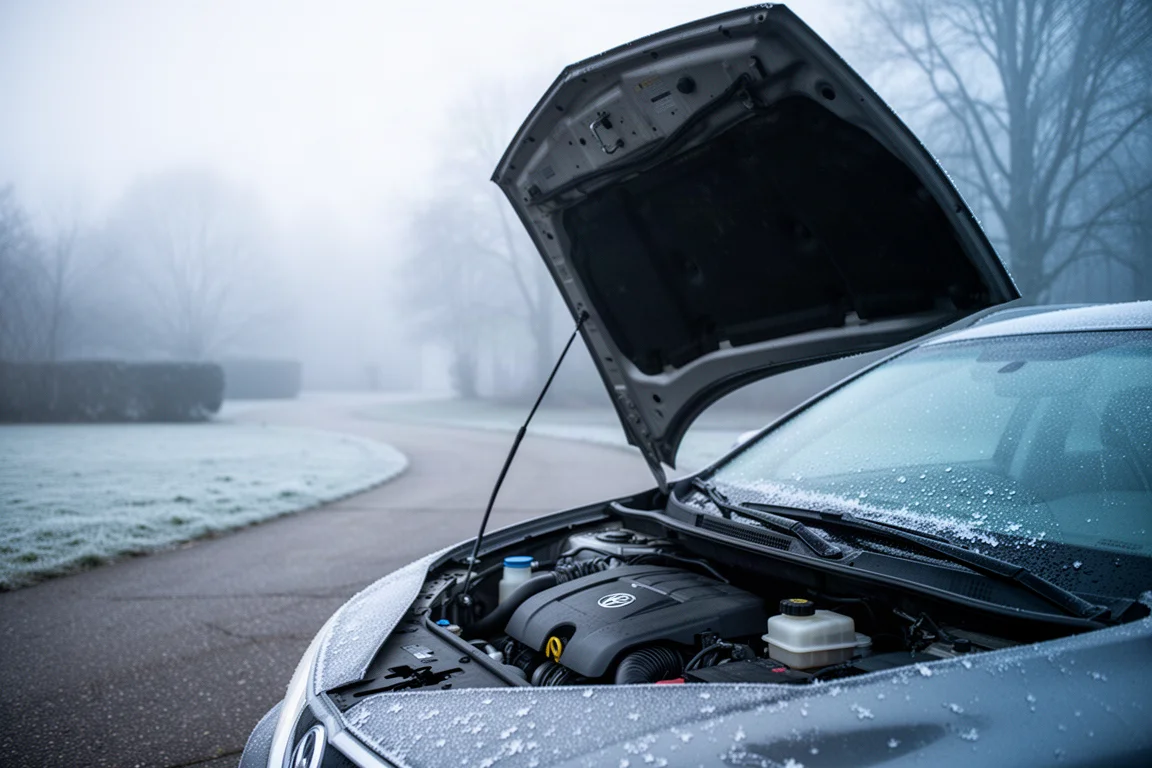
If you live in a cold climate, fall is the right time to check the battery pack sitting in your trunk. Jump starters that have been stored for a year often arrive at the worst moment with no charge left, and a unit that worked in summer may struggle when temperatures drop.
We put two newly purchased units through a practical cold test: a week in the freezer, then straight into a cold 5.3-liter engine with a weak battery. The gap between them turned out to be much wider than their spec sheets suggest, and the differences are worth understanding before you buy.
The Freezer Test
Both units spent about a week in a freezer before testing, mimicking the conditions a jump starter faces in a car parked overnight in winter. The test vehicle has a 5.3-liter engine and a battery that was sitting around 9 volts, so it was genuinely on its way out.
The results split cleanly. One unit barely managed to turn the engine on a full charge. The other started the truck even from a completely dead battery. That difference comes down to more than the headline amp ratings printed on the box.
Gulu GP4000: The Overkill Option
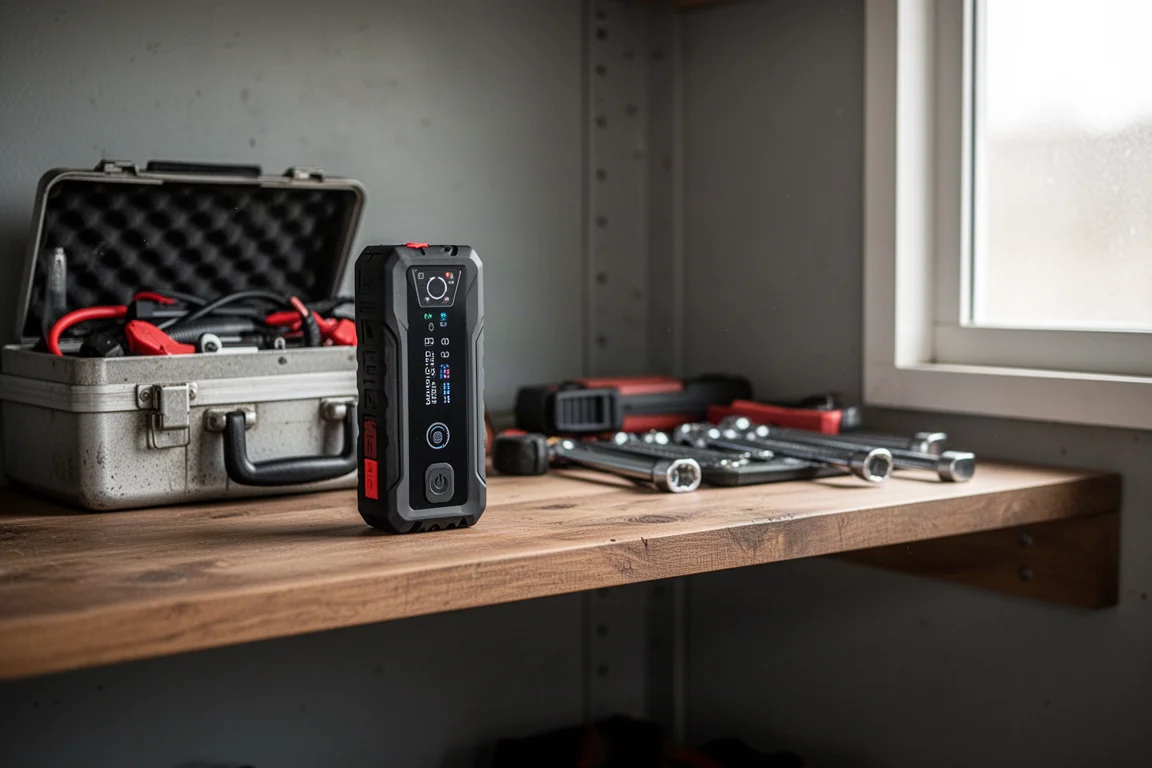
The Gulu GP4000 feels substantial in the hand, and the labeling backs that up. It specifies 800 amps for 3 seconds and 500 amps for 5 seconds, alongside a 99.2 watt-hour battery. That level of detail suggests the manufacturer has done genuine testing rather than just rounding up.
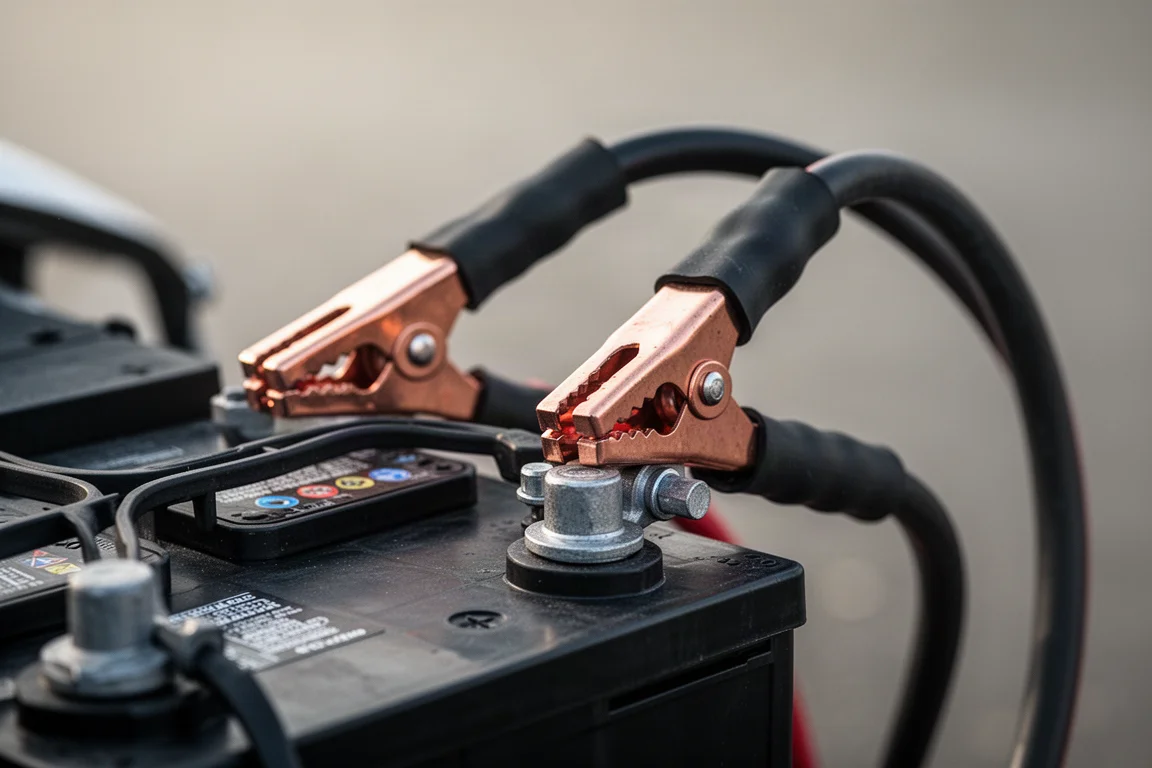
In practice, it started the 5.3-liter truck even when the vehicle battery was completely dead, using its boost function. The unit is rated for engines up to 10 liters, giving a wide margin of safety for most passenger vehicles. The cables are notably better too: eight-gauge wire, longer runs, and larger, heavier clamps than the smaller competitor. Even after cold-weather use, the charge indicator had only dropped one bar.
Loftek Jump Starter: Small and Light
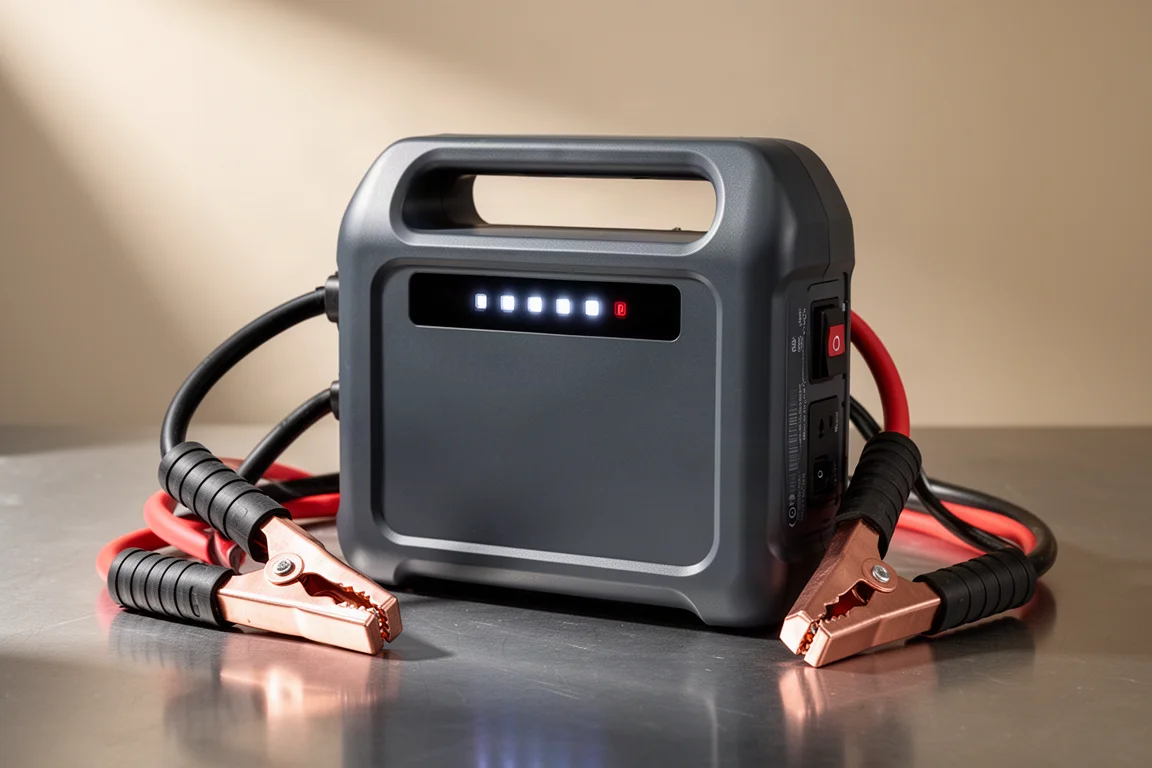
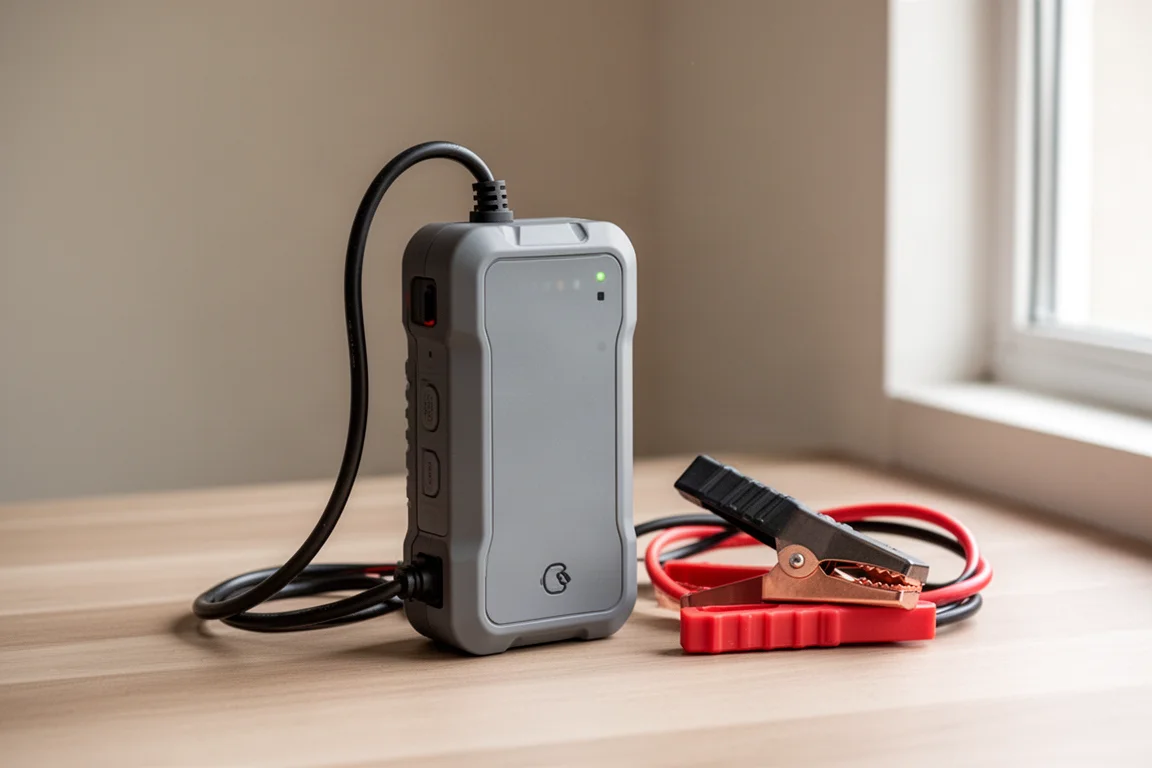
The Loftek unit is rated at 1,000 amps on the front, but the fine print on the back tells a different story: 38.4 watt-hours, 500 amps starting current, 1,000 amps peak. The claimed peak figure is worth taking with skepticism.
In the cold test, it could not start the 5.3-liter engine with the vehicle battery disconnected, and it was only just able to start the truck as it sat, cold and on a full charge. There is also no boost button, so if the pack fails to detect a severely depleted battery, there is no manual override. Its lighter cables and smaller clamps reinforce the impression that this is a unit better suited to very small four-cylinder engines rather than larger trucks.
What to Look For Before You Buy
Product photos on shopping sites make these two look nearly identical, and headline amp ratings obscure the real differences. Watt-hours are the honest comparison point: a 99 watt-hour pack versus a 38 watt-hour pack tells you immediately which has roughly three times the reserve. Higher amp-hour ratings translate to longer-lasting output as well.
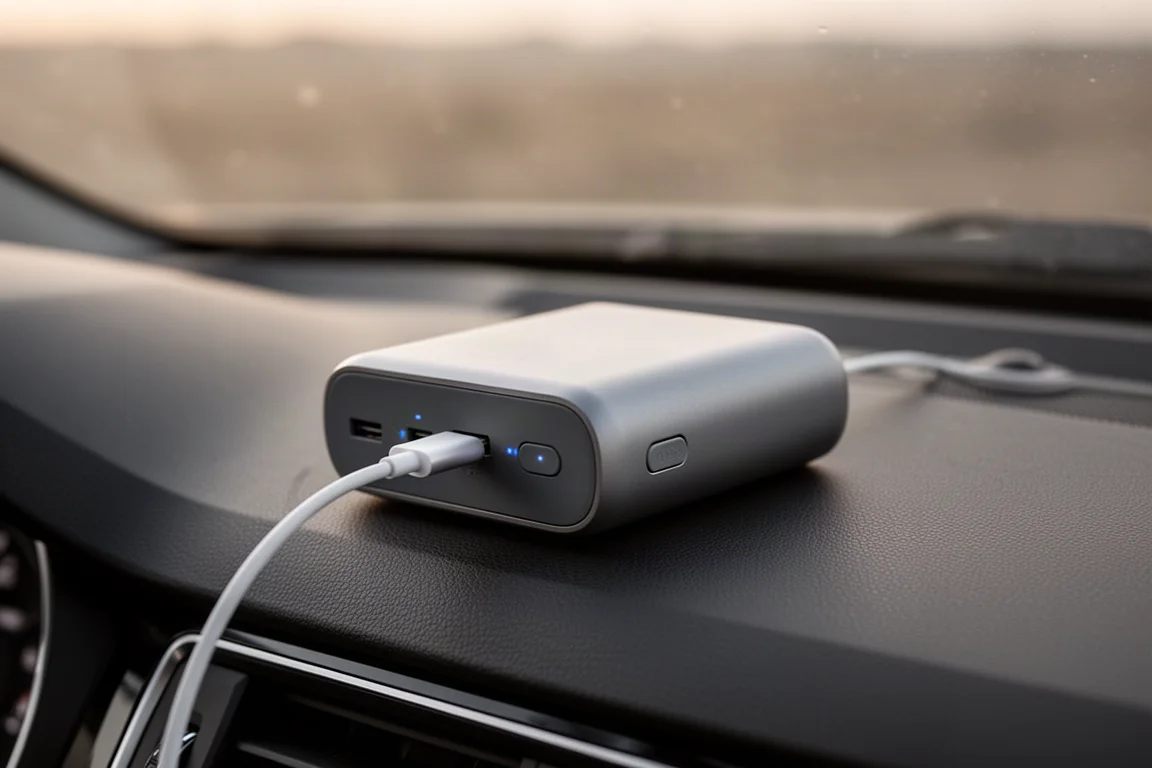
Cable gauge and clamp quality matter more than any printed number. Heavier wire and larger clamps mean better current delivery when it counts. Extra features can also signal thoughtful engineering: a 15V 10-amp cigarette-lighter output means the pack can charge other devices, and adapters that allow fast charging in the car are a practical bonus.
One more caution: cheap, small brands frequently disappear from the marketplace, which matters if you ever need support or a warranty. Buy a model with a long track record and a substantial review history.
Buying Advice
The simple rule is to go big or go home. A jump starter is an emergency tool, and the whole point is that it works when nothing else does. Something sized generously, like the Gulu, is the kind of unit you hand to a family member and trust to cover them in a worst-case scenario. A small, marginal pack may technically work for a compact four-cylinder, but it leaves little room for cold weather, a depleted battery, or an engine larger than expected.
Conclusion
The Gulu GP4000 earned its place as the recommendation by starting a dead battery in cold conditions and showing honest, detailed specs. The Loftek packs down small and may suit a compact car, but its narrow margin, lack of a boost function, and lighter build make it a riskier emergency tool. Match the unit to your engine size, favor watt-hours and cable quality over headline amps, and buy from a brand that will still be around when you need it.
Further reading
Related Reviews
Car Accessories
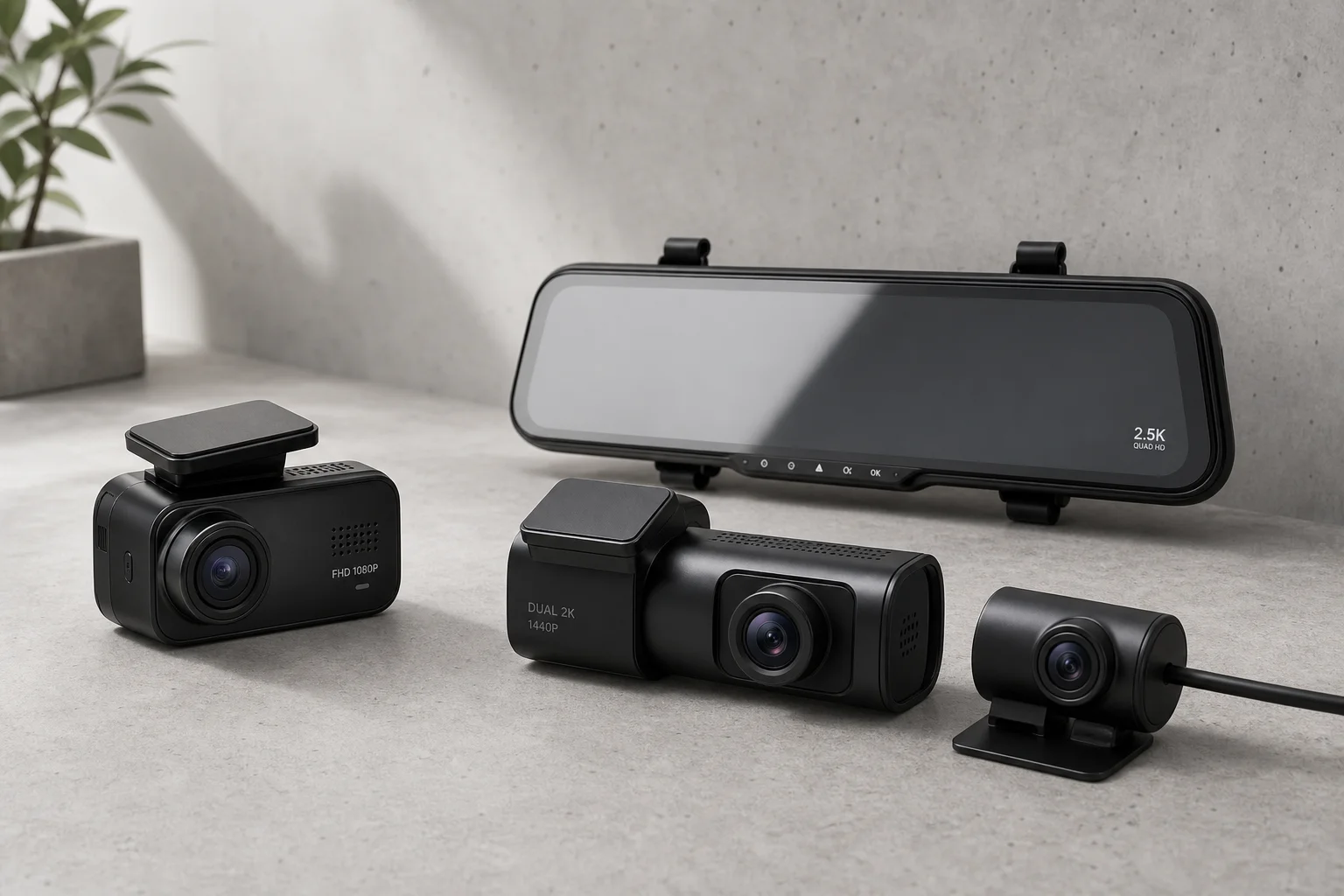
Best Dash Cams: What to Prioritize and What to Ignore When Buying
A comprehensive guide to choosing the right dash cam, covering night vision performance, capacitor technology, and top recommendations across single, dual, and triple channel options.
Car Accessories
Best Dash Cams Under $100: Budget-Friendly Options That Actually Work
We tested twelve popular dash cams to find which models deliver real value. Most are disappointing, but two stand out as genuinely practical choices.
Car Accessories
Best Tablet Car Mounts: Five Options for Every Driving Need
A practical comparison of five tablet car mounts, from flexible gooseneck designs to magnetic headrest holders, helping you choose the right mount for your vehicle and passengers.