Outdoor Cooking
Four Barbecues Put to the Test: From Portable Grills to a Serious Smoker
We compare four very different barbecues: a flat-pack portable, an electric grill and smoker, a gravity-fed charcoal smoker, and a big insulated kamado.
Introduction
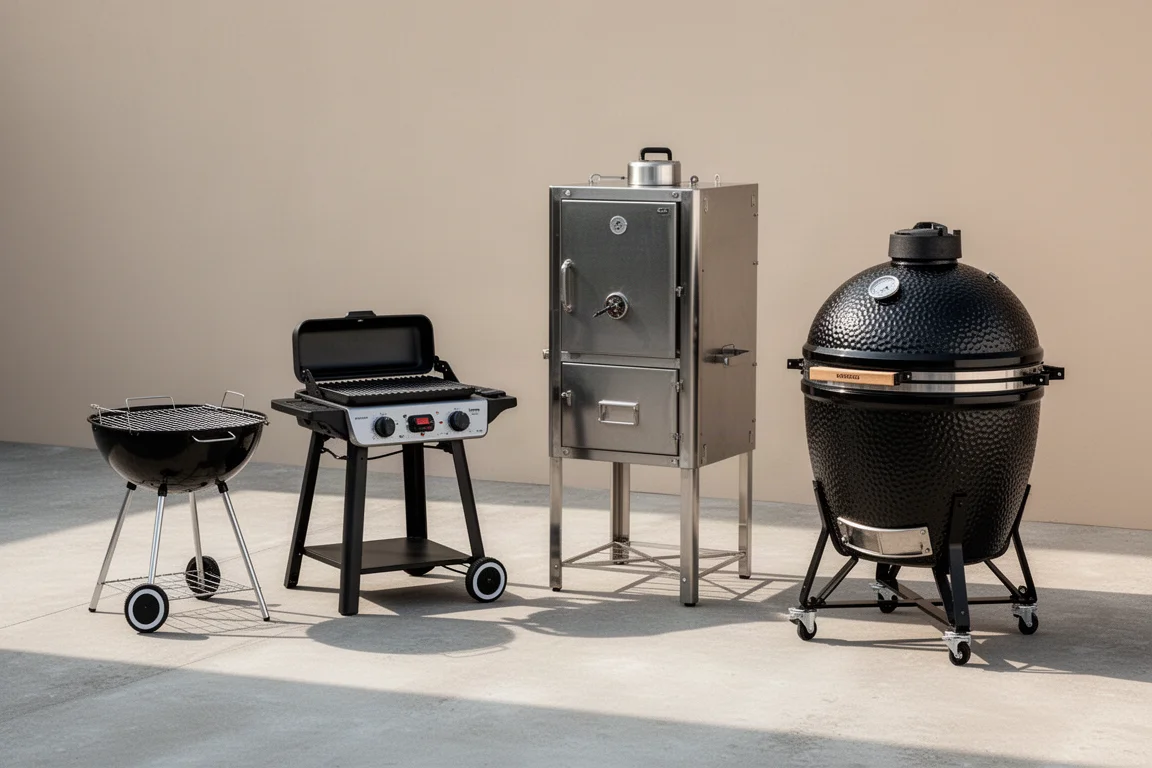
We put four very different barbecues through their paces at an outdoor cooking session: a flat-pack portable grill, a plug-in electric grill and smoker, a gravity-fed charcoal smoker, and a large insulated kamado. Each one targets a different kind of cook, from the occasional beach picnic to the all-day low-and-slow enthusiast. Here is how they stack up.
ProQ Flatdog Portable Barbecue and Grill
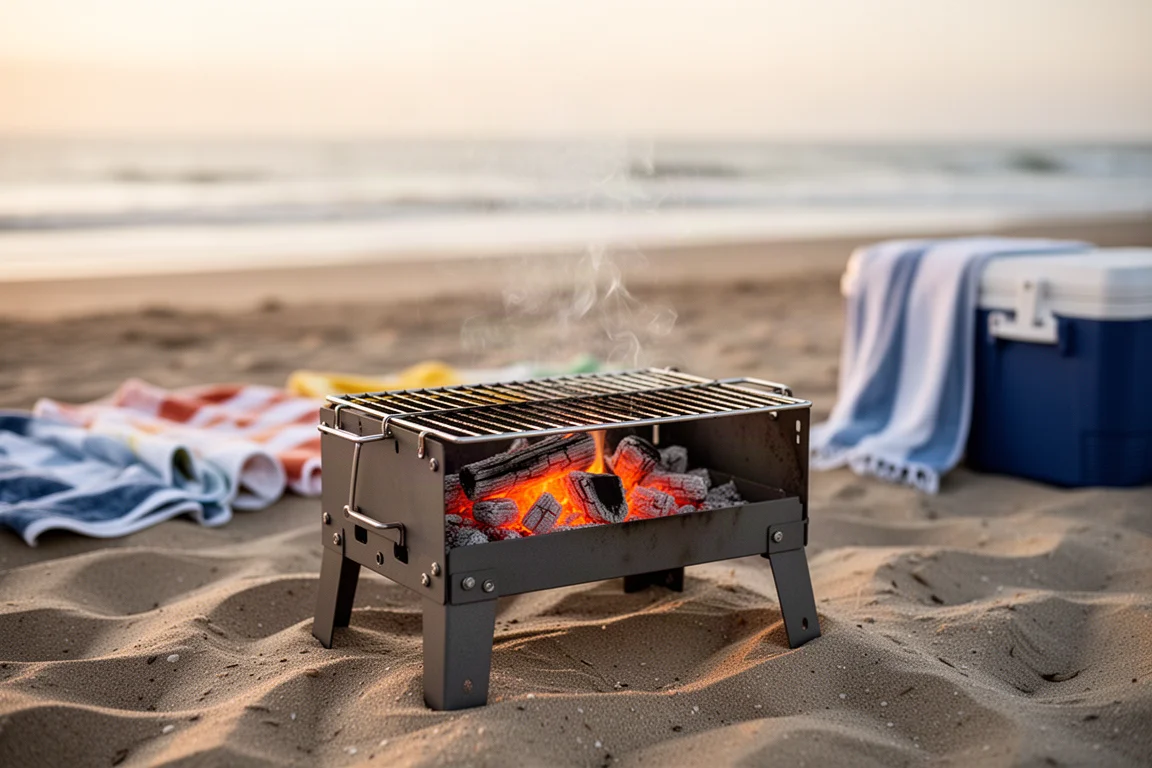
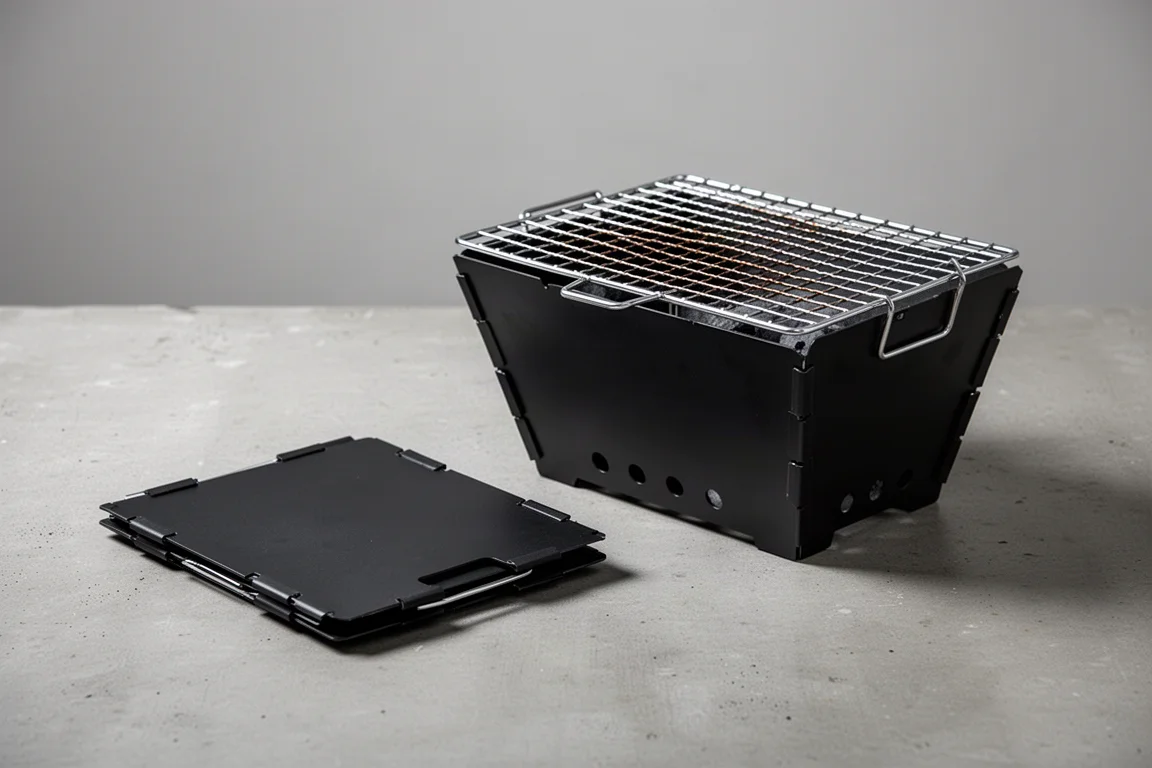
If you have ever been let down by a disposable barbecue, the ProQ Flatdog is the obvious alternative. It is a flat-pack charcoal grill that assembles in seconds, folds down flat enough to slide under a car seat or into a wheel well, and feels surprisingly sturdy once built. It holds more coal than an average disposable, has plenty of air holes and vents for a fast burn, and offers enough depth to set up both direct and indirect heat zones.
One catch: unlike a disposable, it does not come with fuel or lighting gear, so you need to bring your own charcoal and firelighters. There is no lid and no temperature control, so the cooking style is hot and fast. Burgers and thin prawn skewers worked brilliantly, with the intense bottom heat producing a genuinely great crust on the patties, flipping every 10 to 30 seconds. The heavy heat load did warp the metal slightly, and it remained to be seen how cleanly it would fold back down afterward. At £69.99, it costs far more than a throwaway grill, but it is reusable, packs flat, and is far better for the environment.
Ninja Woodfire Electric Barbecue Grill and Smoker
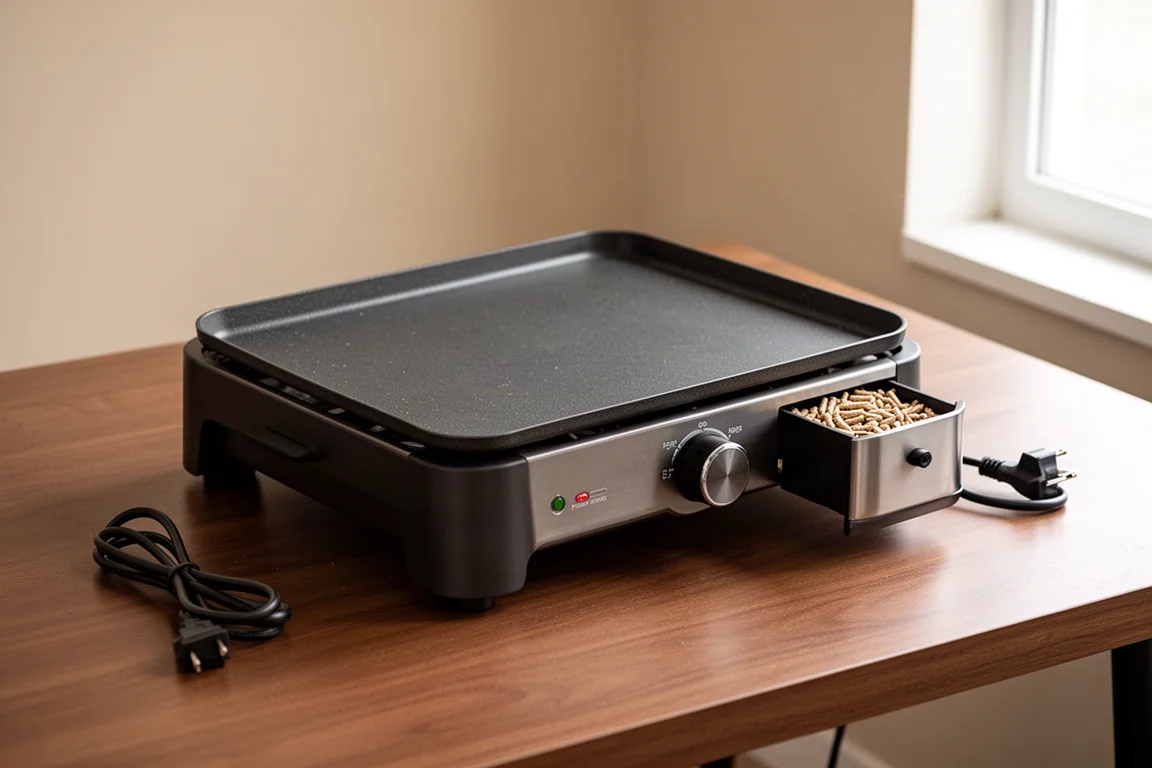
This compact plug-in unit has been all over social media, and it is best understood as an air fryer with a smoker attachment and a griddle plate. A heating element sits under the grill plate, a fan at the top circulates air, and a dedicated Woodfire button pulls smoke from a chamber of real wood pellets, a cherry, maple, and oak blend, into the cooking chamber. It also has a separate low-and-slow smoking function, though its small capacity rules out big cuts like pork shoulder or brisket.
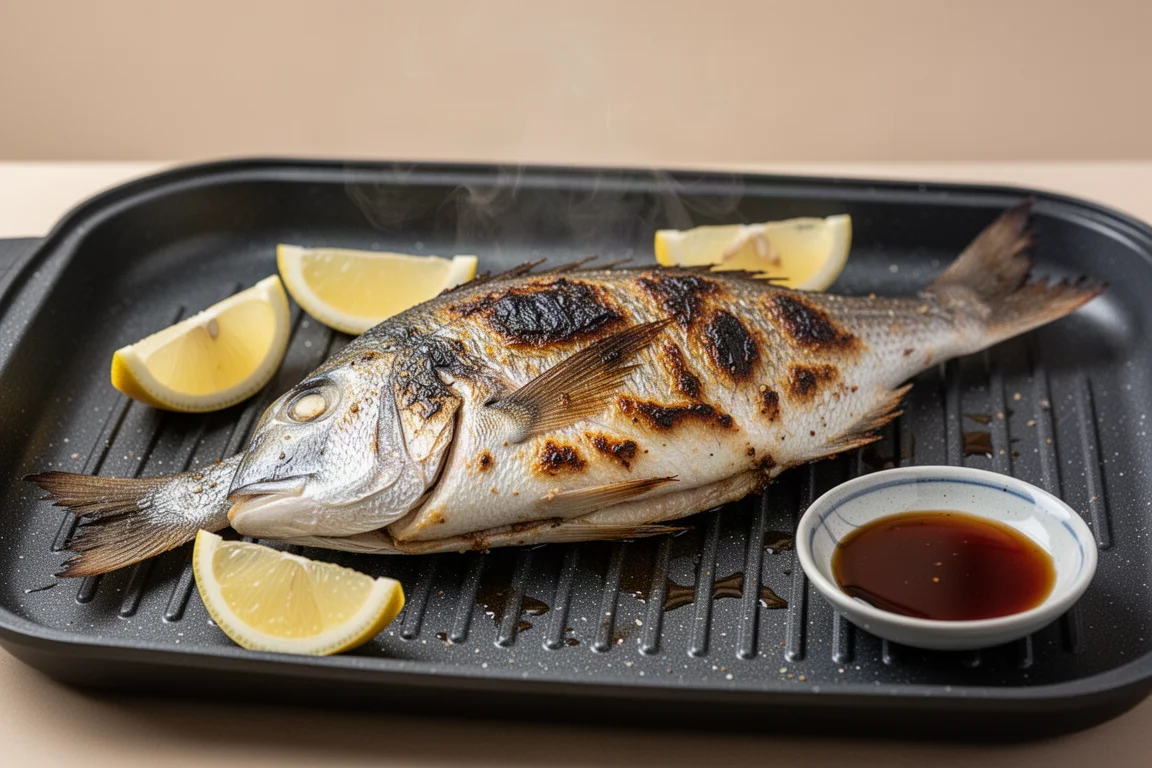
Whole sea bream came out with beautifully crispy, nonstick-release skin and a delicate smoke flavor, seasoned simply with olive oil, salt, soy, maple, and lemon. One thing worth knowing: the pellets produce dirty white smoke, while the cooking chamber vents clean blue smoke, which is exactly what you want to see. The smoke flavor was mild on a short cook, so longer sessions may impart more. Cleanup is genuinely easy thanks to the nonstick plate. At £349 it sits at the high end of the air fryer and multi-cook range, and around the price of an expensive charcoal barbecue, but it is ideal for small flats and balconies.
Masterbuilt Gravity Series 560
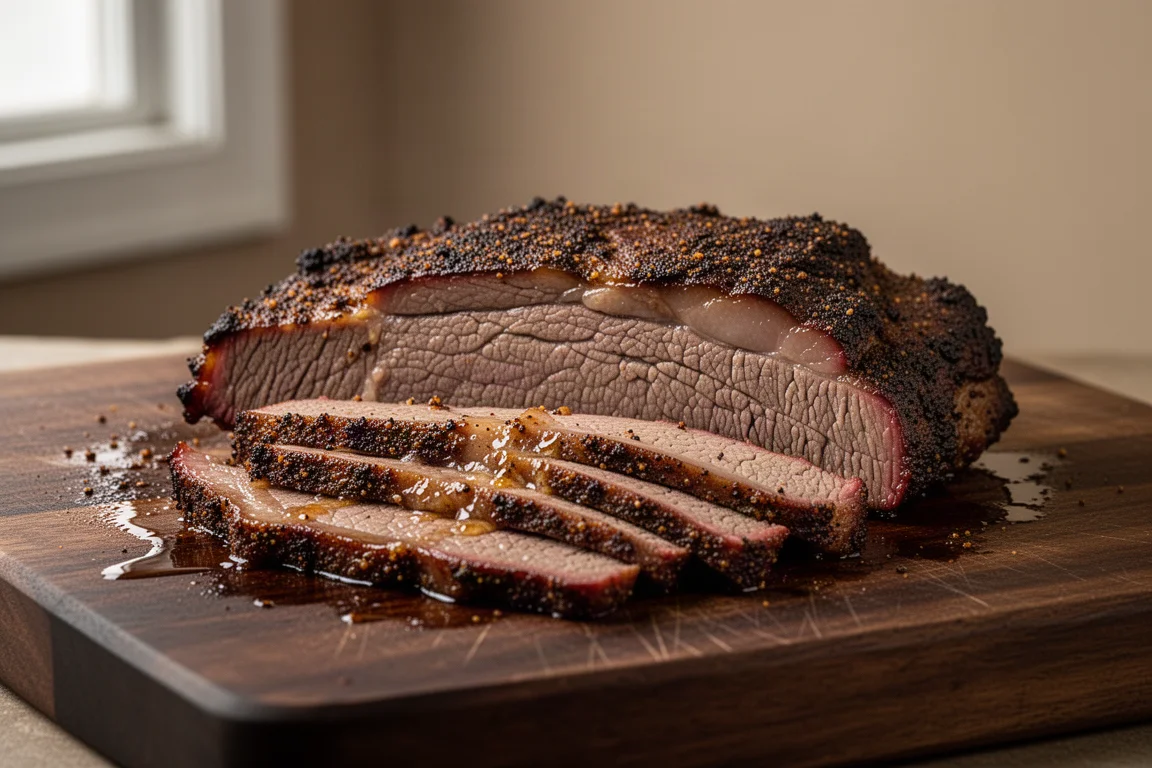
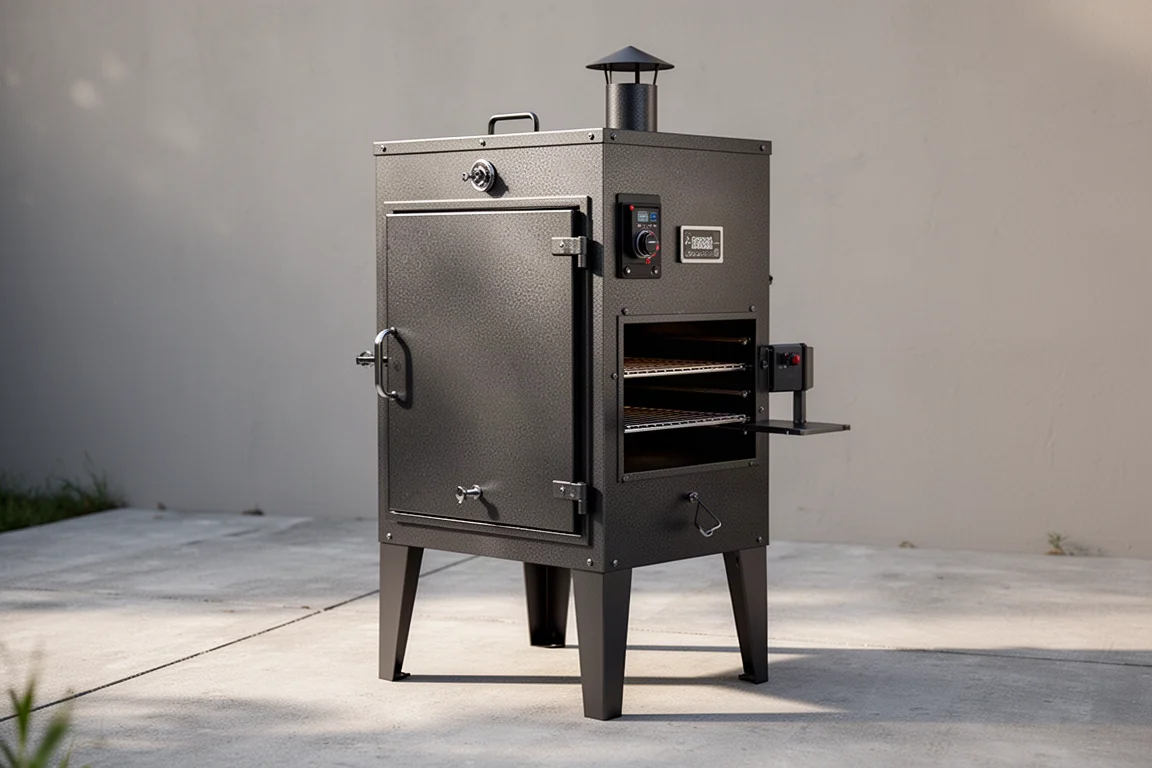
For anyone serious about American-style low-and-slow barbecue, the Masterbuilt Gravity Series 560 earned deep admiration from its owner, who called it the most convenient and best-tasting overall package for smoking plus proper charcoal grilling. The brisket cook shows why: the grill ran at 225 degrees Fahrenheit for 14 to 18 hours targeting an internal temperature of 203 degrees Fahrenheit, and the machine handled temperature control almost entirely on its own. The cook only needed to check charcoal and wood levels, spritz the meat occasionally, and wrap it overnight.
The result was a brisket with the right jiggle, tender enough to pull apart, and spectacular on the plate. This is a big-volume cooker that can feed a crowd, and it suits people who treat barbecue as a hobby and are happy to get up in the early hours to check on a cook. It needs plugging in, and at £649 in the UK it is a serious investment, but it is far from an average barbecue.
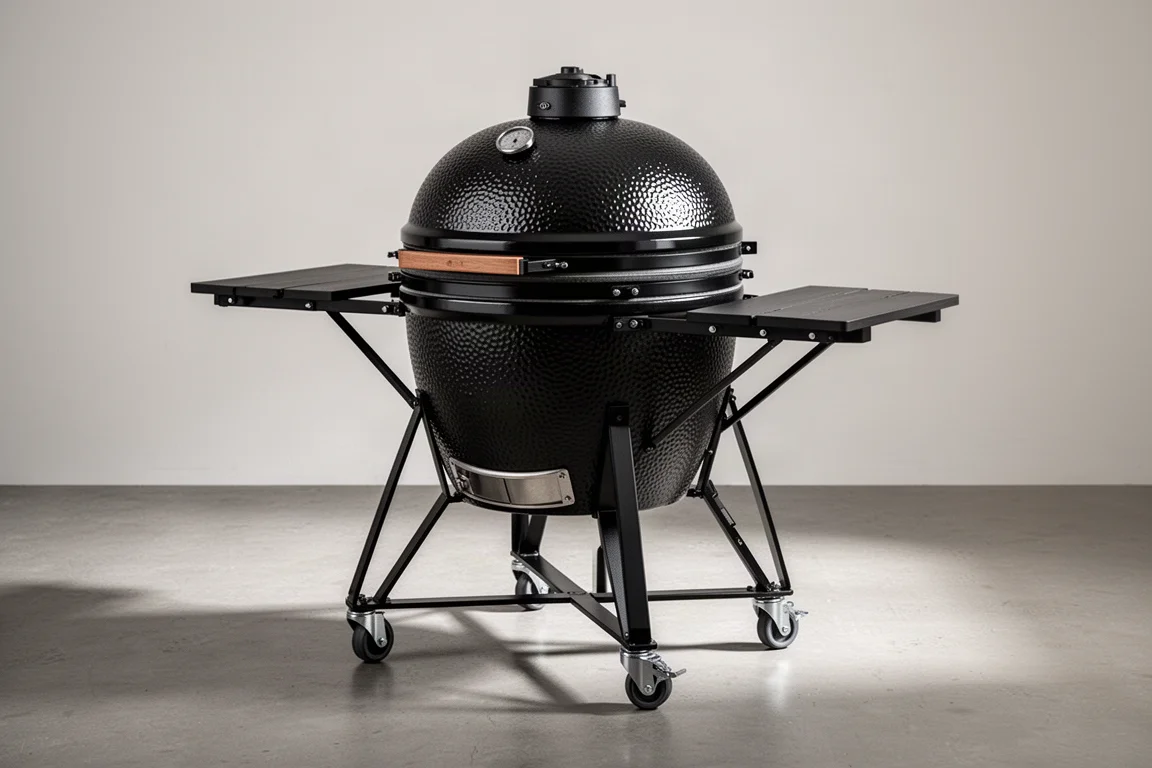
Weber Summit Kamado E6
The Weber Summit Kamado E6 is a chef’s personal choice, and it is easy to see why. Weber’s largest enameled kamado uses air insulation in a steel body rather than ceramic, making it lighter than rivals like the Big Green Egg-style cookers while keeping a stable, wide footprint that will not topple. It handles both low-and-slow smoking and fierce high-heat grilling, and its owner has held steady temperatures for eight to nine hours using nothing but the air vents.
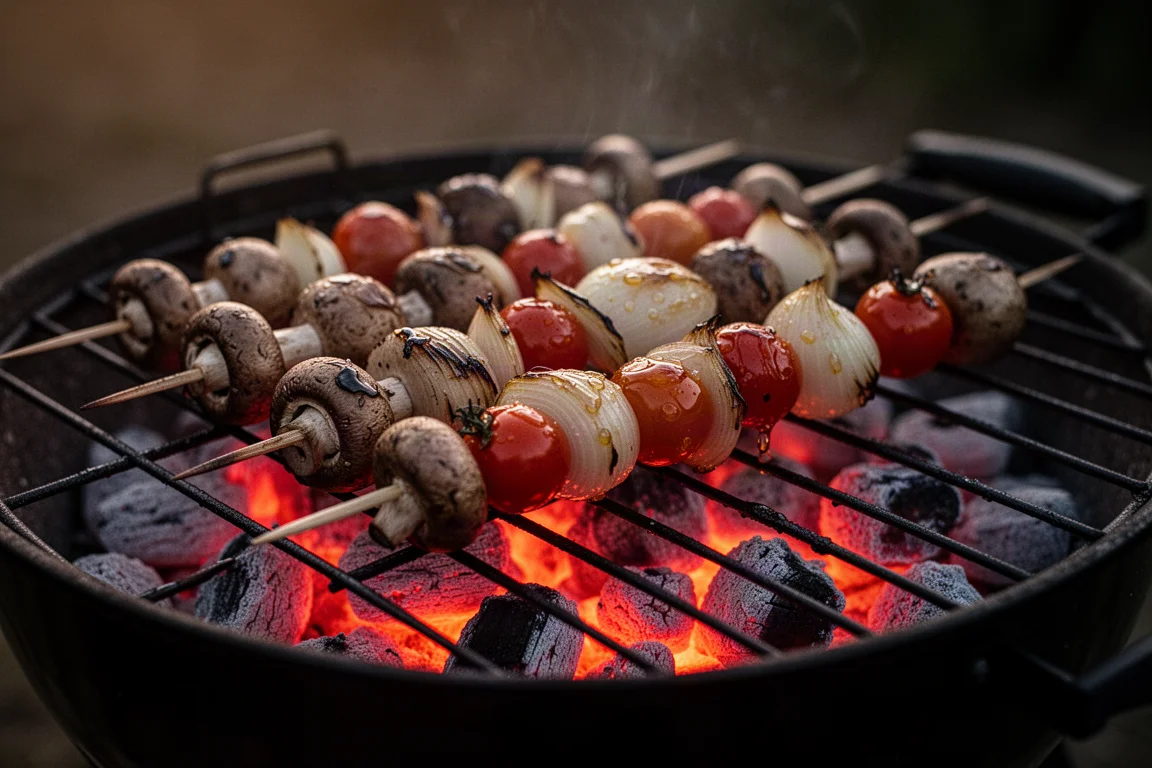
The demonstration cook made the case perfectly: a maple-brined pork shoulder slow cooked at around 150 degrees Celsius, then the vents opened wide to push the grill past 500 degrees Celsius for charring and glazing. Juicy pork, smoky skewered mushrooms that soaked up the drippings, and blistered tomatoes fed a crowd of eight, with plenty of space left for quick cooks like fish and fast breads. It takes some knowledge and manual effort, but the results are exceptional. At the £1,400 purchase price, it is a buy-it-for-life kind of purchase, and for its owner, the first and last barbecue he will ever need.
Which One Should You Buy?
Match the grill to the way you actually cook. If portability is the priority and you cook small, fast meals outdoors occasionally, the ProQ Flatdog is the affordable, reusable upgrade over disposables. If you live somewhere small and want convenience with a hint of smoke, the Ninja Woodfire earns its counter space. If smoking big cuts for crowds is your hobby, the Masterbuilt Gravity Series 560 is the set-and-forget workhorse. And if you want one do-everything charcoal machine for life, the Weber Summit Kamado E6 is the long-term investment.
Conclusion
Four barbecues, four completely different missions. The Flatdog wins on portability and price, the Ninja Woodfire on plug-and-play convenience, the Masterbuilt on effortless long smokes, and the Weber on sheer versatility and capacity. Knowing whether you cook for two on a beach or for a crowd in a garden is the fastest way to pick the right one.
Further reading
Related Reviews

Outdoor Cooking
Traeger Wood Pellet Grill Review: Versatile Outdoor Cooking for Every Season
A practical look at what makes Traeger wood pellet grills stand out for home cooks seeking versatility beyond traditional barbecuing.
Outdoor Cooking
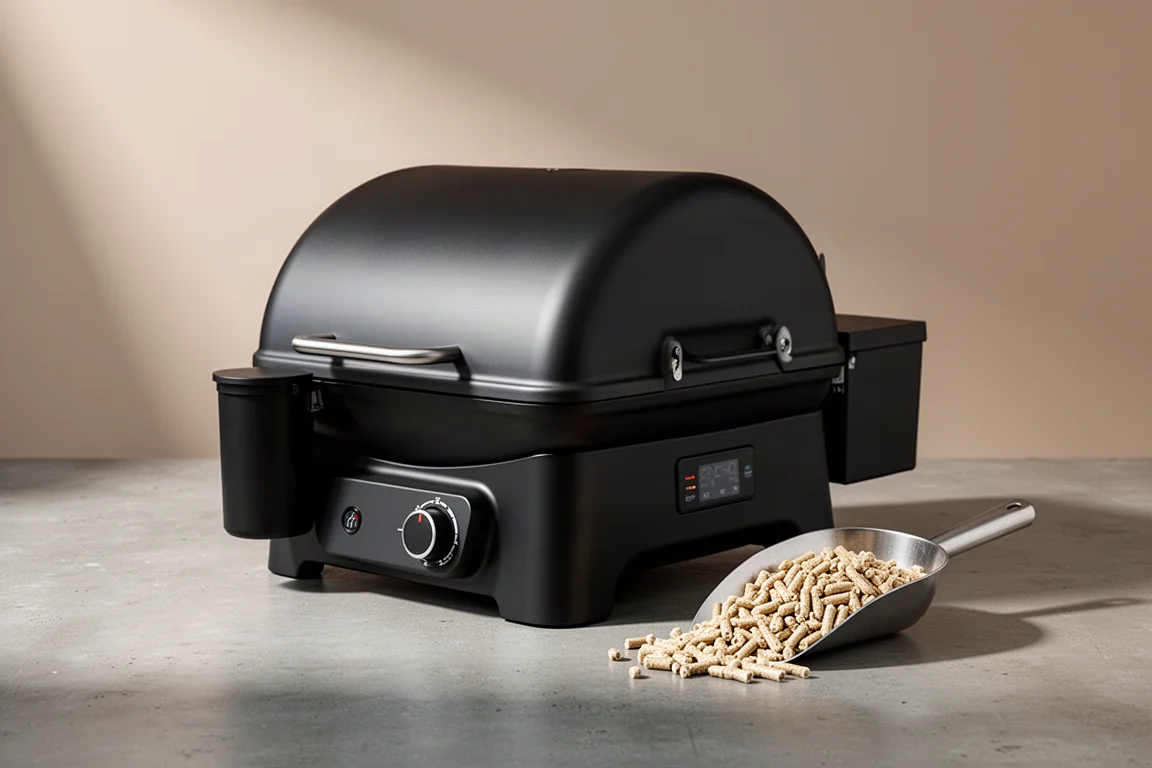
Ninja Wood Fire Barbecue Review: Smoky Flavour With Real Weeknight Speed
A compact electric grill with a built-in pellet smoker, quick repeatable cooking, and a cooking area worth checking before you buy.
Outdoor Cooking
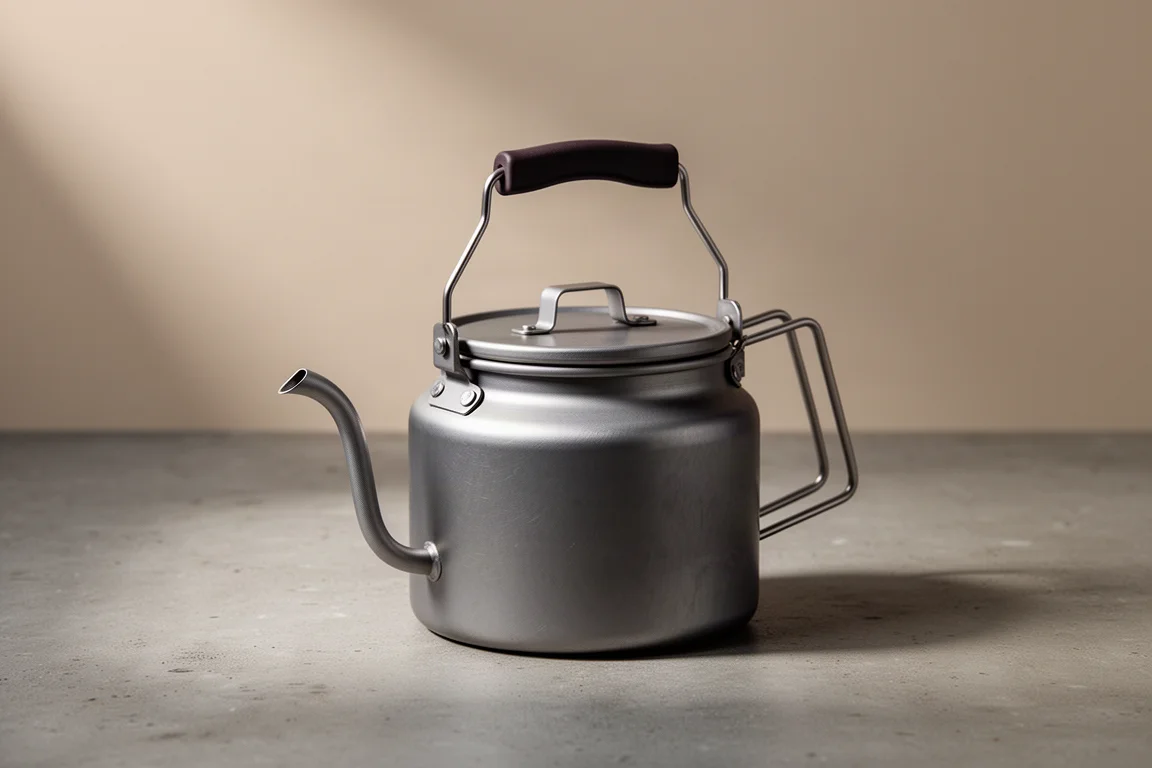
Trangia Kettle 30 oz Review: An Ultralight Camp Kettle With One Real Catch
A 6.2 oz aluminum camp kettle for around $25 with excellent pouring and a plastic hardware compromise worth understanding before you buy.