Hand Tools
Pocket Pry Bars Worth a Slot in Your Kit: Ulsa Tools Pro vs Tekton Solid Pry Bars
Two compact pry bar options compared: a new three-angle pocket set from Ulsa Tools Pro and Tekton's thicker solid pry bars.
Introduction
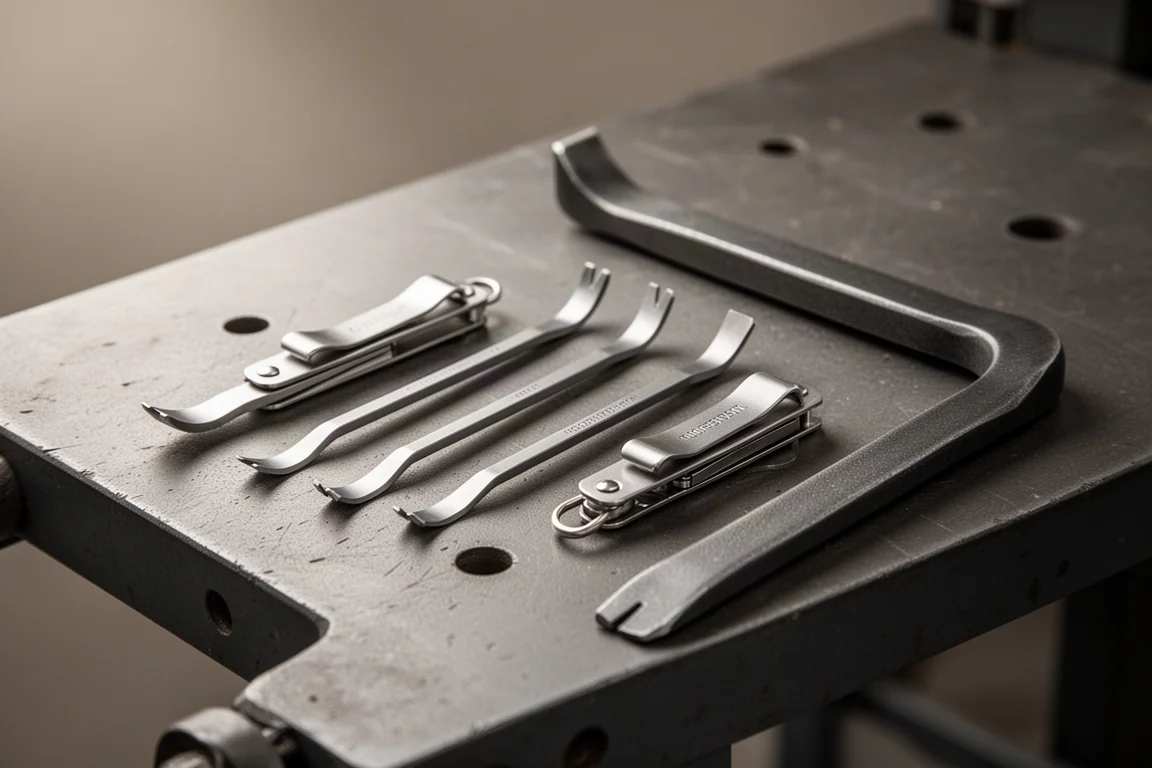
Pocket pry bars occupy a curious niche: they are the tool you reach for constantly precisely because they are small enough to live in your pocket. Slotted screwdrivers are becoming rare in everyday use, so plenty of people repurpose them as improvised pry tools. Dedicated pocket pry bars do the job better, and two options worth a close look are the Ulsa Tools Pro pocket pry bars (part number 1808) and Tekton’s set of solid pry bars. They take different approaches, and the differences matter more than you might expect.
Ulsa Tools Pro Pocket Pry Bars (Part 1808)
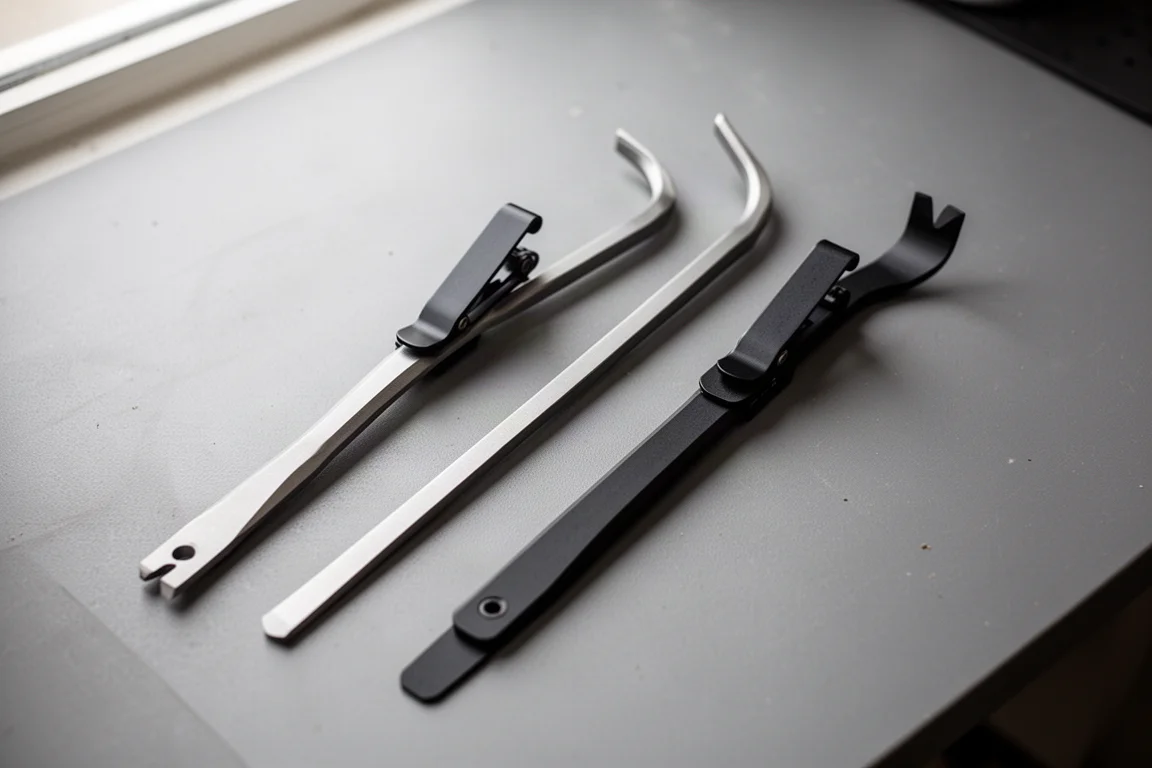
Ulsa Tools Pro is a Canadian company, and its new pocket pry bar set comes in three sizes with three different tip configurations: a straight tip, similar in profile to a screwdriver, a 27-degree bend, and a 55-degree bend. All three are a 5-inch length, which puts them right in the sweet spot for pocket carry.
One thing to note is that these are made in India, which is a new manufacturing location for pry bars, so shipping availability may differ from more familiar brands depending on where you live. The shaft itself is about 5 mm in diameter, slightly beefier than comparable pocket bars but noticeably slimmer than heavier solid designs.
What Makes a Good Pocket Pry Bar
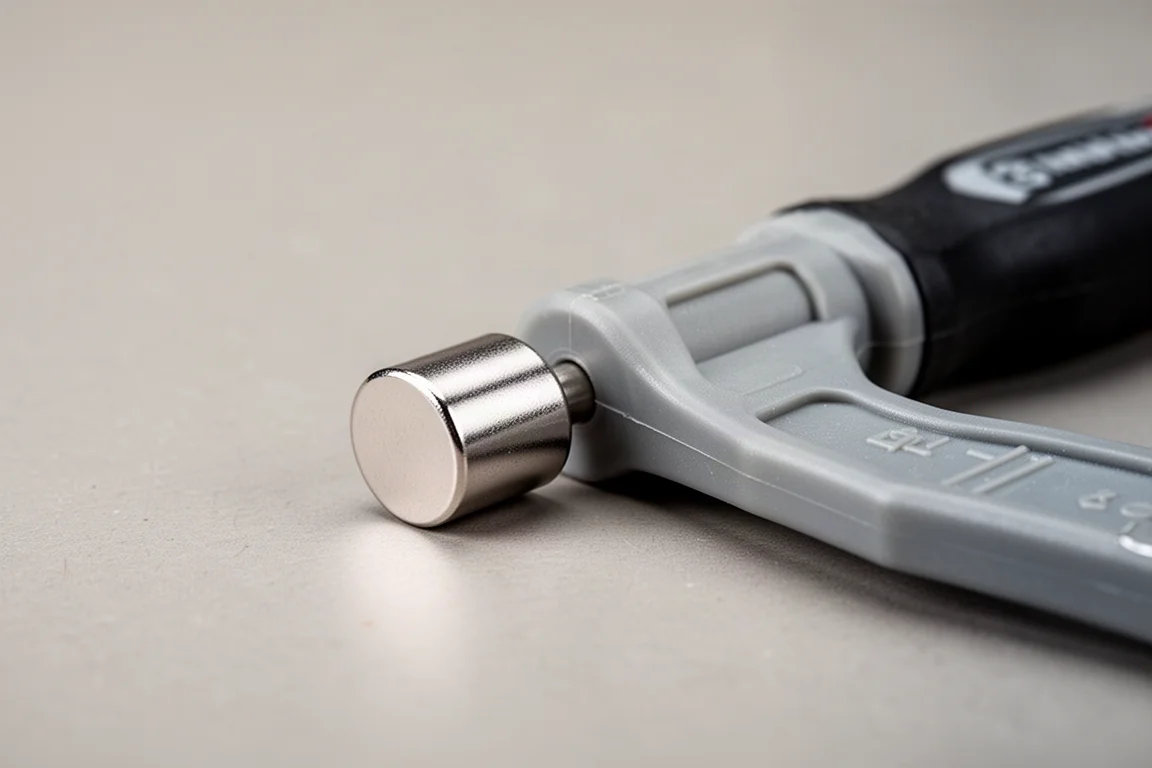
A few design variables separate the good from the mediocre: shaft diameter, how far the shaft extends into the handle, tip angle, and handle shape. The shaft depth test is simple: slide a magnet along the handle until it stops. On the Ulsa Tools Pro bars, the shaft extends roughly three-quarters of the way through the handle. Comparable pocket bars typically measure closer to two-thirds. That is not a huge difference in practice, since a small handle cannot generate much force anyway without a cheater bar, but it is the kind of detail that separates thoughtful manufacturers from companies that jam in a stub of shaft and call it good.
Pocket Clip Orientation: A Small Detail That Matters
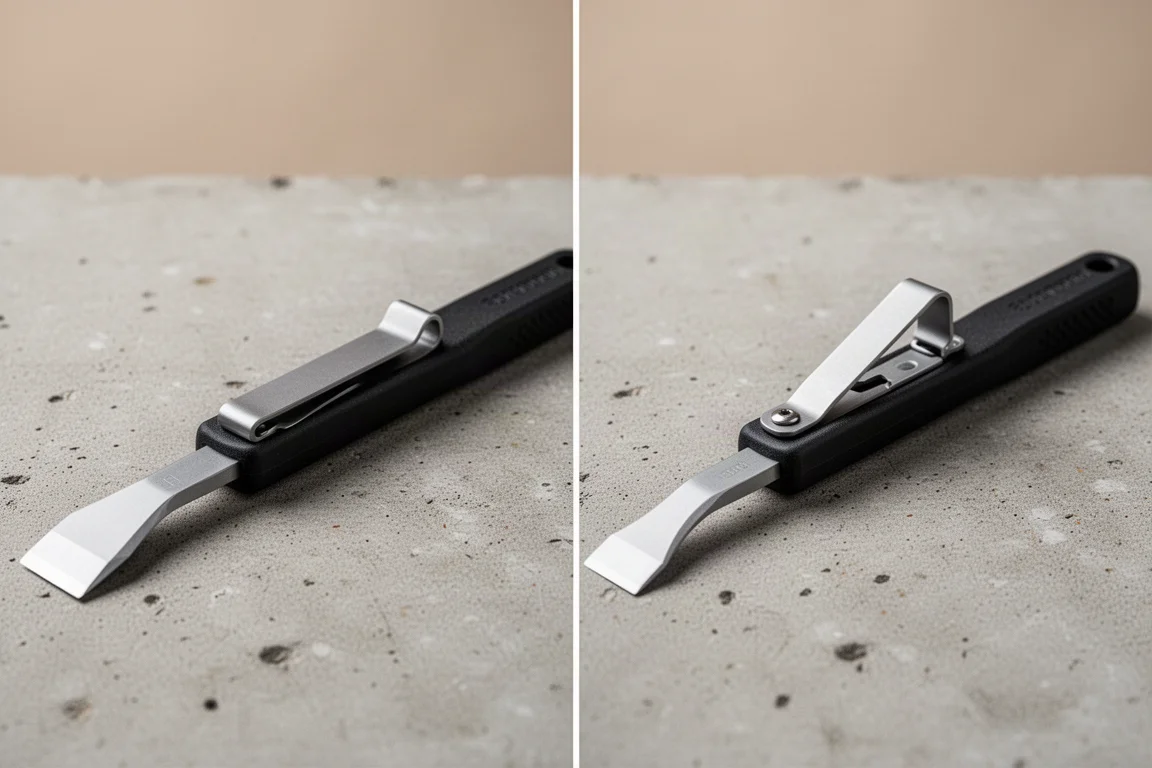
The pocket clip sounds trivial until you carry one daily. On some designs, the clip points the tip of the bar outward like a pen, which means a sharp edge of the clip presses into the pocket fabric and can tear it over time. Other designs mount the clip sideways, which keeps the clip edge from intersecting the fabric in a way that damages it. Honestly, many users end up bending or removing the clips entirely, but if you keep the clip attached, orientation is worth checking before you buy.
Where the Tekton Solid Pry Bars Fit
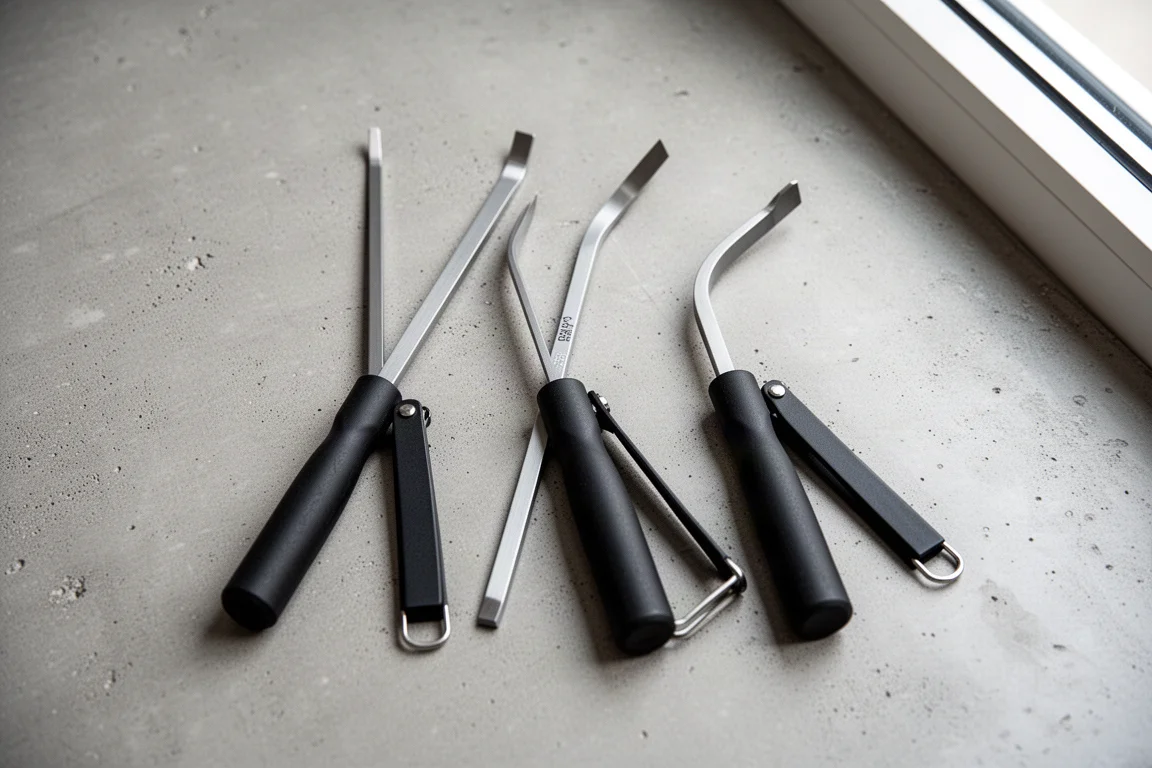
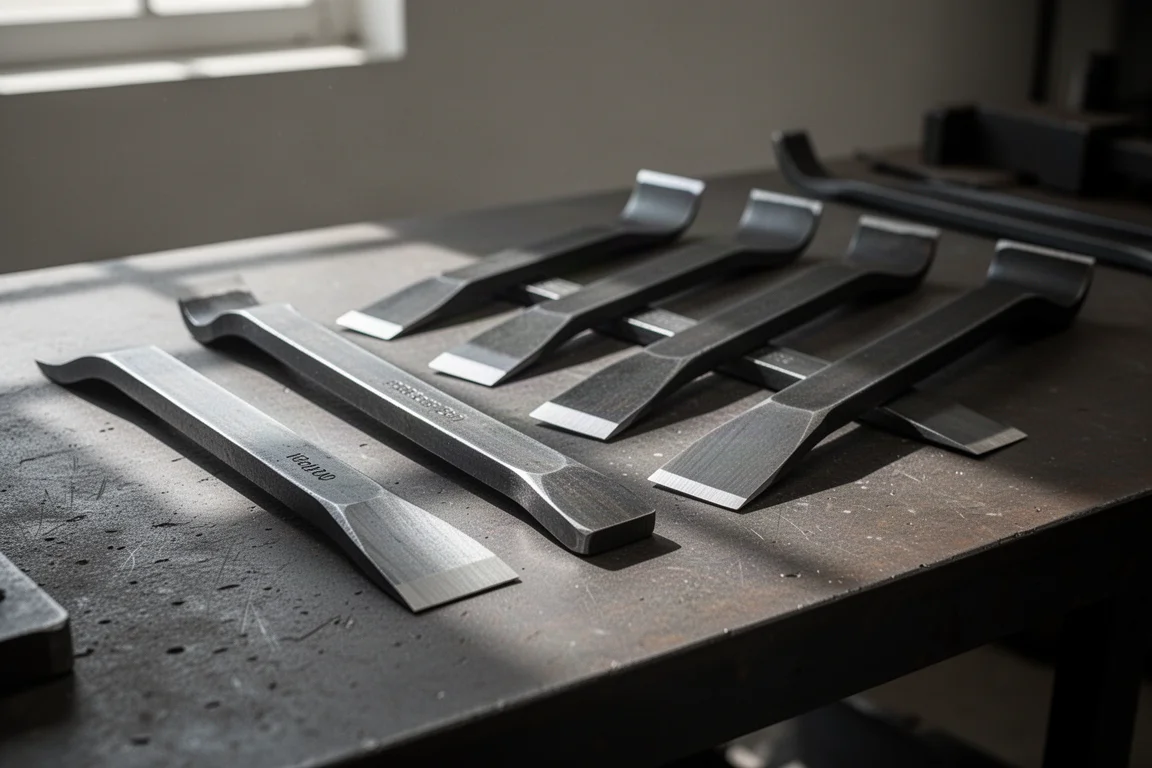
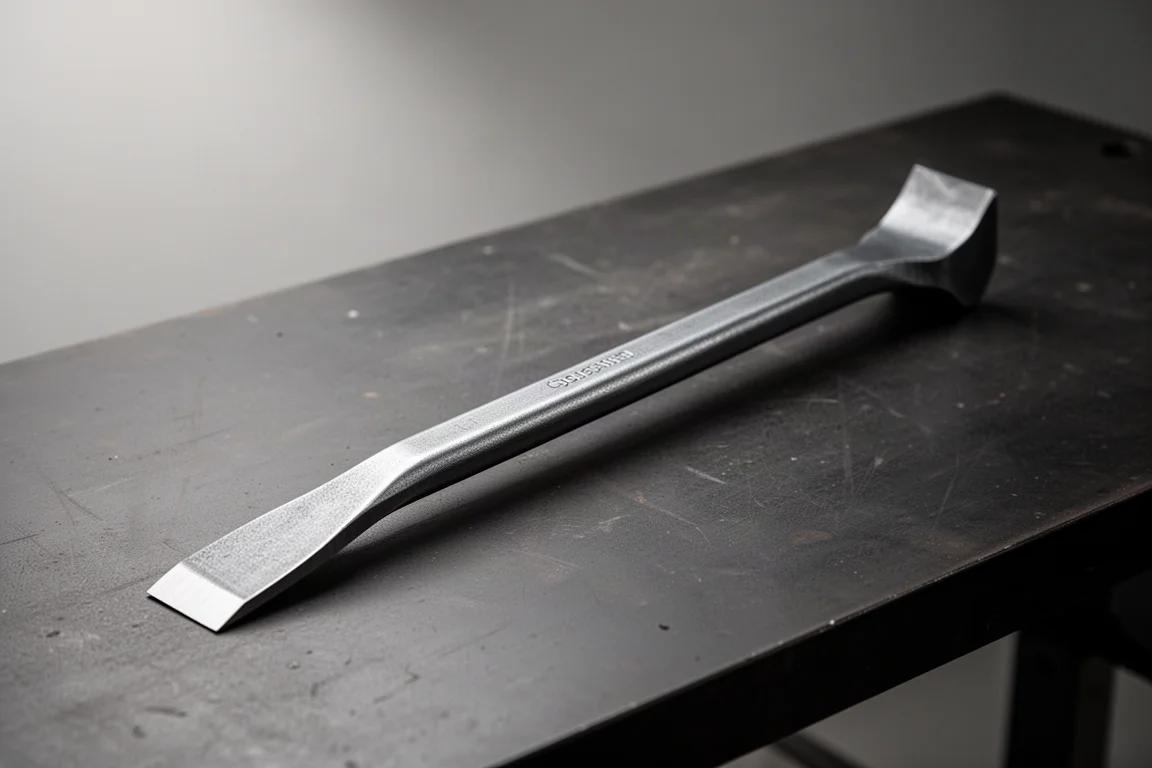
Tekton’s solid pry bars take a very different approach. These are much thicker tools, with a shaft diameter of 6.3 mm, and they are made in the USA. That extra stock gives you noticeably more strength when you need to lean into a job, at the cost of the fine, slender feel that makes a pocket bar so convenient.
The comparison is easy to visualize: the Tekton is about a millimeter and a half thicker than the Ulsa Tools Pro bars, which in turn are just slightly beefier than the slimmest pocket bars on the market. Choose the Tekton if your prying tasks lean heavier and you want a tool that can absorb abuse; choose the Ulsa if pocket carry and finesse matter more.
Buying Advice
If you do not own a pocket pry bar yet, the Ulsa Tools Pro set is an easy recommendation: three angle options in a 5-inch length cover most everyday prying, and the shaft depth suggests solid construction. If your work regularly demands real force, the thicker Tekton solid pry bars are the more appropriate tool, and their USA manufacturing is a plus for buyers who care about origin. If you already own a straight pocket bar, the 27- and 55-degree bends are the reason to add the Ulsa set.
Conclusion
The Ulsa Tools Pro pocket pry bars bring genuine design thought to a small category, from shaft depth to clip orientation, while Tekton’s solid pry bars serve the heavier end of the spectrum. Match the tool to how you actually work, and either one earns its place in the kit.
Further reading
Related Reviews
Hand Tools
Best Diagonal Cutters 2026: 16 Pliers Tested for Cutting Power and Durability
We put 16 diagonal cutters through nail, screw, drill bit, and hex key tests to find the best value picks for your toolbox.
Hand Tools
Best Hex L Key Sets 2026: Nine Sets Tested for Real-World Torque
Nine hex L key sets from budget to premium, tested for torque, fit, and durability. See which sets deliver real performance and which ones to skip.
Hand Tools
Best Locking Pliers 2026: Top Picks Tested for Grip and Durability
We tested 18 brands of 10-inch locking pliers for grip strength, jaw bite, build quality, and ease of release to find the best options for tough jobs.