Hand Tools
Best Pocket Pry Bars Compared: Six Takes on a Modern EDC Workhorse
From Mac Tools' original to Tekin's beefy round-stock build, six pocket pry bars with very different philosophies on size, grip, and prying angle.
Introduction
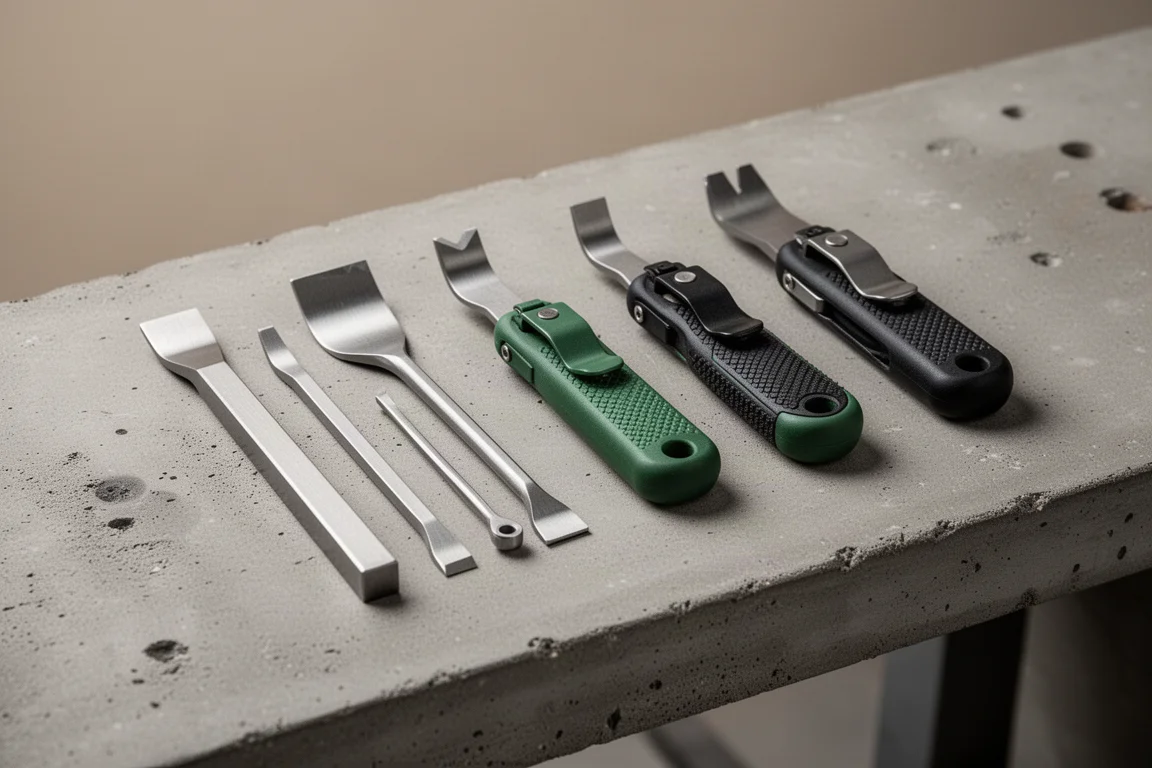
The pocket pry bar has quietly become one of the most useful small tools a technician can carry. It started as a natural evolution of the bent-tip pocket screwdriver that everyone already used for light prying, and it has grown into a genuine product category with its own design debates. In this comparison we look at six takes on the format, from the original that started it all to heavy striking versions and extreme-angle picks.
How the Pocket Pry Bar Took Off
The idea is simple: instead of relying on a bent tip on a regular pocket screwdriver, why not use dedicated square stock and machine an actual pry head into it? That is essentially what happened when the category took off, and since then nearly every major tool brand has added its own version. These tools were designed to fit in your pocket and leverage the screwdriver form factor that already existed, which is exactly why they spread so quickly.
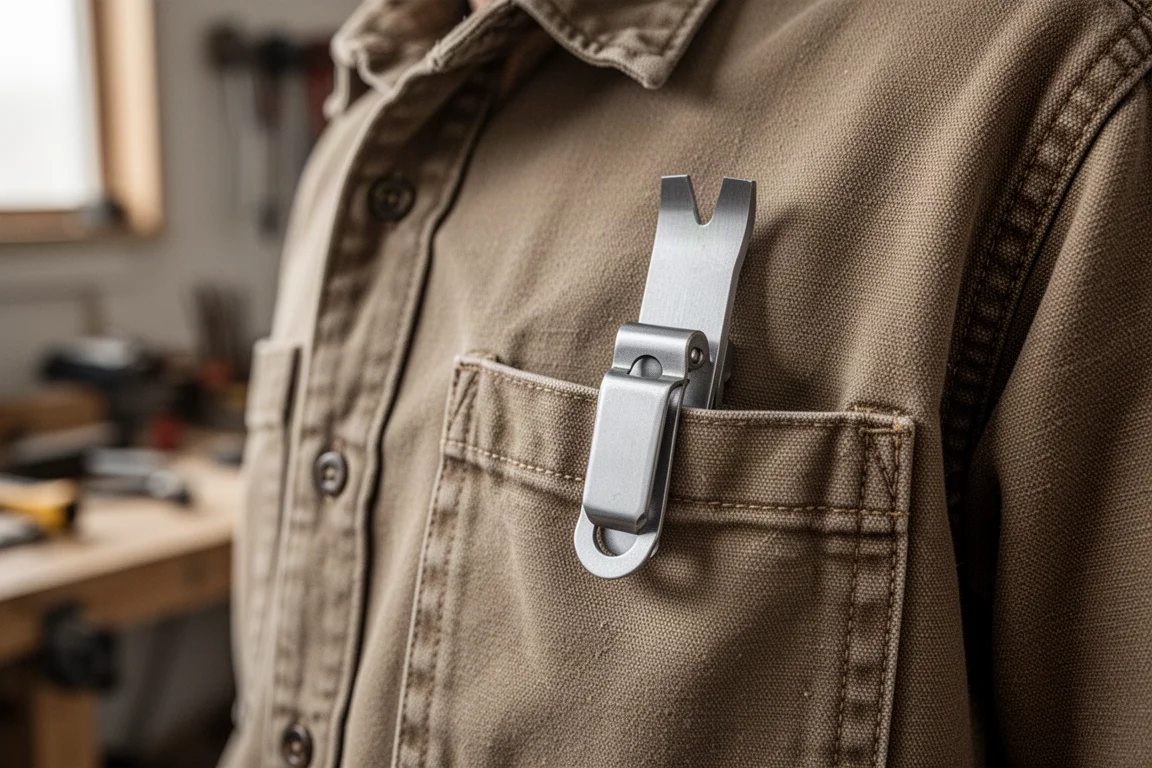
One of the few controversies that flared up around these tools, the debate over whether the tip should align with or sit perpendicular to the pocket clip, has largely faded. Many users no longer carry them in a shirt pocket anyway, or the clips simply break off in use. What matters more today is handle shape, shaft material, tip geometry, and how much leverage you actually need.
Mac Tools PN2CG
The Mac Tools PN2CG is widely credited as the tool that started the category. It took the bent-tip pocket screwdriver concept to the next level with square stock and a properly machined pry head instead of just a bent screwdriver tip. The G in the part number stands for the green handle, although the color reads more as a limey avocado than true green.
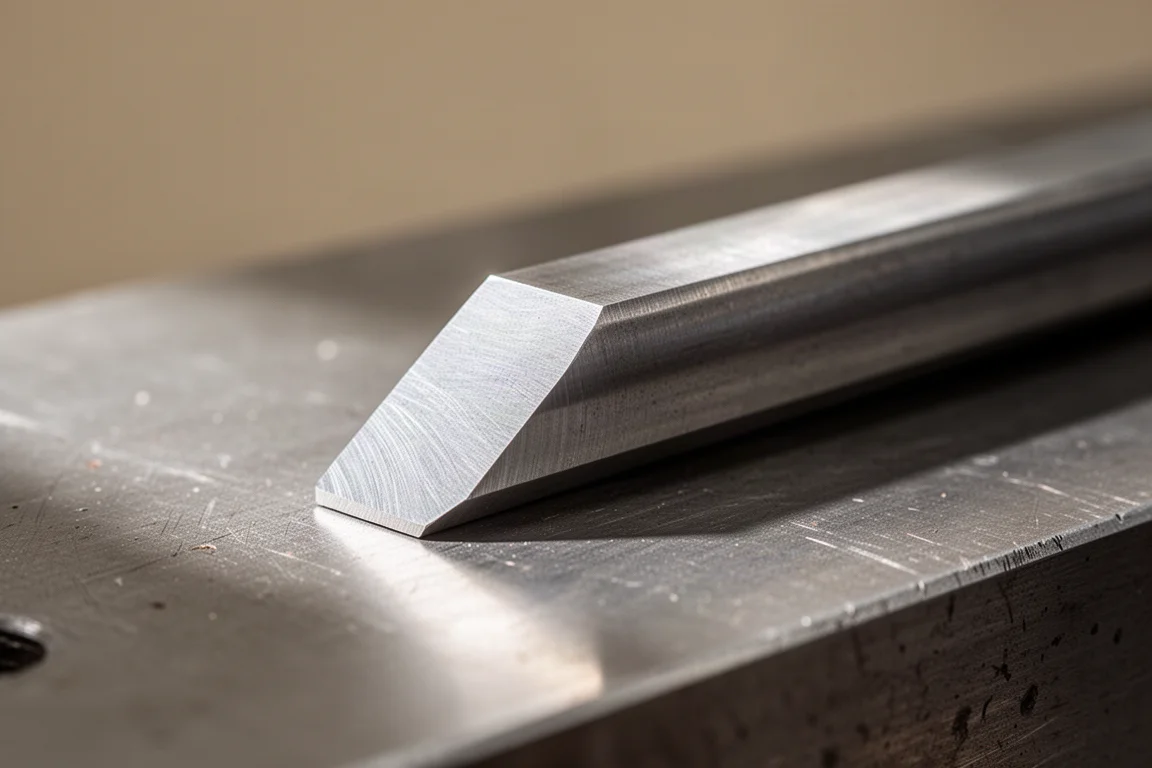
It remains a good solid size for everyday carry, and for many people it carries a fair bit of nostalgia on top of its practicality. It is the benchmark the rest of this list is measured against.
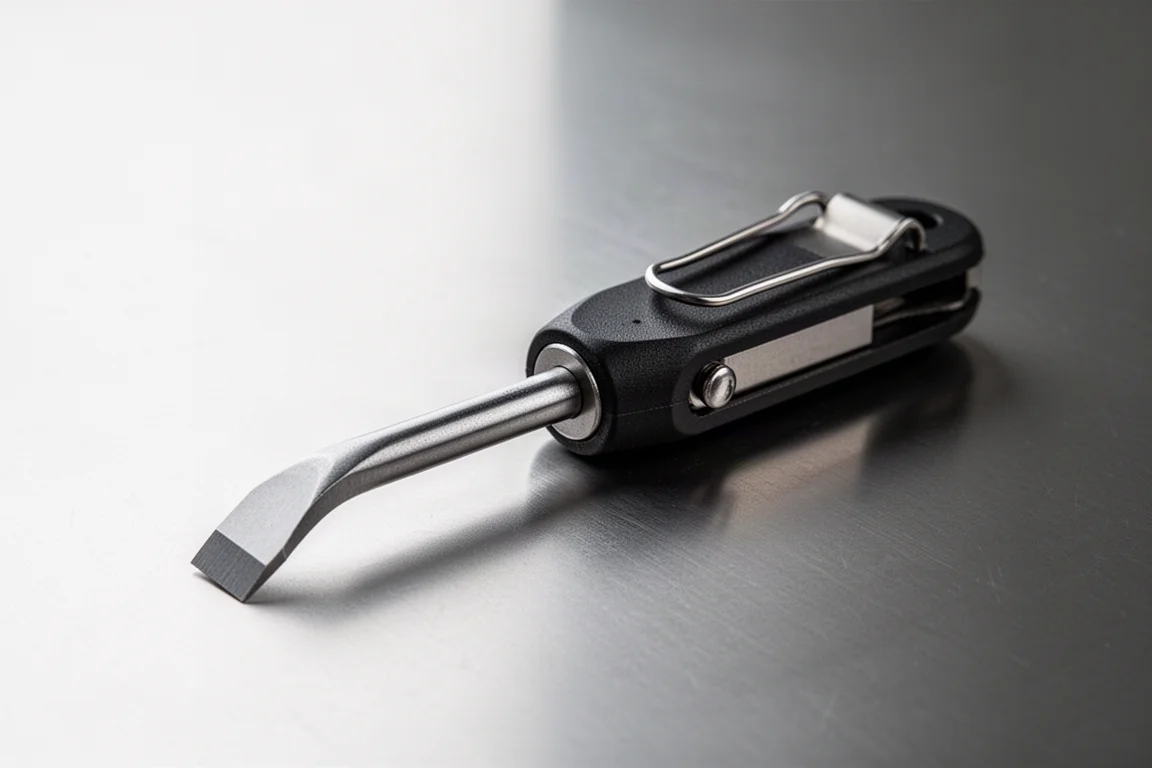
Snap-On Pocket Pry Bar
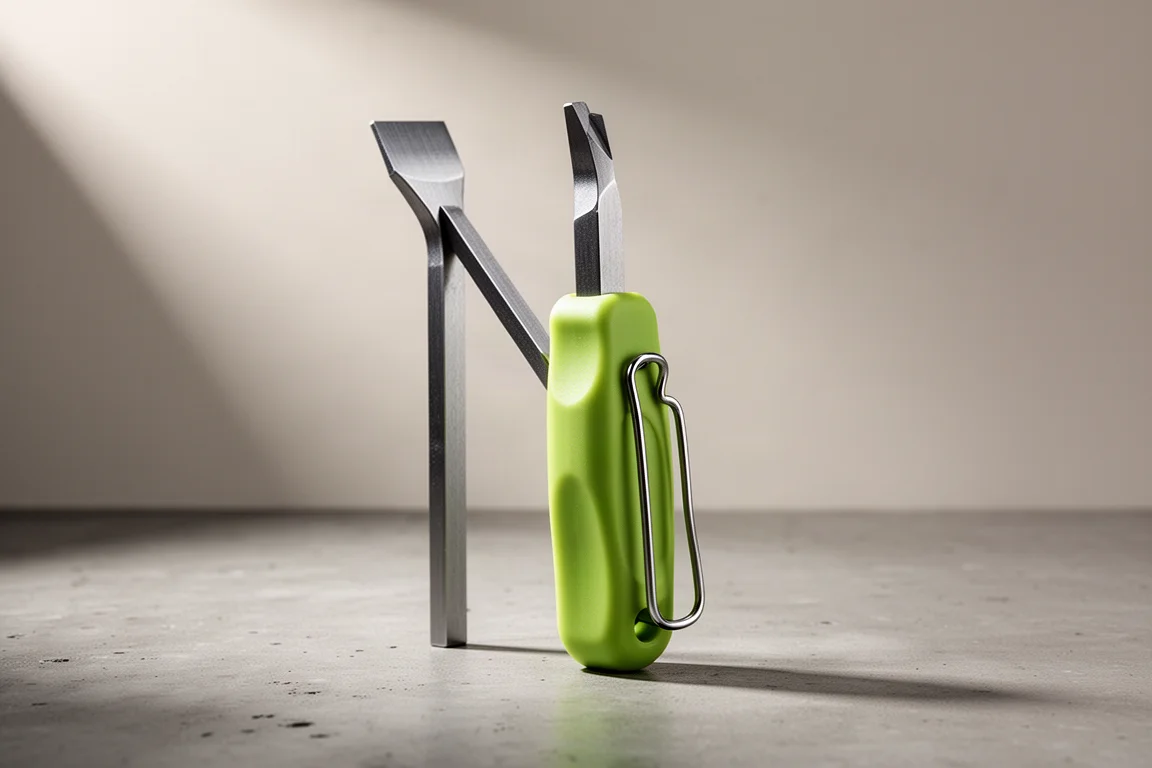
Snap-On eventually released its own version, available in both a straight and a bent-tip variant. The company used round stock, and the result looks a lot like a screwdriver head that has been bent: symmetrical, familiar, and very close in form factor and size to the brand’s traditional slotted screwdrivers.
There is a small bow in the traditional screwdriver area of the tip, with thicker material behind it, but the working end is essentially just a wedge. On a screw head that likely makes little difference, and the pry tip is a touch finer than some rivals. If you already carry a Snap-On slotted screwdriver, this will feel right at home.
Lyall Pocket Pry Bar
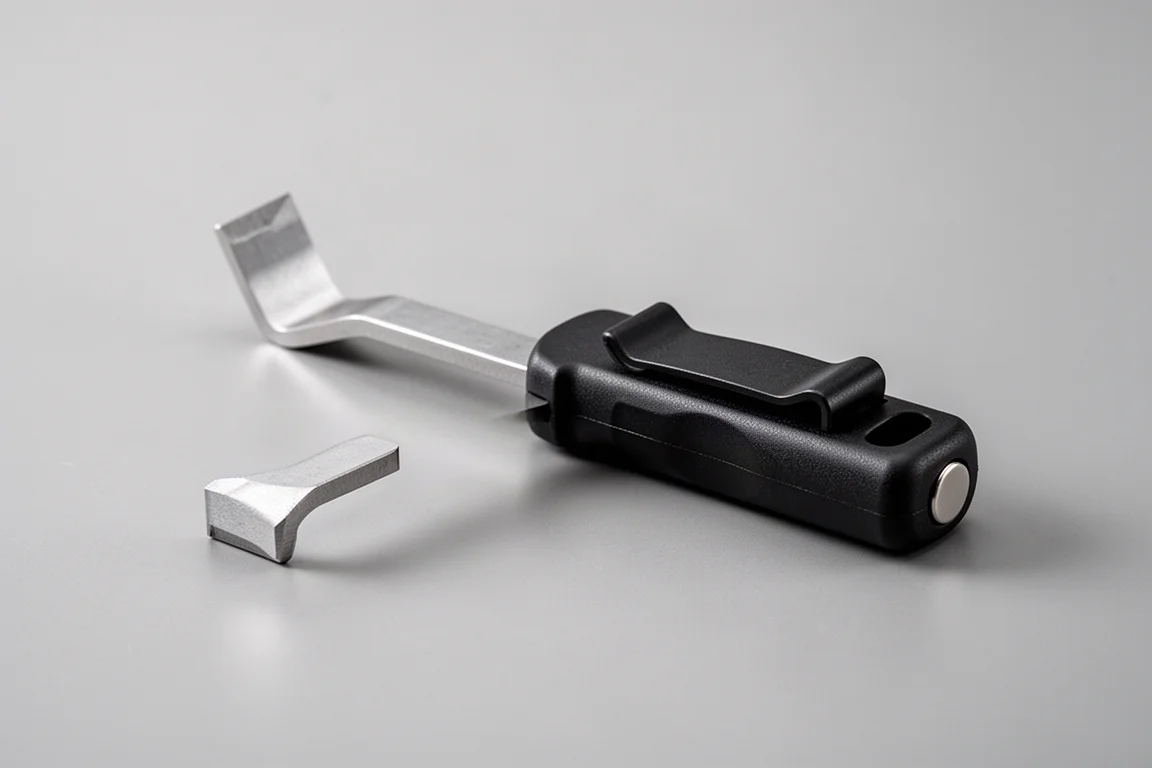
Lyall’s first entry was very similar to the Mac original, and both tools are made in Taiwan. Lyall added a small magnet on the end of theirs, which is a genuinely practical touch for holding onto small fasteners or clips.
The handles on the Lyall feel a little small and a little harsh, with hard plastic that does not offer much cushioning. Still, the tool itself is a faithful, functional take on the original formula with the magnet as its distinguishing feature.
Lyall Striking Pocket Pry Bar
Lyall’s second design is where things get serious. The striking pocket pry bar moves up to much thicker bar stock, approaching the actual size of the smallest eight-inch bar in a full-size professional pry bar set. The key addition is a striking cap, which lets you hammer the tool and take prying tasks to the next level, and the head is machined much more like a true pry bar.
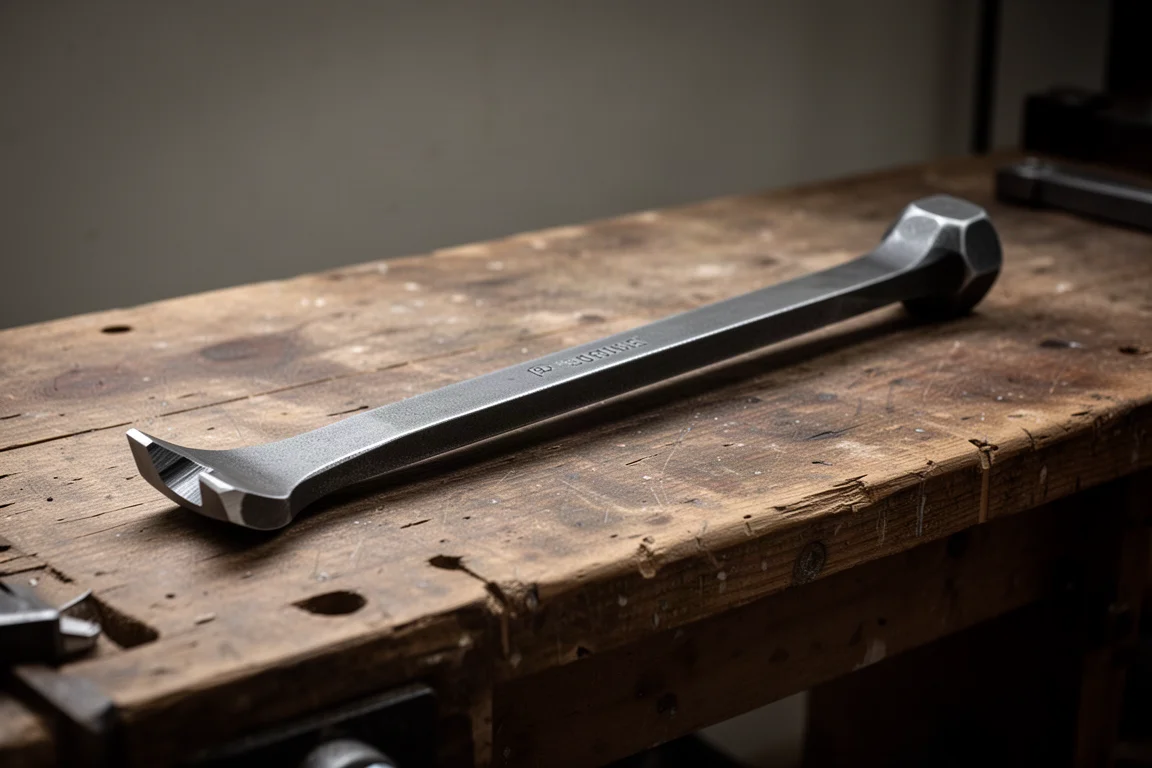
This is the pick for anyone who loves the portability of a pocket tool but keeps running into jobs that need real force behind the tip.
Mayhew Pocket Pry Bar
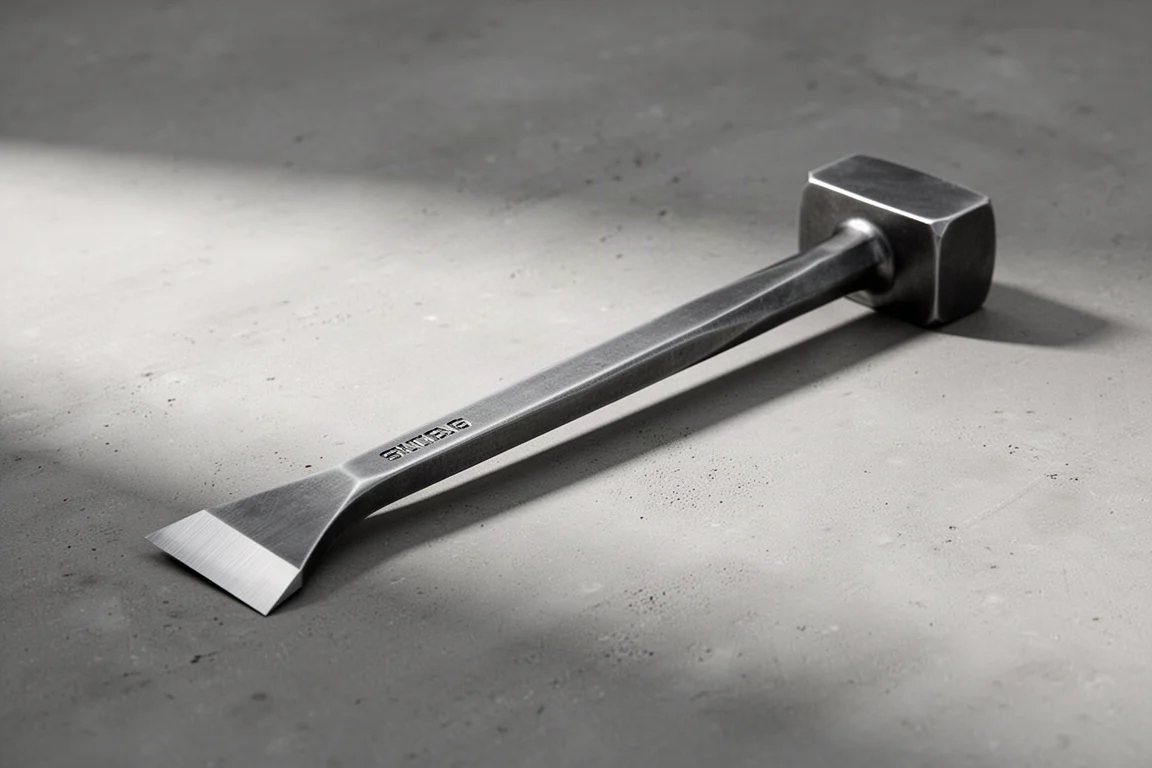
Mayhew, a USA-made option, took the max-size concept with slightly bigger stock and stretched it way out, adding a much healthier and heartier bend. The resulting angle is pretty extreme, and it opens up different kinds of prying than you might be used to.
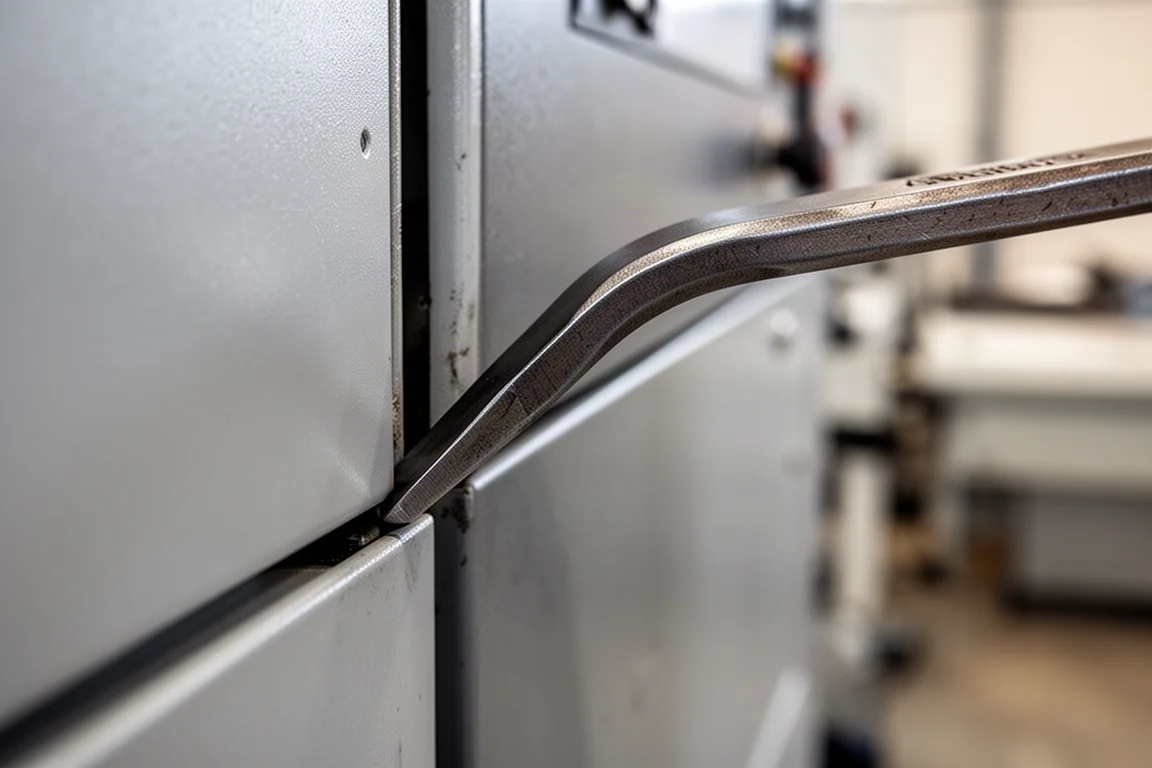
Honestly, this one is closer to a pick than a pry bar. You pry with a prying pick, and it works well for digging into spots a straight bar cannot reach. If Mayhew ever released a striking version of this prying pick, it would likely sell fast.
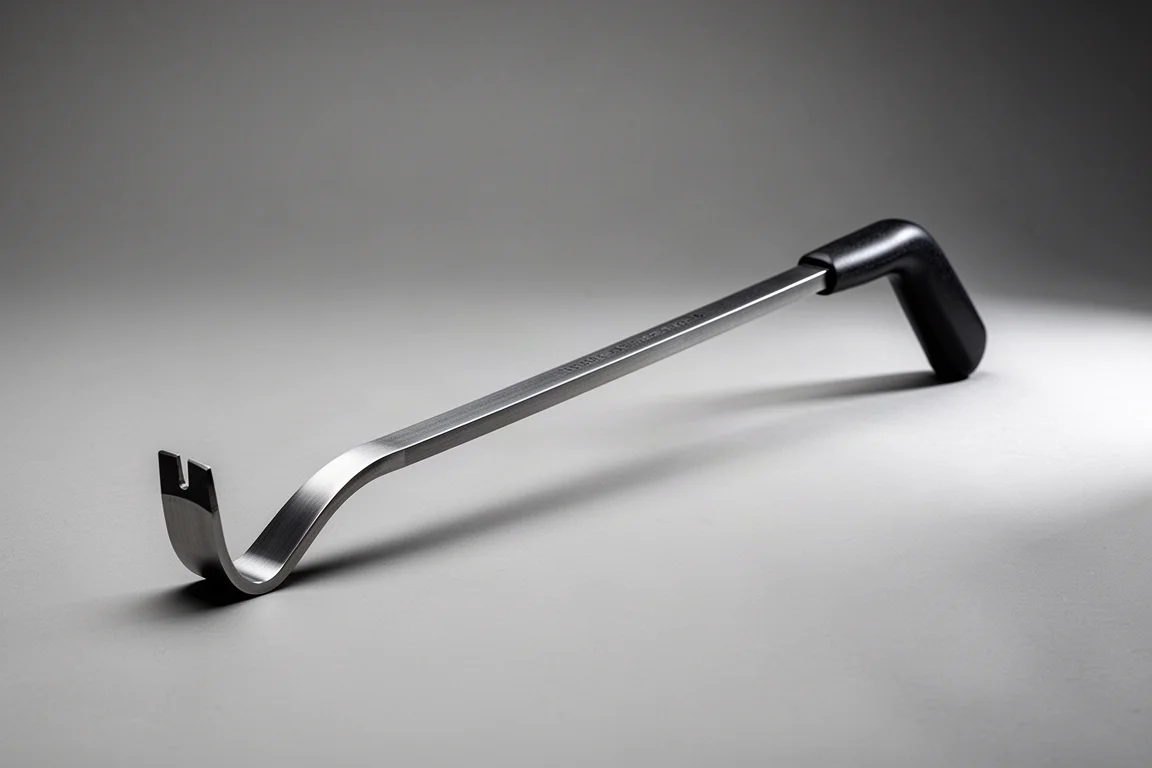
Tekin Pocket Pry Bar
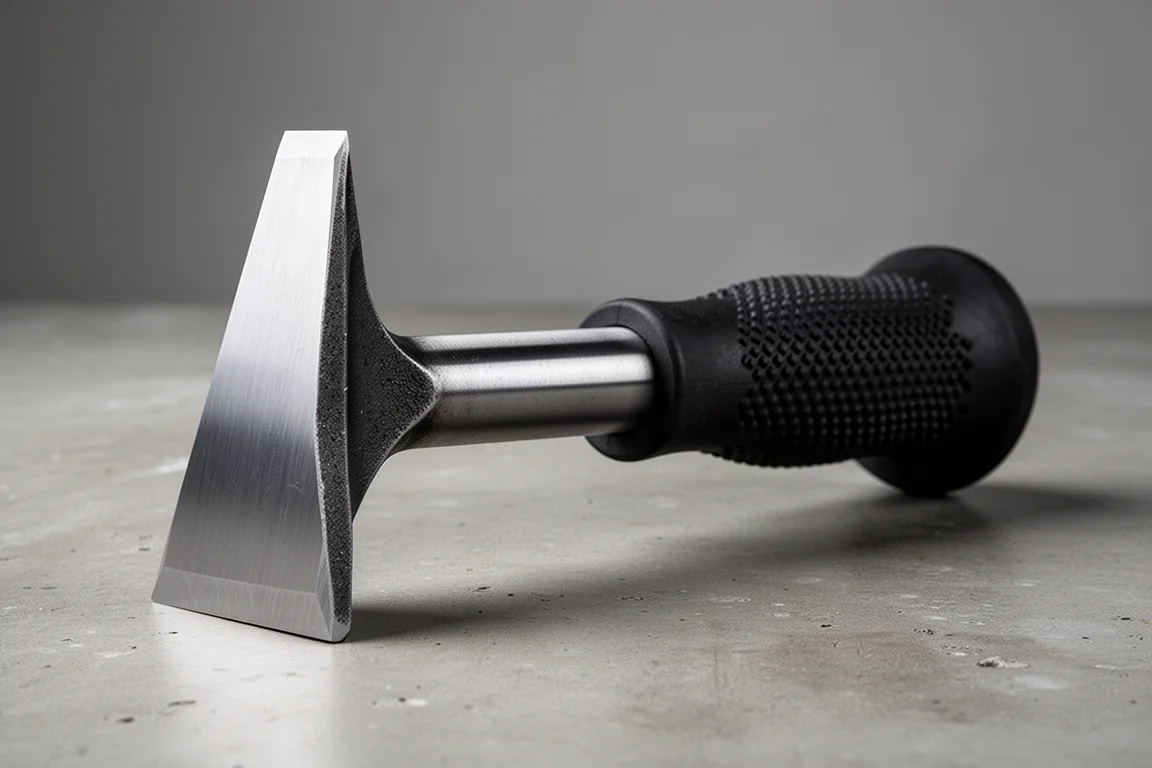
Tekin, another USA-made option, went with heavy round stock, effectively taking the square-stock idea of the Lyall, making it round, and machining the head. One side is flattened to make it more of a true pry bar, with a fairly steep rise, so it would split wood well but would not necessarily slide very far under something.
The handle is really beefy and hard, and there is something about the texturing that makes it work despite the firm material. The downside is real estate: Tekin’s handles are by far the biggest in this group, and they are not much smaller than full-size picks. There are a couple of angle variations available, but no color options.
Buying Advice: What to Consider Before Choosing
A few practical factors separate these tools once you look past the brand logos:
- Handle shape matters more than you think. Round handles do not work well for prying, because you are often pushing at an angle and your grip can slip. A lesson borrowed from a specialized electronics tool: anything smooth on all sides lets your hand slide around. Square stock needs to be indexed so everything lines up, but once it is, there are usually no problems.
- Grip texture varies a lot. The Lyall handles feel a little small and harsh in hard plastic, and the Tekin handles are firm too, though the texturing compensates. The Mayhew is probably the slipperiest of the group, to the point that a coating might help.
- Size versus leverage. Bigger stock means more force, but the striking and max-size versions give up some of the pocketability that makes these tools appealing in the first place.
- Clips are a weak point. The pocket clips are essentially straight out of cheap ballpoint pens, and some users simply pull them off. The Snap-On clips in particular drew criticism.
There is still room to innovate in this space. These tools are now everywhere and taken seriously as professional equipment, so there is nothing stopping brands from investing more in the design. Ideas like a combined screwdriver-pry bar with a prying end instead of a Phillips, or a true striking prying pick, are obvious next steps. For now, though, the six tools above represent the best of what is available.
Conclusion
If you want the original and a good all-round size, the Mac Tools PN2CG is the classic choice. The Snap-On suits anyone who wants a familiar screwdriver-like feel, while the Lyall adds a magnet and its striking version adds hammer-capable muscle. The Mayhew is the pick-like outlier for extreme angles, and the Tekin is the heavy-duty option, at the cost of a much larger handle. Matching the tool to the kind of prying you actually do is the best way to pick your favorite.
Further reading
Related Reviews
Hand Tools
Best Diagonal Cutters 2026: 16 Pliers Tested for Cutting Power and Durability
We put 16 diagonal cutters through nail, screw, drill bit, and hex key tests to find the best value picks for your toolbox.
Hand Tools
Best Hex L Key Sets 2026: Nine Sets Tested for Real-World Torque
Nine hex L key sets from budget to premium, tested for torque, fit, and durability. See which sets deliver real performance and which ones to skip.
Hand Tools
Best Locking Pliers 2026: Top Picks Tested for Grip and Durability
We tested 18 brands of 10-inch locking pliers for grip strength, jaw bite, build quality, and ease of release to find the best options for tough jobs.