Pocket Knives
Best Pocket Knives Put to the Test: From a $6 Folder to a $373 Boker
Nineteen folding knives face identical sharpness, edge retention, lock, and blade tip tests. The results show where budget knives shine and where premium steel earns its price.
Introduction
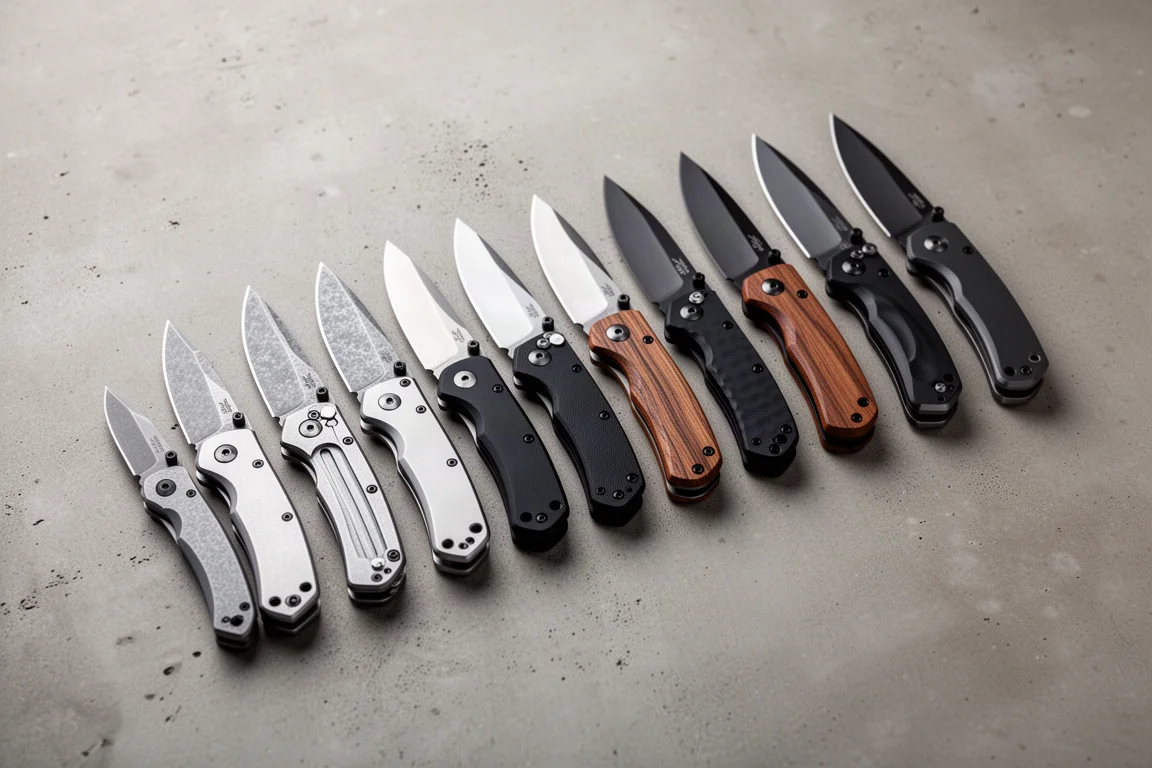
There is something satisfying about a cheap product that punches above its price. To find out how far that goes in the world of folding knives, nineteen pocket knives were put through identical tests, ranging from a $6 budget folder to a $373 German-made Boker. The question is simple: is the $6 knife actually usable, and how much more do you get for $265 or more?
How the Tests Worked
Every knife went through the same battery of tests. Factory sharpness was measured with a certified sharpness tester, where lower numbers mean a sharper edge: a double-edged razor blade scores between 50 and 75, a utility knife blade between 150 and 200, and a butter knife sits around a very dull 2,000. Edge retention was tested with 15 back-and-forth passes under load on very hard orange wood, then again with 50 passes across a bamboo cutting board after re-sharpening. Lock release force, one-handed opening smoothness, blade pivot slop, and blade tip durability from drop tests onto mild steel rounded out the picture.
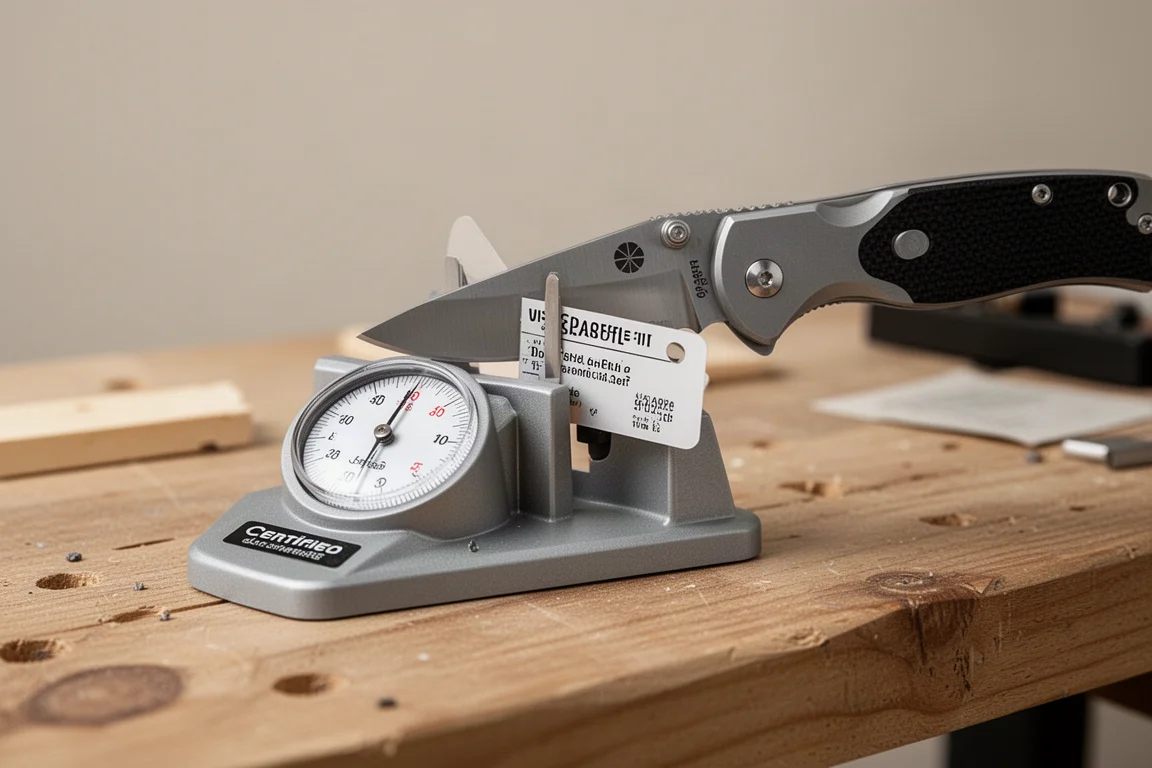
Blade tip durability proved especially revealing, because soft steel shows damage quickly while premium steels like 20CV and hard German steel shrug off the impact. Lock strength was also verified, with all knives holding firm under 25 pounds of downward force.
Ozley Pocket Knife
At just $6, the Ozley is the least expensive knife in the lineup. It claims a high-quality stainless steel blade, has an aluminum handle, a liner lock, and weighs just over 129g. Out of the box it scored an impressive 190 for sharpness, though it dulled to 300 after the hardwood test. The blade tip survived a direct hit with only small damage, but the pivot is visibly loose at 10.45mm of side-to-side movement, which is about what you would expect at this price.
Albatross Pocket Knife
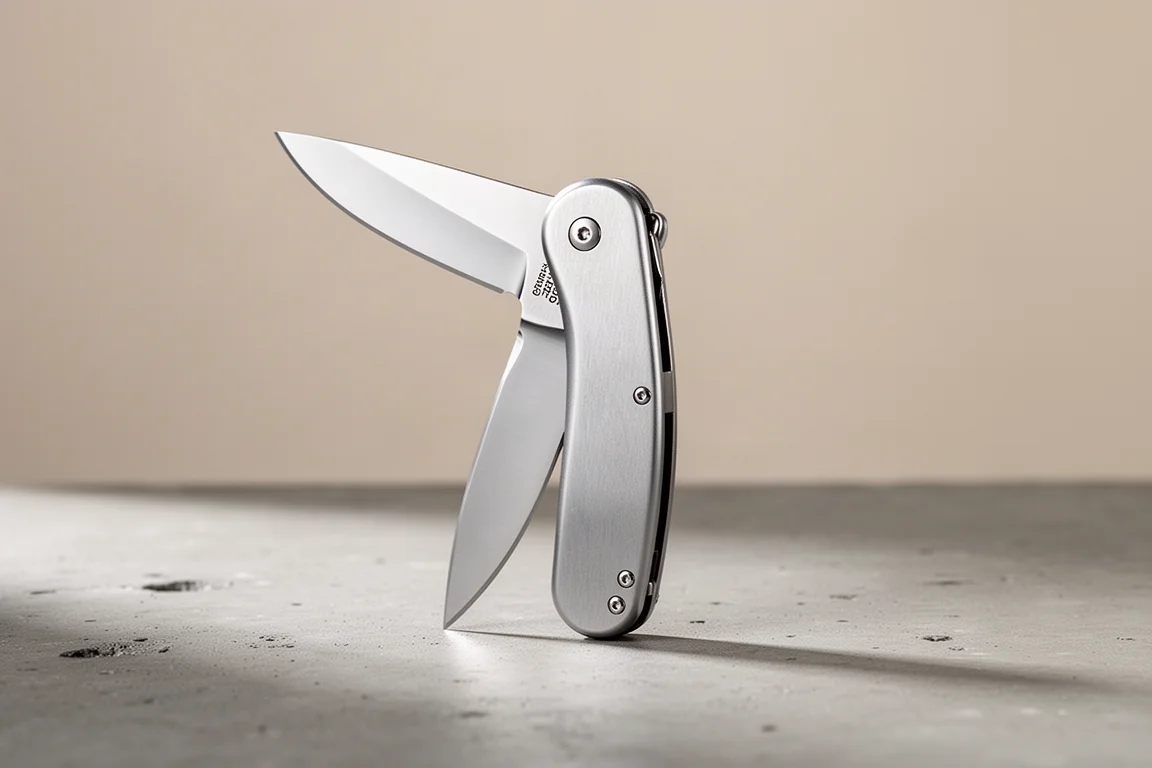
For $10, the Albatross offers a spring-assisted 440 stainless steel blade with a flipper, liner lock, and a weight of 105.63g. Its factory edge scored 205, it opened with 97g of force, and it released the lock at a very light 1.37 lb. The trade-offs are significant slop at 10.9mm and moderate tip damage after the drop test.
GW Pocket Knife
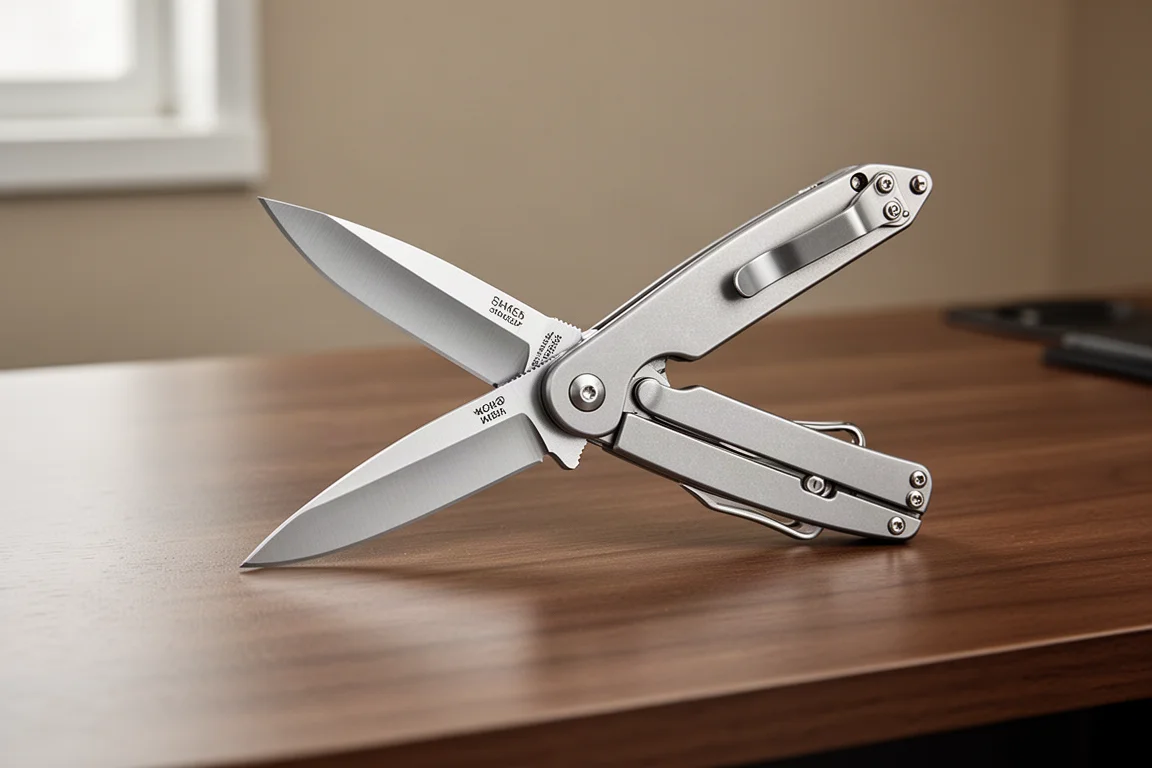
The GW brand, also $10, claims to be compact, versatile, and ready for anything. It uses 440C stainless steel in a serrated blade with a liner lock and aluminum ergonomic handle, weighing 117.76g. Factory sharpness was strong at 215, but it dulled fastest in the hardwood test at 315, the blade tip took substantial damage, and the lock needs close to 2 lb of force to release.
Mossy Oak Pocket Knife
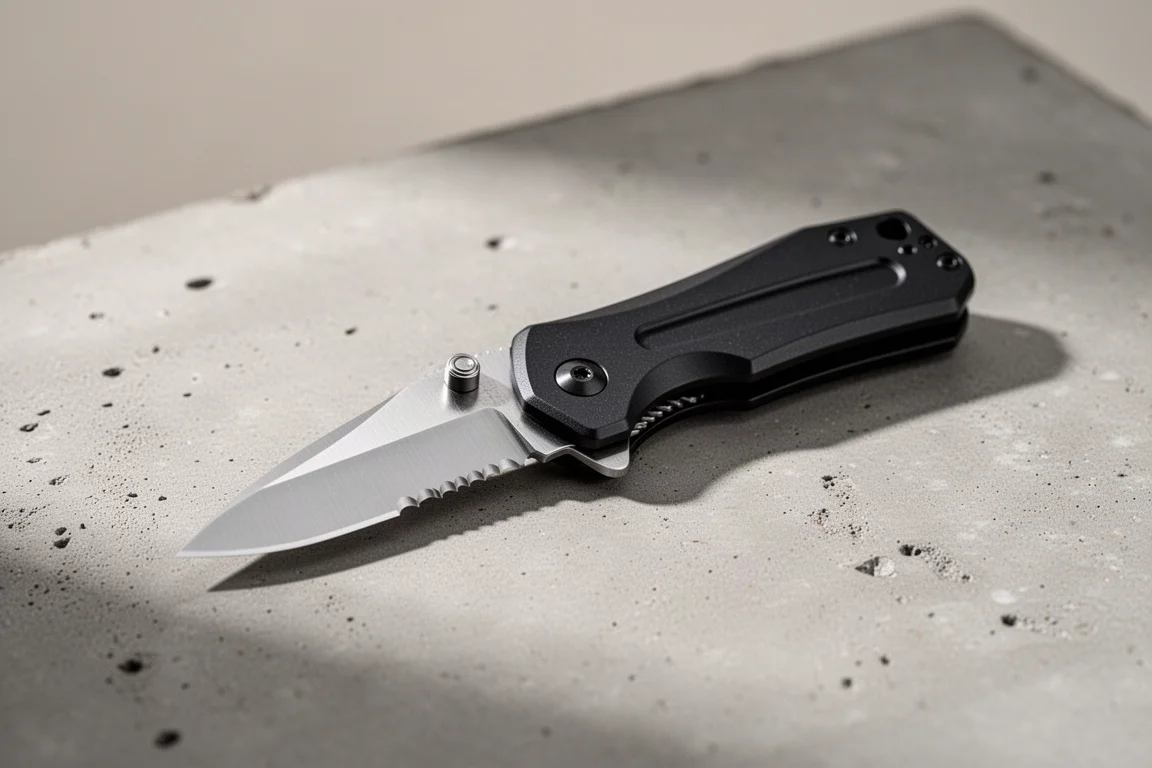
The Mossy Oak has a G10 handle, a thumb-stud opening, and a weight of 118.96g. It arrived very sharp at 165 but dulled to 350 on the hardwood, the worst result in that test, which suggests fairly soft metal. The lock releases at 4 lb, it opened reasonably smoothly at 44g, and pivot stability was solid at 6.63mm.
Steinbrook Pocket Knife
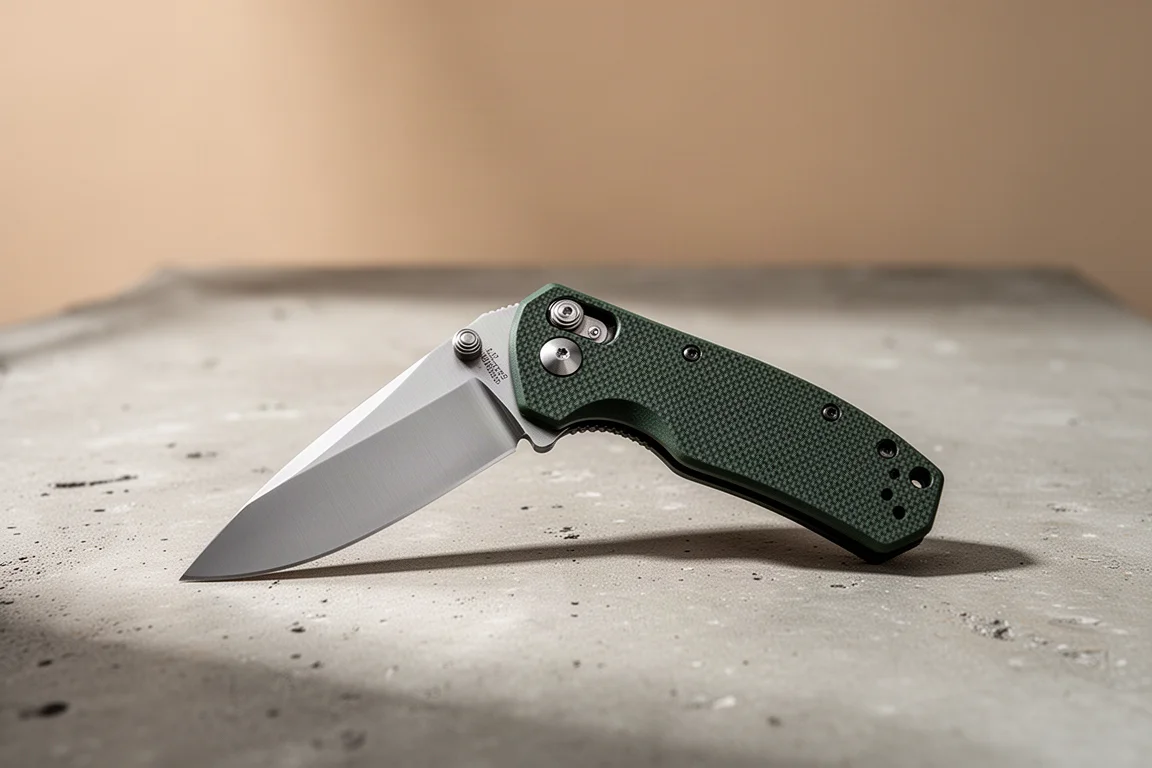
The Steinbrook is the lock-release champion of the entire test, requiring only 0.85 lb of force to disengage, and it opened with a very light 28g of force. It started sharp at 170 and held the sharpest edge through the hardwood test at 240. Its main weakness is blade stability, with just over 10mm of side-to-side movement.
Crescent Pocket Knife
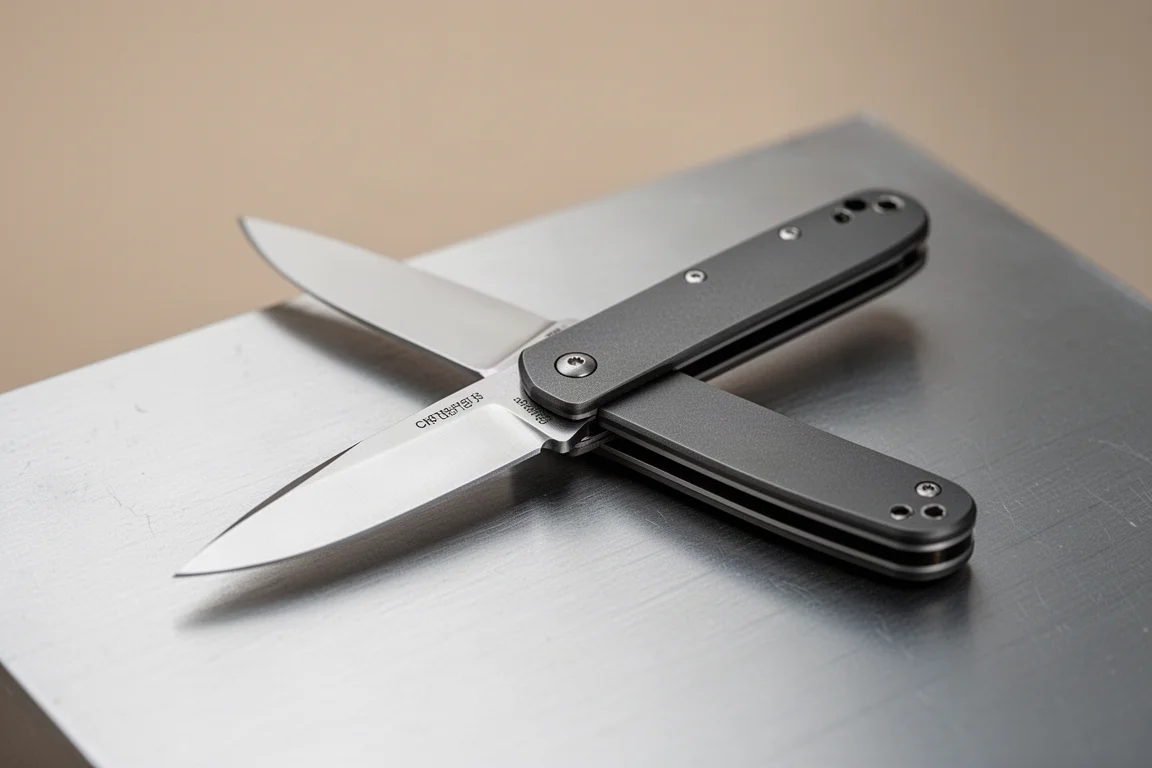
For $16, the Crescent brings a 3.5-inch harpoon blade of premium stainless steel, an easy-action flipper tab, and a liner lock. It is one of the heaviest knives tested. Factory sharpness was the weakest early showing at 235, but after re-sharpening it lost only 20 points across the bamboo board, the best edge retention of that round. Tip damage was slightly above average.
Old Timer Pocket Knife
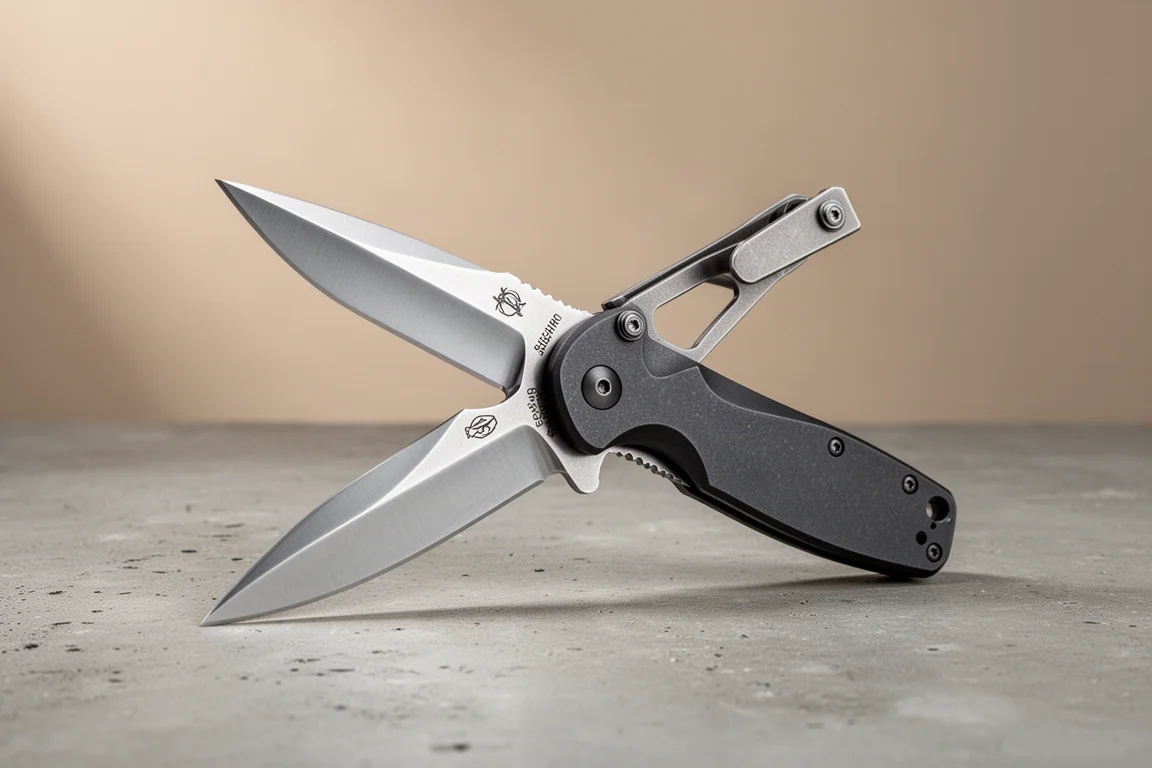
The Old Timer is a classic-feeling folder with a 2.9-inch drop point blade in high carbon stainless steel, a wood handle, a back lock, and a light 87.8g weight. It scored 195 new but lost 100 points on hardwood, and its back lock requires the most force in the test to release at 7.345 lb. The blade tip is on the soft side and took noticeable damage.
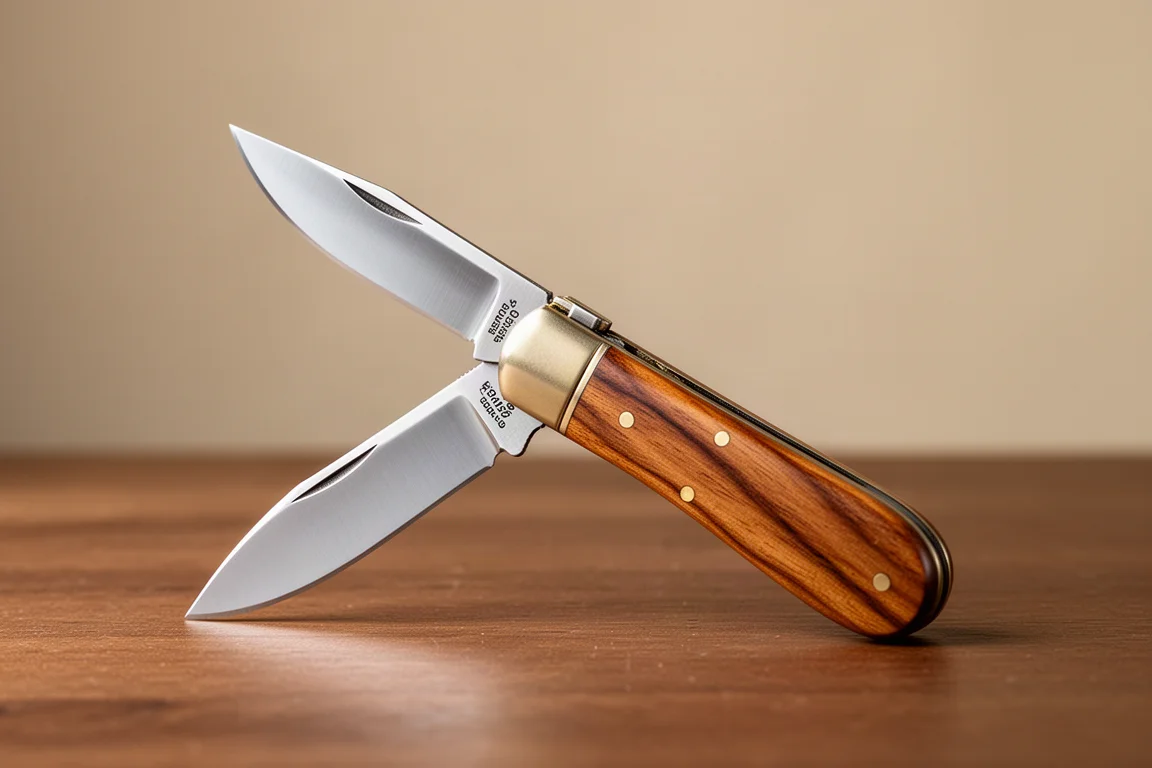
Smith & Wesson Pocket Knife
Also $20, the Smith & Wesson has a 2.8-inch high carbon stainless steel blade, a frame lock, two included thumb knobs, and a weight of 99.37g. Its 185 factory edge dulled heavily to 290 on hardwood, and the blade tip bent badly in the drop test. Pivot stability was better than average at 7.77mm.
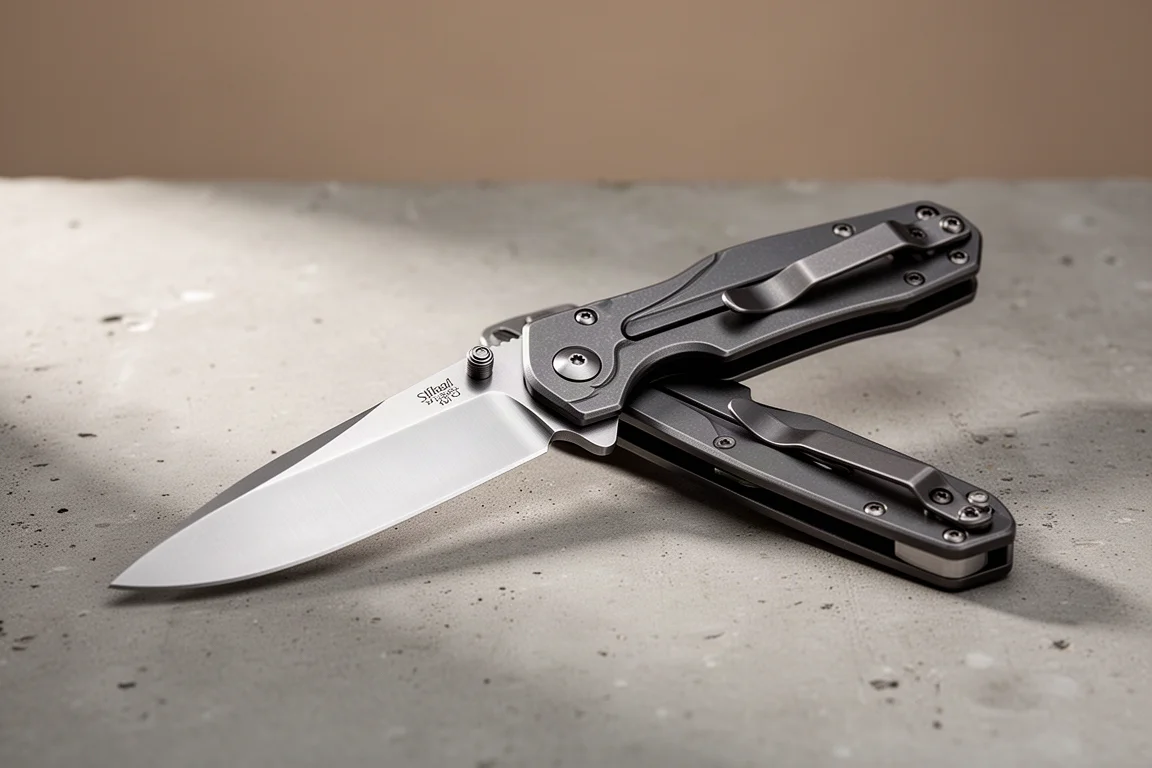
CRKT Pocket Knife
The CRKT started at a solid 205 sharpness but dropped to 320 after the hardwood passes, and its blade tip took quite a bit of damage, pointing to softer steel. The lock releases at just over 3 lb, opening force is about 98g, and pivot stability of 6.7mm ranks in the upper half of the field.
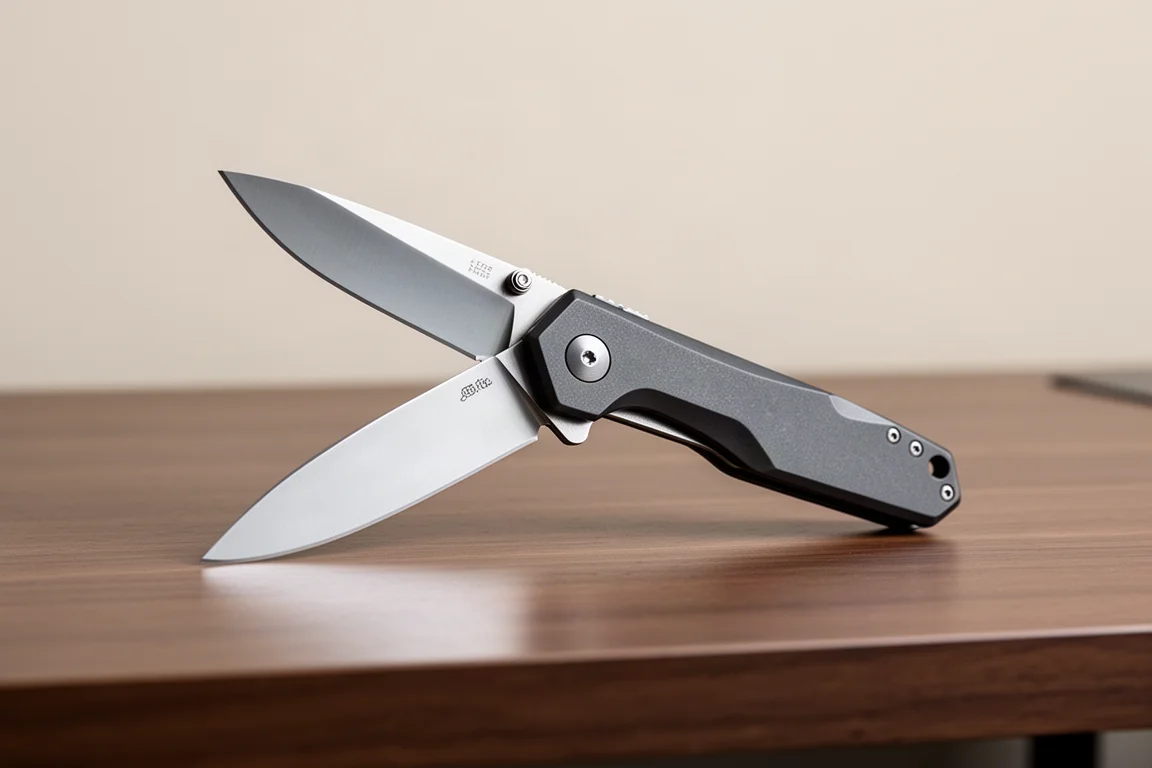
Buck Pocket Knife
At $30, Buck claims its stainless steel blade delivers excellent strength and edge retention. It has a frame lock, a removable pocket clip, and weighs 132.5g. It was reasonably sharp at 175 and held the sharpest edge after the hardwood round at 240, but it struggled to hold an edge across the bamboo board, finishing at 180. Tip damage was noticeable.
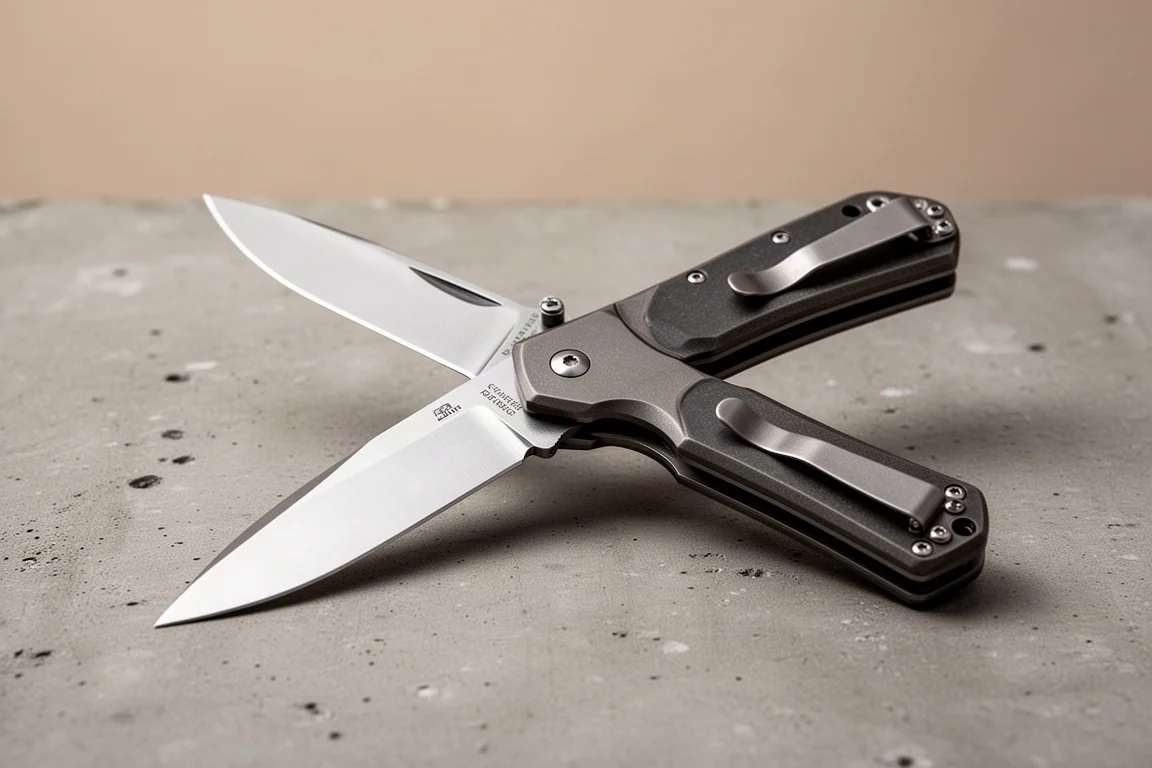
Civivi Pocket Knife
The Civivi is an Amazon number-one bestseller, and the numbers explain why. Its black stonewashed D2 steel blade on a ceramic ball bearing pivot flips open snappily with only 11g of force, the G10 handle feels smooth, and the whole knife weighs just under 79g. It was the sharpest knife out of the box at 130, released its liner lock at an easy 1.79 lb, and had the best pivot stability among the affordable knives at 4.36mm. Tip damage was minimal. For the money, it is the standout.
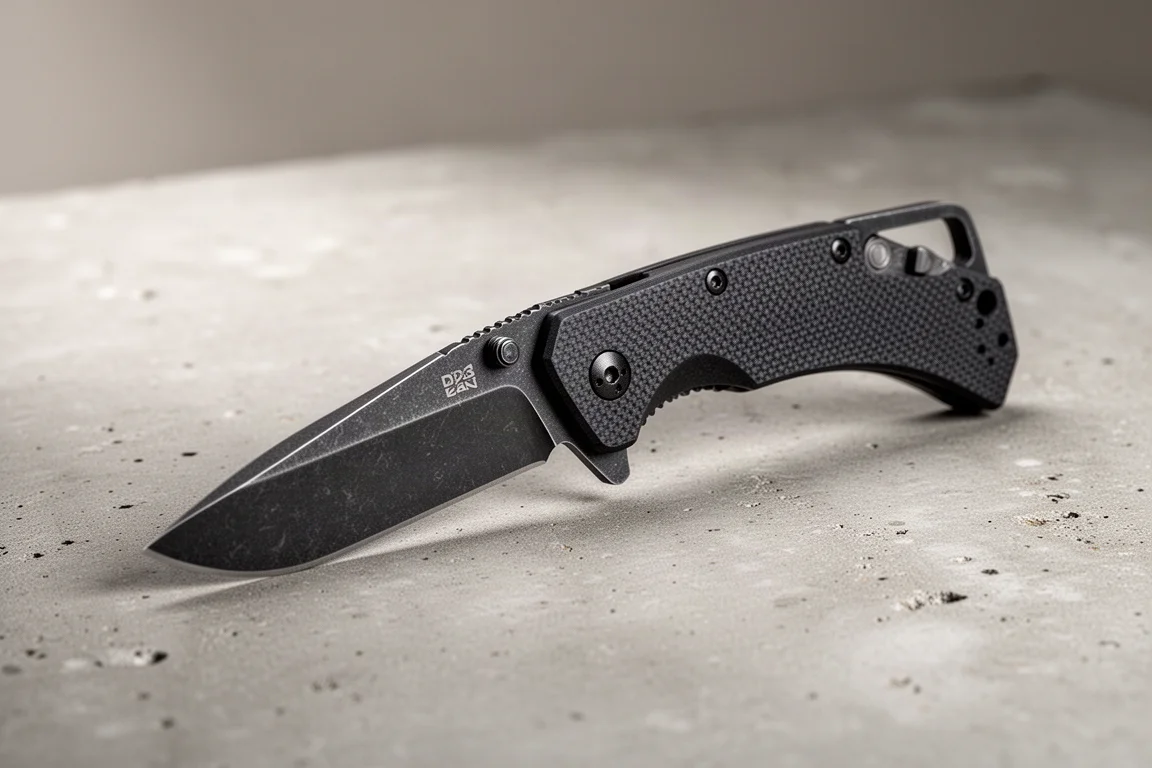
Kershaw Pocket Knife
The Kershaw’s blade is coated with carbon and black oxide to hold a sharp edge and sharpen easily, and the bright orange handle makes it easy to find in an emergency. It includes a window breaker, has a liner lock, and weighs 121.6g. It was one of the sharpest in the lineup at 160, held its edge well at 235 after hardwood, released at 1.62 lb, and its blade tip proved very durable. Pivot slop of 10.7mm is its weak spot.
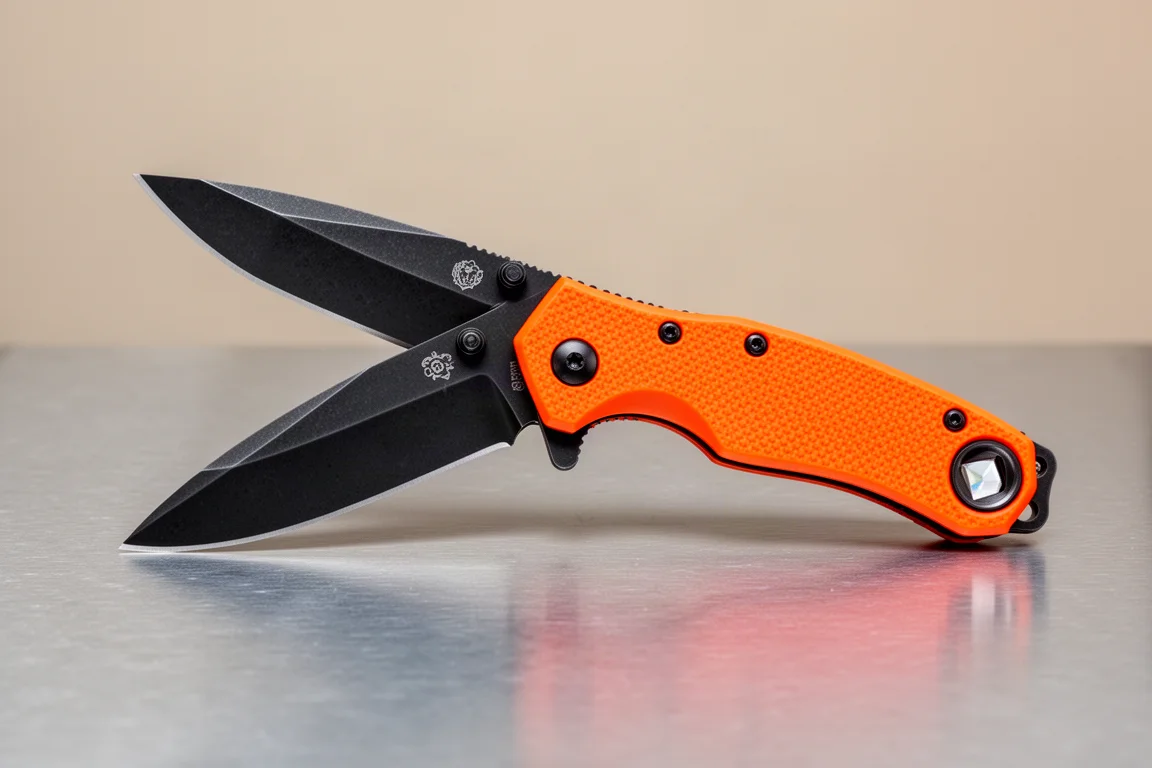
CJRB Pocket Knife
For $36, the CJRB packs an AR-RPM9 blade, a stainless steel handle, a button lock, and dual thumb studs, weighing 112.71g. It scored 185 new, opened very smoothly at 18g, and offered good blade stability at 5.8mm. Edge retention was inconsistent though: it lost 110 points on hardwood and struggled badly across the bamboo board, and the tip took a small bend.
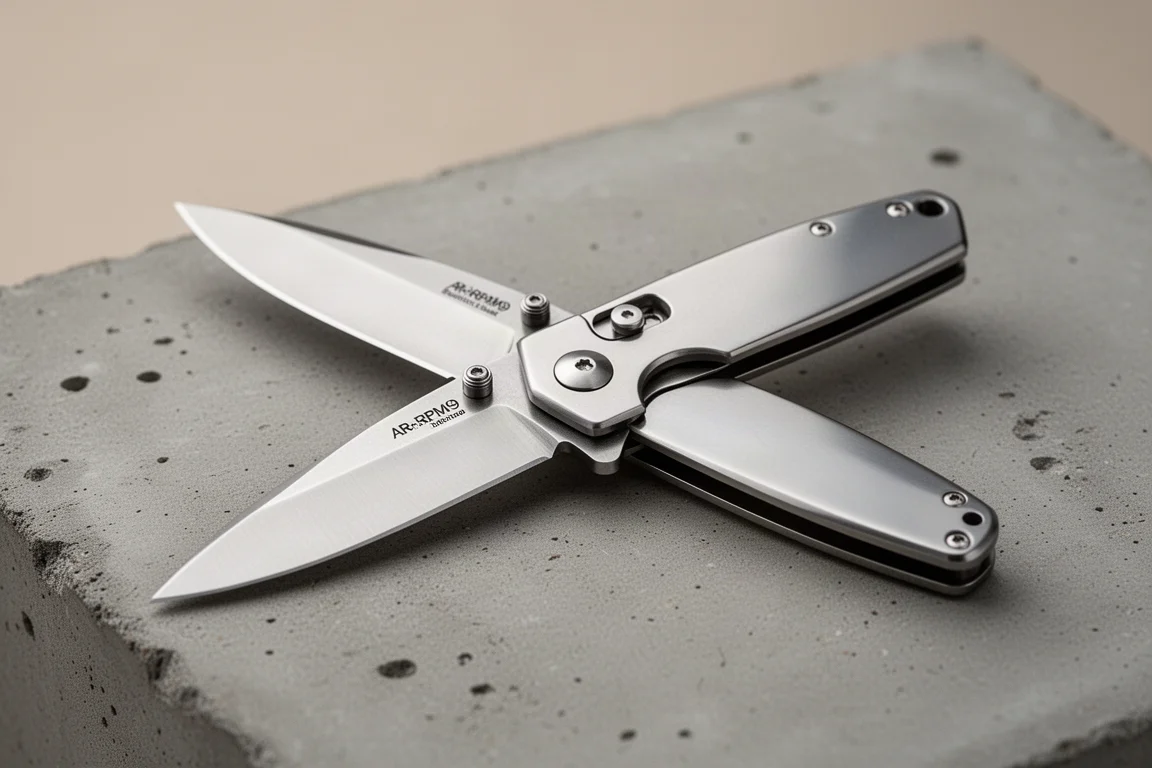
Gerber Pocket Knife
The Gerber is the heaviest knife tested at 197.64g, with a 5Cr stainless steel blade. It arrived with the dullest factory edge in the lineup, but it sharpened to an excellent 100 and then held that edge superbly, finishing at 150 on bamboo. Its blade tip survived the drop looking as good as new. Opening takes the most force in the test at 187g, and the lock needs 3.97 lb to release.
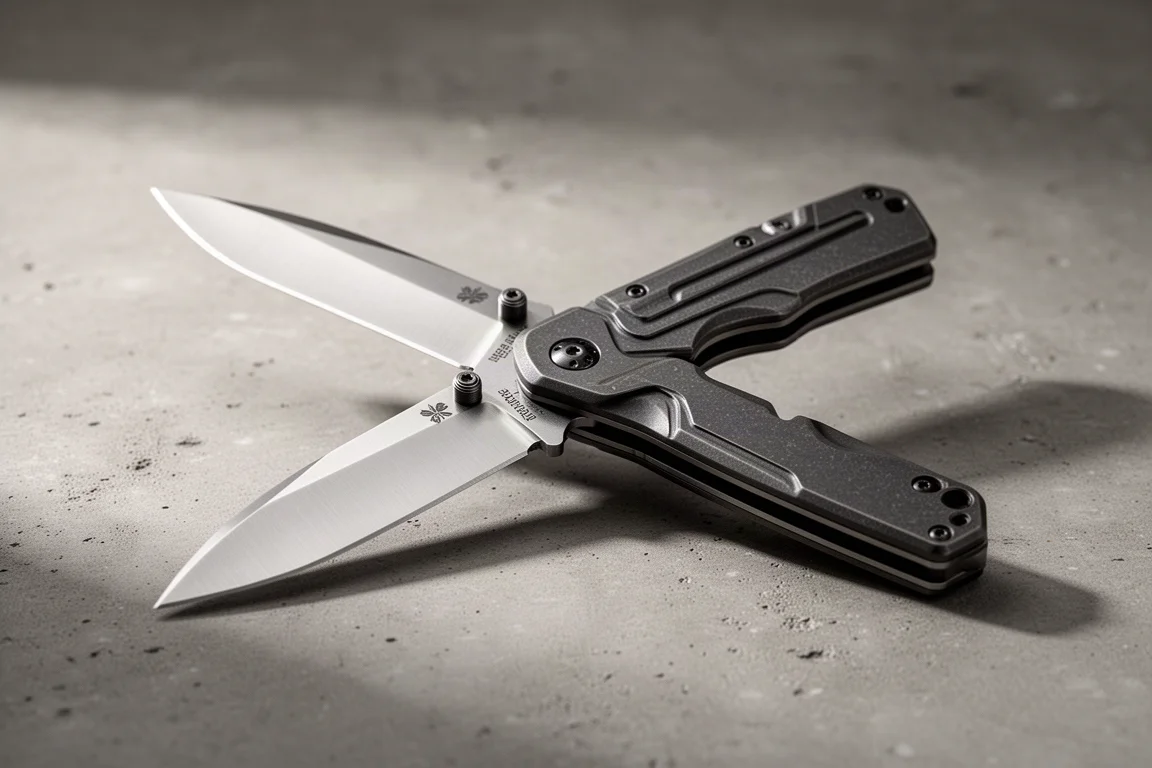
Kizer Pocket Knife
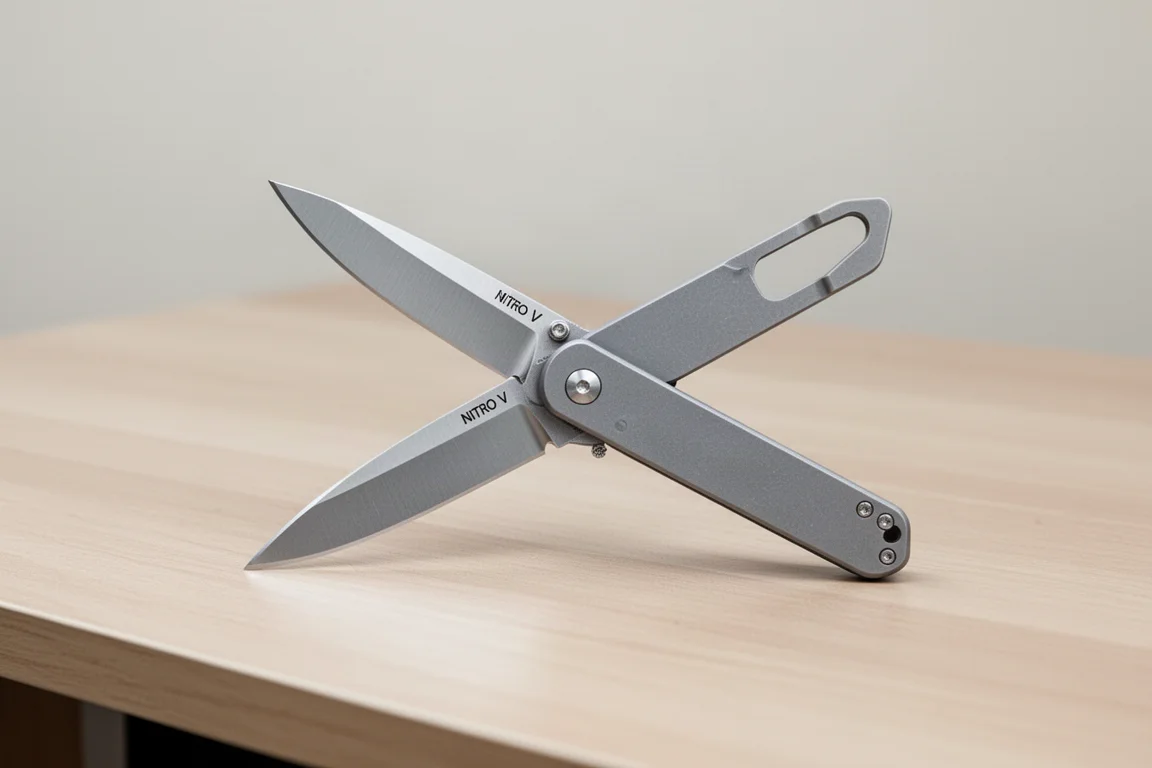
The Kizer uses German-made Nitro V steel with a flipper and liner lock combination, and it is the lightest knife in the test at just 61.85g. It was sharp at 225 new, opened at a silky 13g, released at a very easy 1.25 lb, and its blade tip came through the drop test looking new. Edge retention was respectable at 270 after hardwood and 155 on bamboo.
SOG Pocket Knife
The SOG uses cryogenically treated 440C stainless steel with fast assisted opening and a liner lock, weighing 127.66g. It started at 155, held up well at 225 on hardwood, and lost only 15 points across the bamboo board, one of the best retention results. Lock release sits right at 2 lb, opening is smooth at 13g, and the tip still looked new after impact.
Icon Pocket Knife
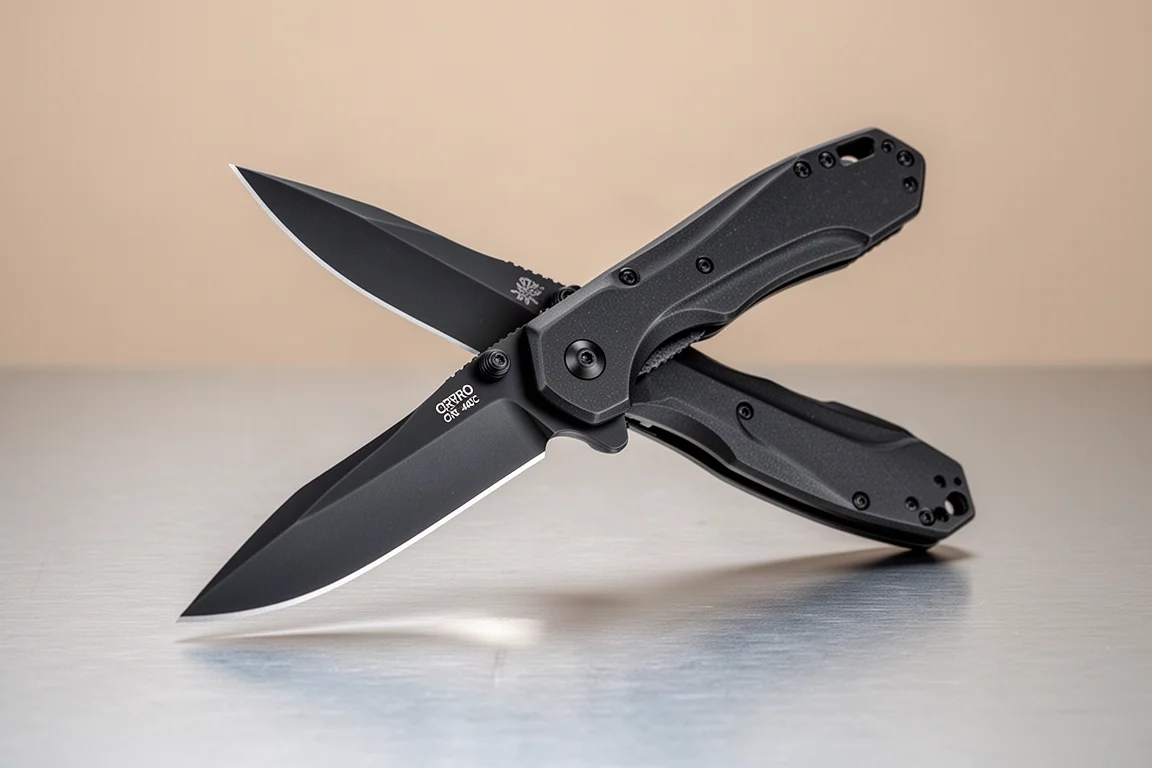
Sold at Harbor Freight for $40, the Icon delivers ceramic ball bearing deployment measured at just 7g of force, the smoothest opening in the entire test. Its premium D2 blade has a liner lock, a bit over 3 inches of blade, and the knife weighs 109.15g. It finished second in the bamboo edge retention test at 125, second in pivot stability at 5.34mm, and its tip took only a small amount of damage.
Zero Tolerance Pocket Knife
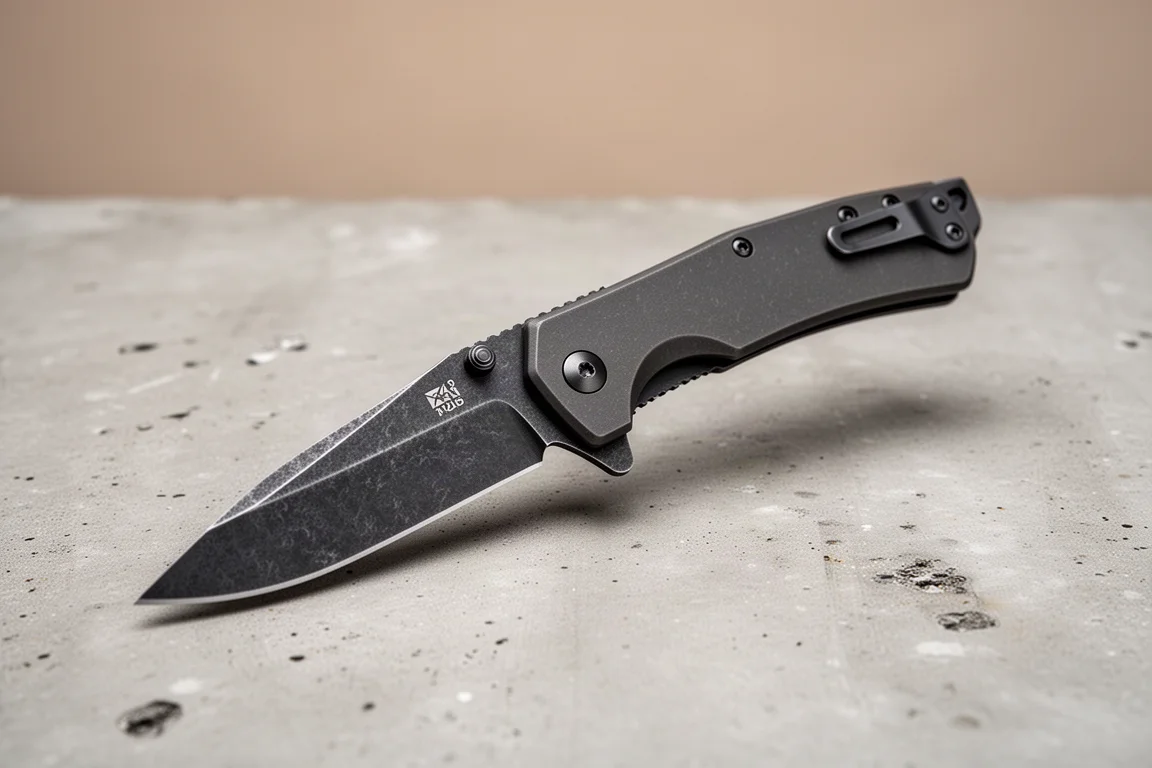
At $265, the Zero Tolerance is on another level of refinement. Its 20CV stainless blade sits in a titanium handle with a glow-in-the-dark carbon fiber overlay, opened via the KVT ball bearing flipper system, and it is made in the United States. It offers the best tolerances in the test at only 2.86mm of slop, opens at 11g, and after the bamboo test it was the sharpest knife in the lineup at 115, an outstanding result. The tip showed only a very small amount of damage. It would likely have won outright with a sharper factory edge.
Boker Pocket Knife
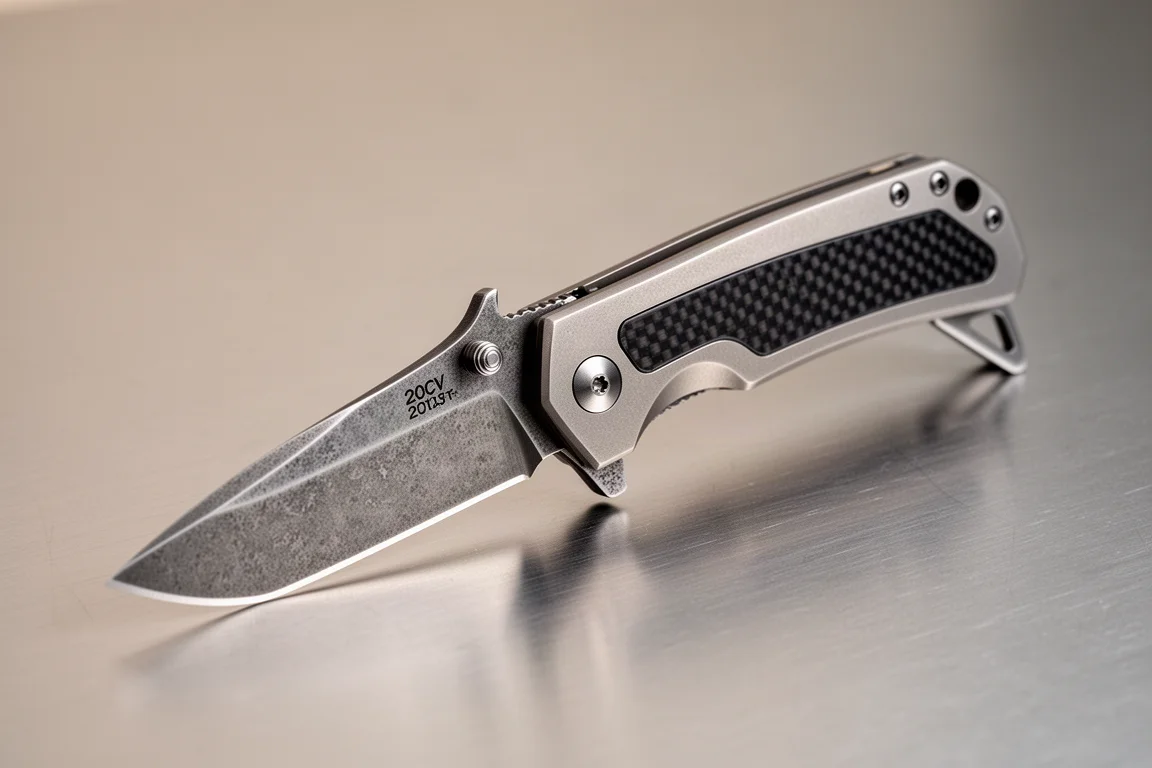
The $373 Boker is made in Germany with a blade hardness of 62 to 63 HRC and a ball bearing pivot that opens smoothly at 15g. It was extremely sharp out of the box at 140 and remained the sharpest blade after the hardwood gauntlet at 210. Lock release is lighter than average at 2.105 lb, pivot stability is excellent at 4.2mm, and the blade tip still looked new after the drop. It earned the best overall average finish across all tests.
Final Standings
When raw scores were converted into a first-through-nineteenth finish rating, the Boker came out on top with the best average finisher rating at 3.9, but at well over $300 it is a serious investment. The very affordable Civivi finished a close second at 4.2, which makes it the value pick of the test. The Zero Tolerance is refined, high quality, and would have contended for the win with a sharper factory edge.
Which One Should You Buy
If you want the best overall performance regardless of price, the Boker is the benchmark. If you want maximum value for everyday carry, the Civivi is hard to beat: light, sharp, smooth, and affordable. Harbor Freight shoppers will be well served by the Icon, which punches well above its price in smoothness and edge retention. The SOG and Kizer are also strong all-round performers, while the Ozley proves a $6 knife can still be genuinely functional if you accept some play in the pivot.
Conclusion
The headline result is clear: money buys refinement, not basic usability. The $6 Ozley cut well out of the box, while the Boker and Zero Tolerance showed what premium steel and tight tolerances deliver in edge retention and build quality. For most people, though, the Civivi at around $30 hits the sweet spot between price and performance.
Further reading
Related Reviews
Pocket Knives
Best Budget Ganzo Knives Under $40: Three standouts Plus a Worthy Rival
Ganzo's Firebird lineup delivers near-premium fit and finish at ultra budget prices. We look at three models that show exactly why, plus the Ontario RAT Model 1 for comparison.
Pocket Knives
Two New Civivi Budget Knives Worth Watching: Sentinel Strike and the Snacks Lock Collaboration
Two fresh budget EDC knives from Civivi: an integral-handle Sentinel Strike in K110 steel, and a collab bringing an open-source lock design to a knife under $80.
Pocket Knives
Vosteed Ankylo Review: A Push-Button Pivot Lock That Actually Feels Different
The Vosteed Ankylo pairs a 3.18-inch Elmax reverse tanto blade with an innovative Vaner lock recessed into the pivot, multiple deployment options, and an overbuilt feel at a friendly price.