Hand Tools
Best Pliers Wrench Options Compared: Klein, Knipex, Icon, and Workpro
Parallel-jaw pliers wrenches from four brands compared on price, grip quality, sizing, and jaw durability, so you can pick the right one for your toolbox.
Introduction
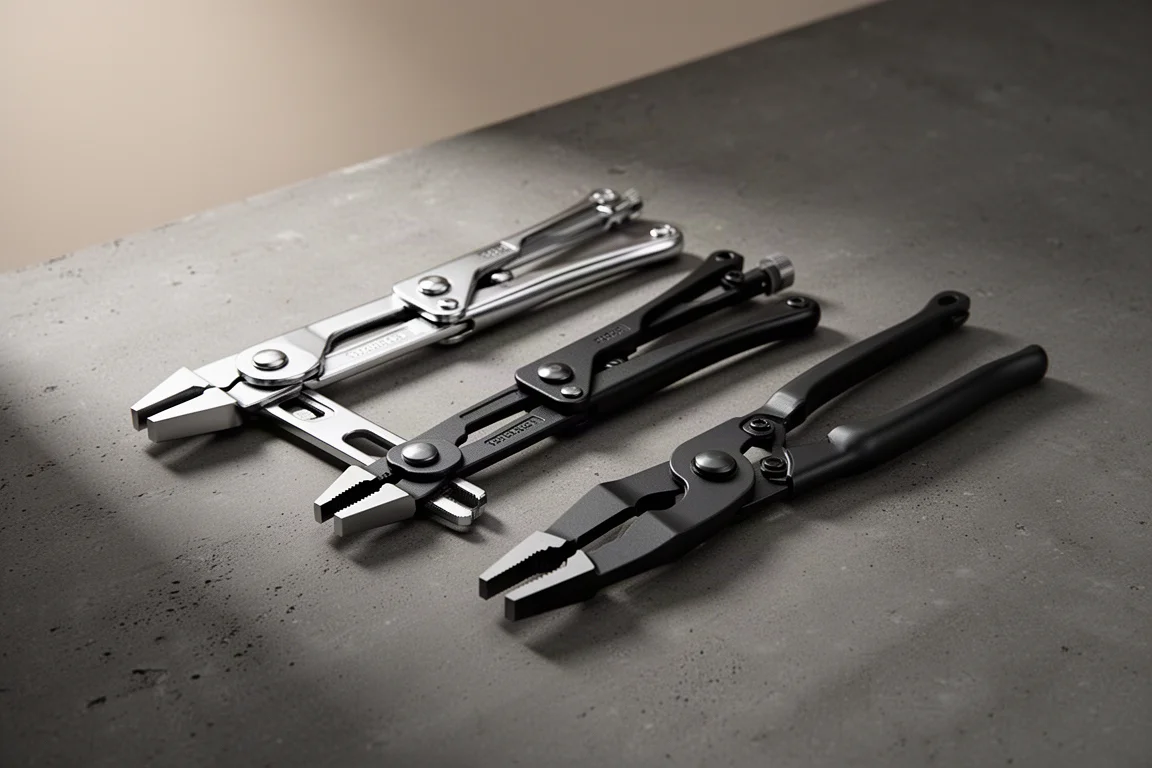
The pliers wrench is quietly becoming one of the most useful tools you can add to a kit. Instead of tapered jaws, it uses flat jaws that stay parallel as they close, combined with a camming action that delivers serious leverage. A push-button slider adjusts the jaw opening, and once set, the grip stays strong throughout the stroke. The result is a tool that can clamp hard onto fittings without chewing them up, which is exactly what a conventional slip-joint or tongue-and-groove plier often does.
Knipex introduced its version in 1994 and has long been the reference point, but the design predates that considerably. The concept traces back to a 1916 tool awkwardly marketed as the “Plierench,” a hybrid of an adjustable wrench and a pair of pliers. With the patent expired, more manufacturers are now building their own versions, and the price gap between the original and the newcomers has widened considerably. Here is how the main options stack up.
Why the Parallel-Jaw Design Matters
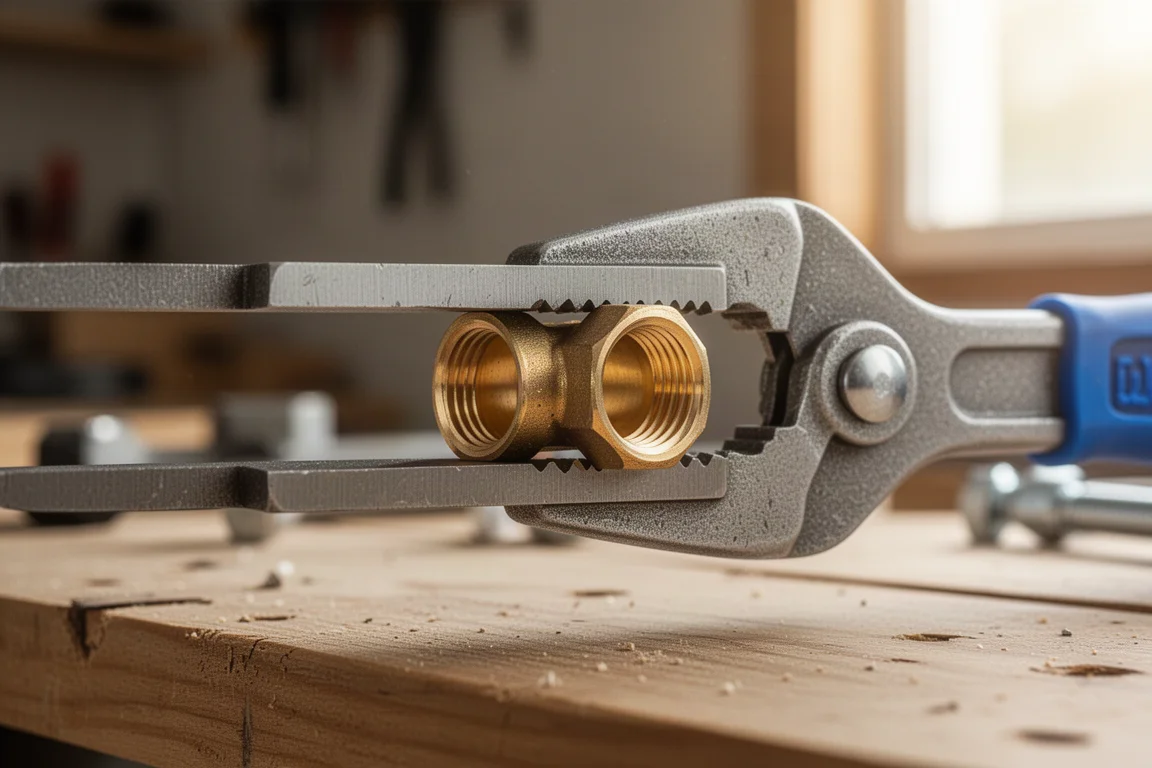
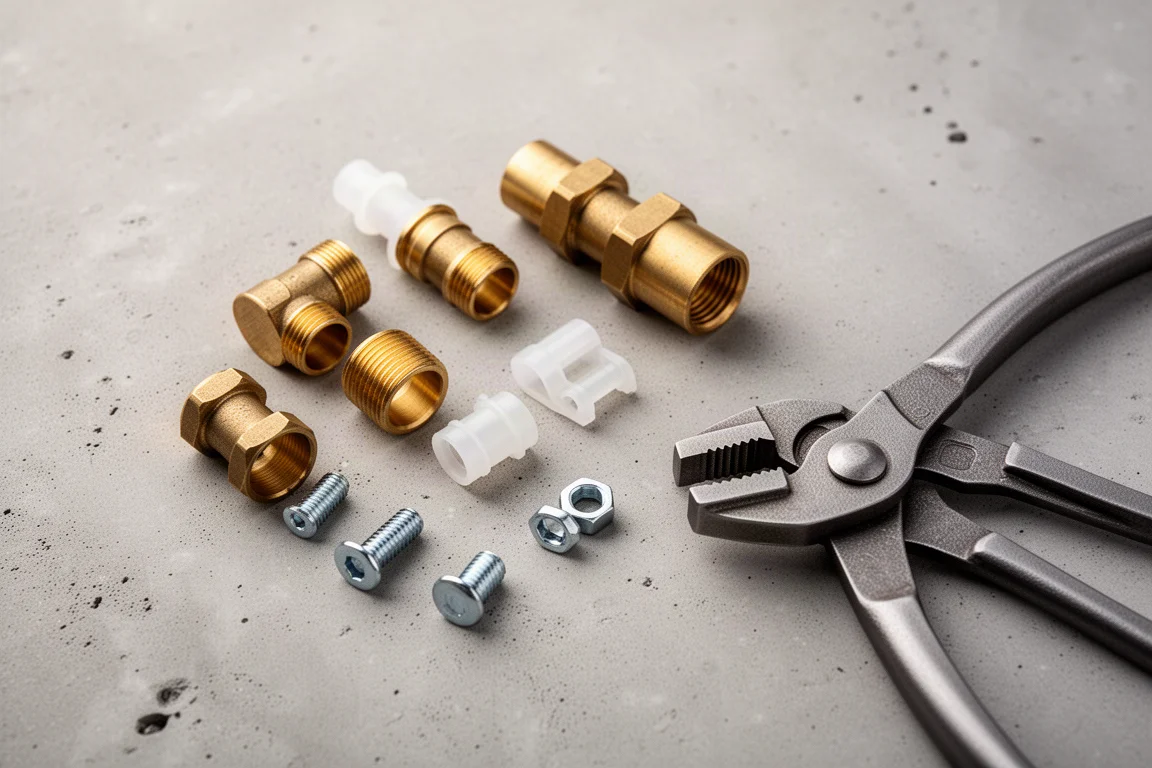
The defining feature is the pair of jaws that remain parallel at any opening. Grab a soft plastic fixture or a brass fitting and you can squeeze down hard without deforming, scraping, or tearing the surface. Conventional pliers concentrate pressure at two points, which is what leaves those familiar crescent-shaped gouges on soft fittings.
That said, traditional tongue-and-groove pliers still grip well and remain useful for round or irregular objects. The pliers wrench shines specifically where you want a flat, even clamp on something you would rather not mark. One consideration worth knowing: some users report that on harder steel workpieces, softer jaw steel can scuff, scratch, or even chip on some of the budget and mid-priced models. Whether that is a problem depends heavily on your use case, and a softer jaw can even be an advantage if you add plastic jaw covers for extra-gentle gripping.
Klein Tools D531-10 Pliers Wrench
Klein’s 10-inch version, part number D531-10, is probably the classic size in the lineup and is available individually for about $29. It is built to the same recipe as the rest of the category: parallel jaws, camming leverage, and push-button adjustment. The 10-inch size suits general plumbing and mechanical work where you want a broad jaw opening and plenty of clamping force.
Against the comparable Knipex 250, the price difference is substantial. If you are curious whether a pliers wrench earns a permanent spot in your workflow, starting here is a reasonable, low-commitment way to find out.
Klein Tools D531-7 Pliers Wrench
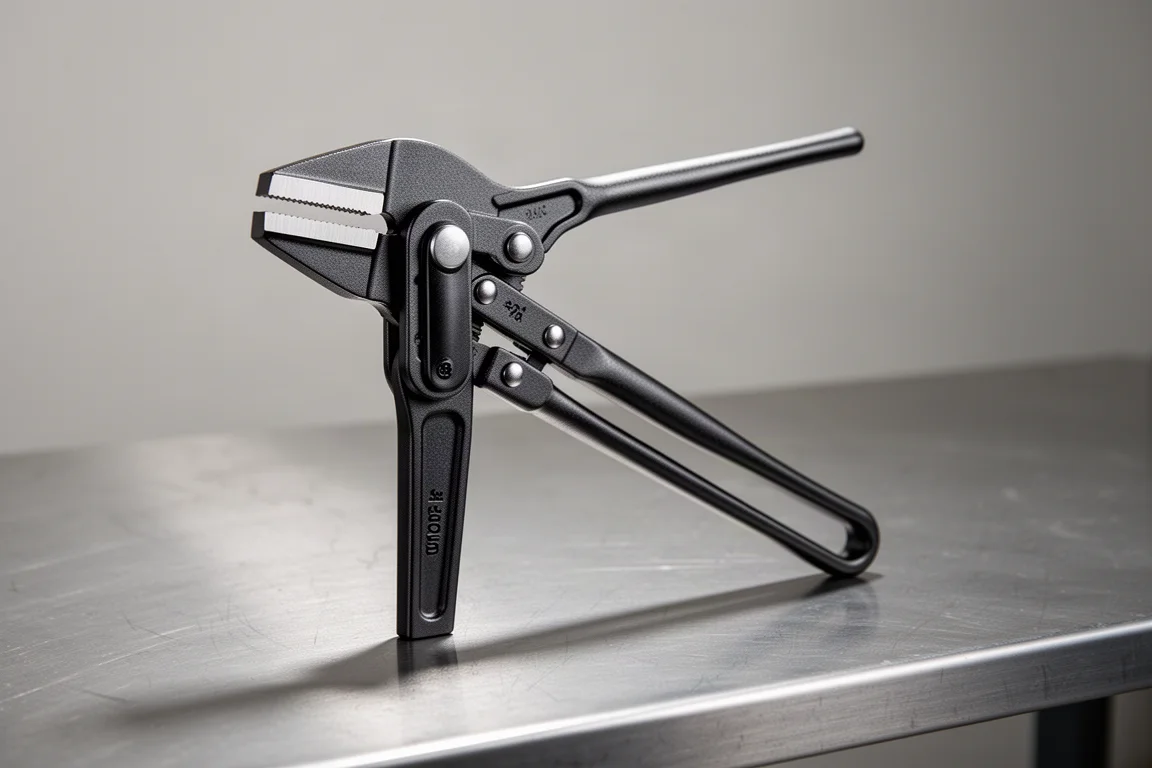
The 7-inch D531-7 is the compact sibling, retailing around $25 individually. It is easier to control in tight spaces and lighter to carry, which makes it a good first pliers wrench if you mostly work with smaller fittings and fasteners.
Bought together as a set on Amazon, the 7-inch and 10-inch come in at roughly $50, which is dramatically cheaper than buying the equivalent Knipex pair. Klein also offers a 12-inch version for about $42 if you need a larger opening. Worth noting: these Klein models are made in China, part of a broader manufacturing footprint that includes Vietnam, Thailand, and of course the United States. Setting up forging and production lines for a tool this intricate is a massive investment, and Klein has evidently opted to work with existing manufacturing capacity rather than build it from scratch.
Knipex 250 Pliers Wrench
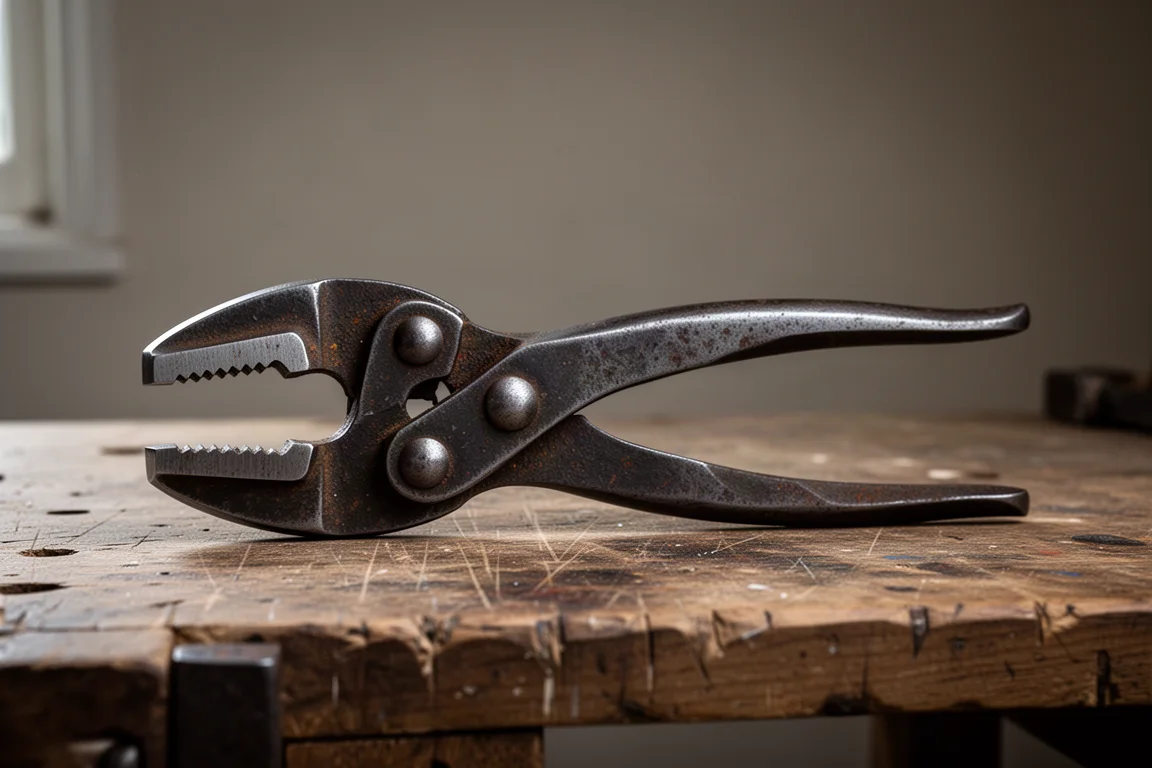
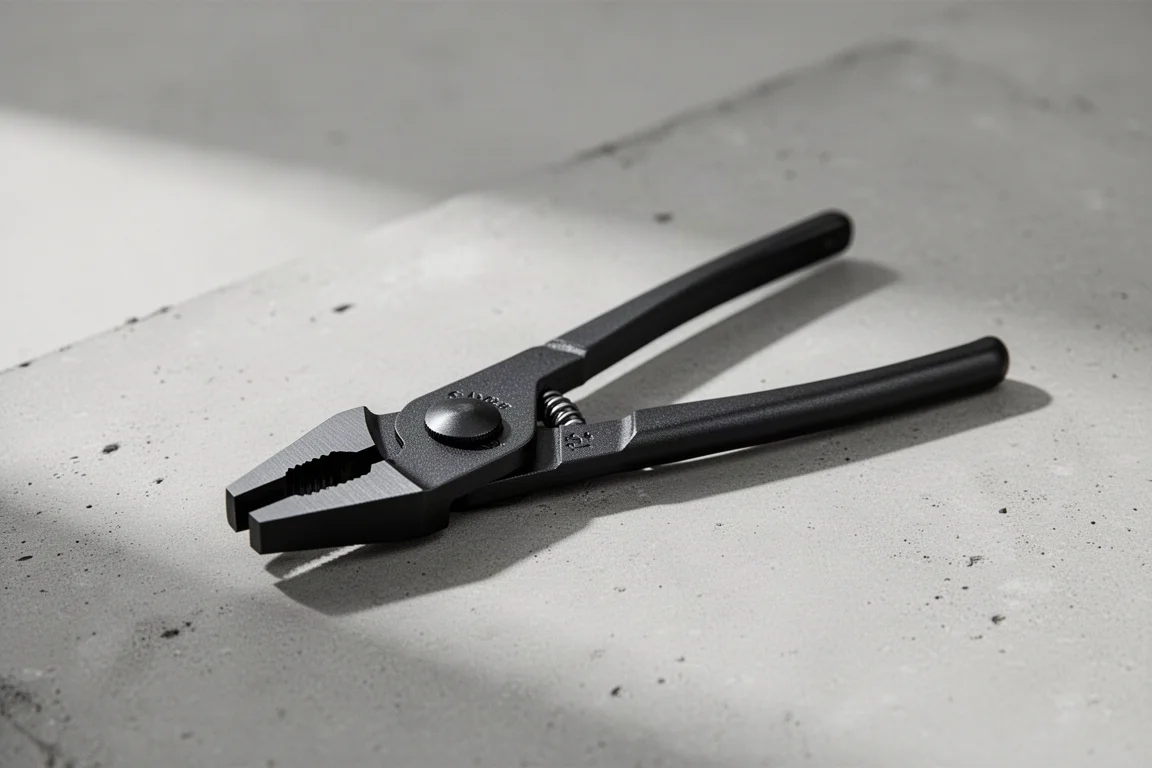
The Knipex 250 is the original and still the benchmark. Its jaws close down to essentially zero, so the spec that matters is the maximum opening, which Knipex lists at 52 mm or about 2 inches. It is a fairly large pair of pliers with the fit, finish, and steel quality that made the design famous.
The catch is price: roughly $67 for this 10-inch size. That is more than double the cost of the Klein equivalent, and it is the single biggest reason alternatives have gained traction. If you use a pliers wrench constantly and want the version with the most established reputation, the Knipex 250 is the one.
Knipex 180 Pliers Wrench
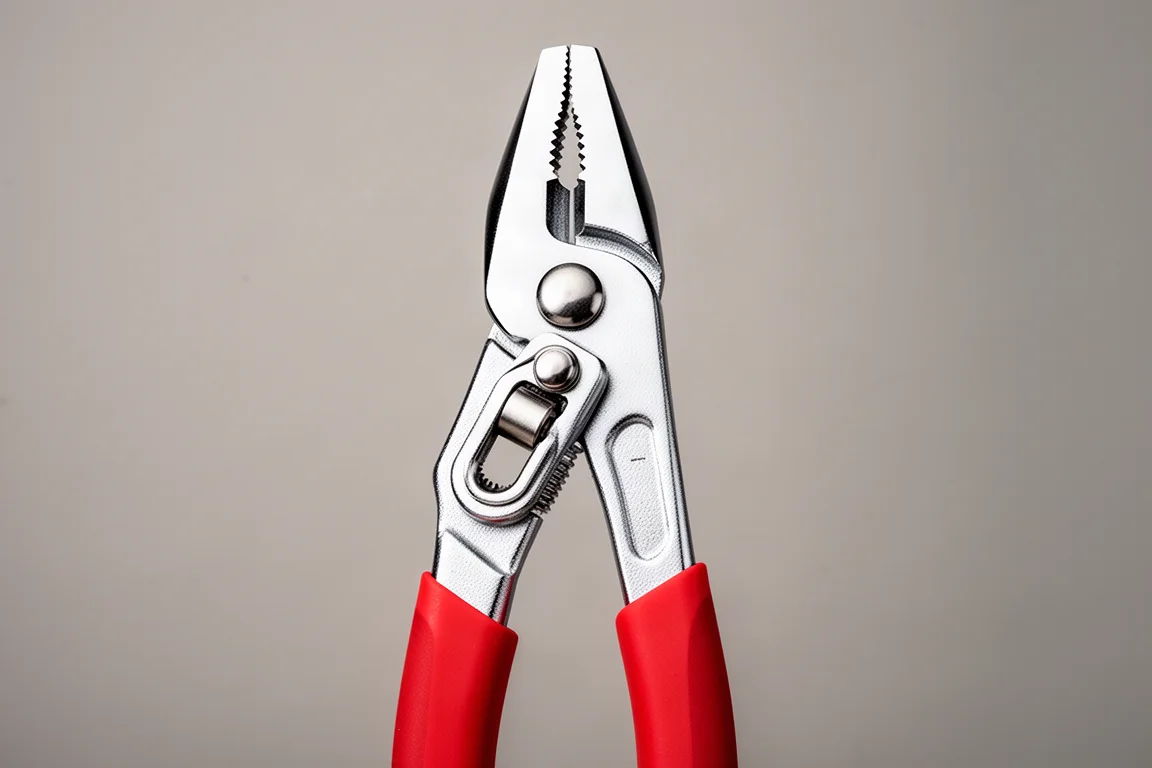
The Knipex 180, also known as a 7-inch size, runs about $57. It brings the same German-made build quality in a more compact frame, suited to finer work where a big 10-inch tool feels like overkill.
Even the smaller Knipex costs more than an entire two-piece Klein set. That math is hard to ignore unless Knipex is simply the tool you want to own once and never think about again.
Icon Pliers Wrench
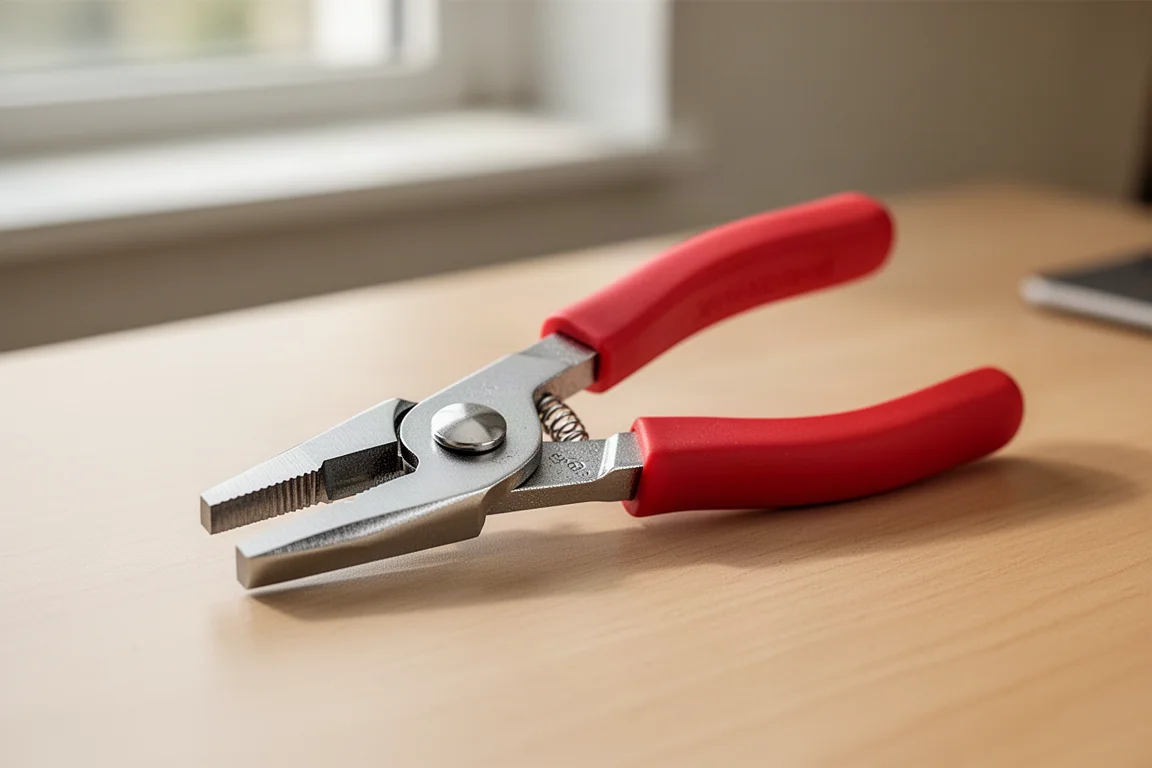
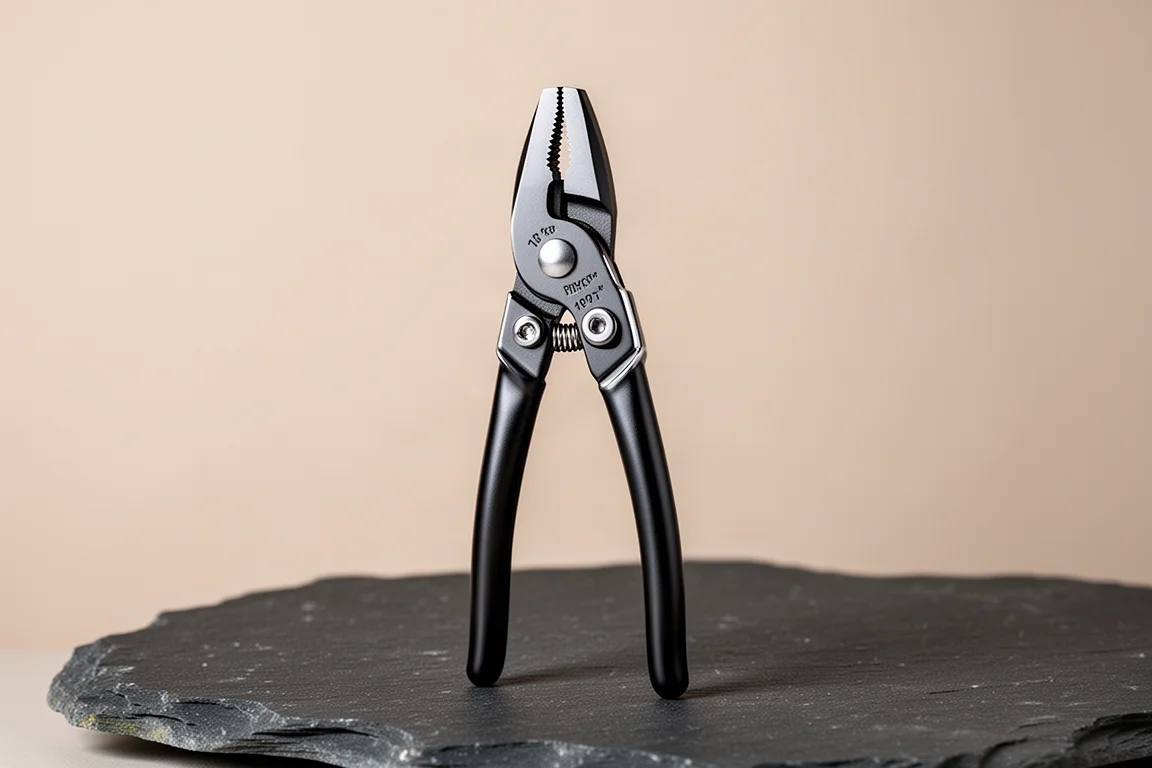
Harbor Freight’s Icon version has gained real popularity, largely because it goes on sale often. At full price it is a $40 plier, which is on the steep side, but a 30% discount makes it considerably more attractive. Fit and finish are impressively close to the Klein; the two are genuinely hard to tell apart at a glance, down to similar engraving styles.
If you shop the sales, the Icon becomes one of the better value plays in this category, though it is worth checking jaw hardness against your own typical workloads.
Workpro Pliers Wrench
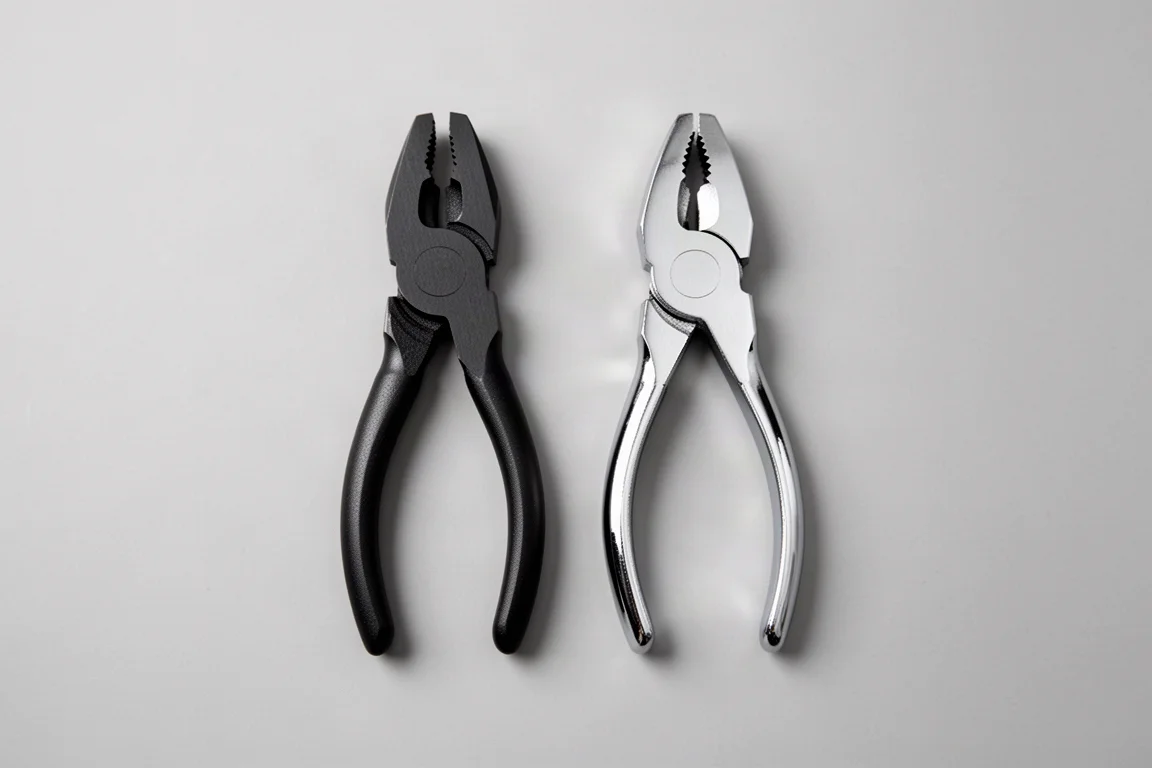
Workpro sells its version for about $25, or roughly $22 with a coupon, making it the cheapest entry here. It follows the same parallel-jaw formula and gives newcomers an easy way to test the category without much financial risk.
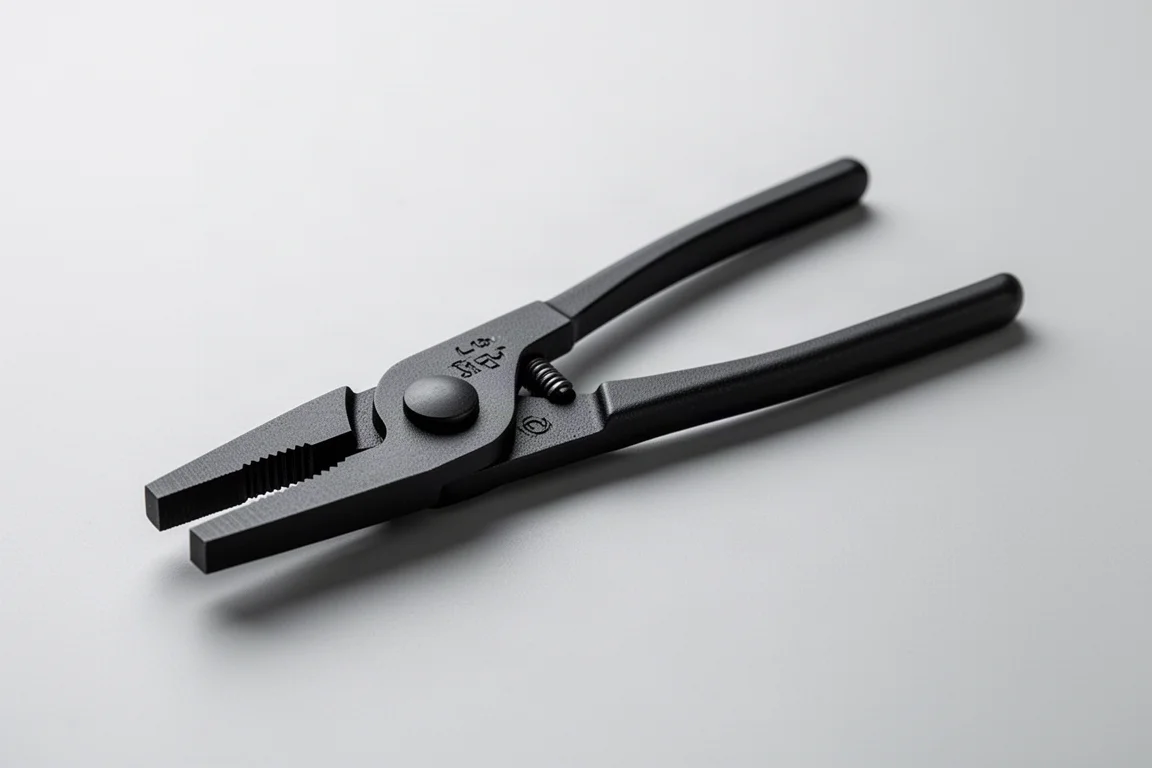
The trade-off is jaw durability. User feedback suggests the Workpro jaws are more prone to scuffing or scratching when clamped onto hard steel. For plastic fittings, brass, and general light-duty use, that may never matter. For repeated work on hardened parts, it could.
Which One Should You Buy?
If you work fittings regularly and want the tool that started it all, the Knipex remains the premium choice, with the 250 at about $67 and the 180 at about $57. If you want the same capability for a fraction of the cost, the Klein two-piece set at around $50 is the most practical entry point, and the individual 10-inch at $29 or 7-inch at $25 lets you buy only the size you need. The Icon is worth watching for sales, and the Workpro covers the budget end for occasional use.
A useful way to think about the cheaper options is as training tools: buy one, use it for a season, and if the pliers wrench genuinely earns its place in your workflow, upgrade to the Knipex later without regret.
Conclusion
The pliers wrench has moved from a niche Knipex specialty to a genuinely competitive category. Parallel jaws, camming leverage, and push-button adjustment are now available at prices ranging from about $22 to $67. Match the jaw opening and steel quality to your actual work, and any of these options can be a smart buy.
Further reading
Related Reviews
Hand Tools
Best Diagonal Cutters 2026: 16 Pliers Tested for Cutting Power and Durability
We put 16 diagonal cutters through nail, screw, drill bit, and hex key tests to find the best value picks for your toolbox.
Hand Tools
Best Hex L Key Sets 2026: Nine Sets Tested for Real-World Torque
Nine hex L key sets from budget to premium, tested for torque, fit, and durability. See which sets deliver real performance and which ones to skip.
Hand Tools
Best Locking Pliers 2026: Top Picks Tested for Grip and Durability
We tested 18 brands of 10-inch locking pliers for grip strength, jaw bite, build quality, and ease of release to find the best options for tough jobs.