Hand Tools
Best Plier Wrench: Knipex vs Icon vs Ulsa Compared
Three plier wrenches compared on price, finish, jaw design, and ratcheting action to help you pick the right one for your toolkit.
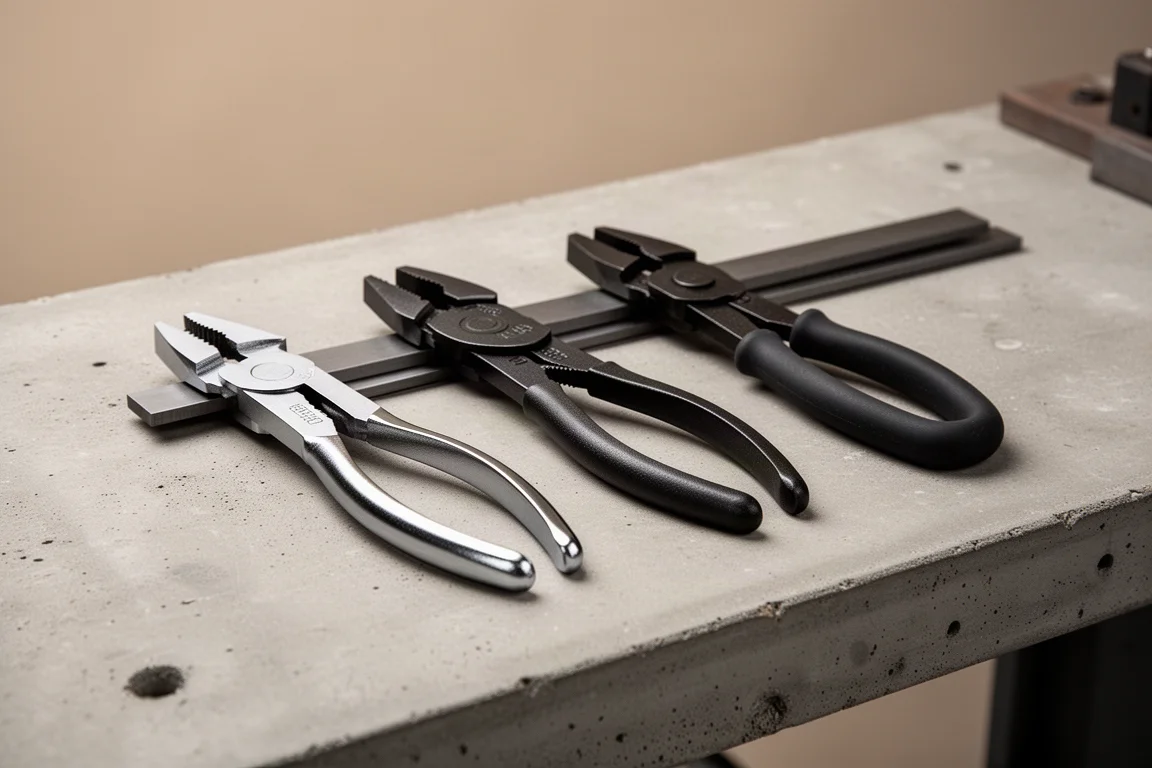
Introduction
The plier wrench has become one of the most beloved hand tools in any serious kit, and it is easy to see why. It combines the gripping power of a pair of pliers with the flat, parallel jaws of an adjustable wrench, operated with the speed and precision of pliers. Knipex really popularized the category, but there are now credible alternatives worth a close look.
In this comparison we look at three: the Knipex Plier Wrench, the Icon Plier Wrench, and the Ulsa Plier Wrench. Prices differ meaningfully, and so do a few design details, so it is worth knowing exactly what you are paying for.
What a Plier Wrench Actually Does
A plier wrench is essentially the combination of a pair of pliers and the flat jaws of an adjustable wrench. If you could operate an adjustable wrench with the speed, ease, and precision of a pair of pliers, you would have something very close to this tool.
It excels at grabbing flat-sided fasteners and fixtures: anything that resembles a hex or a square. It does not work on round stock or round pipes; in a pinch you could try, but the jaws are likely to slip.
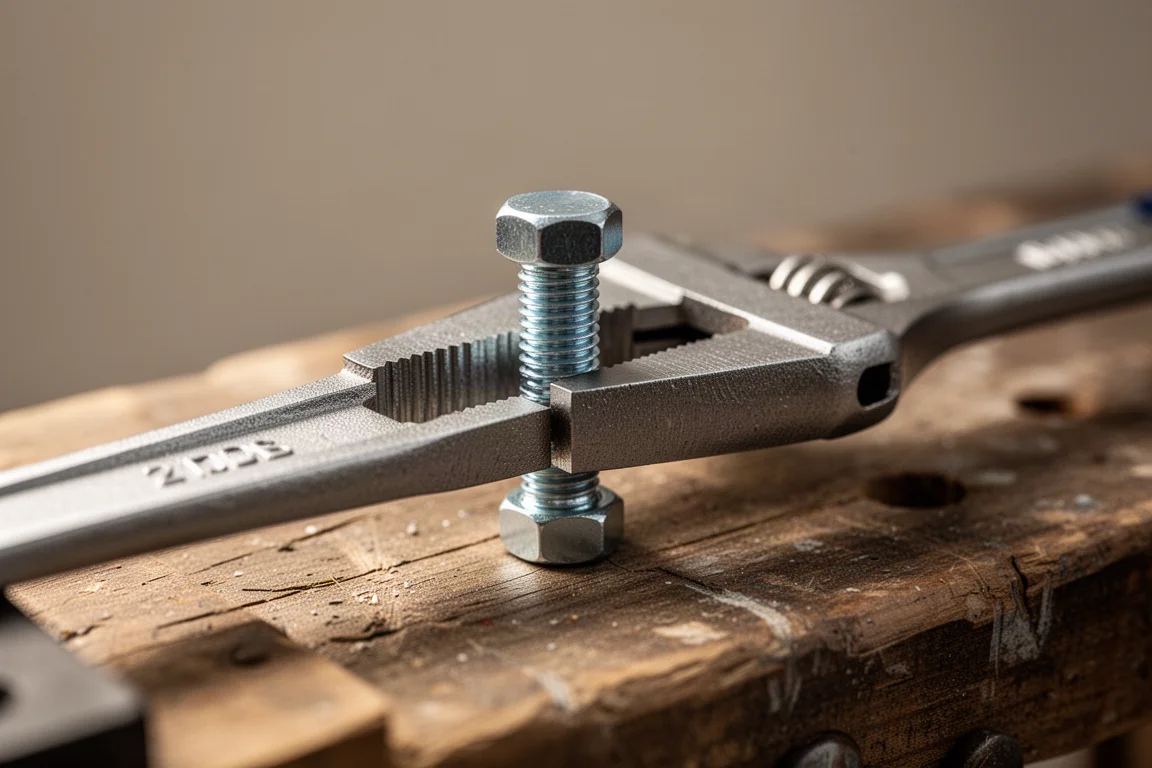
One thing to keep in mind: the camming mechanism gives roughly a tenfold increase in force. That makes these tools extremely powerful, to the point where you can crush things if you are not careful. It also means they are not designed for transverse leverage, so you cannot get them very tight that way, and they are not a direct replacement for a proper wrench in every situation.
How the Three Compare
Beyond price and country of manufacture, the differences between these three are subtle but real.
All three share a similar adjustment mechanism: a piece of spring steel with a band attached to the plier, a set screw, and a push button that engages or disengages with the teeth on the jaw. They operate about the same, and all three can ratchet a fastener. Once you grab hold of something, you can open and close the jaws to rotate it without disengaging, which is a major speed advantage over a traditional adjustable wrench that requires you to back off a worm drive and re-engage each time.
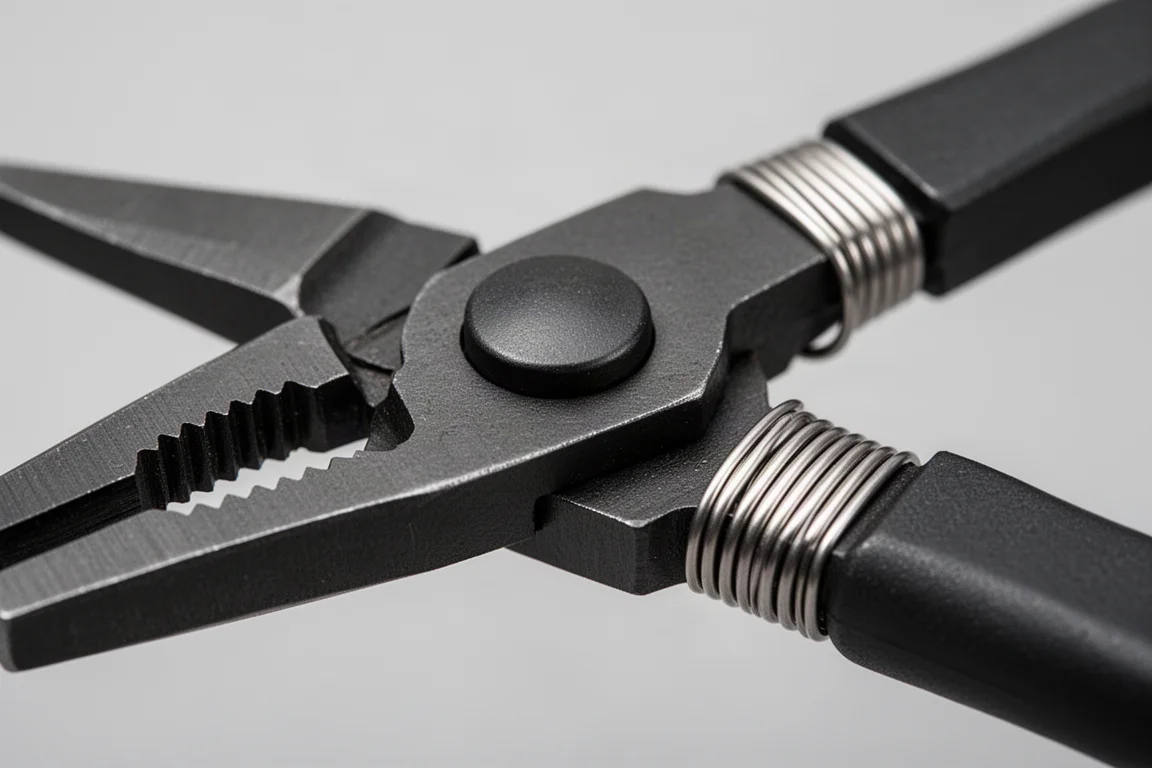
On details: all three have a chrome finish, roughly the same maximum jaw opening, similar jaw depth, and similar jaw thickness, with the Knipex possibly a touch thinner. The Knipex has more ornamentation near the front end. Both the Knipex and the Icon have size numbers printed on the jaws, useful if you want to preset the pliers or identify a fastener size. The Knipex and the Ulsa share a similar coarseness of teeth, while the Icon has slightly finer teeth, giving you more adjustment positions.
The Ulsa has a bit of extra ornamentation further down and slightly more angular jaws, while the Knipex profile is rounder and smoother in comparison.
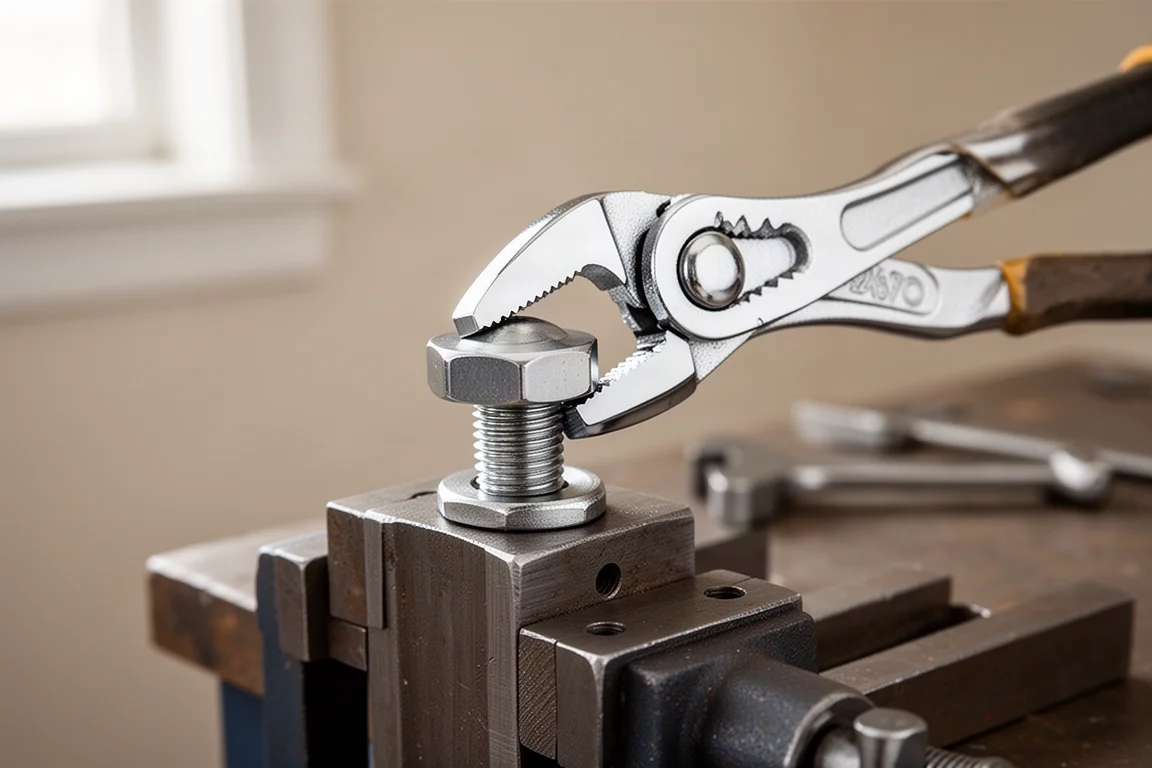
Knipex Plier Wrench
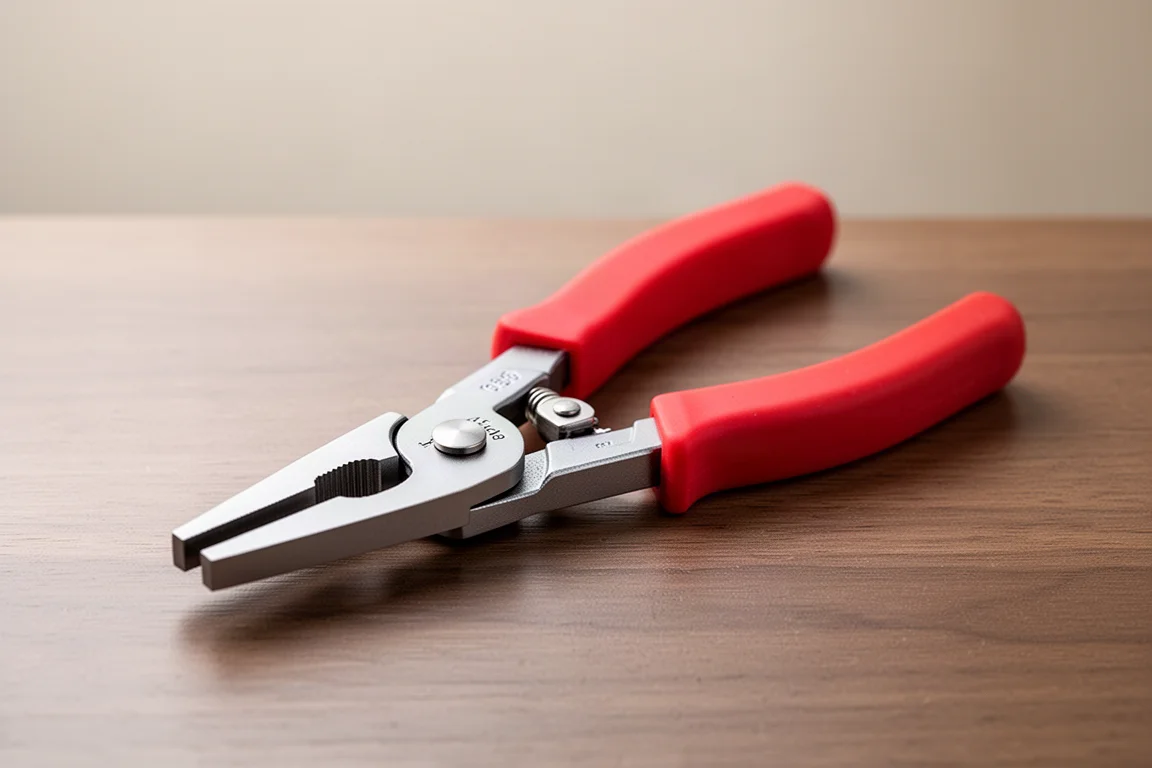
The Knipex is the original that popularized the category, made in Germany, and it remains the reference point. It is the lightest of the three, noticeable in how much less bulk there is in the handle, and it appears to have the finest finish of the group, though none of them are spotless.
Pricing sits in the high 50s to 60s depending on two things: the handle (a basic dip or a comfort grip) and the size. Knipex offers the widest range, from 100 mm all the way up to 400 mm, and you can choose between a chromed finish or a black oxide finish. If you want a specific size or finish, Knipex is the only one of the three that gives you that flexibility.
Icon Plier Wrench
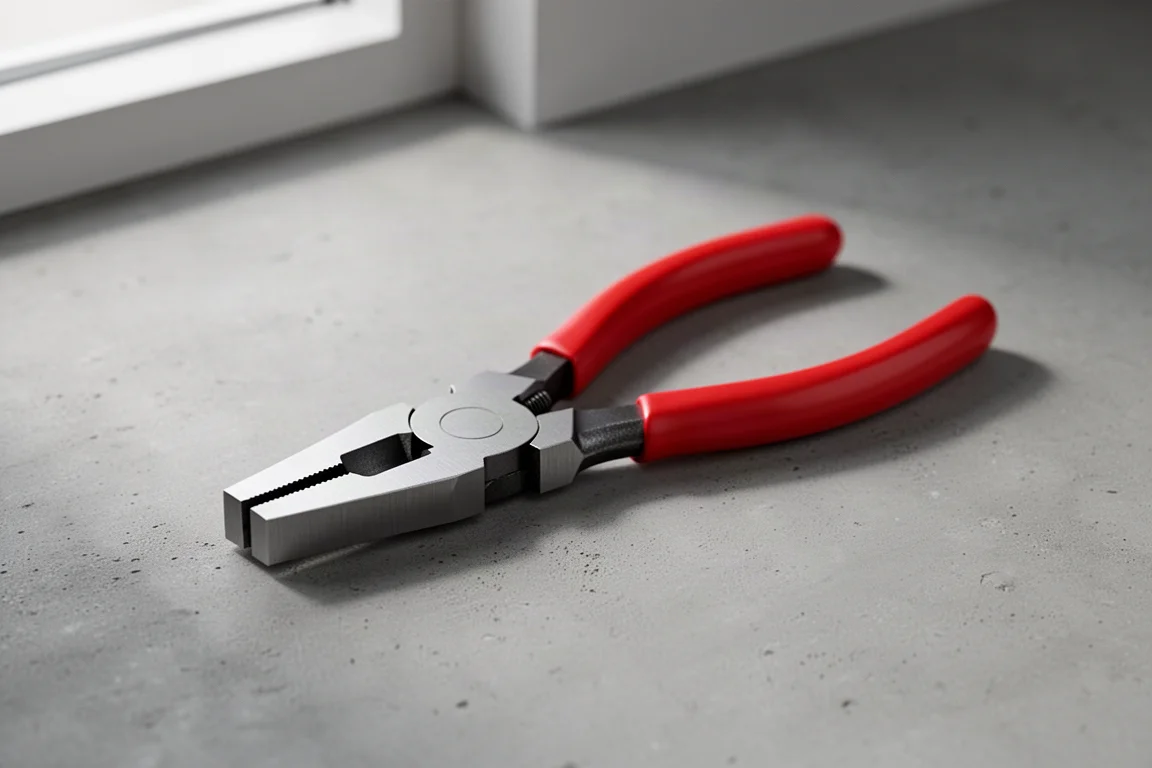
The Icon is very similar to the Knipex but is made in Taiwan, and it sells for about 40 dollars at most, making it the budget-friendly option of the group. It shares the same overall operation, the same adjustment mechanism, and the same ability to ratchet a fastener.
It also has printed size numbers on the jaws like the Knipex, but its teeth are slightly finer than the other two, which gives more adjustment steps. If you want the plier wrench experience without paying for the German original, this is the obvious value pick.
Ulsa Plier Wrench
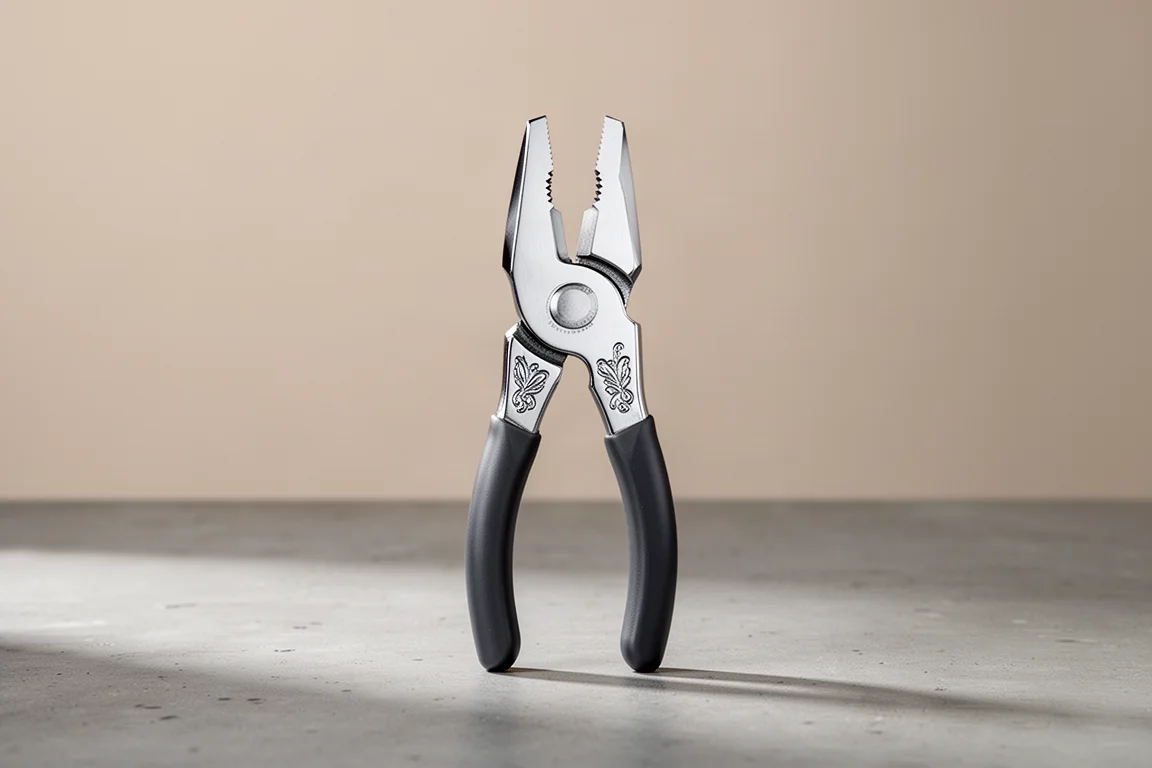
The Ulsa, also made in Germany like the Knipex, sits around the 50 dollar mark, between the Icon and the Knipex on price. It matches the others on jaw opening, jaw depth, and jaw thickness, and its teeth have about the same coarseness as the Knipex.
Its distinguishing touches are a little extra ornamentation lower on the body and slightly more angular jaws, where the Knipex profile is rounder and smoother. It is a solid middle option if you want German manufacturing without Knipex pricing.
Which One Should You Buy?
Are plier wrenches worth it? Absolutely. If you do not have one, you are missing out on one of the fastest ways to grab and turn hex or square fasteners and fixtures.
If you can only pick one, the Knipex stands out. It is the lightest, has the finest finish, and offers the most sizes and finish options, including smaller and larger versions that the other brands do not currently match. The Icon is the smart budget alternative at around 40 dollars, and the Ulsa splits the difference with German build quality near 50 dollars.
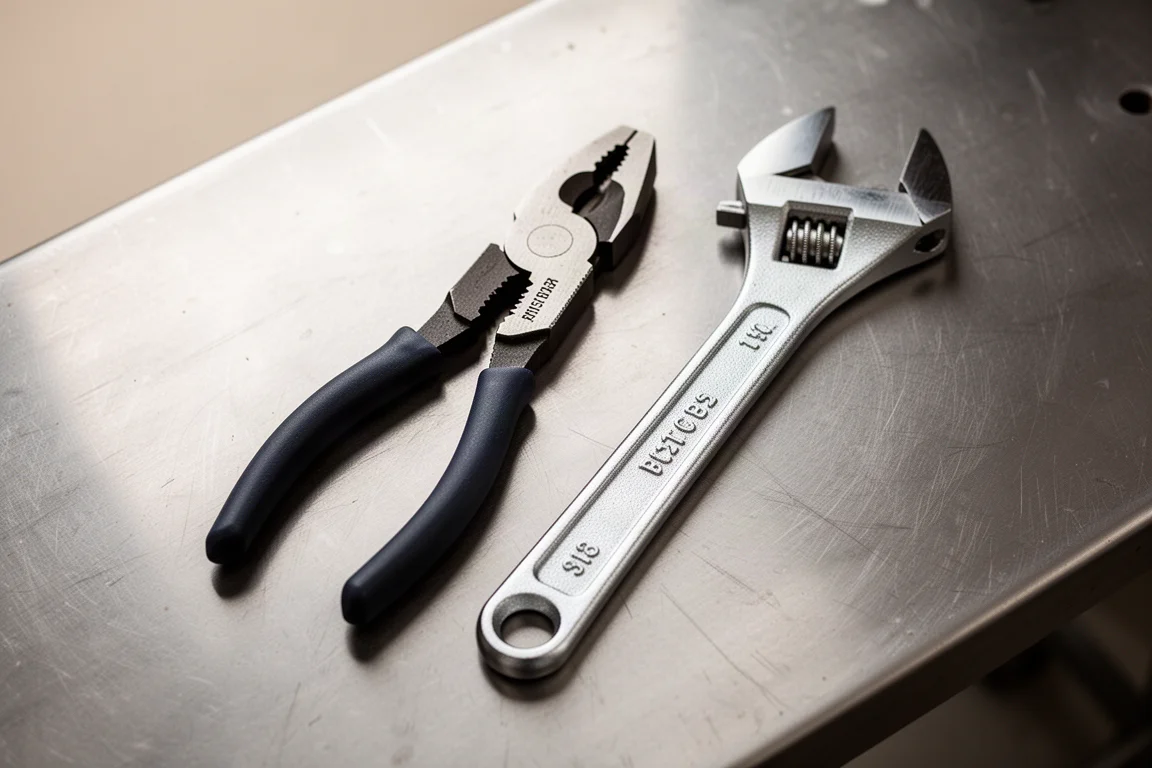
It is also worth noting that there is significant overlap between a plier wrench and a traditional adjustable wrench, but they each do things a little differently, and both have their own place in the kit. The adjustable wrench many people grew up with is still second nature to operate and very fast, but it cannot ratchet, has more play, and requires disengaging the worm drive to reposition.
Conclusion
The plier wrench earns its reputation as a favorite tool, and all three of these do the core job well: fast, precise gripping of flat fasteners with a ratcheting action and serious clamping force. Choose the Knipex for the best finish, lightest weight, and widest size range, the Icon for the best value, or the Ulsa for German manufacturing at a mid-level price. Whichever you pick, it is a tool you will reach for more often than you expect.
Further reading
Related Reviews
Hand Tools
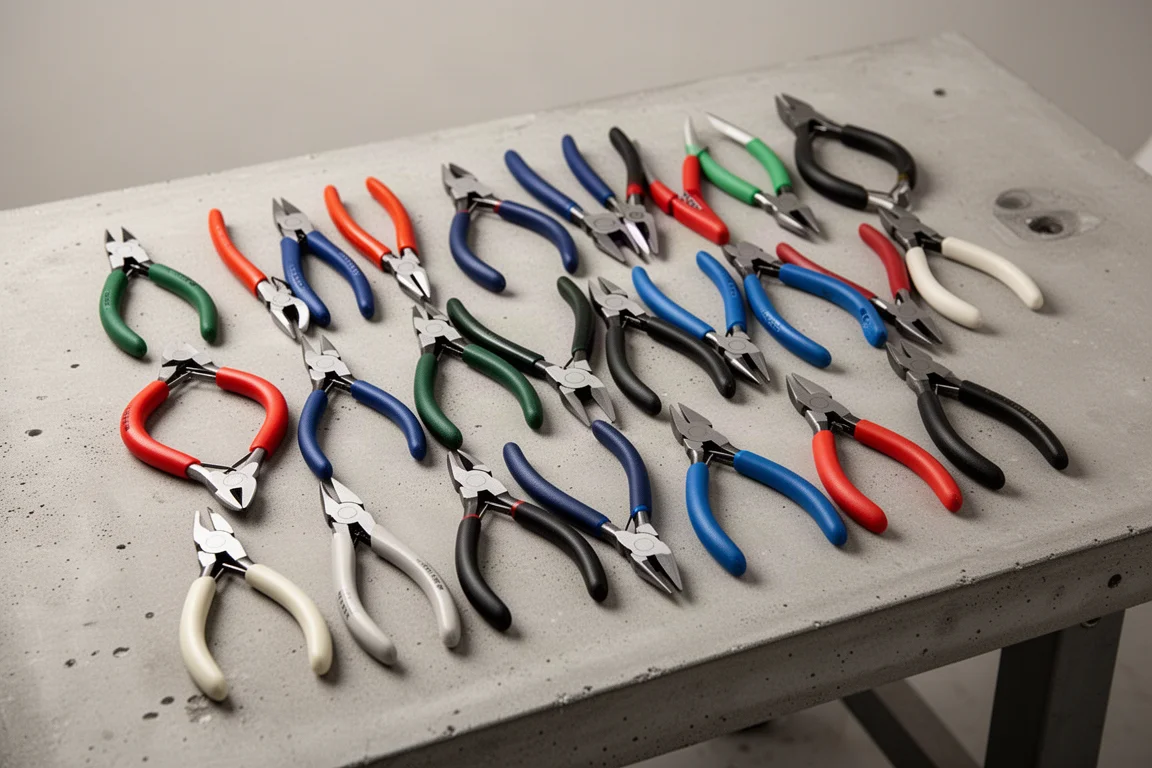
Best Diagonal Cutters 2026: 16 Pliers Tested for Cutting Power and Durability
We put 16 diagonal cutters through nail, screw, drill bit, and hex key tests to find the best value picks for your toolbox.
Hand Tools
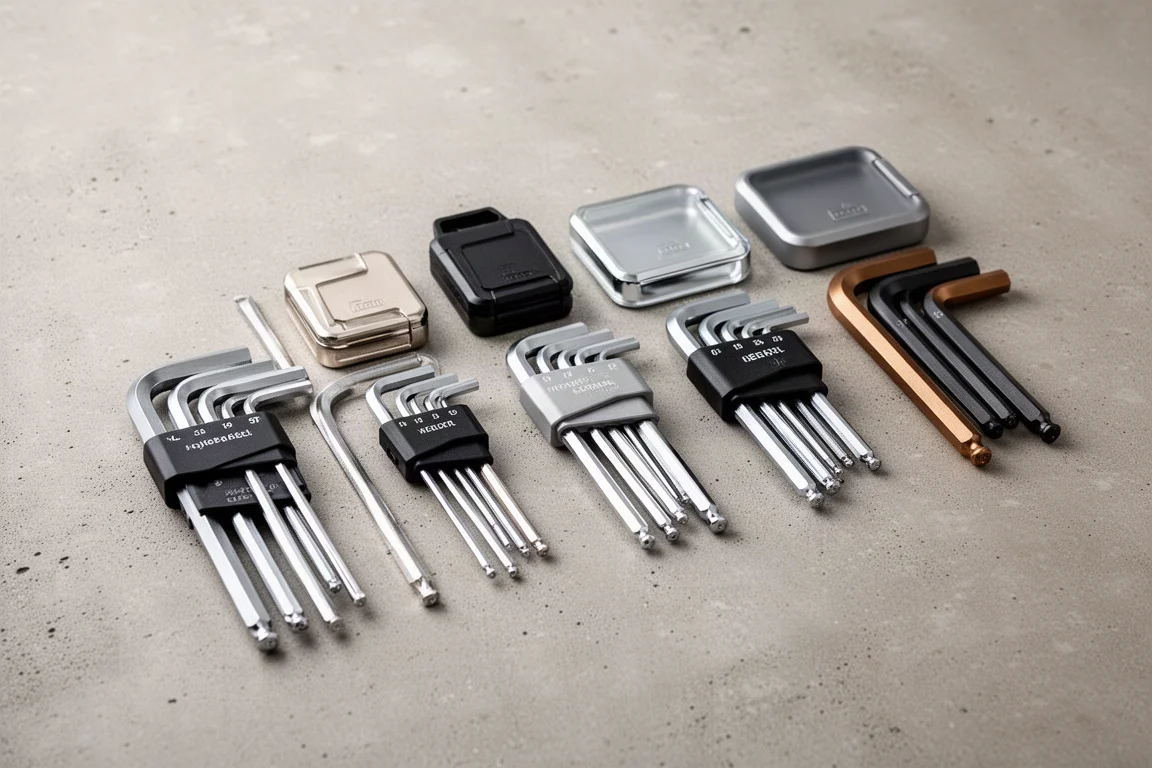
Best Hex L Key Sets 2026: Nine Sets Tested for Real-World Torque
Nine hex L key sets from budget to premium, tested for torque, fit, and durability. See which sets deliver real performance and which ones to skip.
Hand Tools
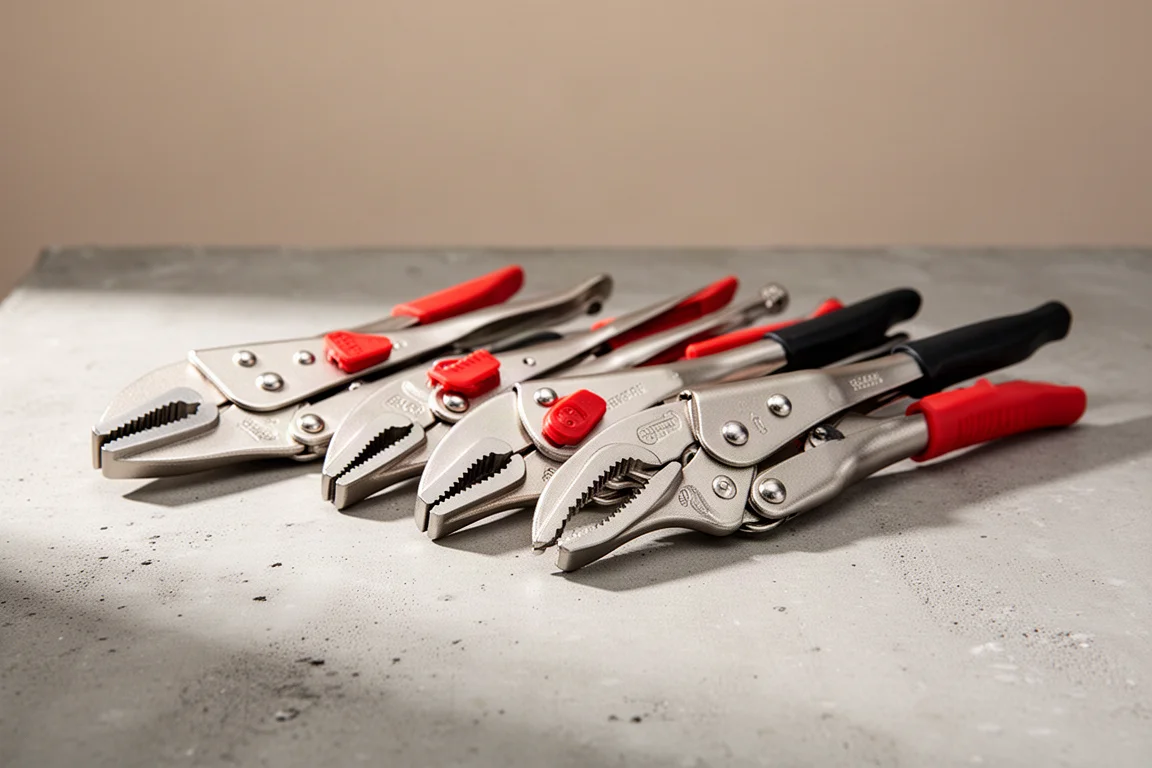
Best Locking Pliers 2026: Top Picks Tested for Grip and Durability
We tested 18 brands of 10-inch locking pliers for grip strength, jaw bite, build quality, and ease of release to find the best options for tough jobs.