Hand Tools
Three Pittsburgh Ratchets That Deserve a Premium Version
Pittsburgh's budget ratchets cover a lot of ground for the money. We look at three clever designs, what makes each one useful, and where a higher-quality version would make a difference.
Introduction
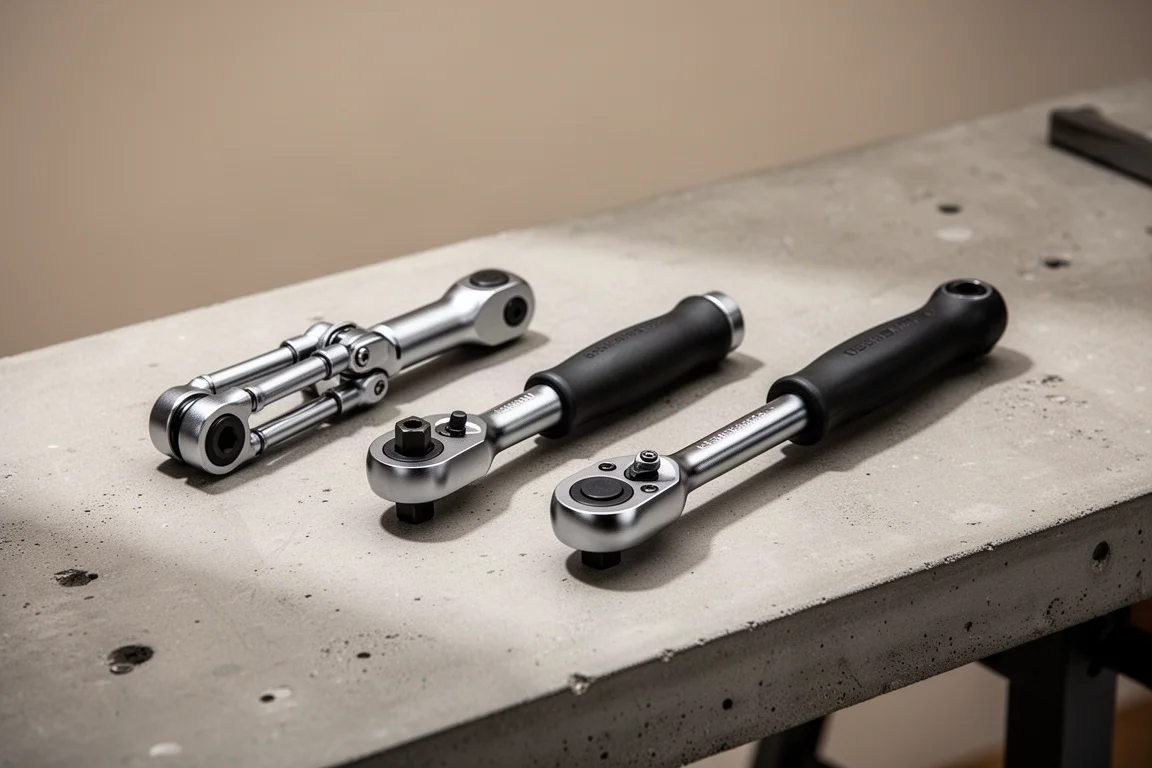
Harbor Freight’s Pittsburgh brand has built its reputation on inexpensive tools that, in many cases, are genuinely good ideas. Some of those ideas are so solid that it feels like a shame there isn’t a higher-quality version with better finish, smoother mechanism feel, and upgraded steel. Here are three Pittsburgh ratchets that earn their place in a toolbox, along with a few honest notes about where they fall short.
Evaluation Criteria
For each ratchet, three things matter most: how well the design solves a real problem, how it feels in the hand during actual use, and whether the price makes sense for what you get. None of these tools are expensive, so the question is less about whether they are worth the money and more about whether the design is one worth investing in at a higher level.
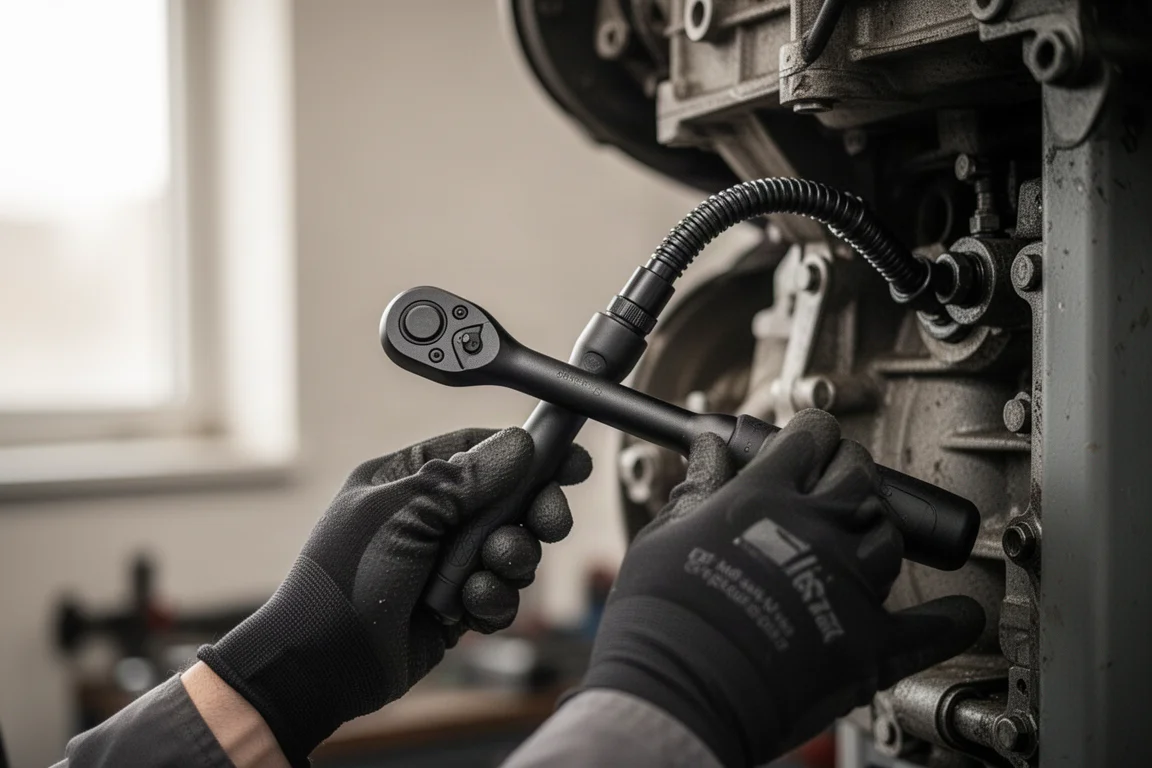
The through-line across all three is flexibility: flex heads, reversible mechanisms, and dual-drive sizes are what make these ratchets more versatile than a standard fixed ratchet.
Pittsburgh Double-Jointed Flex-Head Ratchet
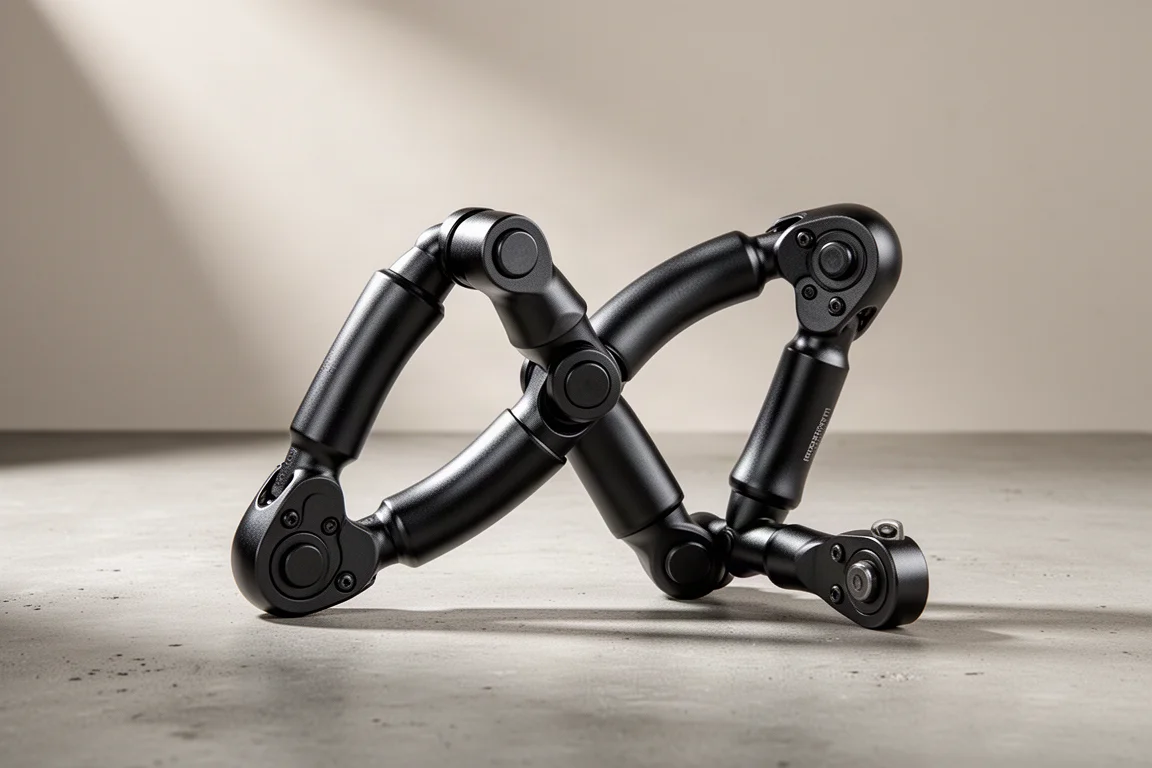
The double-jointed flex-head ratchet is packed with potential. The two articulating segments let the tool reach around obstructions, work in confined areas, or act as a crank, and it pairs nicely with a crowfoot wrench for plumbing-style tasks such as working on faucets. At its price point, it is an easy tool to justify.
The main weakness is that the joints stay loose. With a socket fitted, you have to manage the head flexing while also keeping the second joint from bending at the wrong moment. A locking mechanism on one or both joints would transform this from a clever oddity into a precision tool. It is also notably heavy, with strength clearly coming from mass rather than refined design, and a quarter-inch version would be a welcome addition.
Pittsburgh Pro Combination Reversible Ratchet
This compact straight ratchet combines a quarter-inch square and a 3/8-inch square drive in one body, with a reversible mechanism. It is the only Pittsburgh Pro version among these three, which may indicate a slightly higher level of finish. The low-profile design fits the hand well and simply works, and the mechanism get-up-and-go is lively, with plenty of movement in the switch.
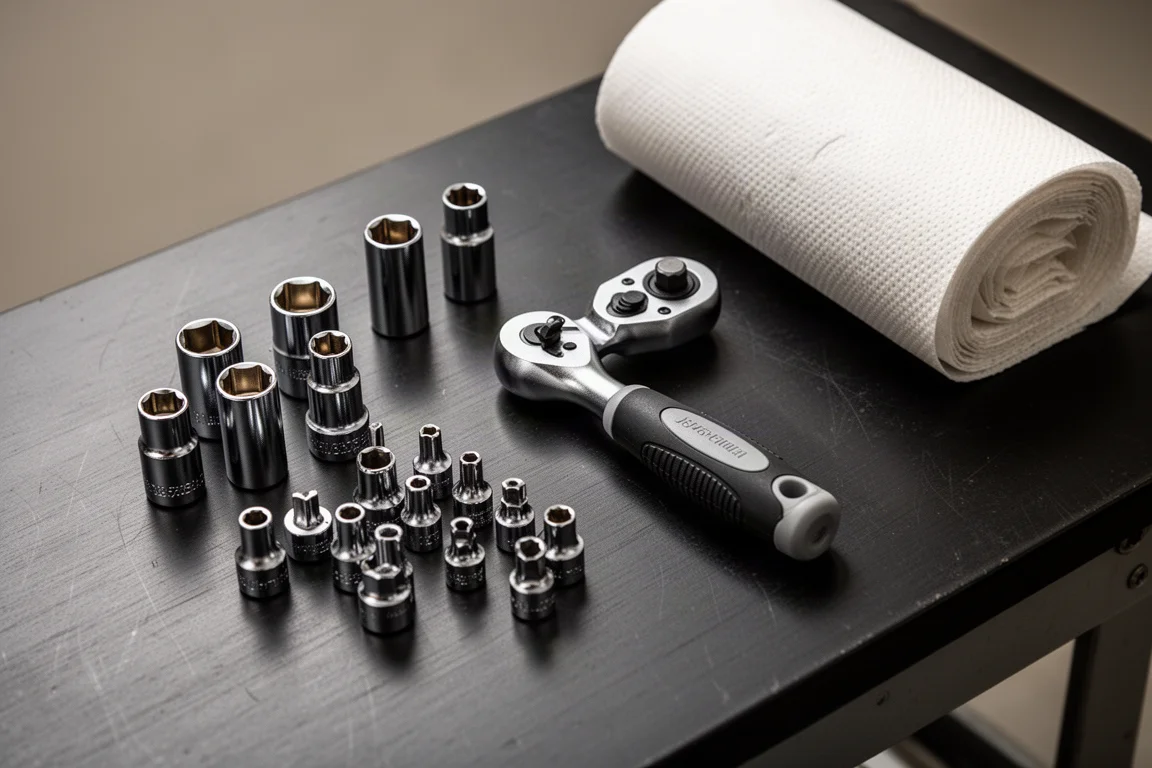
This is a great candidate for a small everyday-carry socket setup, since it simplifies things by covering two common drive sizes in a single tool. The design is good enough that a premium version with smoother internals and nicer materials would be an easy sell.
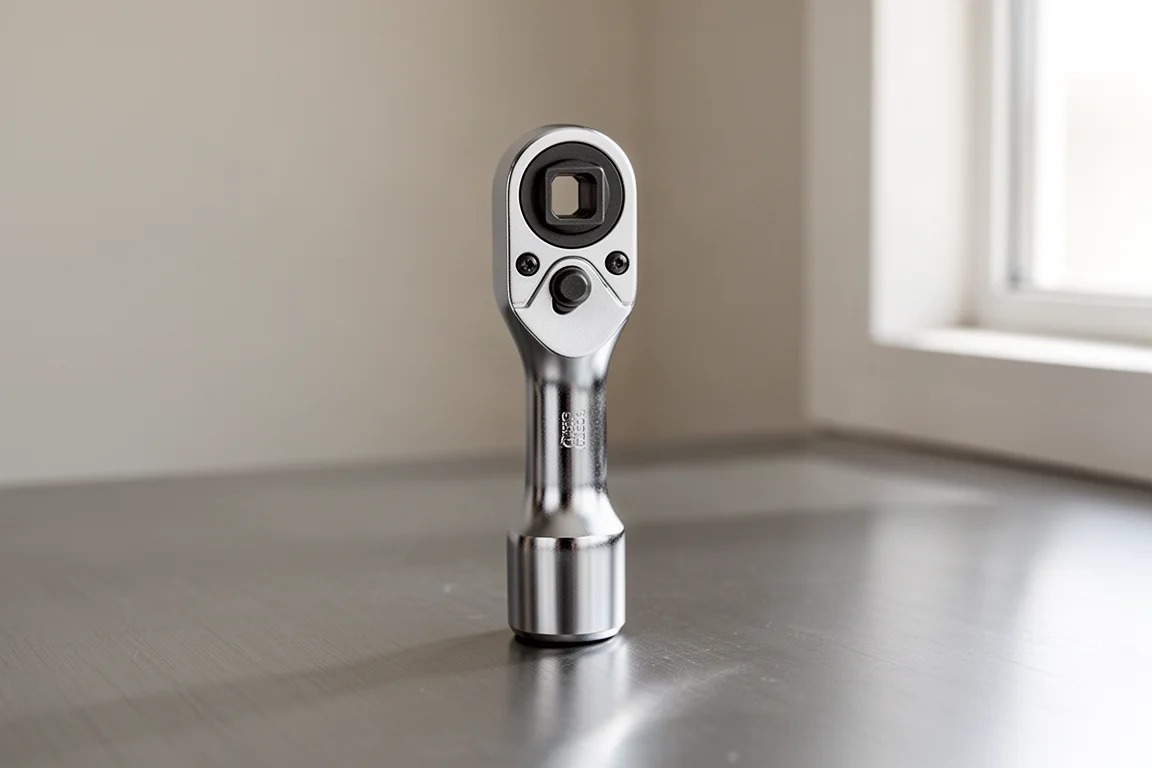
Pittsburgh Flex-Head Long Wrench
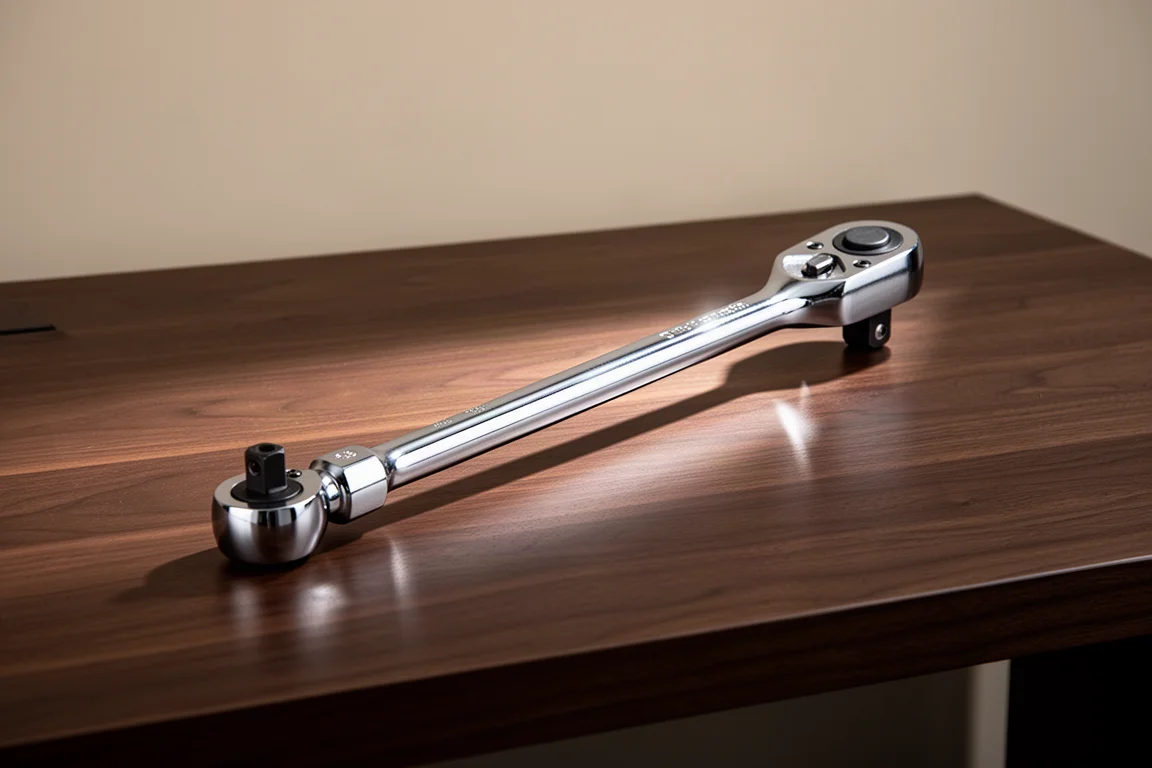
The flex-head long wrench shares the dual quarter-inch and 3/8-inch square drives of the previous tool, adds a flex head with a locking mechanism, and is reversible. Long wrenches with flex heads are genuinely useful, and this size class is typically wildly expensive when bought individually or in sets. At roughly 30 dollars at the upper end of Harbor Freight pricing, it undercuts that market considerably.
Because you are driving sockets rather than wrenching on a fastener, larger or longer sockets can complicate lining things up, and a stronger lock on the head would help. The mechanism pops back and forth crisply, though the sealed head is likely unlubricated inside and difficult to service. The lifetime warranty helps, but a broken tool at a bad moment is still a broken tool, so better steel and a better mechanism would complete the picture.
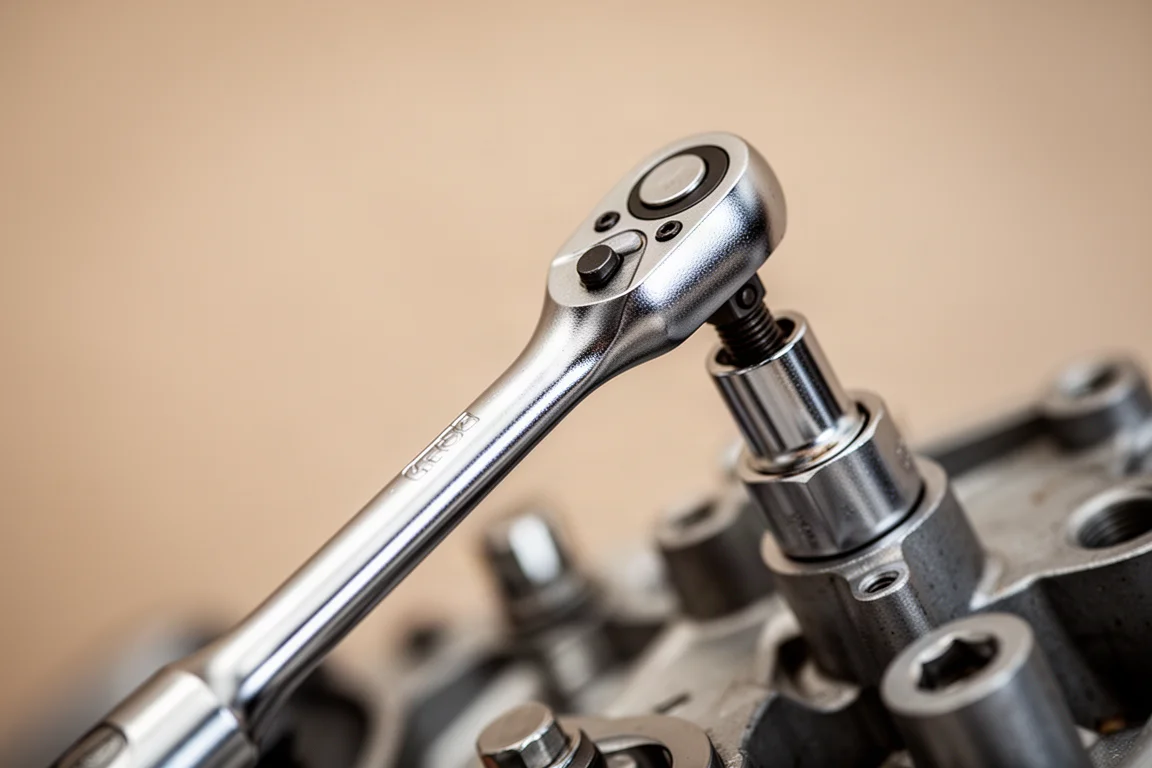
The basic concept is excellent: attach sockets, bit drivers, or other accessories to a long flexible handle and get into places a fixed ratchet cannot. It is a simple idea executed at a bargain price that deserves a premium execution.
Buying Advice
If you want maximum versatility in tight spaces for very little money, the double-jointed flex-head ratchet is the most interesting of the three, but go in knowing the joints do not lock. If you are building a compact kit and want one ratchet to handle two drive sizes, the Pro combination ratchet is the most polished of the bunch. If you reach for long flex-head wrenches regularly and resent what name-brand versions cost, the long wrench offers most of the utility at a fraction of the price.
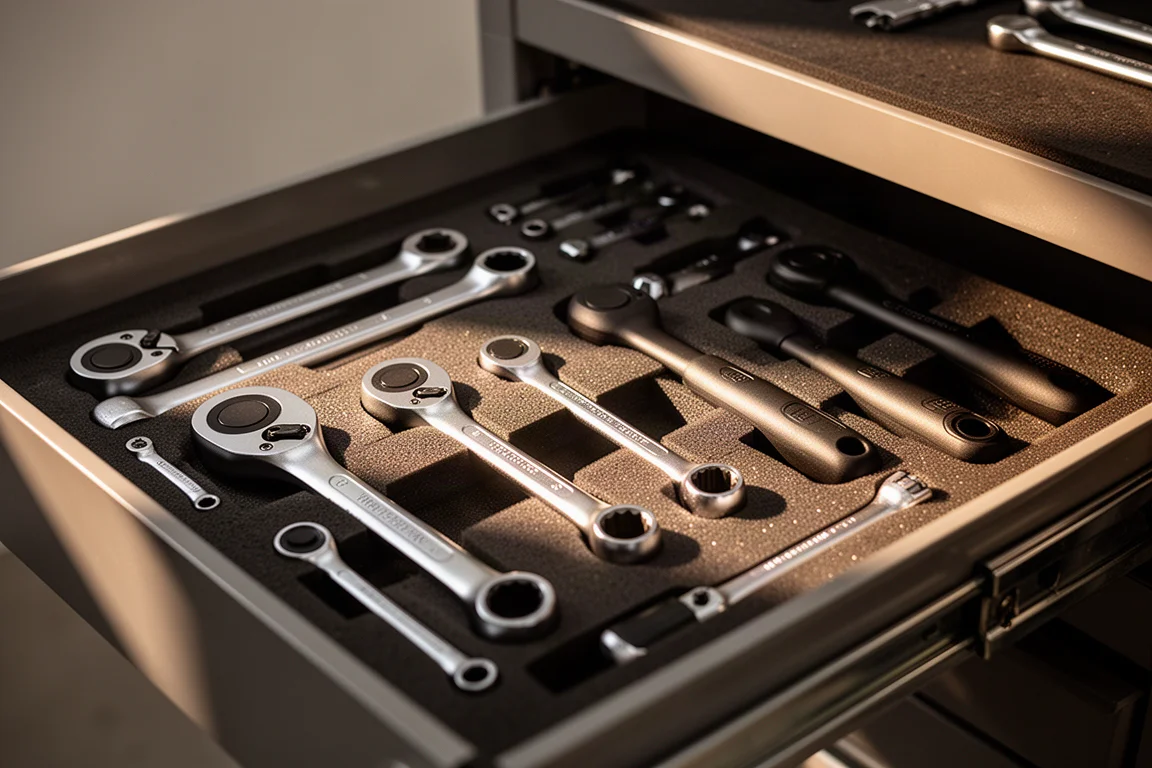
In all three cases, the design ideas hold up; it is the finish quality and mechanism refinement that separate these from premium tools. Buyers who accept that trade-off get a lot of function per dollar.
Conclusion
Pittsburgh proves that good tool design does not have to be expensive. These three ratchets each solve a practical problem with a simple, clever mechanism, and each would benefit from a premium version with locking joints, better steel, and a smoother internal feel. For now, they remain some of the most accessible ways to add flexibility to a socket collection.
Further reading
Related Reviews
Hand Tools
Best Diagonal Cutters 2026: 16 Pliers Tested for Cutting Power and Durability
We put 16 diagonal cutters through nail, screw, drill bit, and hex key tests to find the best value picks for your toolbox.
Hand Tools
Best Hex L Key Sets 2026: Nine Sets Tested for Real-World Torque
Nine hex L key sets from budget to premium, tested for torque, fit, and durability. See which sets deliver real performance and which ones to skip.
Hand Tools
Best Locking Pliers 2026: Top Picks Tested for Grip and Durability
We tested 18 brands of 10-inch locking pliers for grip strength, jaw bite, build quality, and ease of release to find the best options for tough jobs.