Fitness Equipment
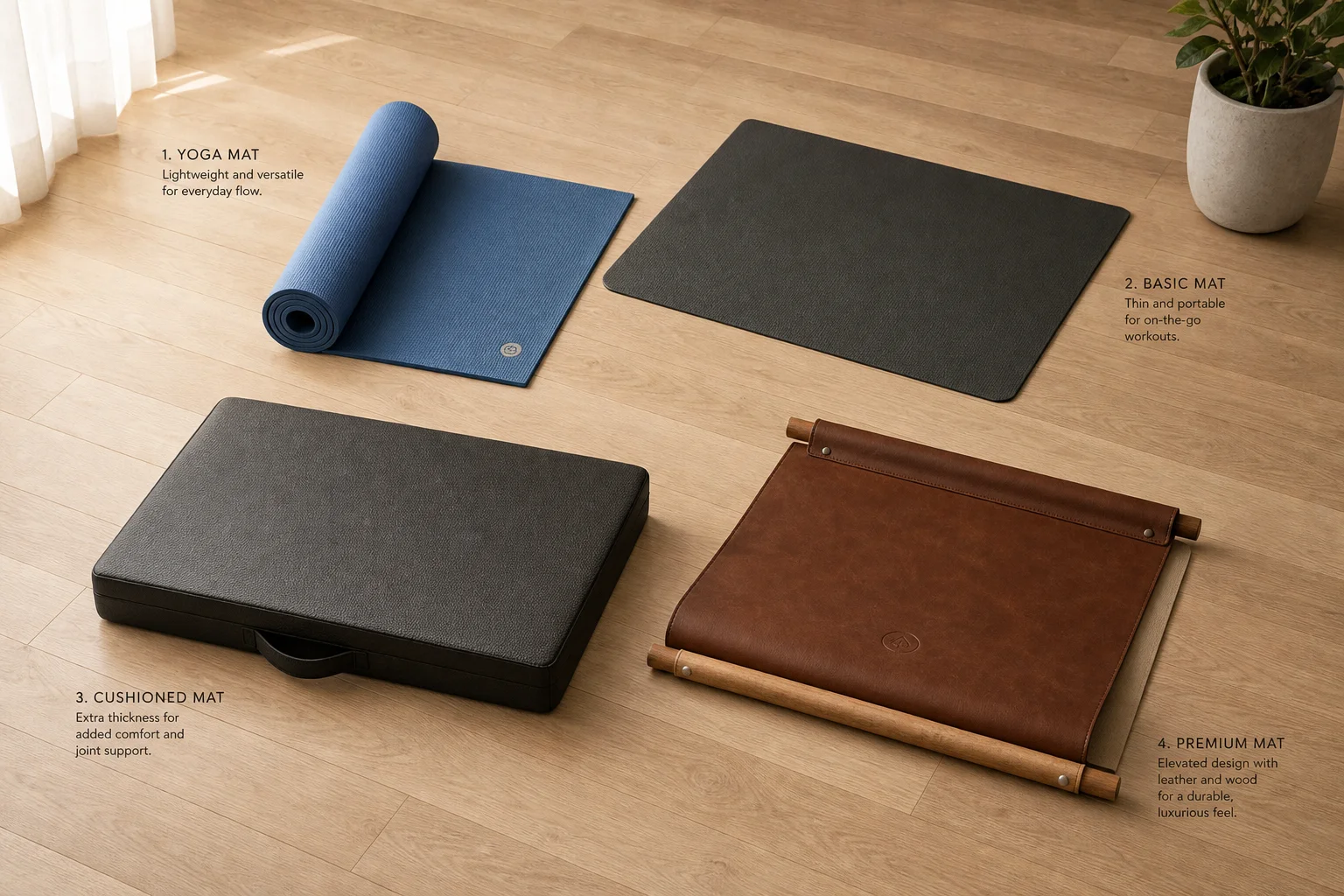
Best Pilates Mats: Four Types Compared for Your Practice
A practical guide to four pilates mat types, from basic budget options to premium studio equipment, with real trade-offs to consider before buying.
Introduction
Choosing the right pilates mat matters more than spending the most money. Different mat types serve different needs, and understanding their trade-offs helps you find the one that fits your practice and body.
Yoga Mats: Not Ideal for Pilates
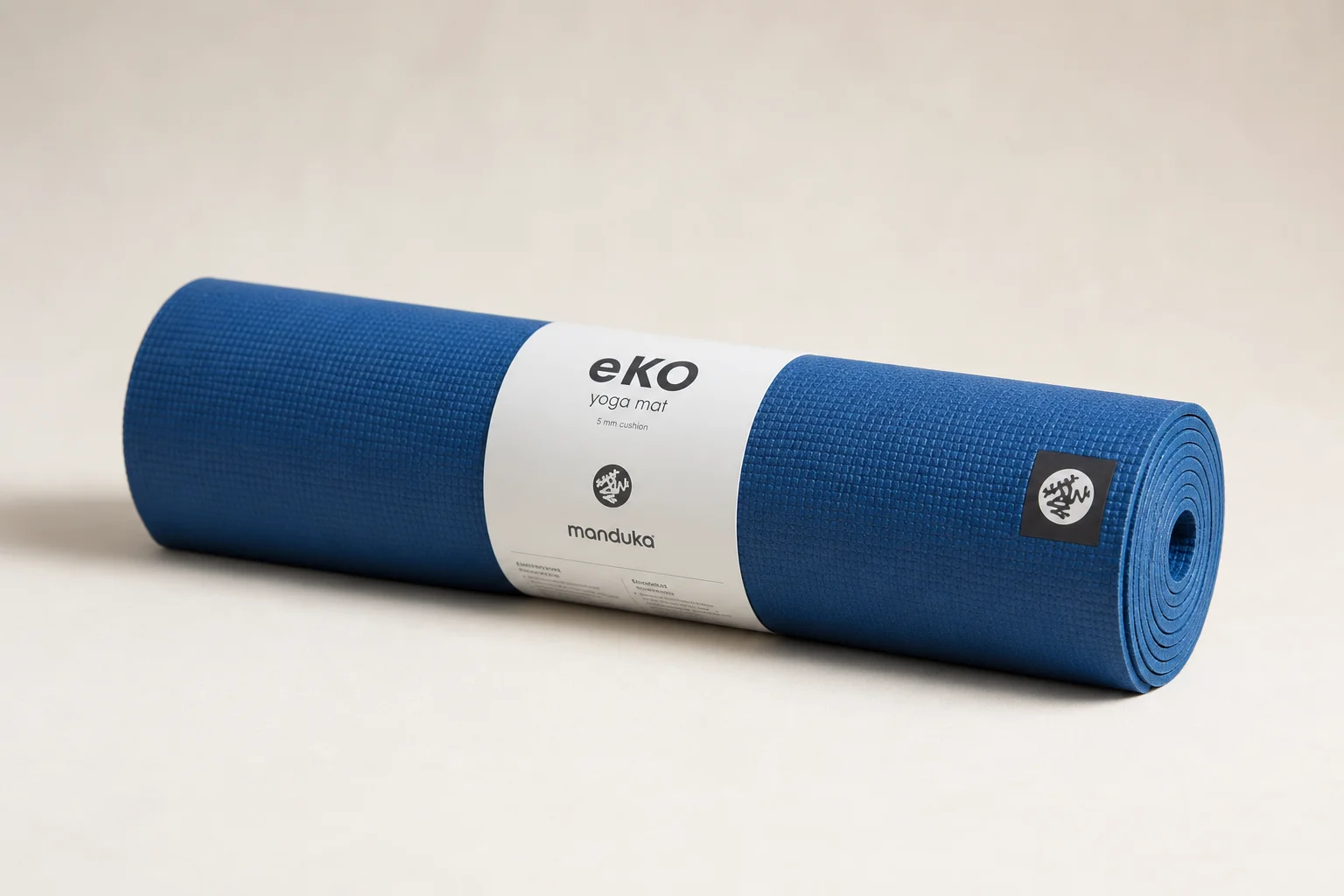
Yoga mats are designed with a tacky surface to prevent slipping during standing poses. The Manduka eKO is a popular example, available in light (four pounds) and regular (seven and a half pounds) versions. While visually appealing and excellent for yoga, yoga mats create problems for pilates practice.
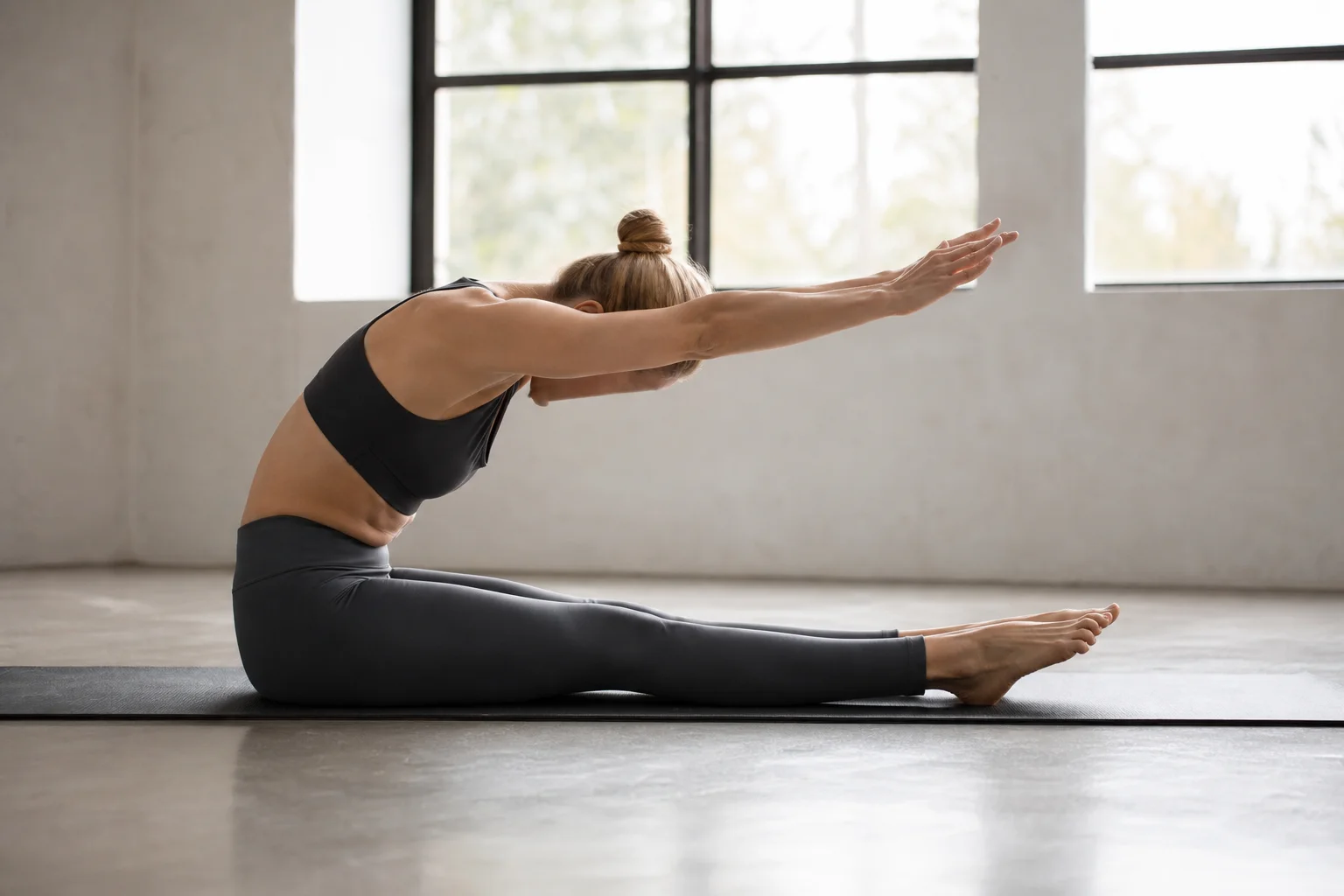
The sticky surface causes clothing to adhere to the mat during movements like roll-ups, which means your leggings or workout clothes slide down as you move. The mat also bunches up during transitions because your body sticks to it rather than gliding smoothly. For home pilates practice, a yoga mat works, but you will find yourself constantly adjusting your clothing and dealing with mat bunching. The weight also makes it impractical to carry in and out of a car regularly.
Thick Mats: Cushion with Trade-offs
Thick mats, typically half an inch or more, appeal to people who want extra cushioning during spine-intensive movements like roll-ups, roll-overs, and rolling like a ball. However, thickness introduces two significant problems.
First, a thicker, more cushioned surface becomes unstable. Pilates requires balance during exercises like rolling like a ball, open leg rocker, teaser, and sidekick. An unstable surface makes balance harder and increases the risk of losing control during these movements. Second, thick mats push your wrist deeper into the mat during planks and upside-down planks, which concentrates pressure on your palm and wrist. Many people report wrist pain during push-ups and planks on thick mats.
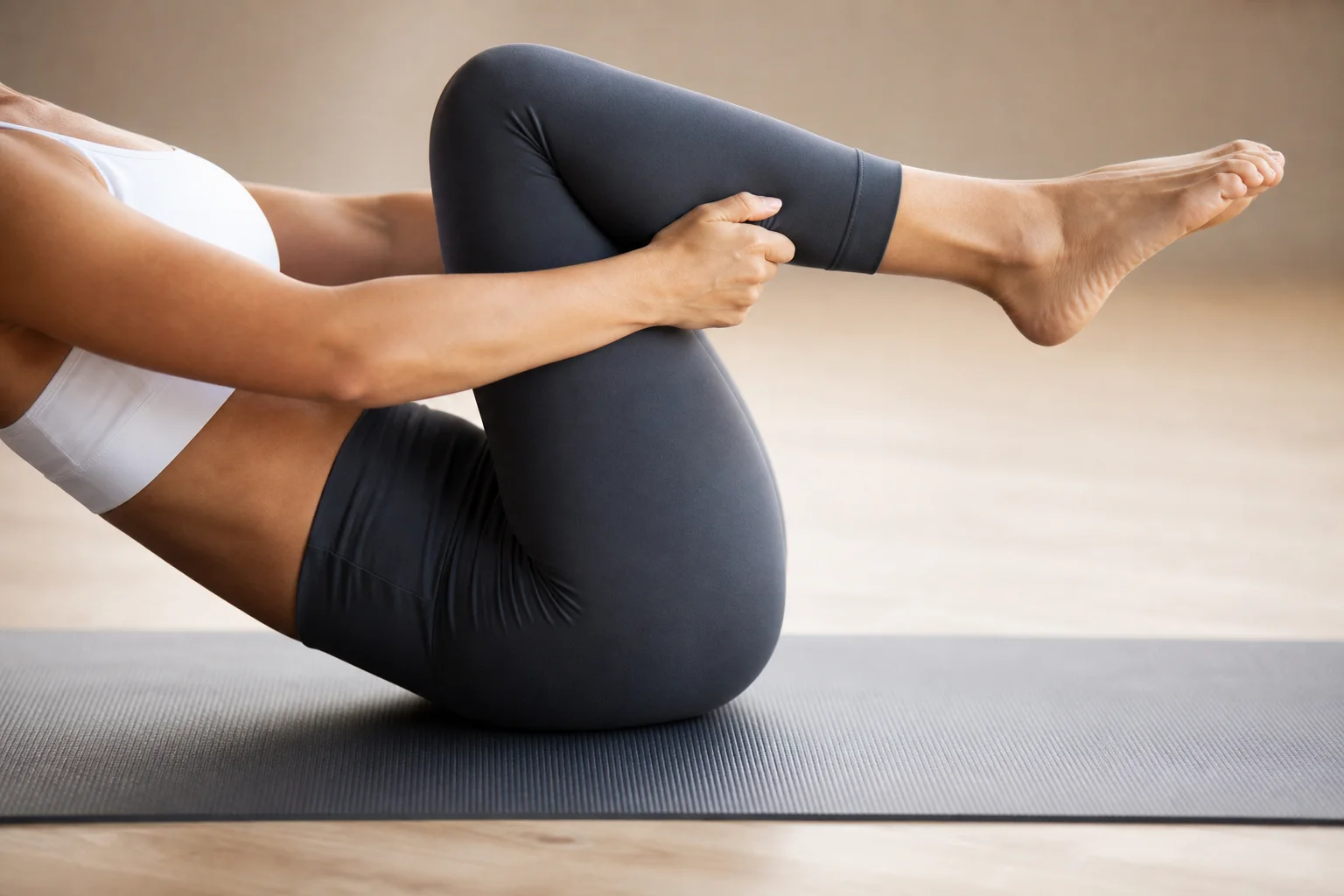
Thick mats work best as supplementary padding under your knees for exercises like thigh stretch, or if you layer them strategically during home practice. Some people find the extra cushion helps their back feel better, so trying one before committing makes sense.
Premium Studio Mats: The Full Experience
Premium pilates mats represent the high end of the market, ranging from 700 to 850 dollars. These mats combine moderate cushioning with a leather cover, which provides both comfort and support. The real advantage comes from built-in features: handlebars at the head for assisted roll-overs and a foot strap at the end to anchor your feet during roll-ups.
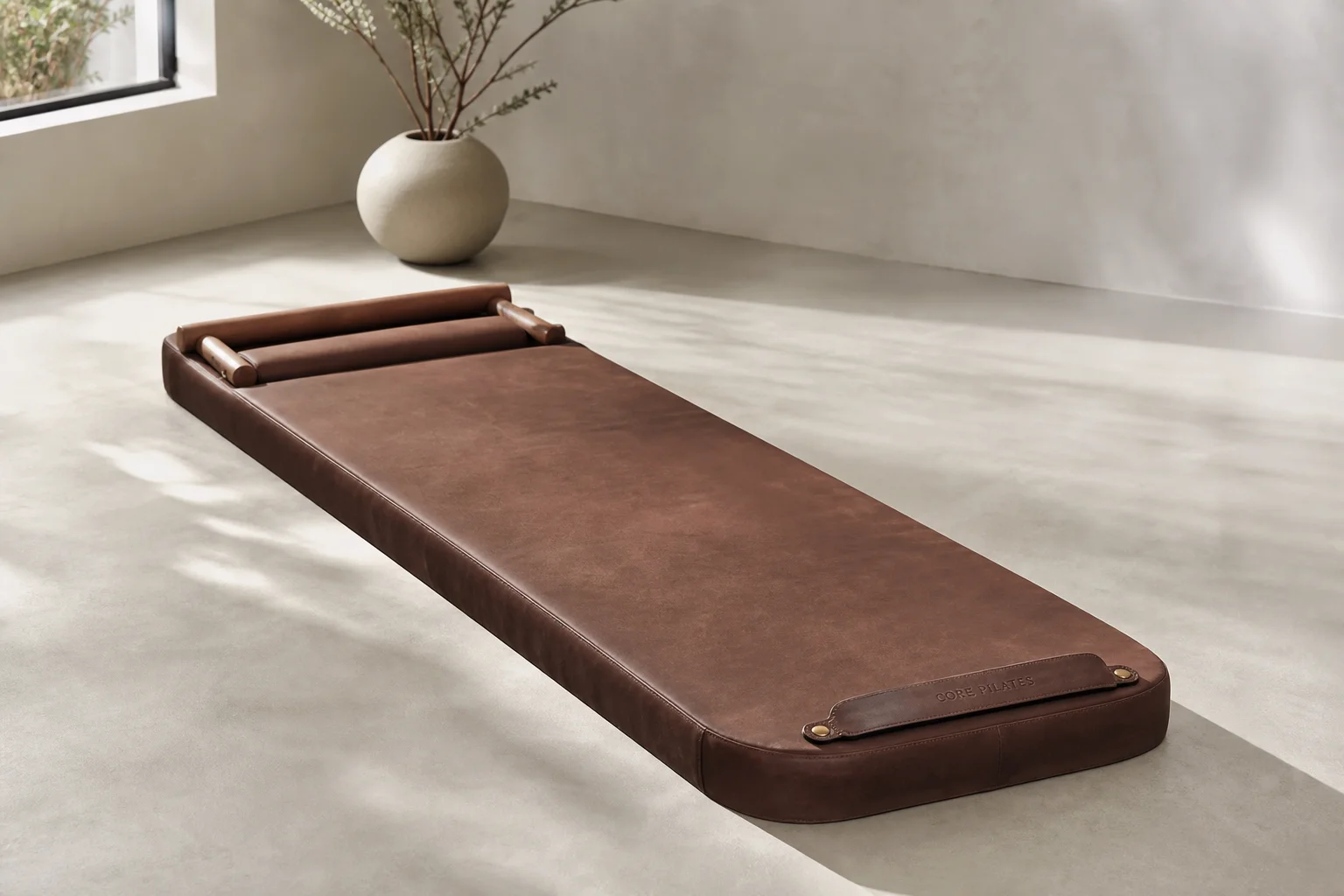
These features genuinely help if you struggle with specific movements. The handlebars let you pull more effectively during roll-overs, and the foot strap keeps your feet grounded during roll-ups. The mat is large and collapses for storage, though it is heavy enough that most people keep it out permanently rather than moving it frequently. If you have the budget and space, a premium mat is beautiful and comfortable. However, the handlebars and strap are nice-to-have features, not essential. You can absolutely practice pilates effectively without them.
Basic Budget Mats: Simplicity That Works
The Body Sport mat represents the opposite end of the spectrum: affordable, simple, and surprisingly effective. At 23 dollars, this basic mat offers half an inch of cushioning, rolls up compactly, and weighs only one and a half pounds, making it easy to carry to and from the gym or studio.
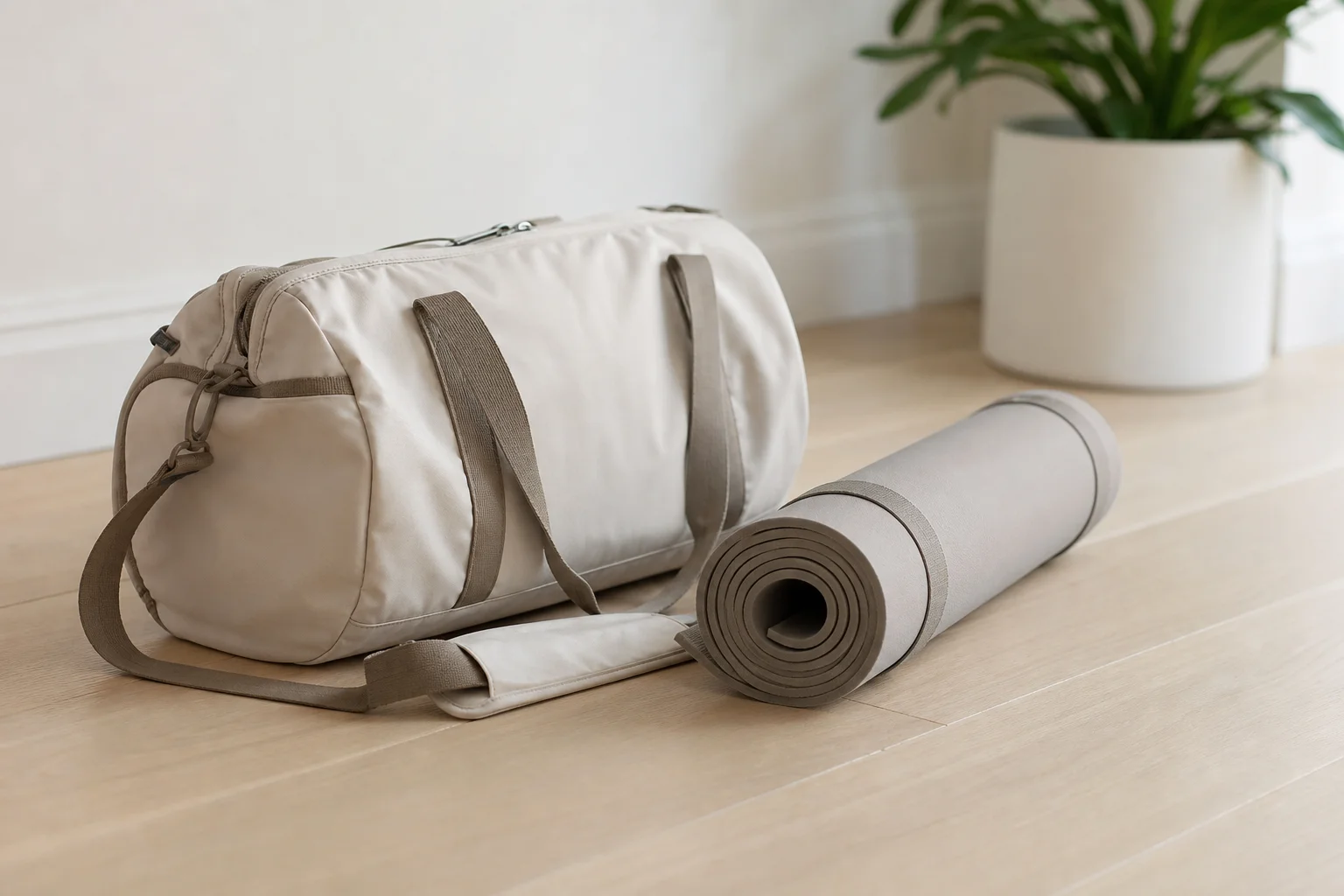
The Body Sport mat has proven durable through years of daily use and works perfectly on carpet or hardwood floors. It is nothing special visually or feature-wise, but it delivers exactly what you need for pilates practice. Unless you have specific preferences or physical needs, a basic mat is all you require to practice pilates effectively.
Conclusion
The best pilates mat depends on your budget, space, and practice environment. Yoga mats feel premium but create friction problems during pilates. Thick mats offer cushioning but compromise balance and wrist stability. Premium studio mats provide helpful features if you can justify the investment. A basic budget mat works reliably for most practitioners. Start with what fits your budget and try it in your actual practice space before upgrading.
Further reading
Related Reviews
Fitness Equipment
BCAN Rebounder 30-Day Review: A Mini Trampoline That Changed My Exercise Routine
After 30 days of daily rebounding, I discovered why NASA considers it one of the most effective exercises for lymphatic health, bone density, and overall wellness.
Fitness Equipment
Best Adjustable Dumbbells 2026: Seven Categories to Find Your Perfect Match
A comprehensive guide to adjustable dumbbells across seven categories, from beginner-friendly options to premium heavy hitters, helping you choose based on your priorities.
Fitness Equipment
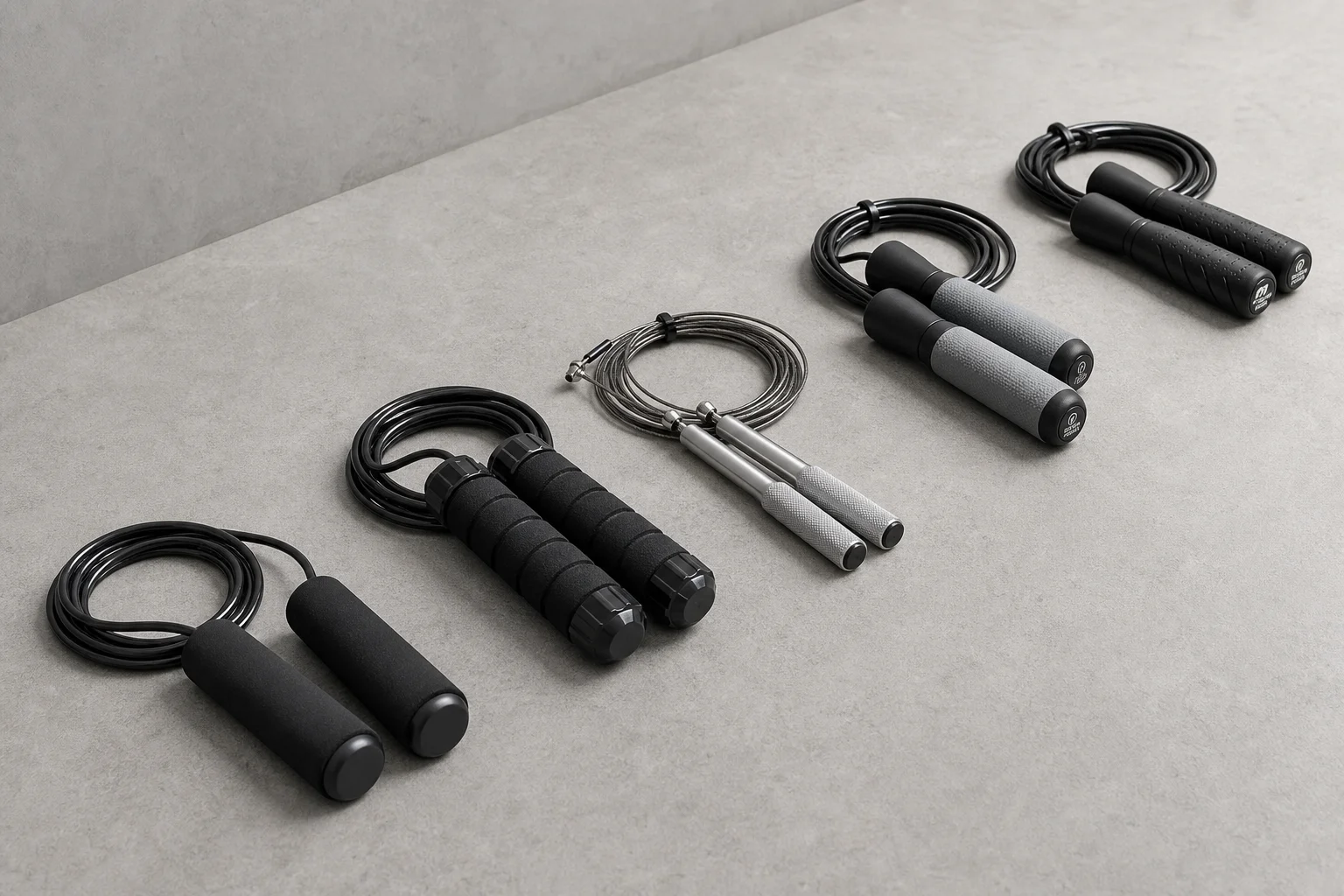
Best Jump Ropes 2026: Five Options for Every Fitness Level and Budget
A practical breakdown of five jump ropes, from budget-friendly entry-level models to premium speed ropes designed for serious athletes and Crossfitters.