Hand Tools
Best #2 Phillips Screwdrivers: Five Tools Compared for Speed and Grip
Five Phillips screwdrivers put through hands-on testing, with clear differences in grip comfort, slip resistance, and leverage options.
Introduction
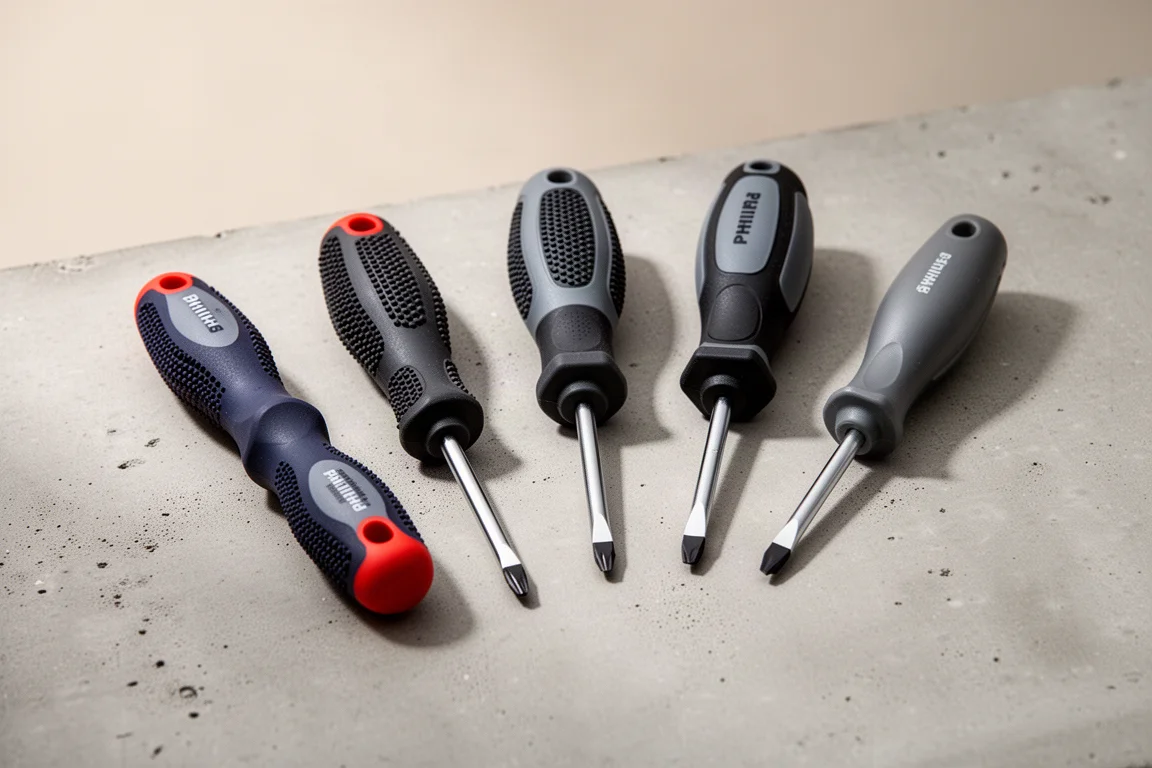
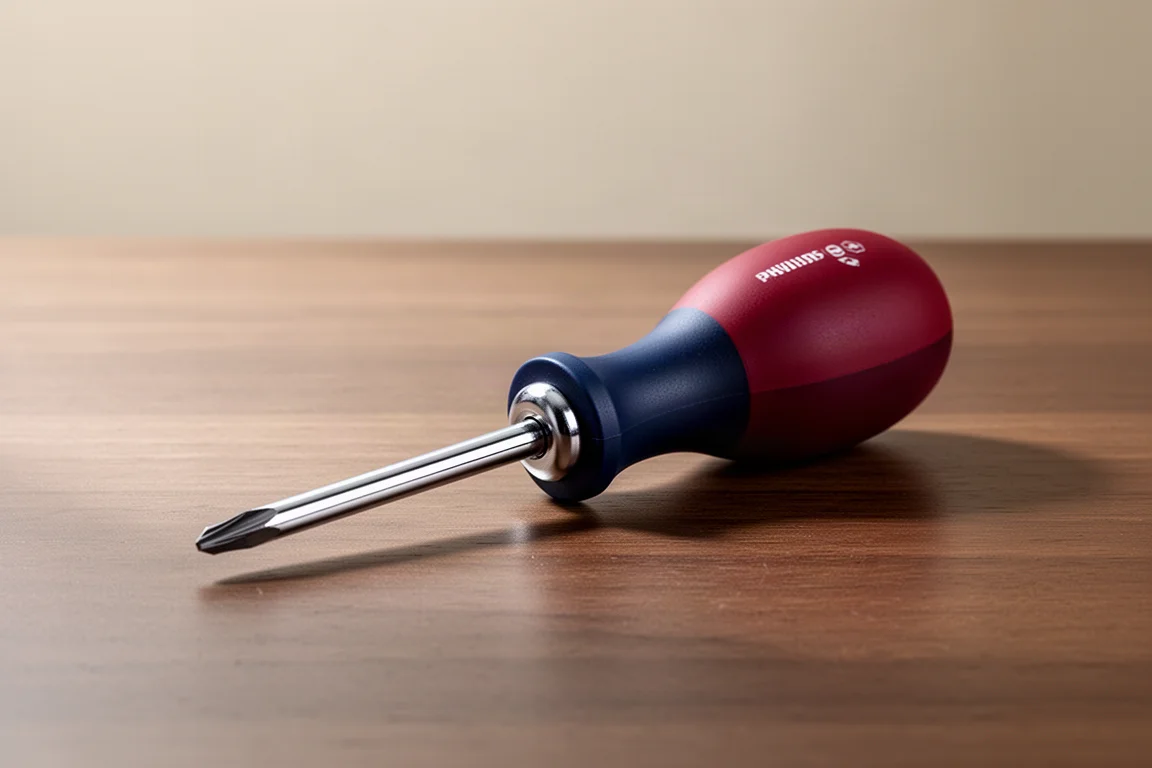
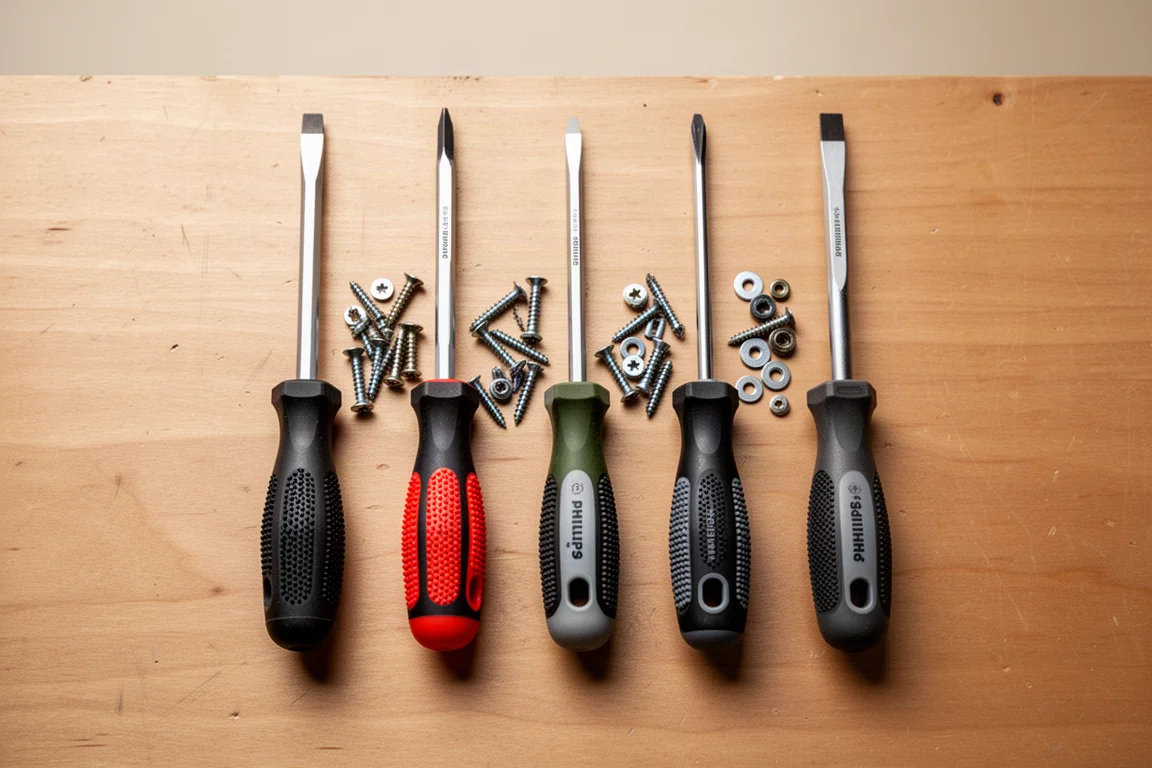
A good #2 Phillips screwdriver is one of those tools you reach for constantly, often without thinking about it. We spent time with five of them, focusing on how each one feels during fast, repeated turning and how well it stays seated in the fastener when your hand starts to fatigue. The differences turned out to be bigger than expected, and not always where we predicted.
Why Hand Screwdrivers Still Matter
Most of the time a hand screwdriver gets used is when there is not a lot of resistance in the fastener. You are not driving screws into a fence, a deck, or an electrical box set into a wall. It is light-duty work, which is exactly when speed matters and when a screwdriver that stays seated becomes a real advantage.
The catch is that when you zip along quickly with a hand screwdriver, the bit can fly out of the screw. It is not always classic cam-out. Often the orientation of your hand changes the angle and the tip simply slides out. That is one of the reasons Phillips exists in the first place: to avoid the slipping around that made slotted screws so frustrating. There is also a long-standing belief that cam-out is a deliberate built-in torque limit, so when working in metal, especially aluminum, you cannot overtighten and damage the workpiece.
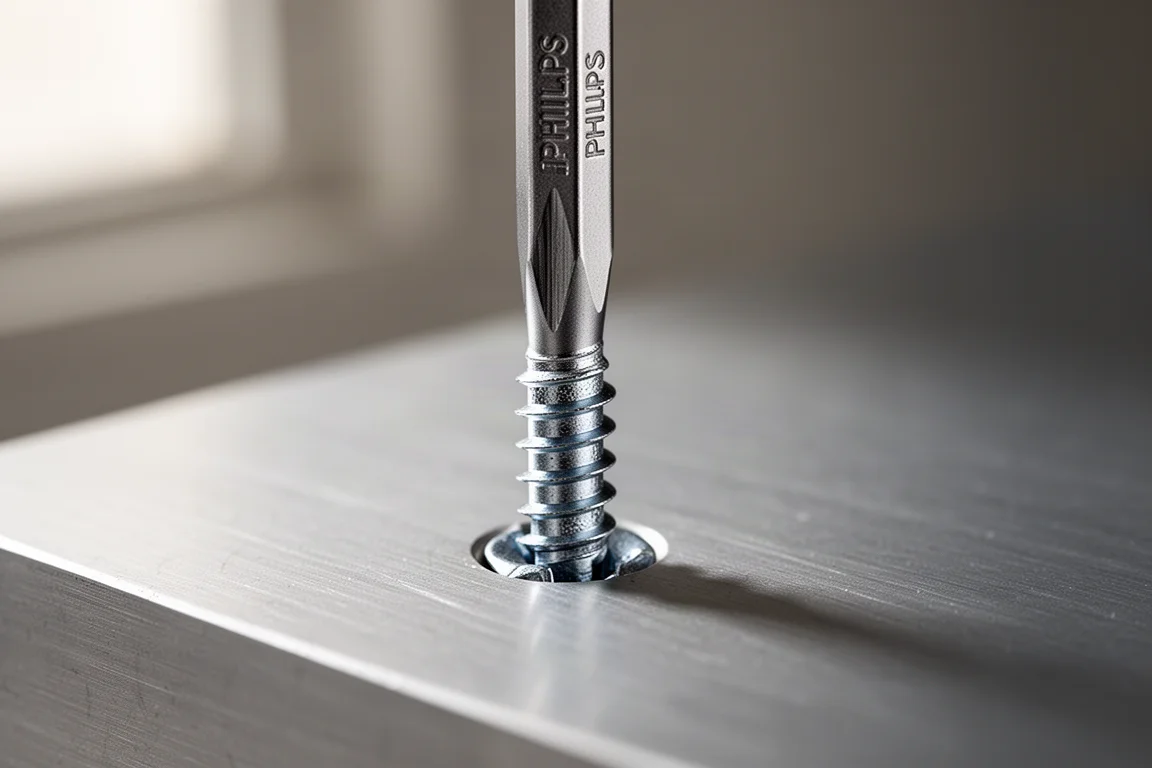
Whether that is a bug or a feature is up for debate, but the real differentiator between these five screwdrivers is not the tip at all. It is the handle.
Fluke Insulated #2 Phillips Screwdriver
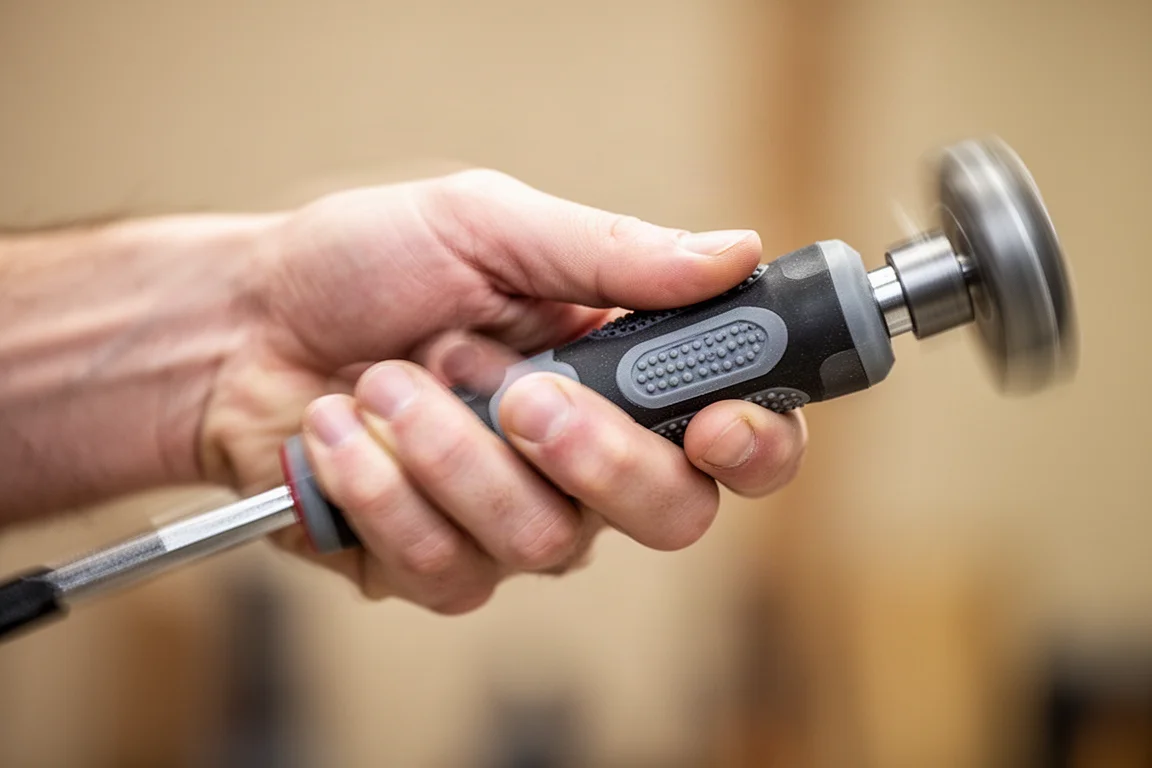
The Fluke Insulated #2 Phillips screwdriver carries a 1,000-volt insulated rating and, in testing, proved to be the standout for sustained fast turning. The handle offers full traction all the way around, so as long as your alignment stays roughly right, you can work back and forth at high speed without the tip popping out of the fastener. The harder spot at the back of the handle even works as a comfortable palm seat.
Across all our testing, the bit never flew out of the screw, even at speed. That consistency is the main reason this one earned top marks.
Knipex Insulated Phillips Screwdriver
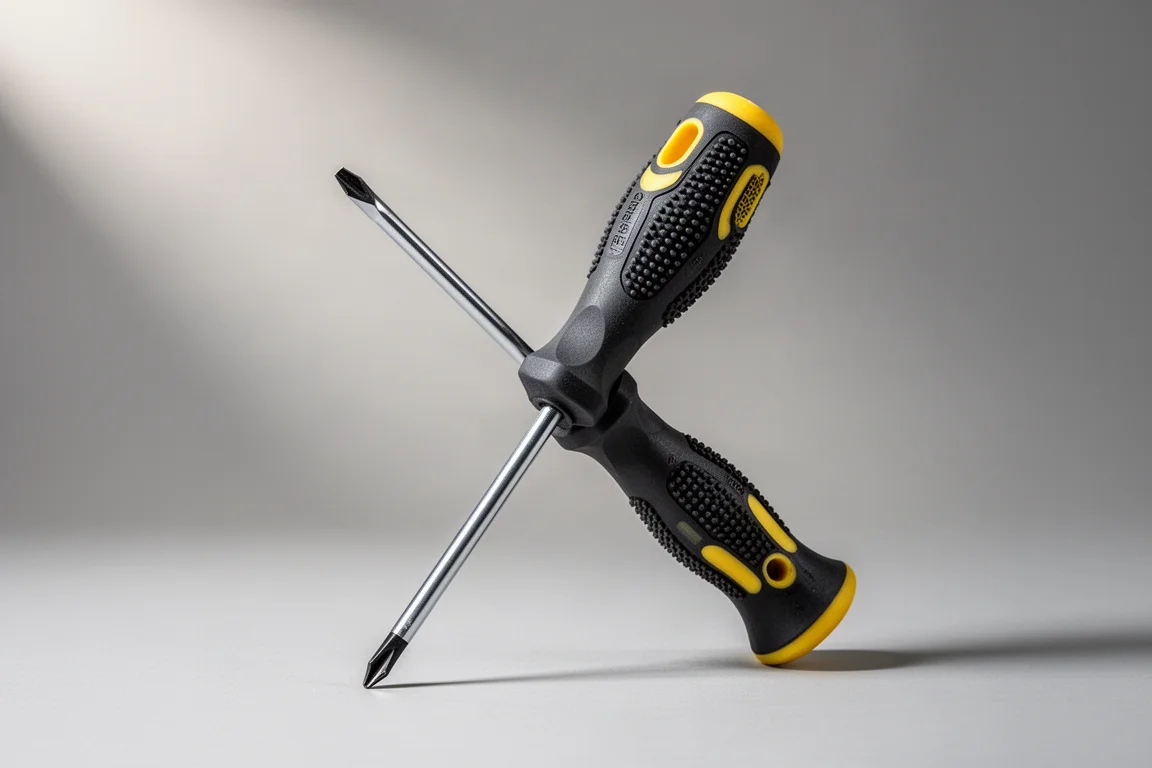
The Knipex insulated screwdriver has a design characteristic that caught us off guard. The handle uses a slippery hard material surrounded by a slightly grippier softer material, with discrete spots of the hard material placed around the grip. If your fingers land on one of those spots, they slide, especially once you speed up and your hand drops toward the back of the tool. When the thumb slides off one of those hard panels, the screwdriver can flip right out of the fastener.
It has nothing to do with the tip. It is purely a handle material and shape issue, and it was the most pronounced of the five tools we tested. If your turning style keeps your hand higher up the handle, it may never be a problem, but it is worth checking in person before buying.
Wera Insulated Phillips Screwdriver
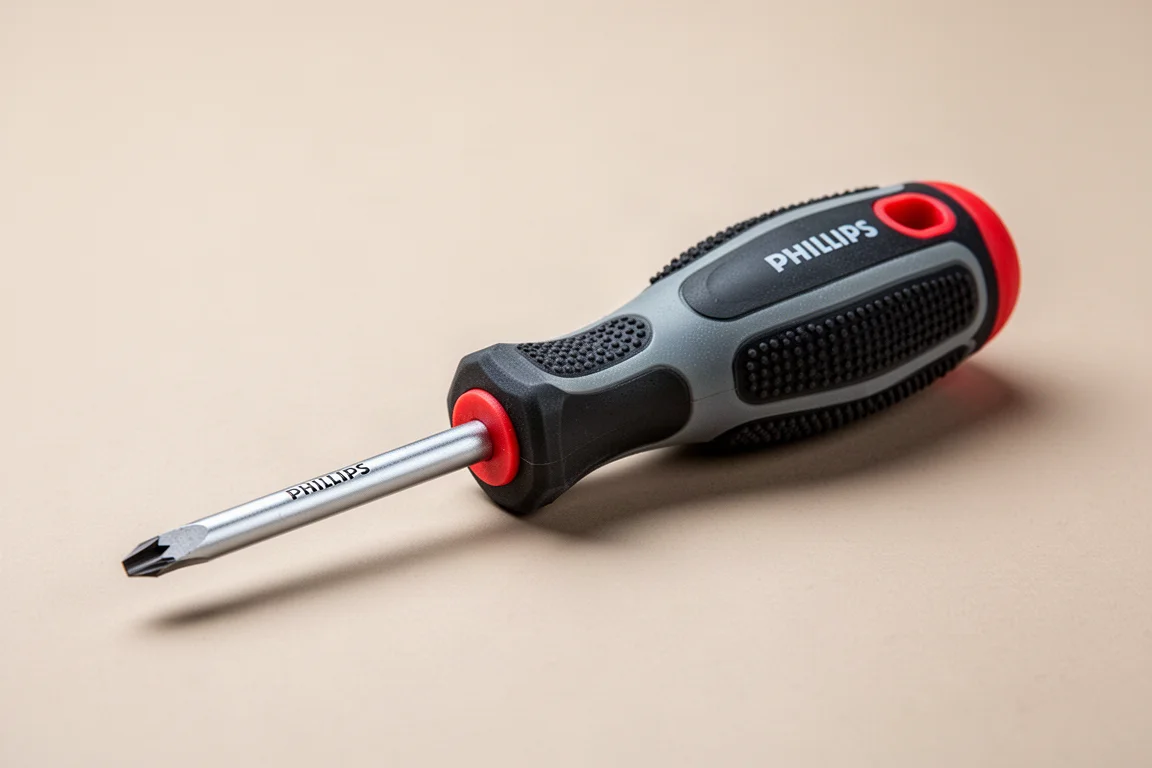
The Wera insulated screwdriver performed noticeably better in the slip test. It uses continuous grippy texture points throughout the handle, with only a few small gaps where the surface turns hard. Because those gaps are generally not large, the hand can find purchase almost anywhere on the grip, and occasional slips were far less frequent.
That makes it a solid middle ground: not quite as consistent as the Fluke, but much more forgiving than handles with large hard panels.
Snap-on Insulated Phillips Screwdriver
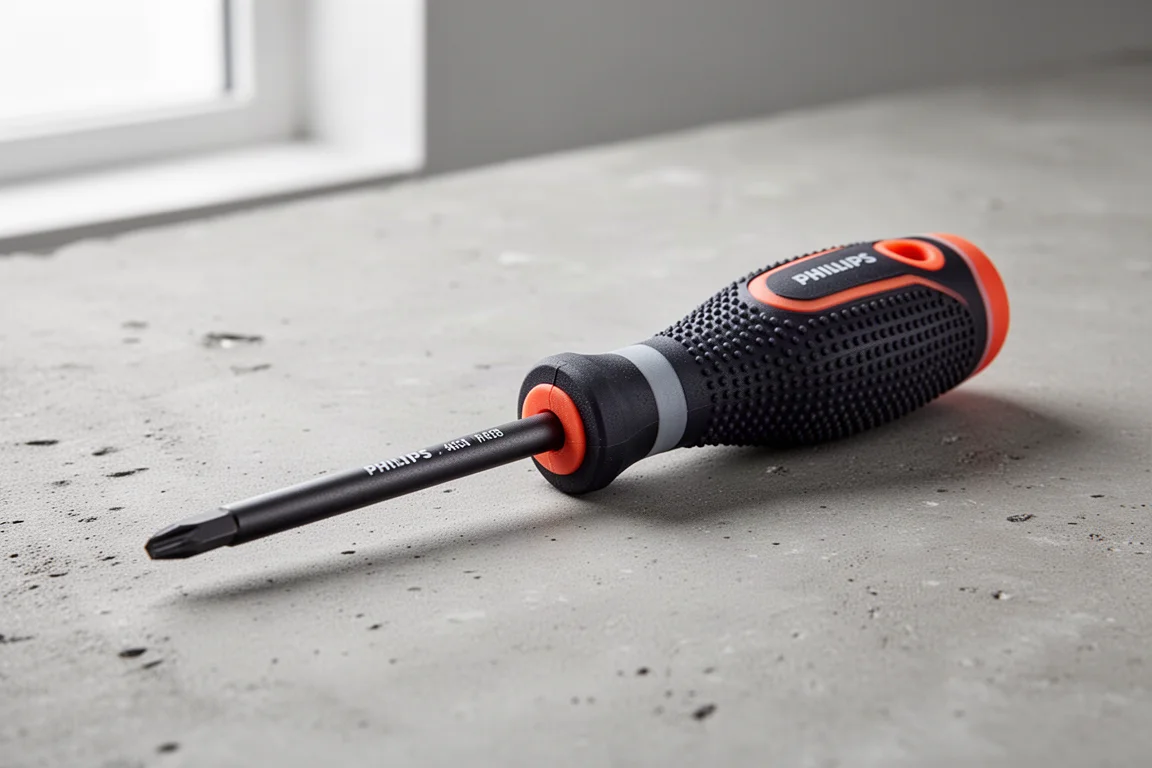
The Snap-on insulated screwdriver shares a similar construction approach to the Knipex, with slippery hard sections paired with grippier rubber zones. The shape partly compensates: once you get going, your thumb can slide up and seat into the rubbery material, which holds it in place. In practice, slips were possible but less frequent than with the Knipex, as long as your hand finds the rubber.
It is a competent professional-grade tool, but the handle demands a bit more attention to hand placement than the best performers here.
PB Swiss Hardback Phillips Screwdriver
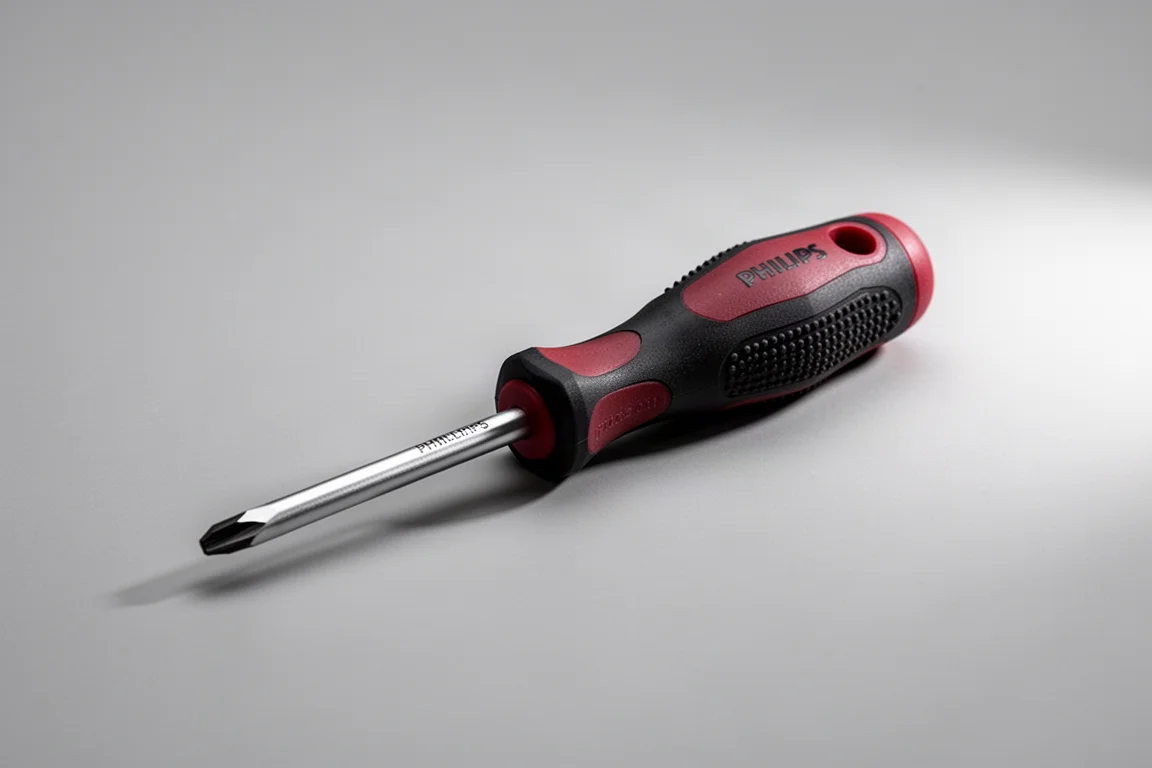
The PB Swiss hardback screwdriver takes a different approach. The handle slides smoothly in your palm, which sounds like a drawback but works in your favor: as your hand moves up and down the handle during fast turning, it is easy to keep the alignment without losing traction. The tip stayed seated reliably through our testing.
If you prefer a traditional round hardback feel and value smooth, consistent rotation over rubberized grip, this one is well worth a look.
Leverage Options: Wrench Flats and T-Handles
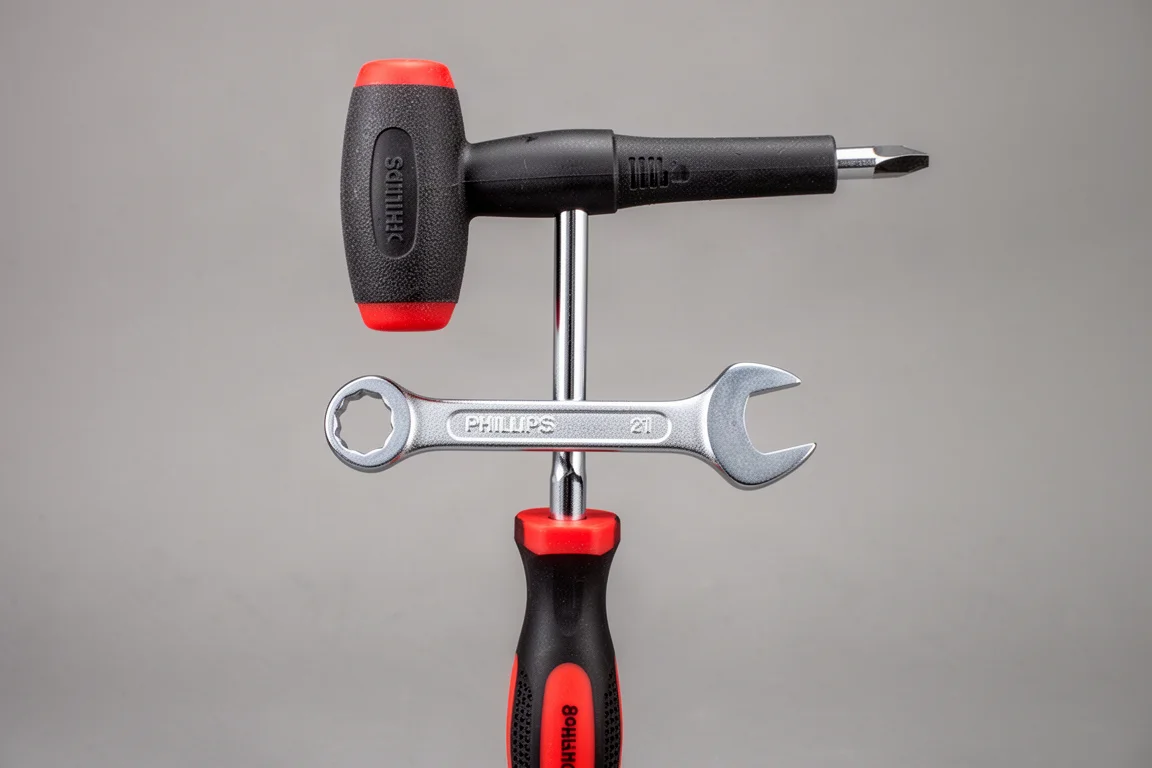
One detail worth comparing is how each shaft accepts added leverage. The Fluke holds an 18mm wrench on the shaft, giving you the option of extra torque, and it has a substantial through-hole that could serve as a T-handle assuming you do not need the electrical insulation in that position. The opening is large enough that a #3 screwdriver shaft could probably pass through it.
The Knipex also has an opening, but very little fits through it, and you start to wonder whether whatever you stick through it will hold up. The PB Swiss opening is narrow as well. Wera uses a 10mm fitting for added assistance, which is a sensible middle ground. Snap-on remains in the 3/8-inch world; jumping to 10mm would be a welcome change.
Which Screwdriver Should You Buy?
If fast, sustained hand driving is your priority, the Fluke and the PB Swiss hardback immediately showed a real advantage in keeping the tip seated, and the Fluke is not terribly expensive. The Wera is a strong runner-up thanks to its continuous grip texture. The Knipex and Snap-on are capable tools, but their hard handle panels can cause slips at speed, so try them with your own turning style before committing.
Conclusion
The biggest lesson from this comparison is that handle design matters more than most buyers expect. A slippery hard panel in the wrong spot can flip a screwdriver right out of a fastener, while full-traction or palm-friendly grips let you work quickly without losing the screw. Match the handle to how you actually turn a screwdriver, and you will notice the difference on the very first job.
Further reading
Related Reviews
Hand Tools
Best Diagonal Cutters 2026: 16 Pliers Tested for Cutting Power and Durability
We put 16 diagonal cutters through nail, screw, drill bit, and hex key tests to find the best value picks for your toolbox.
Hand Tools
Best Hex L Key Sets 2026: Nine Sets Tested for Real-World Torque
Nine hex L key sets from budget to premium, tested for torque, fit, and durability. See which sets deliver real performance and which ones to skip.
Hand Tools
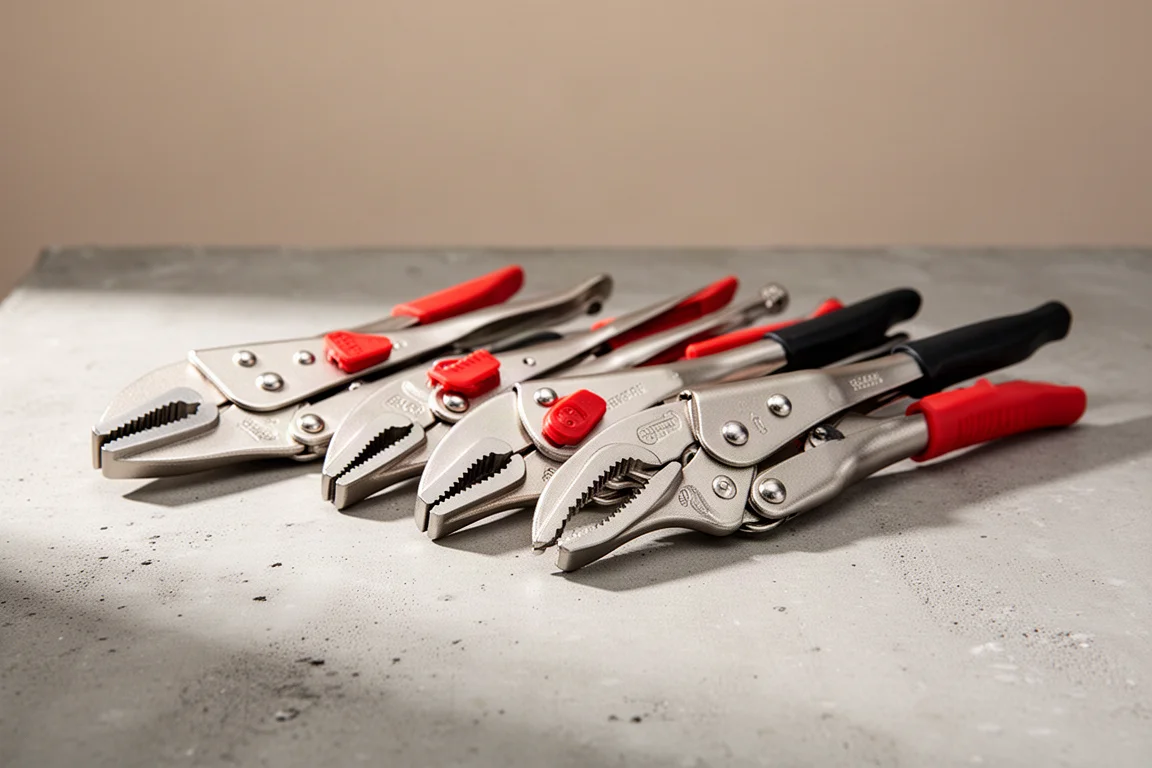
Best Locking Pliers 2026: Top Picks Tested for Grip and Durability
We tested 18 brands of 10-inch locking pliers for grip strength, jaw bite, build quality, and ease of release to find the best options for tough jobs.