Kitchen Knives
Petty Knife Sizes Compared: 90mm, 135mm, 150mm and 180mm Tested
Four Japanese petty knives go through real kitchen tasks, from chicken butchery to onion dicing, to find which blade size earns a permanent spot on the counter.
Introduction
A petty knife is one of the most useful blades a cook can own. It handles small vegetables, delicate garnish work, light butchery and all those odd jobs that come up at a home counter or professional station. The catch is size: petty knives typically come in 90mm, 120/135mm, 150mm and 180mm lengths, and each behaves very differently depending on the task.
To make the choice easier, we put four knives through a practical set of tests: breaking down a chicken, trimming brussels sprouts, peeling apples, dicing onions, cutting carrots and mincing garlic. Here is how each size performed, and which knife suits which cook.
Picking a Size
Most petty knives fall into five camps: 90mm, 120/135mm, 150mm, and 180mm, with 210mm models drifting into sujihiki or slicing territory. Shorter blades excel at in-hand work such as trimming and peeling, while longer blades bring more clearance, more travel and easier long drawing strokes for slicing cooked proteins.
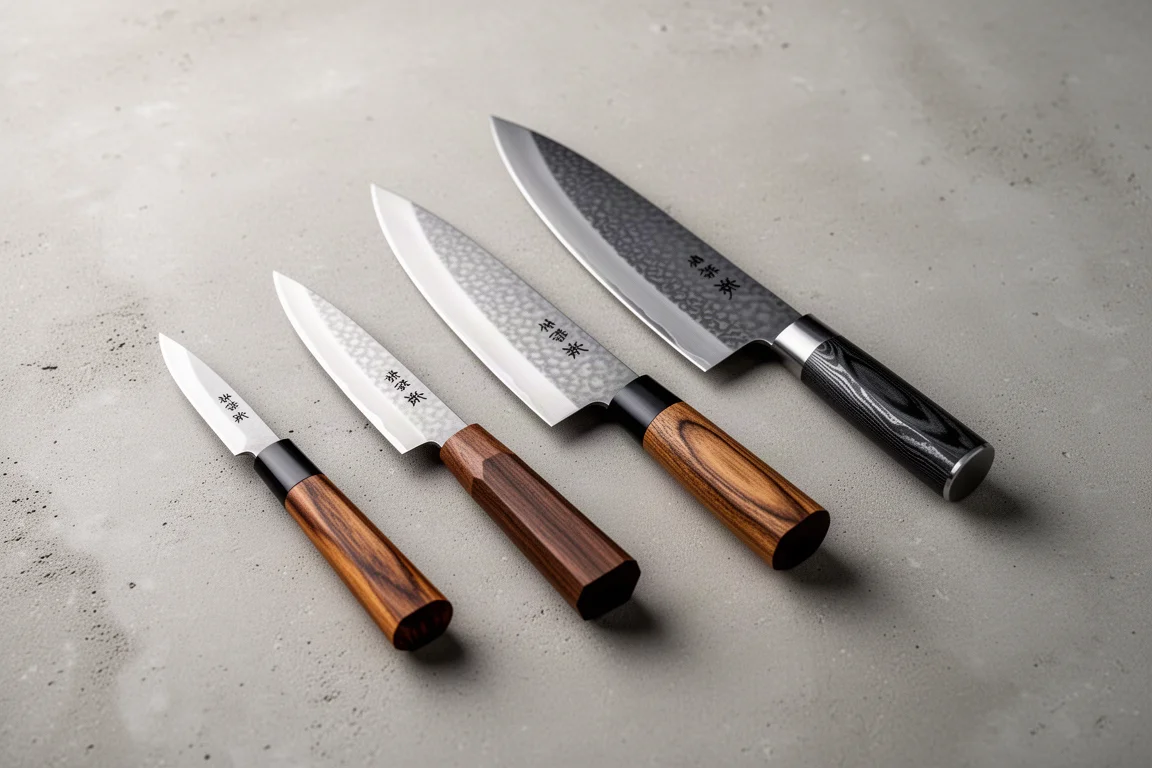
The four knives tested here cover that spectrum well:
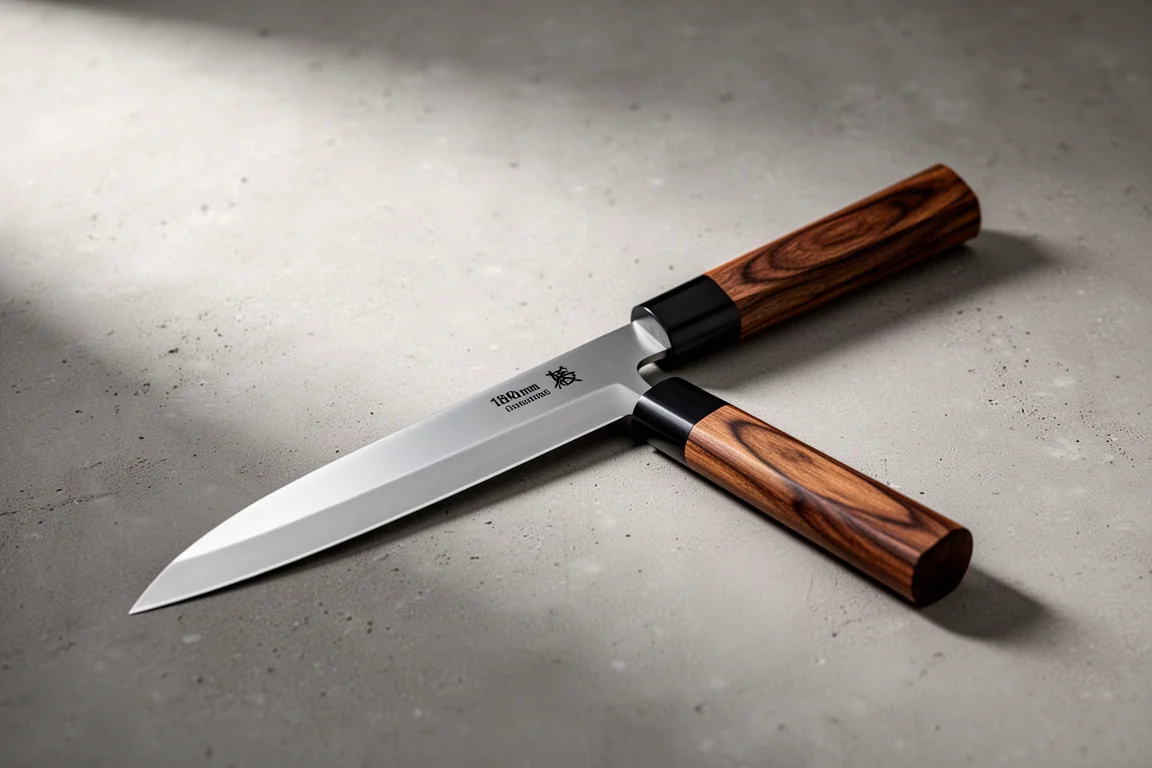
- Motokuchi Ironclad White #1, 180mm, burnt chestnut handle with black ferrule
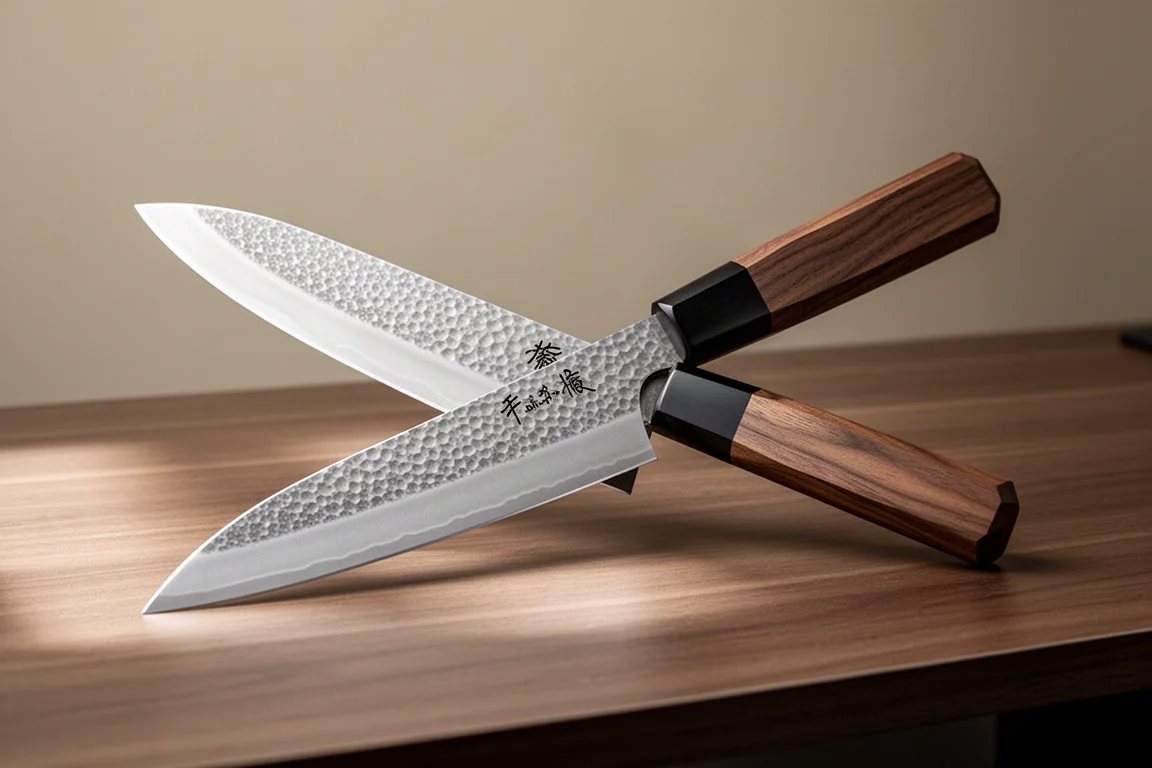
- Shigeki Tanaka Ginsen Nashiji, 150mm, octagonal walnut handle with black pakka wood ferrule
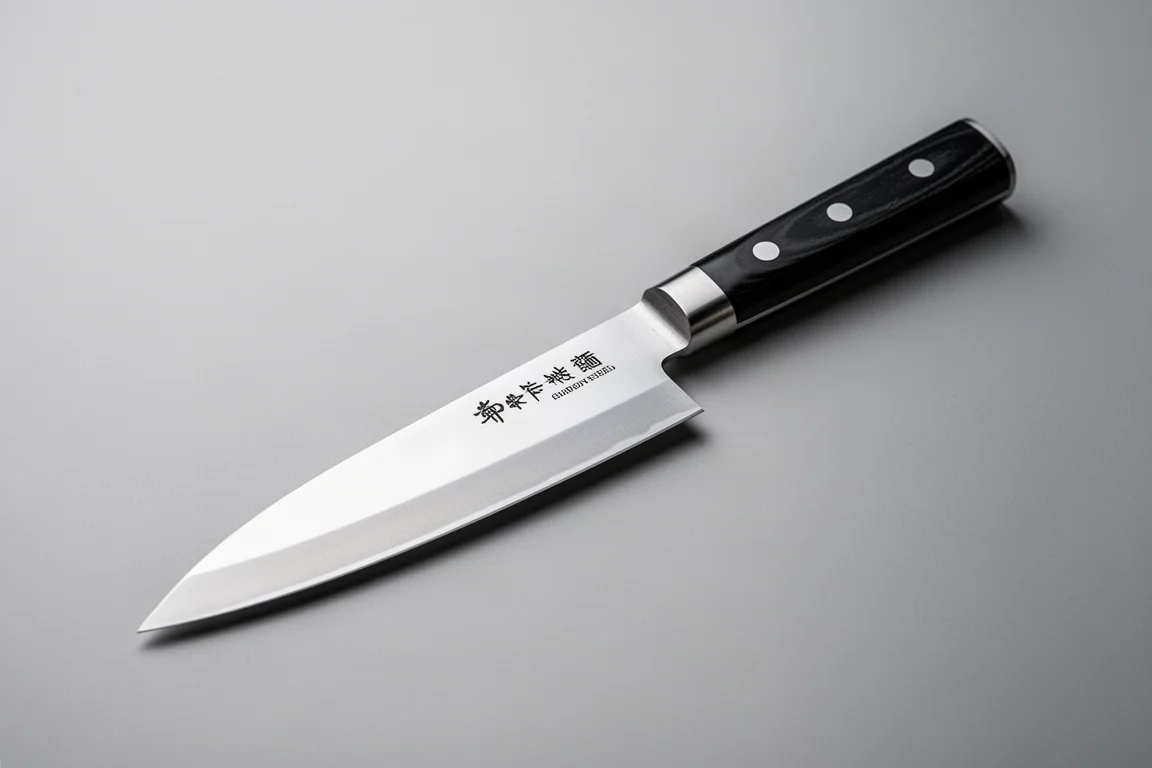
- Tosaichi Bright, Aogami Super with stainless cladding, western black pakka wood handle
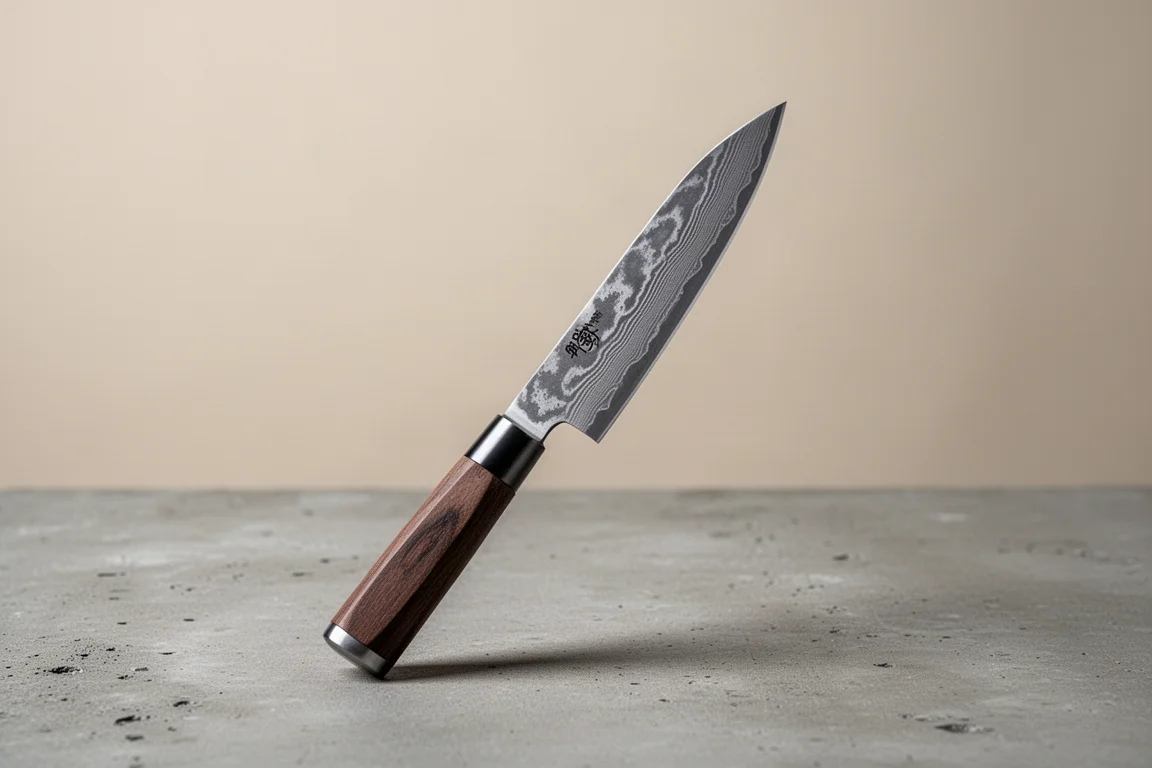
- Seki Kanetsugu Zuiun Damascus, 90mm, a size that doubles as a western-style paring knife
The Chicken Butchery Test
The 180mm Motokuchi handled the chicken with ease. A slender profile, sharp point and extra length made cuts through the breastbone simple, and it would also be the strongest choice for slicing cooked breast with long drawing strokes. The only trade-off is tip control: with your hand further from the tip, fine deboning takes a bit more care, though choking up on the handle helps.
The 150mm Shigeki Tanaka felt nearly identical for most of the bird but was noticeably more nimble around the fiddly parts, with the index finger closer to the tip for confident deboning. If butchery alone decided the winner, this size would take it.
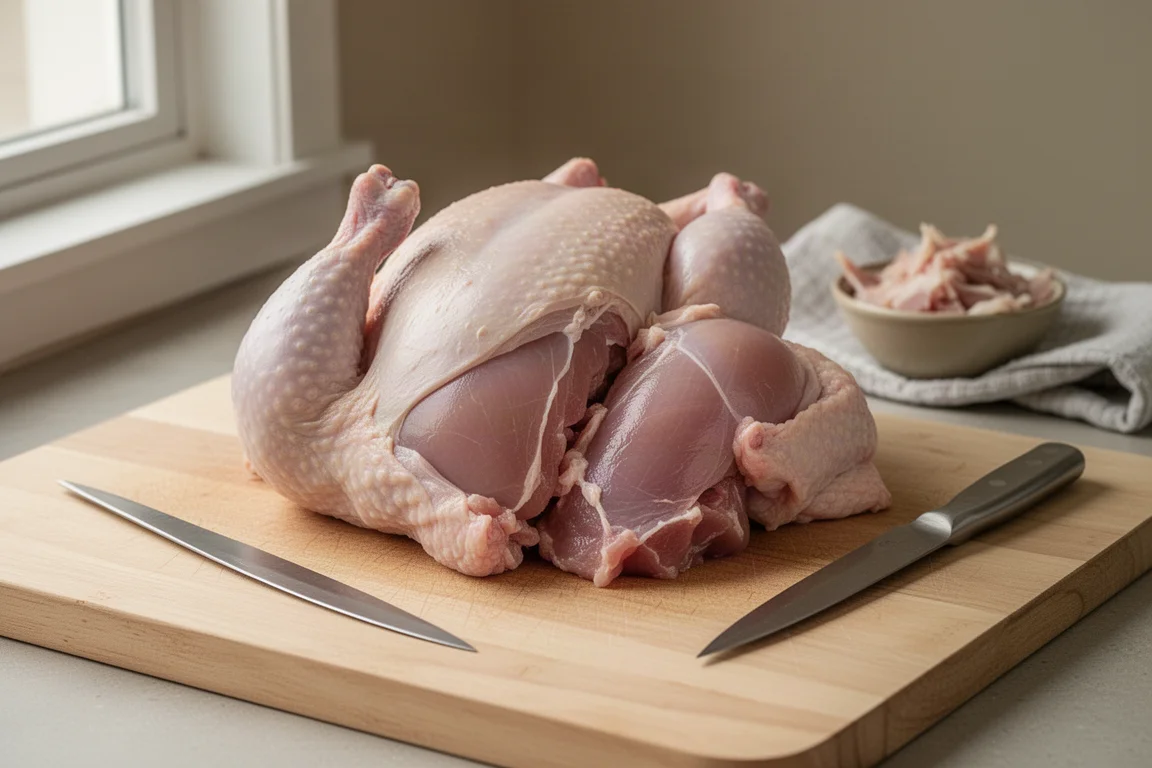
The 135mm Tosaichi proved what experienced cooks tend to already know: for butchery, blade length matters less than you would think, since most of the work happens at the very tip. It felt the most comfortable of the group, with enough length for everything needed and none of the self-jabbing worry. The finger notch on the western handle added confidence.
The 90mm Seki Kanetsugu could break down a chicken, but it was clearly the awkward one. Removing legs and wings required more sawing, and the short blade offered no natural reference point for slicing strokes. Fine deboning was genuinely comfortable, but nobody wants to swap knives mid-bird.
In-Hand Work: Brussels Sprouts and Apples
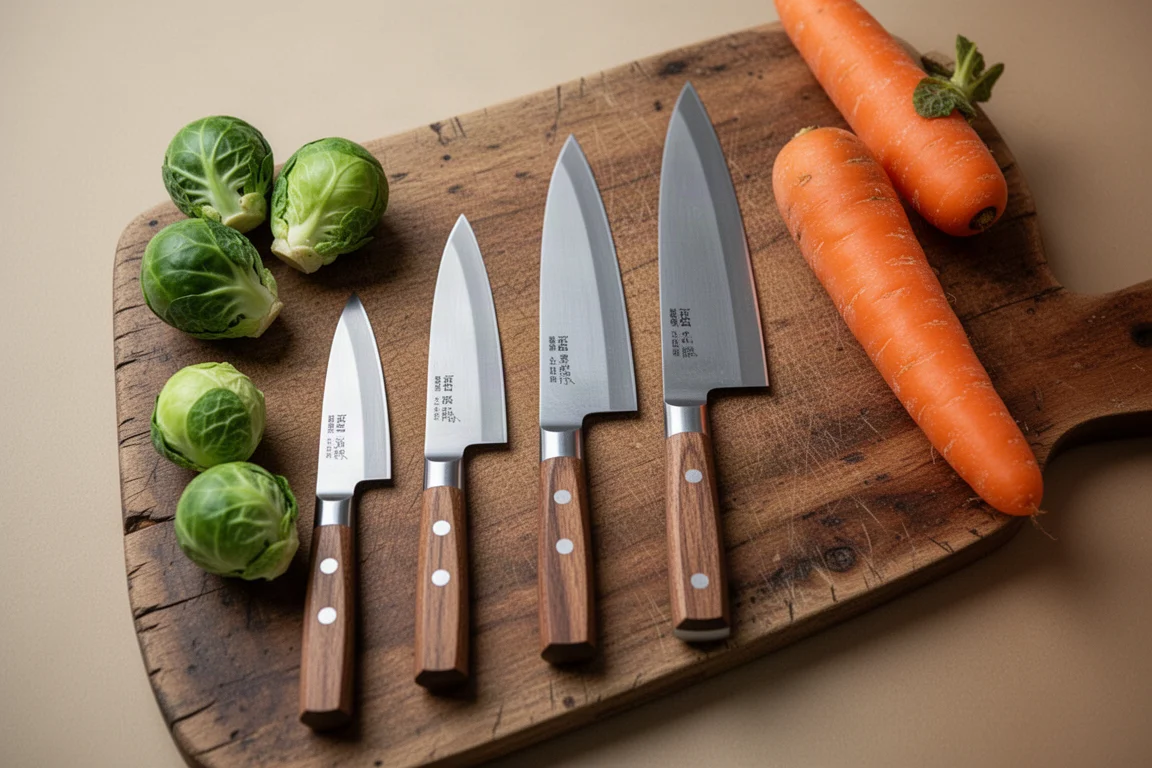
This is where the 90mm earned its keep. Trimming brussels sprouts off the board, in your hand, is exactly what a short petty or paring knife is made for, and it was the most enjoyable knife of the group for that job. Apple peeling in hand was also easiest here, though honestly a peeler remains the sensible option for most people.
The 150mm surprised. Despite the extra blade, brussels sprout trimming felt fine once the heel of the blade did the work, and in-hand apple peeling was no harder than with the 90mm. For cooks with larger hands, this size gains even more appeal. The 180mm followed the same pattern: less intimidating in hand than expected, though the taller blade made the thumb-and-blade peeling grip trickier.
Onions and Carrots: Where Longer Blades Shine
The 90mm struggled on the onion test. There was barely enough blade to cut through the bulb, knuckles dragged on the board, and dicing took several times longer than normal. A clear fail for board work.
The 135mm passed. It is not as comfortable as a bunka or santoku, but there was just enough length to keep knuckles clear on the cross cut and get through cleanly.
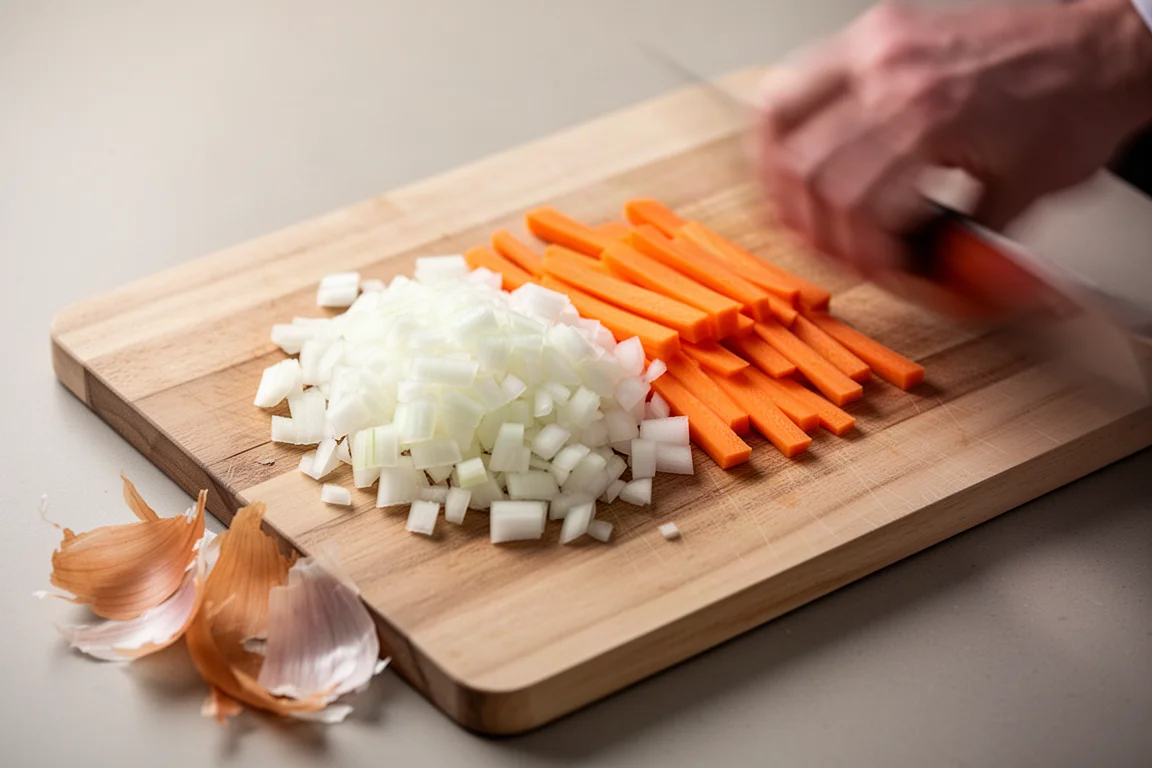
The 150mm and especially the 180mm changed the verdict entirely. Both dice onions with real comfort, and the taller, longer blades also transformed the carrot test. With more blade length to work with, each stroke cuts further, which means less downward pressure and a much smoother feel through tough carrot flesh. The 180mm in particular pushed into proper line-knife territory, handling both push cuts and rock chops without complaint. If you want a petty that can double as a vegetable knife, 150mm or 180mm is the answer.
Tip Work and Garlic
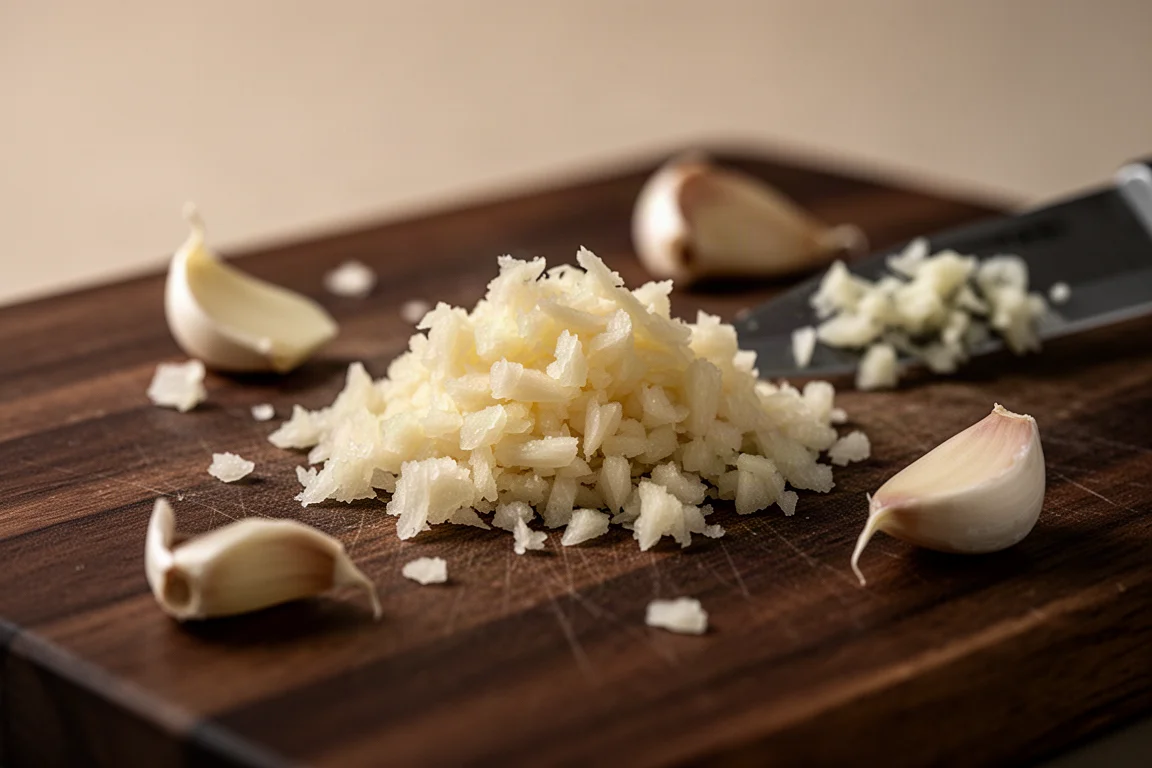
Fine garlic mince is a tip-control test. The 90mm forces an awkward, cramped grip with fingers bunched and knuckles knocking the board, so results came slowly. The 135mm was far more enjoyable, with enough blade length to hang the hand off the board edge for knuckle clearance, and that finger notch continues to earn its place.
The 150mm matched the 135mm for comfort while adding enough length to process more garlic per pass. The 180mm delivered the best results of all: precise tip work, comfortable grip and a genuinely satisfying fine mince.
Final Verdict: Which Size Should You Buy?
The 90mm is a niche tool. Outside of in-hand trimming, it frustrated on nearly every task, so we would not recommend it as an only petty.
The 135mm is the classic safe pick. It is the most comfortable size for butchery and fine tip work, and it never failed a task. But its advantages were not large enough to outweigh what the bigger blades did better elsewhere.
The 150mm emerged as the dark horse. It deboned chicken comfortably, handled in-hand work better than expected, and chopped vegetables far more capably than the shorter sizes.
The 180mm Motokuchi Ironclad White #1 takes the overall win. It excelled at onions and carrots, broke down a chicken with little trouble, and it is an approachable choice for anyone who finds a santoku, bunka or gyuto intimidating. If you had to cook a full holiday dinner with one of these four knives, this is the one. Around the 150mm and 180mm marks, the price gap between the tested knives is small, so value is strong across both sizes.
Conclusion
If you want a single do-everything petty, the 180mm Motokuchi is the standout, with the 150mm Shigeki Tanaka a very close second for cooks who prioritize nimble deboning. The 135mm Tosaichi remains a great comfort-first pick, and the 90mm is best treated as a paring knife for in-hand trimming rather than a main blade. Match the size to the tasks you actually do most, and any of these will serve you well.
Further reading
Related Reviews

Kitchen Knives
Best Chef's Knives 2026: 27 Popular Options Tested and Ranked
A comprehensive review of 27 chef's knives ranging from $18 to $380, with honest assessments of handle comfort, blade balance, and real-world performance.

Kitchen Knives
Best Chef's Knives Under $75: Two Tested Recommendations
Two practical 8-inch chef's knives that balance sharpness, comfort, and durability without premium pricing.

Kitchen Knives
Best Chef's Knives 2026: 27 Options Tested and Ranked
A comprehensive review of 27 chef's knives ranging from $18 to $380, with honest assessments of handle design, balance, blade profile, and real-world performance.