Flashlights
Best Pen Lights Around $50: Five Rechargeable Pocket Lights Tested
Five rechargeable pen lights from LED Lenser, Milwaukee, Streamlight, Coast, and Nebo compared on output, runtime, charging, and durability.
Introduction
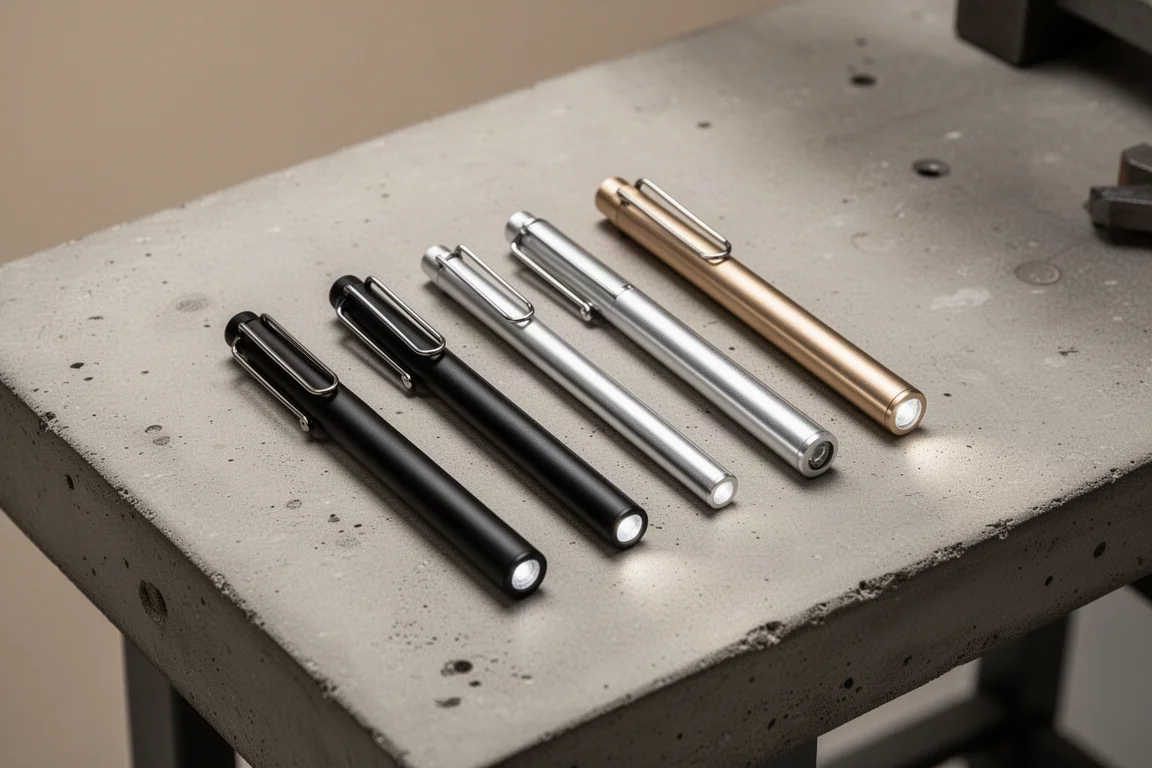
A pen light lives in your pocket, gets abused in engine bays and tight mechanical spaces, and needs to give an honest account of itself. That is exactly what we set out to check with five rechargeable options clustered around the 50 dollar mark: the LED Lenser P4R Core, the new Milwaukee 2010R, the Streamlight Stylus Pro USB, the Coast HP3R, and the Nebo Inspector 500 Plus.
Every light here was tested on a calibrated light meter for true output, tracked over time to see how brightness holds up, and ultimately subjected to drop and water testing until failure. The short version: this is the most honest group of lights we have measured in this class, with nearly every claim coming out at or above its advertised number.
LED Lenser P4R Core: 200 Advertised Lumens
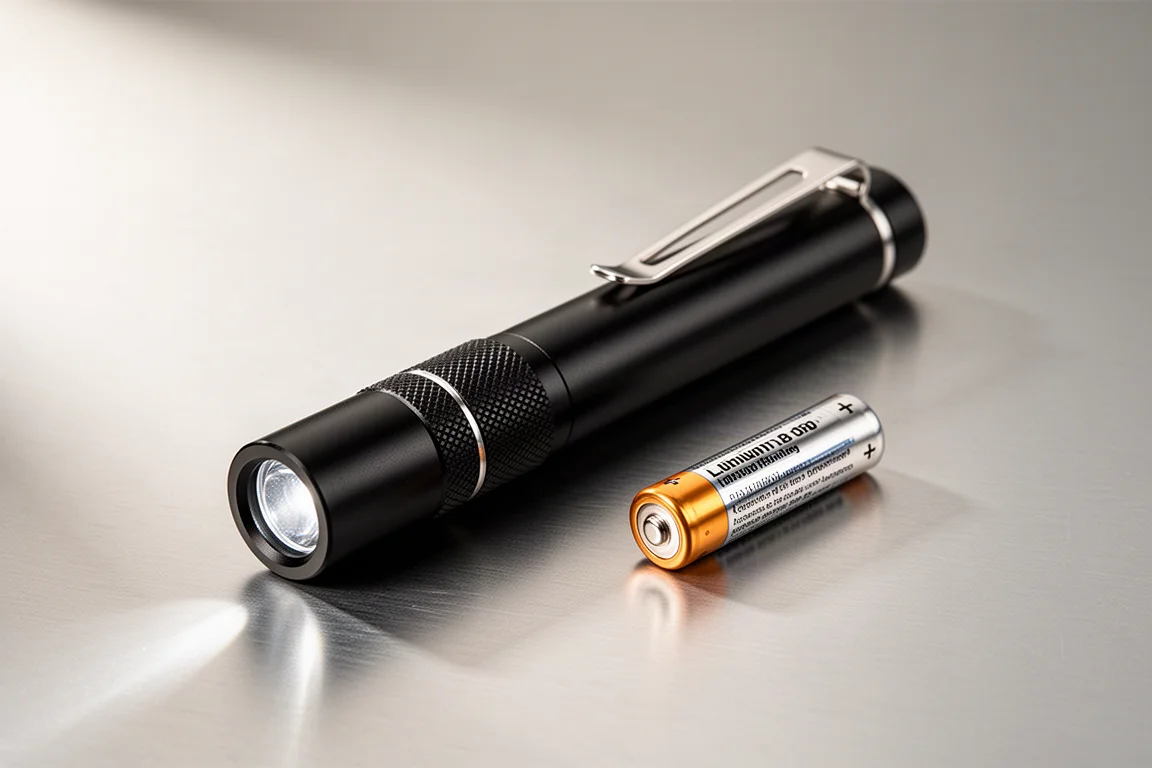
The P4R Core costs around 50 dollars and advertises 200 lumens on high, the lowest claim today. It uses a separate 14500-size lithium ion battery, and it is the only light here that charges exclusively outside the body: you plug a micro USB cable into the battery itself. The upside is that a charged spare battery means zero downtime; the downside is opening the light every time you need to top up.
Measured output came in at around 183 lumens, slightly under claim but far from dishonest, with a nice even spread of light suited to close-up work. The aluminum body feels substantial in hand and in pocket. The main letdown is battery capacity: it carries the smallest cell of the group, likely to make room for the micro USB slot, and it also charges the slowest of the five.
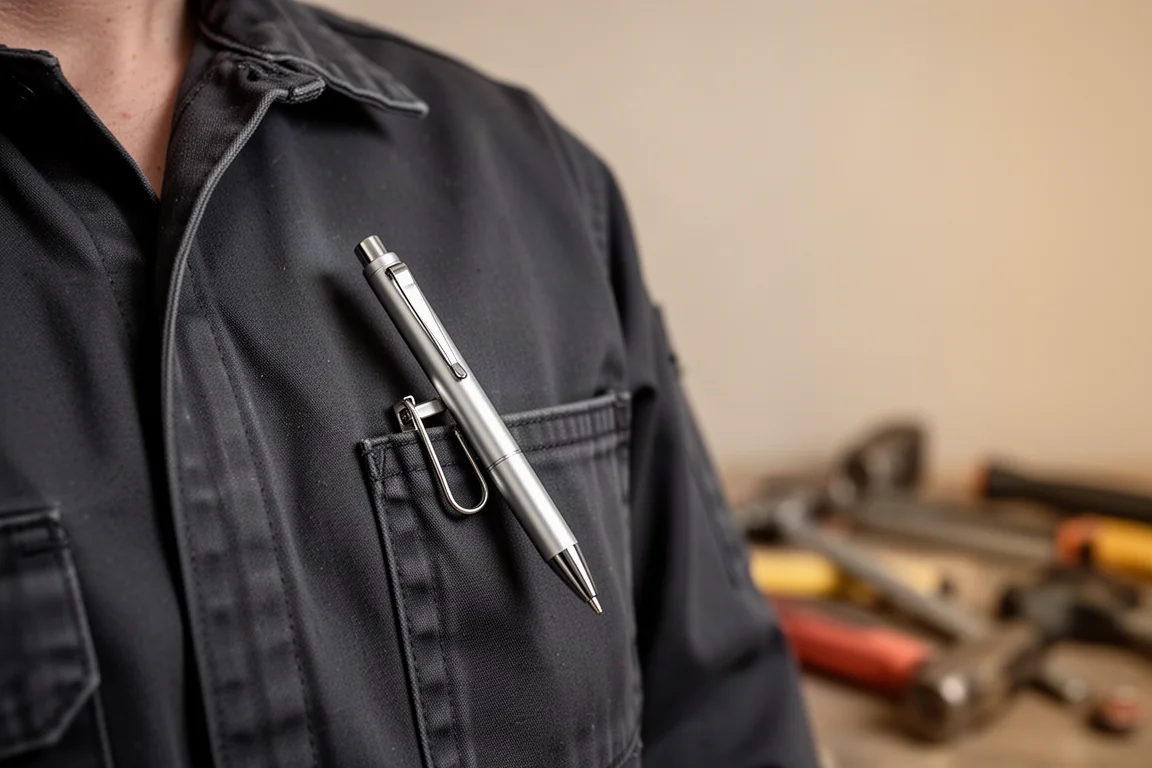
In sustained runtime testing it fell out of its high output quickly and shut down first, around the hour and a half mark, leaving the least total light output of the group. A perfectly pleasant light, but others here deliver more.
Milwaukee 2010R: 250 Advertised Lumens
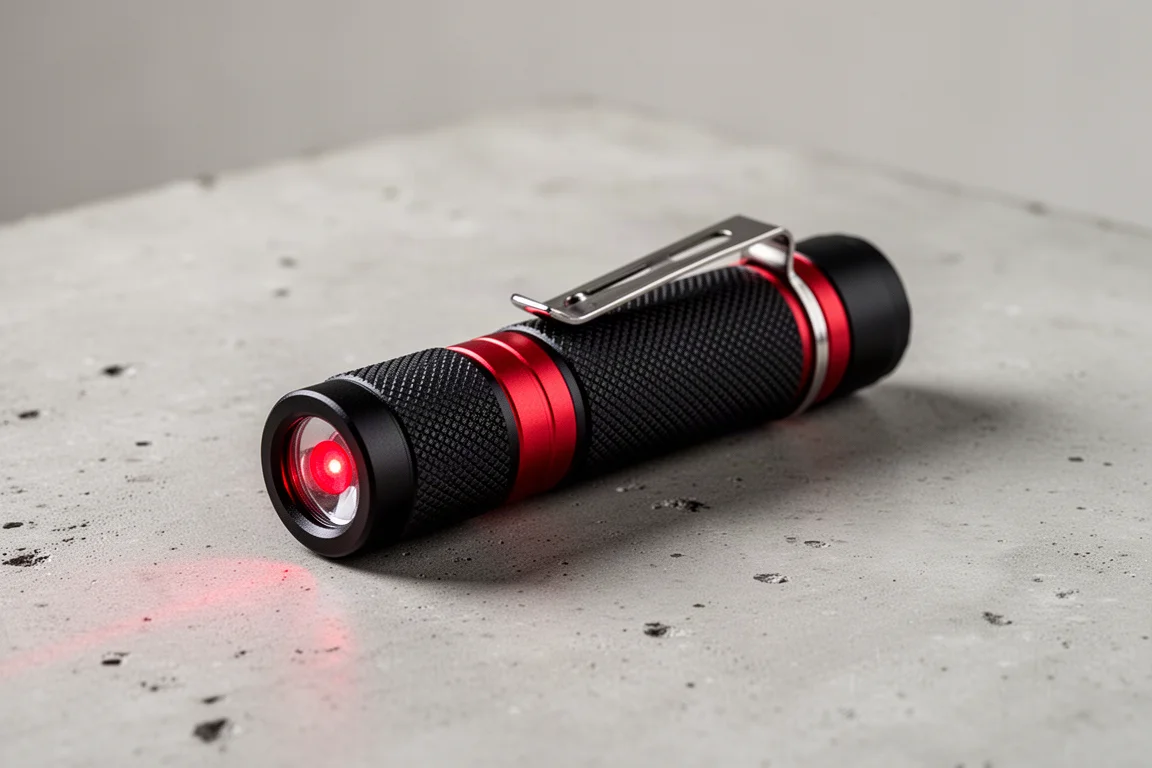
Milwaukee’s new 2010R is the light many were waiting for, and it retails for around 50 dollars. It uses Milwaukee’s TrueView color temperature, which reads clean and pleasant, though the beam is somewhat spot focused, arguably tuned for construction work where things sit farther away. A neat red dot laser pointer up front helps point out problems to a customer without much explanation.
Measured output beat the claim: around 266 lumens on high with roughly 50 on low. Charging is handled by an integrated micro USB port in the body, and the light does not open, meaning there is no user-swappable battery. Rubber material on the tail end makes it the most comfortable of the group to hold in your teeth, a real thing when you need both hands.
Runtime performance was among the most consistent of the day, holding its output level smoothly. In durability testing it took a 20-foot drop before its front lens cover finally shot out, outlasting most of the field. Strong all around.
Streamlight Stylus Pro USB: 350 Advertised Lumens
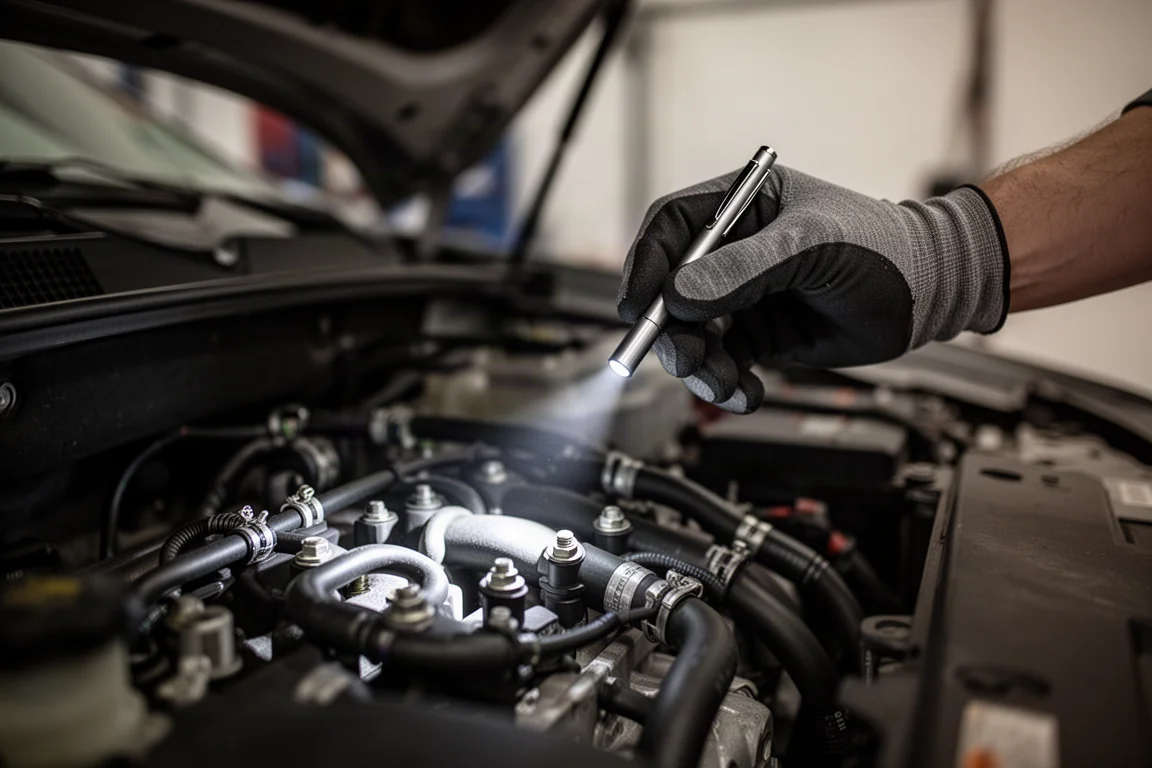
Streamlight earned a lot of goodwill in earlier budget testing, and the Stylus Pro USB is essentially a longer, 14500-battery version of the MicroStream that performed so well. It costs about 50 dollars, advertises 350 lumens, and puts out a balanced beam that sits nicely between spot and flood, making it genuinely usable at a range of distances in an engine bay.
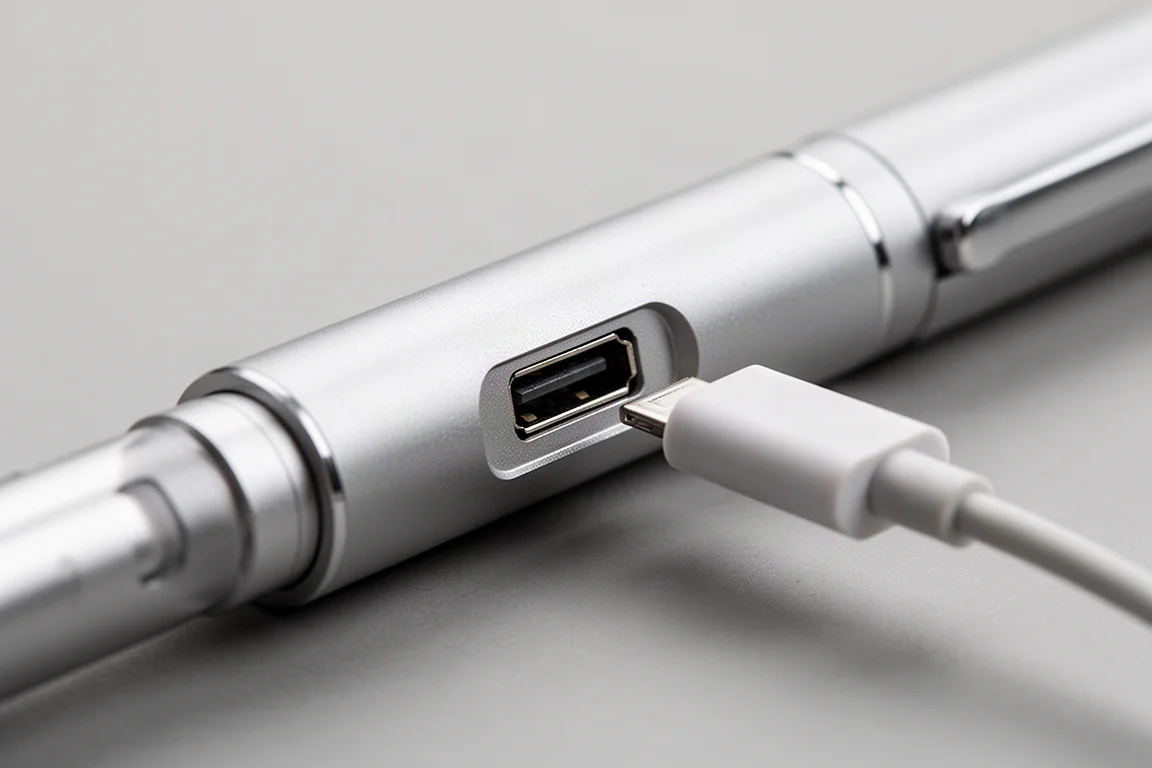
Measured output was around 365 lumens, about 15 over claim, with a usable low of roughly 90 to 110 lumens. It is micro USB rechargeable with a removable battery, giving it flexibility the sealed Milwaukee lacks.
Sustained runtime was a strong point: it held high output longer than most before stepping down, and it delivered one of the highest total light outputs of the group, second only to a cheaper competitor. Combined with near-indestructible drop performance, it is hard to argue with as an all-around pick for working technicians.
Coast HP3R: 385 Advertised Lumens
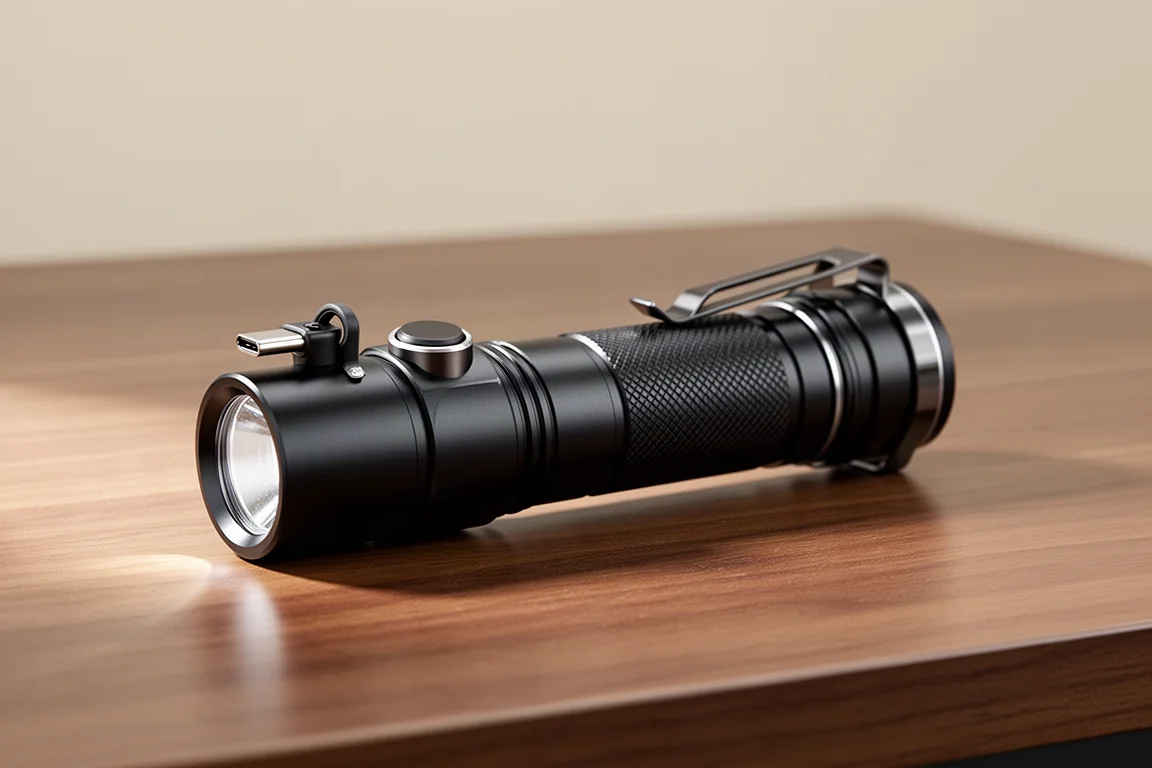
The Coast HP3R was the most requested light from the previous round of testing, and at 57 dollars it is the most expensive here. It advertises 385 lumens and includes a twist focus plus some of the nicest, crispest, most even light spread we have seen in this class. Color temperature is clean and pleasant, arguably nicer than Milwaukee’s already well-liked output.
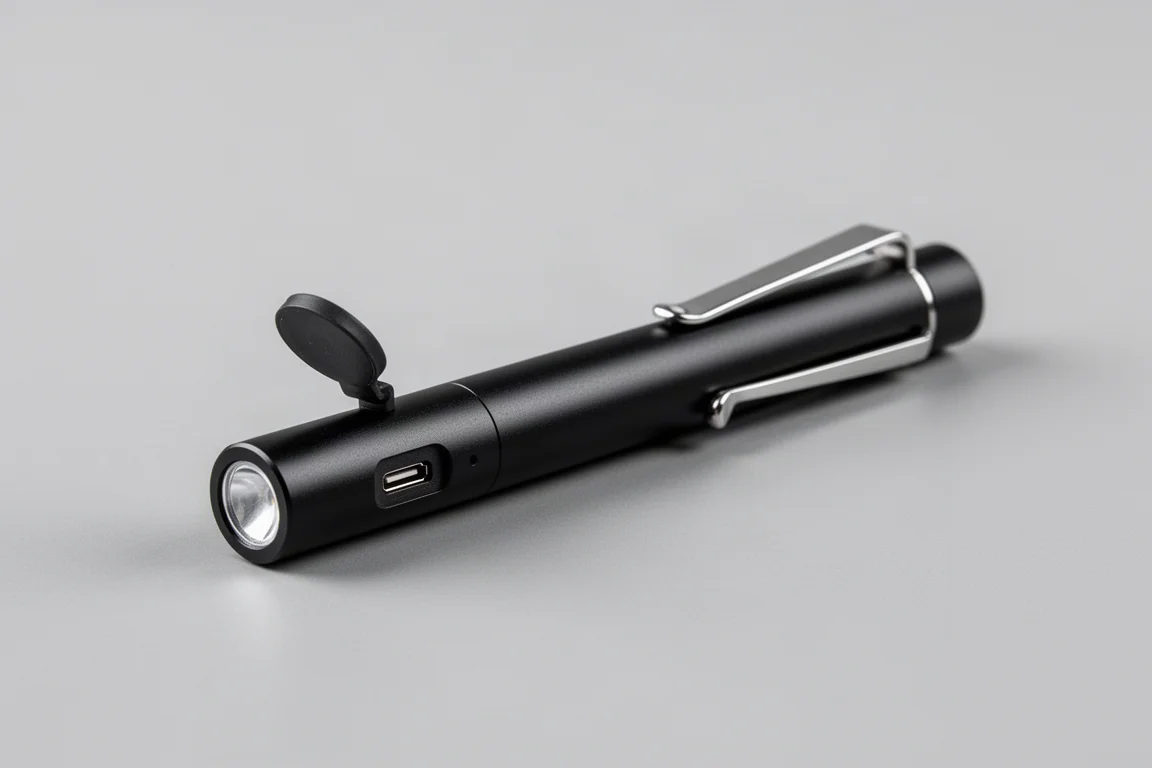
Build quality is genuinely smooth: the twist focus and USB cover operate beautifully, and it charges over USB-C, which is more convenient than the micro USB used by most of the group. The one flaw is the top button, which sits a bit too proud in its aluminum housing and takes pointed effort to press.
Measured output landed at about 378 lumens, essentially spot on with the claim. Its weakness was runtime shape: after holding high output it spun down more dramatically than most of the field, though it still posted a solid total light output.
Nebo Inspector 500 Plus: 500 Advertised Lumens
Nebo’s Inspector 500 Plus is the highest-rated light here at a claimed 500 lumens, and it was picked up for around 40 dollars, making it one of the cheaper options too. It has tricks: a pull-down shroud that turns on a small 360-degree area light, a magnetic top button, and a hold-to-activate turbo mode that reaches the full 500 lumens.
Measured numbers delivered on the promise: about 250 lumens on high, which is where it will live most of its life, and right at 500 on turbo. On turbo it is bright enough to feel like a full flashlight, almost too bright up close. The beam leans spot focused.
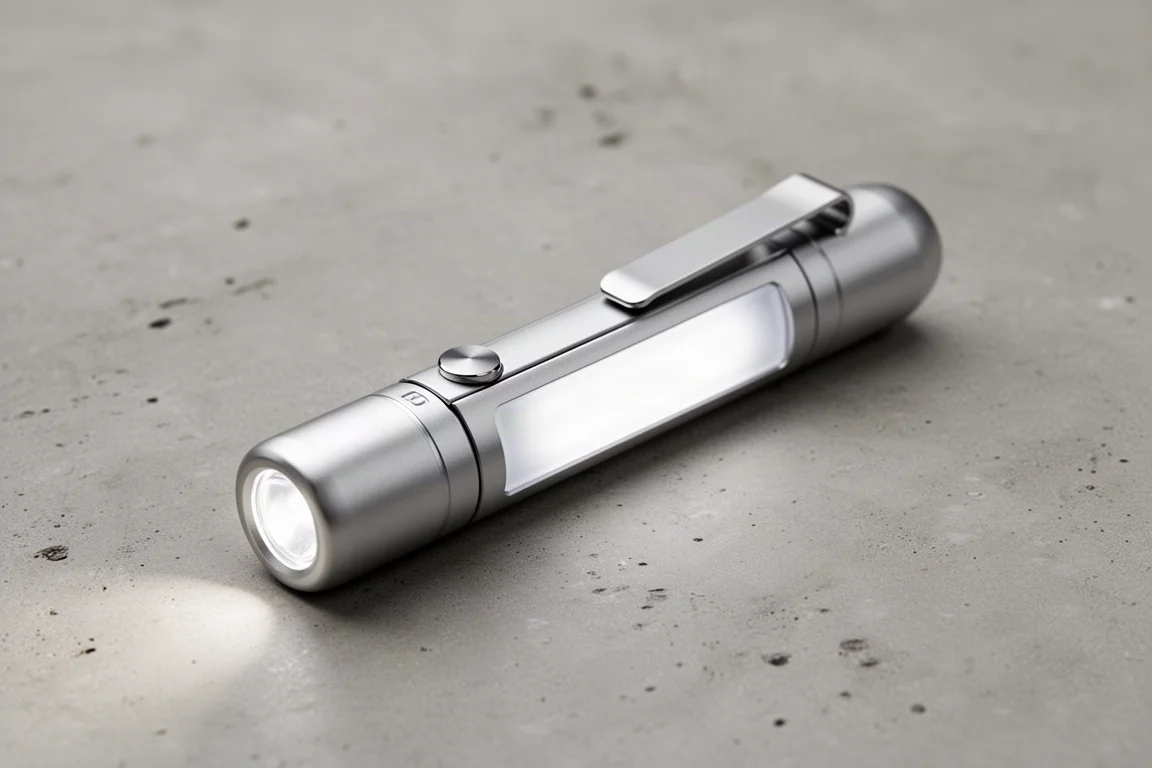
The downsides show up in ergonomics and endurance. Bulbous end housings, a rear clip, and a larger diameter made it the least comfortable of the group in hand and in mouth. In runtime testing it descended into low-output territory faster and more sharply than the others, though it lingered at a faint 30-lumen level much longer. It charges at a middling speed.
Durability: Drops and Water Exposure
Five minutes under a hose left every light unbothered, so water resistance is not a differentiator here. Drops told a clearer story. The first eight feet of drops from four, five, six, seven, and eight feet produced no issues for any light, already a step above typical budget pen lights.
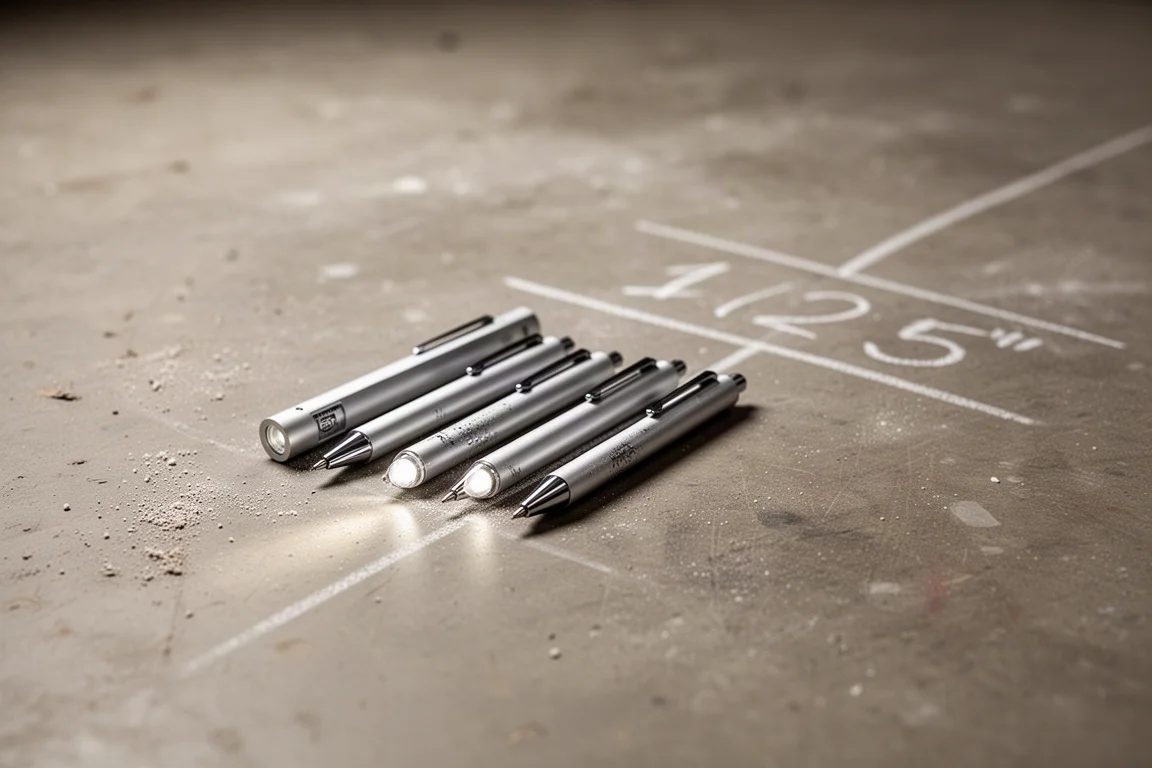
Failures started at nine feet, where the first casualty dropped out. At 12 feet another quit and did not come back. The Milwaukee survived to 20 feet, still working, but with its front lens cover blown out, which is enough to sideline it. That left the Coast, LED Lenser, and Streamlight standing after every single drop, spiked into the ground with increasing frustration and refusing to die. Any of the three would make a dependable daily carry for someone rough on their gear.
Buying Advice: Which One Fits You
For an auto technician who needs a light that is simply good at everything and nearly impossible to kill, the Streamlight Stylus Pro USB is the safest pick. It over-delivered on lumens, ran strong for its size, and survived everything thrown at it, with a removable battery as a bonus.
If you value features, the Milwaukee 2010R tries harder than anything else here: the fastest charging of the group, a laser pointer, excellent comfort, and top-tier durability, balanced against the non-removable battery that guarantees some downtime when charging.
The Coast HP3R looks, feels, and lights beautifully, and it hits its numbers, but at 57 dollars it simply did not stand out in the specs the way others did. The Nebo Inspector 500 Plus is the best choice if raw brightness and extras like the area light and magnet matter most and you can accept faster brightness decay. The LED Lenser P4R Core is pleasant but trailed the field on battery capacity, charging speed, and total output.
Conclusion
This was the most honest group of pen lights tested to date, with output claims met or exceeded almost across the board. For an all-around work light, the Streamlight Stylus Pro USB and Milwaukee 2010R lead the pack, one for durability and balance, the other for features and charging speed. Match the trade-offs to how you actually use a pocket light, and any of the top picks will serve you well.
Further reading
Related Reviews
Flashlights
Best Flashlights 2026: Brightness, Battery, and Value Compared
We tested 18 flashlights across a wide price range to find the best performers in brightness, battery life, and durability.
Flashlights
Nitecore LA10 Review: A Tiny 2-in-1 Lantern That Nails the Basics
The Nitecore LA10 pairs a pocket-sized lantern with a single AA battery, a magnetic tail cap and a five-year warranty. Here is where it shines and where it struggles.
Flashlights
Wuben G5 Review: A Compact Everyday Carry Flashlight
The Wuben G5 is a small, rechargeable flashlight with a pivoting head, magnetic base, and color modes. Here is how it performs as an everyday carry light.