Hand Tools
Best Palm T-Handle Screwdrivers Compared: Vessel, Wera, GearWrench, SATA, Williams and Snap-on
A practical comparison of six palm T-handle drivers, with back-drag measurements, grip design notes, and prices from budget to premium.
Introduction
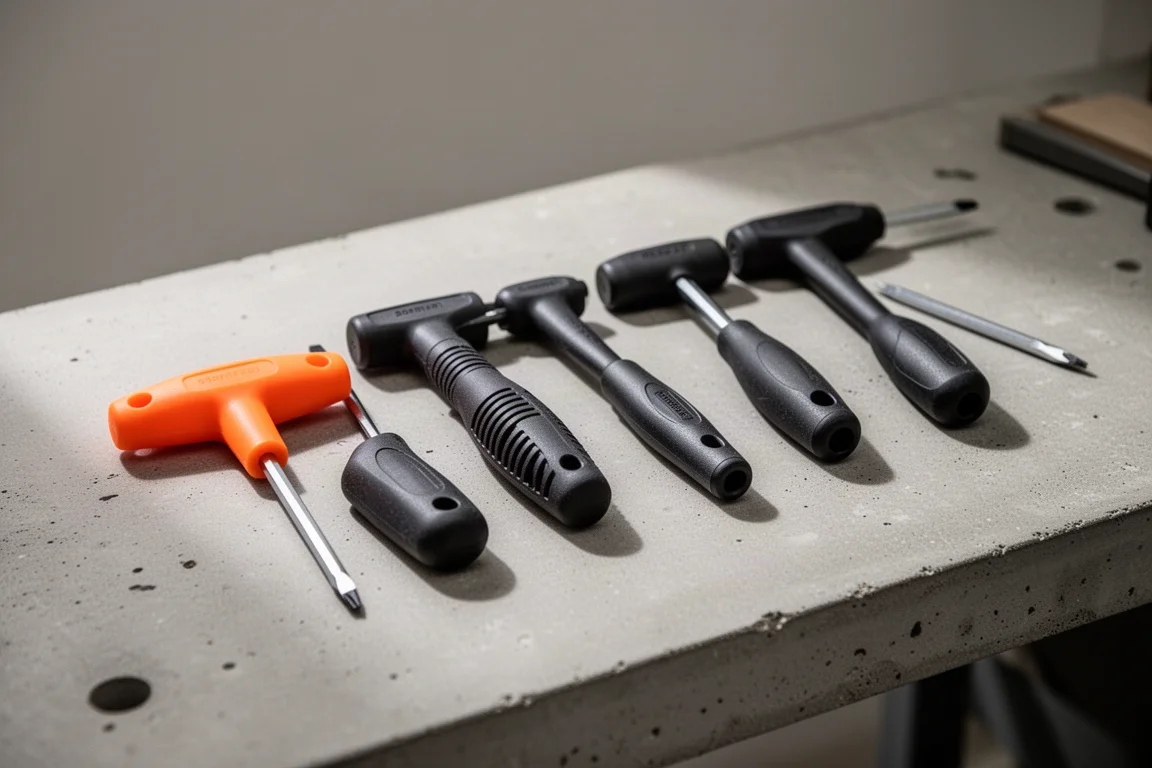
Palm T-handle screwdrivers occupy a small but loyal niche: they sit in the palm of your hand, spin fast between the fingers, and work especially well on small screws where a full-size driver feels clumsy. The catch is that every maker shapes the handle differently, and how each one fits your hand matters more than any spec sheet. This comparison looks at six of them, from an affordable compact up to professional-grade tool-truck territory, with measured back-drag numbers for each.
How These Drivers Were Compared
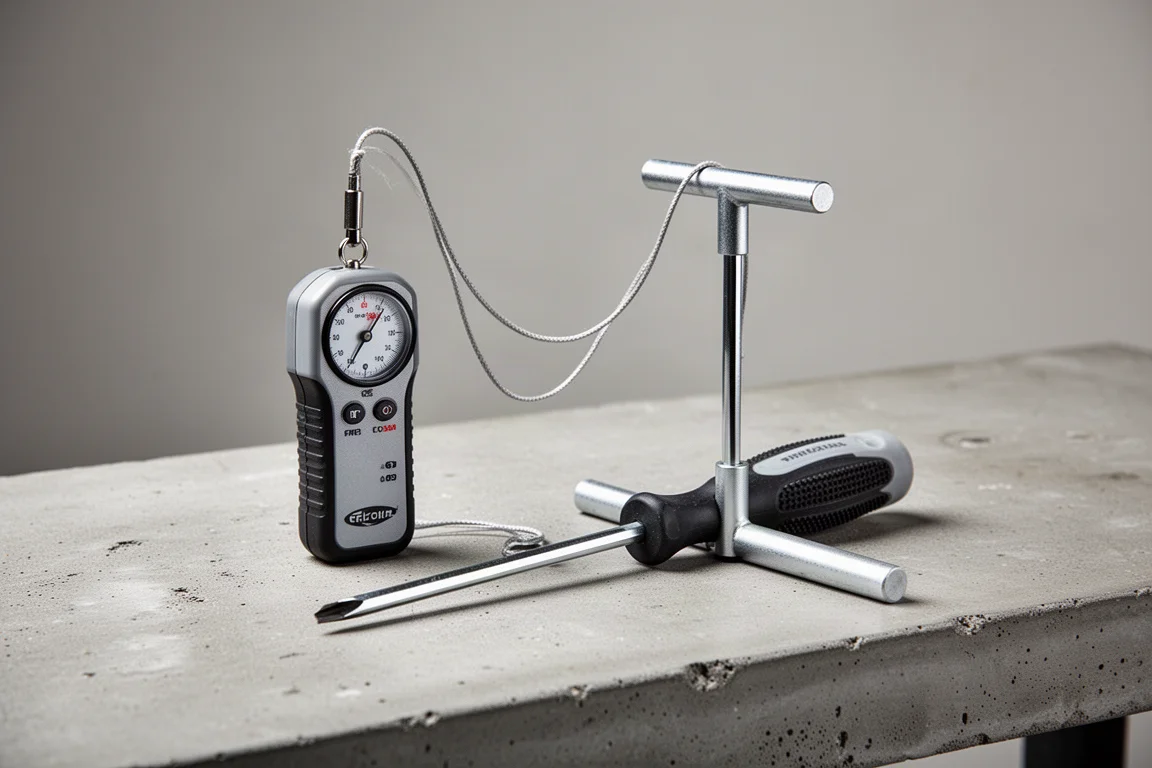
The key metric here is back-drag: the resistance you feel when the ratchet freewheels. Low back-drag means you can spin a screw in or out quickly without the mechanism fighting you. Each driver was wound up on a small test rig with a pull scale to get a rough drag figure, and the ratchet tooth count was counted for detail.
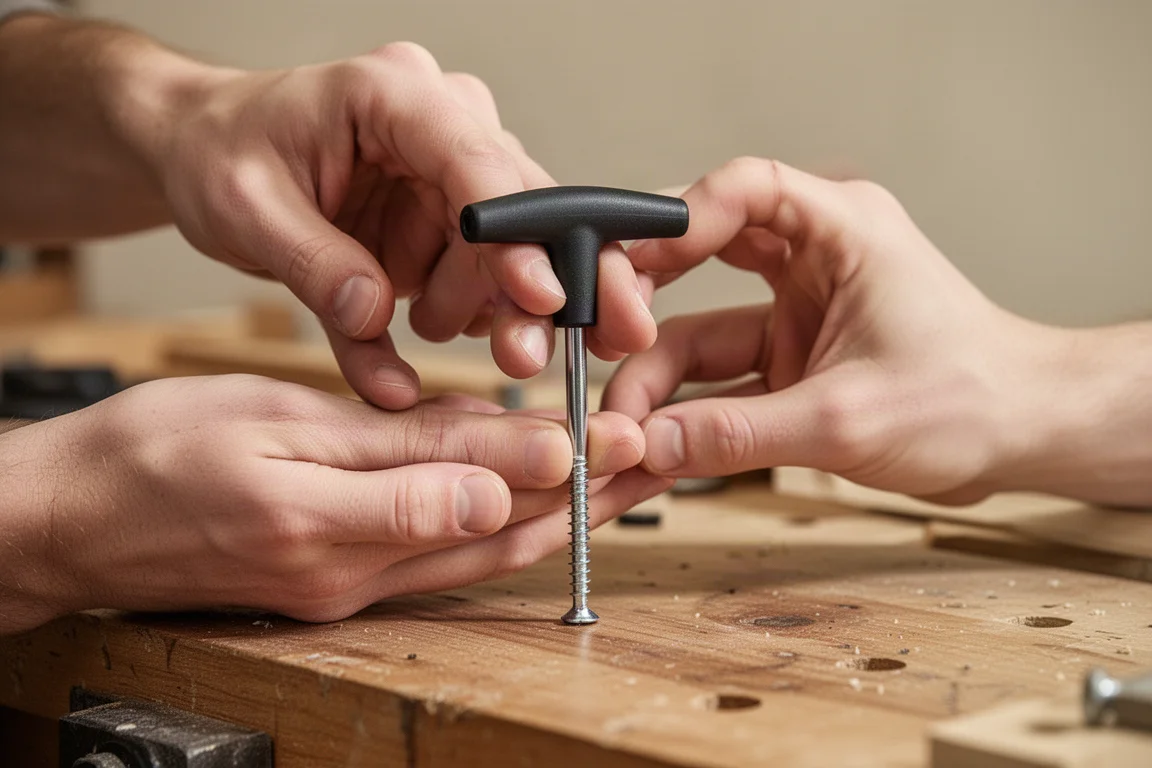
Grip design was the other major factor. There is no industry-standard hand, so makers each take a different approach: symmetric bulbous grips, finger grooves, paddle sides, and handle-like wings that push, pull, or twist. Where a driver sits in the palm, and whether the 80 mm height is reachable with two fingers, shapes the whole experience.
Vessel TD-80
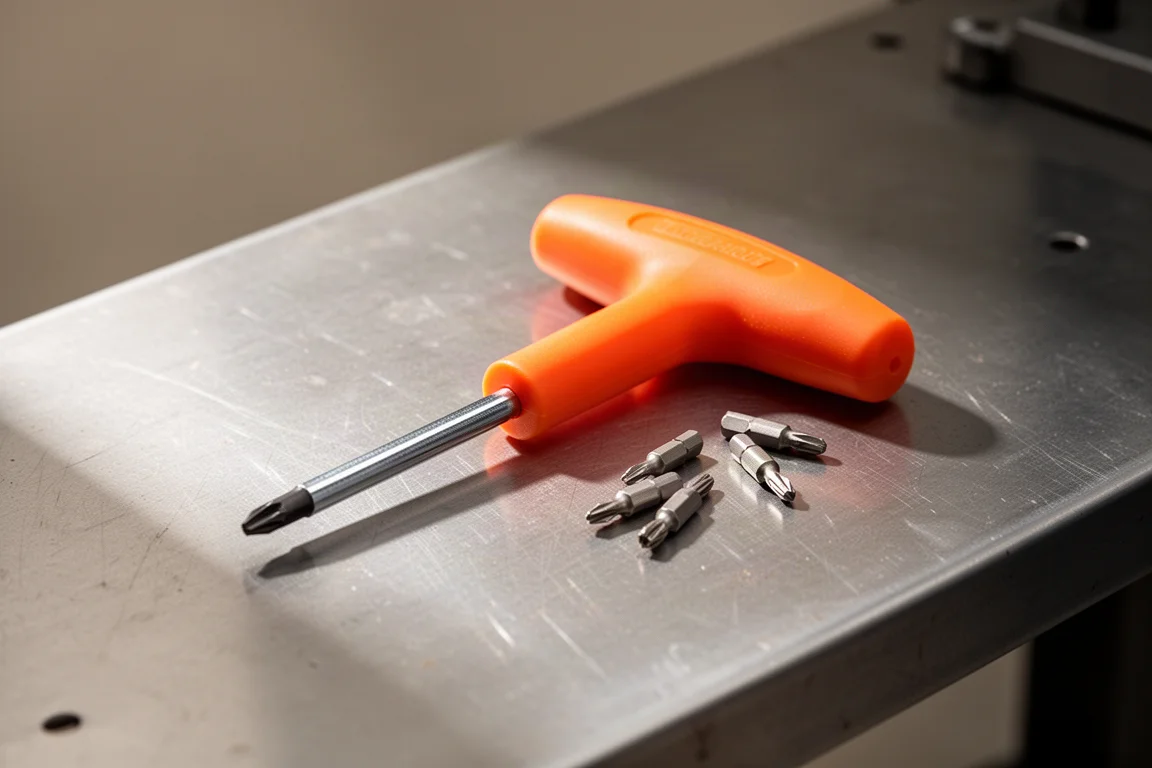
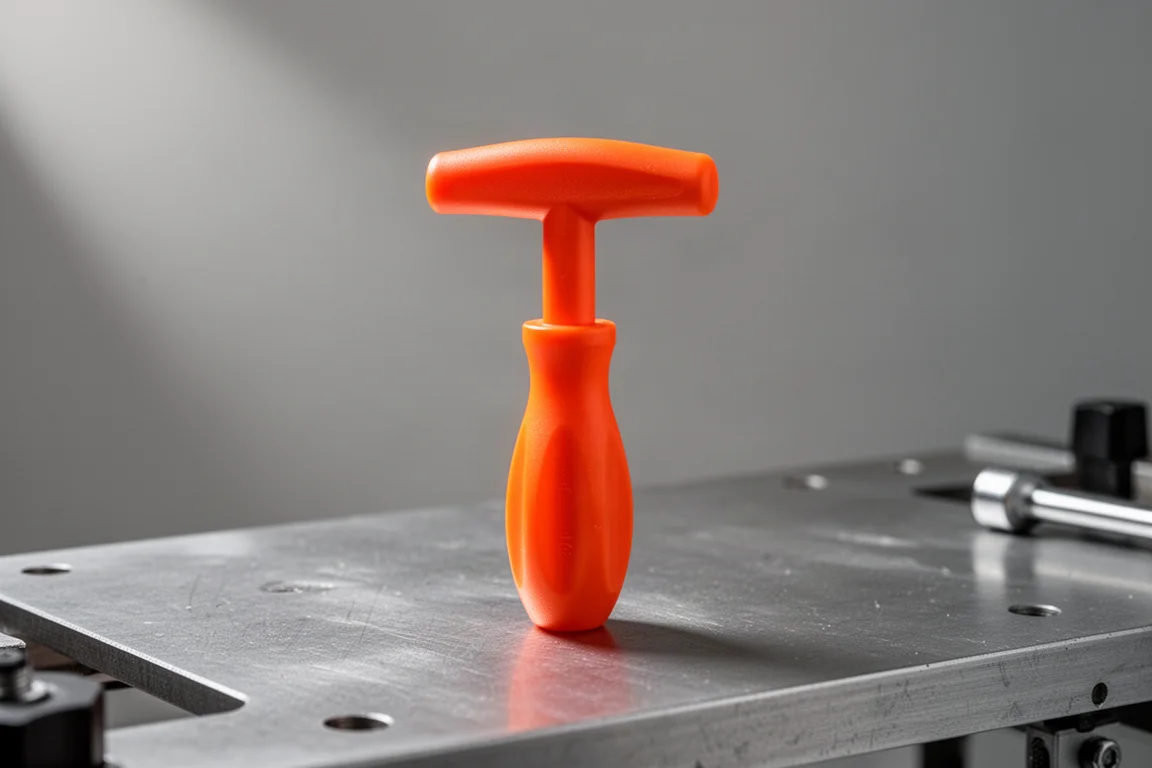
The Vessel TD-80 is an 80 mm tall palm T-handle driver in bright orange plastic. It is reversible with a locking center, and the mechanism has very little play, which is genuinely impressive at this level. Back-drag measured in the 300 to 400 gram range, landing around 350 grams. It sells for around $17 and comes with bits that are worth the price on their own, and the magnet inside feels solid.
It is not perfect. The direction of rotation is reversed compared with most drivers: you turn right to loosen and left to tighten. Some argue this is intentional, since catching the handle mid-spin keeps the same tightening direction instead of flipping it, but it takes adjustment. The plastic is also a bit slippery, and more texture would make it easier to grab and spin. The holes in the T bar do not hold bits, so their purpose is unclear, though they may be for extra leverage with a screwdriver shaft or for hanging.
Still, if you do not own a palm T-handle driver and want one, the TD-80 is a good starting place. Vessel has a reputation for making good stuff, and at this price the value is hard to argue with.
Wera Palm T-Handle Driver
The Wera takes a different approach to grip, with finger grooves on one side and a large paddle side you can grab from another angle. That flexibility is the appeal: you can drive with the fingers or take a firmer hold on the paddle. One quirk: there is no spot where the driver locks, so with plain bit drivers you cannot lock it and use it as a straight screwdriver. Position it in the middle and it freewheels, and it can be caught either way.
Back-drag came in around 300 grams, with occasional stiff points past 400 that you can feel while spinning. Nothing deal-breaking, but at the low-$50s price point you expect a cleaner mechanism than the $17 Vessel delivers.
GearWrench T-Handle Driver
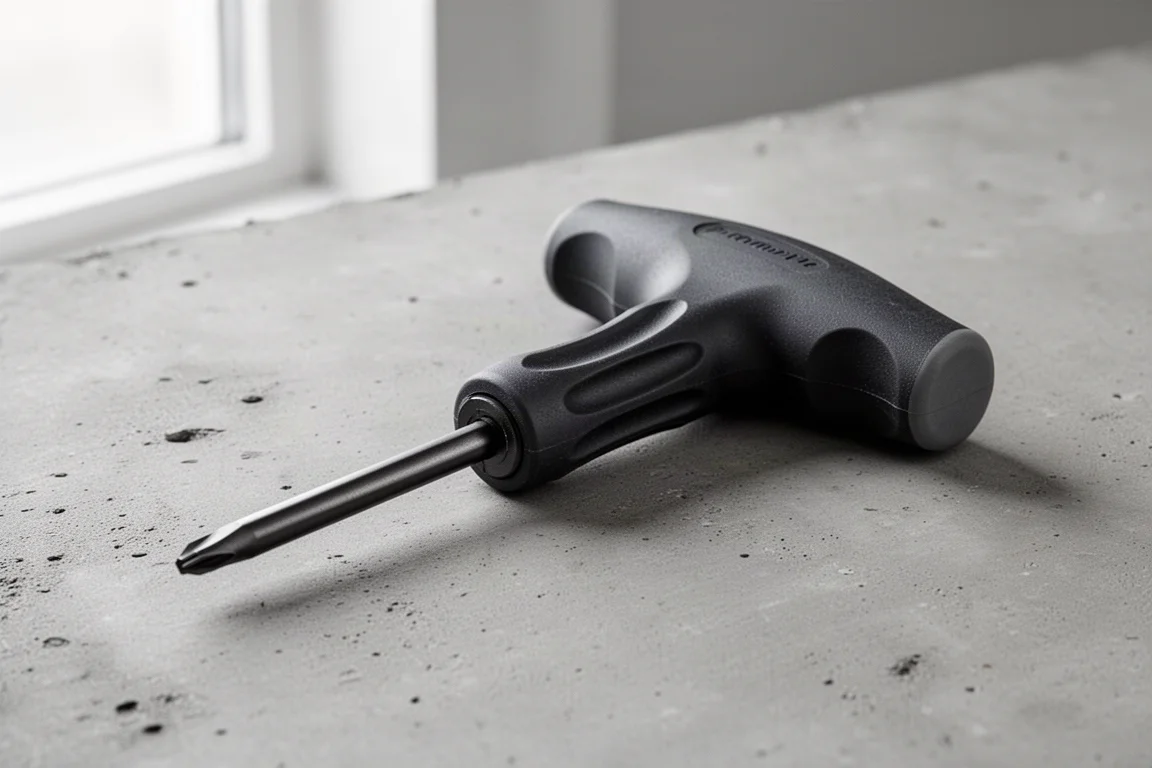
The GearWrench stood out in the drag measurements, holding steady at around 100 grams of back-drag. That is a fraction of what the Vessel and Wera showed, and it makes freewheeling noticeably smoother. These drivers typically come in kits in the $20 to $30 range, occasionally reaching the low 30s. The quarter-inch interface is slightly unusual and does not fit most standard quarter-inch accessories, which is worth knowing before buying bits separately.
SATA T-Handle Driver
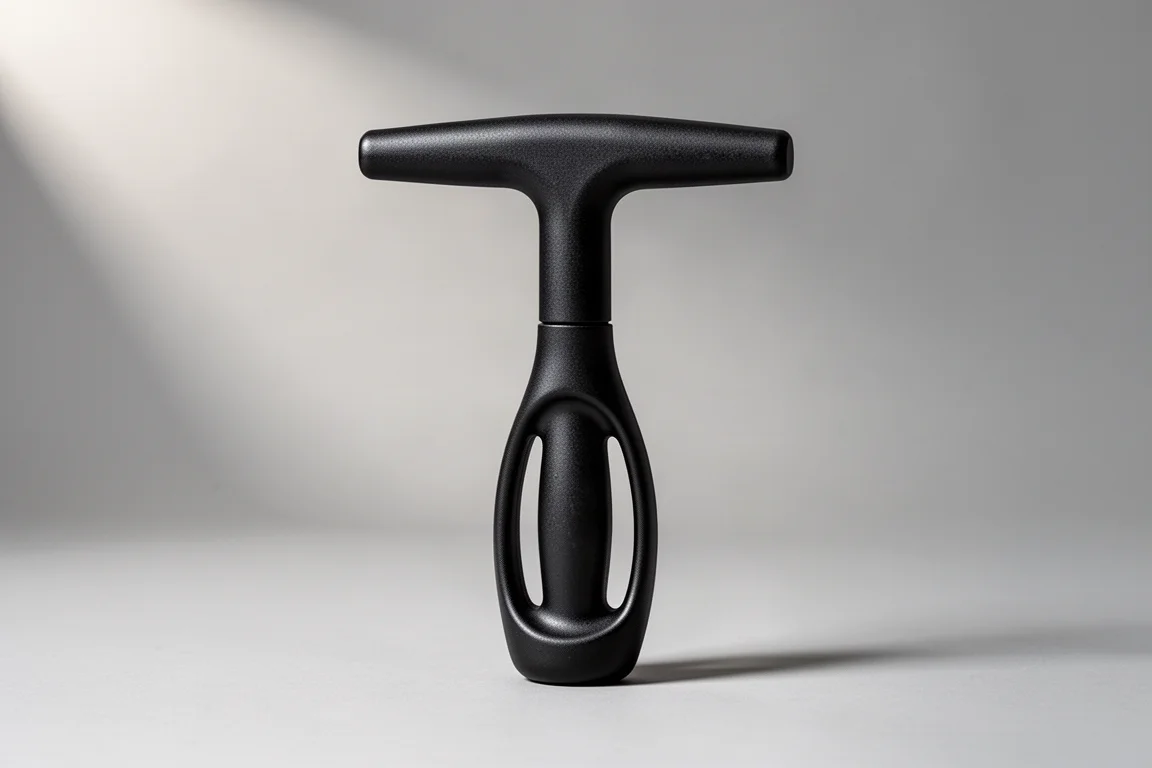
SATA also sells mainly in kits, usually in the $20 to $30 range like the GearWrench. In testing, its back-drag measured noticeably higher, around 300 grams, despite an apparently similar design. Whether that is quality control variation or a design difference is hard to say without testing more samples, but the contrast with the GearWrench at roughly a third of the drag is real. If you are choosing between the two kit-based options, the drag numbers favor the GearWrench.
Williams T-Handle Driver
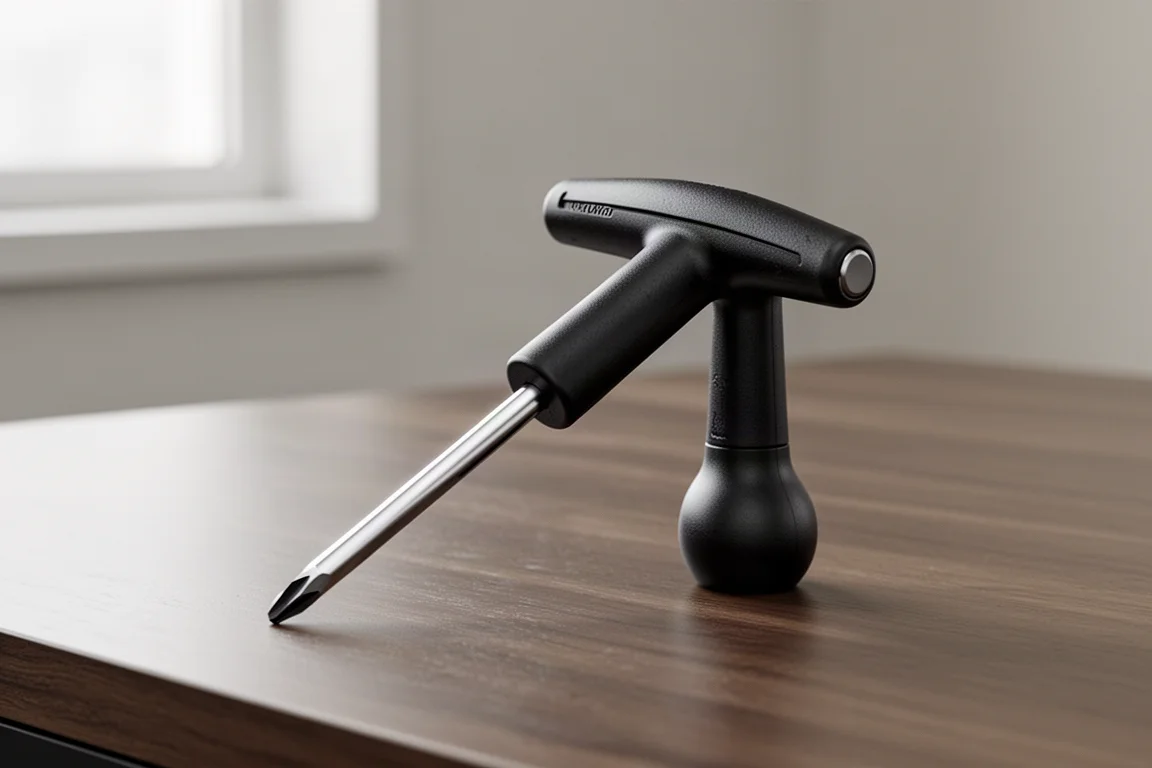
The Williams posted the best drag figure of the whole group, averaging around 50 to 70 grams. That is really low, and it makes the mechanism feel almost frictionless when spinning out a screw. The handle design uses wing-like sides almost like handles you would push, pull, or twist, similar to fittings seen on RV fixtures, though they are not a strong hold in every orientation. Pricing lands in the low 30s, and it appears to come from the same source as the Snap-on, which makes the price gap versus the tool-truck brand interesting.
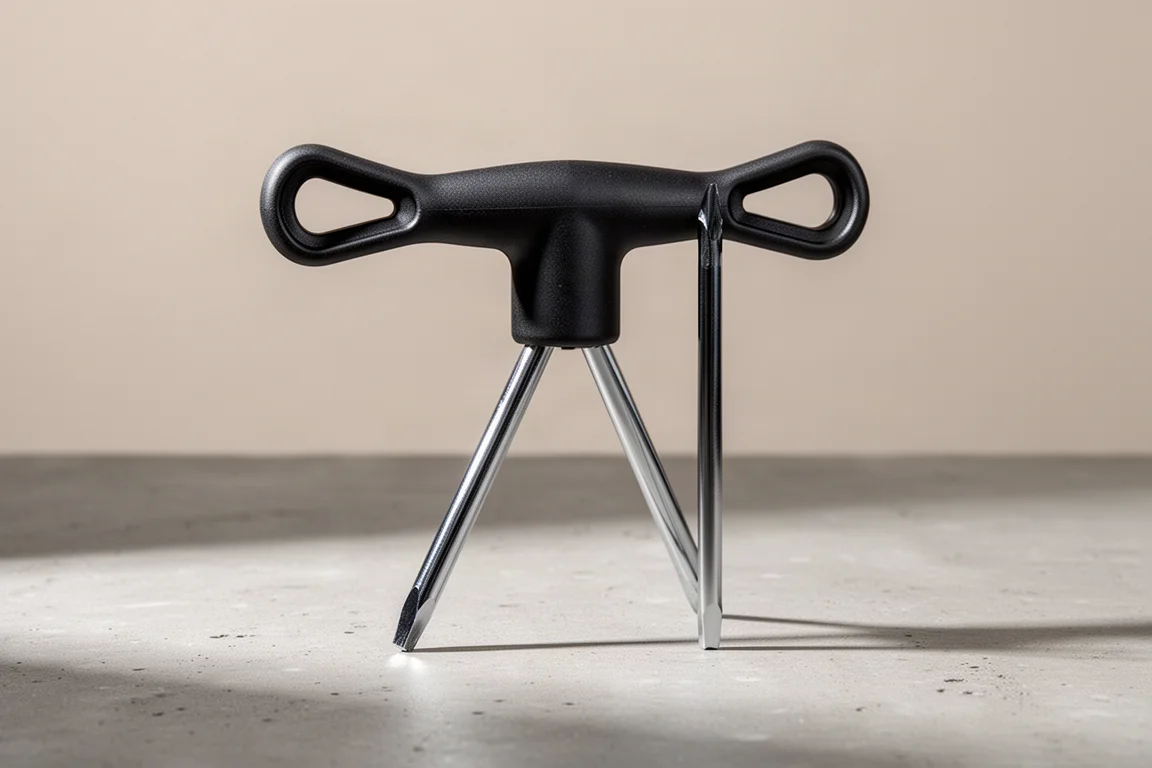
Snap-on T-Handle Driver
The Snap-on measured around 225 grams of back-drag, a solid result that sits between the budget options and the Williams. The design shares traits with the Williams, reinforcing the impression of a shared factory. Pricing depends on length: shorter versions run in the $70s, while the long version is about $91. The interchangeability of the quarter-inch interface is a practical plus, though the same odd sizing as the others means it does not accept most standard quarter-inch accessories.
One thing it does not have is a ratcheting mechanism in the traditional sense, so the comparison here is about freewheeling drag and grip rather than click-style features.
Buying Advice: Which One Fits Your Hand and Budget
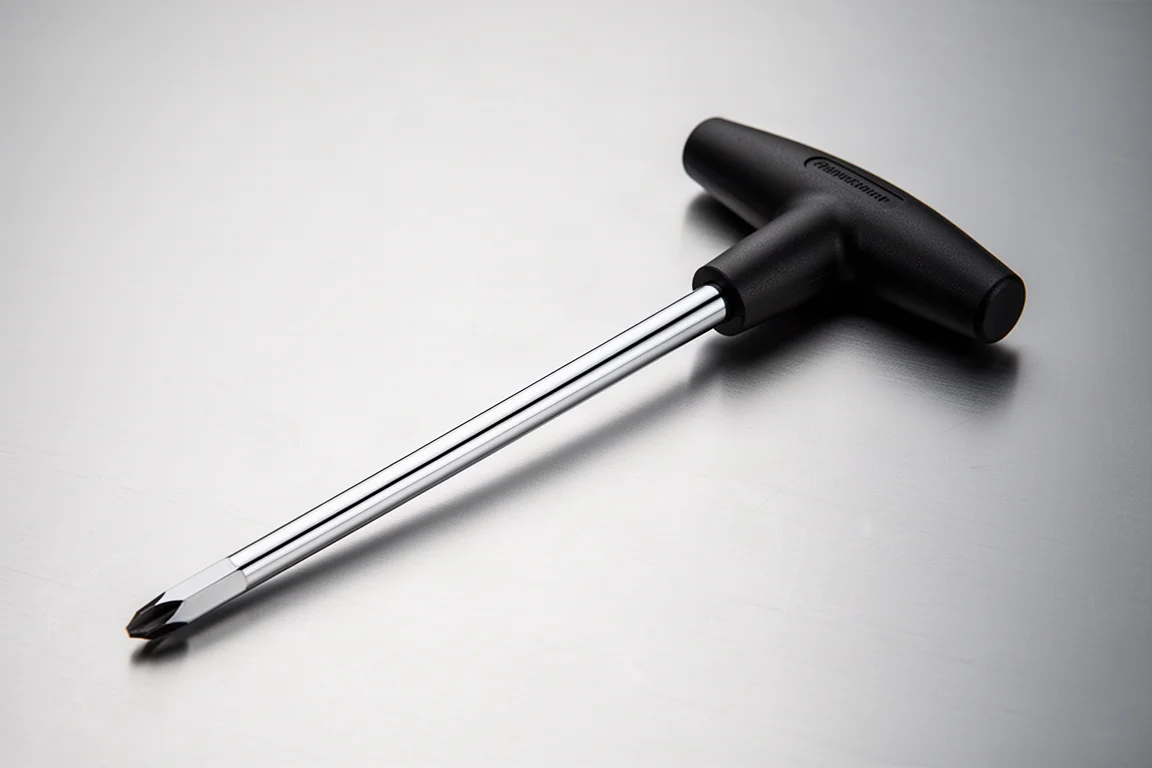
If price is the main constraint, the Vessel TD-80 is the obvious entry point at around $17 with useful bits included, as long as you can accept the reversed rotation direction and a somewhat slippery grip. If smooth freewheeling matters most, the Williams at roughly 50 to 70 grams of drag is the standout of the group, and the GearWrench at around 100 grams is a strong kit-priced alternative.
For Wera loyalists, the finger grooves and paddle grip offer real handling flexibility, though the lack of any locking position and the higher drag are worth weighing against the low-$50s price. The Snap-on makes sense if you value the brand and interchangeability and are comfortable with the premium. Try to handle any of these before buying if you can, because the palm fit is the one spec that never shows up on a listing.
Conclusion
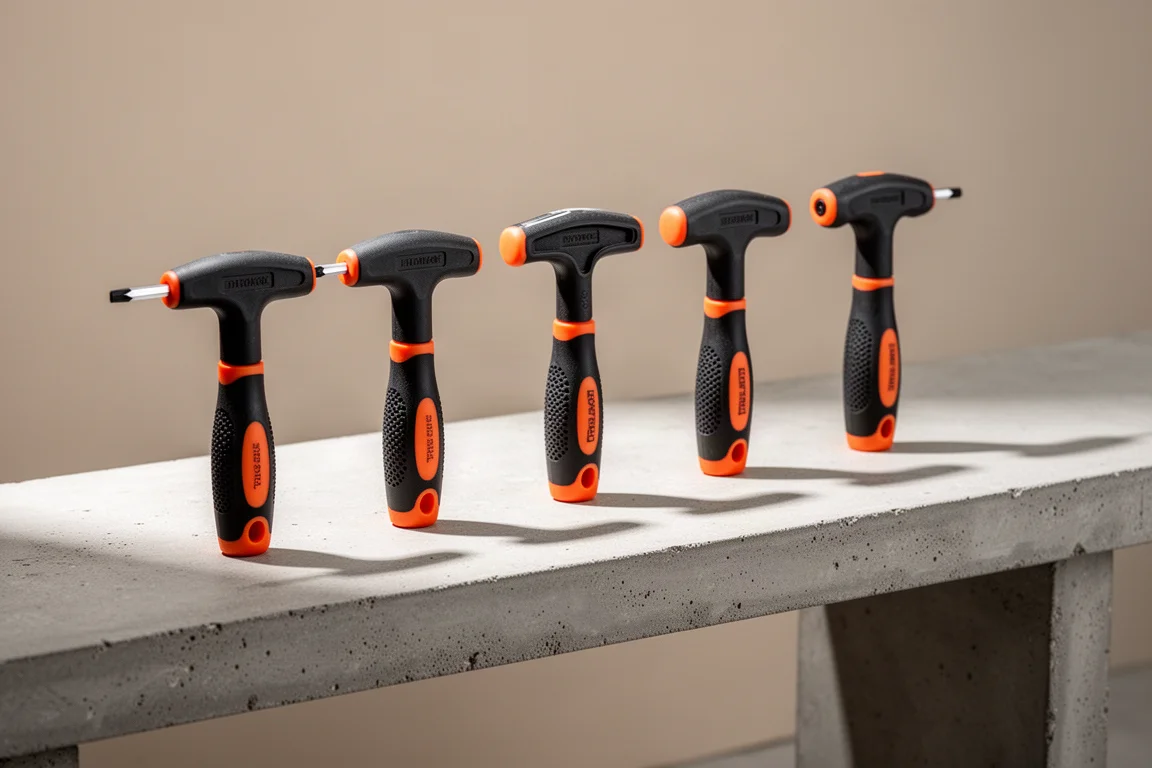
Back-drag separates this group more clearly than anything else: the Williams and GearWrench freewheel dramatically better than the Vessel, Wera, and SATA, while the Snap-on lands in between at a much higher price. For a first palm T-handle, the Vessel TD-80 remains the value pick; for the smoothest mechanism, the Williams is the one to beat.
Further reading
Related Reviews
Hand Tools
Best Diagonal Cutters 2026: 16 Pliers Tested for Cutting Power and Durability
We put 16 diagonal cutters through nail, screw, drill bit, and hex key tests to find the best value picks for your toolbox.
Hand Tools
Best Hex L Key Sets 2026: Nine Sets Tested for Real-World Torque
Nine hex L key sets from budget to premium, tested for torque, fit, and durability. See which sets deliver real performance and which ones to skip.
Hand Tools
Best Locking Pliers 2026: Top Picks Tested for Grip and Durability
We tested 18 brands of 10-inch locking pliers for grip strength, jaw bite, build quality, and ease of release to find the best options for tough jobs.