Home Security
Best Outdoor Security Cameras 2026: 10 Cameras Tested Head to Head
Ten outdoor security cameras from Tapo, Wyze, VisionWell, Amcrest, Arlo, Ring, Blink, AOSU, Reolink and eufy, tested for detail, field of view, motion detection, night vision, and app quality.
Introduction
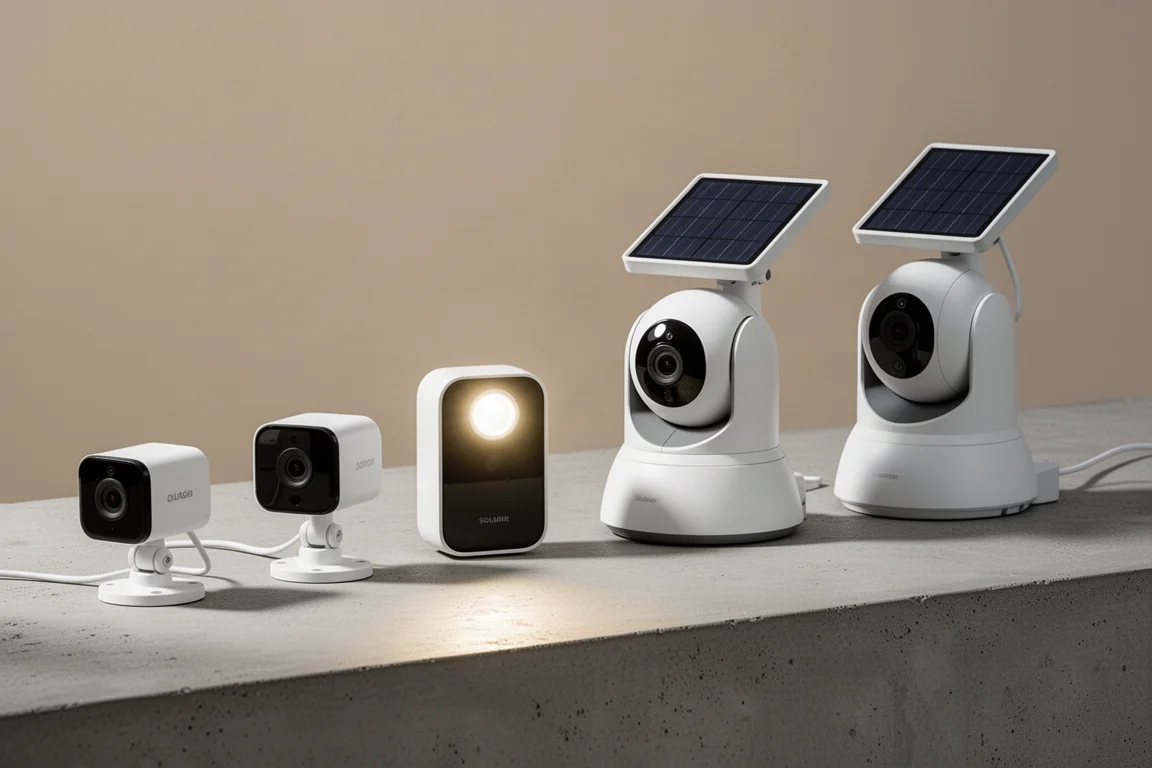
An outdoor security camera is one of the simplest ways to add a layer of protection to your home. The tricky part is choosing between the many options on the market. To make that easier, ten popular cameras from Tapo, Wyze, VisionWell, Amcrest, Arlo, Ring, Blink, AOSU, Reolink, and eufy were compared across four practical tests: how well each camera captures detail, how wide its field of view is, how far away it detects motion, and how it handles night vision, including a direct flashlight stress test. App quality and subscription requirements were also factored in.
Best Budget Pick: Tapo Outdoor Security Camera
At $30, the Tapo is the least expensive camera in this lineup. It claims 2K resolution, a built-in starlight sensor for bright color video at night, IR night vision up to 30 ft, and AI detection of people, pets, and vehicles. It includes SD storage, trigger lights, an alarm on motion detection, and no subscription is required. Setup through the Tapo app is quick and easy.
In the detail test, the Tapo provided good license plate readability at 10, 15, and 20 ft, with the plate getting fuzzy at 25 ft and barely readable at 30 ft. One notable weakness: in the motion detection test, the Tapo did not detect the approaching subject automatically and had to be activated manually, though once active it delivered a very clear close-up image. It also has nearly a 40-degree blind area on each side of the camera, and it struggled badly against a direct flashlight hit.
Best Affordable Alternative: Wyze 2.5K Outdoor Security Camera
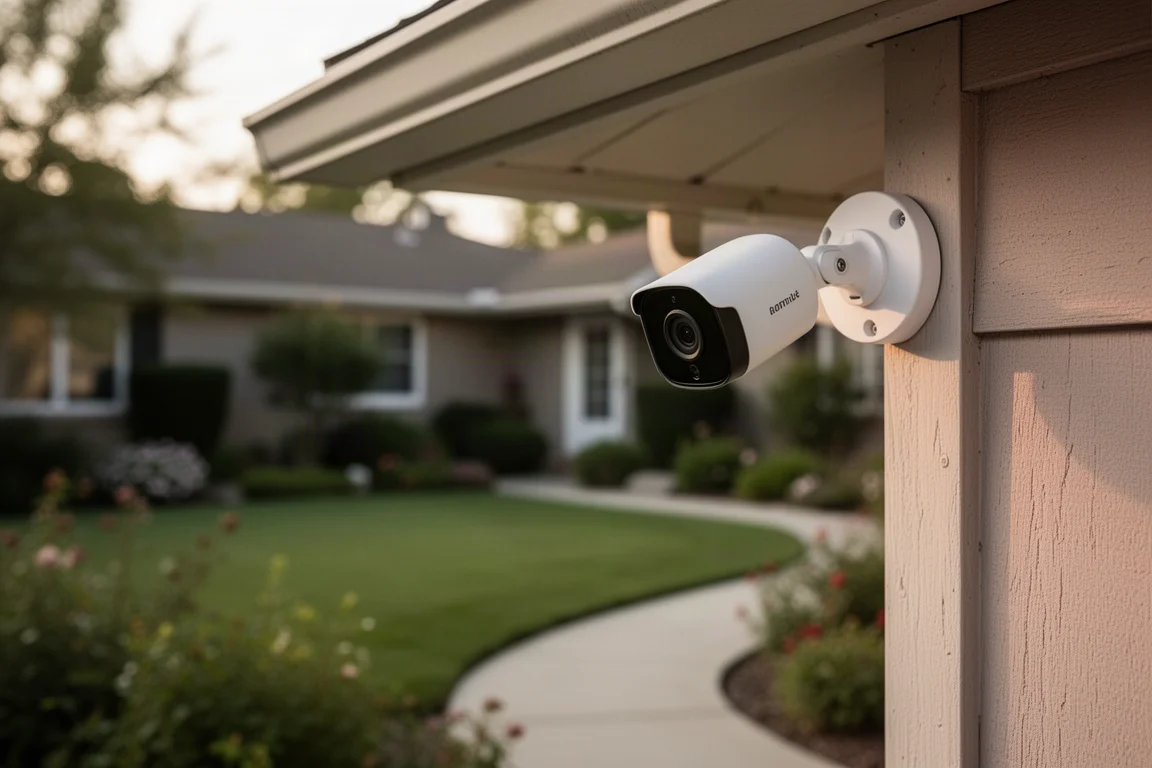
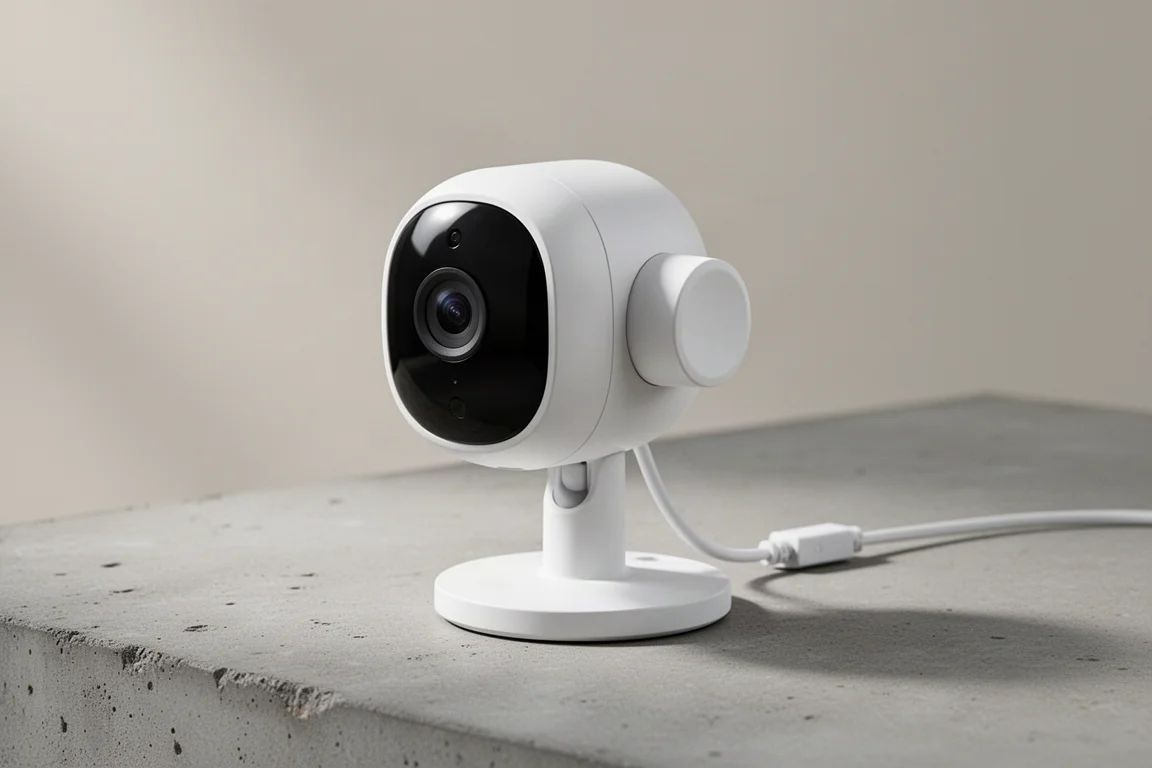
Also priced at $30, the Wyze is a 2.5K Wi-Fi camera designed for indoor and outdoor use with color night vision, two-way audio, SD storage, and Alexa and Google compatibility. It requires a 120 V power source. Setup works much like the Tapo, and the app walks you through it nicely.
Its detail performance matched the Tapo exactly: readable out to 20 ft, fuzzy at 25 ft, and unreadable at 35 ft. It offers a 360-degree pan-and-tilt with motion tracking, which means zero blind space, though its motion tracking was not as smooth as the best performers. The motion sensor activated around 20 ft out, and distance markers remained readable out to 60 ft, which is impressive for the price. The main weakness was the flashlight test, where the Wyze experienced massive washout and could not conceal identity details.
VisionWell and Amcrest: Great Hardware, Frustrating Apps
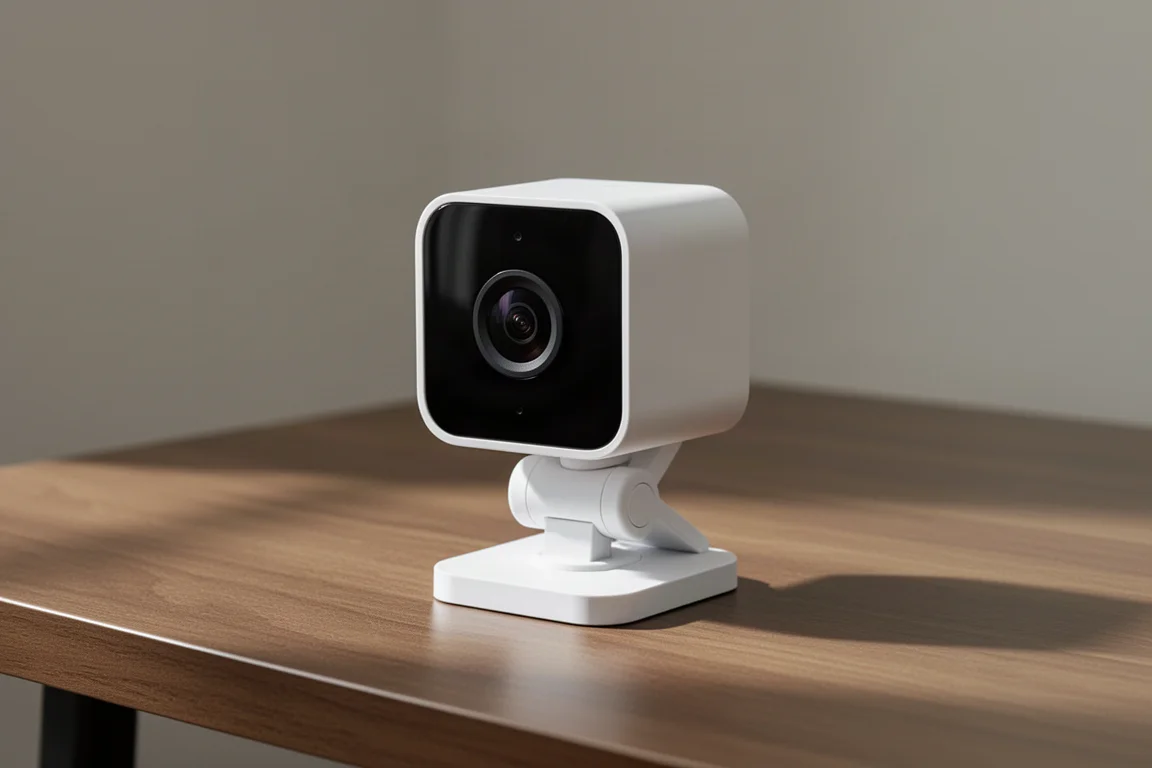
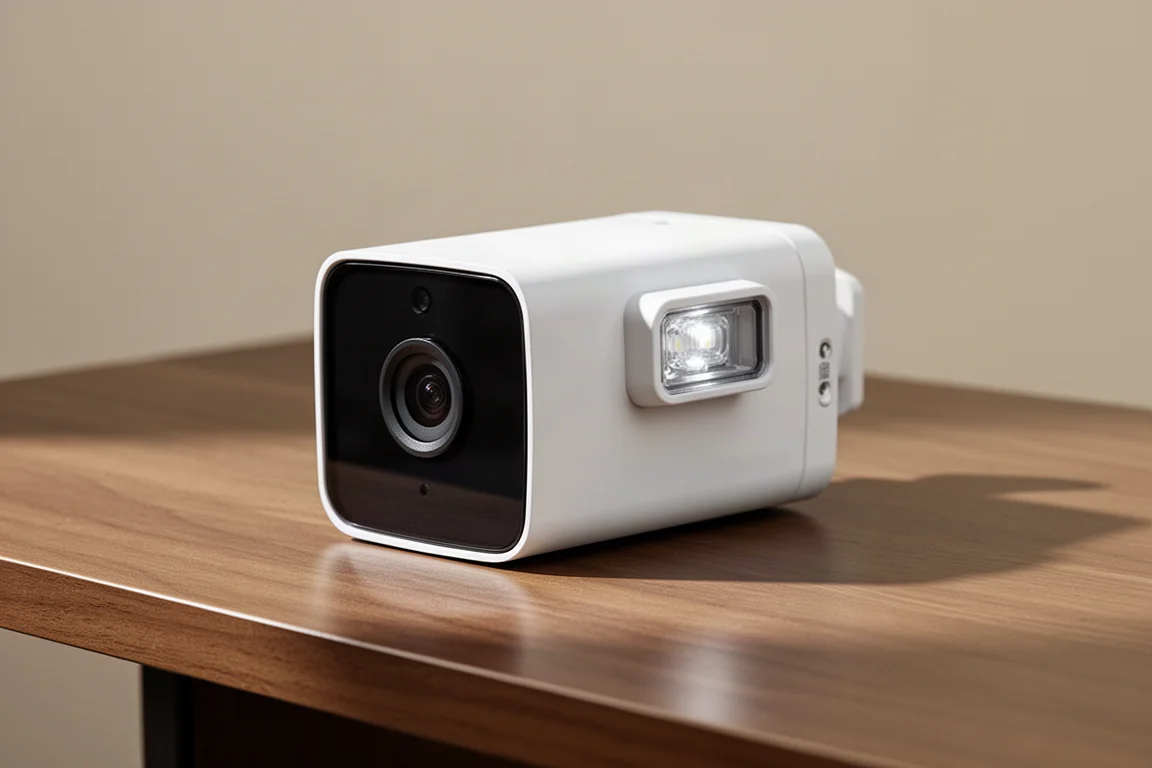
The VisionWell costs $32 and is the first battery-operated camera here, claiming 1 to 5 months per charge, AI motion detection, waterproofing, color night vision, two-way talk, and cloud or SD storage with a 33 ft visible range. Detail performance was strong, matching the Tapo and Wyze with readability out to about 30 ft, but the Veico Home app feels unfinished and buggy, with constant pop-ups urging plan upgrades, slow update processes, and slower video loading.
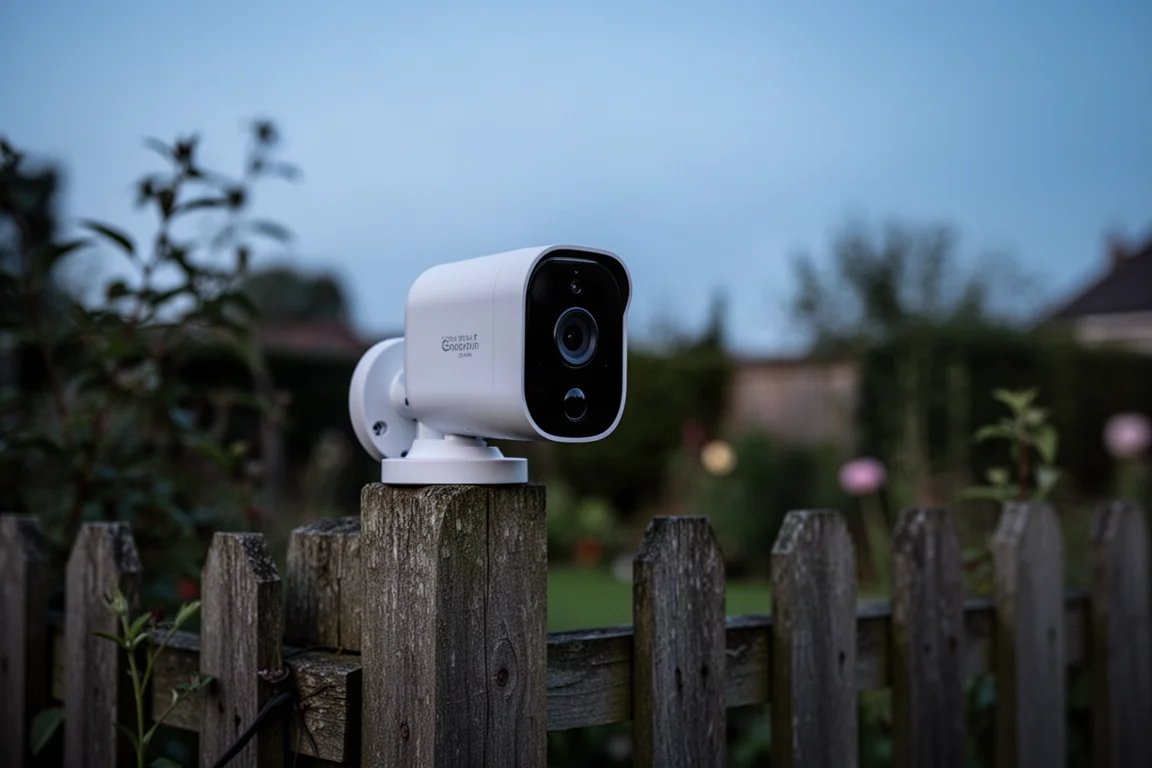
The Amcrest, at $34, offers 2K HD resolution, up to 128 GB of SD storage, claimed long battery life, and two-way audio. It uses the same Veico Home app, and setup was equally disappointing. Image quality was noticeably grainier than the Tapo, Wyze, and VisionWell, with the license plate barely readable at 25 ft. On the upside, its motion sensor spotted a subject about 40 ft away with sensitivity set to maximum, second best in the motion test, and its wider field of view captured a subject approaching from around 32.5 degrees.
Mid-Range Names: Arlo, Ring, and Blink
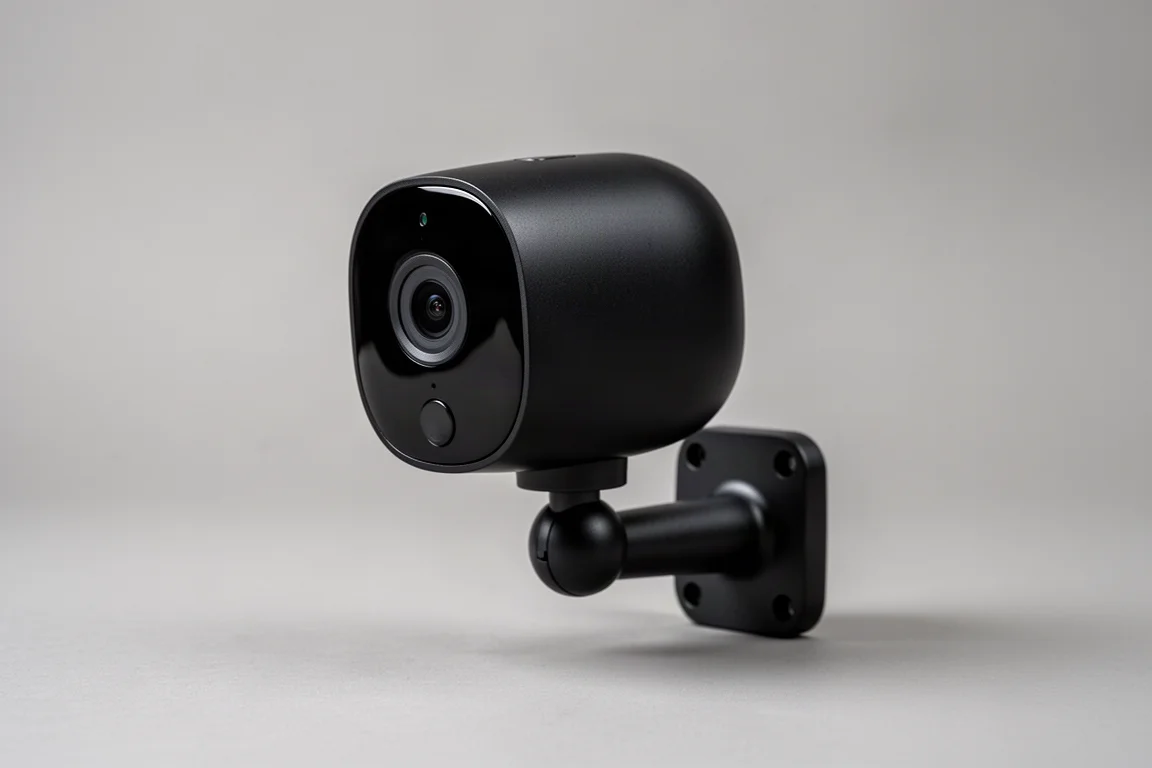
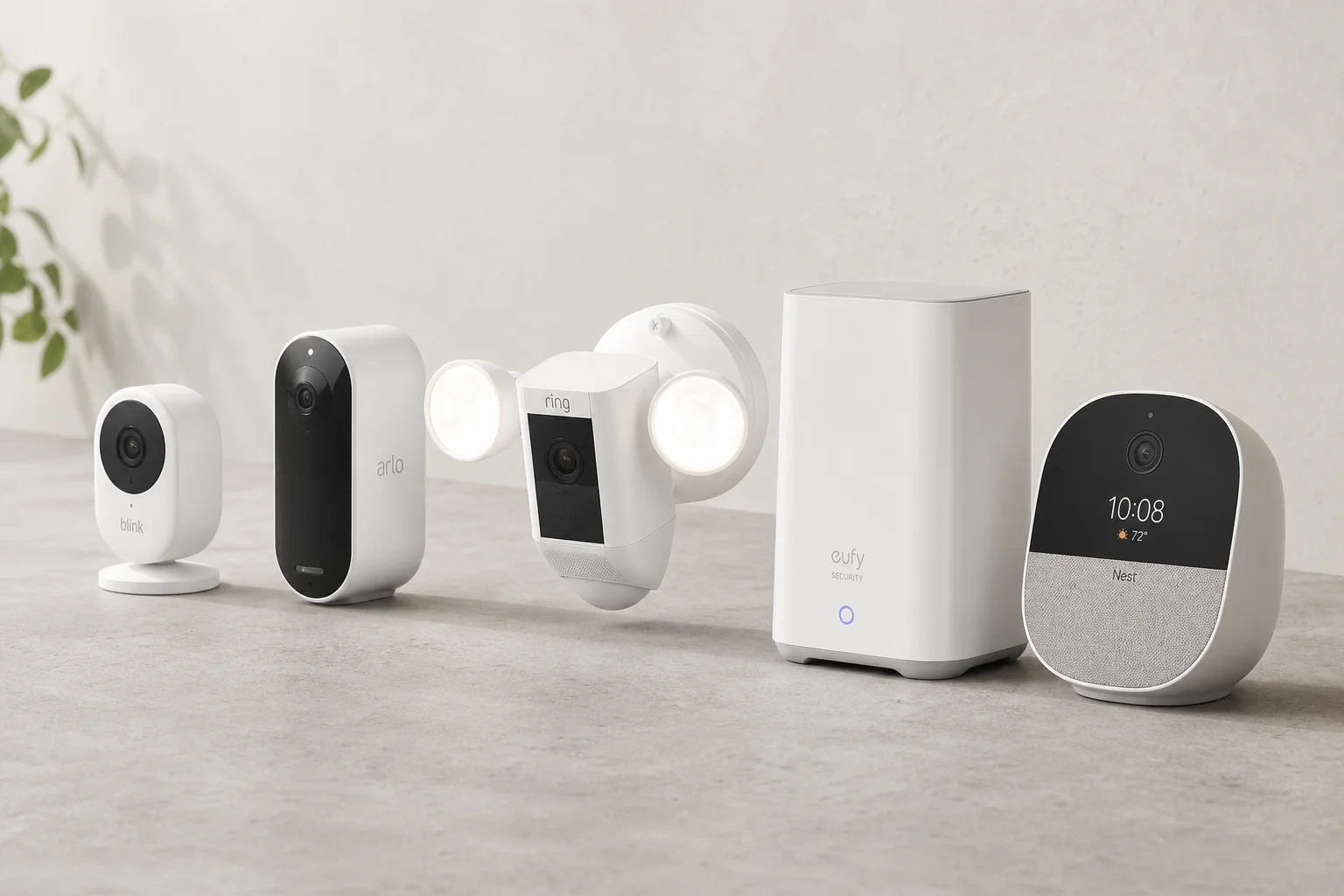
At $50, the Arlo is a wireless battery-powered camera with a spotlight, two-way audio, color night vision, and a claimed 130-degree field of view. The app is simple and user-friendly, though there is no SD slot, so recording requires a subscription. Detail capture was good out to 20 ft, but the plate got fuzzy at 25 ft. Its motion sensor activated about 17 ft away, and it suffered one of the worst flashlight whiteout cases in testing.
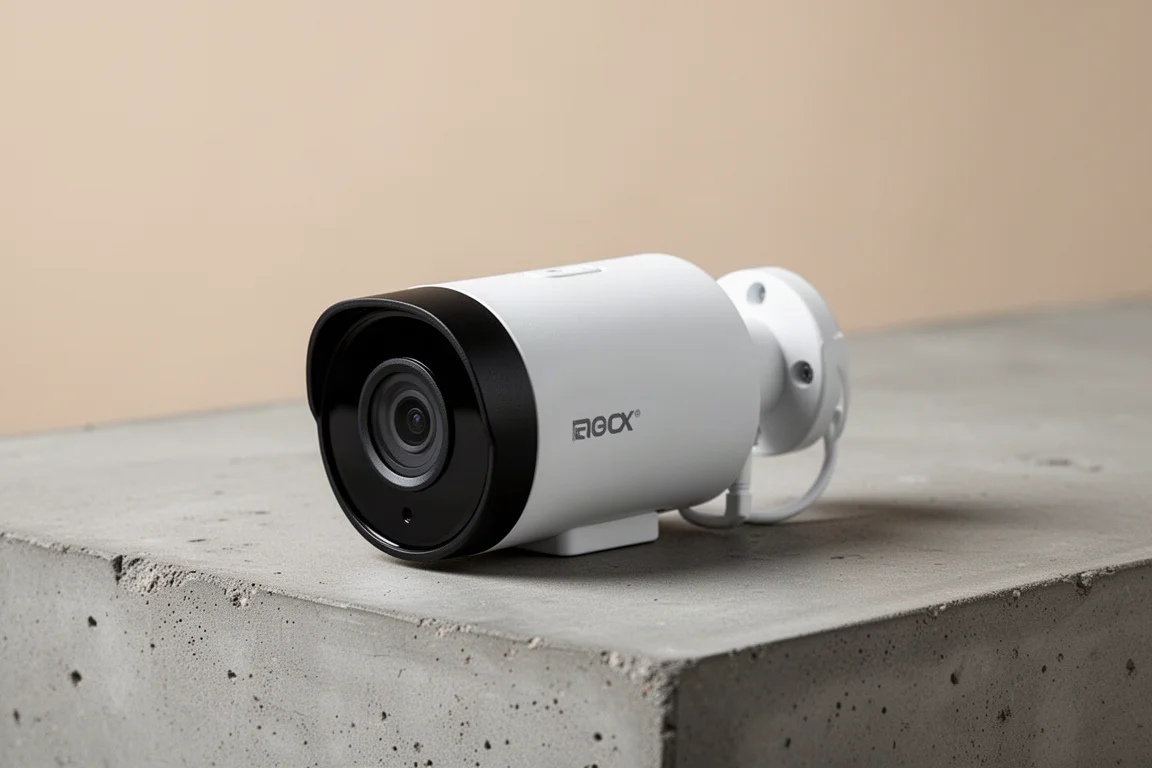
The Ring, at $60, is a weather-resistant battery camera with live view, color night vision, two-way talk, motion alerts, and Alexa support. The app is polished, with excellent attention to detail and lots of customization, but a monthly subscription is required. Disappointingly, the image was blurry at only 10 ft and barely readable at 15 ft, half the distance of the leaders. It did sense motion from about 30 ft, and the 45 ft distance marker was still readable.
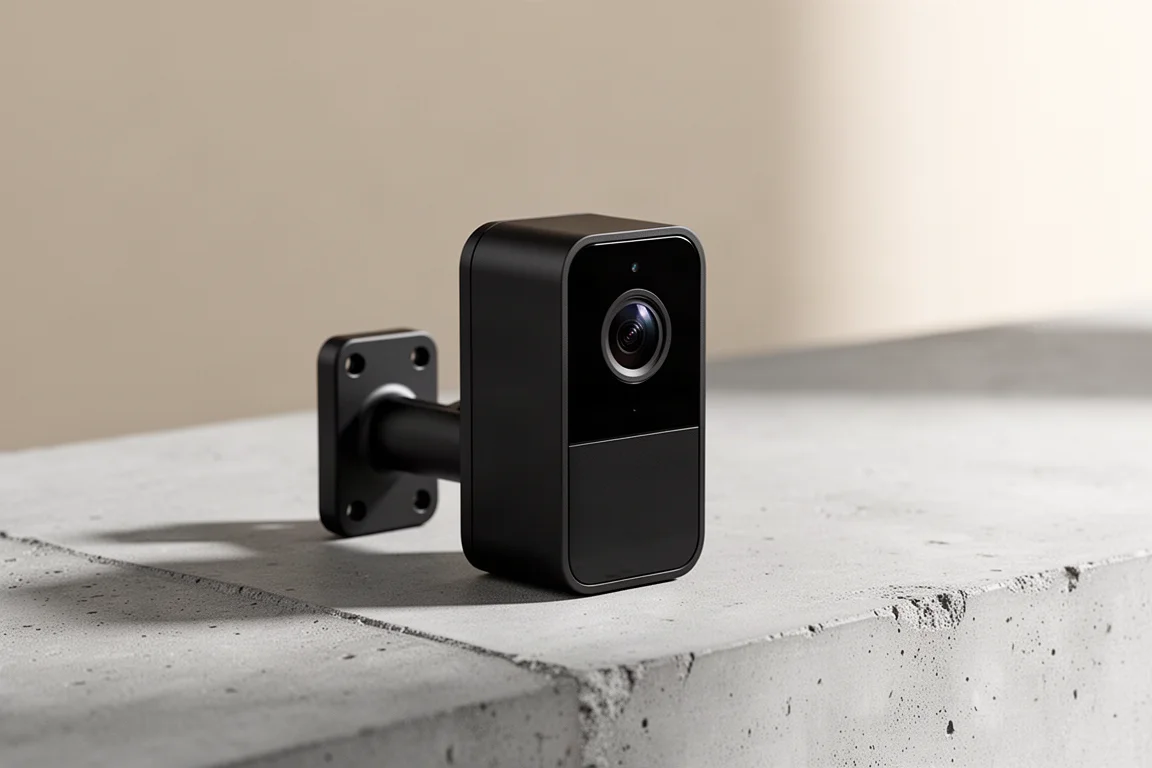
At $70, the Blink claims a 2-year battery life, 1080p live view, infrared night vision, two-way audio, and Alexa support, but it also requires a monthly subscription and a base station setup. The app is smooth and intuitive, but this camera consistently struggled: the license plate was barely readable at 10 ft, subjects walked right up undetected, and the 20 ft distance marker was hard to read. It did offer the widest fixed field of view of the fixed cameras, with the 30-degree sign in frame, and performed better than average on the flashlight test.
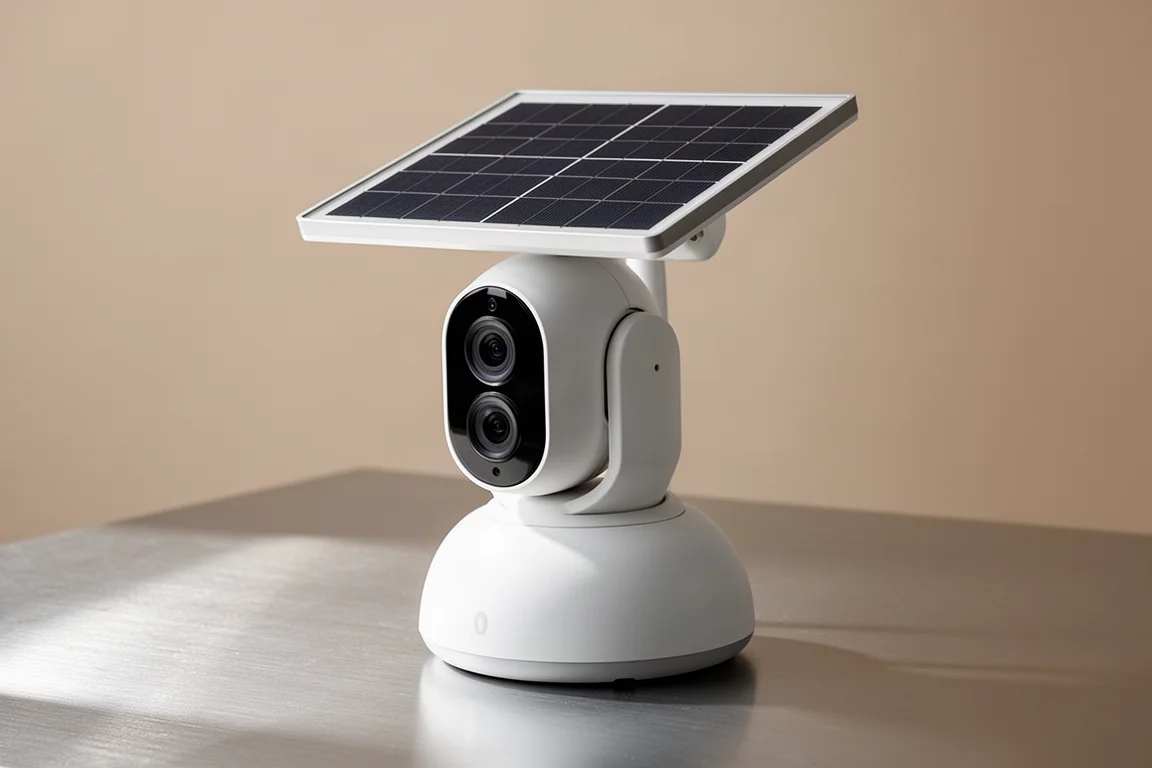
Best Value Pan-and-Tilt: AOSU Solar Security Camera
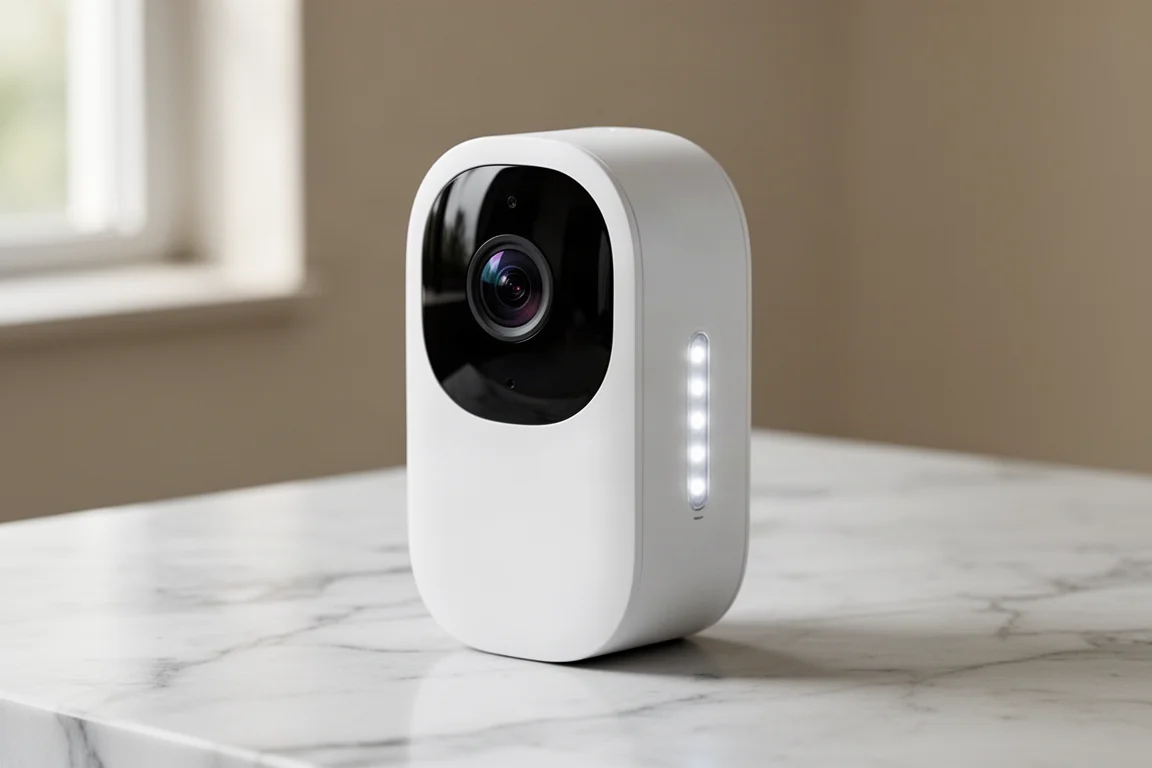
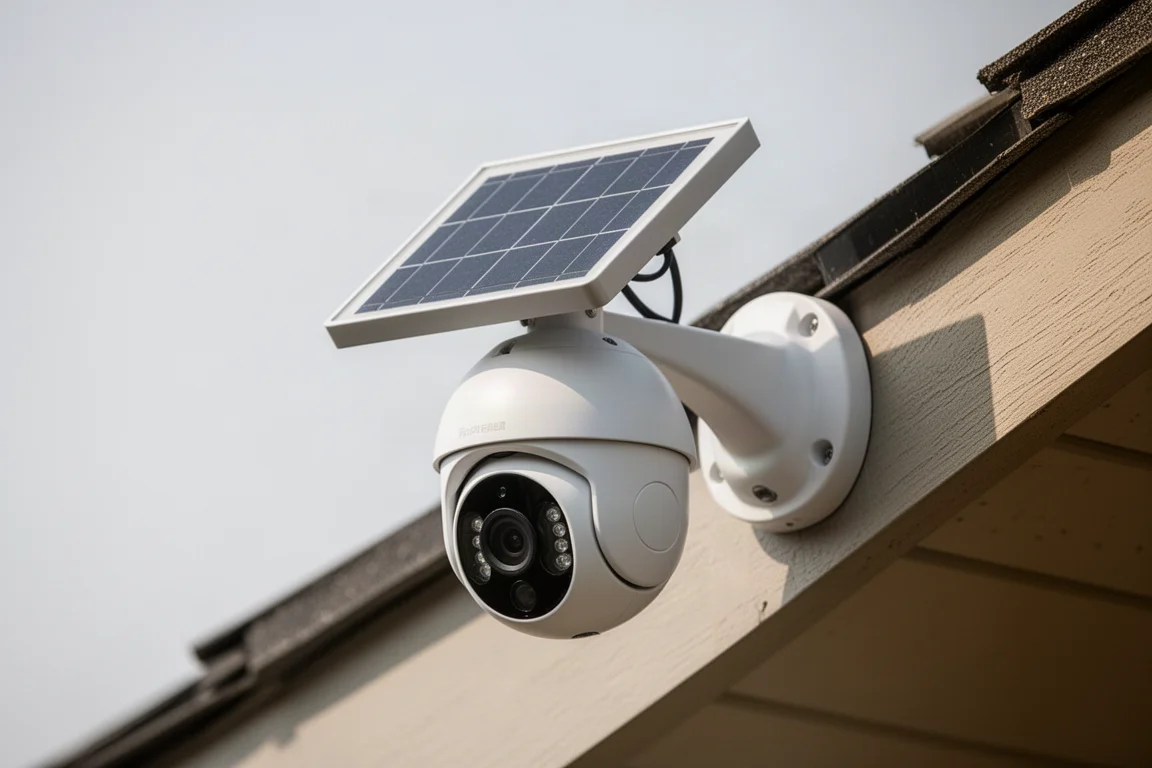
At $70, the AOSU is a solar-powered wireless camera with a 360-degree rotating head, human auto tracking, real-time 2K resolution, and 2K color night vision. Setup is easy and the app is user-friendly and intuitive. In the detail test it was fuzzy but readable at 30 ft, matching the Tapo, Wyze, and VisionWell, and its tracking did a good job of following a subject, even if the motion tracking is a bit jumpy.
Its motion sensor triggered at about 23 ft away, third best in that test, and the 70 ft distance marker was readable, the second-best long-distance image performance. It also handled the flashlight test well, finishing second with only minor washout. At around $70 with no blind spots and strong app experience, it is a standout value.
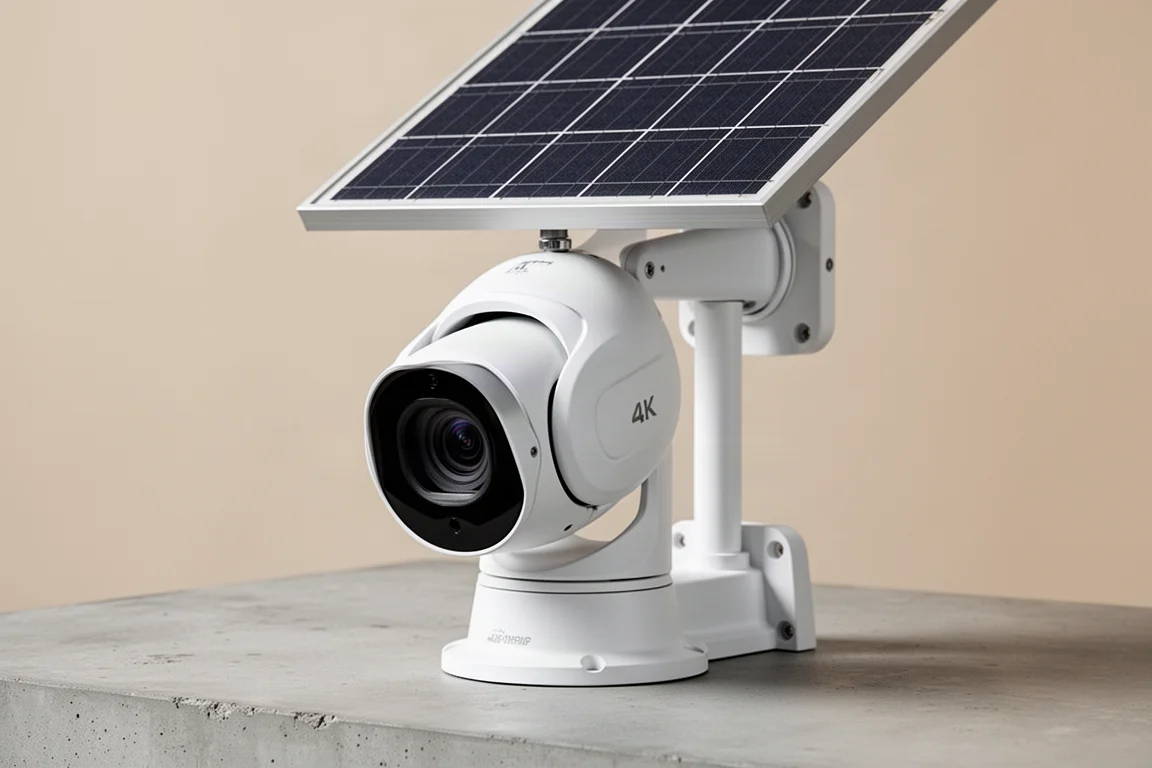
Premium Solar Options: Reolink 4K Solar Security Camera
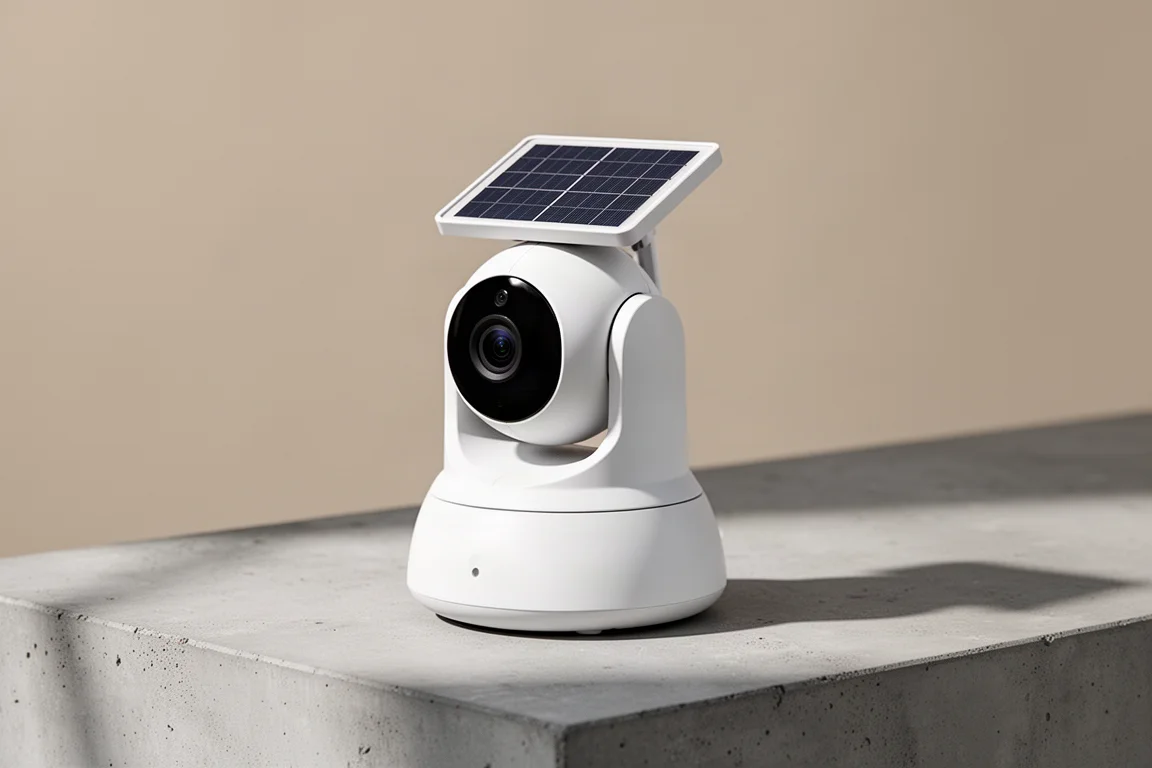
At $140, the Reolink claims 4K resolution, 360-degree coverage, 140 degrees of tilt, 8 megapixel color night vision, remote access, and no monthly subscription. Setup is easy, with the only small complaint being that you have to manually enter the Wi-Fi name. The app includes an activity zone, light control, and recording, and no subscription plan is shown in the app at all.
In the night vision test, the Reolink delivered the best results by a wide margin, reading the distance marker at 90 ft, far beyond any other camera. It also topped the flashlight blinding test, keeping clothing details and distance markers visible even with light pointed directly at the camera. Its main quirks: it does not auto-track moving subjects, so panning is manual via an on-screen joystick, and its motion sensor only activated around 12 ft away.
Overall Performance Winner: eufy Dual-Camera Solar Security Camera
At $160, the eufy claims dual cameras with 360-degree coverage, solar power, enhanced dual-camera clarity at 50 ft, 8x zoom, and a max resolution of 2K. The second camera has 3x telephoto zoom for higher resolution at distance. Setup is easy, and it lets you choose recording duration and customize audio recordings at the end of the process.
It delivered the best detail performance overall, reading the license plate easily at 10, 20, and even 30 ft, with the plate still barely readable at 40 ft, the only camera to reach that distance. Its motion sensor detected a subject from a remarkable 60 ft away, the best in that test, and it captured license plate letters from 15 ft, also the best. Motion tracking is very smooth, effectively keeping up with moving subjects around a full 360 degrees. The main limitation is internal storage capped at 8 GB unless you subscribe, though video downloads are possible without a subscription.
Which Security Camera Should You Buy?
Combining all graded categories into a ranked scorecard, the eufy came out on top with the best average finish of 1.8. It is a great all-around camera: solar and battery powered, 360-degree coverage with tracking, strong performance in every test, and useful features without a subscription. It is expensive, but if the budget allows, it is the clear choice.
The AOSU finished second with an average finish of 2.5 and, at around $70, is arguably the best value of the group. If affordability is the priority, it is hard to beat the Wyze at around $30. It is a corded camera with a larger blind area than the leaders, but it still performed well with an average finish of 4.8. On the other hand, avoid the Arlo, Ring, and Blink if you do not plan to pay for a subscription, since recording depends on it.
Conclusion
For most buyers, the eufy is the best overall outdoor security camera if the price is acceptable, the AOSU is the best value pan-and-tilt option, and the Wyze is the best cheap pick. The Reolink stands out for anyone who prioritizes night vision above all else. Think about power sources, subscription tolerance, and how much blind space you can accept, and the right camera in this group should be easy to spot.
Further reading
Related Reviews
Home Security
Best Home Security Cameras 2026: Five Options From Budget to Premium
Five home security cameras tested across budget, mid-range, and premium categories. Find the right balance of features, cost, and privacy for your home.
Home Security
Best Indoor Security Cameras Without Subscription 2025: Five Strong Picks
Five indoor security cameras that deliver clear footage, smart alerts, and local storage without monthly fees or hidden costs.
Home Security
Best IP Cameras and NVR Setup: Four Practical Security Solutions for Home Monitoring
A practical guide to four IP camera systems with real-world installation experience, covering dual-lens cameras, wireless NVRs, network switches, and budget-friendly options for home security.