Power Tools
Best Oscillating Multi-Tools Tested: From a $35 Budget Buy to the $219 Premium Pick
Ten oscillating multi-tools put through plunge cuts, PVC, and nail cutting to find which ones are worth the money.
Introduction
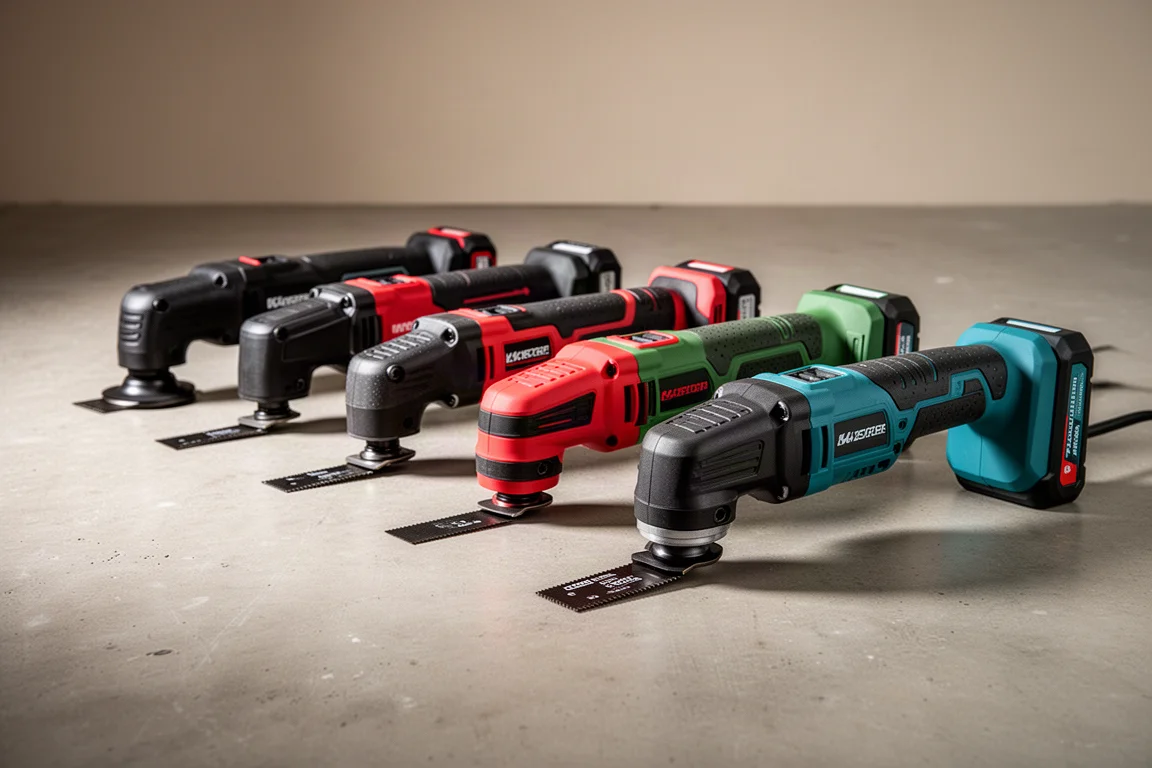
An oscillating multi-tool is one of those tools most people don’t realize they need until they own one. The real question is whether a $35 budget model can hold its own against a $219 premium option. This comparison lines up ten popular multi-tools and measures how fast each one plunge cuts wood, slices through PVC, and grinds through nails, along with how loud, heavy, and shaky each tool is in use.
How the Tools Were Tested
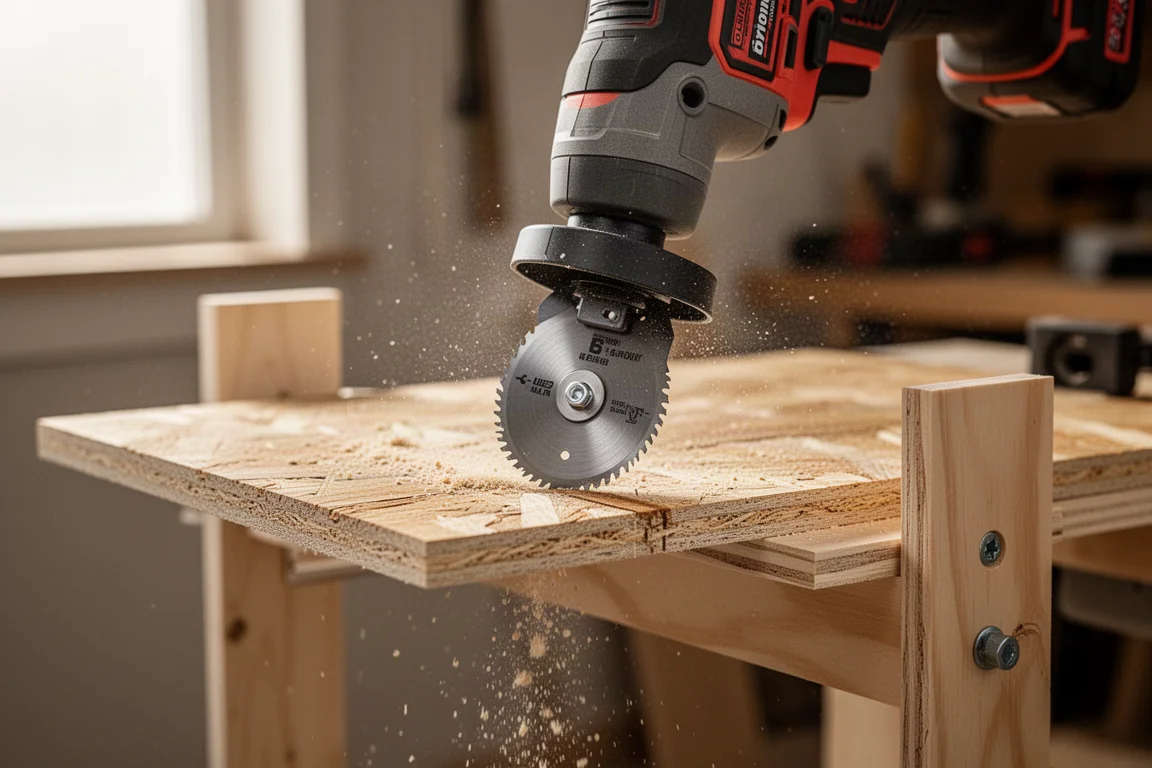
Every tool received an identical new blade, a fully charged battery, and ran at maximum speed. Cuts were made on a controlled test rig using a rope and pulley system, first with 5 lb of pulling force and then 7.5 lb, to see how each tool responds to added pressure. Noise was measured in decibels and vibration with a vibration meter, so the results reflect both raw cutting speed and day-to-day comfort.
The Complete Lineup, From Cheapest to Most Expensive
Harbor Freight Warrior 12V Oscillating Multi-Tool
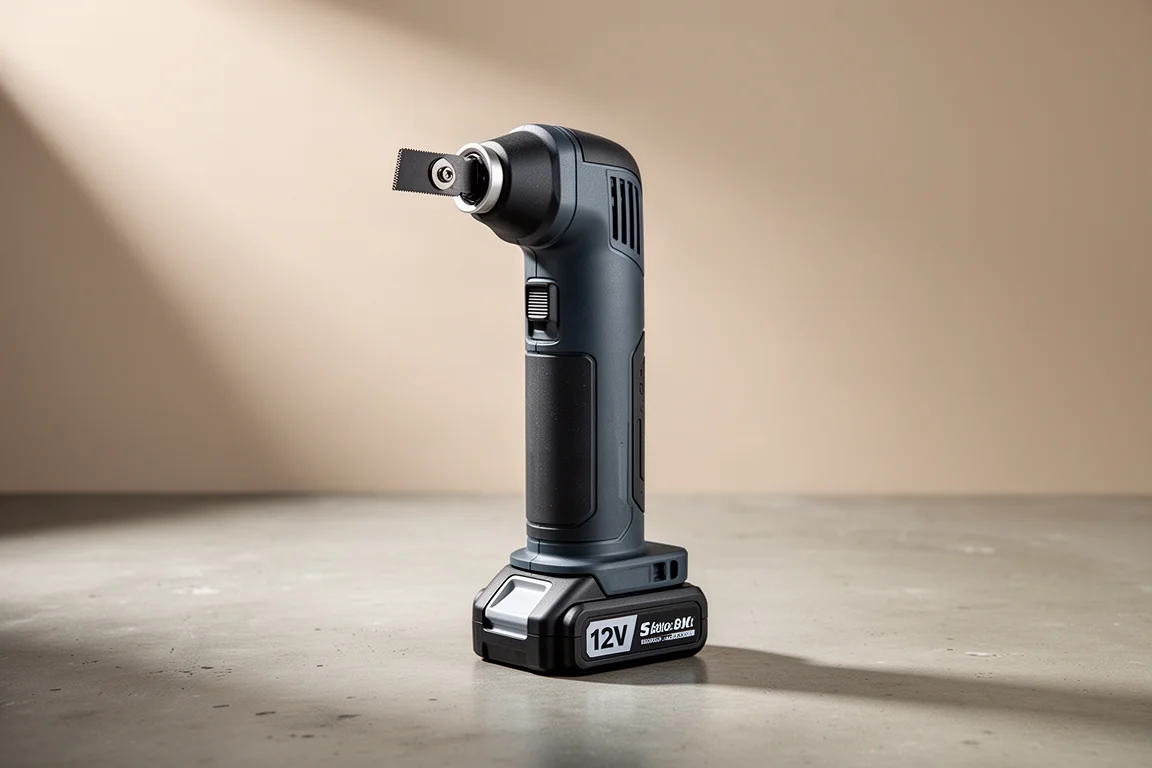
At $35 for the tool, battery, and charger, the Warrior is the standout value here. It uses a brushed motor, a six-speed control dial, 2.5 degrees of oscillation, and an Allen hex key for blade changes. It is the lightest tool tested at 26 oz, well balanced, and easy to grip one-handed thanks to a narrow body. The downsides are real, though: it is loud at 87 dB, vibrates heavily, and was the slowest wood cutter at 6.64 seconds under the better pressure setting. If budget is the deciding factor, it still gets basic jobs done.
Hart 20V Oscillating Multi-Tool
The Hart, sold at Walmart, costs $54 for the bare tool. It has a variable speed dial, a brushed motor, and an estimated 3.2 degrees of oscillation, and it is quieter than the Warrior at 80 dB. It is light at 27 oz and easy to handle, and it cut OSB in 6.38 seconds under extra pressure. Vibration is still fairly high at 53 m/s², and it is not the fastest option overall, but it is a sensible step up from the cheapest tier.
Ryobi 18V One+ HP Oscillating Multi-Tool
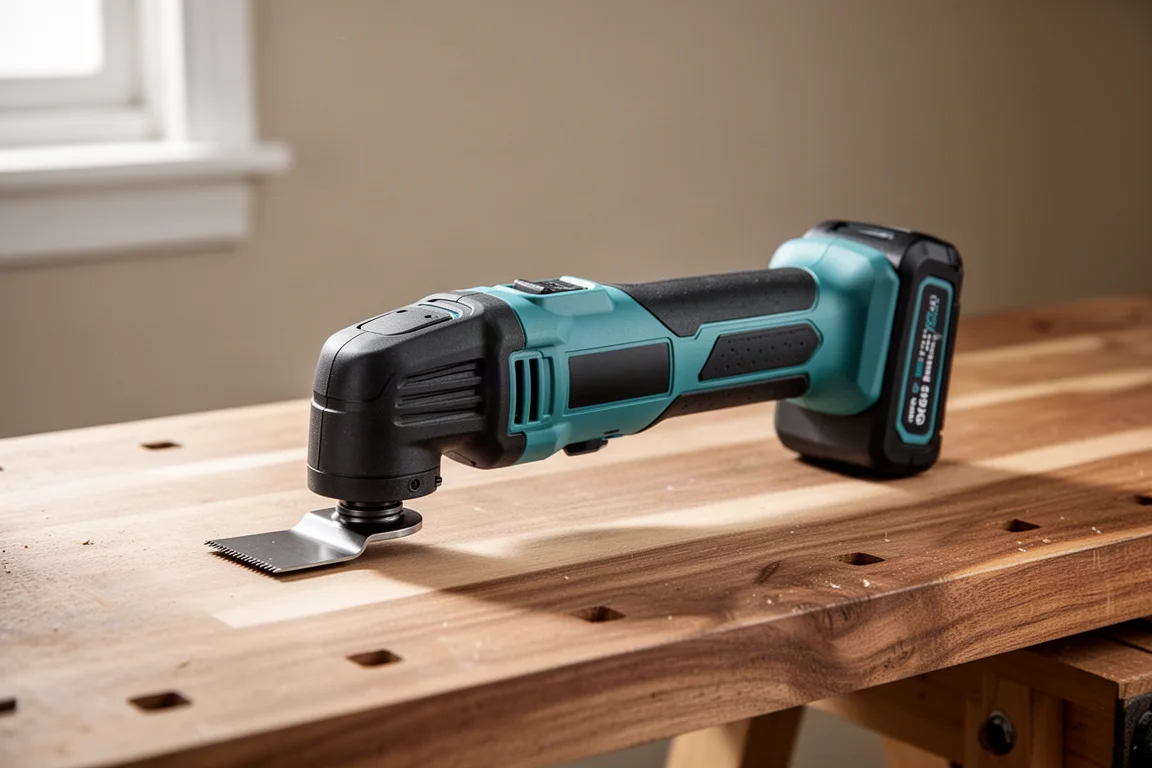
At $99 for the bare tool, the Ryobi One+ HP is one of the best-balanced packages in the group. It has a brushless motor, tool-less blade change, a 3.6-degree oscillation angle, and a range of 10,000 to 20,000 OPM. It is the quietest tool tested at 77.9 dB, vibrates very little at 12 m/s², weighs only 31 oz, and cut wood in 4.35 seconds, good enough for fourth place overall. For the price, it is hard to argue with.
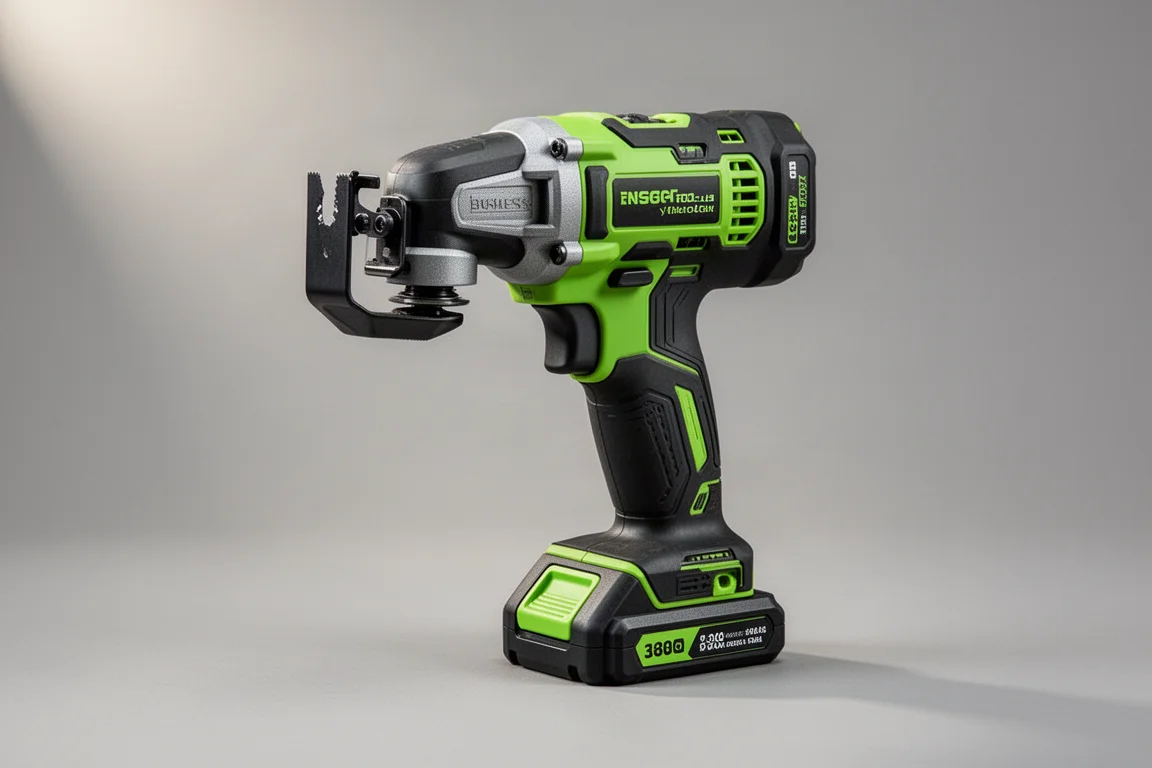
Metabo HPT Oscillating Multi-Tool
Also $99 for the bare tool, the Metabo HPT brings a brushless motor, tool-less blade change, an LED light, and a soft start feature. Unfortunately, it was the loudest tool tested at 93 dB, vibrates a lot at 55 m/s², and was the slowest on wood at 15.3 seconds. It also has a large diameter body that feels like gripping a large pipe, making one-handed use difficult. It edged out the Warrior in PVC cutting, but it is the weakest overall package here.
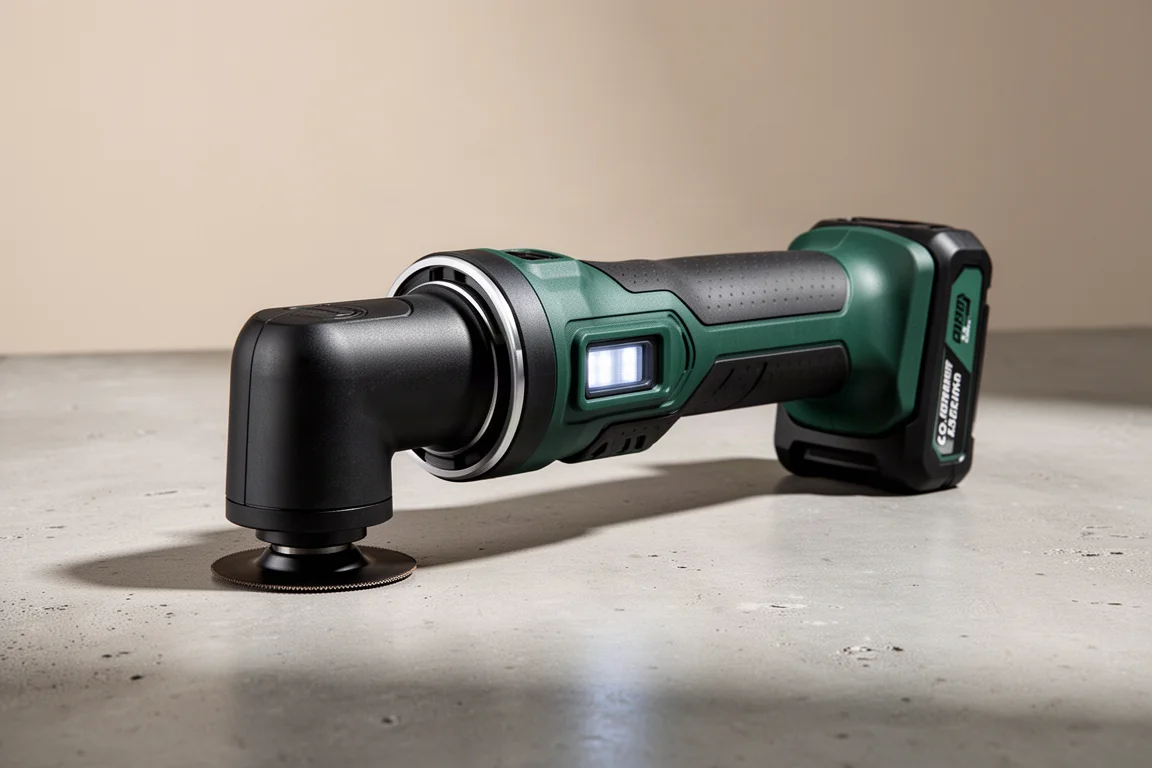
Ridgid Oscillating Multi-Tool
The Ridgid costs $99 for the bare tool and uses a brushed motor with a 3.2-degree oscillation angle and a variable speed dial. Blade changes work the same way as the Ryobi’s. It cut wood in 5.67 seconds, just behind the Ryobi, and its standout trait is extremely low vibration at just 5.8 m/s², second only to the Milwaukee. It is slightly noisier and heavier than the Ryobi and cuts a touch slower, but comfort in hand is excellent.
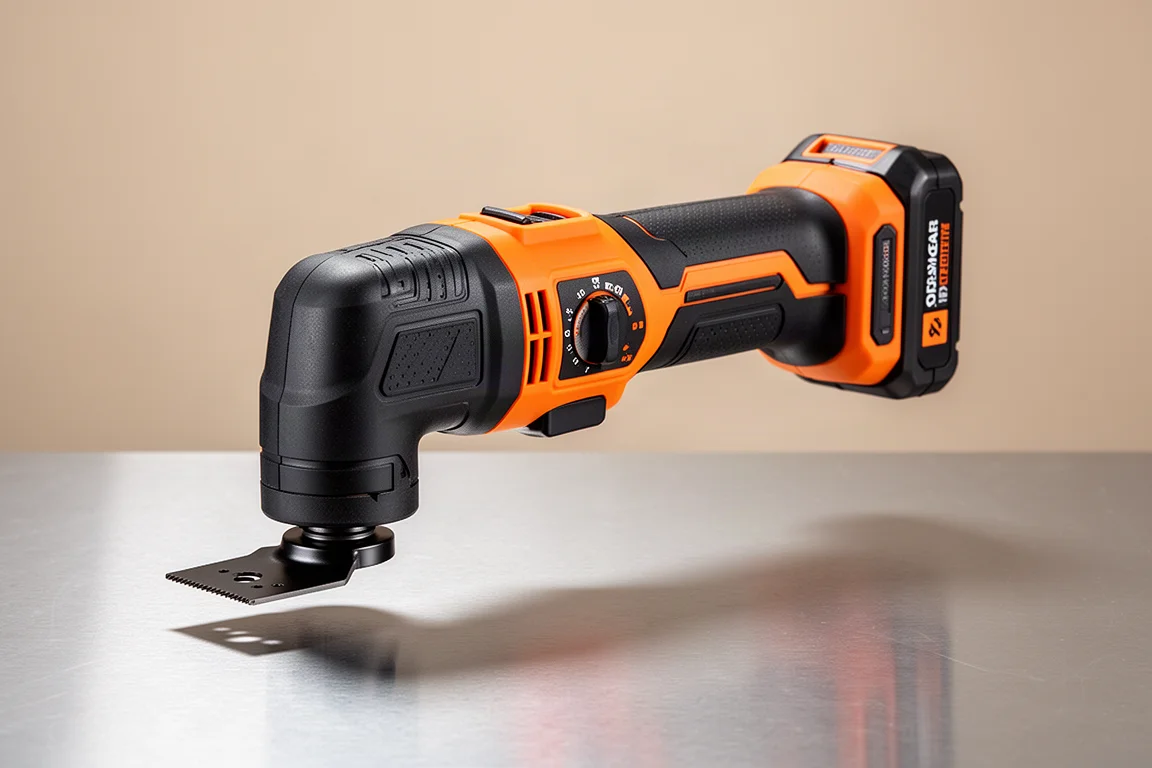
DeWalt Oscillating Multi-Tool
At $106 for the bare tool, the DeWalt offers a three-speed selector, a brushless motor with up to 50% more run time, a dual-grip variable speed trigger, a quick-change accessory system, and a bright LED light. It handled the extra 7.5 lb of pressure effortlessly, cutting wood in 4.1 seconds, and it was the fastest PVC cutter at 1.82 seconds. Vibration is better than average at 18 m/s², and the blade change system is arguably the easiest of the bunch. This is a top-three contender.
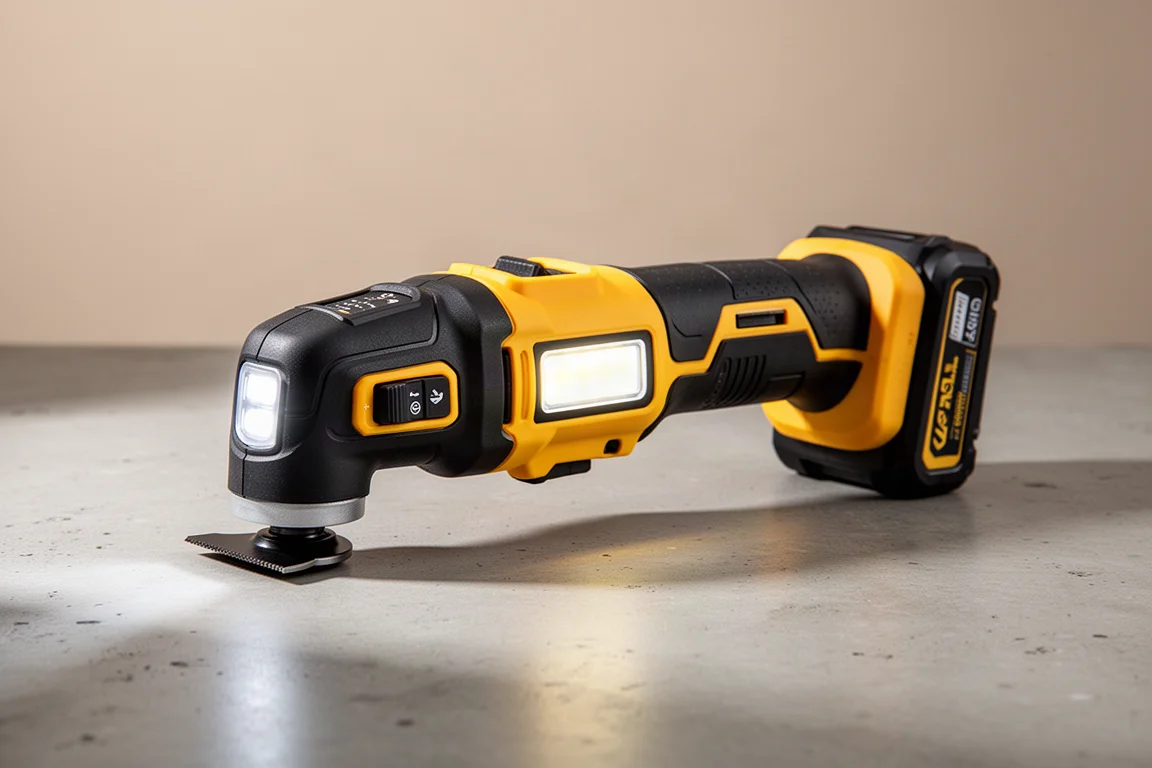
Makita Oscillating Multi-Tool
The Makita costs $117 for the bare tool and includes a blade plus a couple of adapters. It has a variable speed dial from 6,000 to 20,000 OPM, a brushed motor, and a 3.2-degree oscillation angle. It struggled in the initial wood test at 9.8 seconds, though extra pressure improved it to 5.42 seconds. On the downside it is heavy, loud at 82.6 dB, vibrates a lot at 58 m/s², and has a large body that is hard to use one-handed.
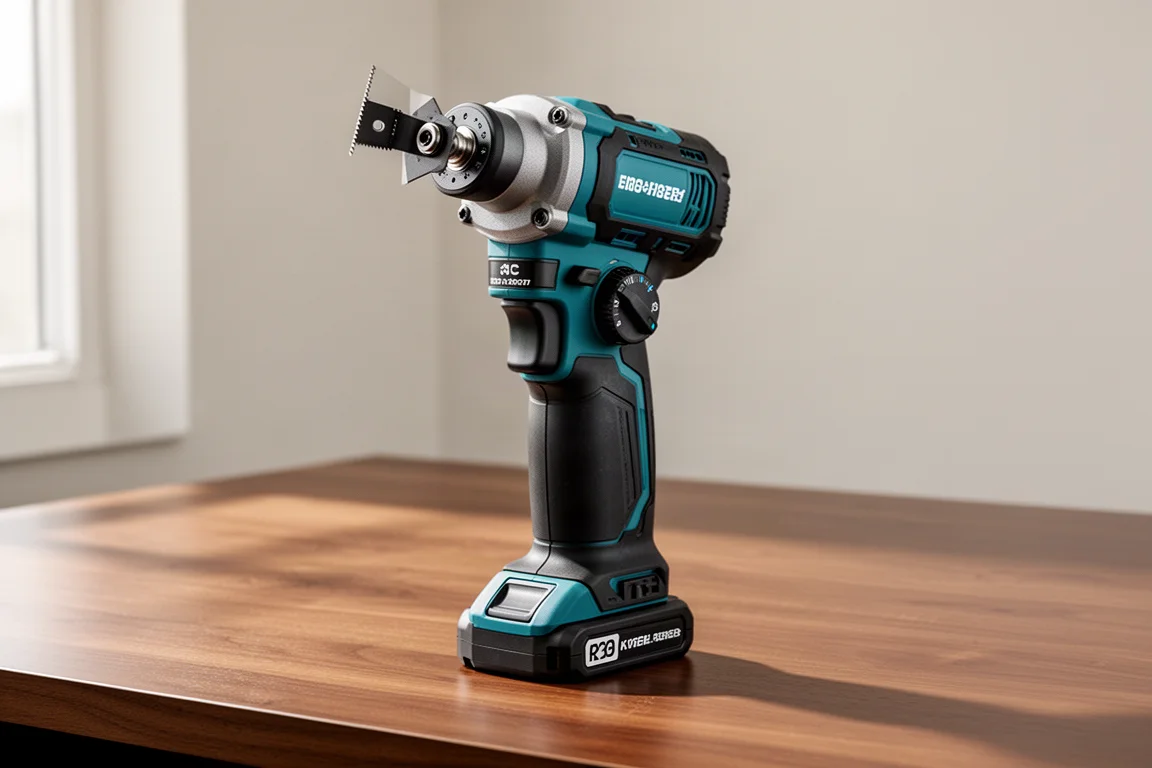
Bosch Oscillating Multi-Tool
At $149 for the bare tool, the Bosch uses a brushless motor with up to 30% more power, runs from 5,000 to 20,000 OPM, includes a blade and an accessory storage container, and features simple press-in blade installation. It is made in Hungary, compact, and relatively refined. Its initial wood cut of 14.8 seconds was disappointing, improving to 7.35 seconds with more pressure. It shone in nail cutting, however, at 8.21 seconds. The large diameter body makes one-handed use tricky.
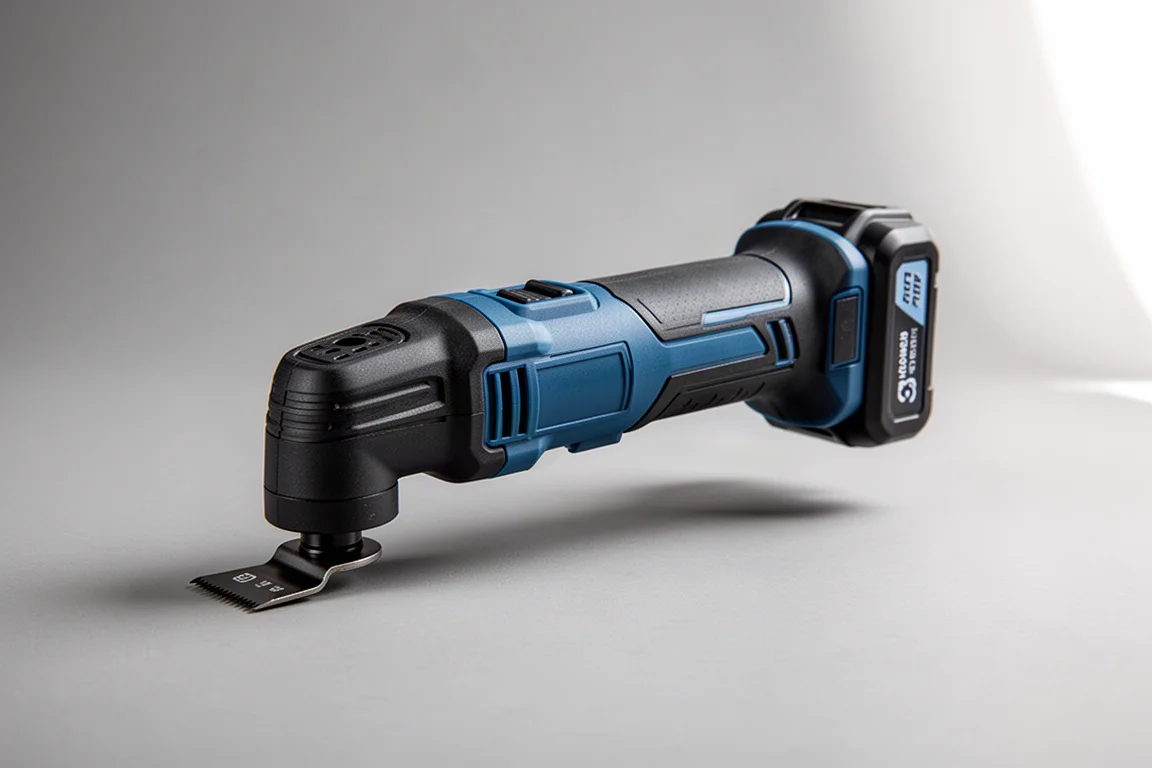
Flex 24V Oscillating Multi-Tool
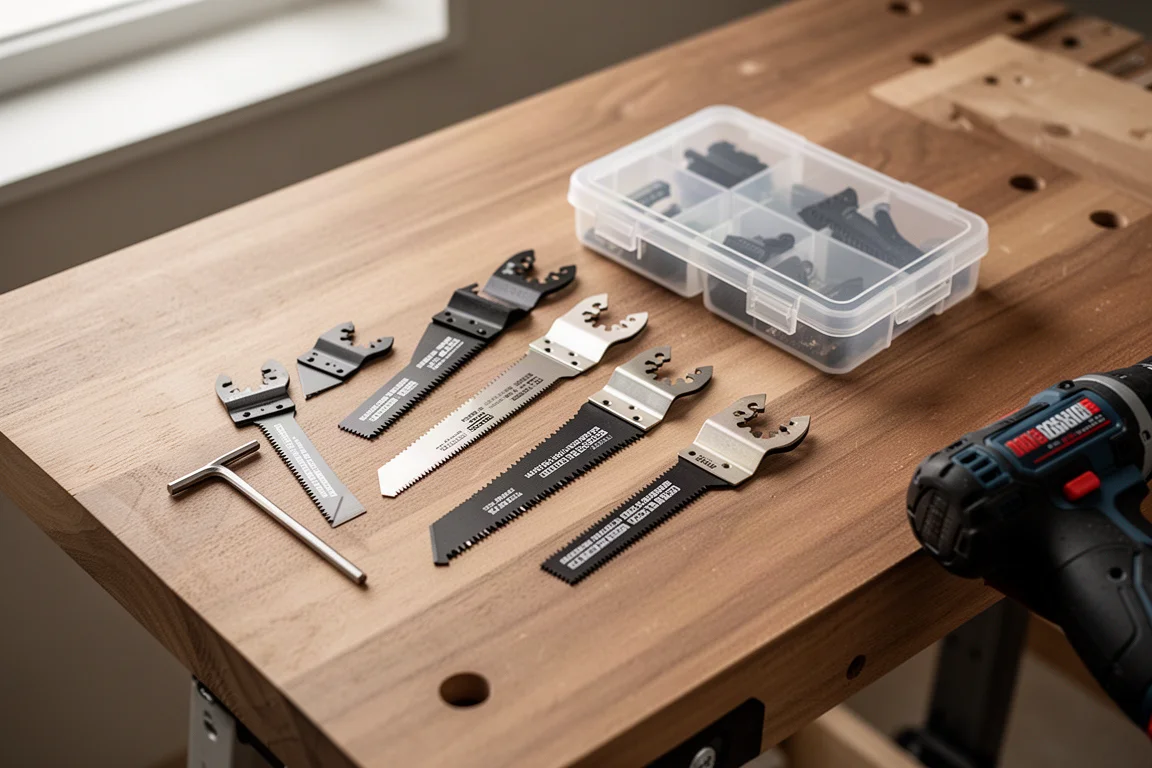
The Flex kit, at $200 including a 24V 2.5Ah battery and a 160W fast charger, promises 20% more power and 25% longer run time, backed by a brushless motor, advanced vibration suppression, a 3D Starlock connection, dual LED lights, keyless blade ejection, and a 4-degree oscillation angle. It delivered: 2.83 seconds on wood, the second fastest average, and 5.31 seconds on nails. It is a little quieter than average at 80.4 dB, though it is heavy and vibrates more than the other top performers.
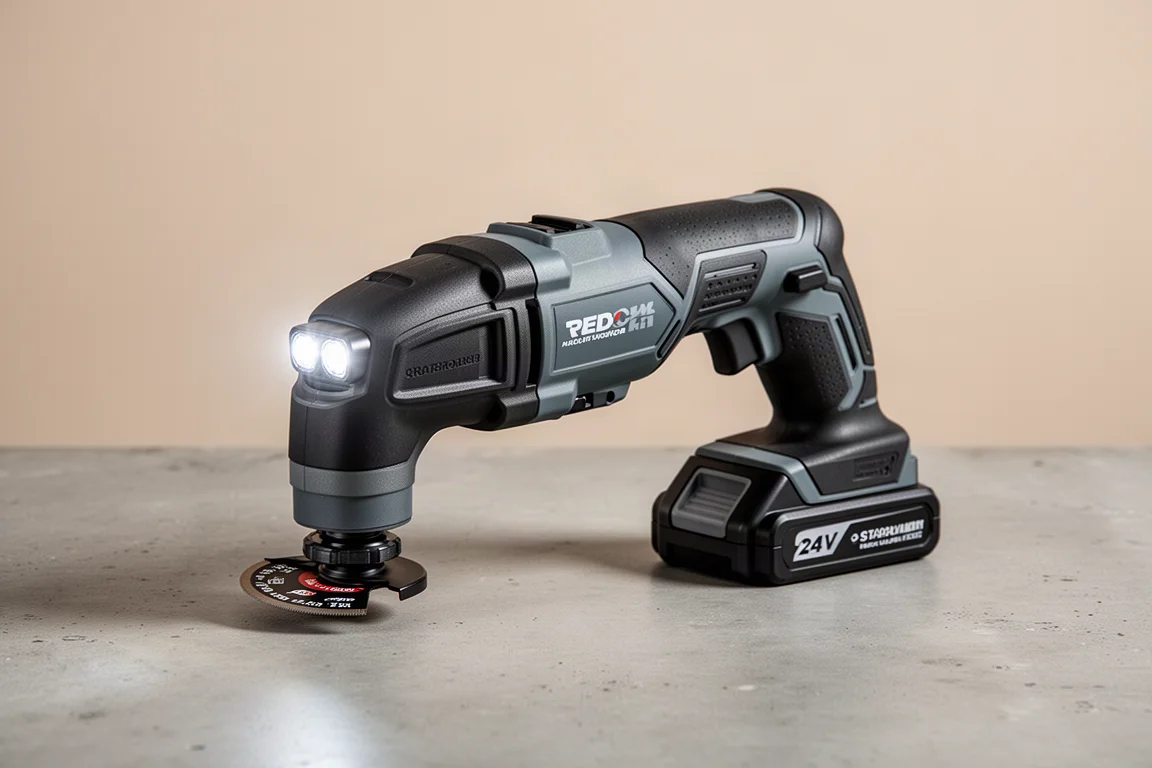
Milwaukee Oscillating Multi-Tool
The Milwaukee, at $219 for the bare tool, claims to be the fastest cutting, and it lived up to it. It has the largest oscillation angle of the group at 4.2 degrees, claims the lowest full-tool vibration, and is designed for demolition work. It won the wood cutting test at 2.63 seconds, won PVC at 1.21 seconds, and won the nail test at 4.1 seconds, all while being the second quietest at 79 dB and the least vibrating tool at 5 m/s². It is expensive, but it dominated every category.
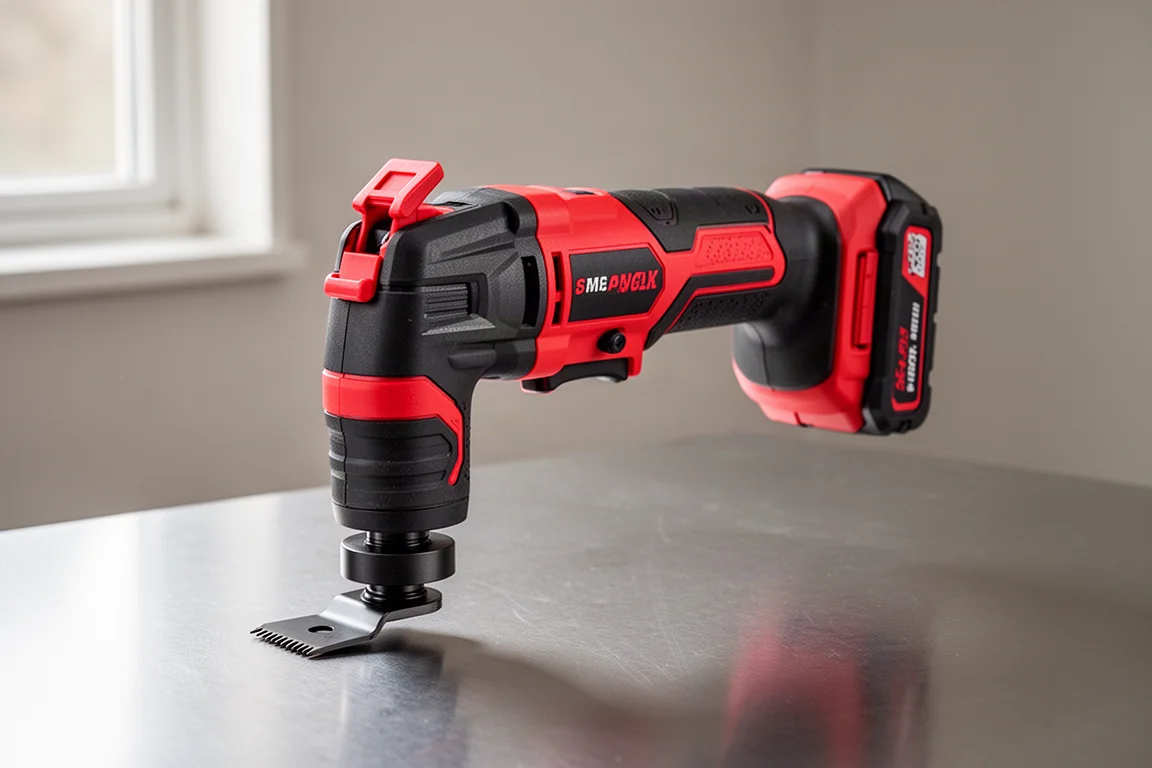
Cutting PVC and Nails
PVC cutting showed some of the widest spreads in the group. The Milwaukee finished a one-inch PVC cut in just 1.21 seconds, with the DeWalt second at 1.82 seconds and the Flex close behind at 1.97 seconds. The Ryobi and Hart rounded out the top five at 2.37 and 2.52 seconds, while the Makita was the slowest at 3.49 seconds, nearly twice as long as the DeWalt.
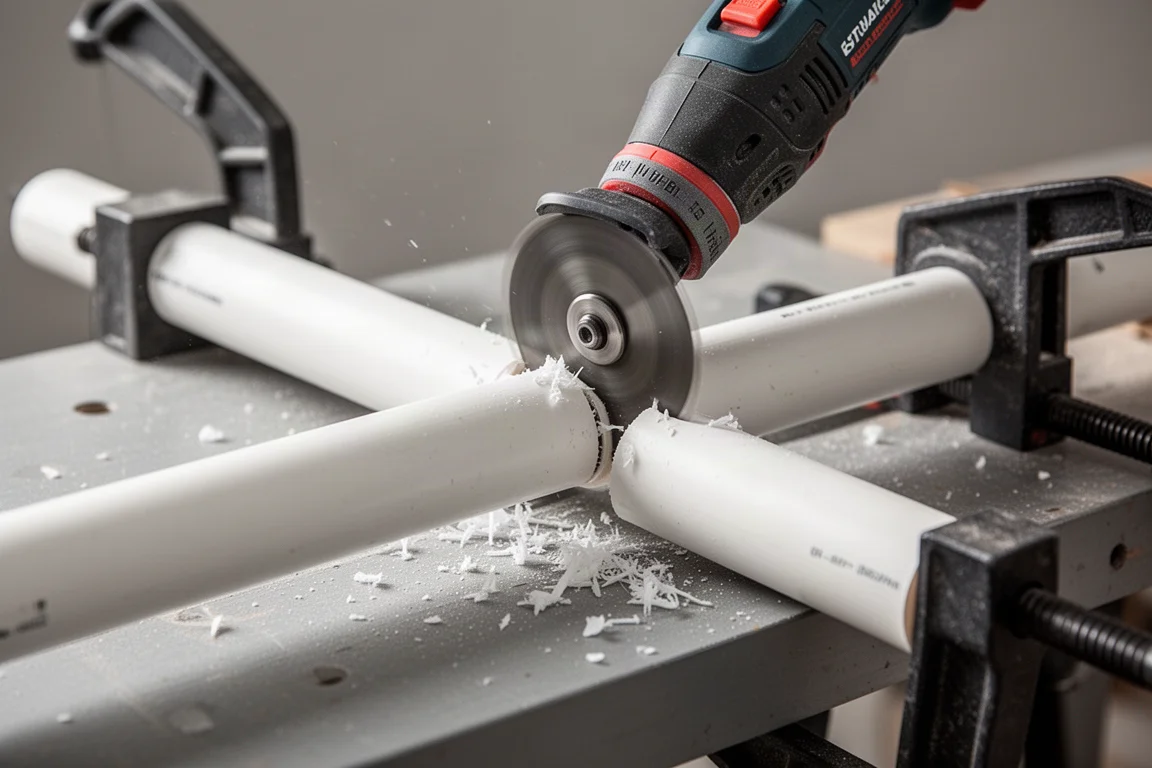
Nail cutting, using four galvanized 16-penny nails, favored the tools with larger oscillation angles. The Milwaukee again led at 4.1 seconds, followed by the Flex at 5.31 seconds and the Bosch at an impressive 8.21 seconds. The Ryobi, Hart, and DeWalt clustered around 9.8 to 10 seconds, while the Metabo, with an advertised 3.2 degrees of oscillation, took a surprising 36.2 seconds, slower even than the Warrior’s 22.62 seconds.
Vibration, Weight, and Handling
Vibration numbers separate the comfortable tools from the tiring ones. The Milwaukee measured just 5 m/s², with the Ridgid close behind at 5.8, the Ryobi at 12, the DeWalt at 18, and the Bosch at 23. At the other end, the Warrior shook at 63 m/s², the Makita at 58, the Metabo at 55, and the Hart at 53.
Weight and body shape matter too. The Warrior is the lightest at 26 oz, followed by the Hart at 27 oz, the Ryobi at 31 oz, the Ridgid at 36 oz, and the DeWalt at 37 oz. Several tools, including the Metabo, Makita, and Bosch, have larger diameter bodies that make one-handed control difficult, while the Warrior, Hart, and Milwaukee are noticeably easier to grip.
Buying Advice
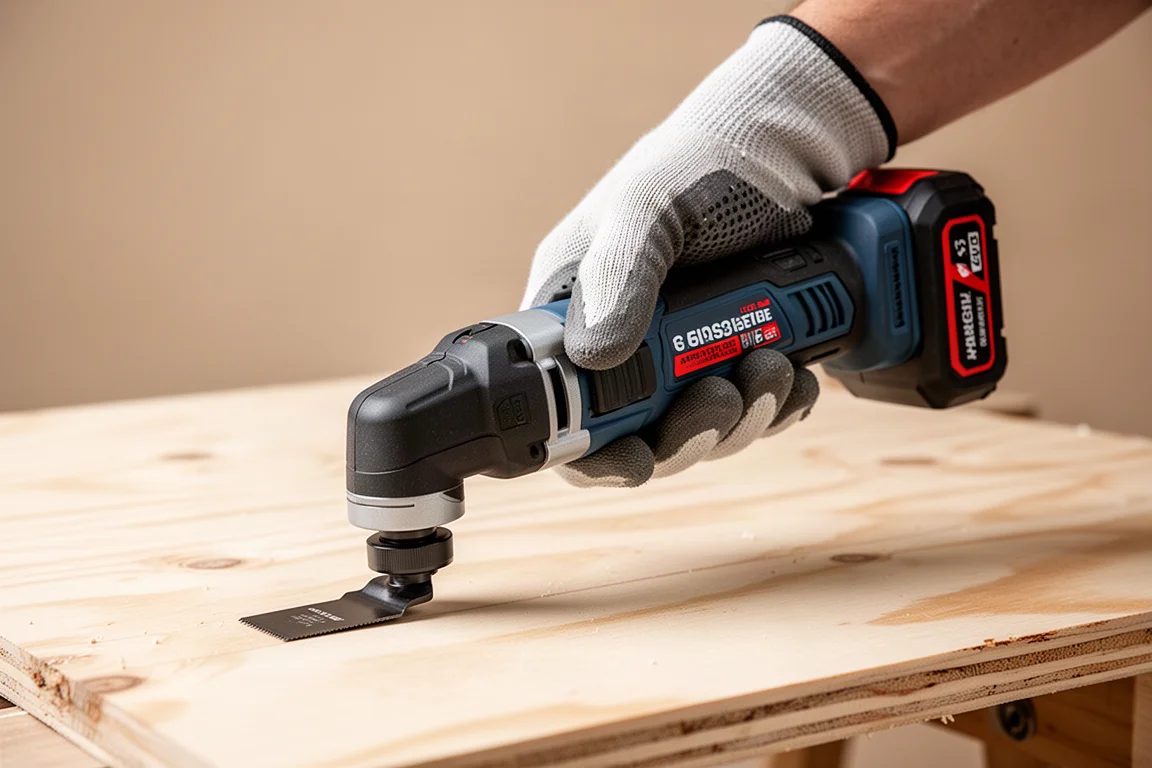
The overall wood cutting rankings tell the story. Milwaukee came out on top at 2.63 seconds, the Flex followed at 2.83 seconds, then DeWalt at 4.1 seconds, Ryobi at 4.35 seconds, and Makita at 5.42 seconds. Some tools clearly respond better to added pressure than others, so it pays to match the tool to how aggressively you like to work.
If you want the best all-around performer and the budget allows, the Milwaukee is the clear winner, quiet, smooth, and fastest in every test. The Flex is a strong runner-up, especially as a kit with battery and charger included. The DeWalt and Ryobi are excellent middle-ground choices, with the Ryobi standing out as a great value at $99 given its low noise, low vibration, and tool-less blade change. Budget shoppers should consider the Hart over the Warrior if they can stretch a little, since both budget tools trade speed and comfort for price.
Conclusion
Price does not always predict performance in this category, but the top of the market earned its keep. The Milwaukee dominated across wood, PVC, and nail cutting while staying quiet and smooth, the Flex proved a strong new challenger, and the DeWalt and Ryobi offer superb value. Even the $35 Warrior has a place for occasional light-duty use. Match the tool to your workload and budget, and any of the top four is a purchase you are unlikely to regret.
Further reading
Related Reviews
Power Tools
Best 1-Inch Pistol Impact Wrenches: Three Heavy-Duty Options Compared
We compare three 1-inch pistol impact wrenches, from a budget-friendly Harbor Freight model to a premium Caterpillar unit, to help you choose the right one.
Power Tools
Best 3/4-Inch Impact Wrenches 2026: Five Contenders Compared
We compare five 3/4-inch impact wrenches across price and performance, from a budget Amazon option to Snap-on's most powerful model yet.
Power Tools
Best Budget Cordless Tools 2026: Walmart Finds That Punch Above Their Price
We tested five cordless tools from Walmart, including a high-torque impact wrench that trades blows with Milwaukee and a $35 duster that outperforms its price class.