Power Tools
Porter-Cable vs Makita Oscillating Multi-Tools: Two Corded and Cordless Options Worth Owning
An experienced carpenter's take on the Porter-Cable and Makita oscillating multi-tools, plus the unexpected jobs these tools quietly solve around the jobsite.
Introduction
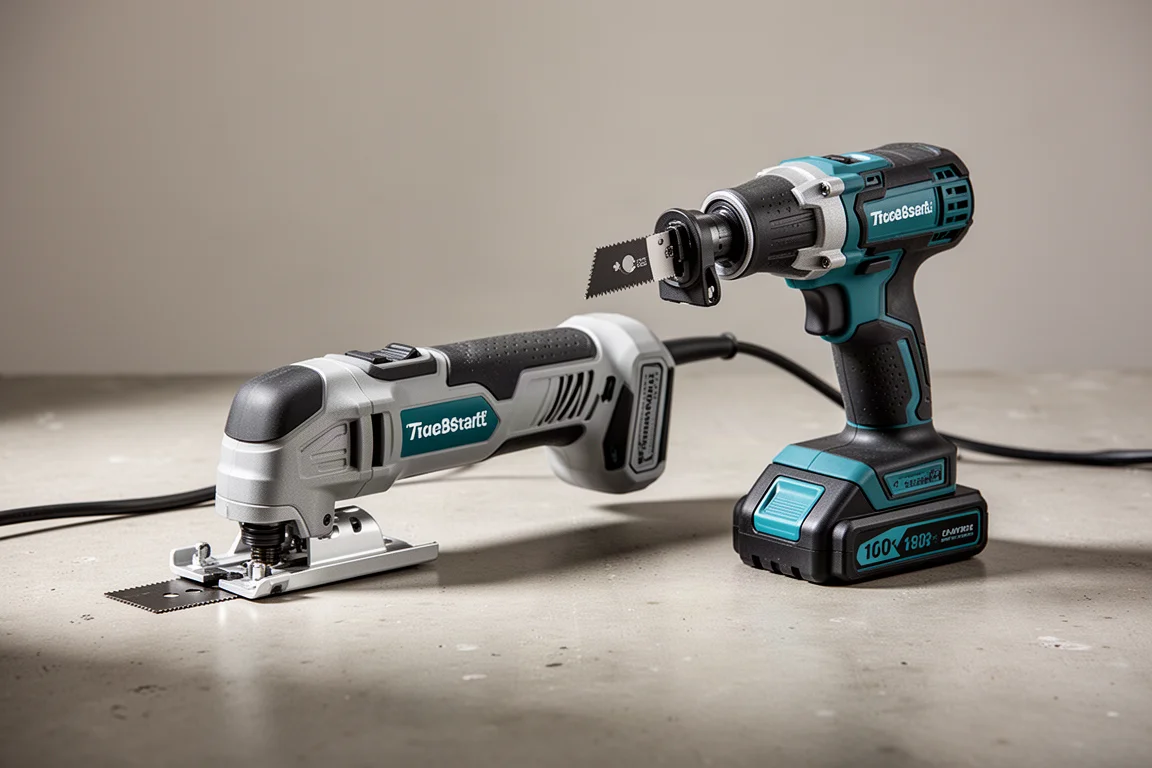
The oscillating multi-tool is one of those tools that hides its usefulness until you actually own one. Ask around on any jobsite and you will hear it called a multi-saw, a buzz saw, a fine saw, or a multimaster, and the name list is nearly as long as the list of jobs it can do. This article looks at two well-regarded options, the corded Porter-Cable oscillating multi-tool and the Makita cordless oscillating multi-tool, and covers the applications that make both hard to live without.
One important point up front: both tools here were bought by the user with their own money, not provided free by either brand. That matters, because the recommendation comes from years of real jobsite use rather than a marketing handout.
Why an Oscillating Multi-Tool Deserves a Spot in Your Kit
Most people think of this tool purely as a saw, and that is exactly what undersells it. The oscillating action, a small back-and-forth movement rather than a spinning blade, makes it uniquely safe and controllable in tight spots. It cuts grout without tearing the surrounding surface apart, slices through nail-embedded wood and even hardened screws, and handles adhesives better than a dull putty knife ever will.
The clearest sign of a genuinely useful tool is how many applications keep surfacing the longer you own it. With a multi-tool, new uses seem to appear every time you pick it up, and the list below only scratches the surface.
Scraping, Sanding, and Grout Cutting: The Quiet Jobs
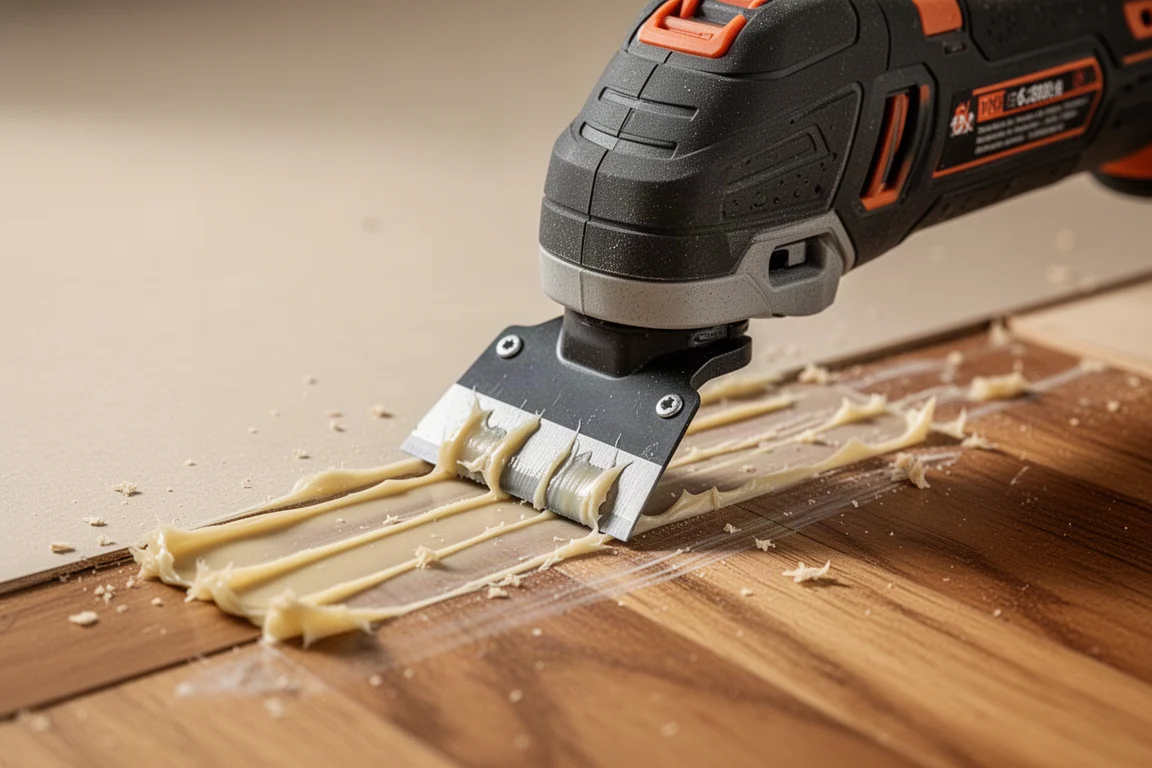
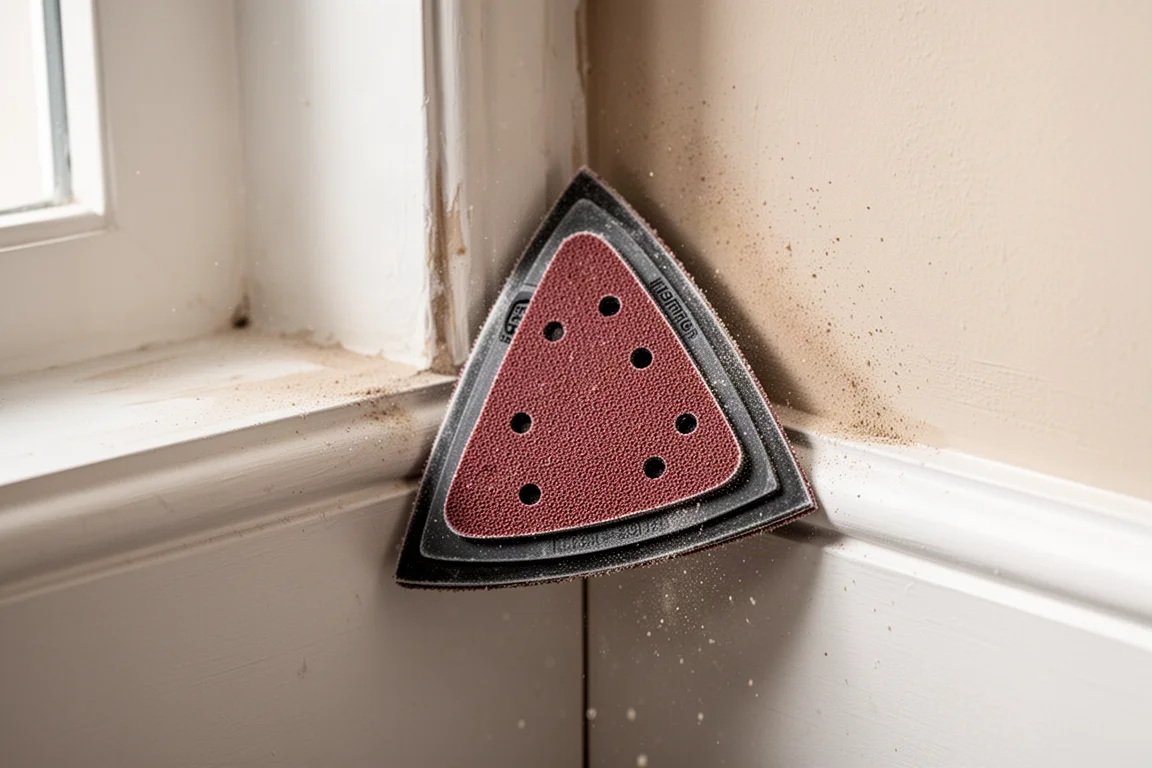
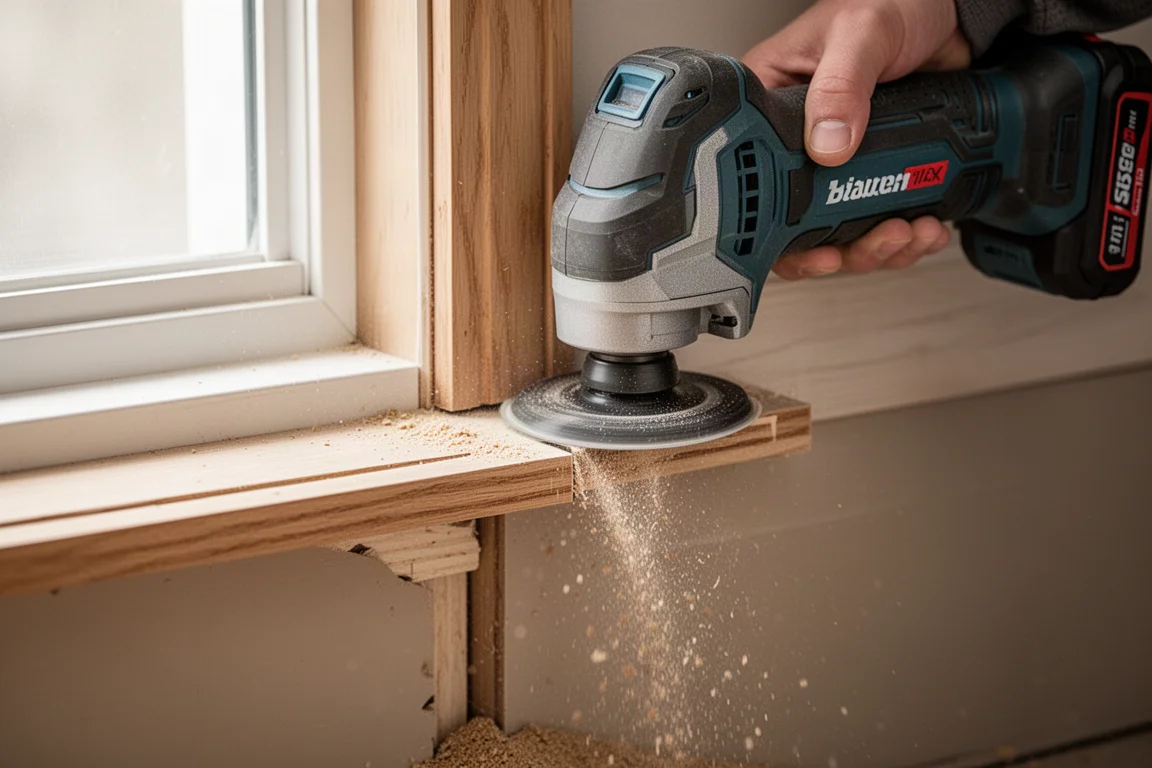
Scraping is the classic non-typical use. Old caulk, paint, tape, glue, anything baked on and sticky comes off far faster than with a razor blade, and the tool works especially well on adhesives and caulking. Swap in the sanding pad and you get controllable sanding with adjustable grits on a hook-and-loop backing, reaching deep into inside corners and along baseboard lines that a palm sander simply cannot get to.
Grout removal is another standout. Fit a diamond blade and the oscillating action gets you into the tightest corners while leaving the surrounding tile intact. It is a slow, gentle approach that does exactly the job a saw was never supposed to do.
Flush Cuts Under Door Jambs and Precise Openings
Every carpenter knows the pain of a rough opening framed too small. Pulling trimmers apart is miserable work. A reciprocating saw can do it, but a multi-tool does it with far less ripping and tearing, and a slightly curved blade even gives a softer, easier start. If you prefer a perfectly straight plunge cut, a flatter non-curved blade is the more stable choice.
Undercutting door jambs for tile or finished flooring is the job that convinced many carpenters to buy one in the first place. A pull saw or back saw can manage it, but at some point even a hand-tool purist will admit that electricity is a great thing. Blind mortises in timber framing follow the same logic.
Remodelers get the biggest payoff: cutting electrical boxes into drywall with precise, localized cuts and minimal dust, which falls straight down instead of spreading across the house. Removing old baseboard without splitting it is another win, running the blade between the wall and the board to clip nails, even nails hidden inside a miter joint.
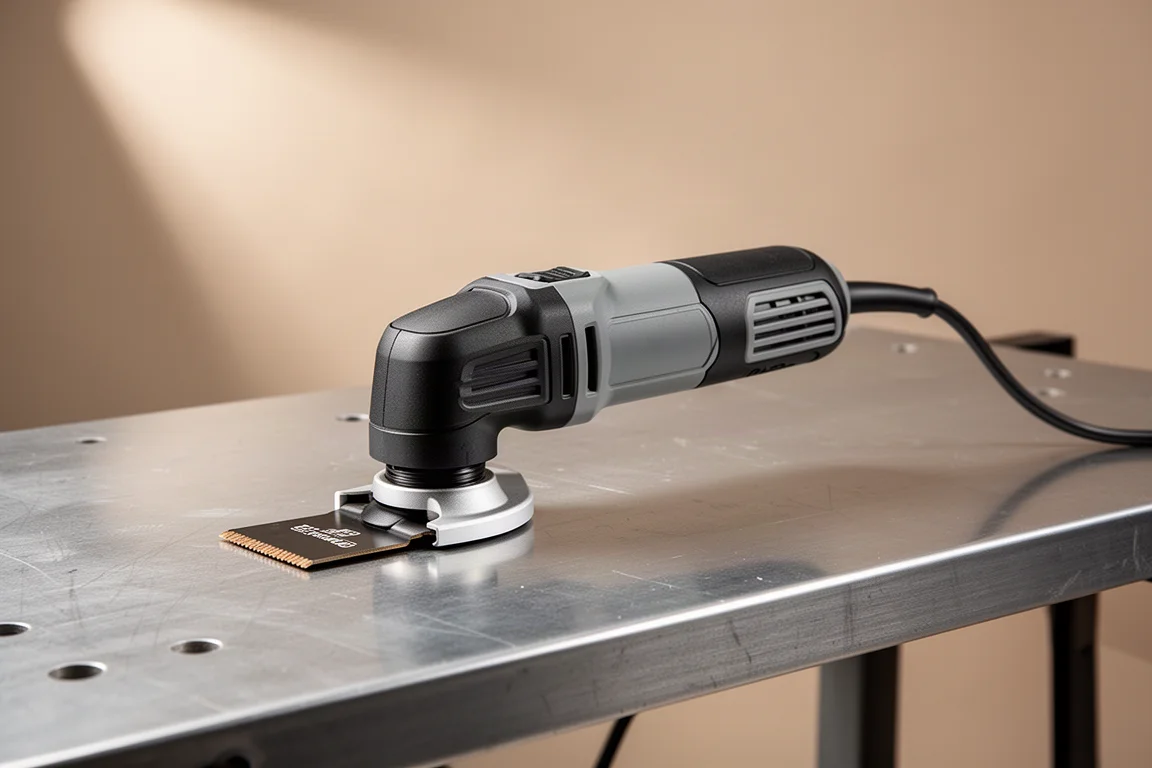
The Porter-Cable Oscillating Multi-Tool
The Porter-Cable is the corded option here, and there is nothing wrong with the raw power and endless runtime of a corded machine. It is the tool that demonstrated how broad the multi-tool’s usefulness really is, handling everything from scraping and sanding to grout cutting and nail-embedded wood. For shop work or extended jobsite sessions where an outlet is nearby, it remains a dependable, no-drama choice. The blade selection matters more than anything else: pick a straight blade for stable straight plunge cuts, or a slightly curved blade for a softer start when digging into a cut.
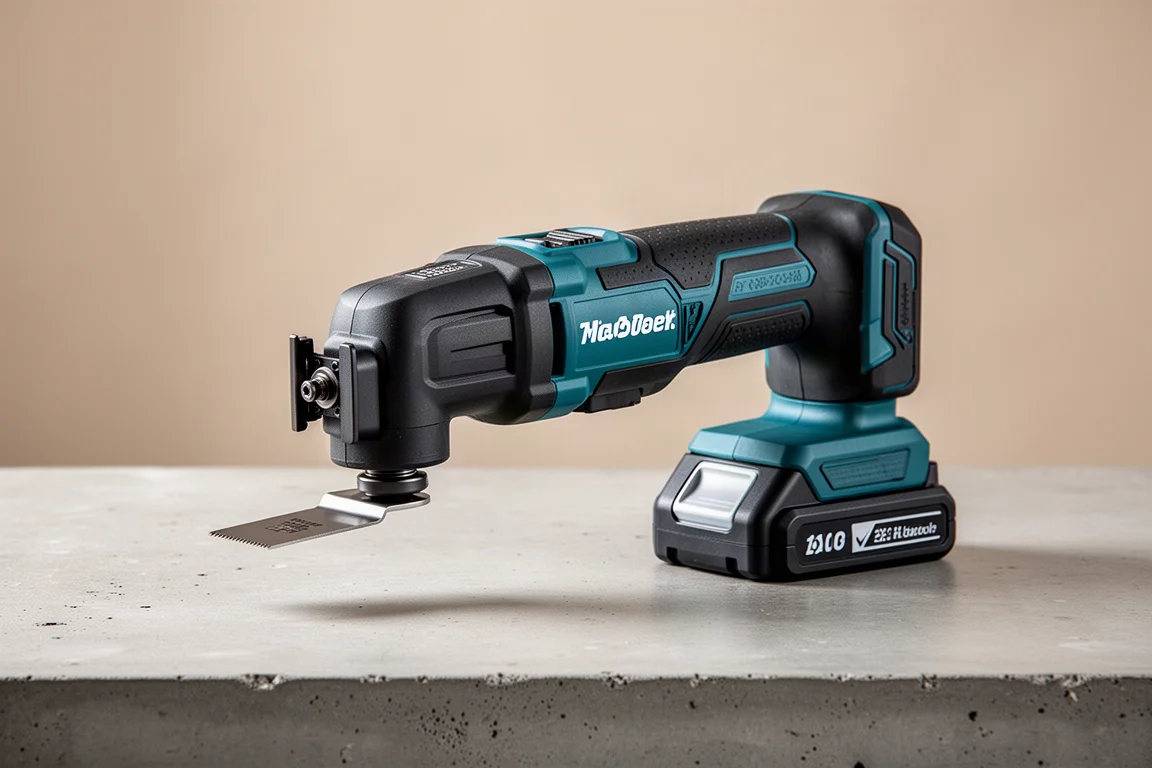
The Makita Cordless Oscillating Multi-Tool
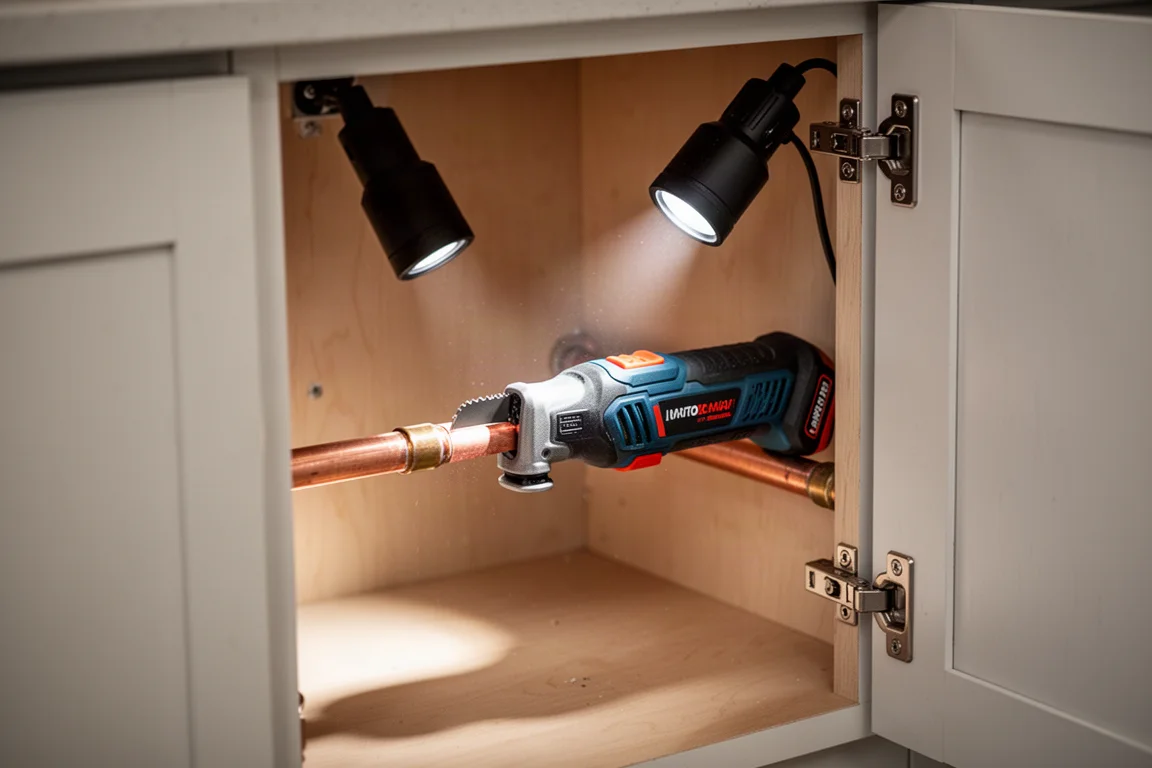
The Makita brings the freedom to walk across the job without a cord, which is exactly what you want for quick flush cuts under jambs, clipped baseboard nails, or a copper pipe buried in tight cabinet clearance. Cordless convenience does not cost anything in capability here: it handles the same trim carpentry, remodeling, and undercutting work as its corded counterpart. Cabinet installers in particular rely on these tools constantly, and a cordless one is the version that lives in the truck ready for the next awkward cut.
Buying Advice: Corded or Cordless?
Both tools earn their keep, and the choice mostly comes down to where you work. If most of your cutting happens in the shop or on sites with reliable power, the corded Porter-Cable gives you consistent power without battery worries. If you are a remodeler, cabinet installer, or trim carpenter constantly moving between rooms and job sites, the cordless Makita’s freedom is worth a lot.
The honest bottom line from long-term use: if either tool suddenly disappeared from the truck or the shop, the owner would go out and buy a replacement the very next day. That is about as strong an endorsement as a power tool gets.
Conclusion
The oscillating multi-tool is the rare tool that earns its spot through versatility rather than raw power. The Porter-Cable corded model is a proven, dependable workhorse, while the Makita cordless adds jobsite freedom to the same long list of capabilities. Whichever you choose, expect it to become the tool you reach for when no other tool seems right.
Further reading
Related Reviews
Power Tools
Best 1-Inch Pistol Impact Wrenches: Three Heavy-Duty Options Compared
We compare three 1-inch pistol impact wrenches, from a budget-friendly Harbor Freight model to a premium Caterpillar unit, to help you choose the right one.
Power Tools
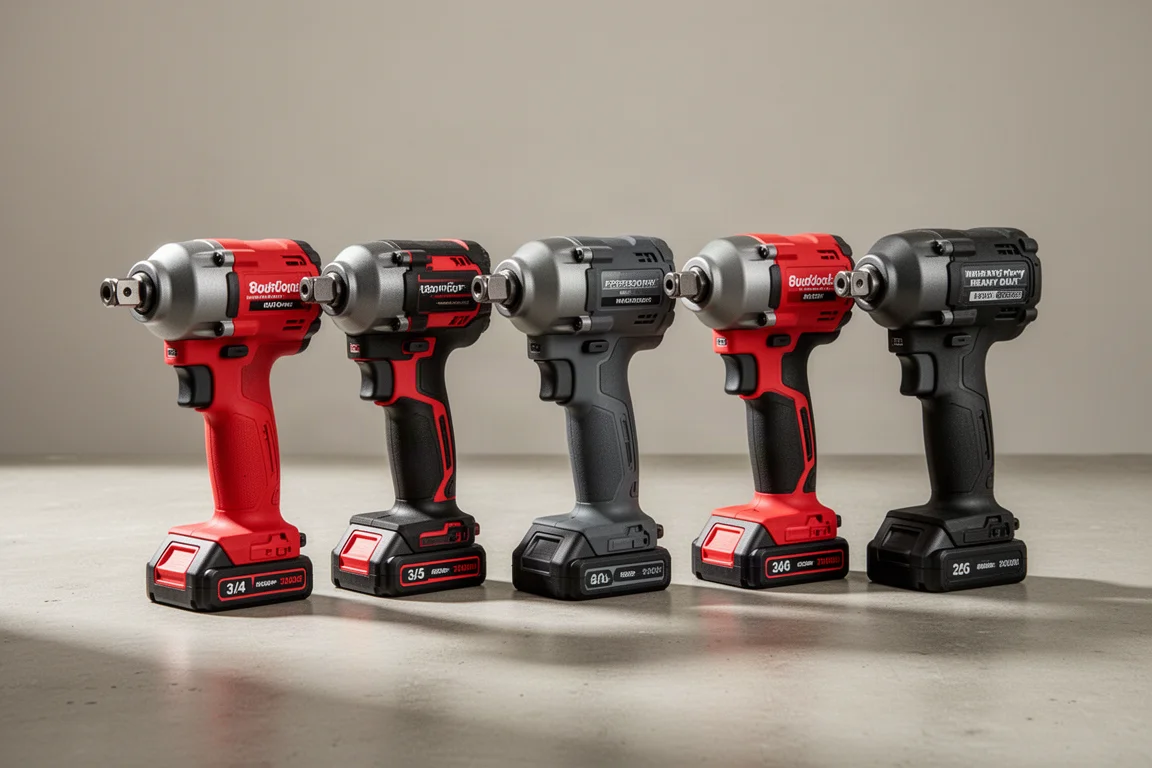
Best 3/4-Inch Impact Wrenches 2026: Five Contenders Compared
We compare five 3/4-inch impact wrenches across price and performance, from a budget Amazon option to Snap-on's most powerful model yet.
Power Tools
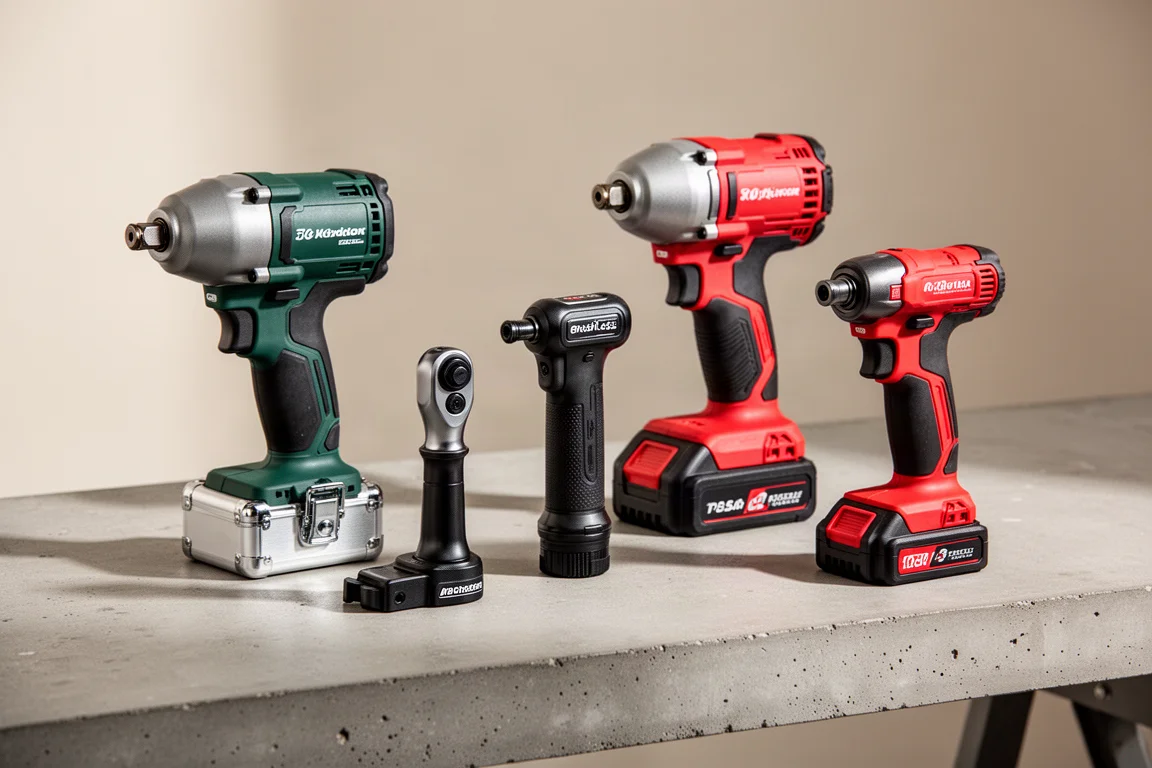
Best Budget Cordless Tools 2026: Walmart Finds That Punch Above Their Price
We tested five cordless tools from Walmart, including a high-torque impact wrench that trades blows with Milwaukee and a $35 duster that outperforms its price class.