Power Tools
Milwaukee M18 Fuel 2836 vs DeWalt DCS356 vs Makita TM-3000: Three Oscillating Multi-Tools Compared
Three oscillating multi-tools put head to head for cutting speed, vibration, control, and blade changes, including a corded Makita benchmark.
Introduction
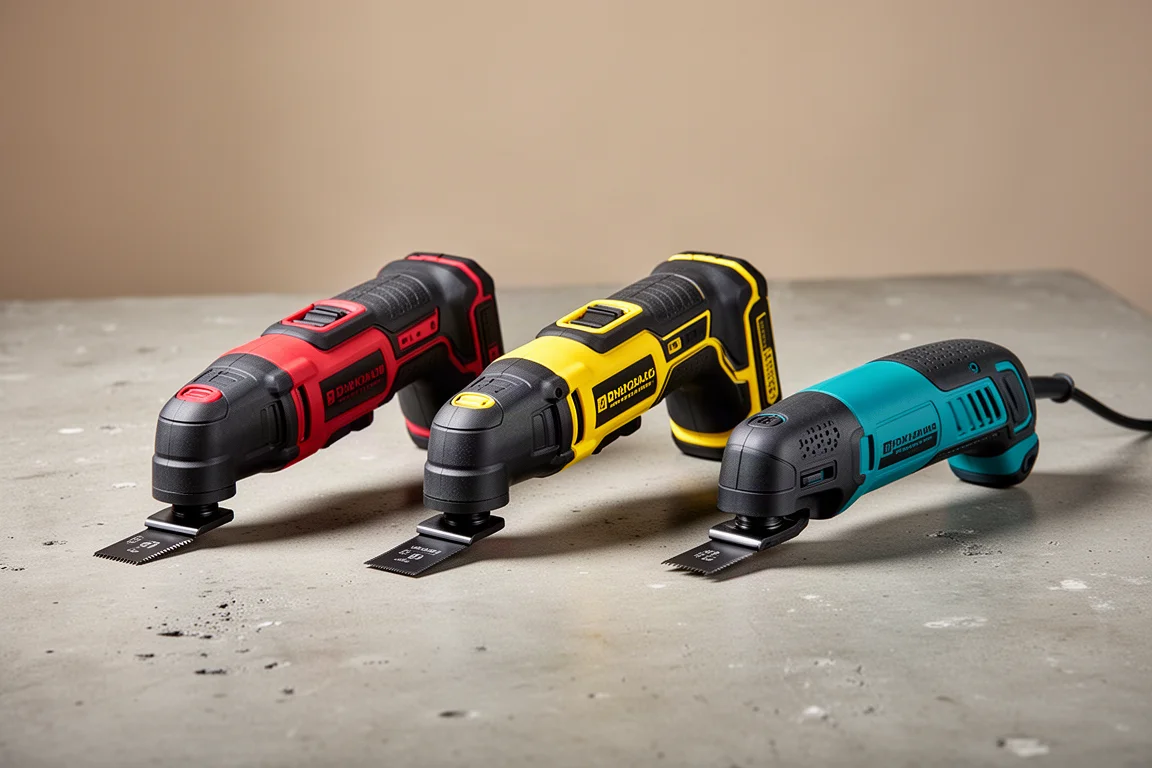
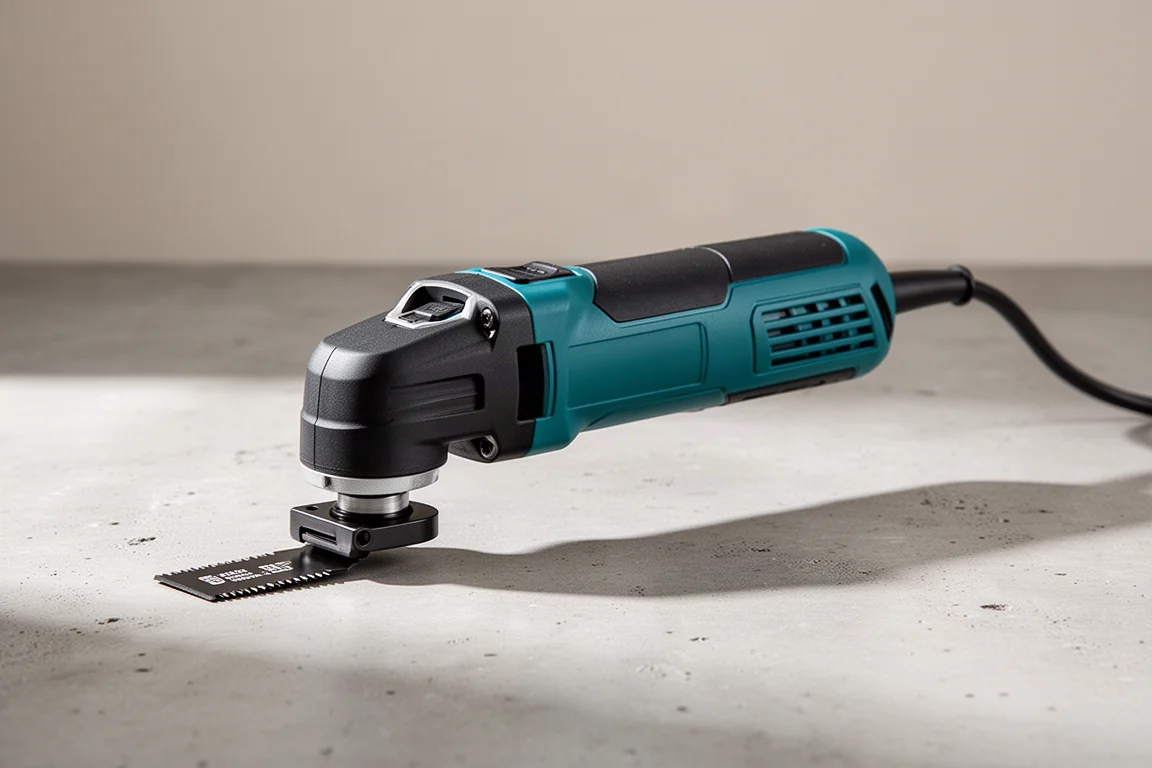
Oscillating multi-tools earn their place in the bag by doing the awkward jobs nothing else can: flush cuts, notches, flooring work, and detail sanding. This comparison looks at Milwaukee’s most powerful cordless multi-tool, the M18 Fuel 2836, against DeWalt’s current flagship, the 20 Volt DCS356, with a corded Makita TM-3000 thrown in as a three-amp benchmark.
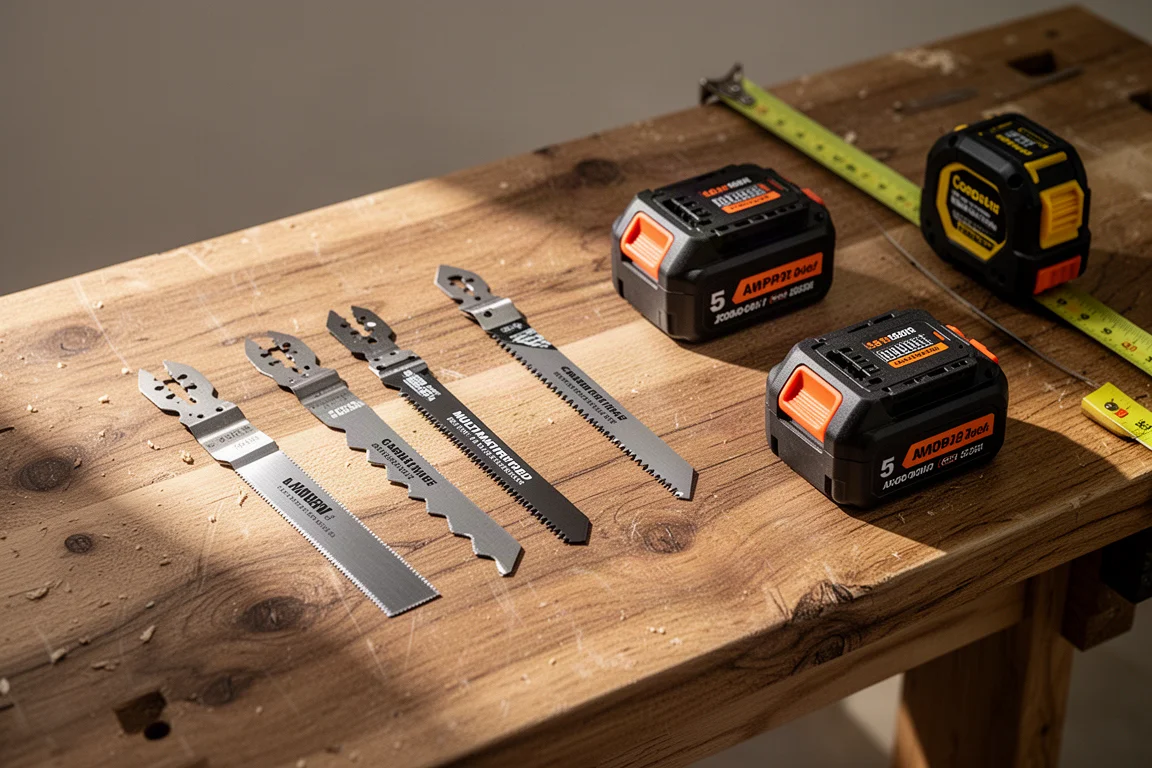
All three tools were run at their top speed of 20,000 OPM using new wood-only blades, new carbide-tip multi-material blades, and fresh 5 amp hour batteries on the cordless models, with a focus on speed, vibration, and overall control.
How We Compared Them
The test setup was deliberately simple and repeatable: identical blade types across all three tools, fresh batteries on the cordless models, and consistent top-speed settings. That keeps the differences you see attributable to the tools themselves rather than the accessories.
Each tool was evaluated on plunge cutting, straight-line control, sanding output, vibration, grip and ergonomics, and how quickly blades can be swapped mid-job.
Cutting Speed and Plunge Performance
The Milwaukee was the clear speed winner. In a plunge-cut test, an 18-second cut time was described as exceptional, with cutting performance compared to a reciprocating saw. It clears dust well and seemed to maintain the highest speed under load.
The DeWalt was noticeably slower at plunge cutting. Repeated attempts produced its best result, but it consistently trailed the Milwaukee in this test. On nails and copper, all three tools performed respectably, though the Milwaukee still finished first.
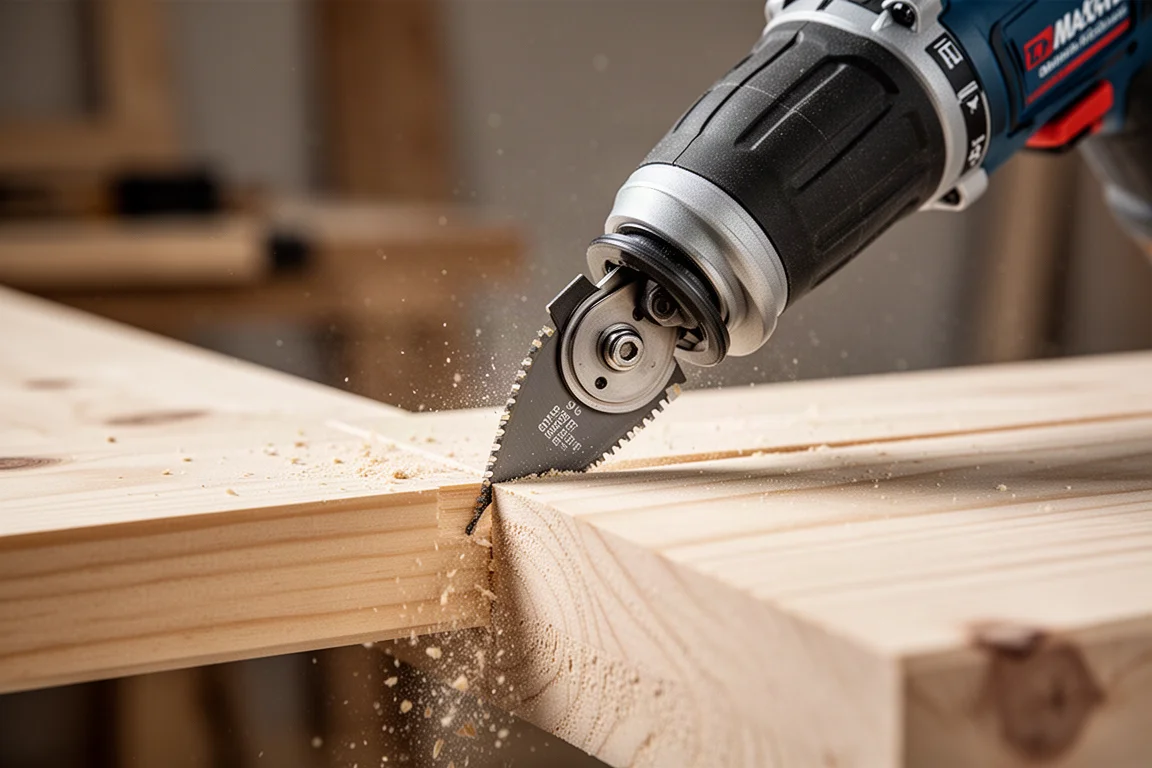
The corded Makita held its own as a benchmark, keeping pace on metal-cutting tasks even if it did not lead in any category.
Blade Changes: Lever Systems vs Adapter Bolts
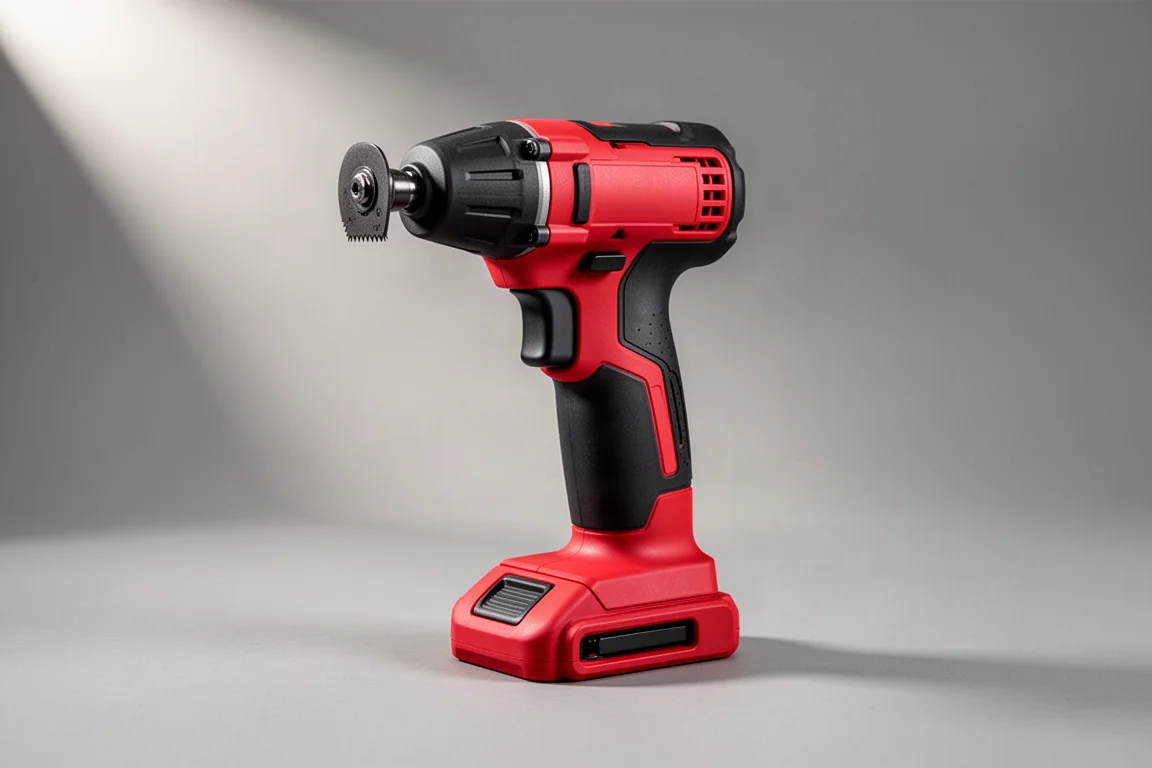
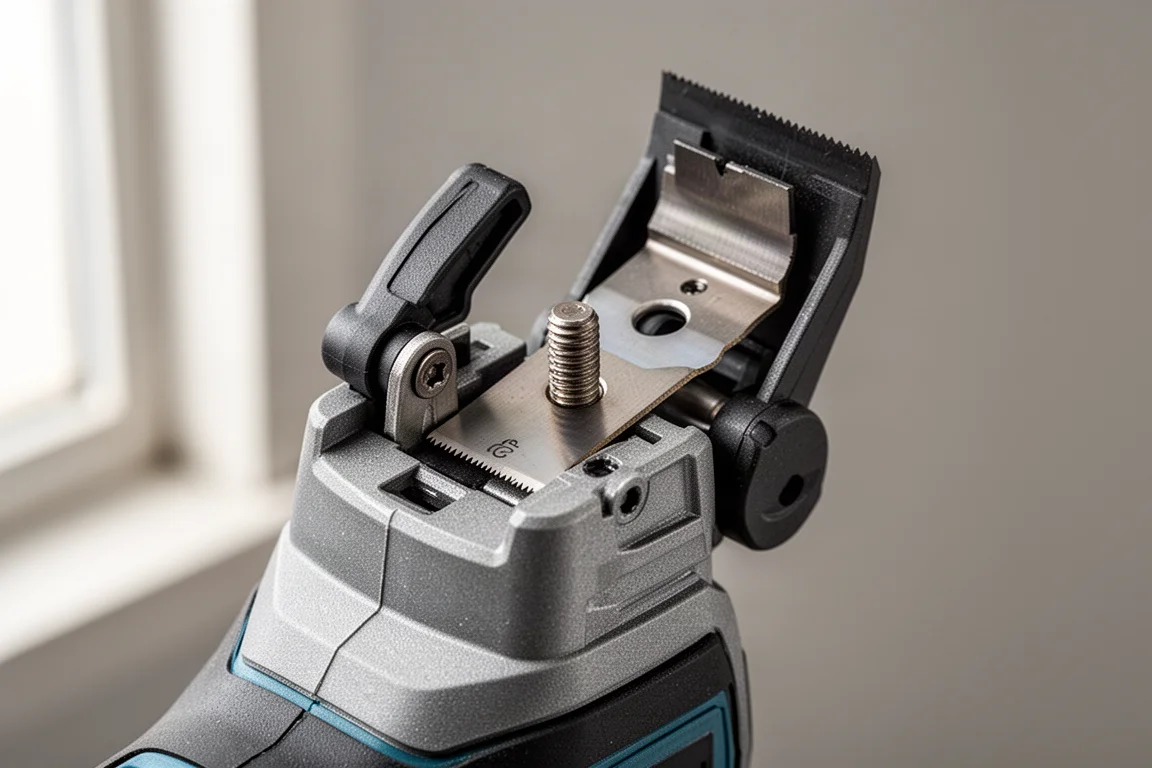
Milwaukee’s blade change is fast and tool-free: flip the lever and unscrew the pin a few turns to slide in universal accessories, or unscrew it fully to install closed-end accessories. Closing the lever tightens the pin, so there is no need to crank it down by hand.
The DeWalt changes blades faster for universal accessories, but closed-end accessories require a washer-and-bolt adapter that needs a hex wrench. That extra step matters if you swap blades often during a job.
Controls, Weight, and Ergonomics
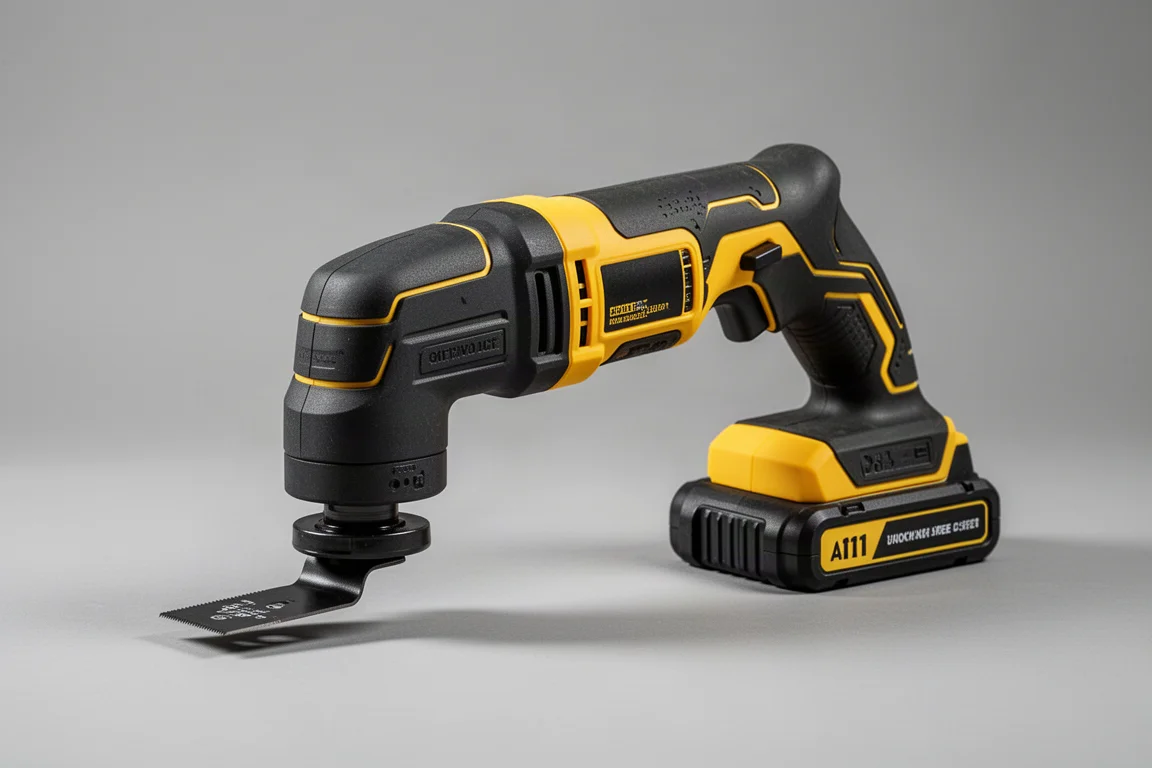
The DeWalt DCS356 weighs 3.6 pounds with a 5 amp hour battery, while the Milwaukee comes in heavier at 4.2 pounds with the same battery size. The DeWalt uses a variable speed trigger that runs from zero up to 13,000, 17,000, or 20,000 OPM depending on the selected speed range, and full speed can be locked on so the trigger can be released. The lock-on button also doubles as a lockout safety.
The Milwaukee instead uses an on/off switch with a speed dial spanning 10,000 to 20,000 OPM, plus an auto mode that starts slow for precise cut placement and then ramps up to full speed under load. One quirk: in testing, the auto mode sometimes jumped abruptly to the low-speed setting instead of ramping smoothly, and this behavior appeared across multiple sample units.
On vibration, all three tools are good, but the Milwaukee was slightly better despite a looser battery fit than the DeWalt. Grip design also favors Milwaukee on this model: the speed dial and switch have been moved lower and the paddle removed, leaving more hand real estate up top.
One ergonomic caveat worth knowing: the Milwaukee’s chuck has noticeable play compared to the DeWalt’s very tight chuck. The blade can pull away from the saw, so cutting a straight line with the Milwaukee takes more skill and concentration. Between the two, the DeWalt is easier for straight cuts.
Sanding and Specialty Materials
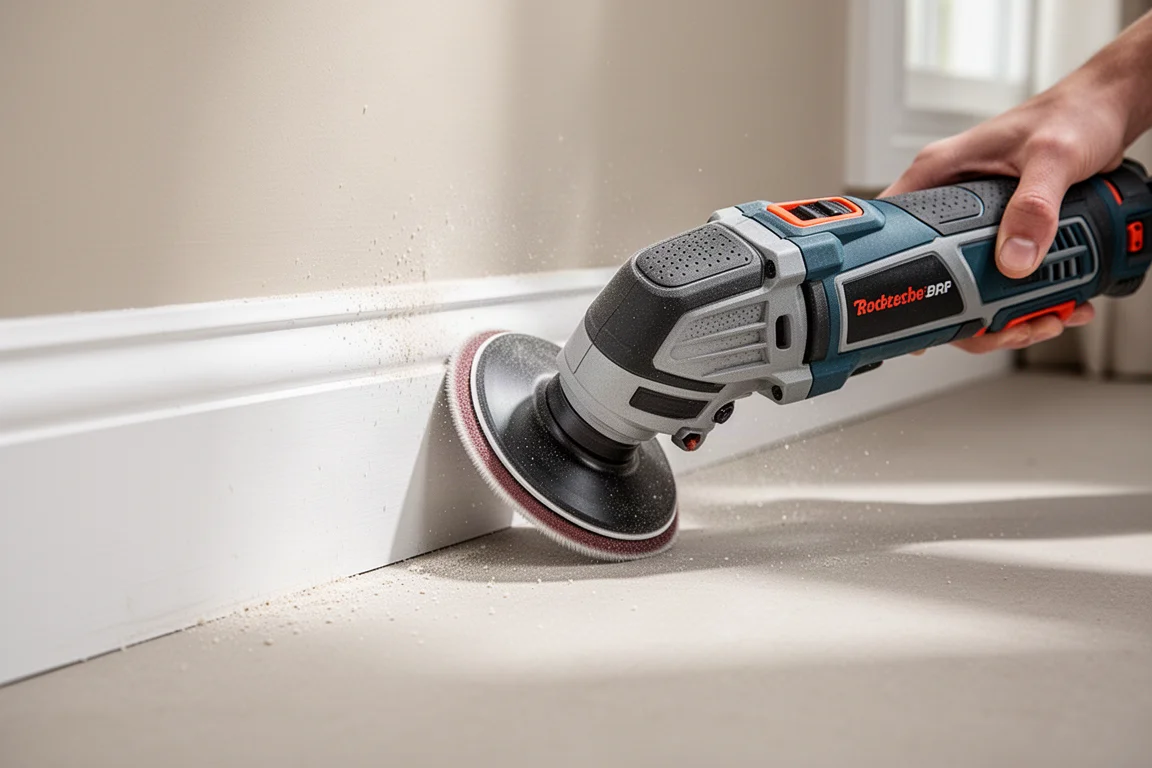
Sanding revealed one of the biggest gaps in the comparison. On baseboards, the DeWalt needed 66 seconds while the Milwaukee finished the same job in 27 seconds, roughly half the time. If sanding detail trim is a regular part of your work, that difference compounds quickly.
On nails and copper, the field was closer, with all three tools cutting reasonably fast and the Milwaukee still edging ahead.
View more details for DeWalt DCS356
Which One Should You Buy?
If you are a professional who relies on a multi-tool daily, the case for the Milwaukee is hard to ignore. Its plunge-cutting speed, sanding output, and lower vibration add up to real time saved on the clock, and the long-term pick in this comparison ultimately settled on carrying the Milwaukee alone.
If you are a casual user doing occasional jobs, the DeWalt is the more forgiving choice. It costs roughly a hundred dollars less, its tighter chuck makes straight cuts easier for less experienced hands, and its trigger-based speed control with lock-on is proven and dependable.
The corded Makita TM-3000 makes sense as a no-battery benchmark option: solid all-around performance without worrying about charge levels, as long as an outlet is within reach.
Conclusion
The Milwaukee M18 Fuel 2836 is the fastest and most refined of the three, best suited to professionals who value speed and low vibration. The DeWalt DCS356 remains a dependable, more affordable pick that is easier to control on straight cuts. The Makita TM-3000 holds its ground as a capable corded alternative. Match the tool to how often you reach for a multi-tool, and all three can earn their spot.
Further reading
Related Reviews
Power Tools
Best 1-Inch Pistol Impact Wrenches: Three Heavy-Duty Options Compared
We compare three 1-inch pistol impact wrenches, from a budget-friendly Harbor Freight model to a premium Caterpillar unit, to help you choose the right one.
Power Tools
Best 3/4-Inch Impact Wrenches 2026: Five Contenders Compared
We compare five 3/4-inch impact wrenches across price and performance, from a budget Amazon option to Snap-on's most powerful model yet.
Power Tools
Best Budget Cordless Tools 2026: Walmart Finds That Punch Above Their Price
We tested five cordless tools from Walmart, including a high-torque impact wrench that trades blows with Milwaukee and a $35 duster that outperforms its price class.