Hand Tools
Which Combination Wrench Open End Grips Best? Four Standouts From Our Torque Testing
We torque-tested 16 wrenches on soft steel fasteners to find which open ends slip last. These four combinations of grip, price, and jaw design stood out.
Introduction
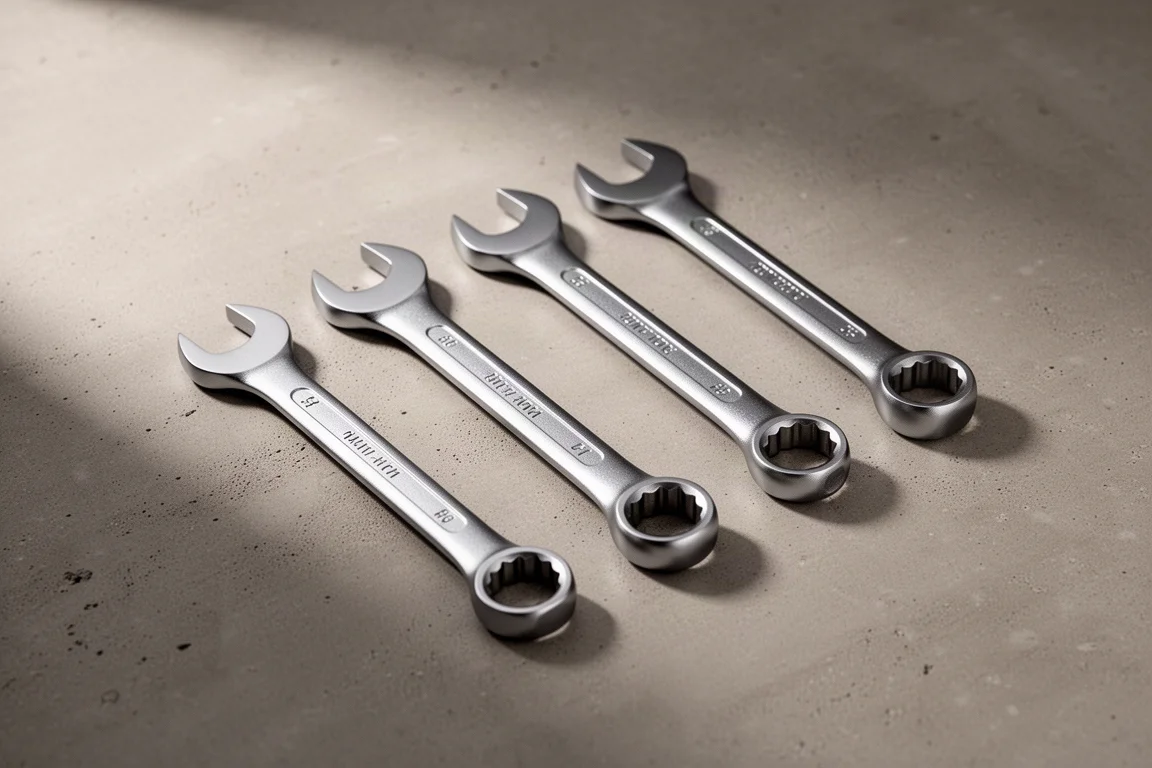
The open end of a combination wrench is the half most of us quietly distrust. In earlier testing on box-end designs, the open side performed less than half as well at holding torque before slipping, which means any real difference between open-end designs matters a lot when access only allows that end onto a bolt.
To find out which wrenches grip best, 16 examples across 14 brands were tested on 16 mm soft steel coupling nuts and grade 2 hardware, measuring peak bolt tension just before each wrench slipped. Every wrench got three runs on fresh hardware, with the median result used. That is about as close to a worst-case, repeatable slipping scenario as you can build. Out of all that data, four wrenches earned a place on any shortlist.
How We Tested
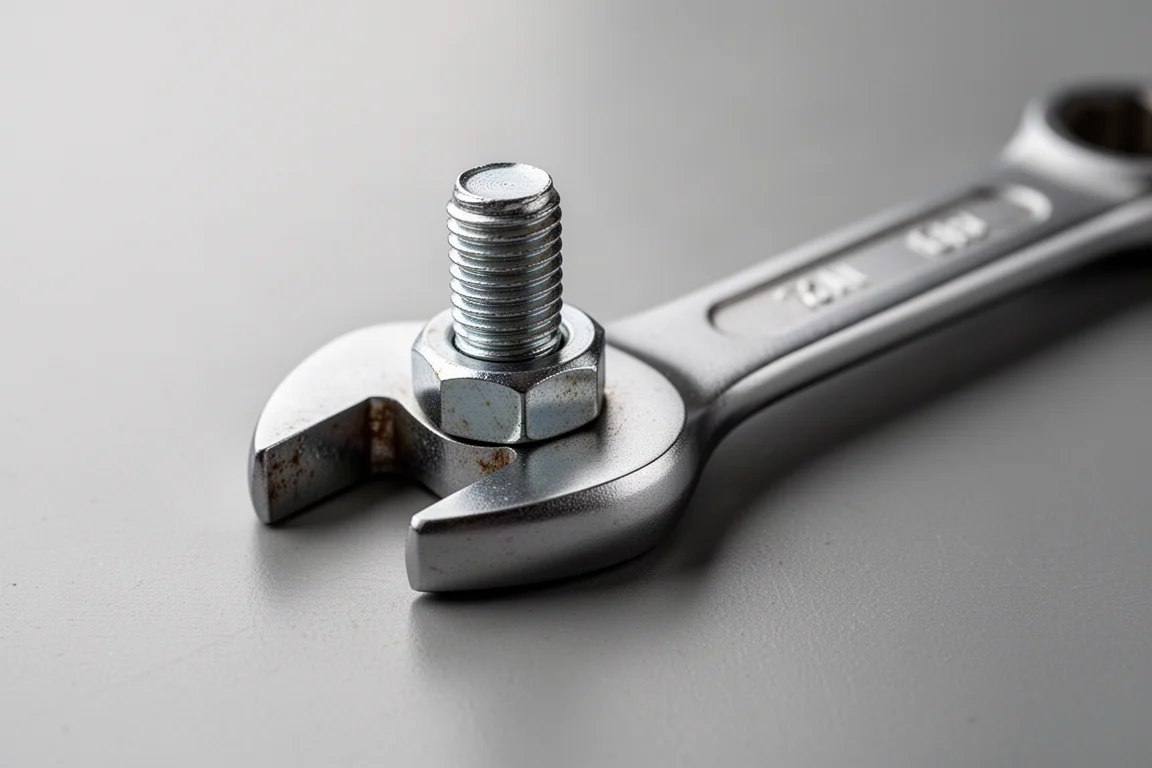
Each test used a new bolt, nut, and washer, with results expressed as bolt tension in psi just before the wrench slipped on soft steel. Clearance over the 16 mm hex was measured for every wrench, and open-end thickness was recorded too, because a thick jaw can grip well but may not fit on shallow bolt heads. Hardness was also checked, with ASME standards calling for roughly 38 to 55 HRC.
A practical myth was tested as well: old-timer valve grinding compound applied to the jaw. On several wrenches it produced an 8 to 12 percent gain in grip, and it never hurt any wrench’s numbers, though some designs saw no benefit at all.
Budget Picks That Punch Above Their Price
Not every impressive result came from a premium brand. The current Craftsman raised panel set, made in China and priced around 33 dollars for a set, delivered the second-highest raw result among the affordable wrenches with a tight 0.11 mm clearance. The vintage USA raised panel Craftsman was even better, reaching 1319 psi and briefly holding first place overall. Tekton, a Taiwan-made set at about 54 dollars, hit 1273 psi with a no-nonsense feel and gripped until it suddenly did not, which is exactly what you want from an open end.
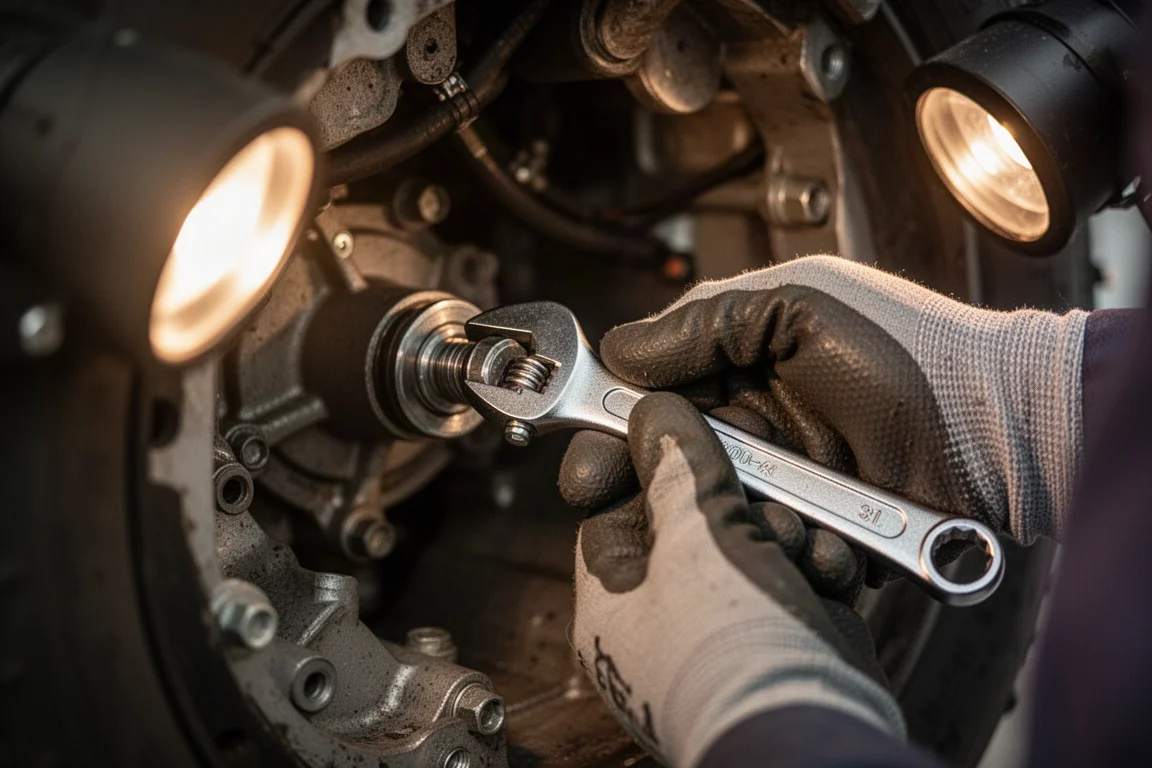
Even a dollar-89 single Olympia wrench managed 930 psi on hardware it should have had no business holding, though its hardness reading of 26.1 HRC suggests it is essentially not hardened and will wear out eventually.
The GearWrench Ratcheting Combination Wrench
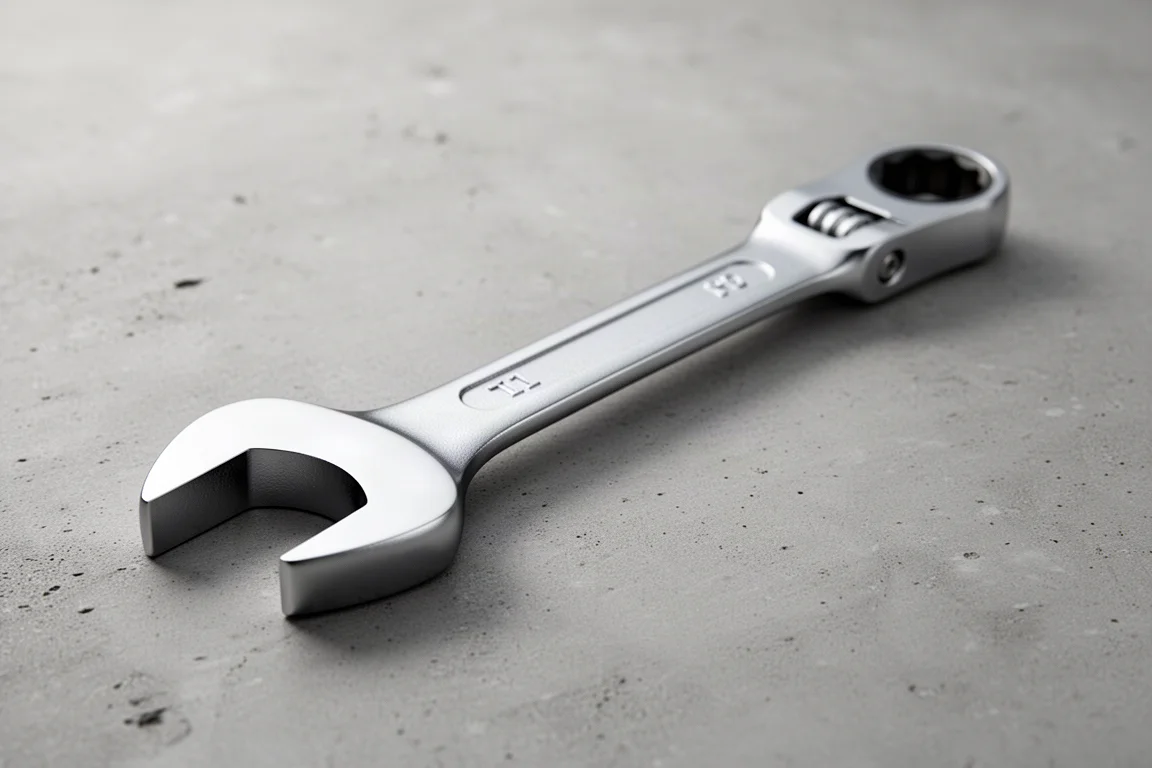
GearWrench’s ratcheting combination wrench, made in Taiwan rather than the China-made standard wrenches the brand is less known for, put in a very strong showing. Its clearance measured just 0.12 mm over, and its chunky open end felt planted on the fastener with no wavering, climbing to first place at the time with 1392 psi.
The trade-off is jaw thickness. At 9.5 mm, that open end is helping grip but can get in the way on shallow bolt heads, where you often have only six to seven millimeters of nut or bolt head to work with. On fasteners with enough meat, it is a very solid purchase, and it is a better open-end performer than the brand’s standard non-ratcheting wrenches tested before.
The Snap-on Flank Drive: The Traditional Design
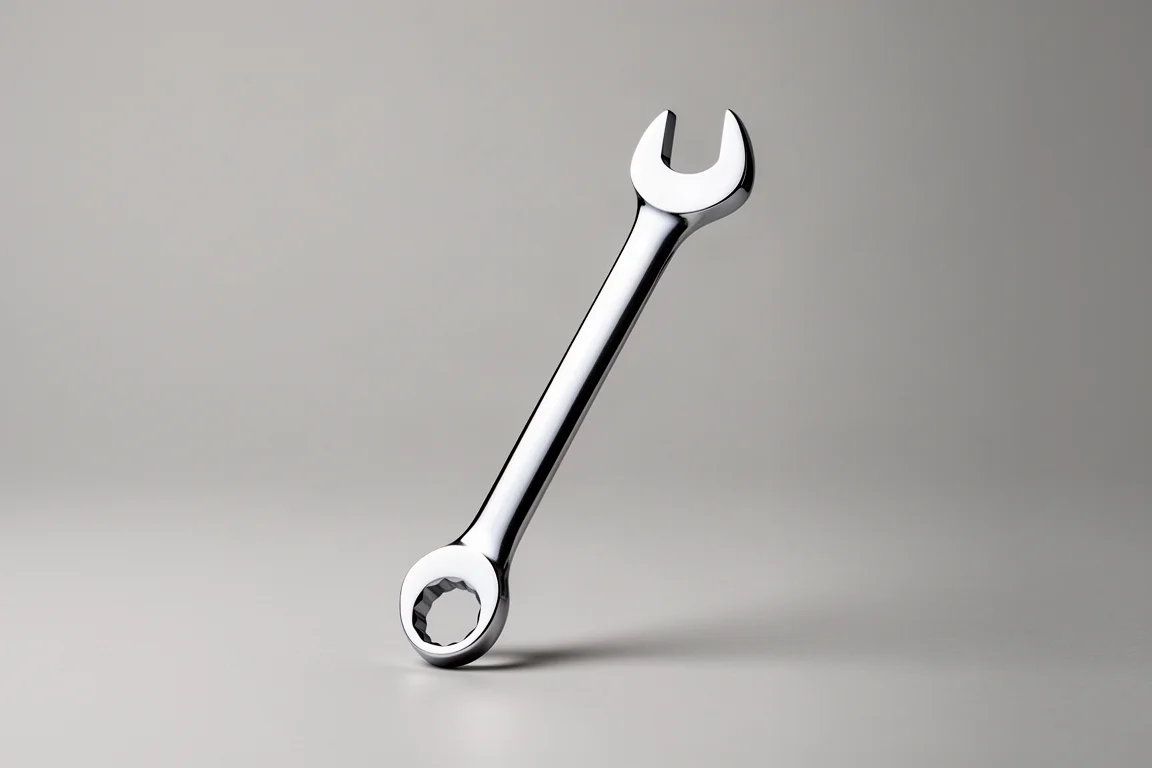
The standard Snap-on Flank Drive is the wrench many professionals default to, at 43 dollars and 40 cents for a single 16 mm wrench from a 434 dollar ten-piece set. Dimensionally it is excellent, sharing the lowest clearance of the day at 0.11 mm over, and its box end is as refined as you would expect.
On the open-end side, though, it simply never made a splash. It reached 1125 psi and could not build on that in verification runs, landing well below the leaders. In hardness terms it measured very high, sharing exactly the same reading as its FDX sibling, which suggests the same factory material. As a complete wrench it is still excellent, but the traditional Flank Drive open end is what the FDX design exists to fix.
The Snap-on Flank Drive Plus (FDX)
This is where the story turns. The Flank Drive Plus open end carries a specialty jaw with cuts and grooves designed to increase bite, and it works. It reached 1492 psi, second place overall and just shy of maxing out the entire test setup. Unlike Snap-on sockets, which can fit so tightly that some bolt heads are a struggle, the FDX wrench fits on everything the regular one does but grips considerably better.
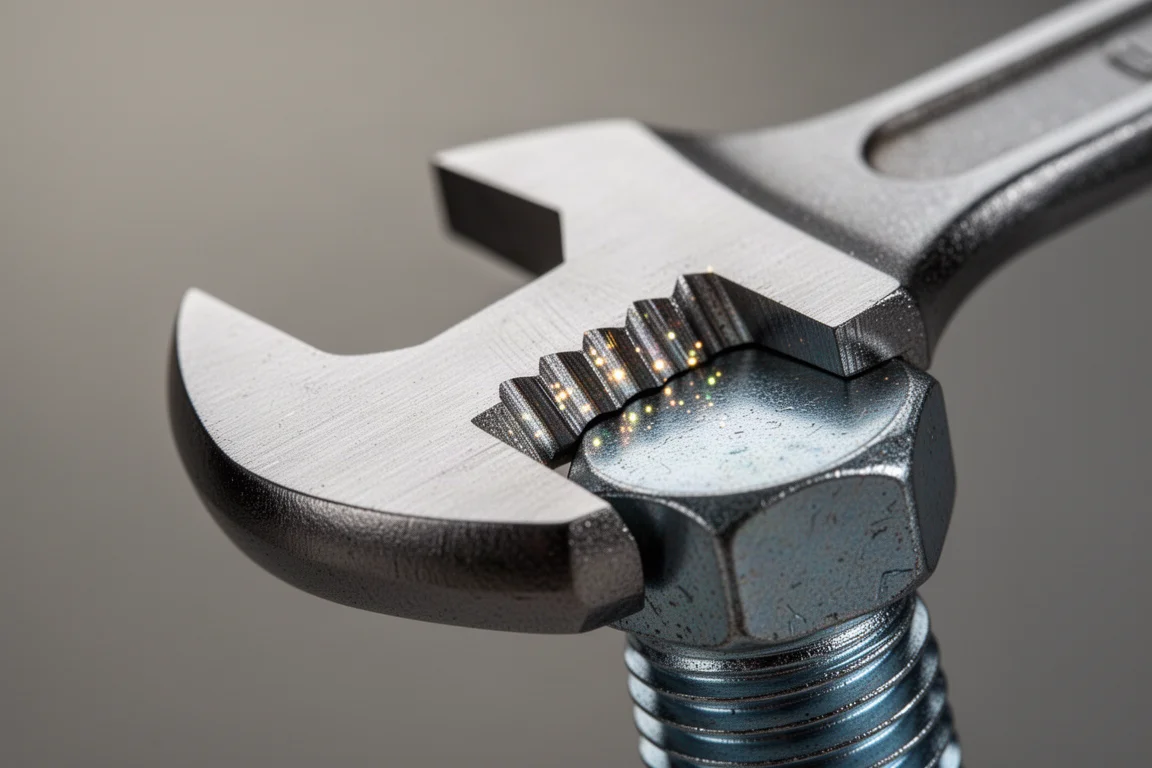
One honest caveat: the test example began flaking off layers of chrome after fairly minor use, which is unusual for the brand. Still, among all wrenches tested, the FDX ranked first in bolt tension per millimeter of jaw width, which is exactly where a pro who works on shallow, tight-access fasteners feels the difference.
The Wright Grip 2.0: The Grip Highlight
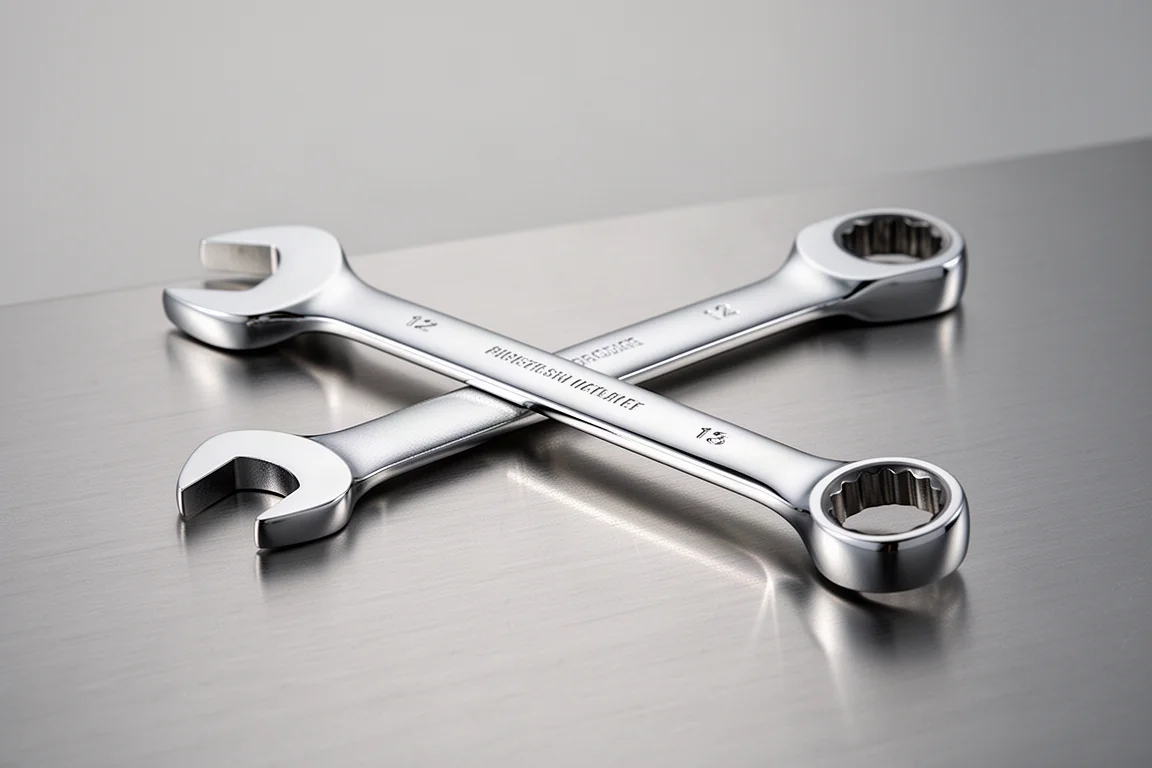
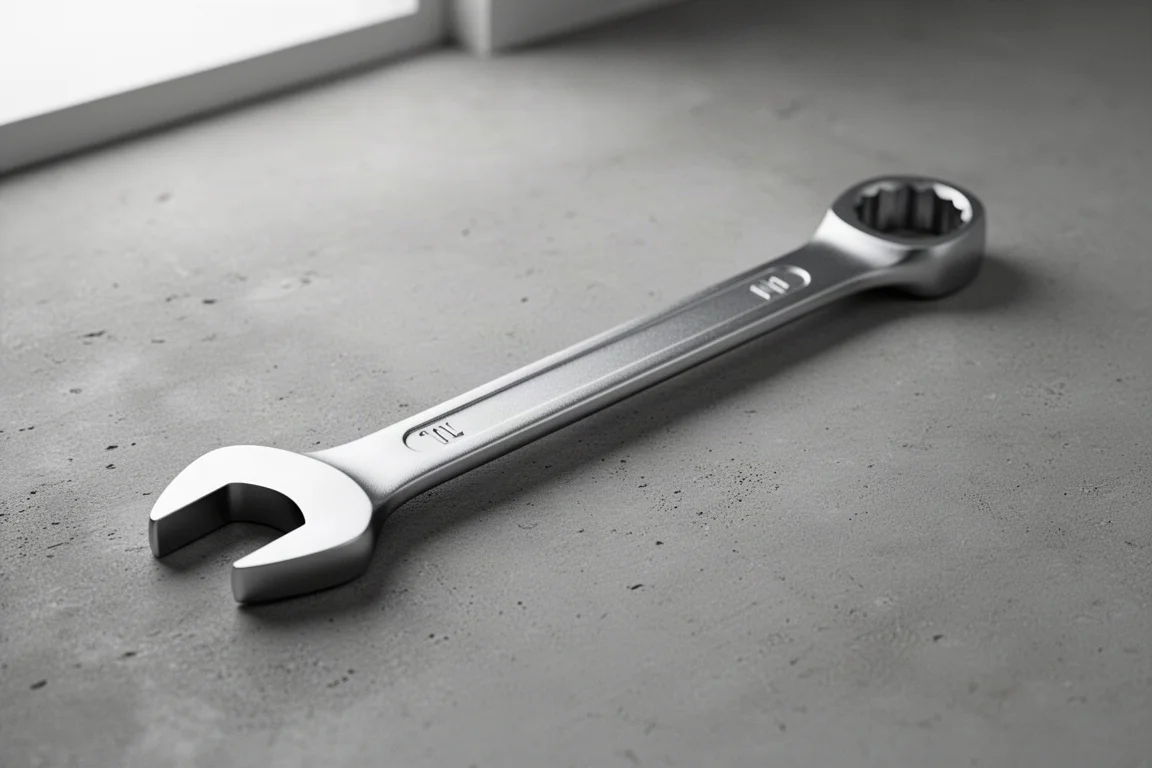
The Wright Grip 2.0 combination wrench, made in the USA with a satin chrome finish, was the standout of the entire test. Its clearance of 0.17 mm is unremarkable, and the specialty open-end design looks almost understated. Once on a fastener, though, it feels glued on, closer to a locking pliers than a wrench. It hit 1540 psi and it was the coupling nut that failed, not the grip, compressing in on itself with extra turns. Its true peak was likely higher still, and it earned the only extra point awarded for maxing out the rig.
At about 160 dollars for the metric set, or roughly 14.55 dollars per wrench, it costs around three times less per piece than Snap-on while carrying a USA lifetime warranty. Its jaw width of 8.05 mm shows the grip is not just a product of thickness, and at 53 to 54 HRC-adjacent softer steel it still turned the same bolt with a cheater bar where the harder Snap-on fractured. Independent tests elsewhere have shown similar results, with the Wright breaking a bolt head free where the FDX rounded one over.
Which One Should You Buy
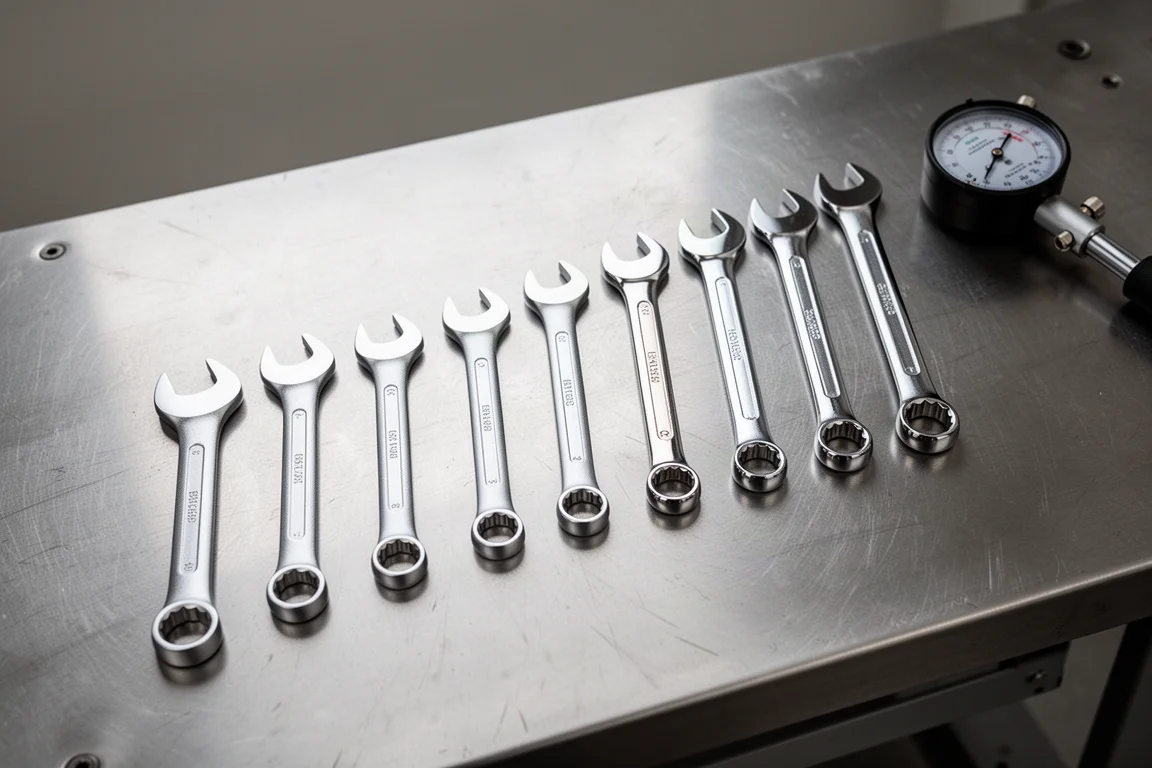
If you are a professional or a serious weekend user, the top tier separates clearly from the pack. The Wright Grip 2.0 is the value story of the test: specialty-jaw grip, USA manufacture, lifetime warranty, and a fraction of the Snap-on per-piece cost. The Snap-on FDX is the premium pick for shallow bolt heads, ranking first in grip per millimeter of jaw width. The GearWrench ratcheting wrench is a strong middle option if you want a reliable open end bundled with ratcheting convenience, though mind its thick jaw. And if you want the cheapest dependable set, the current China-made Craftsman raised panel is a genuinely good buy.
One more takeaway to keep in your toolbox: a dab of valve grinding compound on the jaws can add 8 to 12 percent of grip on soft fasteners. Myth confirmed.
Conclusion
Open-end performance varies far more between brands than box-end performance ever did. The Wright Grip 2.0 turned in the best overall grip of the day, the Snap-on FDX converted a specialty jaw design into second place and the best grip-per-thickness ratio, the GearWrench ratcheting wrench proved the brand’s Taiwan open ends are worth trusting, and the traditional Snap-on Flank Drive showed that heritage alone does not guarantee the best open end. Match the wrench to the bolt heads you actually work on, and any of these four will hold their grip when it counts.
Further reading
Related Reviews
Hand Tools
Best Diagonal Cutters 2026: 16 Pliers Tested for Cutting Power and Durability
We put 16 diagonal cutters through nail, screw, drill bit, and hex key tests to find the best value picks for your toolbox.
Hand Tools
Best Hex L Key Sets 2026: Nine Sets Tested for Real-World Torque
Nine hex L key sets from budget to premium, tested for torque, fit, and durability. See which sets deliver real performance and which ones to skip.
Hand Tools
Best Locking Pliers 2026: Top Picks Tested for Grip and Durability
We tested 18 brands of 10-inch locking pliers for grip strength, jaw bite, build quality, and ease of release to find the best options for tough jobs.