Power Tools
Best One-Handed Reciprocating Saws: Makita, Milwaukee, DeWalt and Flex Compared
Four compact one-handed reciprocating saws go head to head on stroke length, speed, weight and value to help you pick the right one.
Introduction
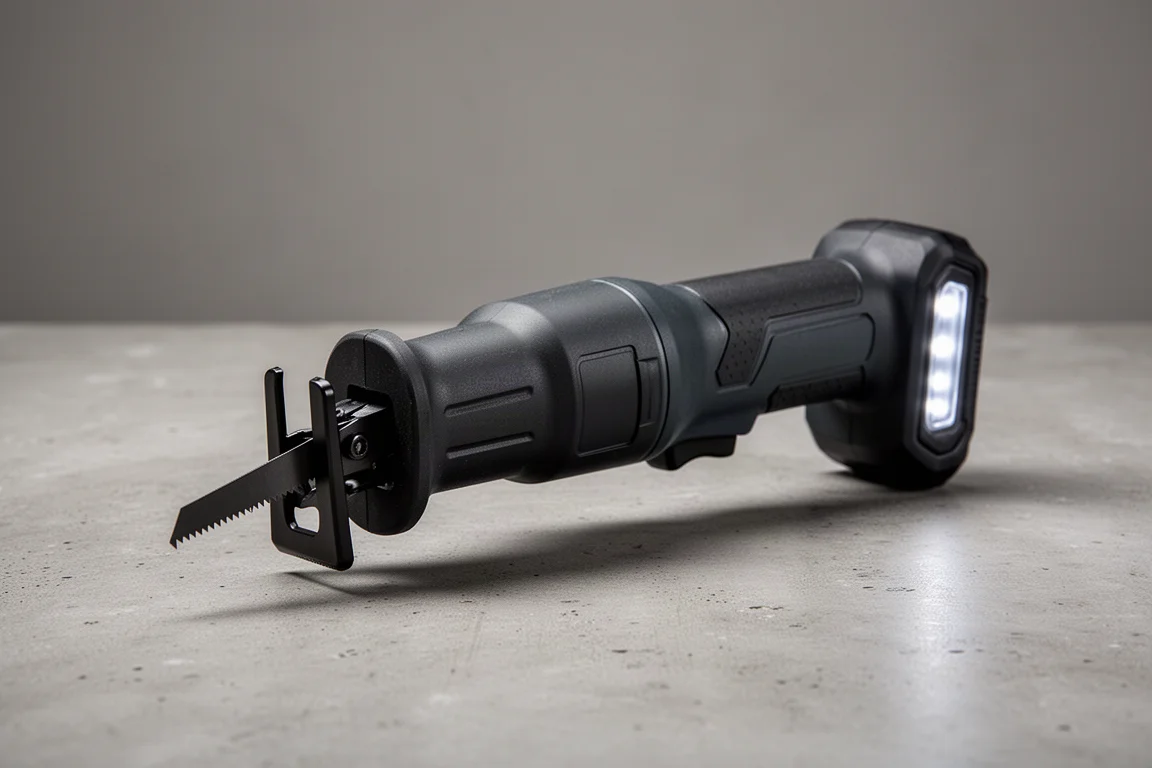
One-handed reciprocating saws have quietly become one of the most useful compact tools on the jobsite. Being able to hold a pipe, conduit or bracket with one hand while cutting with the other is invaluable for plumbing and electrical work, and the newest wave of compact models from the major brands is pushing this category forward fast.
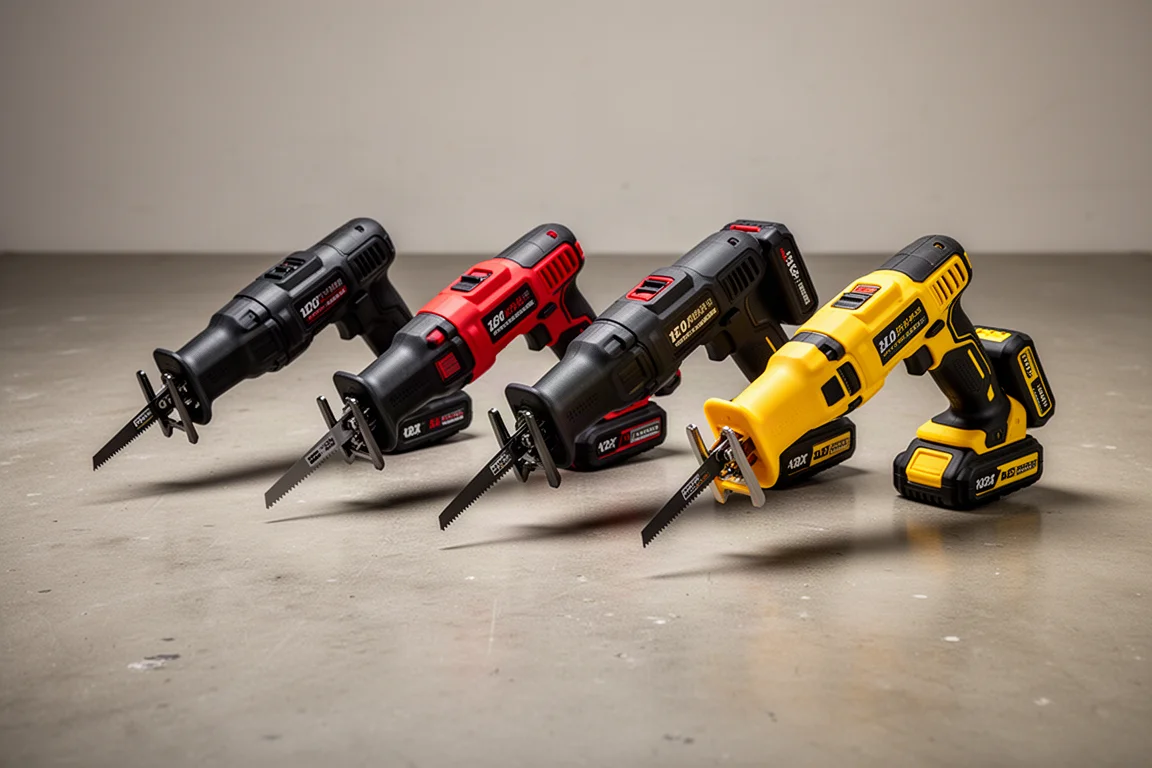
This comparison looks at four standout options: the all-new Makita one-handed compact reciprocating saw, the Milwaukee M18 Fuel and M12 Fuel one-handed saws, the DeWalt Atomic one-handed saw, and Flex’s entry into the segment. Specs are still being finalized on some of these, so treat the numbers as a snapshot rather than a verdict.
Why One-Handed Recip Saws Are Worth a Look
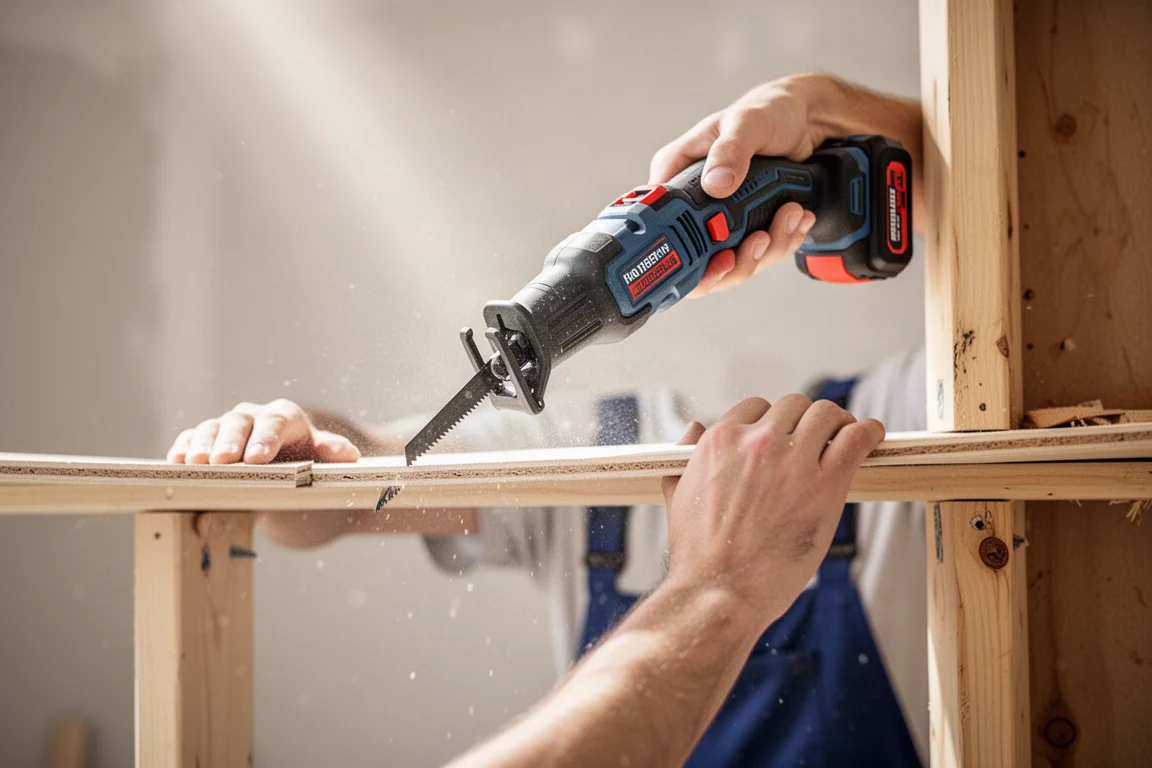
The appeal is simple: compact size and one-handed control in tight spaces. These saws trade a bit of raw capacity for maneuverability, which makes them ideal for overhead cuts, between-joist work and quick pipe or drywall openings. If your work involves plumbing, electrical rough-in or HVAC, a one-handed saw can genuinely save time.
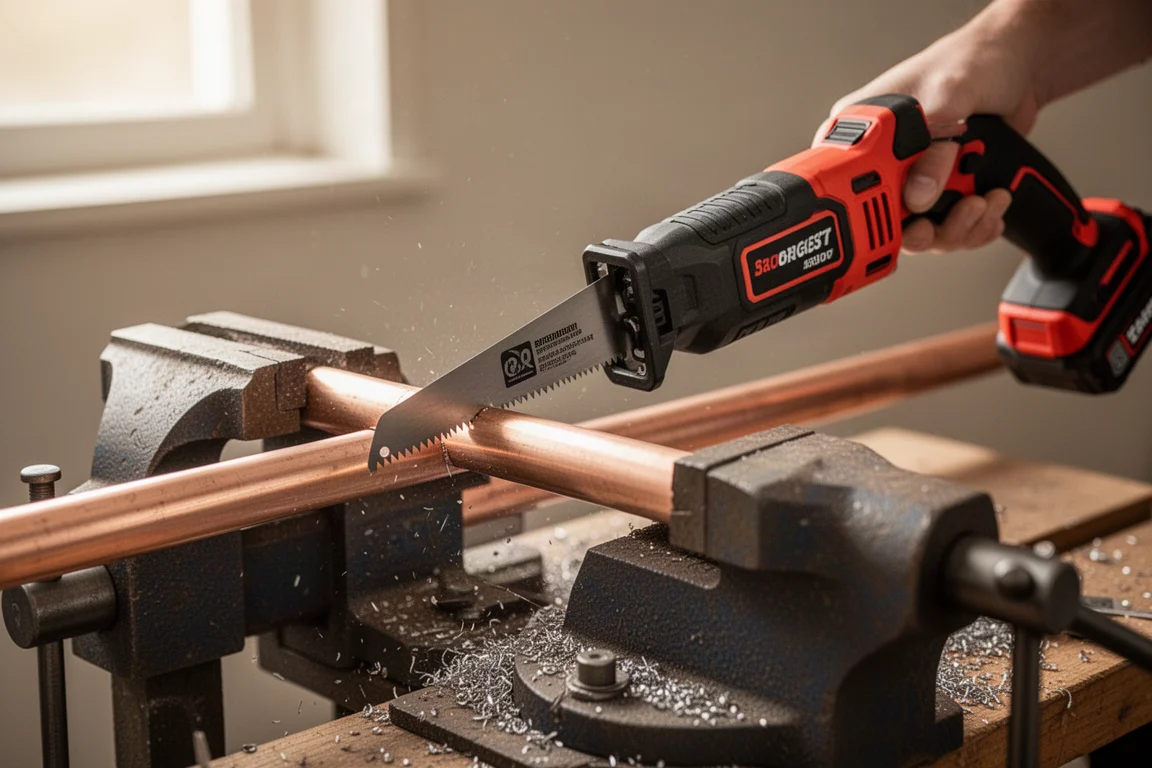
One thing to keep in mind: most brands claim some version of “faster cutting than competitors”, but these comparisons are usually against slower models, so take marketing figures with a grain of salt. Real cutting speed comes down to speed plus torque, plus stroke length.
Makita One-Handed Compact Reciprocating Saw
Makita arrived late to the one-handed recip saw party, but its new compact model brings solid specs. It runs a 7/8-inch stroke length, which is standard across most one-handed saws, and advertises around 3,100 strokes per minute, one of the highest published figures in this group.
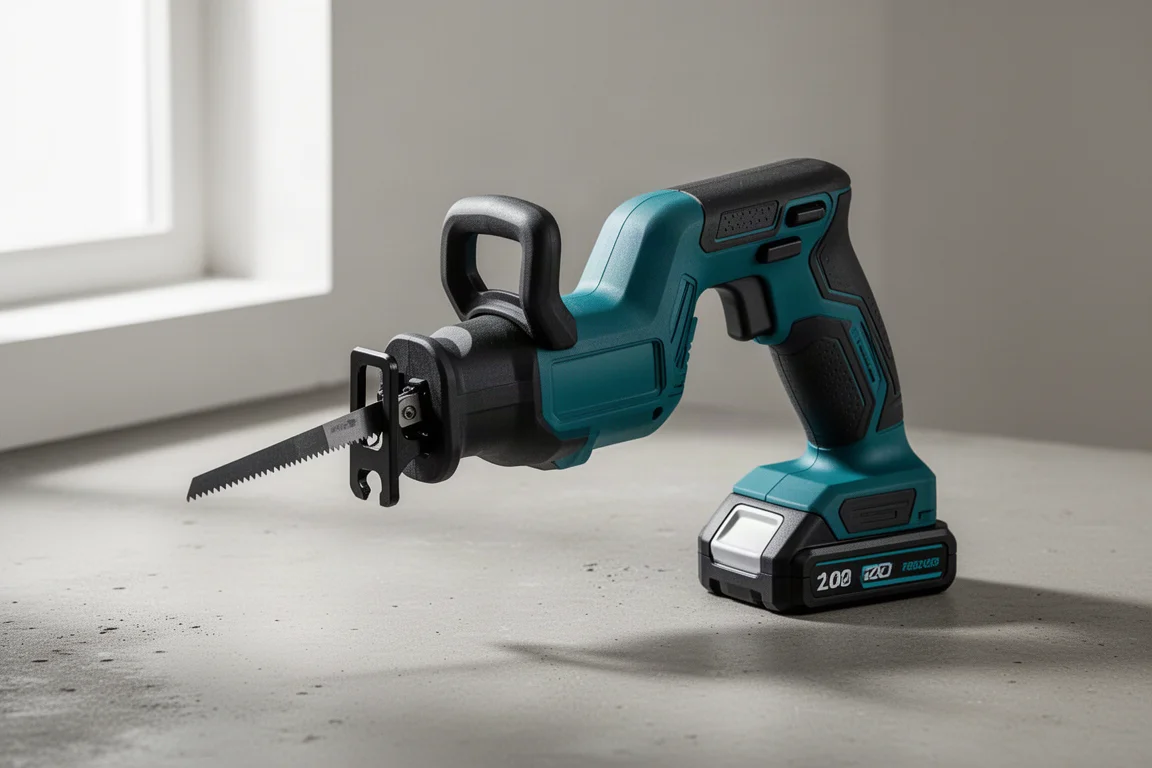
Design-wise, the Makita is the most unusual of the four. It is the only one with a distinct hand guard, and its body layout differs from the more forward-facing cutting designs of DeWalt, Milwaukee and Flex, which each add a motor hump on top. Whether that translates to better control is something only hands-on testing will answer.
The catch: the Makita is not widely available yet. It can be found on back order, so buyers will need some patience.
Milwaukee M18 Fuel One-Handed Reciprocating Saw
Milwaukee’s Fuel line sits on another level in terms of reputation, and the M18 Fuel one-handed recip saw lives up to it in practice. It is easily the largest and heaviest of the group, but it is also described as a beast, with plenty of power for demanding cuts. It shares the standard 7/8-inch stroke length, though Milwaukee does not publish a strokes-per-minute figure on its site, and that does not necessarily make it slower under load.
It sits at a similar price point to the Makita, around the $169 to $179 range. The trade-off is bulk: more power and capability, but a tool that feels less compact in the hand.
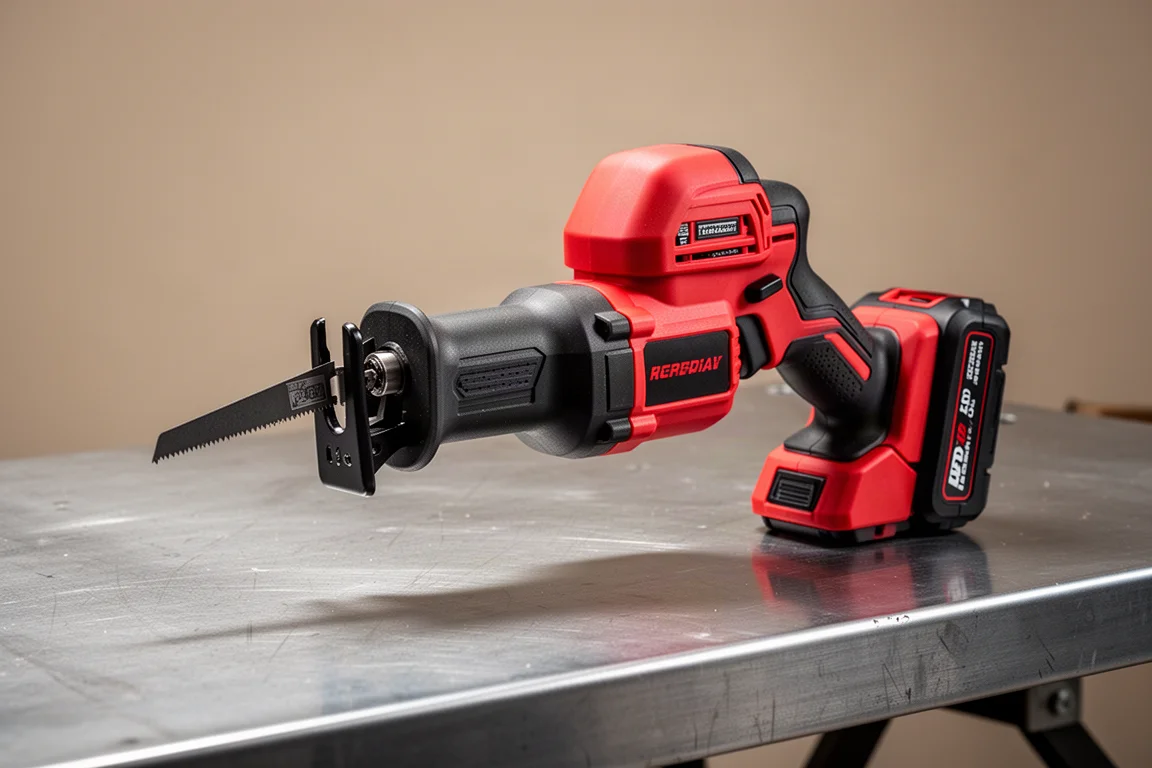
Milwaukee M12 Fuel One-Handed Reciprocating Saw
The M12 Fuel version is the lighter-weight sibling in Milwaukee’s lineup and has proven itself as a handy, compact cutting tool. It shares the same 7/8-inch stroke length as the rest of the group, keeping it consistent with the category standard.
For anyone already invested in Milwaukee’s M12 battery platform, this saw is an easy way to add one-handed cutting capability without stepping up to the larger, heavier M18 body.
DeWalt Atomic One-Handed Reciprocating Saw
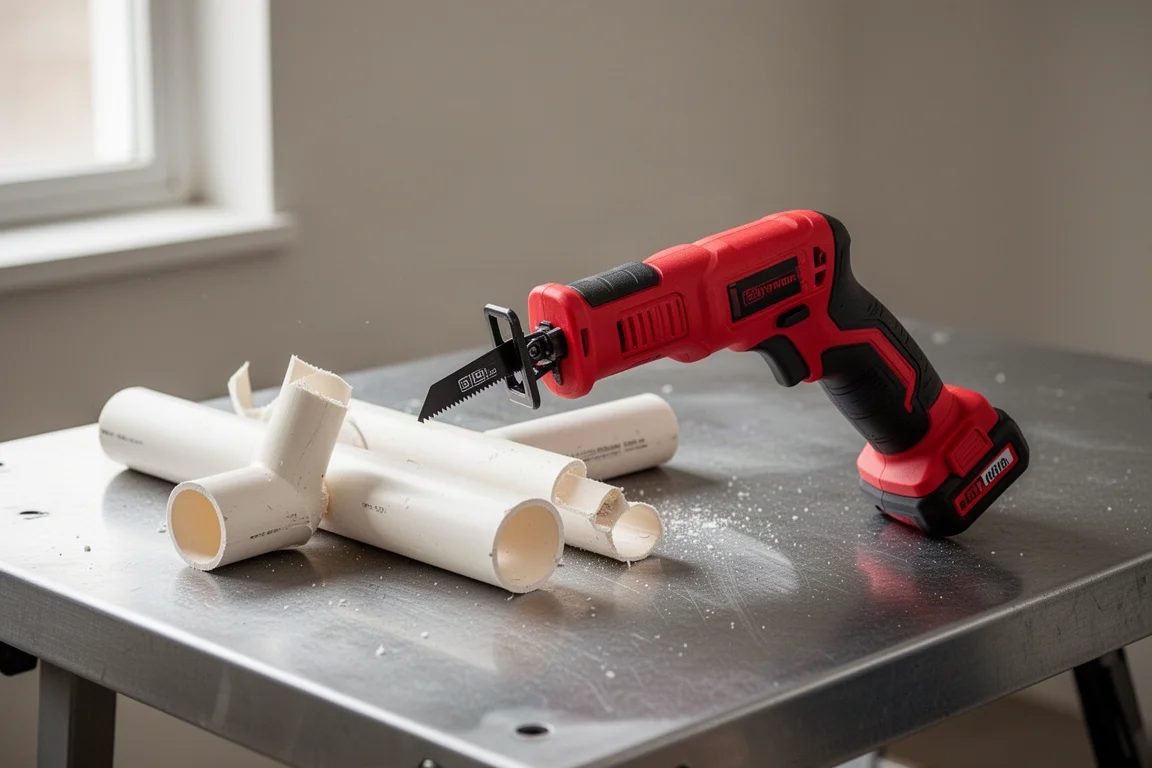
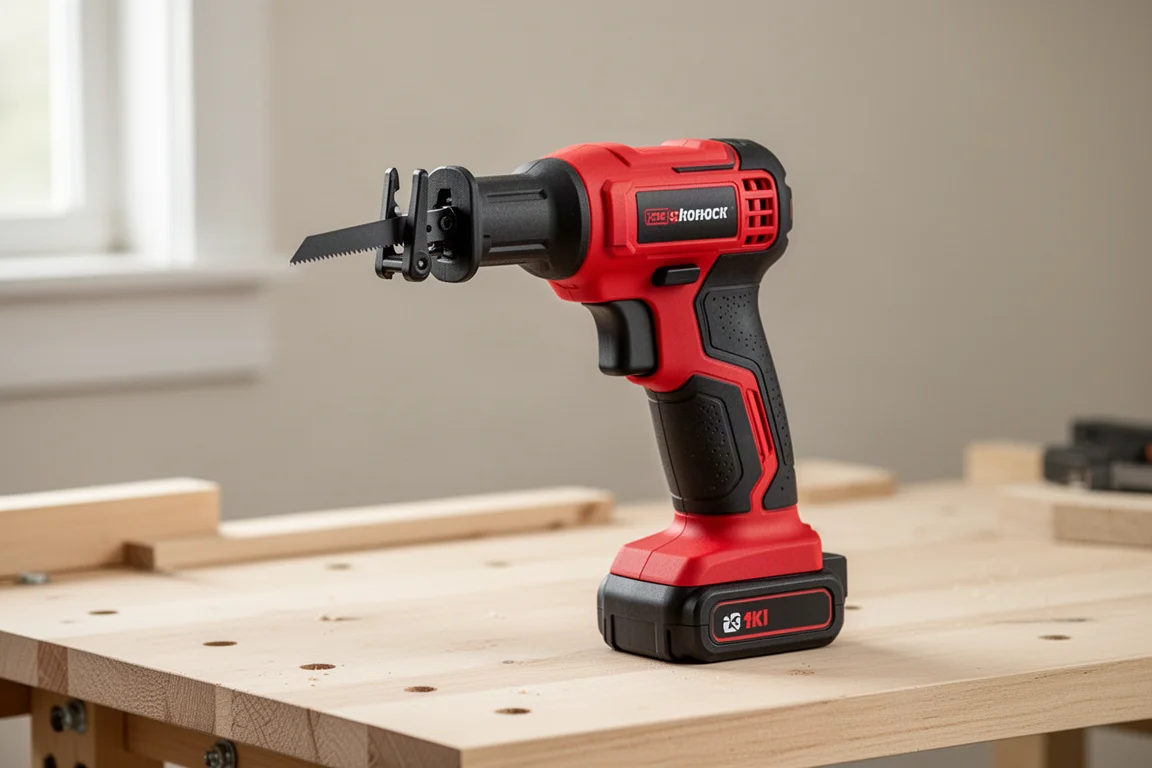
DeWalt’s Atomic line is all about compact and lightweight rather than maximum power, and this saw follows that direction. It advertises around 2,800 strokes per minute, roughly 300 fewer than the Makita, and DeWalt has not published a stroke length figure, which makes direct comparison harder.
In practice it lands somewhere in the middle of the pack on speed. That makes it a good candidate to pick up on a deal rather than a tool to buy at full price on day one.
Flex One-Handed Reciprocating Saw
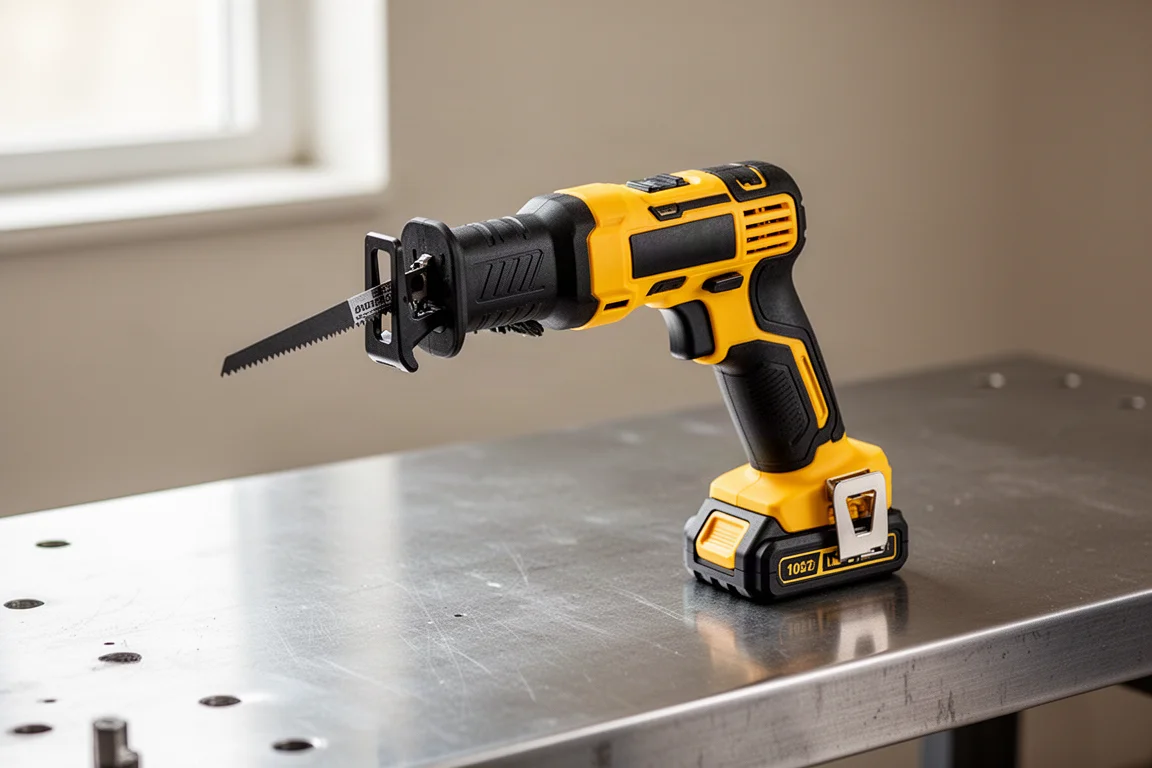
Flex is the dark horse here, and arguably the best value. It claims a longer stroke length than the standard 7/8-inch, which in real-world testing generally means a faster saw: a longer stroke clears chips out of the cut more effectively, and chips trapped in the kerf slow cutting down significantly. It also advertises roughly 3,000 strokes per minute, only about 100 fewer than the Makita, a difference that can be almost meaningless once a saw is under load.
Pricing makes it even more attractive. A kit with a battery and charger came in around $199, only about $40 more than the bare-tool prices elsewhere, and buying before the end of the year currently gets you a lifetime warranty on the tool, battery and charger. If forced to pick one on specs and value alone, Flex is a reasonable first choice.
Overall Buying Advice
For pure power, the Milwaukee M18 Fuel is the beast of the group, at the cost of size and weight. The Makita looks strong on paper with a high stroke rate but remains untested and hard to find. The DeWalt Atomic is a sensible middle-of-the-road option, especially on sale. And Flex offers the most compelling combination of specs, longer stroke, kit pricing and a lifetime warranty promotion.
Whichever way you go, check your existing battery platform first. Sticking with the batteries you already own often matters more than small spec differences between these saws.
Conclusion
One-handed reciprocating saws are now a mature category with genuinely competitive options at every tier. Flex currently looks like the best all-round deal, Milwaukee offers the most muscle, DeWalt is a solid value pick on promotion, and the Makita is one to watch once it hits shelves and gets real testing.
Further reading
Related Reviews
Power Tools
Best 1-Inch Pistol Impact Wrenches: Three Heavy-Duty Options Compared
We compare three 1-inch pistol impact wrenches, from a budget-friendly Harbor Freight model to a premium Caterpillar unit, to help you choose the right one.
Power Tools
Best 3/4-Inch Impact Wrenches 2026: Five Contenders Compared
We compare five 3/4-inch impact wrenches across price and performance, from a budget Amazon option to Snap-on's most powerful model yet.
Power Tools
Best Budget Cordless Tools 2026: Walmart Finds That Punch Above Their Price
We tested five cordless tools from Walmart, including a high-torque impact wrench that trades blows with Milwaukee and a $35 duster that outperforms its price class.