Food & Drink
Four Olive Oils Compared: Which Bottle Deserves Your Money
We taste four very different olive oils side by side, from an affordable Italian unfiltered blend to a premium Greek cold press, to find out where the money actually goes.
Introduction
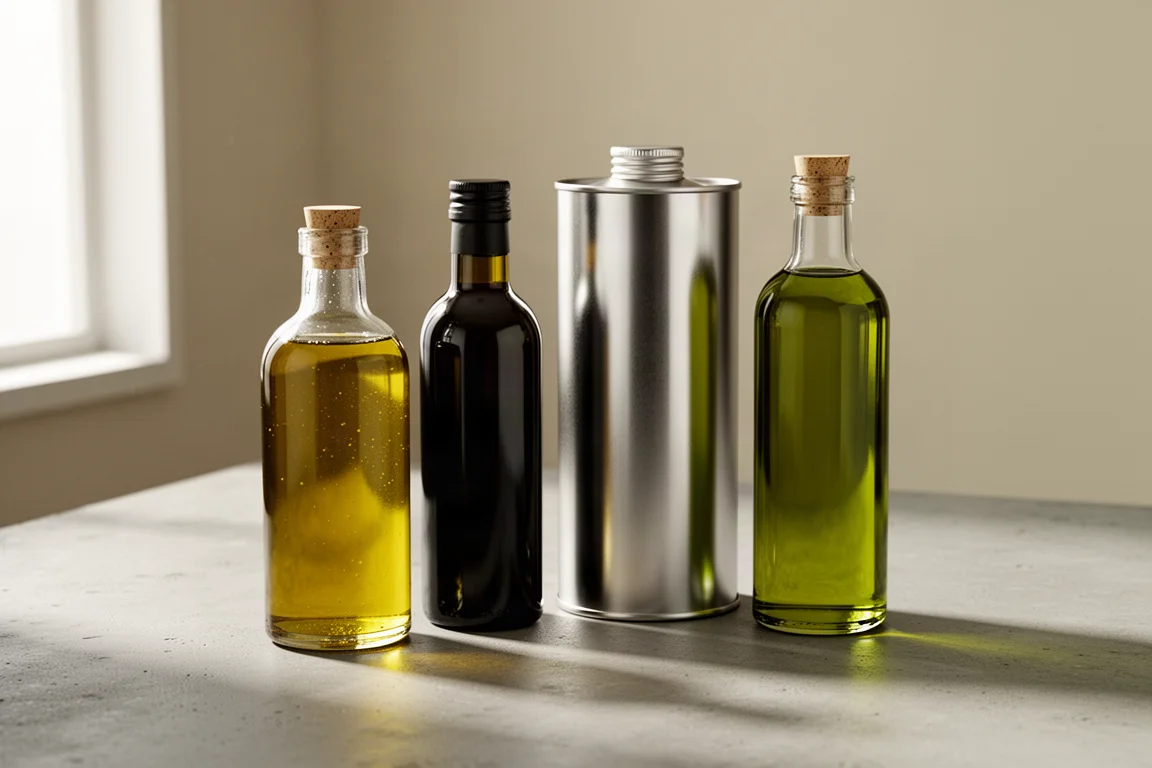
Olive oil is one of those categories where most of us grab the same bottle out of habit. Tasting four very different styles side by side makes the differences impossible to ignore: an unfiltered Italian blend, a single-varietal Spanish oil, a French blended cuvée with decades of recipe behind it, and a Greek cold press that pushes into flavoured territory entirely. Here is how they compare on flavour, best use, and price per 100ml.
How to Taste Olive Oil
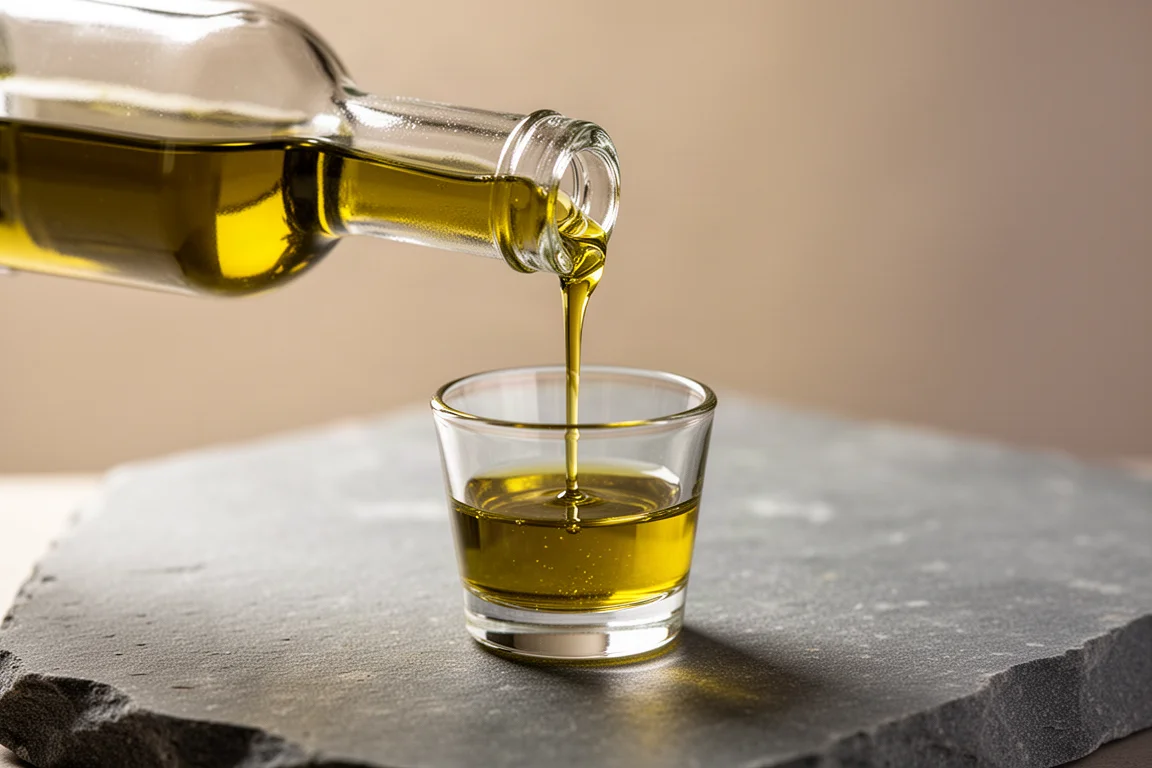
The method matters more than most people expect. Pour a small amount, let it warm slightly in the glass so the aromas open up, then take a sip and draw a little air across your tongue before breathing out through your nose. That retronasal effect is where the extra notes appear.
Two things to keep in mind before buying. First, colour is not a sign of quality: a pale, cloudy or golden oil can all still be fusty, musty or rancid. Second, the tasting vocabulary ranges from herbaceous, tomato leaf, citrus and fruity on the positive side to rancid, musty, fusty and vinegary on the negative one.
Castello Unfiltered Italian Extra Virgin Olive Oil
This Italian extra virgin is cold extracted and unfiltered, which explains its slight cloudy appearance. Straight from the glass it reads clean, fruity and lemony, very smooth, with no real peppery kick. Warmed and tasted properly, it opens up rather than changes, gaining a herby, almost thyme-like edge alongside that citrus zest. It is grassy with a claimed peppery character, though sensation is subjective and mild here.
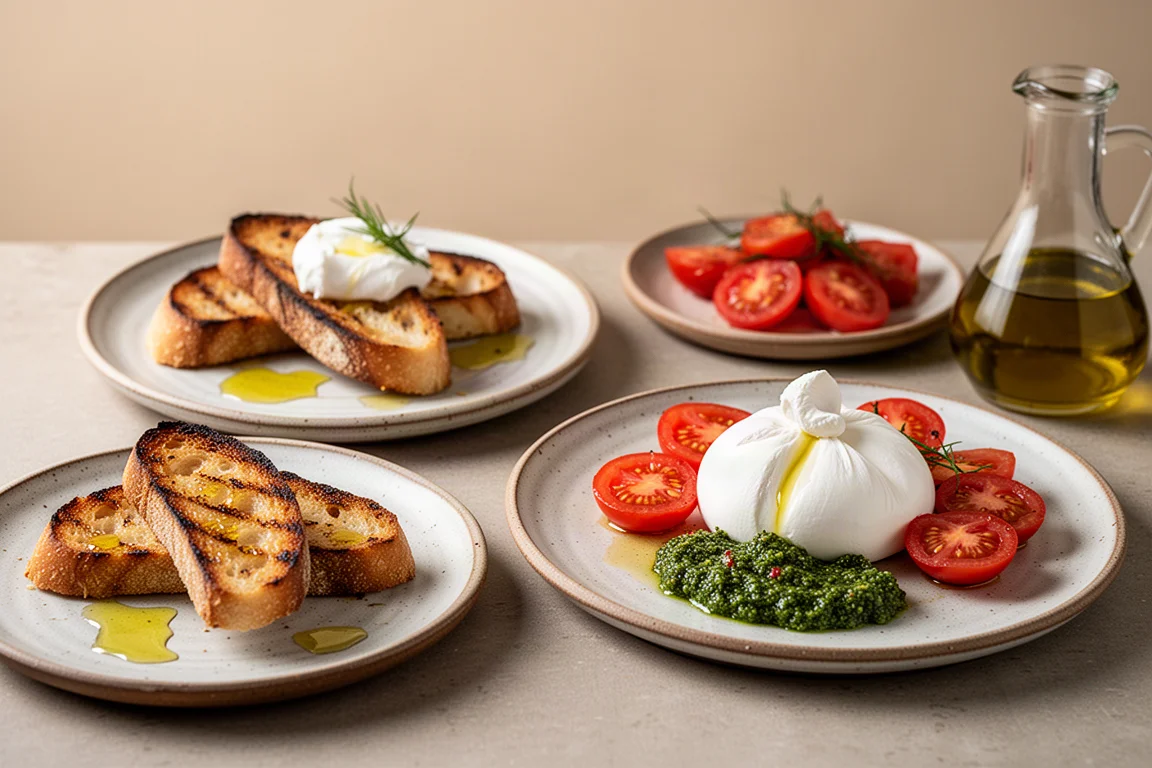
The suggested use is exactly what most extra virgin oils are for: finishing. Brushed on grilled sourdough and paired with burrata, brined tomatoes and a sorrel, chive and watercress paste, it does not dominate. Instead it lifts everything else on the plate, adding oily silkiness and fragrance that turns a nice dish into a treat.
At £1.20 per 100ml, the £12 bottle costs about the same as a popular supermarket brand, which makes it a genuinely good-value entry point into better oil.
Belazu Arbequina Extra Virgin Olive Oil
Where the Castello is a blend, this one is 100% Arbequina from Spain, and the difference is immediate. It looks greener, smells intensely grassy, and brings a peppery burn with a noticeable tingle on the lips. It feels thicker and more full bodied than the first oil, closer to a Malbec than a pinot noir in wine terms.
The flavour profile is more fruity than citrus: a sweet green fruit finish, in the green apple or even gooseberry territory that the producer suggests. It is not simply better than the Italian; it is just a different, punchier character.
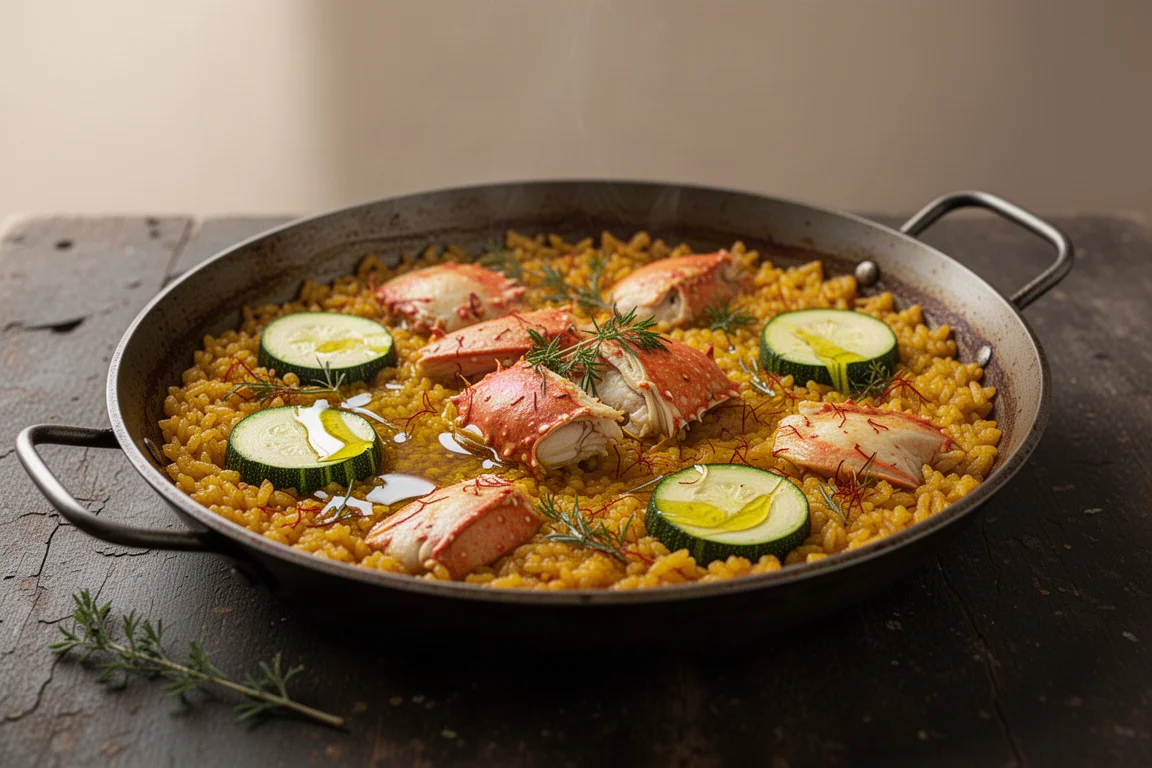
Paired with a delicate Spanish crab rice finished with saffron, fennel and onion, that extra punch matters. The dish has more complexity than the burrata plate, and the oil keeps up with it. The peppery edge acts like seasoning without any actual black pepper, and the fruitiness comes out even more over food.
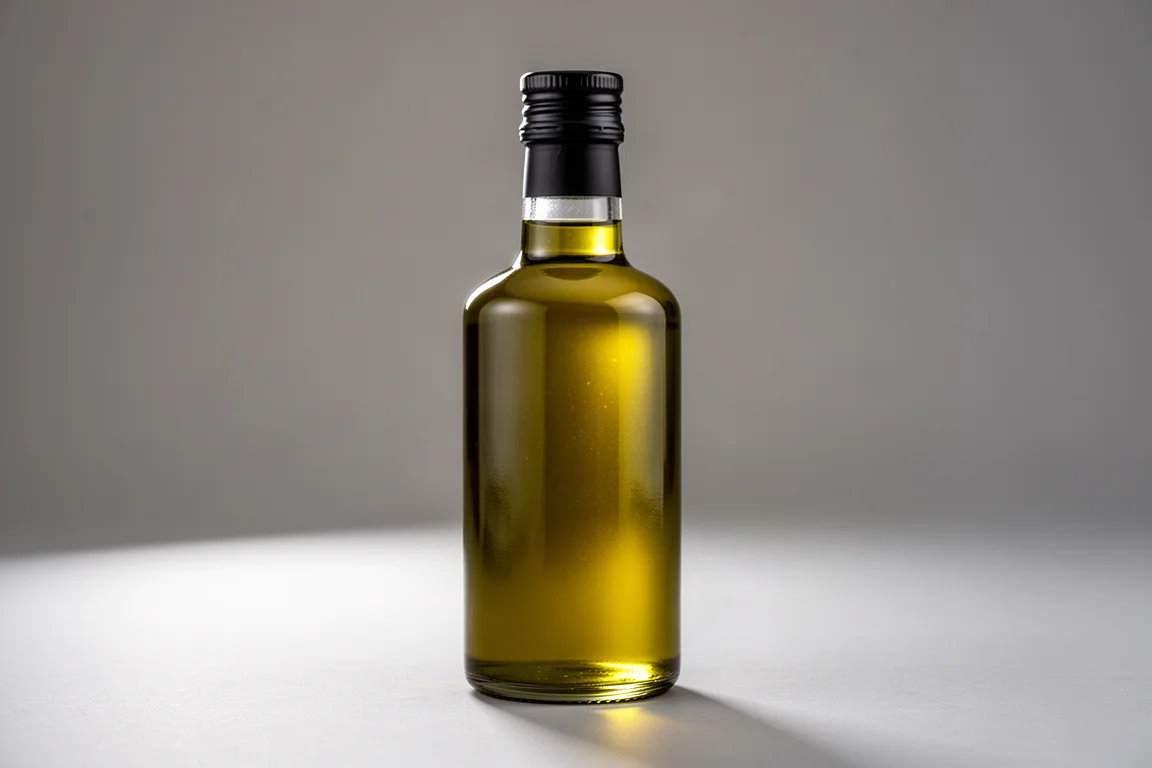
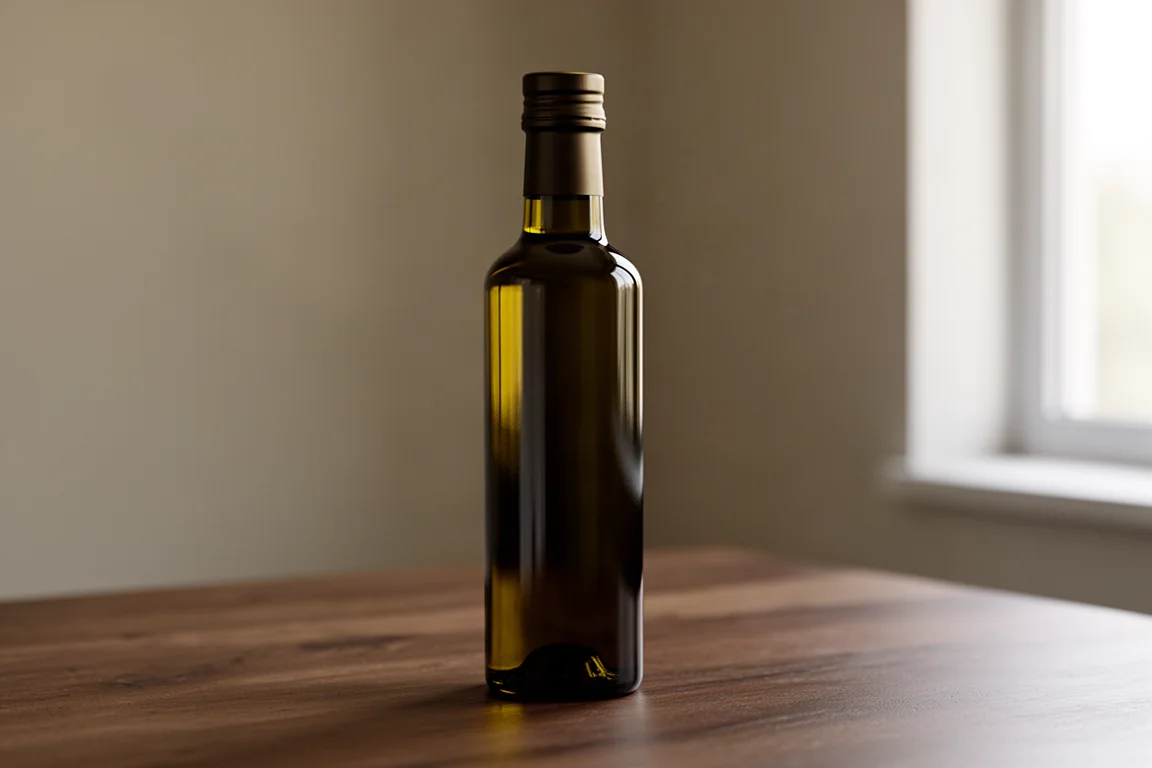
Belazu started as a fresh olive supplier to some of the best restaurants in London before becoming a consumer brand, and the opaque bottle shows that premium positioning. Opaque packaging keeps light out, protecting the oil, though it should still live in a cool, dark pantry. This is a single varietal from one region, so the flavour can shift from harvest to harvest, which is part of its sense of place. At £3.30 per 100ml, the bottle is £16.50, a step up but comparable to a mid-tier wine treat.
Nicholas Alziari Cuvée Prestige 1868 Olive Oil
The third oil looks lighter and almost luminous in the glass. It smells grassy but dry rather than wet grass, and the burn is different too: more of a chili heat than a peppery one, with less greenness overall.
Nicholas Alziari is a French producer, and the concept here is unusual. Like a house champagne, his Cuvée Prestige 1868 blends olives from all over Europe every year to hit the exact same flavour profile, following a secret recipe that has stayed locked away for 70 to 100 years. What you buy is consistency: this year, last year, ten years ago, the oil tastes the same.
The extraction is distinctive as well. The olives are pressed slowly in stone mills over several hours, then the oil is flushed with cold water so it rises to the top and can be scooped off. The result is praised for fresh grassy aroma, fruity flavour, a slight bitterness on the finish and mild pepperiness. The producer suggests French bread for dipping and the simplest salads, and that is where it shines: clean, delicate, with the subtle burn working well against creamy and fresh elements.
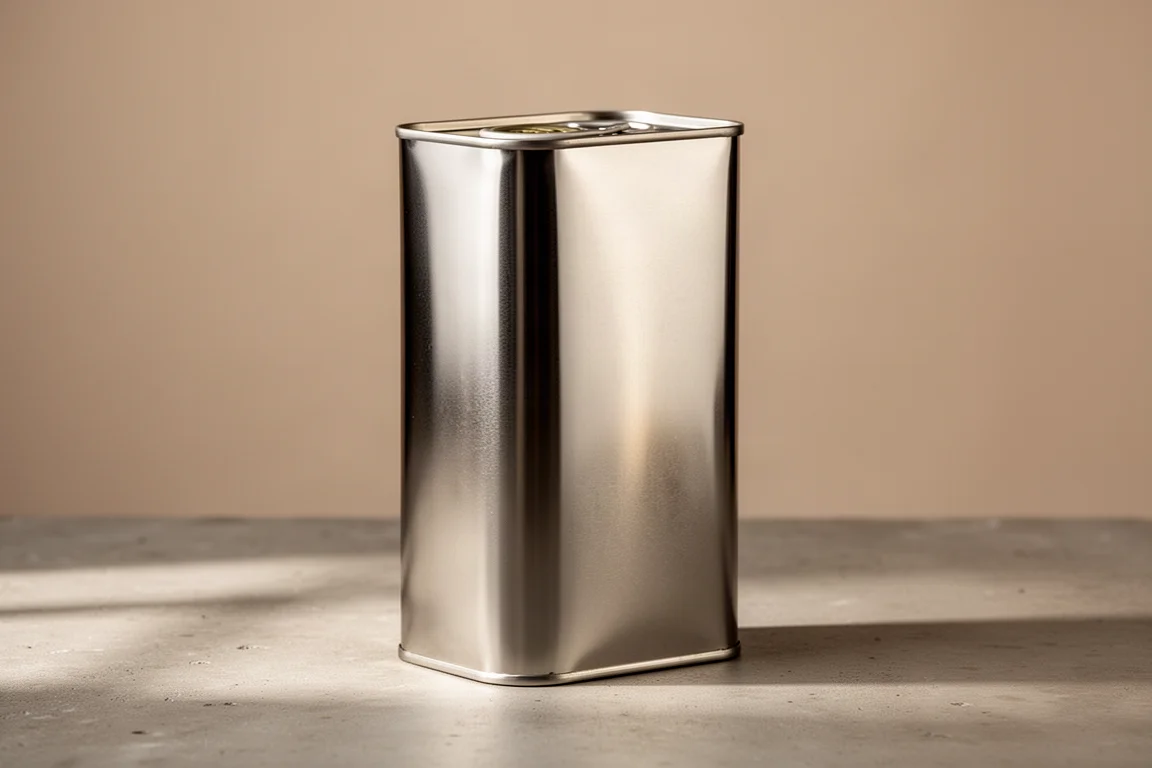
It comes in a tin to keep light out, priced at £4 per 100ml, so the tin is £20. The honest caveat: this is not the biggest flavour per pound. What you are paying for is the recipe and its consistency, a delicate French approach rather than a flavour bomb. It suits someone who knows they will return to the same reliable oil again and again.
Oliveology Cold Pressed Olive Oil
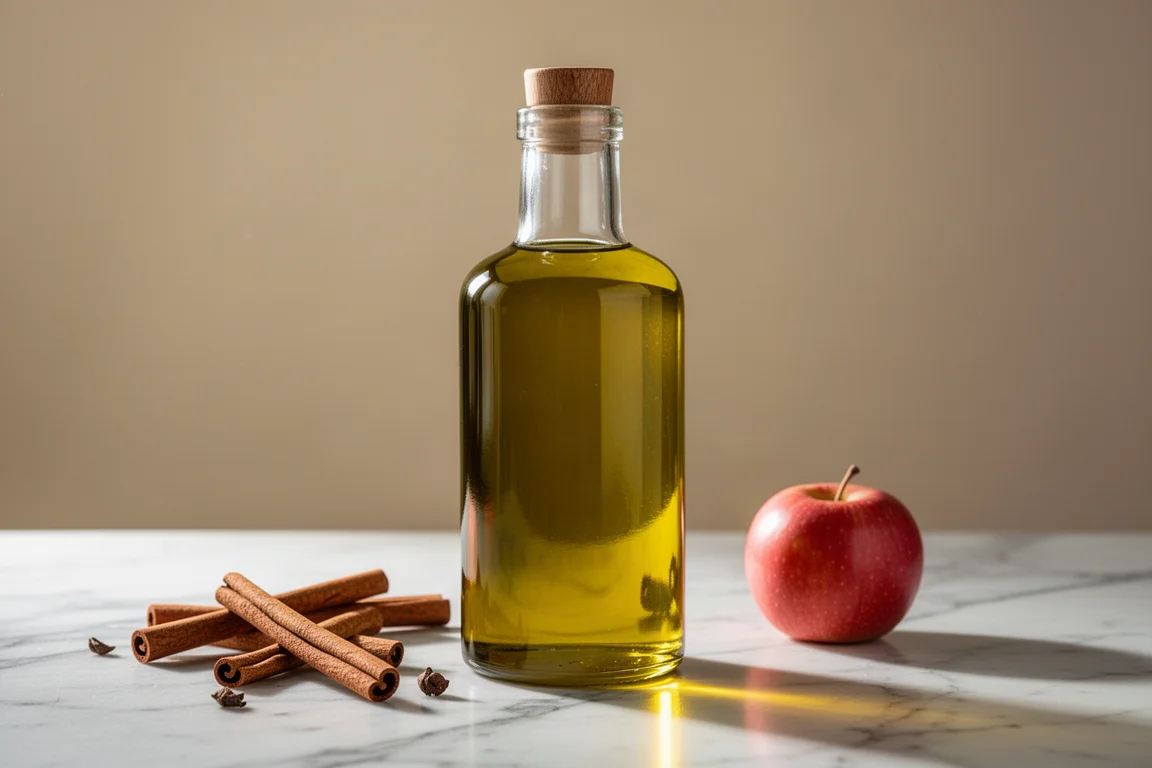
The last oil is a genuine surprise. Cold pressed in Greece from Koroneiki olives grown on a single organic estate in Sparta, it was pressed together with apple, cinnamon, sage, lemon and honey. This is not an infusion made after the fact: the ingredients went through the press with the olives, which is why it tastes like real ingredients rather than flavouring.
The nose opens with apple sours, then figgy raisin sweetness, and the producer’s own description stacks it up in layers: floral with lingering apple tones, the sweetness of semi-ripe olives, then apple and honey with a hint of cinnamon that crescendos on swallowing, before sage arrives with a slightly nutty finish. It has won countless awards and it is genuinely unlike anything else tasted.
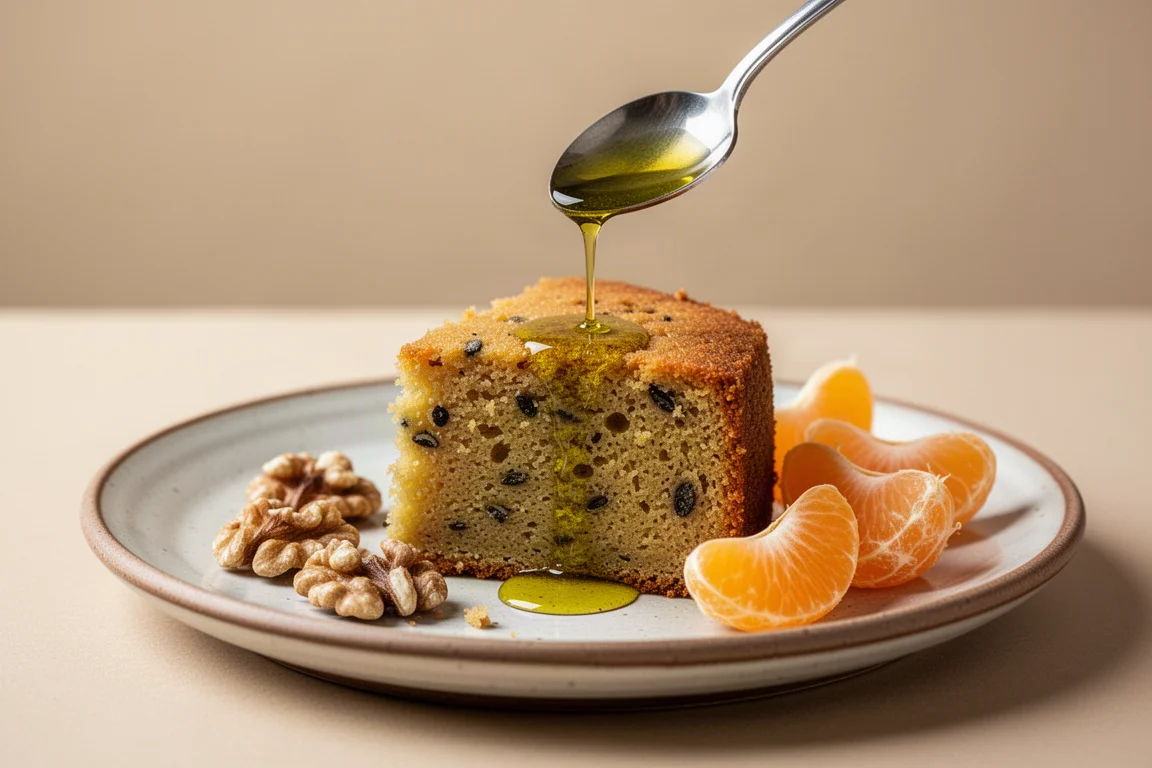
The suggested pairing is bold: olive oil cake. Drizzled over a clementine, mint and walnut cake with honey through the sponge, it adds immediate complexity and richness, the way lemon drizzle or cream cheese finishes normally would. The producer also says it works subtly with shellfish and monkfish, so finishing fish dishes is another avenue worth exploring.
At £12 per 100ml, the bottle is £30, ten times the starting point. It is delicious and exciting to try, but it is a specialist bottle unless you already know your uses. If flavoured oil appeals, a small set may make more sense than one large bottle, and remember that olive oil does go off, so store it well.
Buying Advice: Which One Should You Buy
The clearest lesson from tasting all four: spending more does not automatically mean more flavour. What the price buys is how the olives are treated in the pressing, how they are combined, and the overall sensation.
- If you want an affordable everyday upgrade, the Castello at £12 delivers quality unfiltered extra virgin at supermarket-brand money.
- If you want a punchy, characterful single-varietal for salads and Mediterranean cooking, the Belazu Arbequina is the pick.
- If consistency year after year matters most, the Alziari Cuvée Prestige 1868 is built exactly for that, at a premium.
- If you want something genuinely unique for desserts and delicate fish dishes, the Oliveology cold press is the indulgence.
Conclusion
Four bottles, four completely different philosophies: a blend, a single estate varietal, a century-old recipe, and a flavoured press. The smart approach is to pick one good bottle, finish it, and try a different style next time. That is the most enjoyable way to learn which olive oil suits your kitchen.
Further reading
Related Reviews
Food & Drink
Best Plant-Based Burgers From Major Chains: Six Options Rated
Six plant-based burgers from KFC, Leon, McDonald's, Burger King, Shake Shack, and Honest Burgers put to the taste test to see which fast-food options are actually worth ordering.
Food & Drink
Best Dark Chocolate for Less Sugar: Four Picks From 60% to 90%
Four dark chocolates that deliver more cacao and less sugar, from an everyday baking bar to an intense 90% pick.
Food & Drink
Four Kansas City Barbecue Sauces Worth a Spot on Your Table
We compare four very different Kansas City style barbecue sauces, from a classic sweet supermarket staple to three landmark restaurant sauces you can order online.