Flashlights
Four Olight Flashlights Compared: Baton 3 Pro, Seeker 3 Pro, Warrior 3 and Javelot Mini
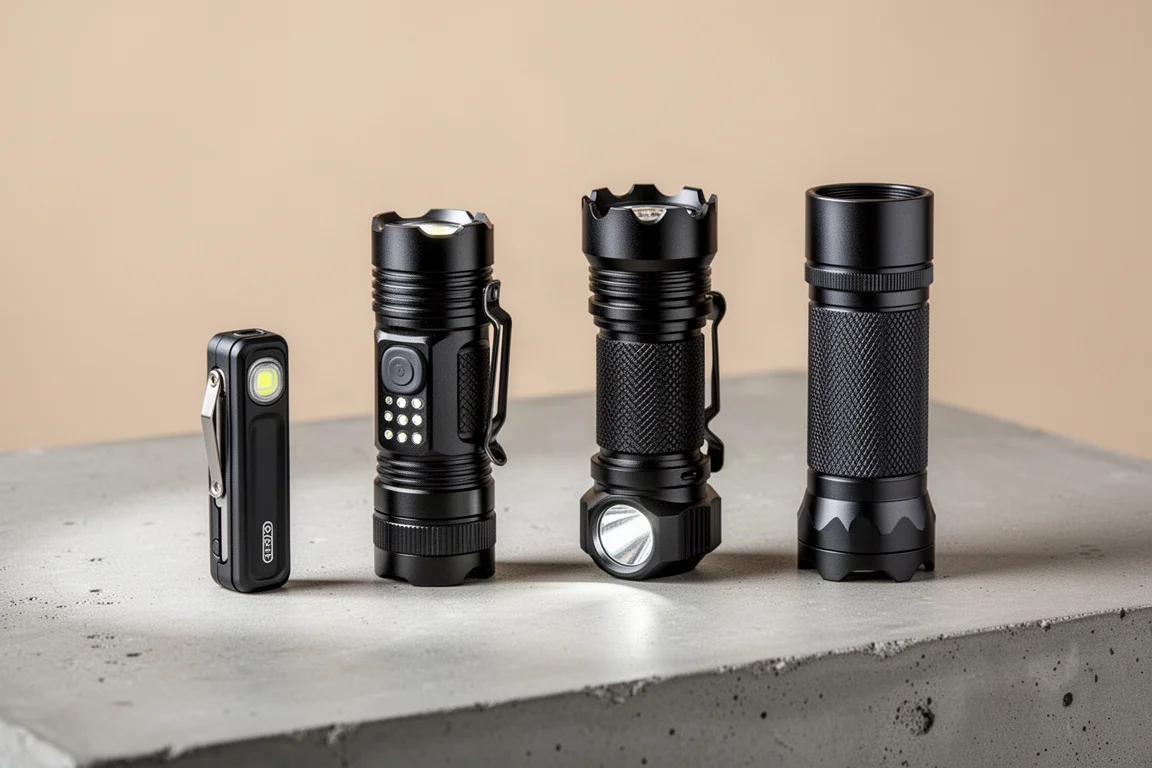
A practical comparison of four Olight flashlights, each built for a different carry style: everyday use, utility work, tactical duties and long-range EDC.
Introduction
Olight releases new flashlights at a relentless pace, and if you are new to the brand, the catalogue can feel overwhelming. The good news is that most of their lights are built with a clear purpose in mind. This comparison brings together four favorites, each with a slightly different role: a compact everyday carry light, a high-output utility light, a tactical flashlight, and a brand-new compact long-throw model.
All four share a few practical traits. They are rated IPX8 (or IP68, where the X simply means dust-proofing was not tested), which means submersion in up to six feet of water, and all handle a 1.5 meter drop. They also all charge through Olight’s magnetic charging system rather than USB-C. With that in mind, here is how they stack up.
Olight Baton 3 Pro: The Everyday Carry Pick
The Baton 3 Pro is the natural starting point for anyone who wants a flashlight that disappears into a pocket. It outputs 1,500 lumens with 175 meters of throw, which is plenty of capability for a light this size. It offers five brightness modes plus strobe, all controlled by a single side switch, and it is available in different emitter color temperature options, with the neutral white version being a particularly pleasant choice for daily use.
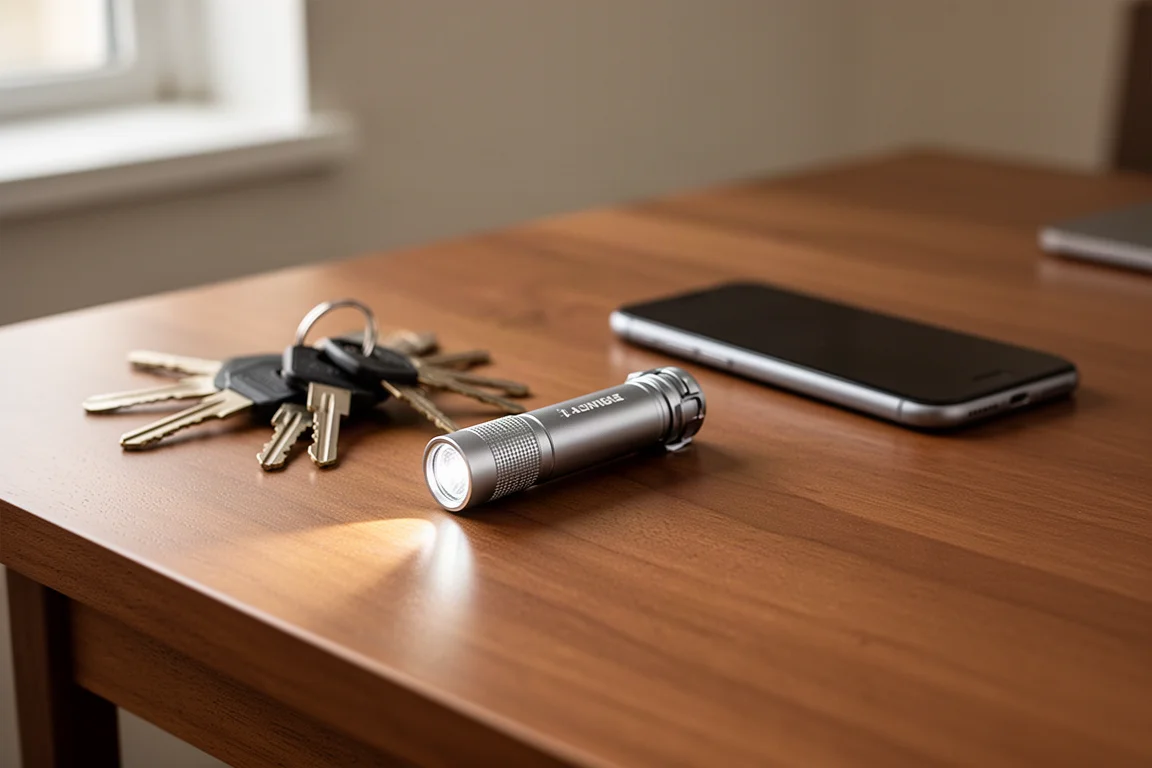
If you want one light that covers most day-to-day situations without bulk, the Baton 3 Pro is the easiest recommendation of the group.
Olight Seeker 3 Pro: High Output for Utility and Outdoors
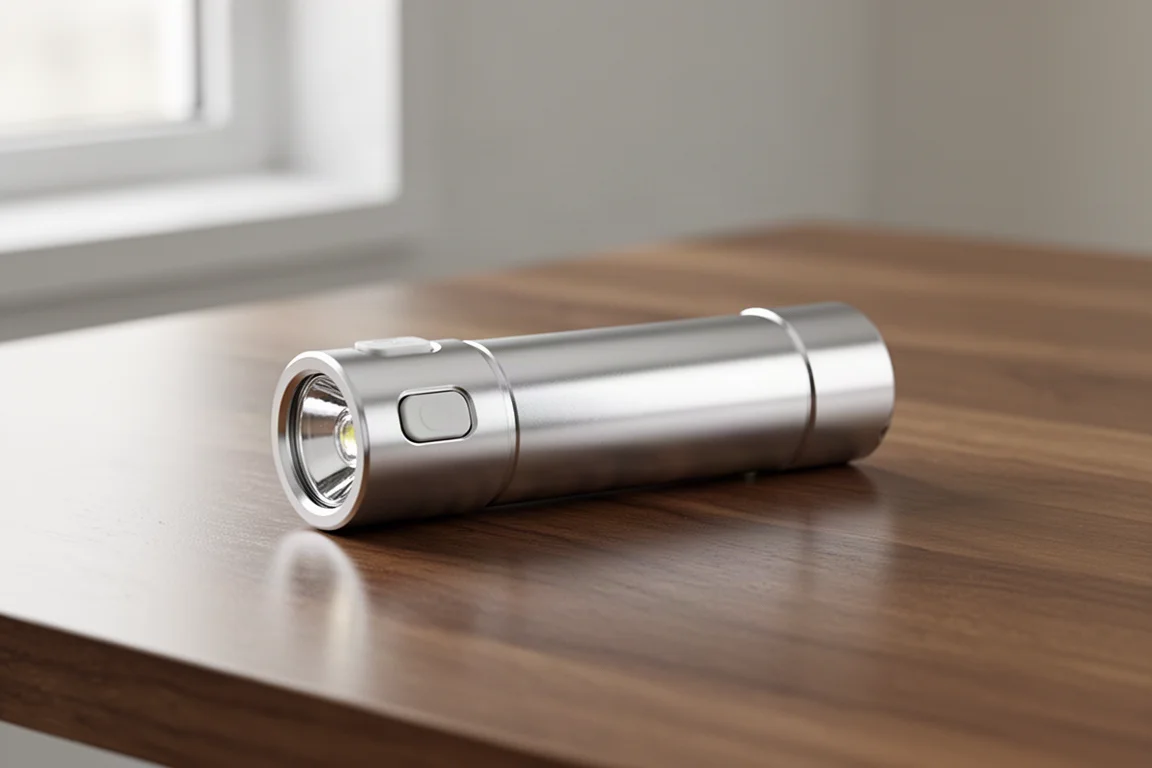
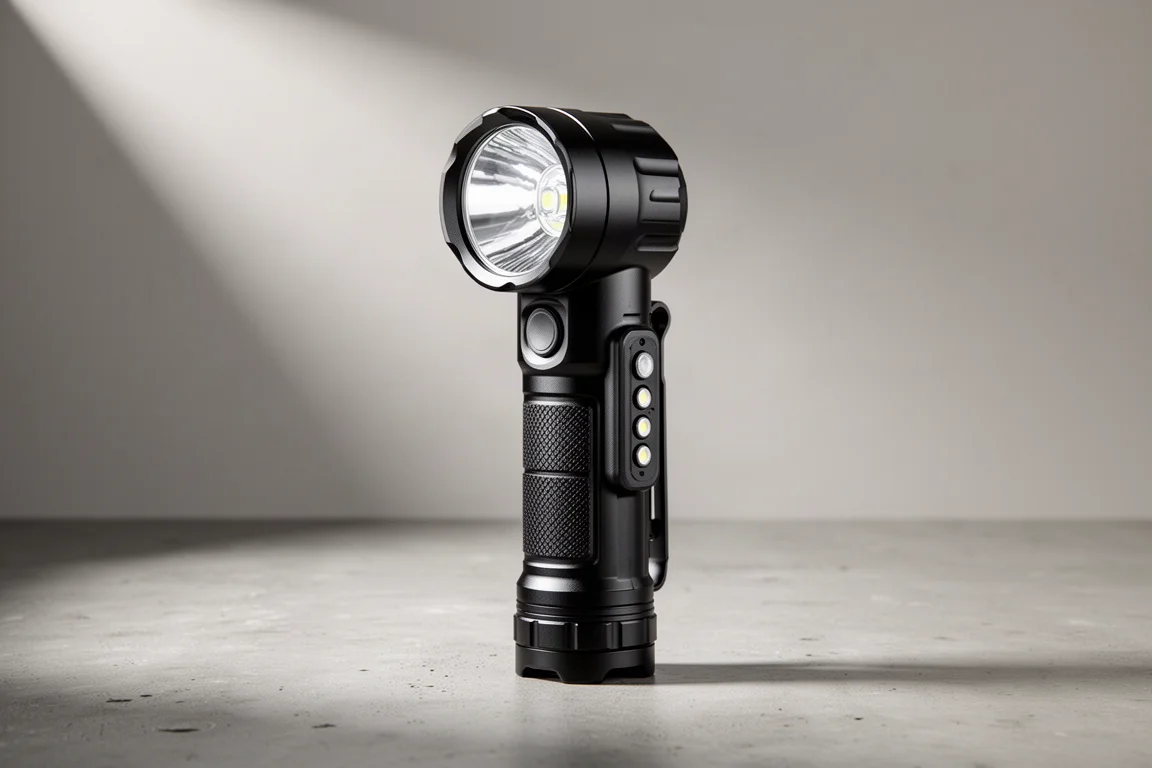
The Seeker 3 Pro steps things up considerably with 4,200 lumens and 250 meters of throw. Like the Baton 3 Pro, it has five modes and a single side switch, but this switch does something special: four LEDs show your battery status, and holding the switch down reveals the current mode. Double-pressing jumps straight to turbo. It also features a turn dial on the side switch that lets you adjust the output simply by twisting, which is genuinely useful for fine-tuning brightness.
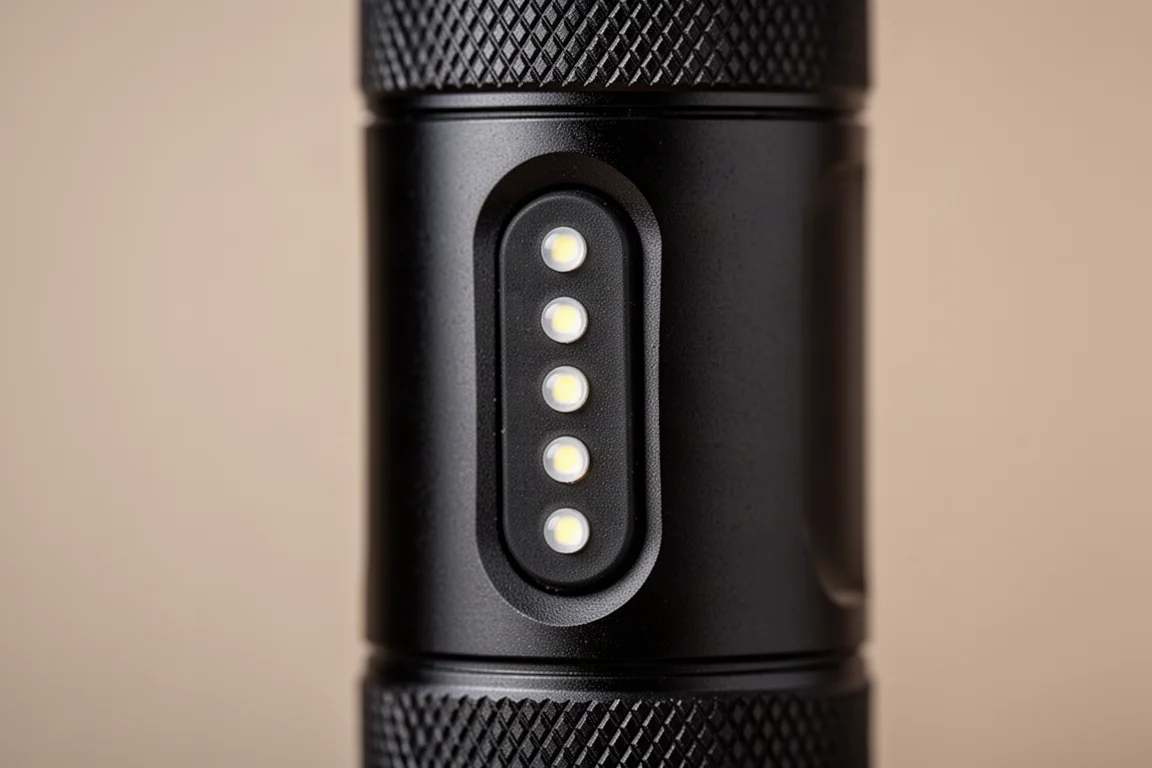
At 4,200 lumens, it lights up essentially everything, making it ideal for searching, camping, or keeping in a backpack. It is also the chunkiest of the four lights here, so it is less suited to pocket carry than the Baton 3 Pro.
Olight Warrior 3: The Tactical Option
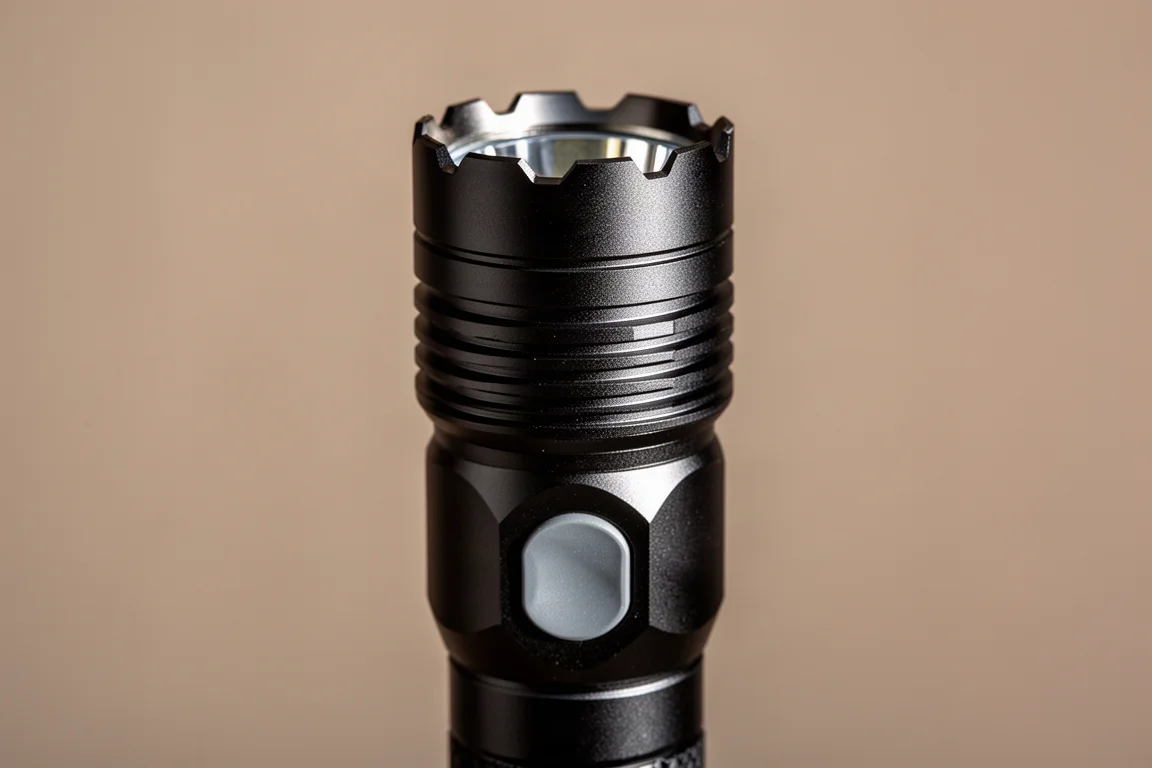
The Warrior 3 is one of the most compelling tactical flashlights in Olight’s lineup. It outputs 2,300 lumens with 300 meters of throw and carries an aggressive crenellated bezel that gives it its tactical character. Battery status and mode are shown on a side switch, similar to the Seeker 3 Pro, though without the twist-adjustment dial.
What sets it apart is the dual-switch setup: a side switch plus a tail switch that gives instant access to turbo with a full press. The switch is slightly clicky but largely quiet, and the beam has a tighter hotspot than the Seeker while still keeping useful spill.
Olight Javelot Mini: Long-Range EDC Done Right
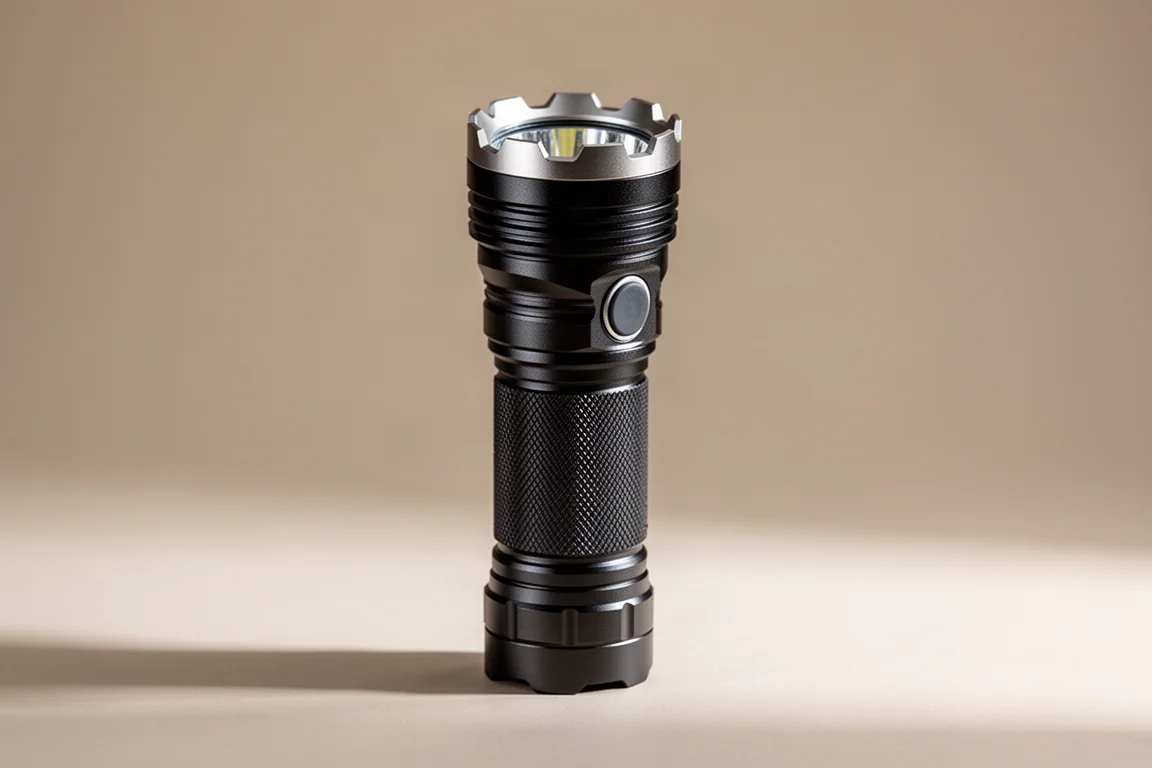
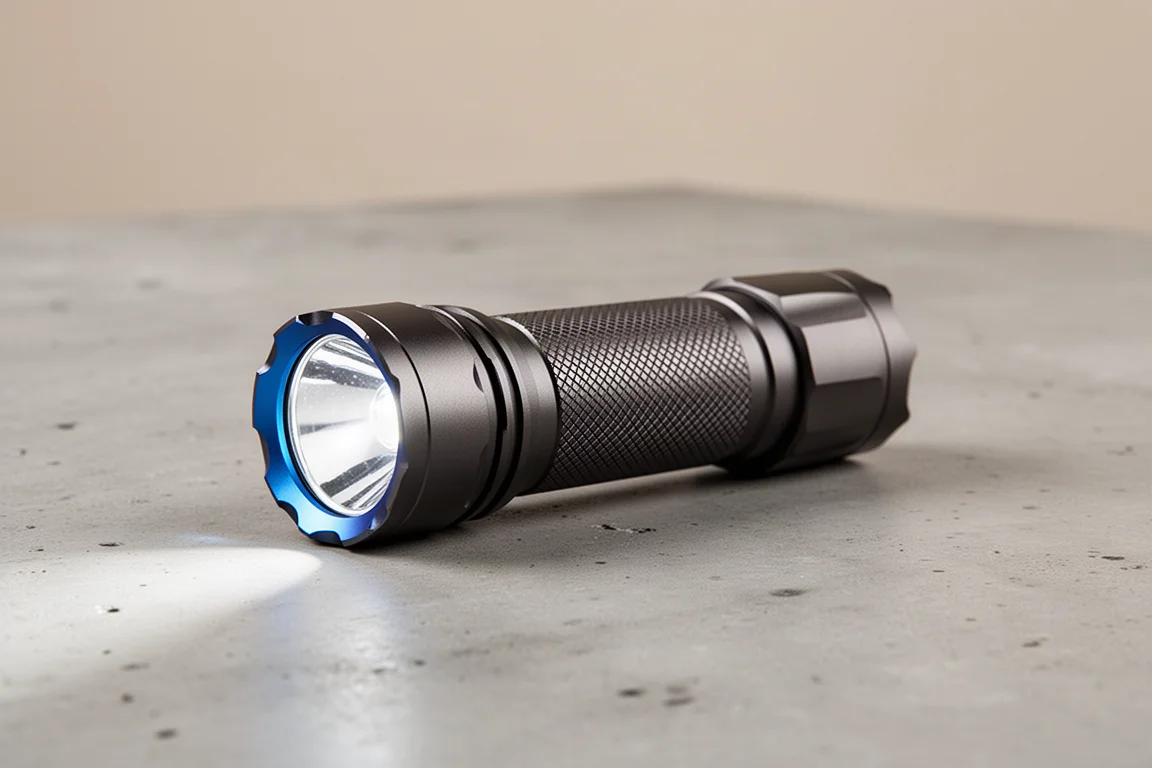
The Javelot Mini is Olight’s newest release in this group and the brand’s first long-range everyday carry flashlight. At just 4.53 inches long, it packs a 1,000 lumen output with a 600 meter throw on high, which is exactly why Olight calls it long-range EDC. It is also Olight’s first EDC light with a round emitter, and the payoff is a very crisp, uniform hotspot with a sharp outer perimeter. The author of this comparison considers it the best beam profile of all four lights.
The design details impress throughout. The textured aluminum finish is grippy without being rough, and the slightly flared tail cap makes tail-standing easy. The tail button sits nearly flush and slightly concave, so it feels natural under the thumb, and it is magnetic like every other Olight for easy charging.
The included holster is a standout: a molded plastic design with a belt clip that clicks into place and an open bottom, so you can charge the light while it sits in the holster. It is a big step up from the nylon holsters the brand usually bundles.
The simple UI uses a single tail switch: a half press gives low (200 lumens, 267 meters, roughly 4 hours 57 minutes of runtime), and a full press gives high (1,000 lumens, 600 meters, about 6.5 minutes before stepping down through 500 and 200 lumens). There is no strobe, and there is a low-battery vibration alert, a feature usually reserved for Olight’s higher-end models.
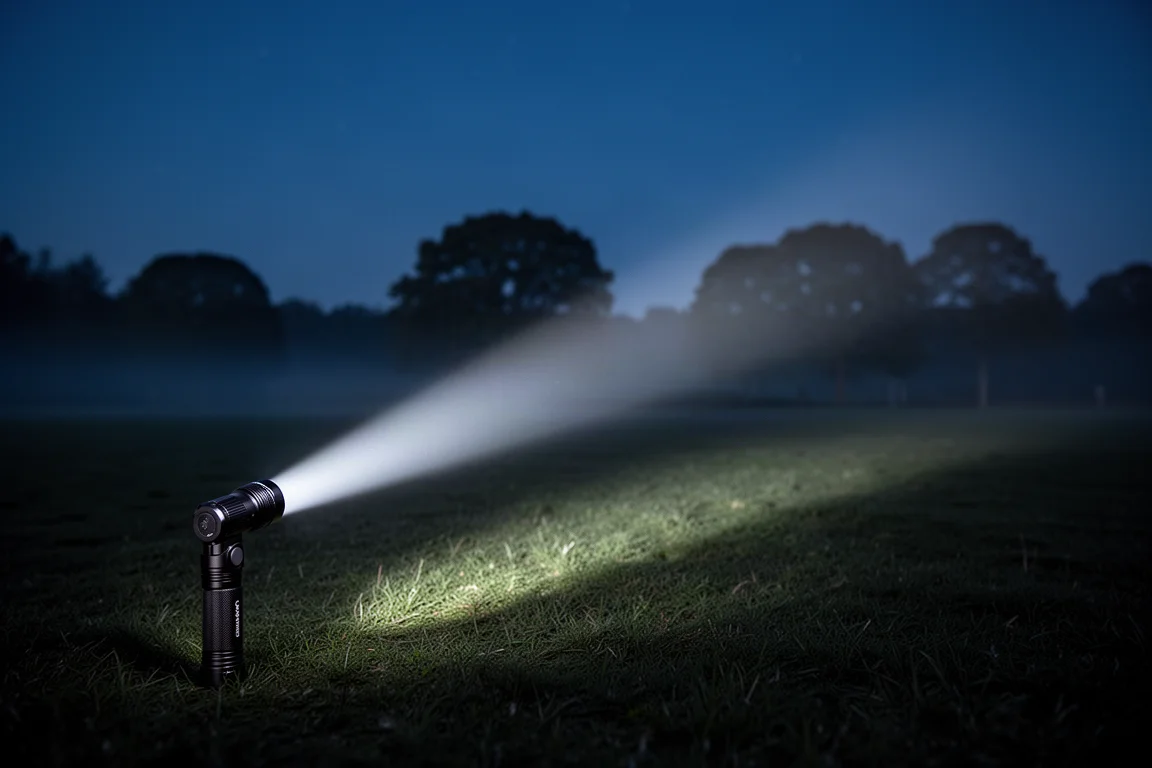
There are two trade-offs worth knowing. The battery is a proprietary 18500, 2040 mAh, 3.6V lithium-ion cell with a special black ring, so it only works with this flashlight. And charging relies on the magnetic charger rather than USB-C. It is available in two colors: black with a blue bezel, and OD green. The crenellated bezel also unscrews if you ever want to modify the light.
At a sale price of $74.99 (normally $99.99), it is a remarkably well-rounded light for law enforcement, search and rescue, hunting, or simply carrying every day.
Buying Advice
Choose the Baton 3 Pro if everyday pocket carry is your priority and you value emitter color options. Pick the Seeker 3 Pro when raw output matters most, for camping, searching, or utility work around the house. Go for the Warrior 3 if you want a dedicated tactical light with instant turbo access and a dual-switch layout. And if you want a single light that blends compact size, long throw, and some tactical elements, the Javelot Mini is the most versatile of the four, with the best beam quality of the group.
Keep in mind that all four use Olight’s magnetic charging rather than USB-C, and the Javelot Mini uses a proprietary battery. If standard batteries and cables are non-negotiable for you, factor that in before buying.
Conclusion
Each of these four lights earns its place by doing one job very well: discreet daily carry, high output, tactical response, or long-range capability. The Javelot Mini stands out as the most exciting of the group, combining the strengths of the other three in a package barely larger than a typical EDC light. Match the light to your actual use case, and any of them is easy to recommend.
Further reading
Related Reviews
Flashlights
Best Flashlights 2026: Brightness, Battery, and Value Compared
We tested 18 flashlights across a wide price range to find the best performers in brightness, battery life, and durability.
Flashlights
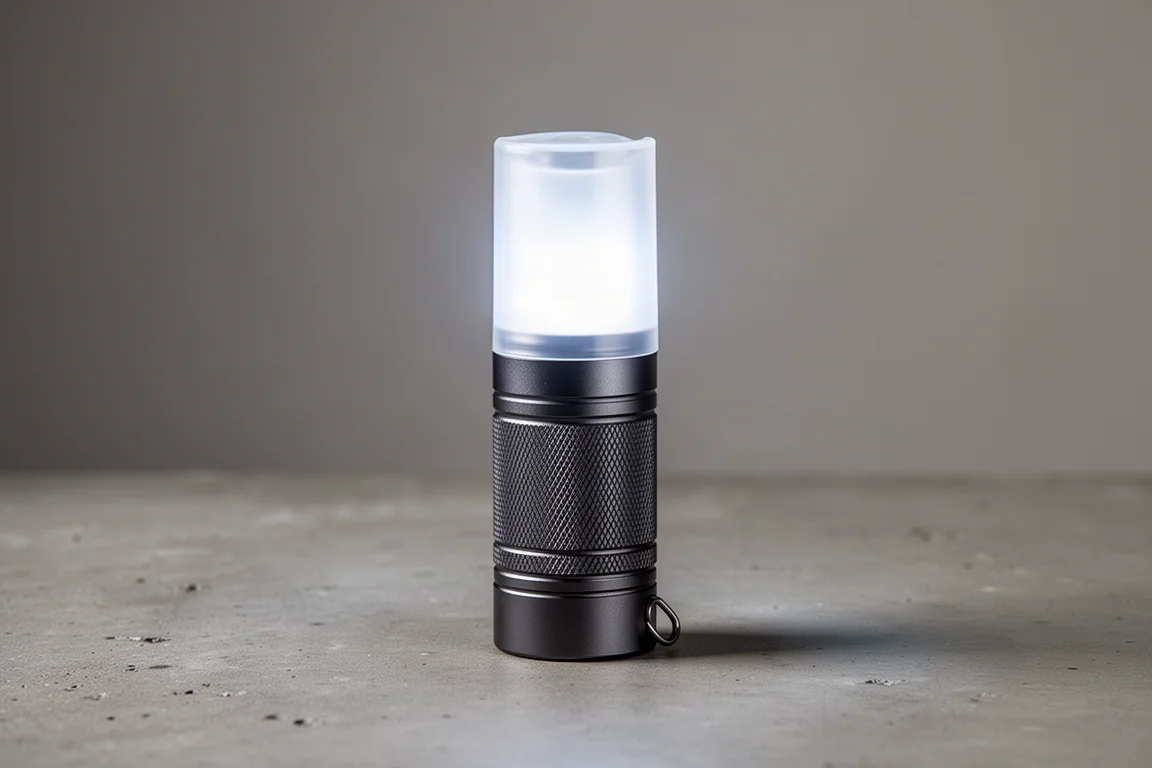
Nitecore LA10 Review: A Tiny 2-in-1 Lantern That Nails the Basics
The Nitecore LA10 pairs a pocket-sized lantern with a single AA battery, a magnetic tail cap and a five-year warranty. Here is where it shines and where it struggles.
Flashlights
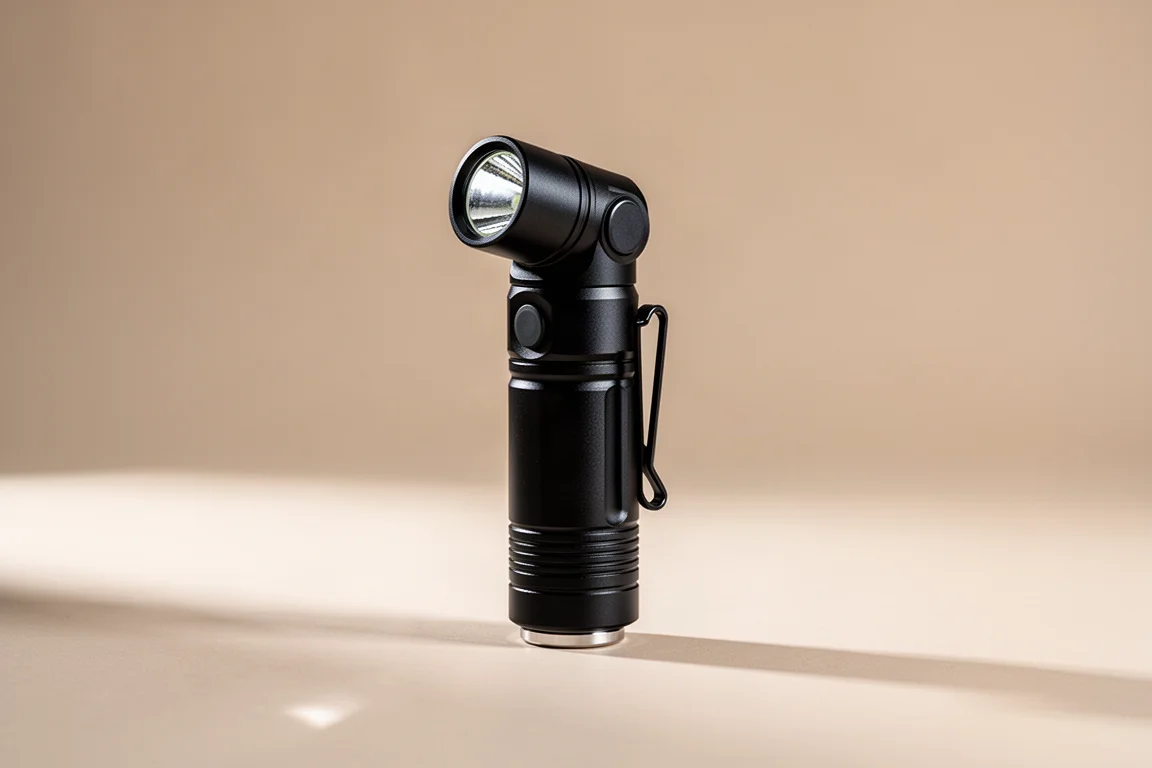
Wuben G5 Review: A Compact Everyday Carry Flashlight
The Wuben G5 is a small, rechargeable flashlight with a pivoting head, magnetic base, and color modes. Here is how it performs as an everyday carry light.