Hand Tools
Best Painter's Tools for Solvent Work: Two 5-in-1 Scrapers Compared
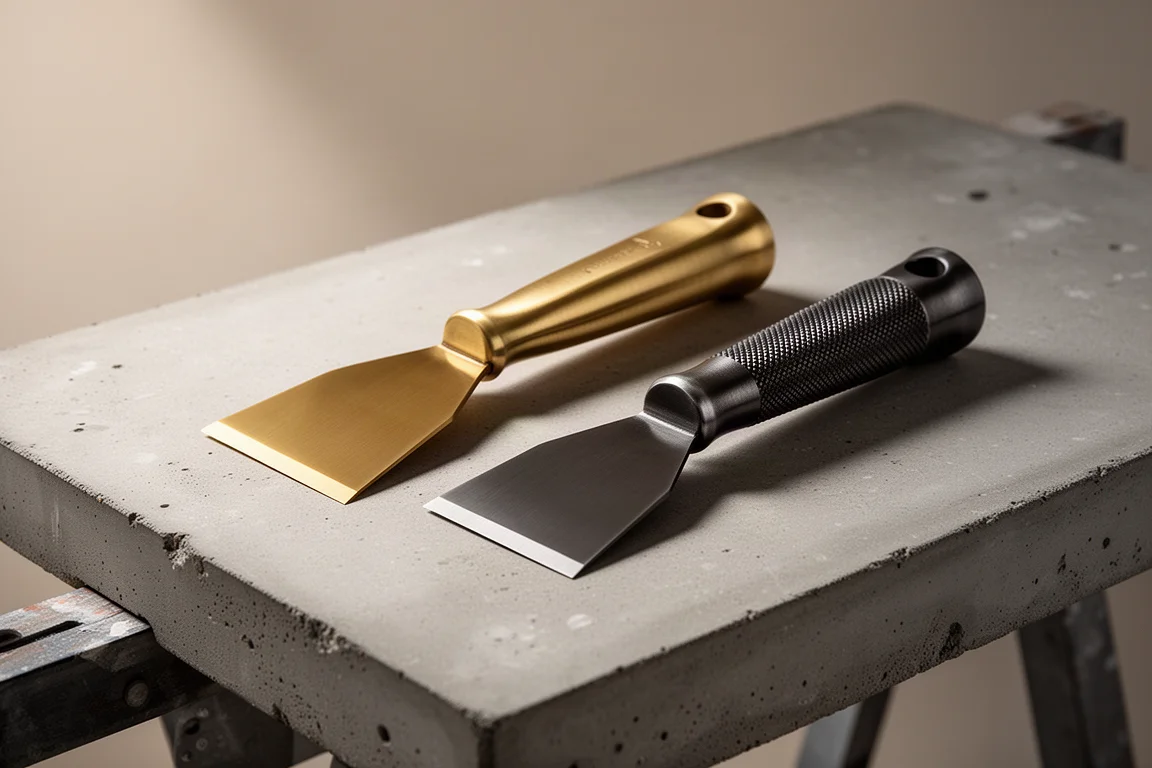
A non-sparking brass 5-in-1 painter's tool and a steel classic, and why the brass version matters when flammable solvents are involved.
Introduction
Scrapers are one of those quietly essential shop tools: cheap, simple, and used constantly for labels, paint, adhesive, and gunk removal. This comparison looks at two 5-in-1 painter’s tools that cover the same jobs but differ in one important way: the material of the blade.
Why Non-Sparking Matters
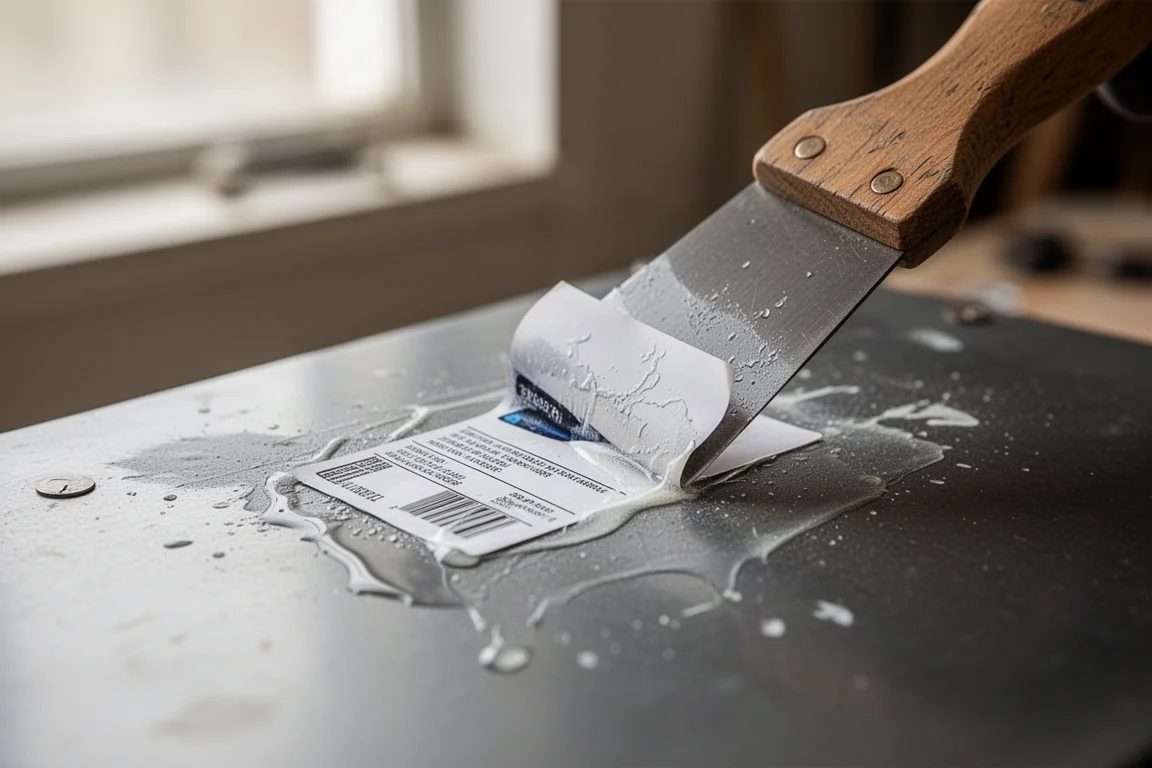
Many scraping jobs involve solvents. Lighter fluid, adhesive remover, and similar products are commonly used to soften labels and stuck-on residue, and several of these are explicitly labeled extremely flammable. Striking a steel scraper against metal or concrete at the wrong angle can produce a spark, and with a flammable solvent on the surface that is a genuine hazard.
That is the core argument for a brass scraper. Brass is a non-sparking metal, so the blade can be used around flammable products without the same risk of ignition. It is a small change in material that meaningfully changes where and how the tool can be used safely.
Hyde 02975 5-in-1 Brass Non-Sparking Painter’s Tool
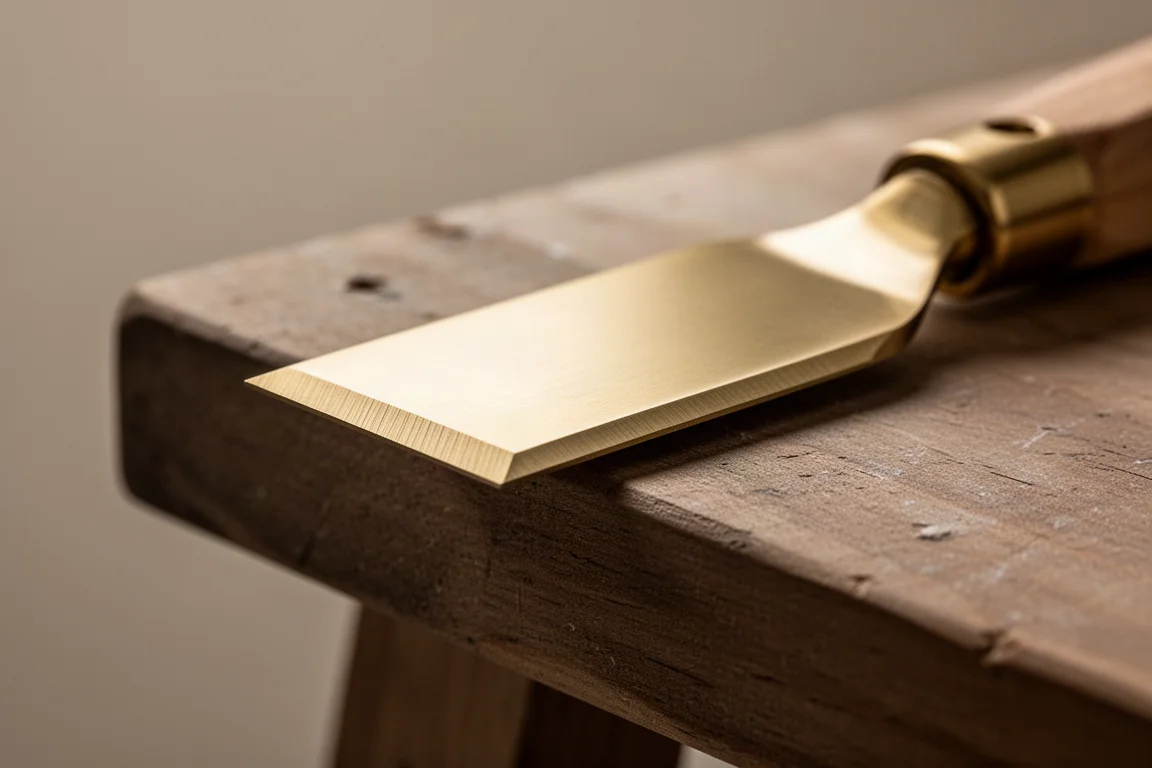
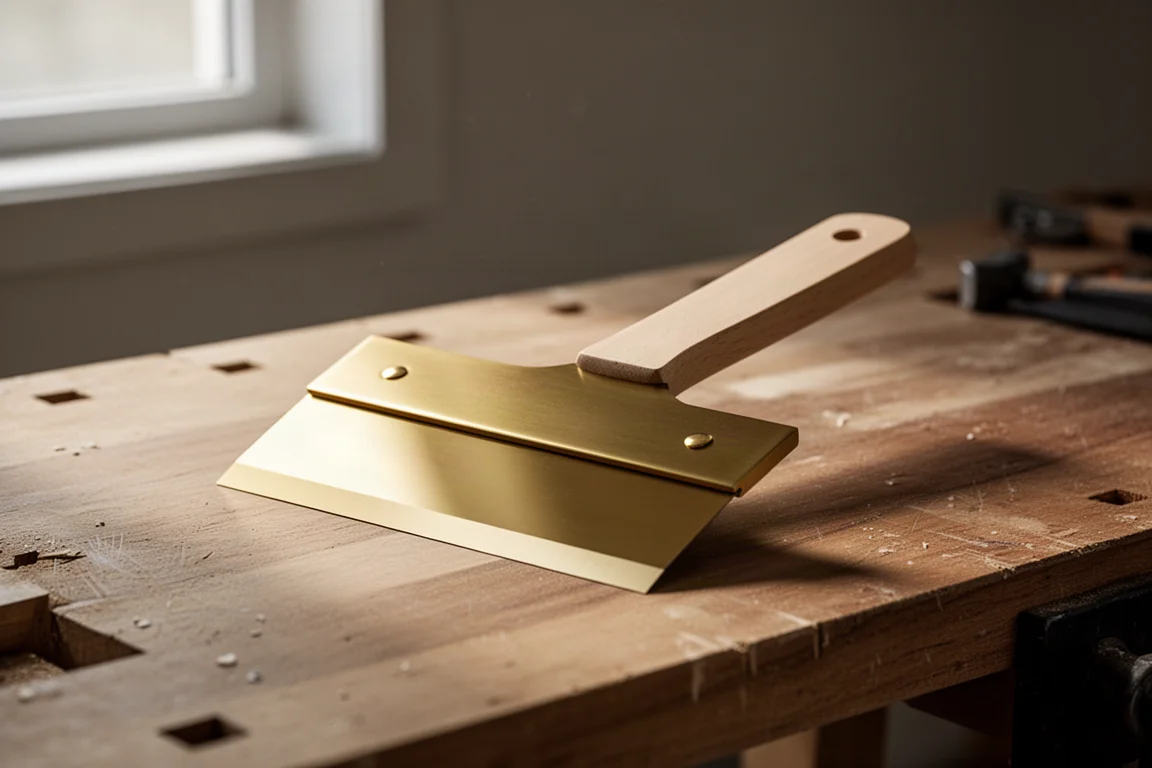
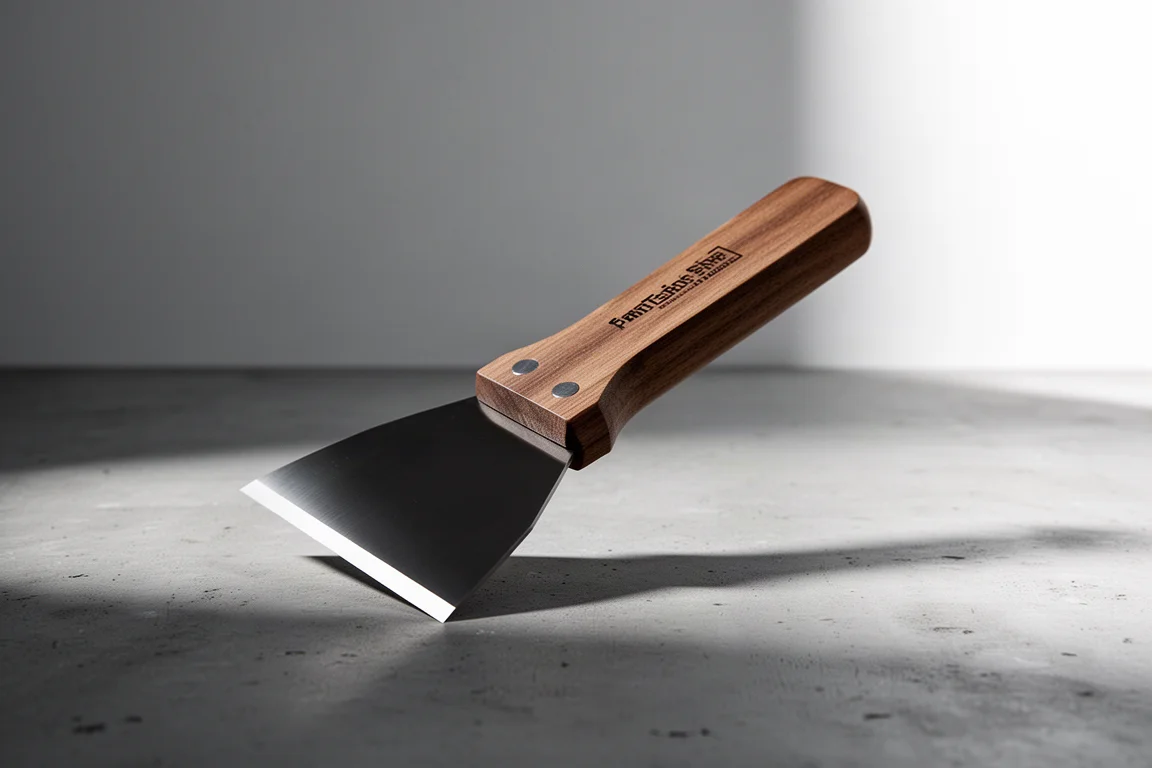
The Hyde 02975 is the classic 5-in-1 painter’s tool format, including a scraper edge, a roller cleaner, a crack opener, and a can opener, but made in a brass non-sparking version. It is a stout, reasonably rigid tool that feels substantial in hand, with a bit more flex than a fully hardened steel blade but still plenty of backbone for most scraping tasks.
It is not an expensive tool, which makes it an easy add for anyone who already works with flammable solvents. The trade-off is that brass is softer than steel, so it will not hold an edge as long under heavy abuse, and it has slightly more flex when prying. For solvent-adjacent scraping and cleaning, though, it fills a real gap in the toolbox.
Husky 5-in-1 Painter’s Tool
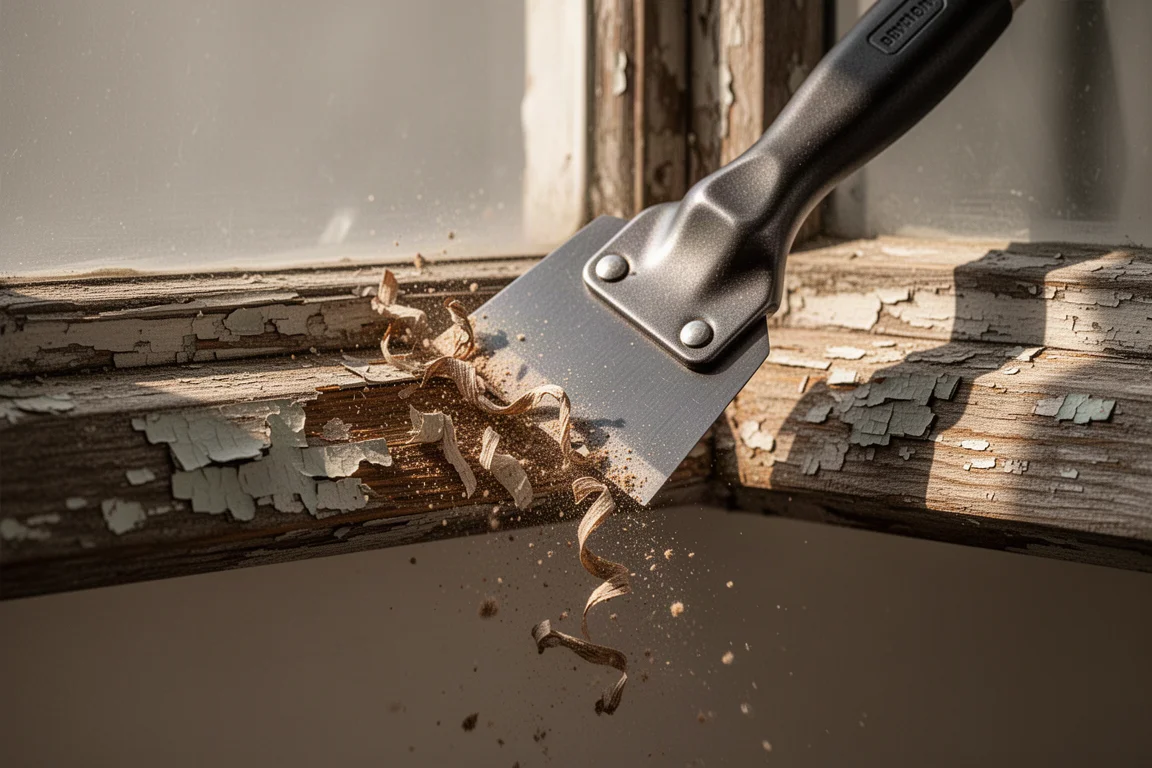
The Husky 5-in-1 painter’s tool is the traditional steel take on the same design. The blade is stiffer than brass, with essentially no flex, which makes it the better choice when you need to apply real force: popping paint blisters, cleaning roller covers, scraping dried material, or getting under stubborn edges.
The limitation is the one that prompted the brass version to exist at all. Using a steel scraper near flammable solvents carries a spark risk if the blade strikes metal or masonry. For dry work and general scraping, the Husky remains a favorite and a reliable everyday shop tool.
Building Out a Scraper Kit
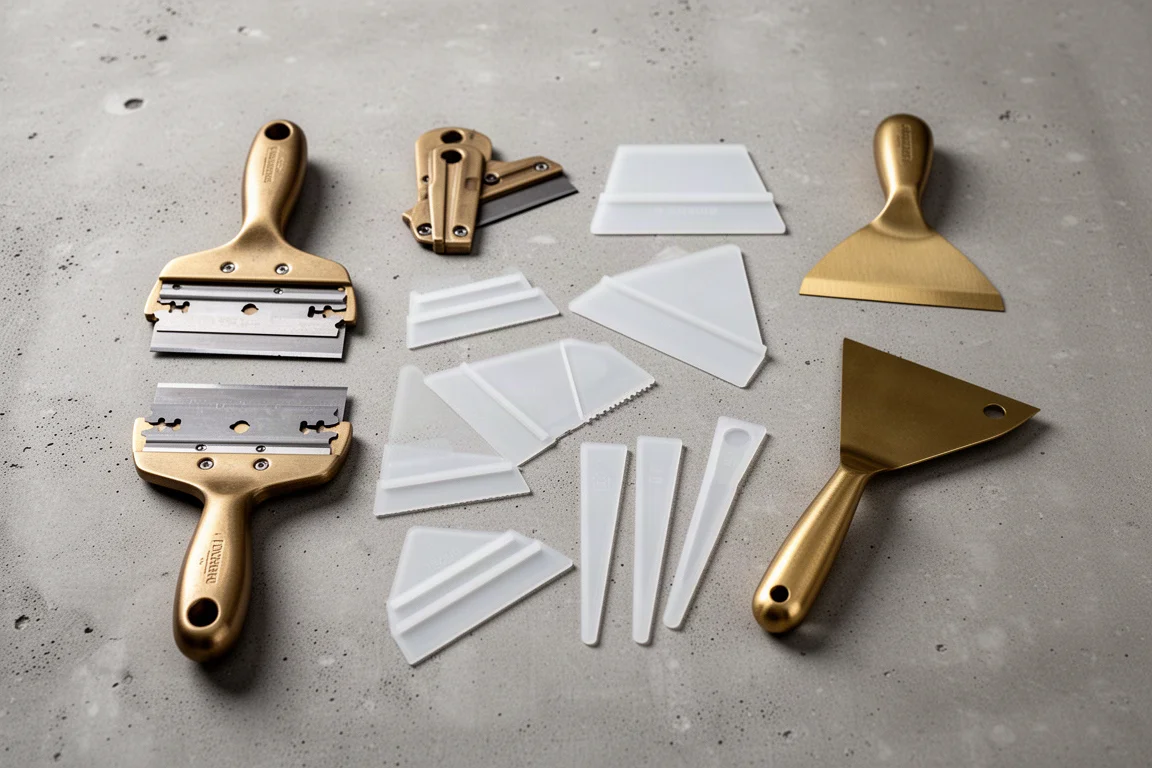
Beyond these two, it is worth noting that scraping needs usually grow into a small kit. Plastic and nylon scrapers handle delicate surfaces and solvent work without any spark concern at all, and double-sided scraper tools that carry both razor blades and plastic blades on the same handle are inexpensive, often selling for around nine dollars with extra supplies included. A mix of one steel tool, one brass tool, and a few plastic options covers nearly every scraping situation.
Buying Advice
Choose based on what you actually scrape with. If flammable solvents are part of your routine, the Hyde brass non-sparking version is the safer tool and worth the small added cost. If your work is mostly dry scraping, paint removal, and general shop tasks, the stiffer steel Husky is the more capable everyday option. Many users will reasonably end up owning both.
Conclusion
The Hyde 02975 brass 5-in-1 brings a genuinely useful safety upgrade to a familiar tool, while the Husky 5-in-1 remains the stiff, dependable standard. Matching the blade material to the job, especially around flammable products, is what makes either one a smart buy.
Further reading
Related Reviews
Hand Tools
Best Diagonal Cutters 2026: 16 Pliers Tested for Cutting Power and Durability
We put 16 diagonal cutters through nail, screw, drill bit, and hex key tests to find the best value picks for your toolbox.
Hand Tools
Best Hex L Key Sets 2026: Nine Sets Tested for Real-World Torque
Nine hex L key sets from budget to premium, tested for torque, fit, and durability. See which sets deliver real performance and which ones to skip.
Hand Tools
Best Locking Pliers 2026: Top Picks Tested for Grip and Durability
We tested 18 brands of 10-inch locking pliers for grip strength, jaw bite, build quality, and ease of release to find the best options for tough jobs.