Power Tools
Standout Pro Tools Worth a Look: Milwaukee, Knipex, Ridgid and Makita Highlights
From a monster M18 impact driver to Knipex hand tools and Ridgid pipe gear, here are the new trade-focused products that impressed us most.
Introduction
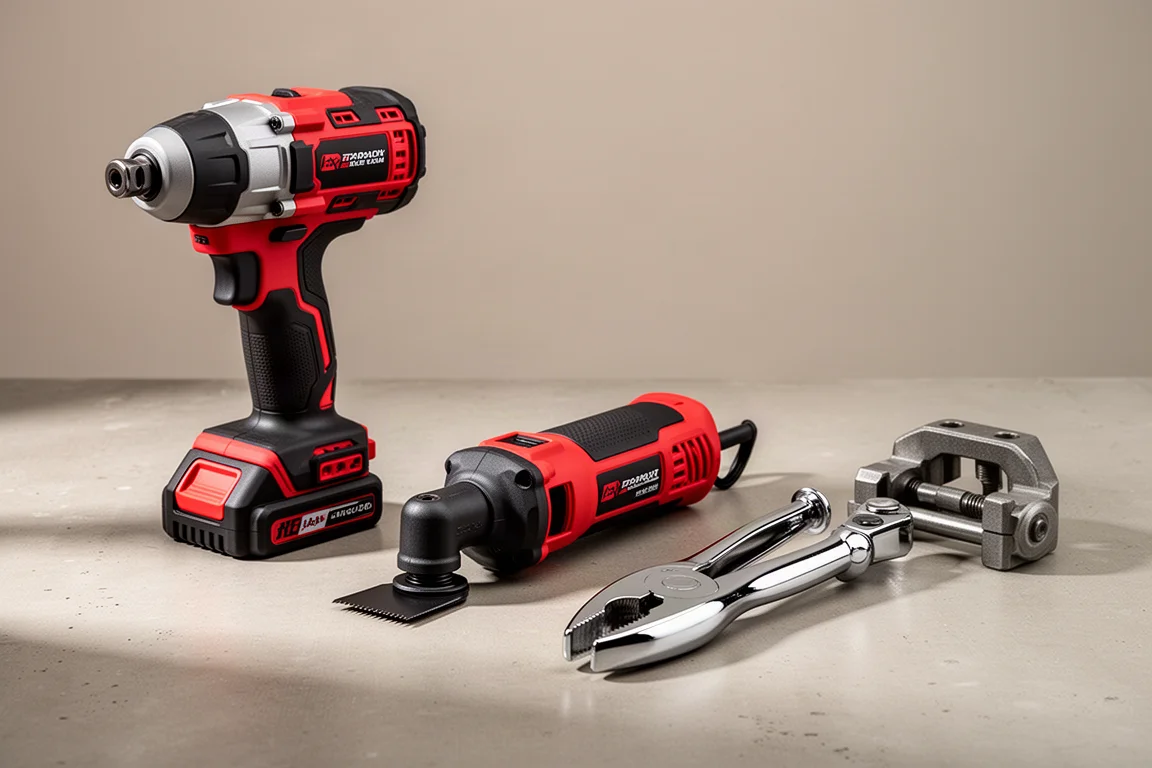
Some product launches are incremental. Others genuinely change how a task gets done on site. This roundup covers the trade-focused tools that stood out during recent hands-on sessions, spanning Milwaukee’s M18 and MX Fuel platforms, a fresh batch of Knipex hand tools, Ridgid’s pipeline equipment, and Makita’s growing 40V line. The common thread: each product targets a real jobsite frustration, whether that is kickback, gas cartridges, scratched chrome fittings, or hours lost beveling pipe by hand.
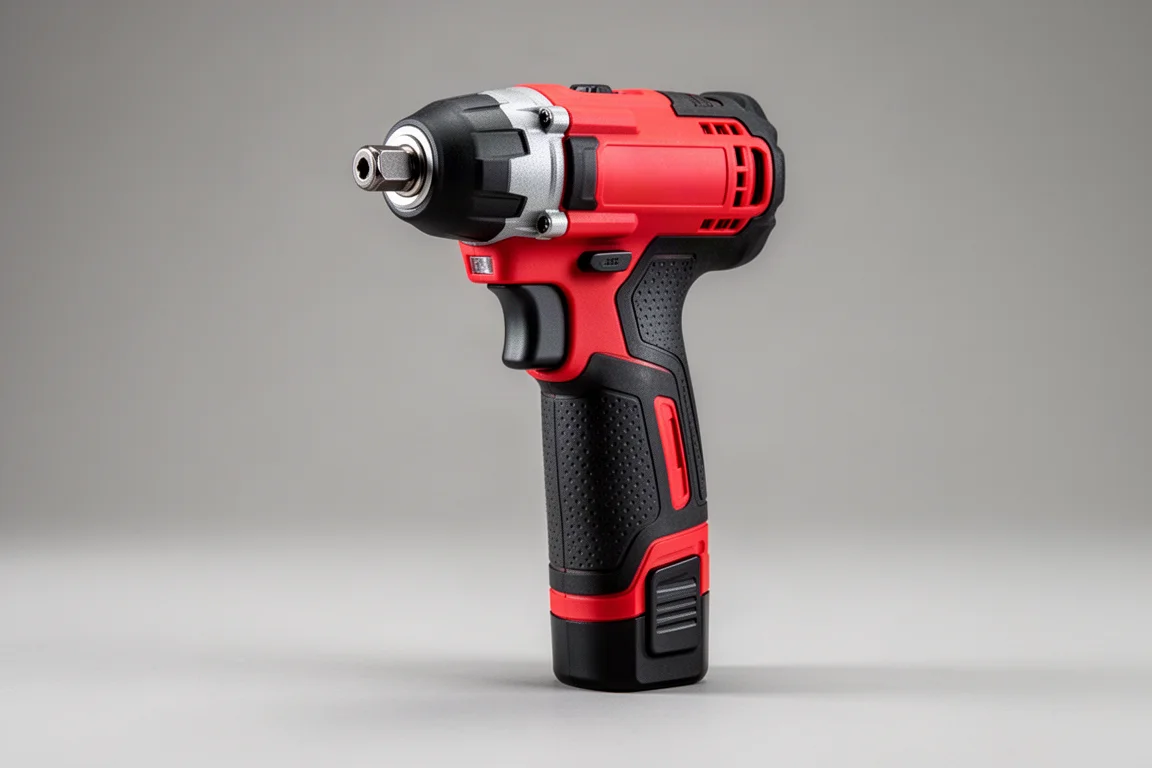
Milwaukee M18 Fuel 2865 Impact Driver
The Milwaukee M18 Fuel 2865 is a 7/16-inch impact driver built for utility work, and it is one of the most powerful drivers in the lineup. During demos it drove an 11/16-inch auger bit through dense material without breaking a sweat, and Milwaukee backs it with a five-year warranty.
The clever part is what you never feel. Instead of a traditional impact mechanism, this tool uses an internal differential, similar to Milwaukee’s drills, so it will not kick back at the user. No matter how big the bit, the tool absorbs the reaction rather than transferring it to your wrists.
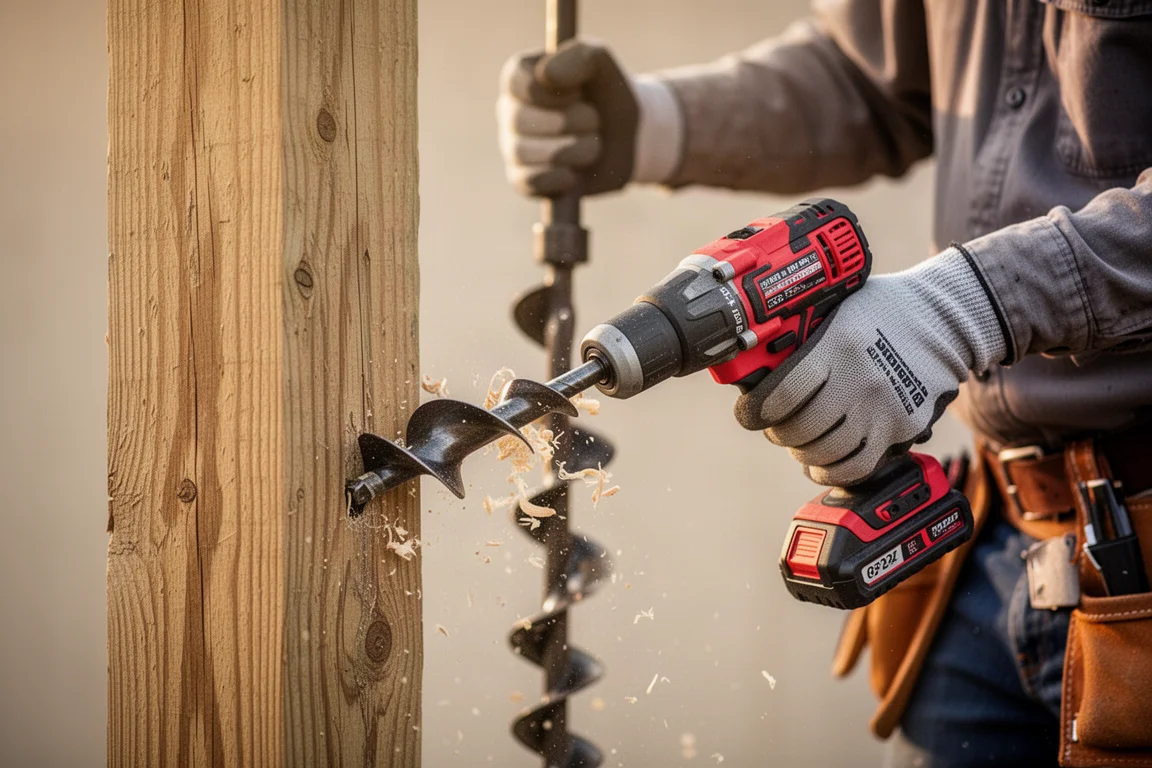
That makes it a strong pick for utility crews and anyone drilling large-diameter holes in poles, framing, or heavy timber who wants serious power without the bruising recoil of a conventional impact driver.
Milwaukee M18 Fuel Multi-Tool
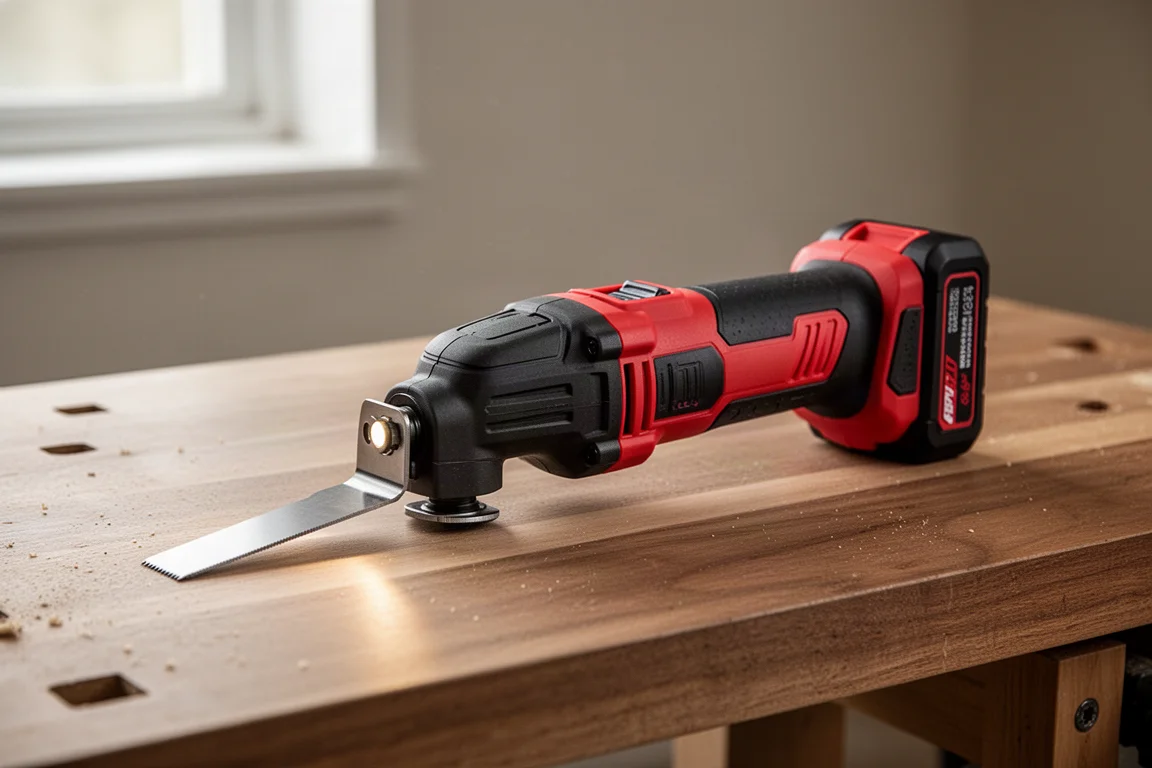
Milwaukee’s new M18 Fuel multi-tool, also available in an M12 version, was developed with direct feedback from interior residential crews, and it shows. The headline upgrade is speed: with the new titanium blades fitted, it cut through nailed-off strip material noticeably faster than expectations.
Blade changes stay quick and tool-free, but there is a small innovation that is easy to miss: the Fuel version includes magnets in the blade holder, so the blade stays put while you tighten it down instead of dropping to the floor. It is a simple touch that genuinely speeds up blade swaps on site.
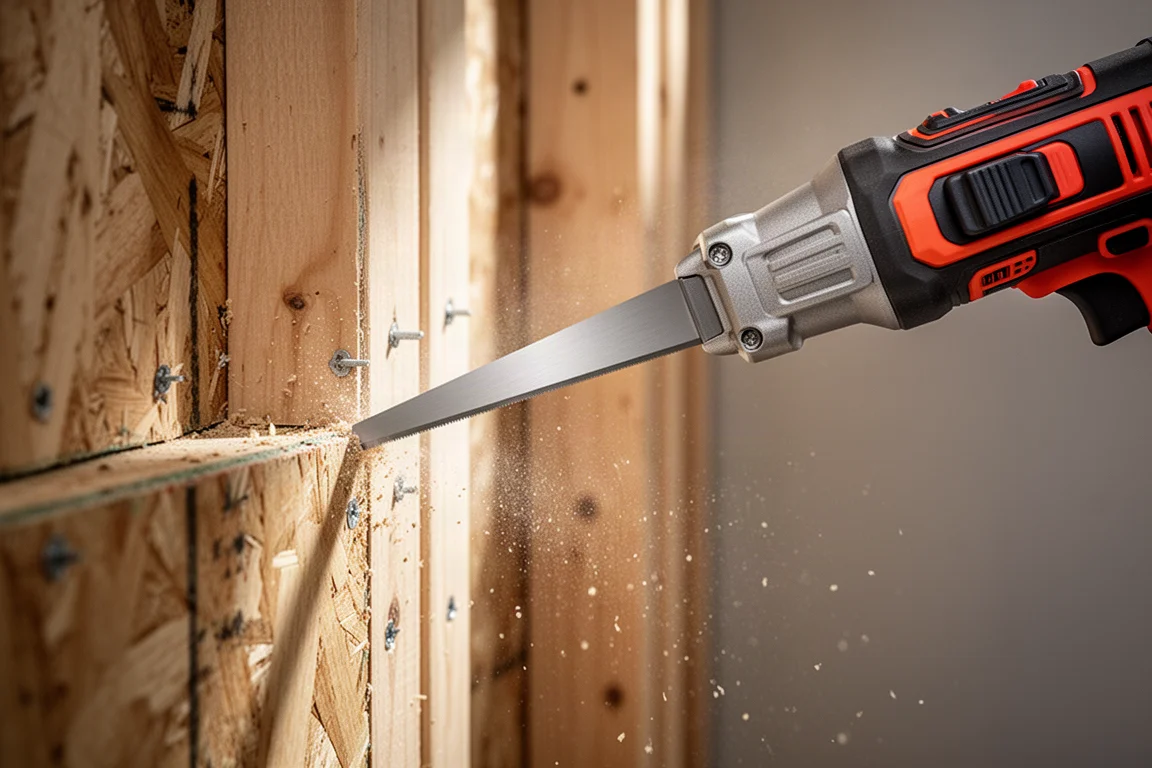
For remodelers and finish carpenters who live and die by blade changes, that combination of cutting speed and magnetic retention makes this a practical upgrade.
Milwaukee M18 Cordless Framing Nailer
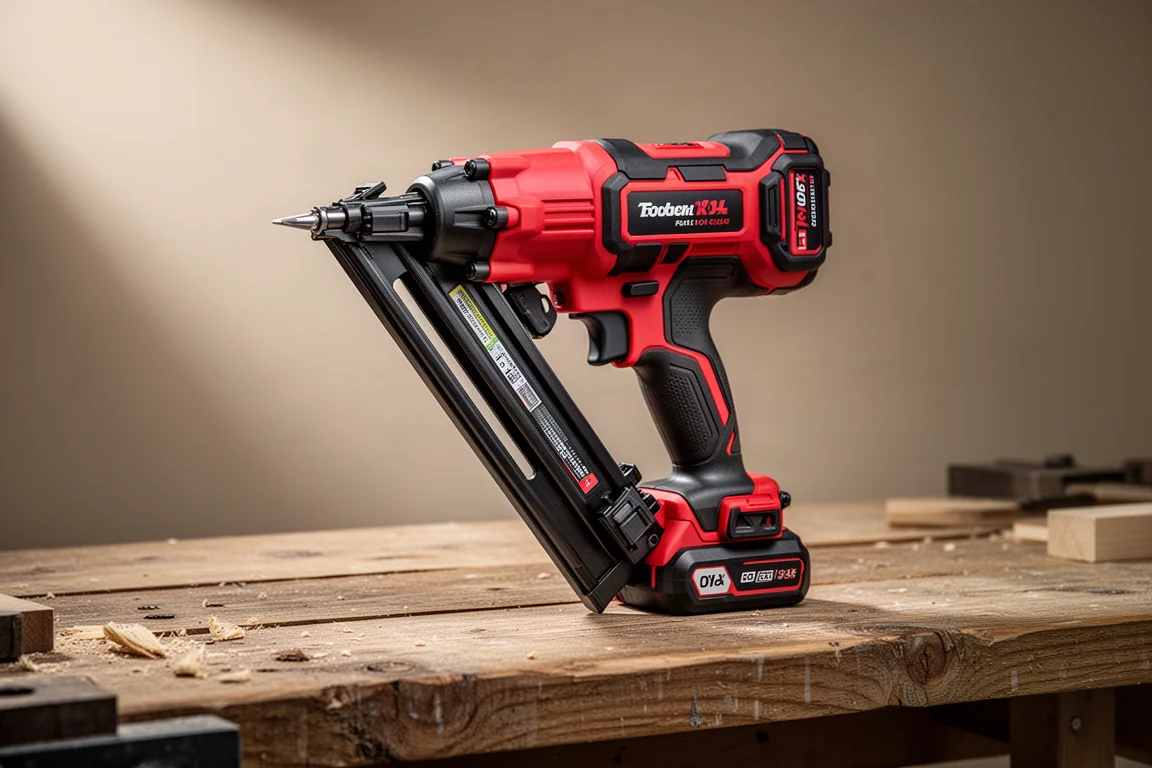
Milwaukee’s cordless framing nailer skips the gas cartridge approach used by some competitors. Everything is contained in the unit, powered entirely by the M18 battery, so there is no fuel to buy, store, or vent.
It offers both single-fire and bump-fire modes, and in demos it consistently drove nails with clean results and no broken faces. For framers tired of gas-related cold-weather headaches, that fully cordless design is the main reason to look here first.
MX Fuel Concrete Vibrator
When M18 is not enough, Milwaukee’s MX Fuel platform steps in with big batteries and even bigger tools, all ONE-KEY compatible for inventory management, tool tracking, and control. The MX Fuel concrete vibrator is the tool generating the most excitement on the platform, and for good reason.
It is fully cordless, eliminating gas handling and the startup headaches that come with it at 3 or 4 a.m. pours. Whips range from a 7-foot whip with a 1.5-inch head up to a 21-foot whip with a 2.5-inch head, covering columns, walls, and deep form work.
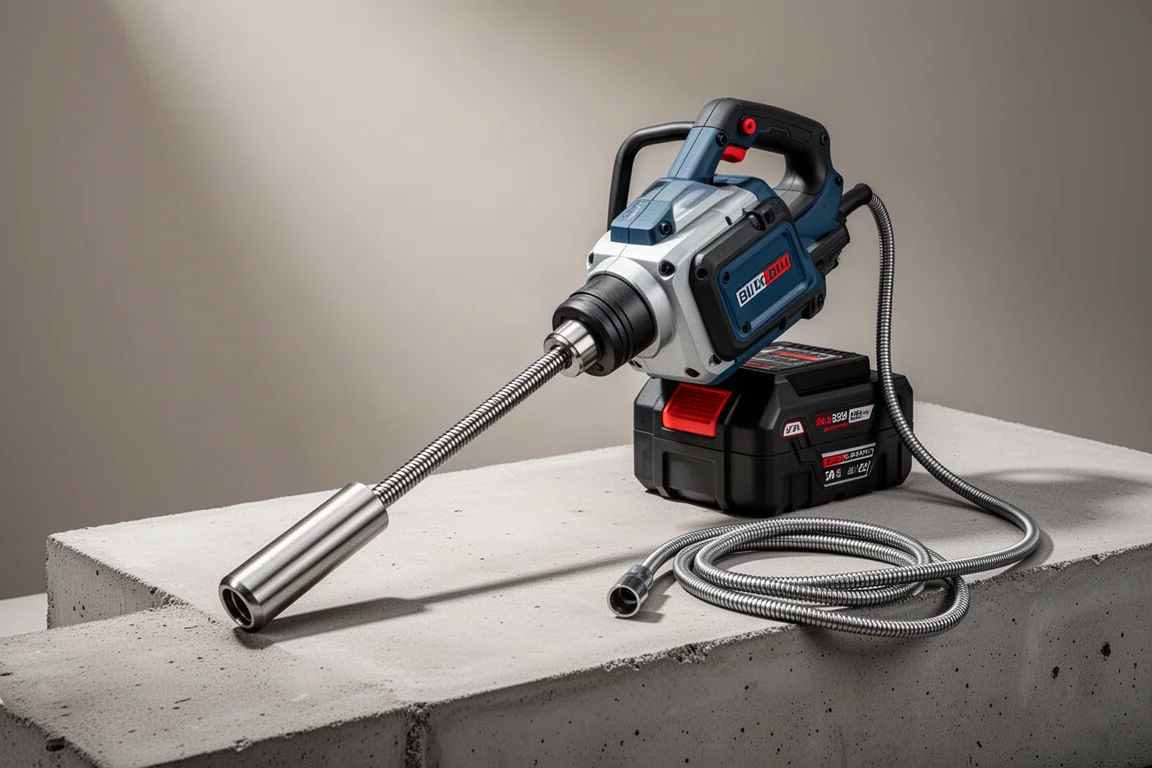
Operation is thoughtful too: the unit is triggered via a Bluetooth remote rather than reaching behind your back, the remote can be re-paired if lost, and the motor head can be removed and set stationary on the ground when pouring columns.
Knipex Cobra Pliers
Knipex continues to refine its pliers lineup, and the Cobra remains the precision option. Its push-button design lets you adjust the jaw in any position, with up to 25 different settings on the same-size tool compared to nine on the slide-adjust Alligator.
Both tools share identical construction and the same induction-hardened teeth at Rockwell 61, plus an anti-pinch guard so you will not pinch your hands anywhere on the adjustment. The Cobra is available in eight sizes, from a compact 4-inch version up to a 22-inch monster with 3.5-inch working capacity, while the Alligator comes in four sizes.
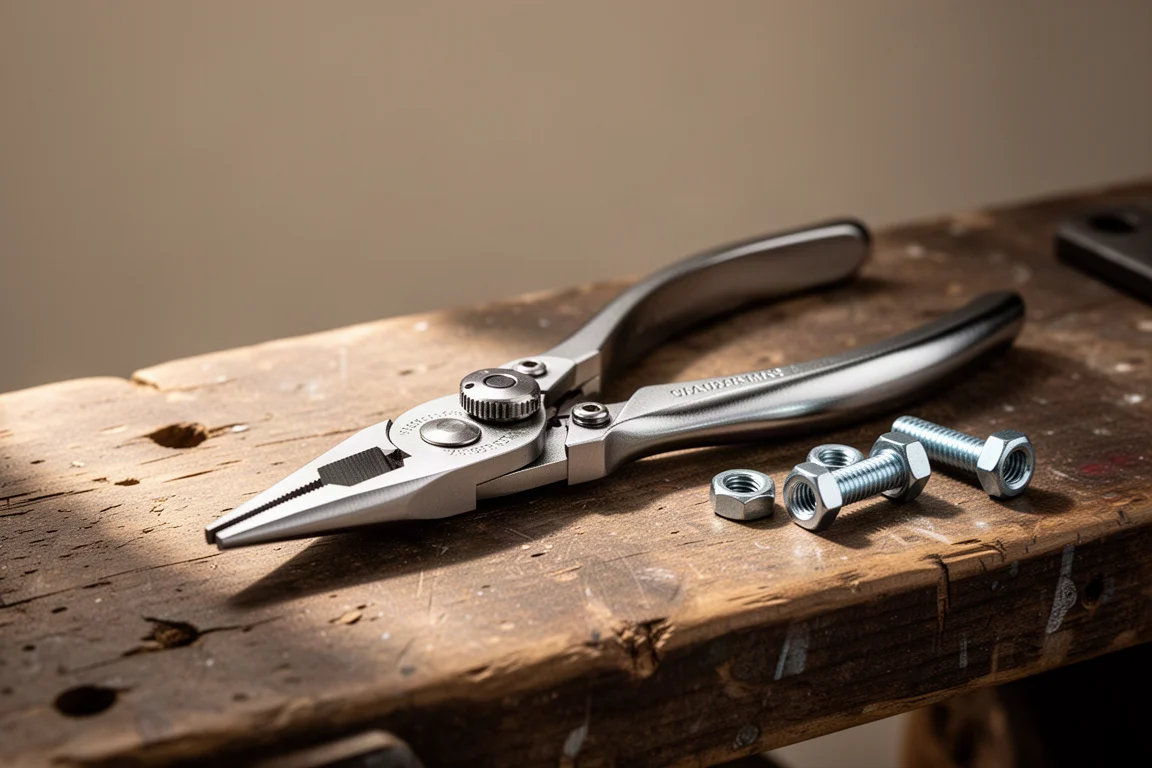
The practical difference comes down to preference: dropping the Alligator means resetting its slide adjustment, while the Cobra stays locked. If you want the most precise adjustment in the same footprint, the Cobra is the one to grab.
Knipex Forged Wire Stripper
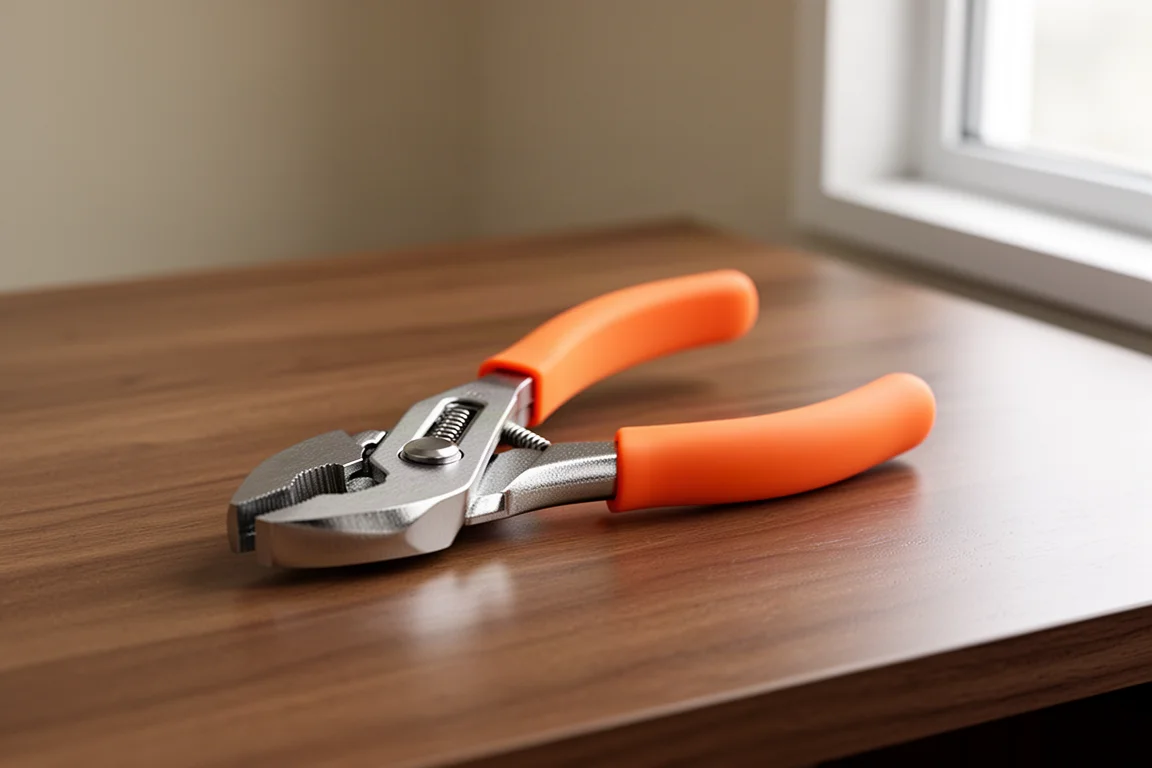
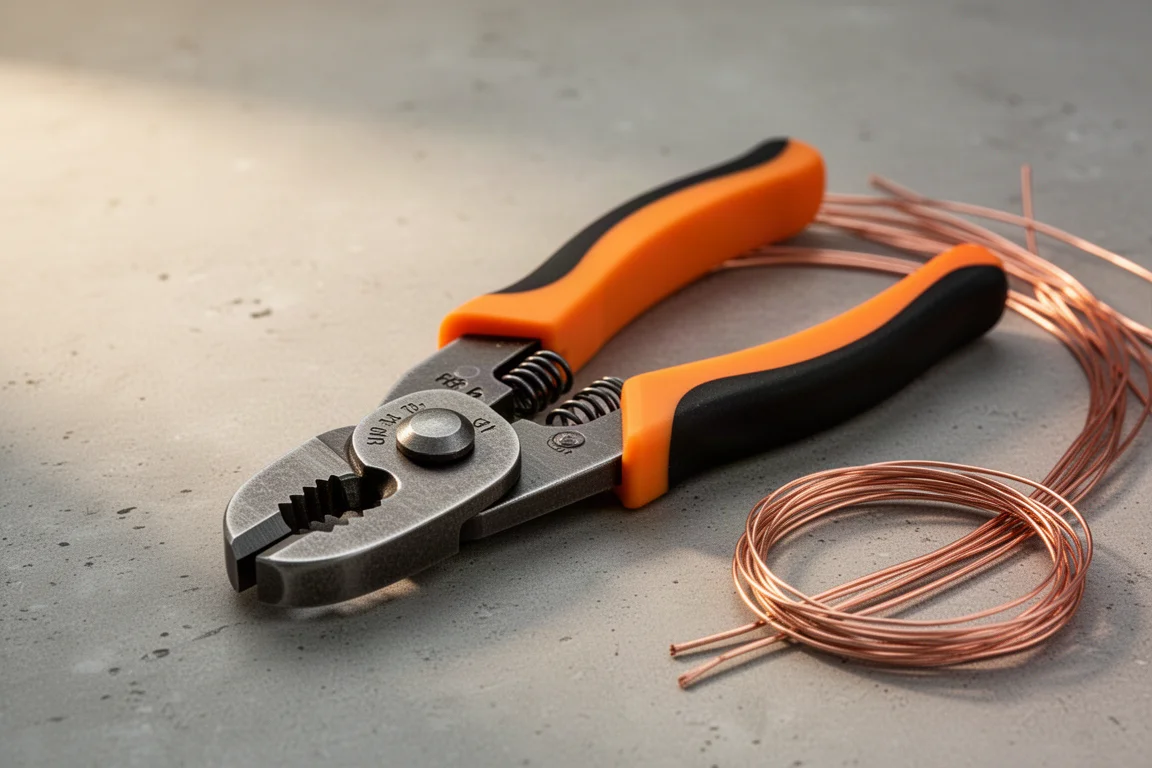
The Knipex forged wire stripper packs 11 features into one tool and, by Knipex’s own account, outpaces the competition. The internal spring keeps the handles responsive without collecting the dirt and dust that plague external springs, and the tool is reversible.
Beyond stripping solid and stranded wire, it has a serrated tip, an angled pipe grab, a cable cutter, and the standout feature: a screw cutter in the center. Instead of threading each screw in and out of a traditional screw cutter, you simply line up the hole, insert the screw, cut, and pull it out. Crews can cut through hundreds of screws in minutes, and nobody else offers that solution.
It is available in comfort-grip and standard dipped-handle versions, making it easy to match the rest of your hand tools.
Ridgid RP350 ProPress with Strut Slayer Head
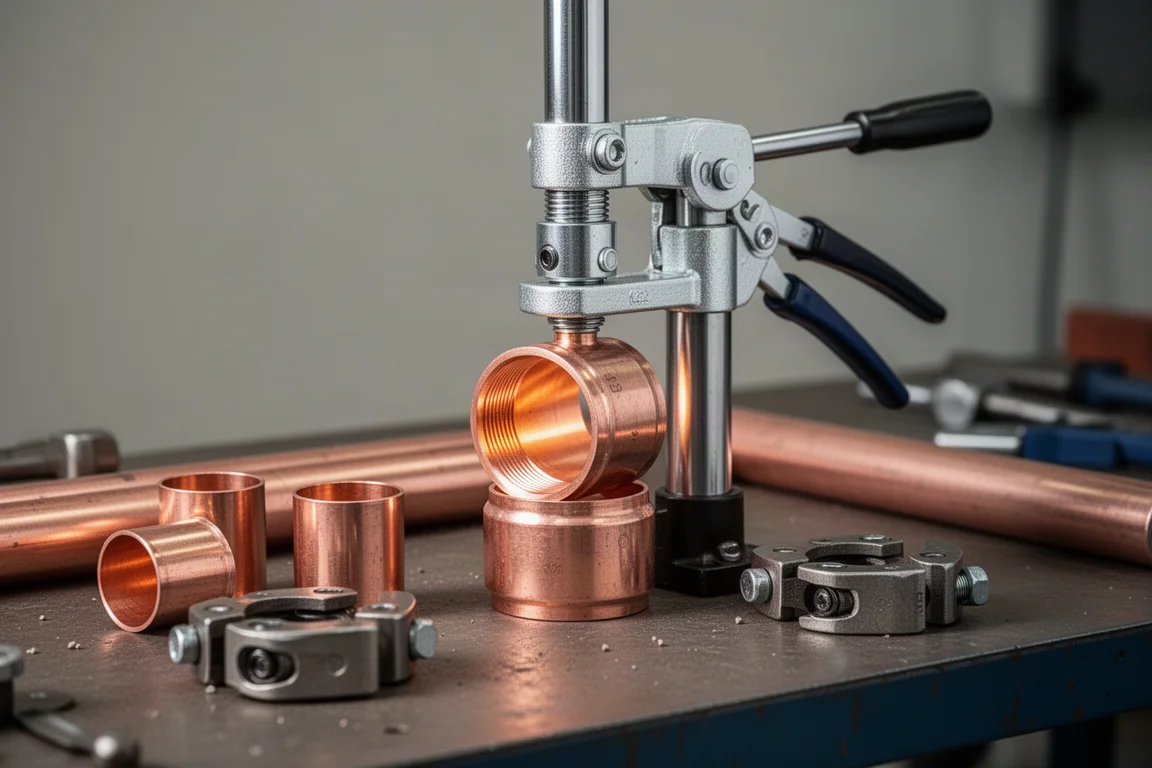
Ridgid’s RP350 ProPress tool gains a new Strut Slayer head for cutting 1-5/8-inch strut channel, sometimes called senior strut. Load the strut, set the depth, pull the trigger, and about five seconds later you have a clean piece ready to install. No filing, no sparks, no bandsaw.
The head, made by a partner manufacturer and sold through Ridgid distributors, fits any large-size ProPress tool, old or new, and there are two versions covering different strap sizes. Safety teams will appreciate that there is no pinch risk, no fire, and no burn permit needed to start cutting strut on the job.
For electrical and mechanical contractors who cut strut daily, this attachment alone can justify the platform.
Other Gear That Caught Our Eye
Beyond the featured products, a few more items earned attention. Milwaukee’s new Type 2 climbing-style hard hats are made in Wisconsin, classified for EN 12492, protect against side and rear impacts, and come in Class E non-conductive and ventilated Class C versions with machine-washable foam liners and eight color options plus custom logo programs. Knipex’s new Twin Grip slip joint pliers, launched in July, bring five adjustment settings, induction-hardened teeth, and a diamond-coated nose for grip, with a comfort-grip version on the way. Knipex also showed a smooth-jaw pliers wrench with rubberized jaw tips for chrome fittings, plus a leak-previewed stabilizing-bar utility knife coming in the fall.
On the pipeline side, Ridgid demonstrated a pipe cutting machine built around a worm-drive saw motor with a standard 8-inch carbide blade, and a pipe beveler that accepts three interchangeable heads for 45, 37.5, and 30-degree bevels with no practical upper size limit, cutting and beveling a pipe in roughly four minutes.
Makita 40V Platform
Makita’s 40V line keeps expanding, with the impact driver, hammer drill, circular saw, and reciprocating saw already in circulation and more on the way, including a 14-inch cutoff saw, hammer drills, and core drills. The platform targets tradespeople who want top-tier power with Makita’s build quality, and the growing tool selection makes it easier to commit to the batteries.
Buying Advice
Match the tool to the task, not the hype. If large-hole utility drilling is your bread and butter, the M18 Fuel 2865 and its no-kickback design are hard to argue with. Residential crews doing demo and trim work get more from the multi-tool and framing nailer combo. Concrete contractors pouring regularly should look hard at MX Fuel, knowing the batteries represent a bigger investment than M18. Hand tool buyers can step into Knipex at various price points, and the Cobra remains the precision benchmark. Pipeline and mechanical contractors should weigh the RP350’s Strut Slayer head against their current strut-cutting method, because the time savings compound quickly.
Conclusion
The best tools in this group share a pattern: they remove a specific jobsite pain rather than just adding power. Magnetic blade retention, no-gas nailers, remote-triggered concrete vibrators, and five-second strut cuts all translate directly into time and money. Pick the one that solves your most expensive daily frustration, and the upgrade tends to pay for itself.
Further reading
Related Reviews
Power Tools
Best 1-Inch Pistol Impact Wrenches: Three Heavy-Duty Options Compared
We compare three 1-inch pistol impact wrenches, from a budget-friendly Harbor Freight model to a premium Caterpillar unit, to help you choose the right one.
Power Tools
Best 3/4-Inch Impact Wrenches 2026: Five Contenders Compared
We compare five 3/4-inch impact wrenches across price and performance, from a budget Amazon option to Snap-on's most powerful model yet.
Power Tools
Best Budget Cordless Tools 2026: Walmart Finds That Punch Above Their Price
We tested five cordless tools from Walmart, including a high-torque impact wrench that trades blows with Milwaukee and a $35 duster that outperforms its price class.