Kitchen Knives
Best New Japanese Kitchen Knives October 2026: 13 Arrivals and Restocks Worth a Look
From a first-ever Honesuki by Kankuro Hatono to gift-ready Masutani sets, a rundown of the newest and restocked Japanese knives for your kitchen.
Introduction
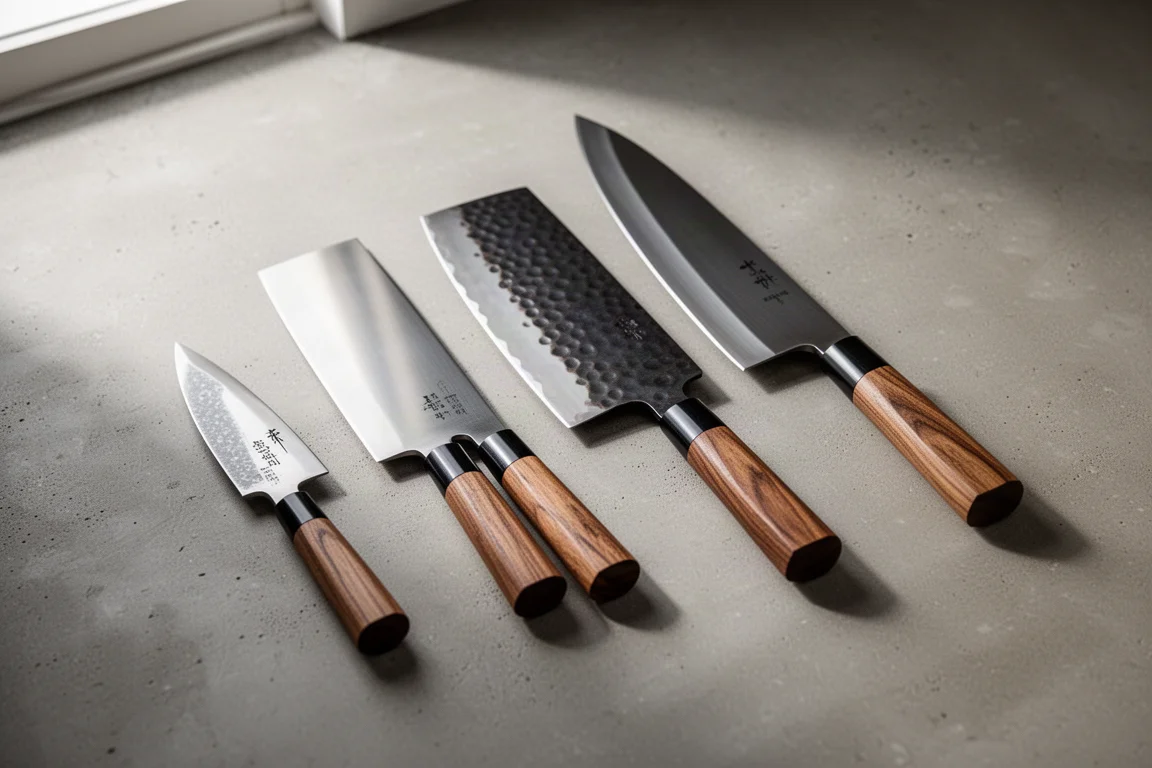
This month’s arrivals and restocks cover a lot of ground: a first-ever Honesuki from Kankuro Hatono, restocks of the ever-popular Fujiwara Maboroshi line, a striking new stainless series from Makoto Kurosaki, two fresh series from Matsubara Hamono, a true single-bevel-style Kiritsuke from Hideo Kitaoka, restocks from Yoshimi Kato and Takayuki, and budget-friendly options from Masutani that make great gifts. Here is what stands out in each group, and who each knife is really for.
Best Honesuki: Kankuro Hatono Iron Clad Aogami #2 Honesuki 150mm
This is the first Honesuki Kankuro Hatono has ever made, and it is an interesting one. The spine sits a little thinner than a traditional Honesuki, and the blade is thinner behind the edge too, which makes it usable for chopping vegetables as well as butchery work. If you want one boning-style knife that can lean toward all-purpose duty, this design logic makes a lot of sense.
You also get the traditional K-tip with a long, sweeping blade profile, a handsome Damascus pattern on the bevels, a kurouchi finish, and a wenge and oak handle. It is a thoughtful take on a classic profile from a maker known for his craftsmanship.
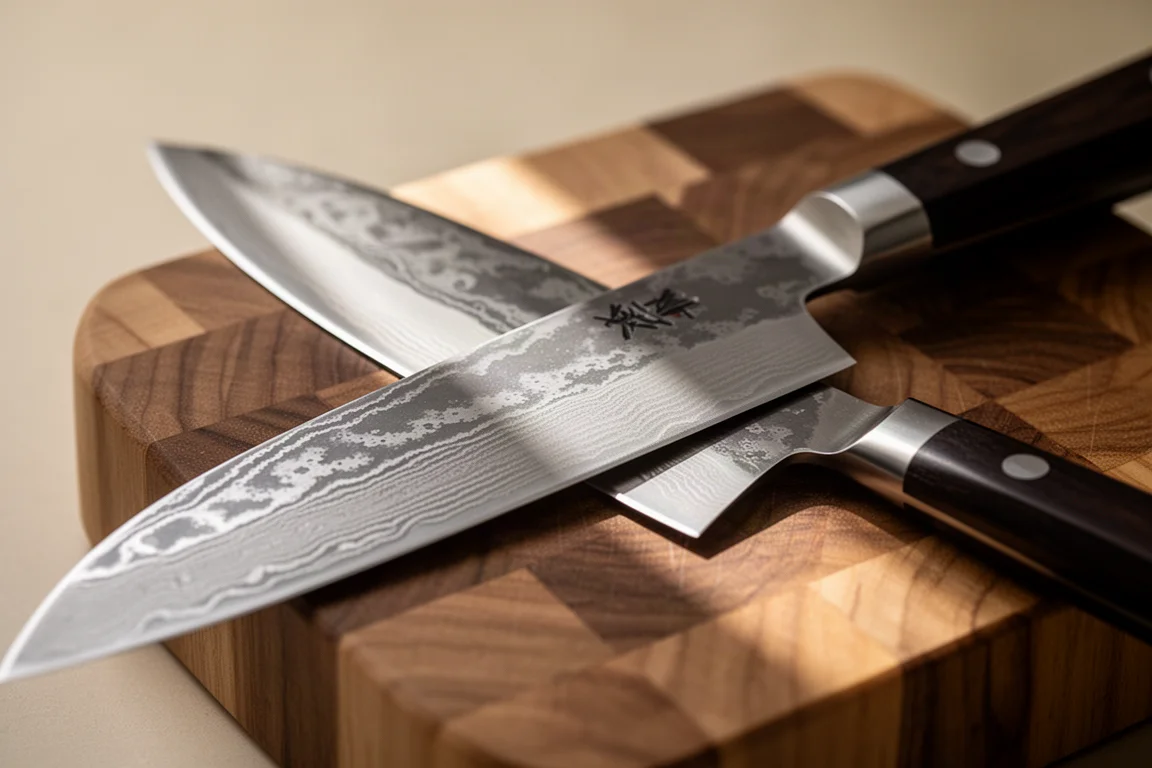
If you do poultry breakdown regularly but also want the option of general prep work, this is one of the most versatile Honesuki-style knives to land recently.
Fujiwara Maboroshi Nakiri 165mm
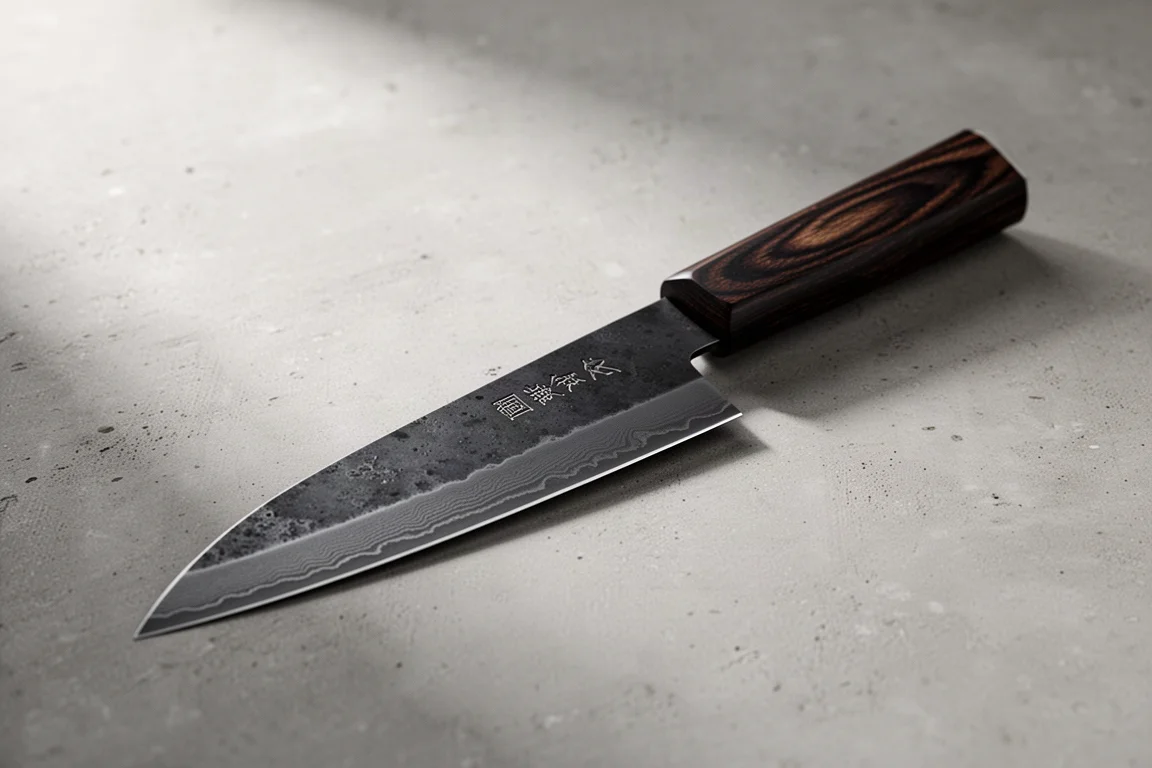
The Tetsuyasu Fujiwara Maboroshi series is back in stock, and these knives are known for being razor sharp right out of the box. This 165mm nakiri uses White #1 carbon steel with stainless cladding, runs 63 to 64 on the Rockwell scale, and carries a beautiful sujihime finish. Magnolia handles with buffalo horn ferrules and the famous finger notches complete the classic look. Fujiwara is known above all for his heat treat, and that shows in how these edges perform.
Fujiwara Maboroshi Bunka 180mm
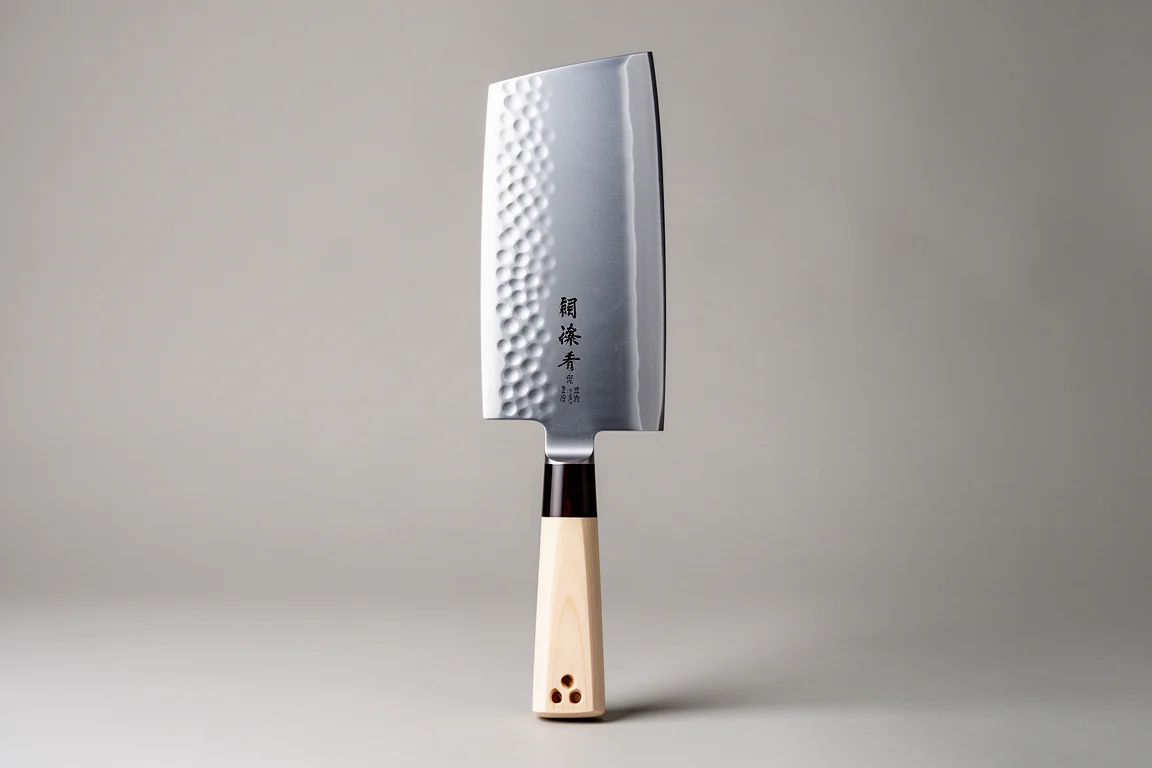
The second Maboroshi restock is the 180mm knife Fujiwara calls a santoku, though it sits somewhere between a santoku and a bunka in profile. Same White #1 core with stainless cladding, same 63 to 64 HRC heat treat, same sujihime finish and magnolia handle with buffalo horn ferrule. It is a great size for a primary knife if you like a slightly shorter, more nimble blade than a standard gyuto.
Best Stainless Option: Makoto Kurosaki Wise Wild Owl Series
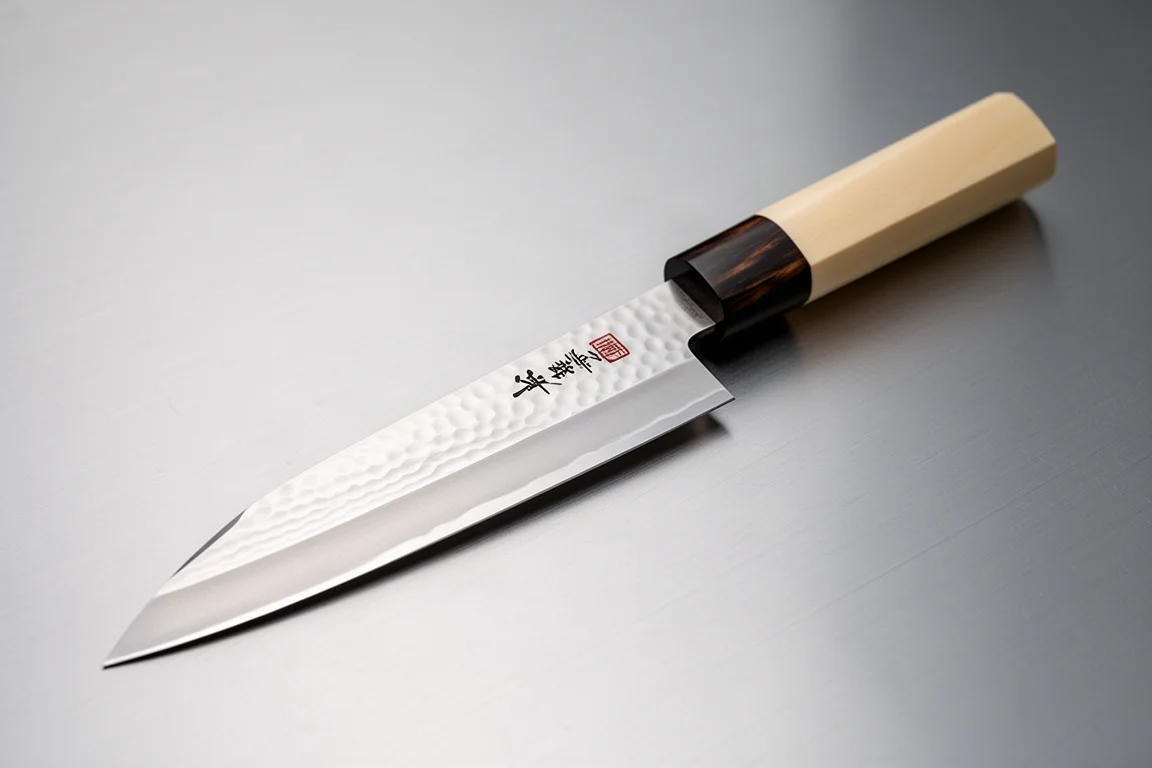
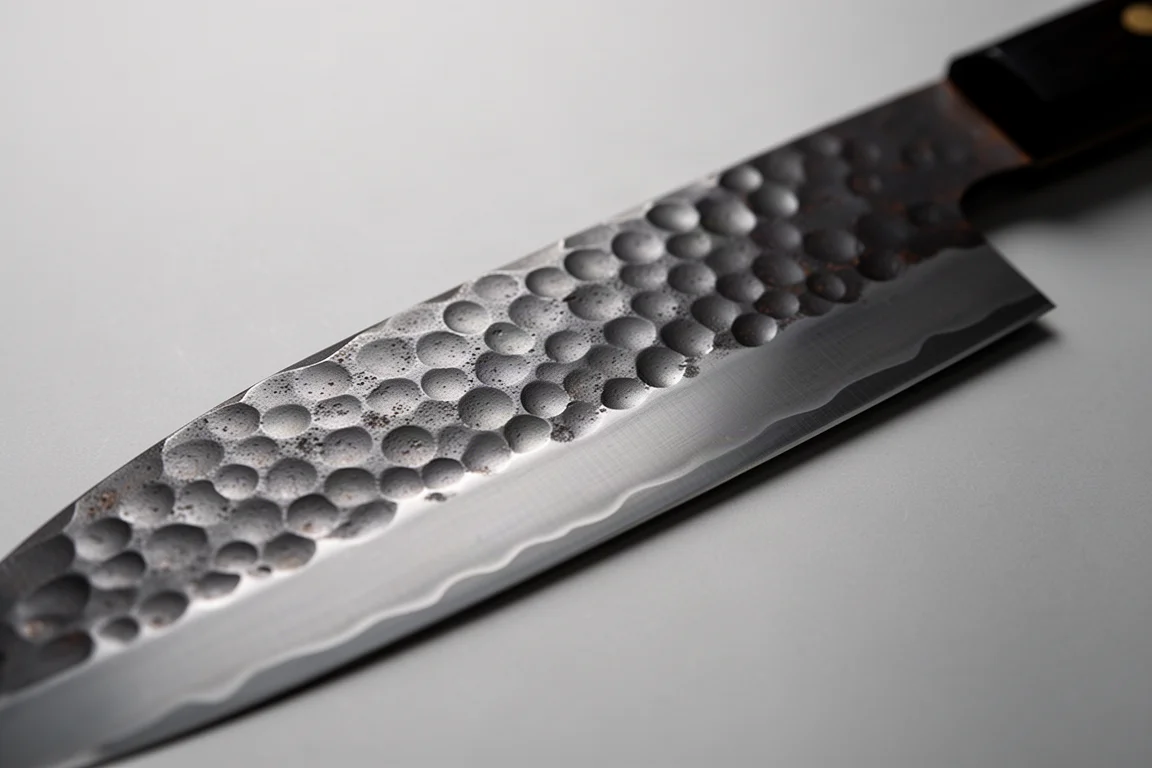
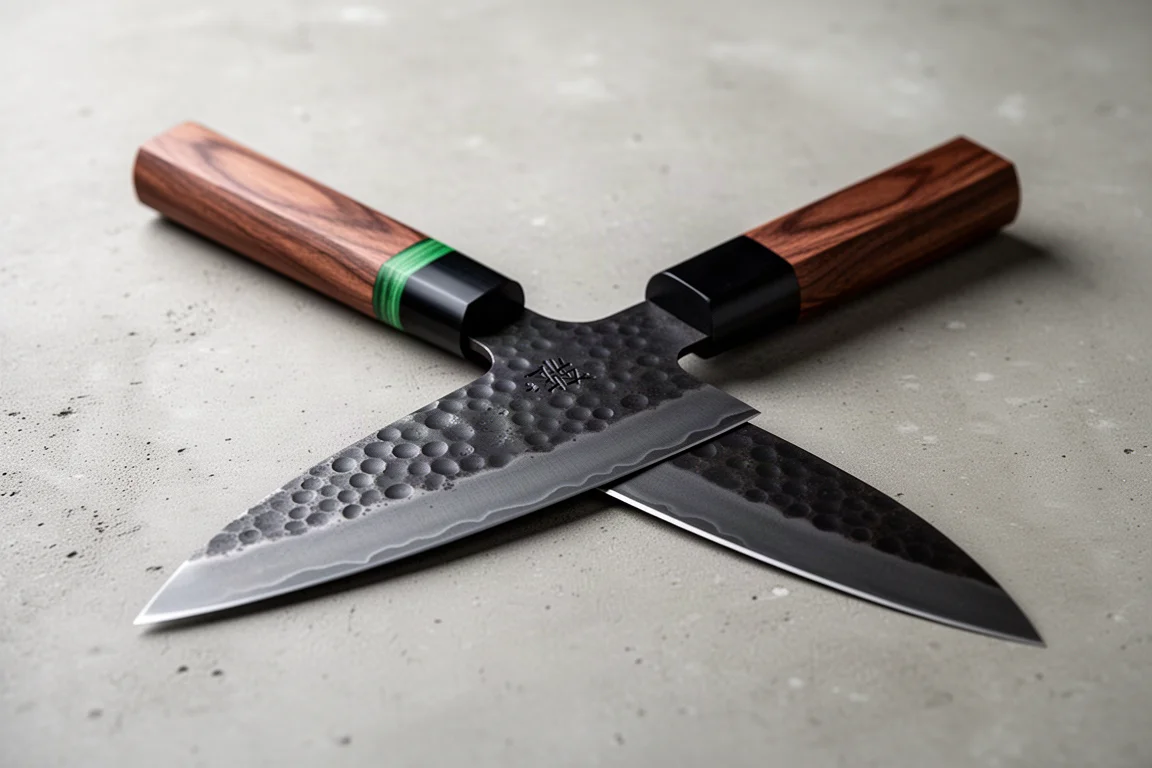
These were teased late last year and they are finally here. The Wise Wild Owl series is made from SPG Strix with a kurouchi finish, which is genuinely unusual for a stainless steel, paired with a beautiful tsuchime pattern. The look is reminiscent of hammered carbon-clad designs, but with the easy maintenance of stainless.
Makoto Kurosaki is an expert sharpener, and it shows: these blades are thin behind the edge with really nice grinds and blade geometry. SPG Strix holds an edge for a very long time, with hardness around 65 HRC. The balance point sits right at the pinch grip, close to normal, and the handles are a highlight: rosewood with a green pakkawood spacer and a black pakkawood ferrule.
If you want handcrafted character without the upkeep of carbon steel, this series is one of the most exciting stainless options around right now.
Matsubara Hamono HAP40 Nashiji Series
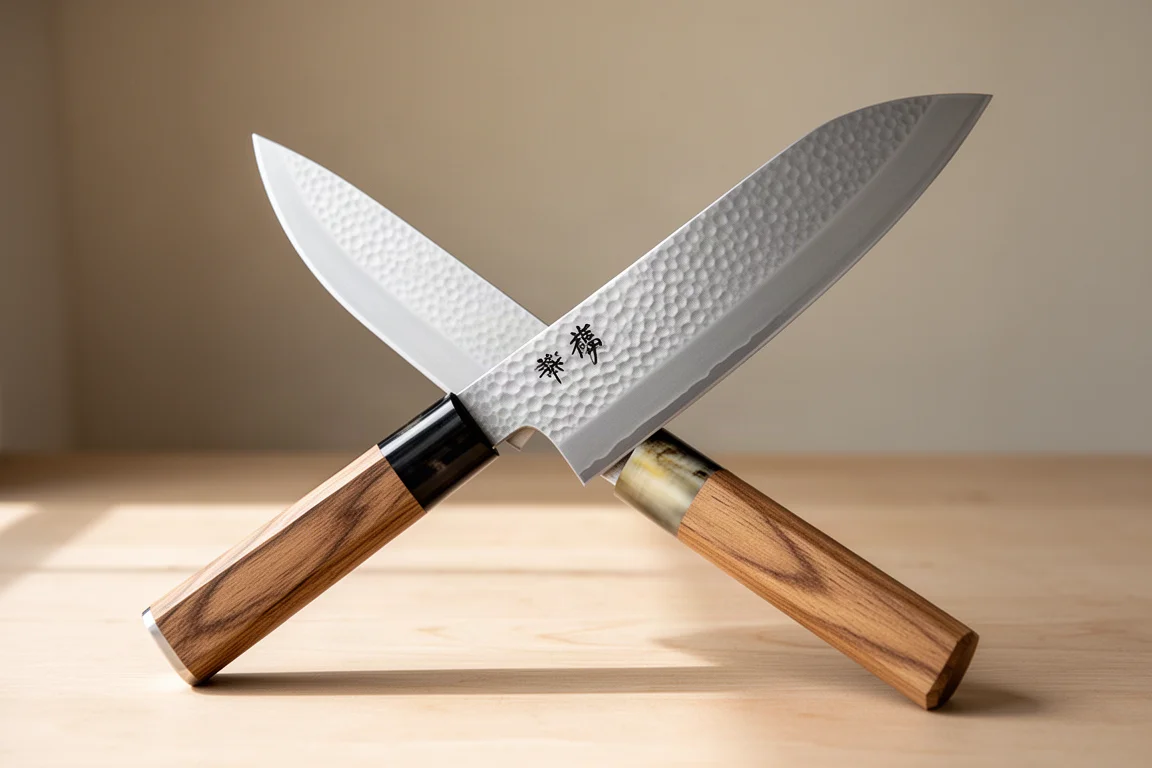
A new series from Matsubara Hamono: the HAP40 nashiji line with oak handles and buffalo horn ferrules. True to the maker’s style, these knives have a nice tall blade and a profile that is pretty flat without being extremely flat, so they handle both rock chopping and push-pull cutting well. The geometry gets very thin behind the edge, the fit and finish is excellent, and the choil and spine are nicely sanded. The balance point sits right at the pinch grip, exactly where you want it, so the knife feels very balanced in hand.
Matsubara Hamono Aogami #2 Sujihime Series
Also new from Matsubara Hamono is the Aogami #2 sujihime series, with stainless cladding and a deep, loose sujihime pattern that contrasts beautifully with the core steel. The lineup includes a 150mm petty, a bunka, and 210mm, 240mm, and 270mm kiritsuke-style sujihikis. Handles vary by size: walnut, maple, and wenge on the 240 and 270, and walnut with an ebony ferrule on the others.
Like the HAP40 series, these get very thin behind the edge with a gradual transition from spine to cutting edge, nicely sanded spine and choil, and a balance point right where you want it. The profile runs slightly flatter on the bunka, and as with all handmade knives, individual pieces vary a little. This is one of the more exciting shipments in a while.
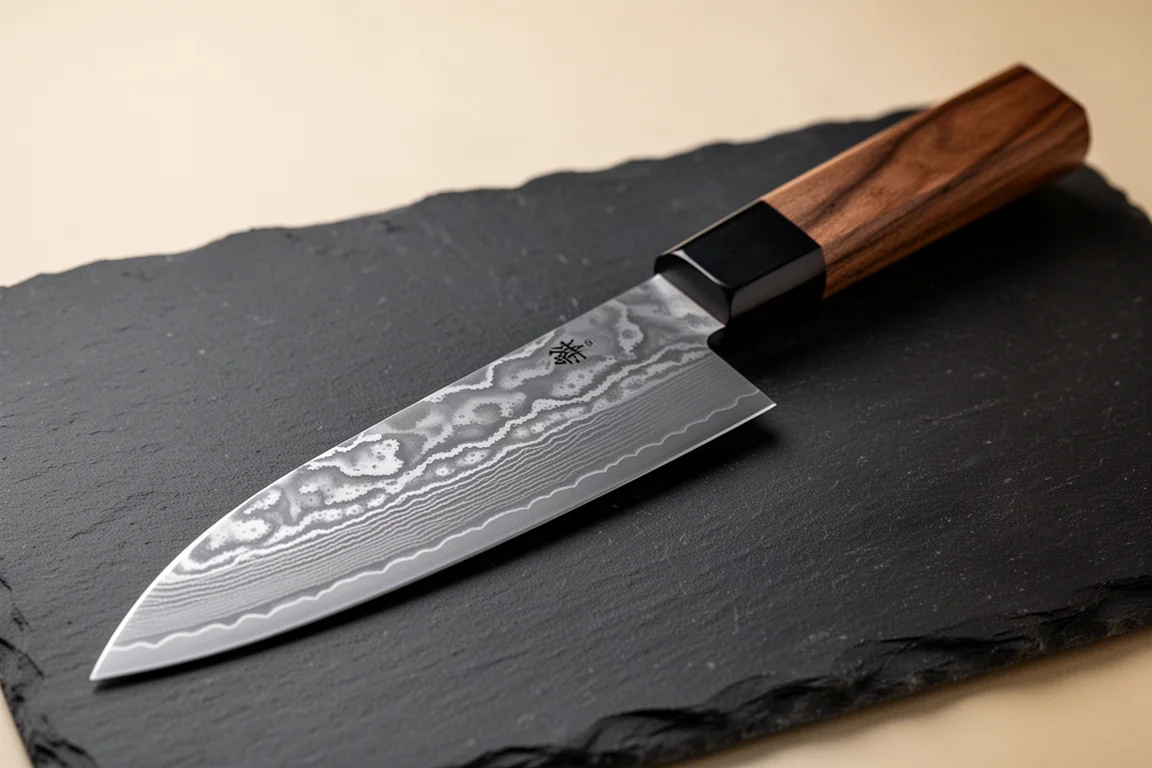
Best Single-Bevel Style: Hideo Kitaoka Kiritsuke 240mm
This 240mm kiritsuke from Hideo Kitaoka is the real deal, almost describable as a kiritsuke yanagiba. It is concave on the backside and angled only from one side, so it is for right-handed users only. The steel is most likely shirogami, it has a Damascus finish, and it comes with a D-shaped rosewood handle and a black pakkawood ferrule.
Tradition holds that the kiritsuke is reserved for the head chef in a restaurant, though of course anyone can buy one. What makes Kitaoka’s work notable is the value: his single-bevel knives are priced surprisingly low considering the quality of craftsmanship. The bevels may show very minor low spots, but these knives are sharp and ready to use out of the box with no setup needed, and they are relatively easy to sharpen later.
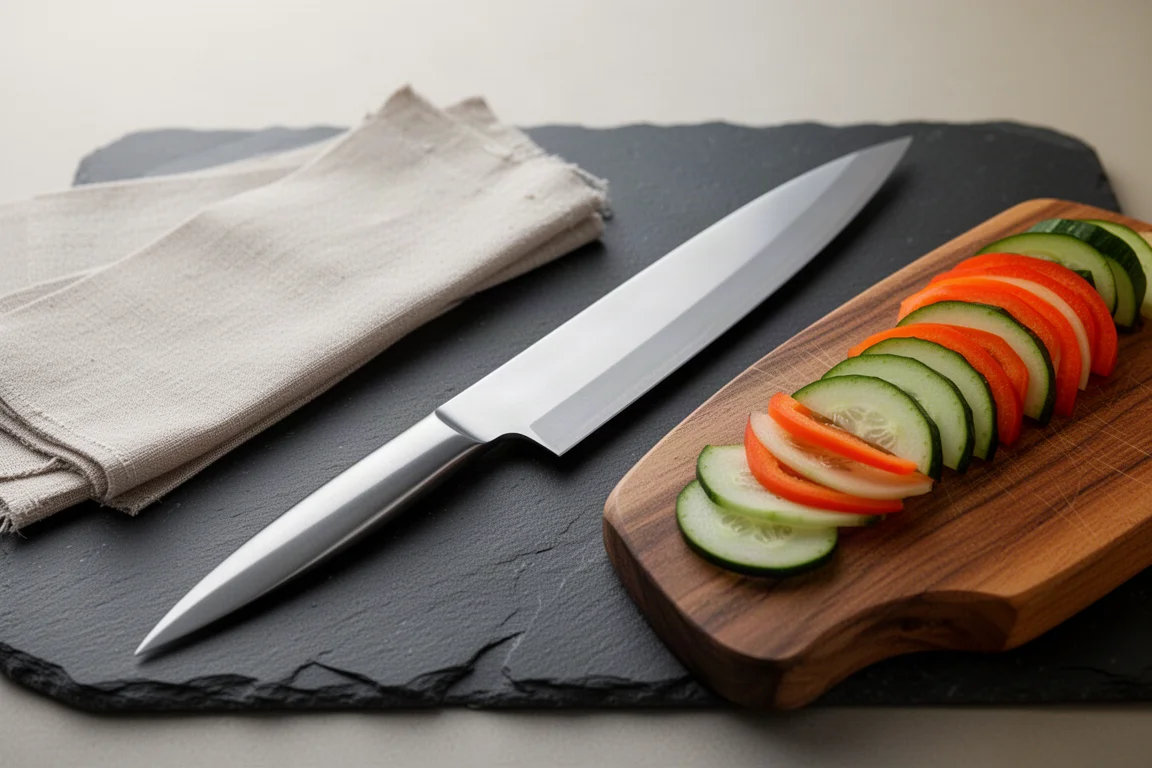
If you have been curious about trying a single-bevel-style knife without a huge investment, this is a compelling entry point.
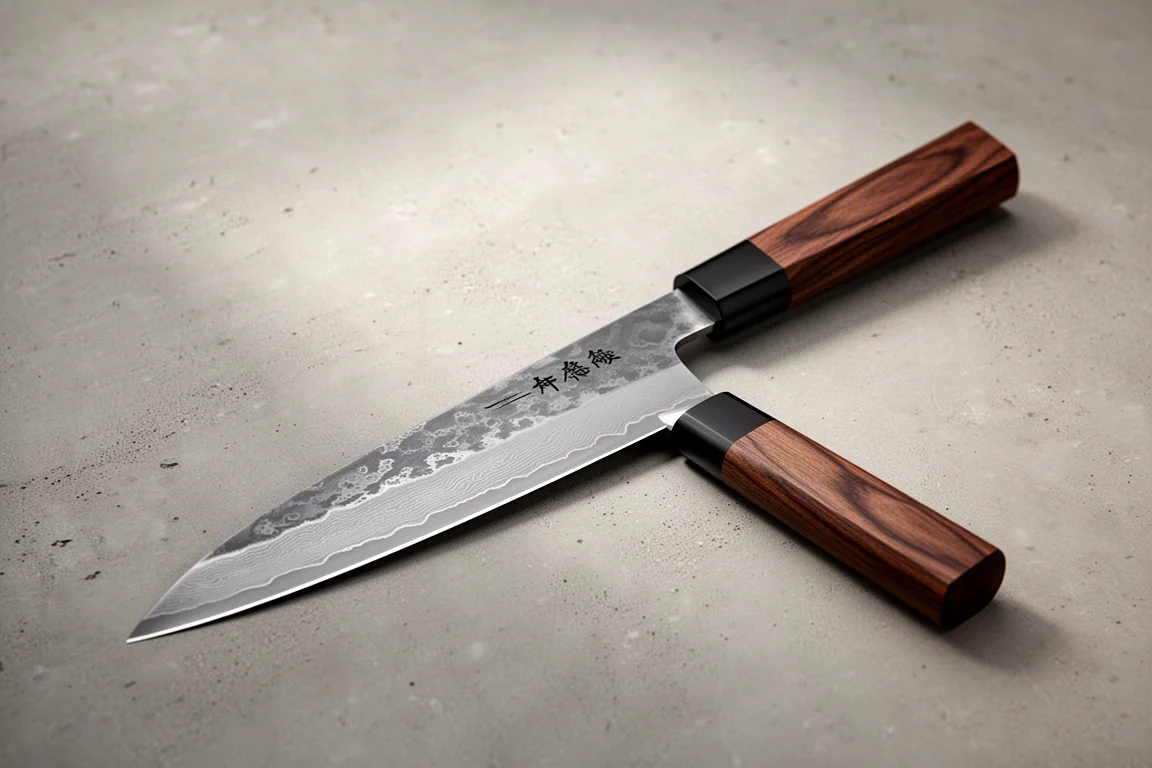
Yoshimi Kato Minamo Series
Yoshimi Kato’s Minamo series is a restock rather than a new arrival, and it remains one of the shop’s staples. The refreshed lineup includes a 210mm kiritsuke, a regular-style gyuto, a nakiri, a bunka, a 130mm kobunka, and the petty knives that had been out of stock for a while. All feature beautiful olive wood handles and SG2 (sometimes labeled R2) powder stainless steel.
Kato’s knives need little introduction: superb blade geometry, beautiful fit and finish, finely sanded spine and choil, very thin at the spine, and light overall. The balance point on the kobunka sits right around the pinch grip, while the 210mm kiritsuke balances noticeably further forward, which many cooks prefer for a more blade-forward feel.
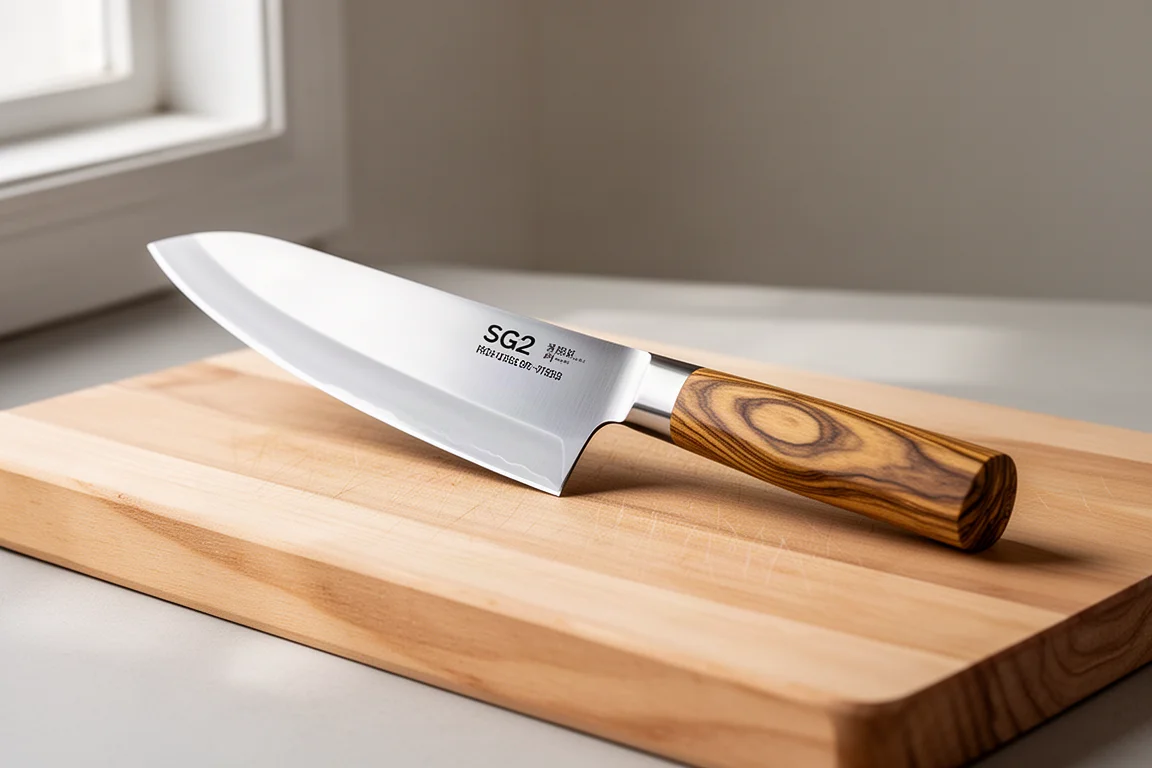
Yoshimi Kato Ginsan Tsuchime Series
The Ginsan tsuchime series also returns, with a bunka, a nakiri, and a 150mm petty. These pair a hammered tsuchime finish with Honduran rosewood handles and maple ferrules. They are a tad thicker at the spine than some alternatives, but the blade geometry is still superb and cutting performance is excellent. If you want a stainless steel with a handcrafted, textured look, these are easy to recommend.
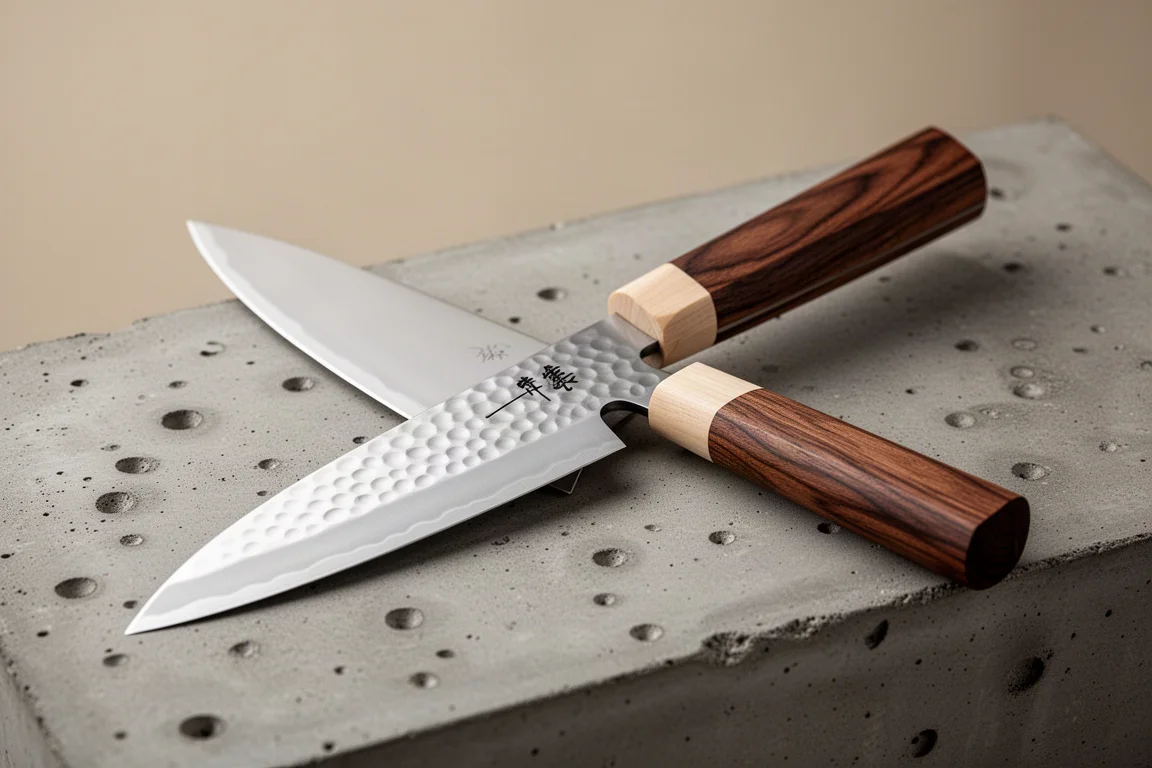
Takayuki Aogami #2 Iron Clad Petty 135mm
A first for the shop: the 135mm petty from Takayuki with Aogami #2 iron cladding, a kurouchi finish, a walnut handle, and an ebony ferrule. A compact petty in a rustic, workmanlike finish is a handy second knife for small, detailed tasks, and this one brings a classic Japanese steel at an approachable size.
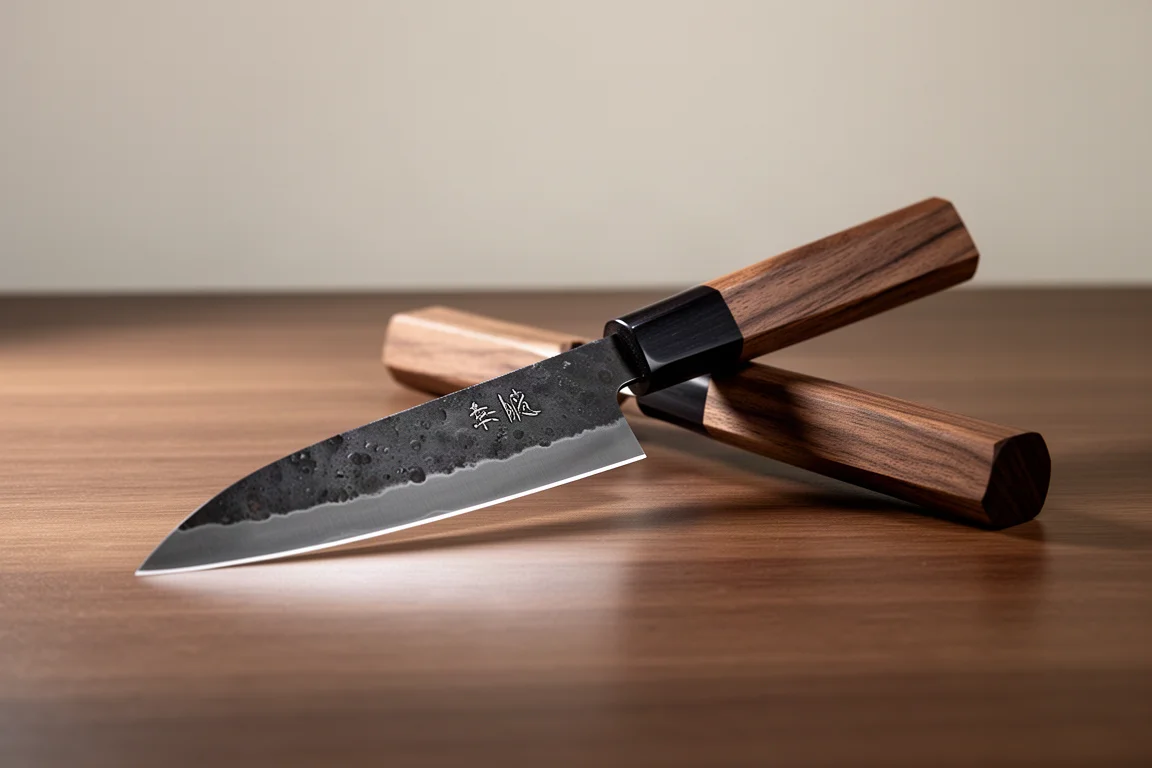
Takayuki Aogami #2 Gyuto 210mm and 240mm
Also back in stock are the Takayuki Aogami #2 gyutos in 210mm and 240mm. These are workhorses: thick behind the edge and fun to sharpen and polish if you enjoy knife maintenance. They are not for laser-lovers, but feedback on them has been consistently positive. One highlight is the balance point, which sits super far forward, a trait that is genuinely appealing for a blade-heavy cutting feel.
The kurouchi finish is good, though the spine and choil are not super well rounded. That is an easy fix with a little sandpaper and care if it matters to you.
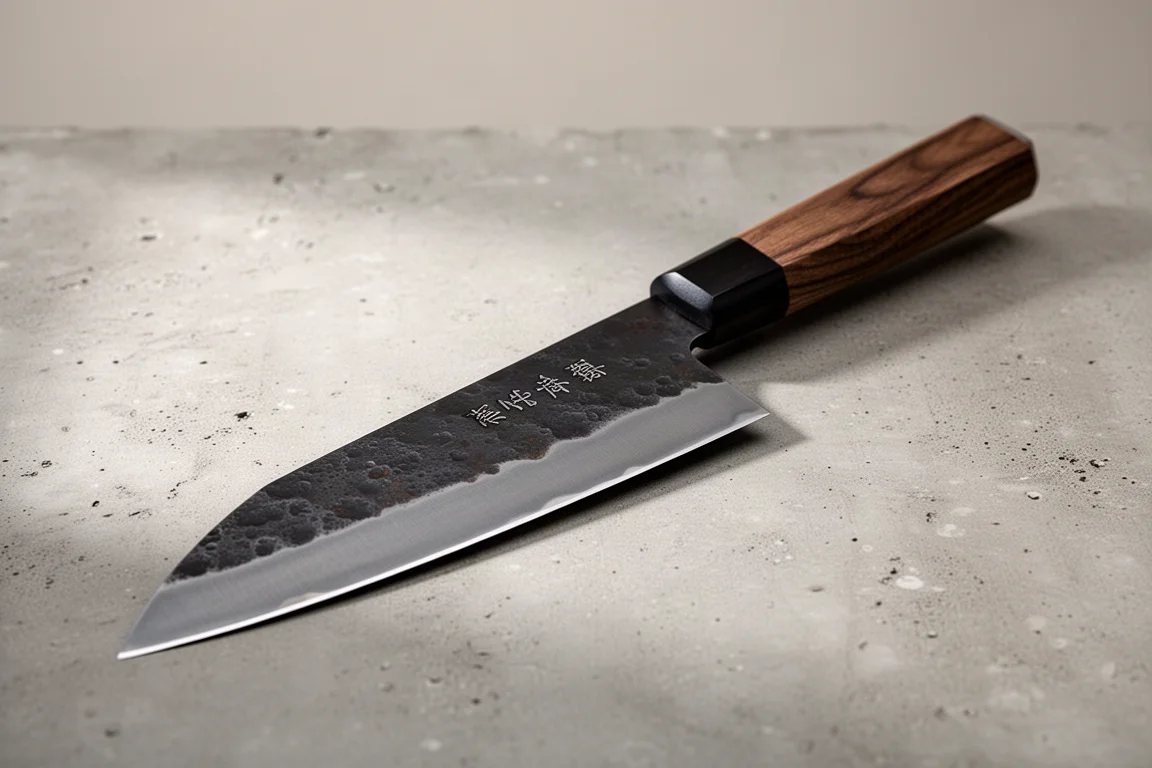
Best Budget Blade: Masutani Seka Series
Masutani’s new Seka series arrives in both blue and red handle versions. It uses VG10 stainless steel with an ashiji finish and a Damascus pattern in the bevels, and it is super thin. The balance point sits slightly forward of the pinch grip. Masutani is famous for making knives that are both very sharp and very affordable, and the Seka is no exception.
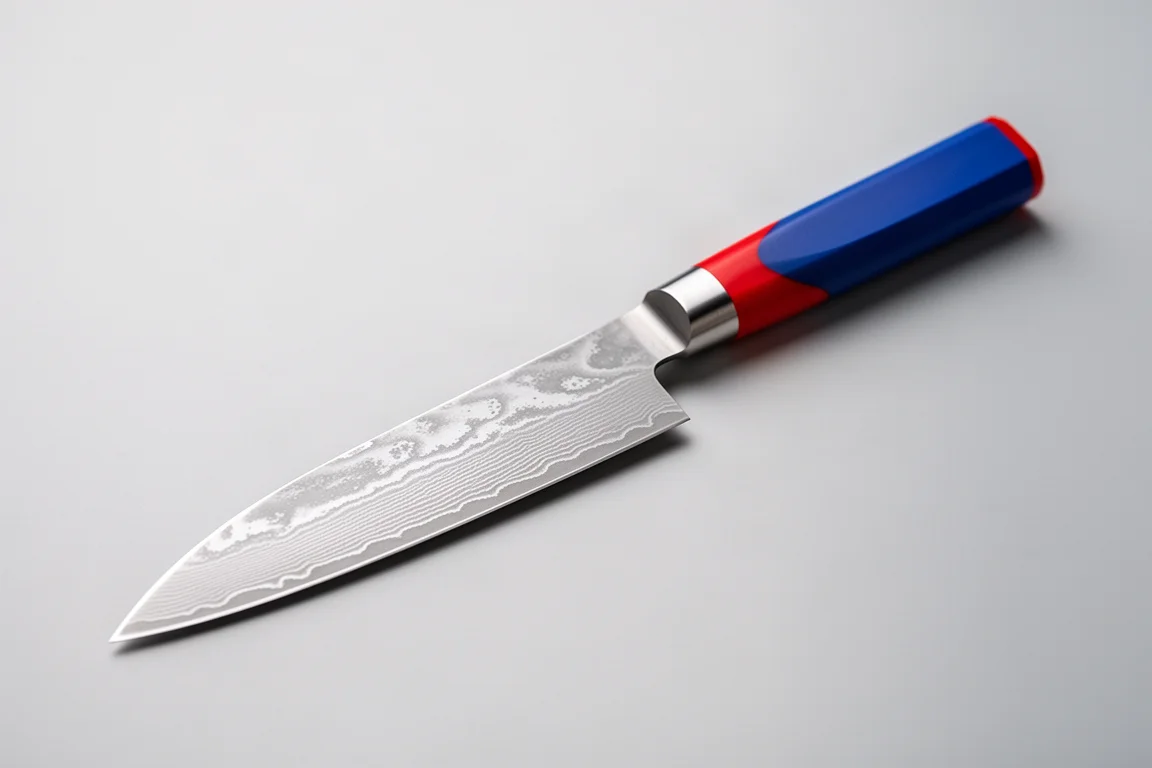
Best Gift Pick: Masutani Three-Piece Small Santoku Kit
Back just in time for the holiday season is the Masutani three-piece kit: a small santoku (sold to us as a petty), a nakiri, and a 180mm gyuto. It is one of the best gift sets around: tons of versatility with the gyuto for larger tasks and slicing, the nakiri for chopping, and the petty for smaller, more intricate work. They look great, are easy to maintain, will not rust on you, and will not break the bank.
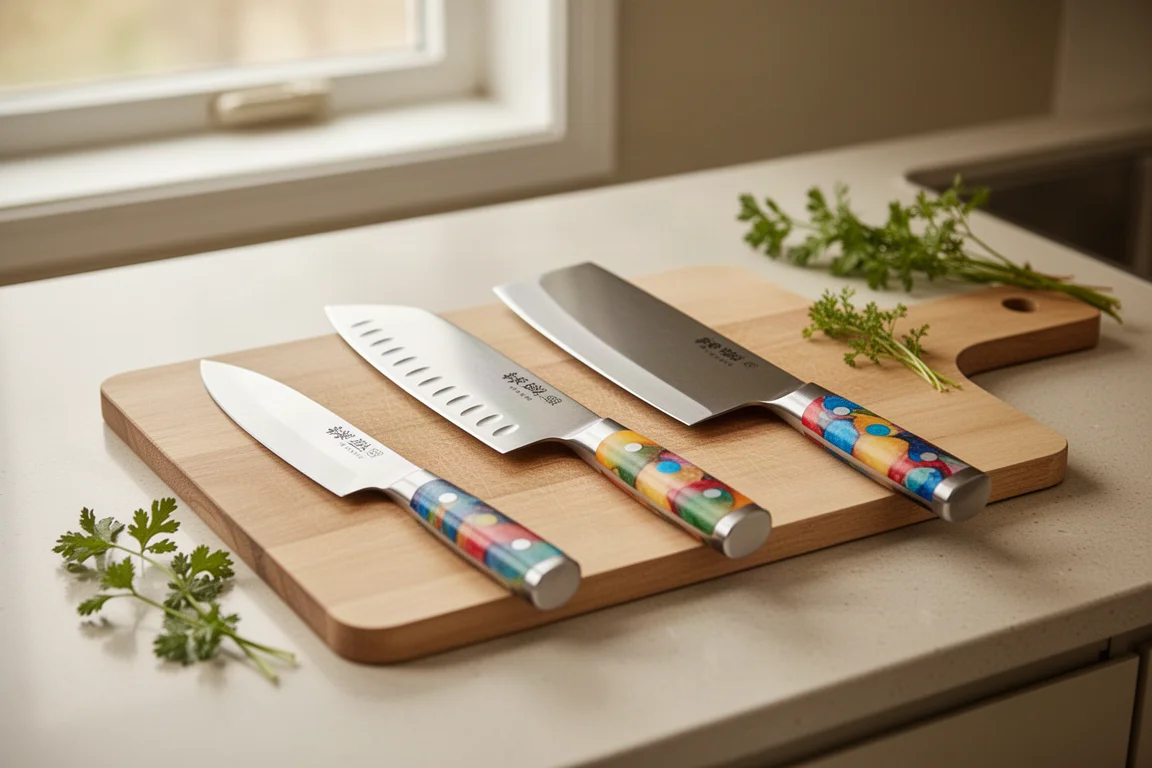
If you are shopping for a cook who wants a complete starter set with real performance, this kit covers all the bases without demanding a big budget or a complicated care routine.
Conclusion
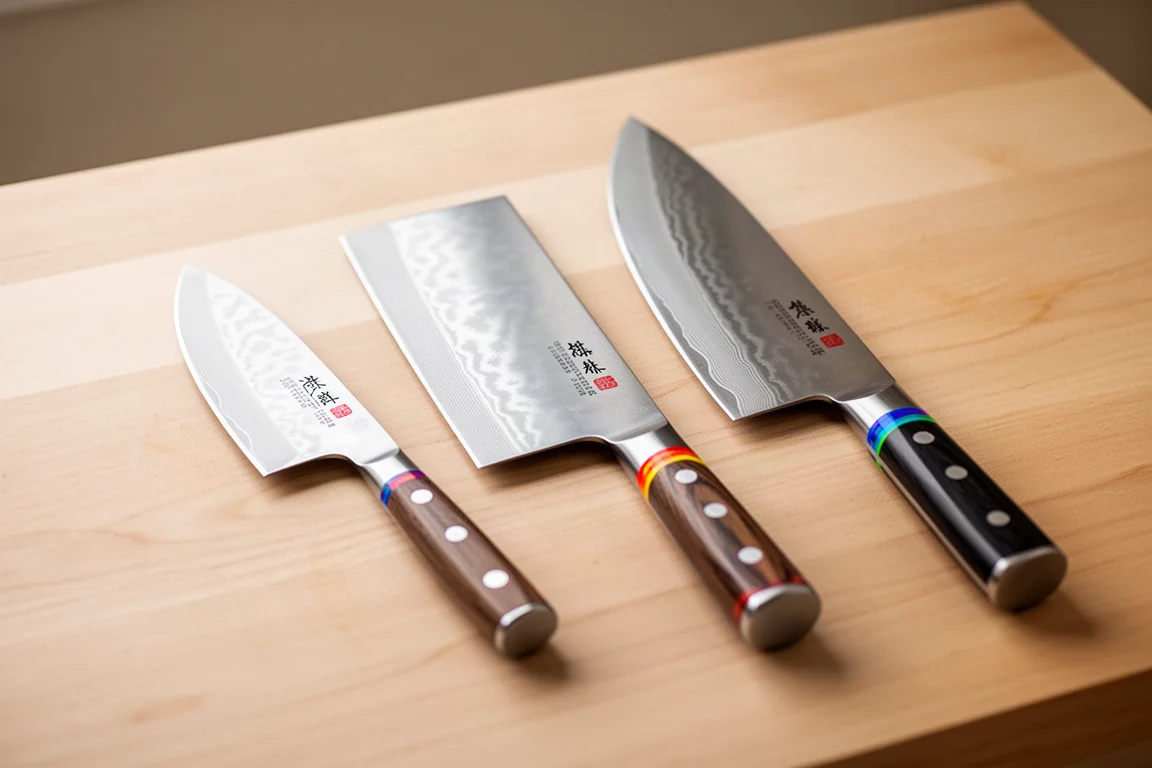
This batch of arrivals covers nearly every kind of knife buyer. Rustic workhorse fans have the Takayuki gyutos and the Matsubara Aogami #2 sujihime series, performance-focused cooks have the Fujiwara Maboroshi restocks and the Makoto Kurosaki Wise Wild Owl line, and anyone hunting for value has Hideo Kitaoka’s kiritsuke and Masutani’s remarkably affordable Seka series and three-piece kit. Match the knife to how you actually cook, and any of these would be a satisfying addition to a kitchen.
Further reading
Related Reviews

Kitchen Knives
Best Chef's Knives 2026: 27 Popular Options Tested and Ranked
A comprehensive review of 27 chef's knives ranging from $18 to $380, with honest assessments of handle comfort, blade balance, and real-world performance.

Kitchen Knives
Best Chef's Knives Under $75: Two Tested Recommendations
Two practical 8-inch chef's knives that balance sharpness, comfort, and durability without premium pricing.

Kitchen Knives
Best Chef's Knives 2026: 27 Options Tested and Ranked
A comprehensive review of 27 chef's knives ranging from $18 to $380, with honest assessments of handle design, balance, blade profile, and real-world performance.