Gravel Bikes
9 New Gravel Bikes for 2026: Aero Racers, All-Rounders and Endurance Rigs
Nine new gravel bikes, from lightweight race frames to ultra-endurance machines with suspension and storage. Here is what each one offers and who it suits.
Introduction
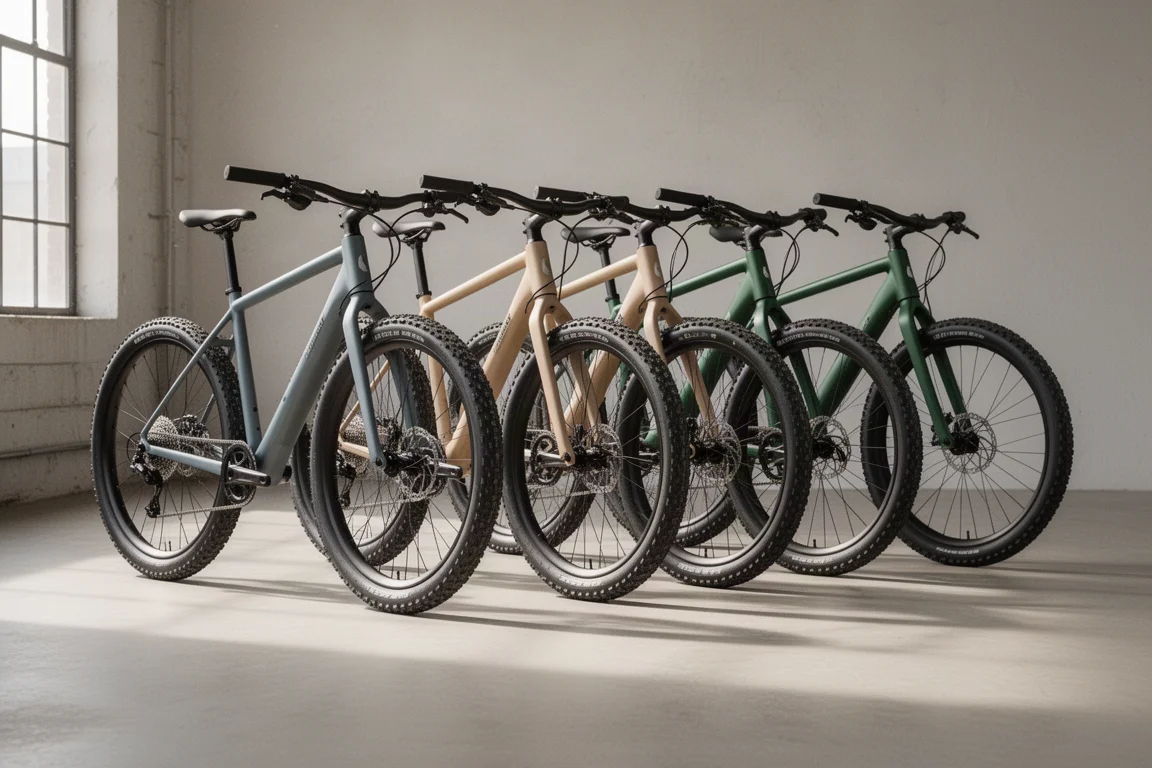
Gravel bike design has split into three distinct directions, and the newest models make that clearer than ever. One camp builds road-bike-like race machines that are light, aero and quick. Another builds versatile all-rounders that favour comfort and luggage capacity over outright speed. A third goes after ultra-endurance riders with suspension, storage and mounting points everywhere.
The nine bikes below cover all three approaches. Each one makes a different set of compromises, and the right choice depends far more on the terrain you ride than on the badge on the down tube.
What to Look For in a Modern Gravel Race Bike
Tyre clearance is the single biggest divider in this category. The bikes here range from 50 mm to a reported 57 mm, and that difference decides whether a frame can take a proper mountain-bike-width tyre or stays closer to a wide road setup. Wider clearance opens up looser, rougher surfaces, but it usually costs something in weight, aerodynamics or both.
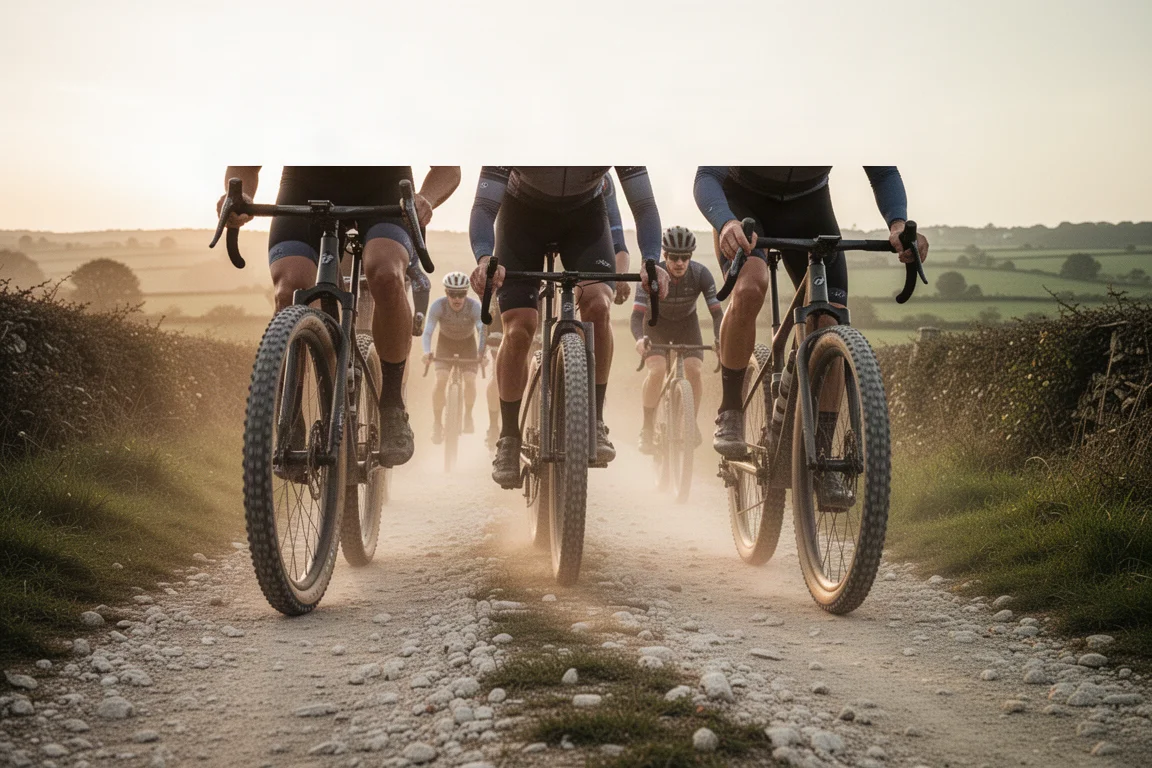
Weight and aerodynamic claims matter most if you race. Frames under one kilogram and complete builds near seven kilograms are now realistic targets, and aero figures are usually quoted at race speeds rather than everyday pace. Treat those numbers as useful context rather than a promise, since rider position and tyre choice often matter just as much.
Practical details are worth checking before you commit. Integrated down tube storage, suspension-corrected geometry, standard round seatposts that accept a wide range of dropper posts, and the number of frame mounting points will shape how the bike lives with you long after the first ride.
Specialized Crux
The fifth-generation Crux borrows heavily from the brand’s road race platform, which is why it looks so familiar from a distance. The silhouette is road-bike slim, but the frame clears 55 mm tyres and is tuned to reduce rider fatigue on rough surfaces.
Weight is the headline. The S-Works frame is claimed at 789 g, with complete builds starting around 6.9 kg. Specialized also claims the new bike is 15.2 watts faster than the previous generation at 45 km/h, and nearly ten minutes quicker over a 200-mile Unbound-style course. Those are big claims, but the tube shapes have clearly changed throughout.
The result is a race bike with very few obvious compromises: generous clearance, low weight and a shape that suggests the handling has been carefully preserved rather than sacrificed for aero gains. The catch is cost, which sits firmly at the top of the category.
Ridley RSS
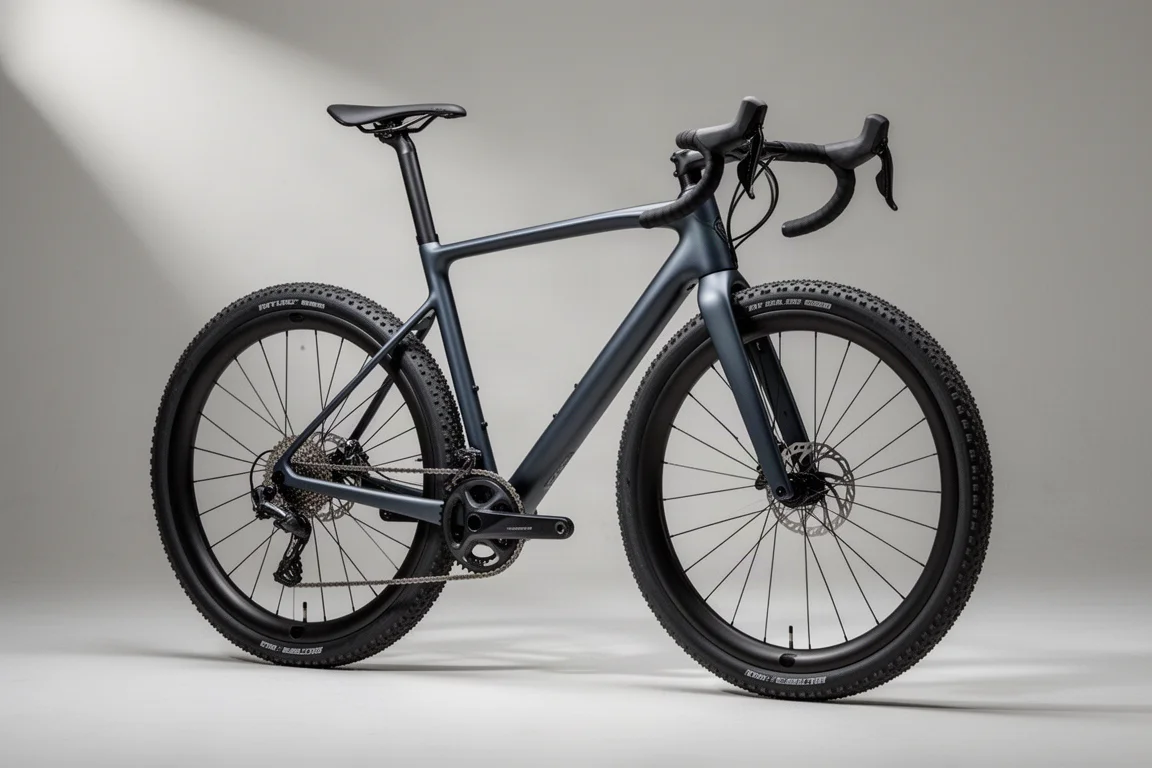
Ridley’s aero gravel race bike carries the letters RSS, which stands for Ridley Speed Shop. It may also lay claim to the deepest head tube fitted to a gravel bike, a bold front-end design aimed squarely at reducing drag.
Reported clearance figures point to around 57 mm, which would put it ahead of the Crux in that respect. The trade-off is likely to be weight, since a frame with this much material at the front is unlikely to match the lightest race frames on the market.
Given how strong the brand’s recent road bikes have been, the early signs here look promising. The aero-first approach will appeal to racers who spend most of their time at speed and want the widest possible tyre option without moving to a mountain bike.
Look G85 Cesal
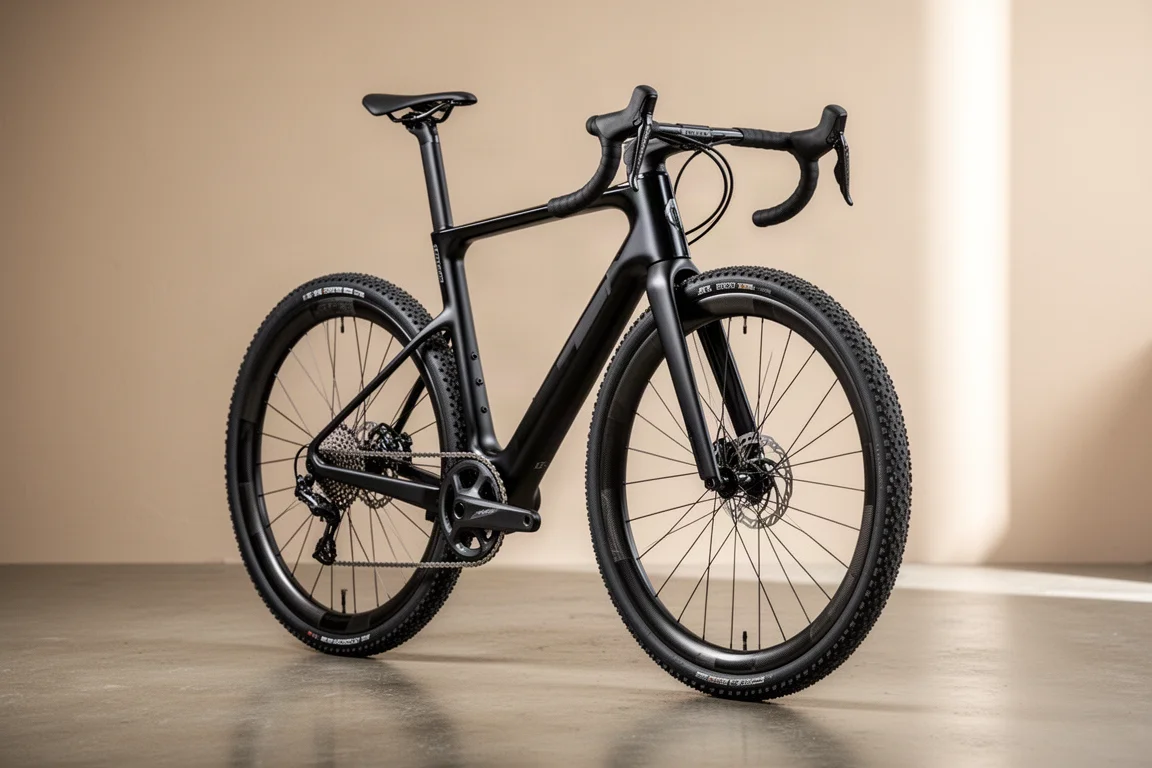
The G85 Cesal is a performance gravel bike that deliberately avoids aero claims. Instead it positions itself as an all-rounder, and a racier-looking variant without integrated storage has also been seen alongside it.
The frame is claimed at 1,090 g, which is competitive, but the tyre clearance tops out at 50 mm. That is narrower than most of the bikes on this list, and it is the kind of detail that can date a frame quickly as gravel trends continue toward wider rubber. The frameset price of £2,500 also puts it in premium company without the aerodynamic story those rivals tell.
It is a well-mannered, sensible design, and riders who prefer a conventional feel over aggressive aero shaping may like it. For most buyers, though, the combination of narrower clearance and a high frameset price makes the value proposition harder to justify.
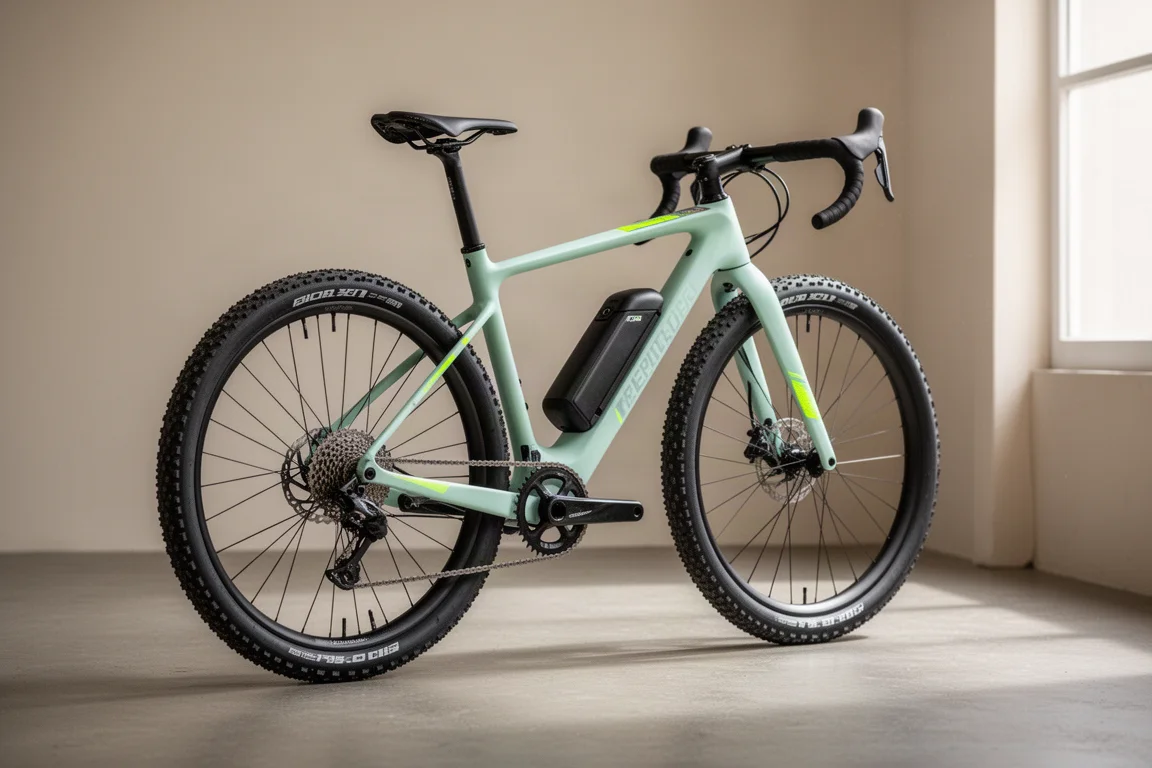
Factor Ostro Gravel
This unreleased Factor gravel bike appears to borrow heavily from the brand’s aero road platform, and it is the opposite of a conservative design. The most striking feature is a set of unusually wide fork legs.
The thinking behind that shape is that airflow around the front of a bike is already disturbed by the rider’s legs, so the fork is designed to manage turbulent air rather than smooth, laminar flow. It is a radical approach, and it makes the front end look unlike anything else in this category.
The prototype fits at least 53 mm tyres, and there is down tube storage similar in concept to another Factor model. The Ostro Gravel platform was due for an update, and this looks like a significant one aimed at racers. It will not suit every rider, but it fits the brand’s pattern of building specialist tools rather than one bike for everything.
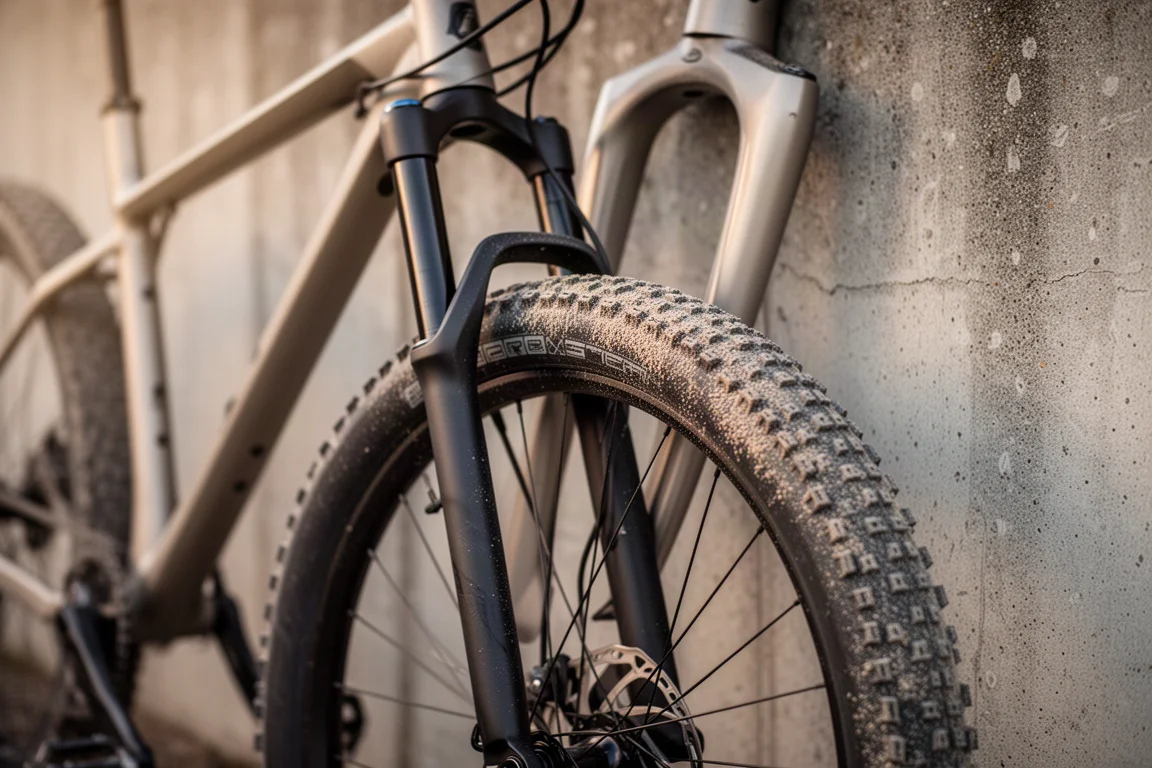
Buyers considering it should expect a race-first ride character and a specification list oriented around competition rather than all-day comfort.
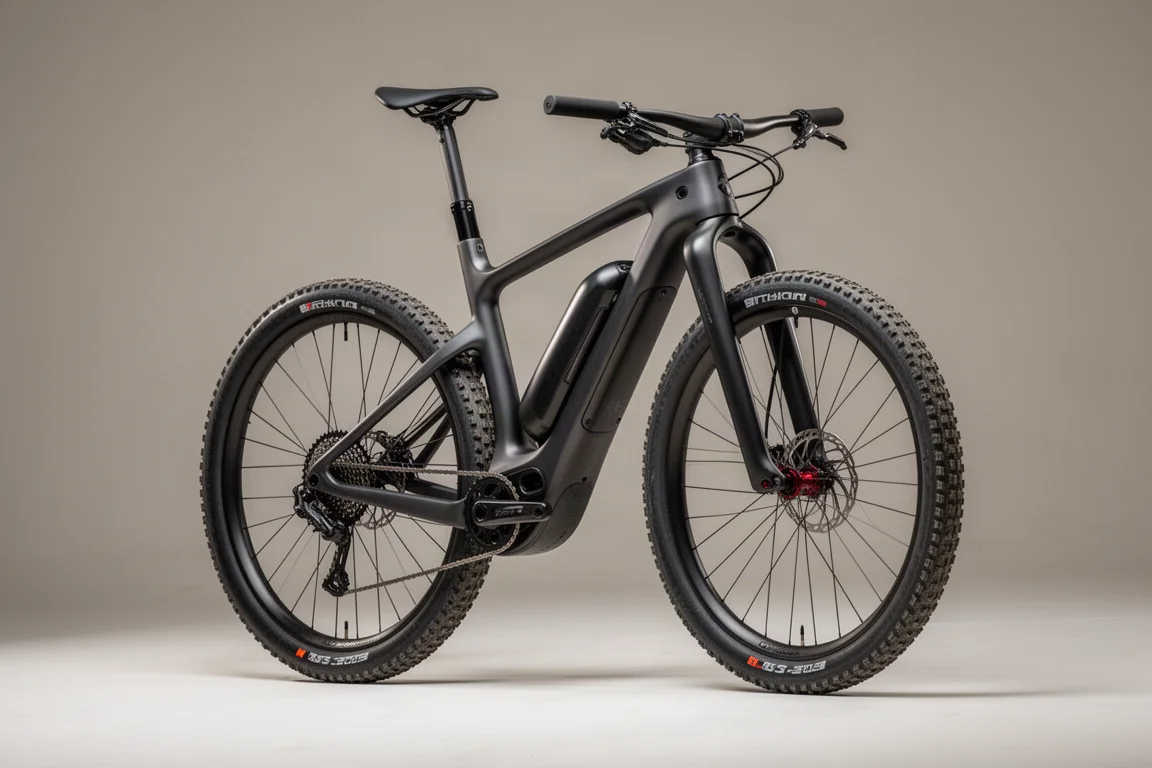
Factor Saronna
The Saronna is the more broadly usable Factor gravel bike, and it is built to go long and go fast. It is covered in mounting points, can be bought with a suspension fork, and clears 57 mm tyres.
There is down tube storage again, and the rear end is designed to flex like a leaf spring so that comfort holds up on long days without giving away speed. It is suspension-corrected for a 30 mm travel fork, and one genuinely useful detail is the standard round 30.9 mm seatpost, which opens up far more dropper post options than a proprietary design would.
Custom frame bags are available, which makes it a natural fit for ultra-endurance racing. The limitations are minor but real: only two colour options, and a stiffness claim on the brand’s website about zero structural drift after 40 hours of continuous simulation that is worded in a way most riders will want clarified before drawing conclusions.
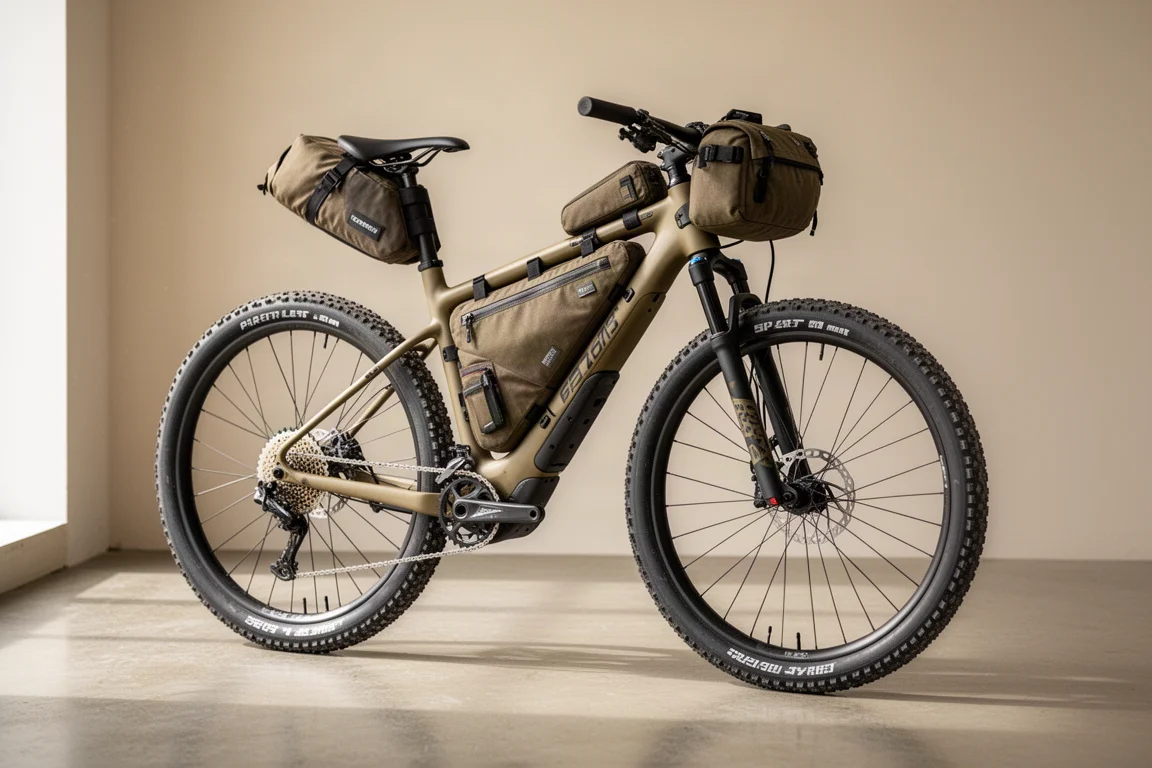
Felt Breed
Felt’s new Breed is a lightweight gravel race bike with a sub-one-kilogram frame and complete builds close to 7 kg. It carries plenty of aero claims and shares its handlebar with the brand’s latest road bike.
Clearance is 54 mm at the front and 52 mm at the rear, which is competitive without being class-leading. The most debated detail is the height of the fork, which Felt says comes from suspension adjustment. On a lightweight race bike that seems like an odd priority, particularly when the rear triangle will only accept a 52 mm tyre, so fitting suspension here makes less sense than choosing a frame with more room at the back.
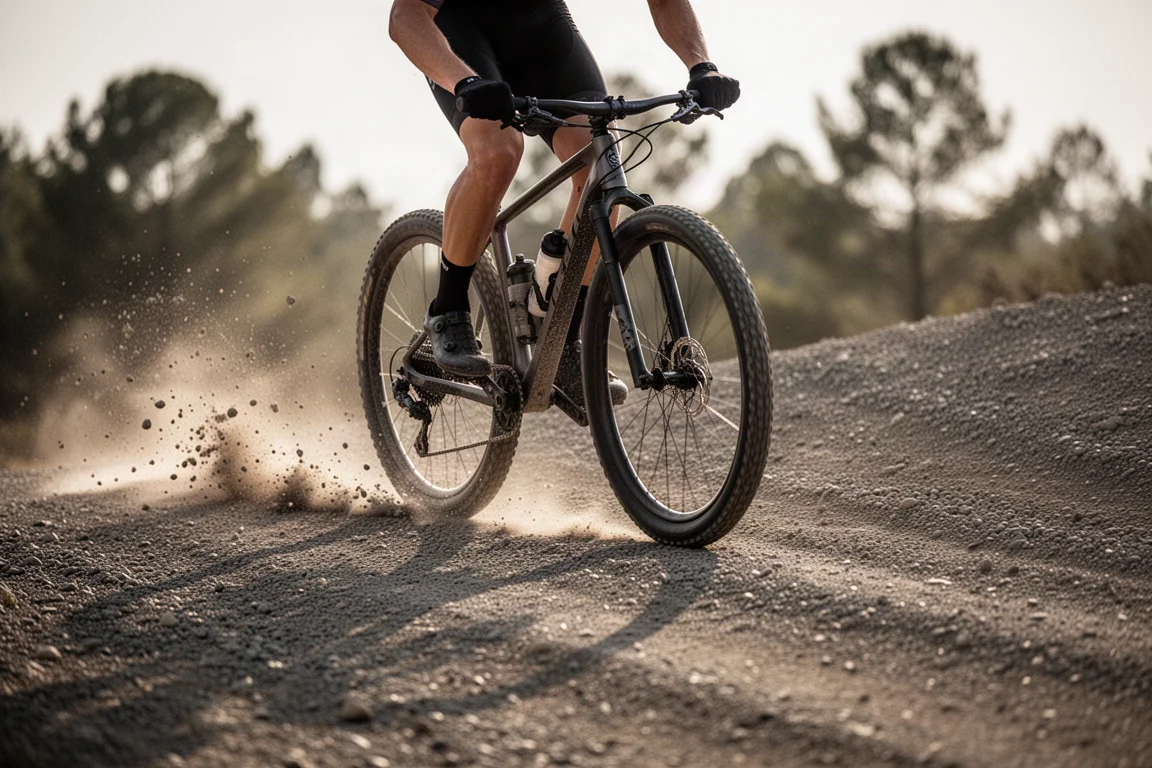
If you want a light, fast gravel race bike and have no plans for suspension, the Breed is a credible option. If suspension is on your wish list, a frame with wider rear clearance is the more logical starting point.
Argon 18 Antimaher
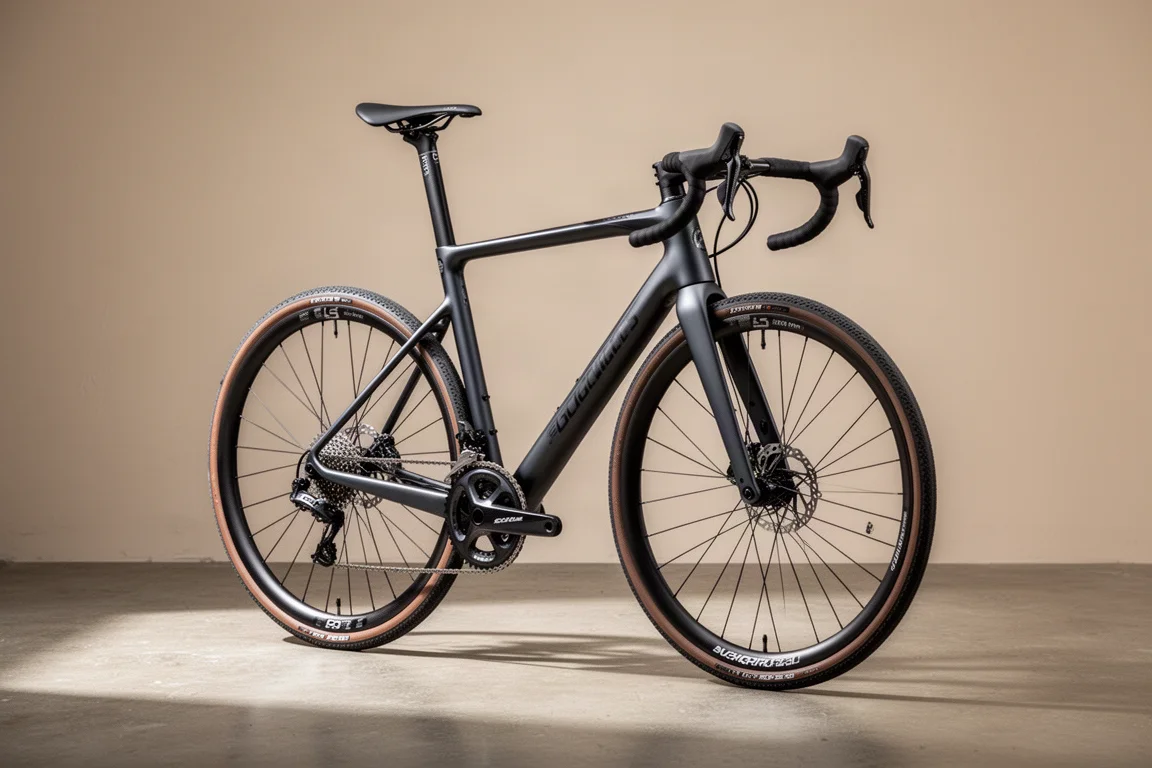
The Antimaher launched with integrated storage, custom bags developed with Apidura, and Zipp Super-Wide Explore wheels as standard. It fits up to 55 mm tyres, which puts it right in the mix with the fastest bikes here.
The seafoam and neon colourway stands out, and in person the finish and detailing look like a genuinely well-executed package. For a brand that had a difficult stretch during the pandemic years, this is a strong statement of intent.
It reads as a fast gravel bike that still takes practicality seriously, with storage and luggage sorted from the factory rather than left to aftermarket add-ons. Full specification and pricing details are still limited, so it is worth confirming the exact build before ordering.
BMC Kaius
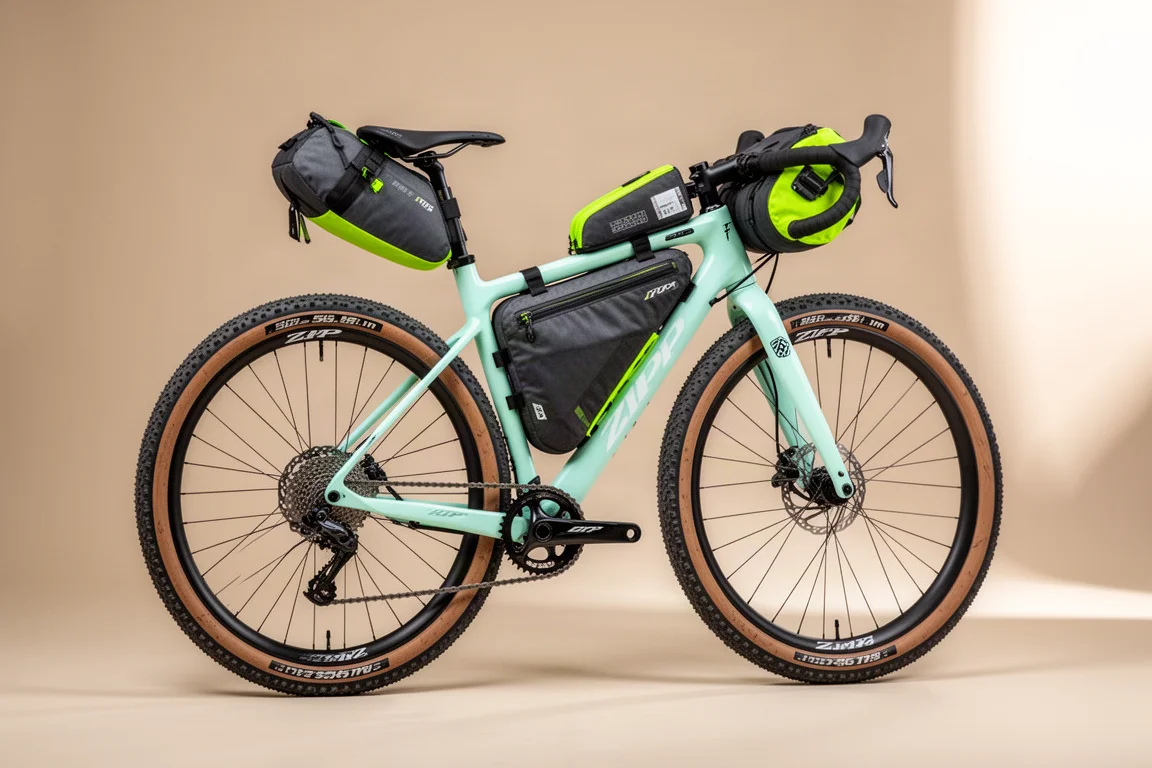
BMC describes the Kaius as a pure gravel race bike, faster and more capable than before. It comes with the brand’s own carbon wheels, which use carbon spokes, and it clears 52 mm tyres.
There are some genuinely thoughtful touches: aero bottle cages and a bar system that looks far less fiddly to adjust than many integrated cockpits. The build shown weighs 7.1 kg, and the overall shape is sharp and purposeful.
The main question mark is tyre choice. It ships with 45 mm Continental Terra Speed tyres, which are undeniably fast but fairly specialised. On looser or chunkier gravel they will feel out of their depth, and many riders will want to swap them. If you want speed and do not need mountain-bike-width clearance, the Kaius deserves a close look.
Canyon Grail CFR
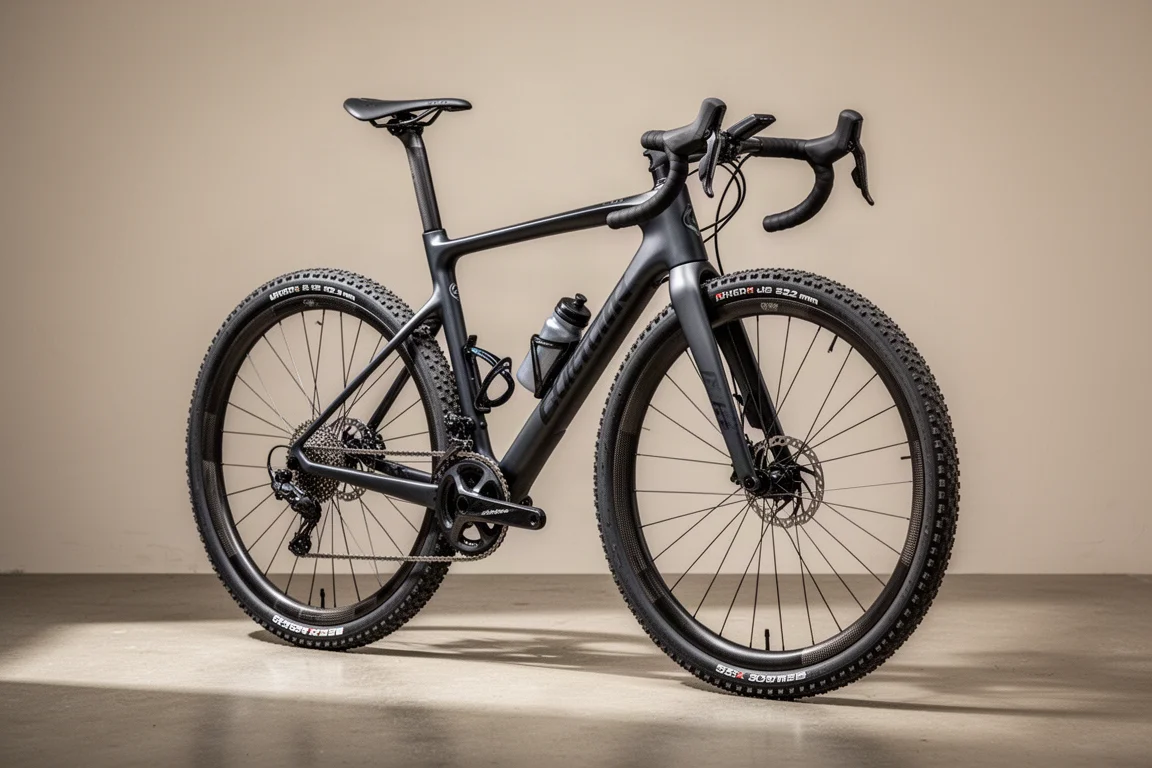
Canyon’s new gravel bike has not been officially released, so there are no confirmed figures yet. It looks very much like a new Grail CFR, with wide clearance and aero detailing throughout.
The most interesting element is the handlebar, which follows current aero thinking rather than the divisive double-decker design of an earlier Grail generation. That earlier bar put plenty of riders off the platform, so the move toward a more conventional aero shape should be welcome news.
Until official specifications arrive, the sensible approach is to treat this as one to watch. The direction of travel is clear: wider tyres, cleaner front ends and aerodynamic shapes that no longer look out of place on gravel.
Buying Advice
Start with clearance, because it is the hardest thing to change later. If your local gravel is loose, rocky or steep, 54 mm and above gives you far more room to experiment with tyre volume and tread. If your riding is mostly fast, smooth and mixed-surface, a 50 mm frame can still be the quicker and lighter choice.
Then decide how much aero matters to you. The claimed gains on these bikes are measured at racing speeds, so they are most relevant if you race or ride in fast groups. Riders who prioritise comfort, luggage and long days out will get more value from mounting points, storage and a suspension-corrected frame.
Finally, check the small compatibility details that decide long-term satisfaction: seatpost diameter and dropper options, whether the fork can take the tyre width you actually want, and whether the cockpit can be adjusted without special tools. A bike that fits your terrain and your maintenance habits will always feel faster than one that only wins on paper.
Conclusion
The current crop of gravel bikes shows how broad the category has become. The Specialized Crux and BMC Kaius chase speed with light frames and aero shapes. The Ridley RSS and Factor Ostro Gravel push front-end aerodynamics even further. The Factor Saronna and Argon 18 Antimaher add storage, mounts and suspension options for riders going long, while the Look G85 Cesal and Felt Breed sit somewhere in between.
Match the bike to the riding you actually do, confirm the clearance and compatibility details before you buy, and any of these nine will serve you well for years.
Further reading
Related Reviews
Gravel Bikes
3T Exploro Ultra Review: A Fast Gravel Bike Built for Big Tyres
A close look at the 3T Exploro Ultra, an aero carbon gravel bike designed around wide tyres, with road-like handling, a 980 g frame and genuine rough-terrain capability.
Gravel Bikes
3T Extrema Italia Review: Aero Gravel Speed With Room for 57 mm Tires
The 3T Extrema Italia pairs an aero frame with huge tire clearance, Italian-made carbon and a more comfortable ride than the RaceMax. Here is what to know before buying.
Gravel Bikes
3T Race Max 2 Italia Review: An Aero Gravel Race Bike Made in Italy
A closer look at the second-generation 3T Race Max 2 Italia, covering its aero updates, ride character, tire clearance, internal storage and who it suits.