Hand Tools
Best Nano Socket Sets for Tight Clearance Work: 6 Options Compared
Astro, Ulsa, Quinn, Vim, Matco, and Chrome all make compact nano sockets. Here is how the lineups differ and which set makes the most sense to buy first.
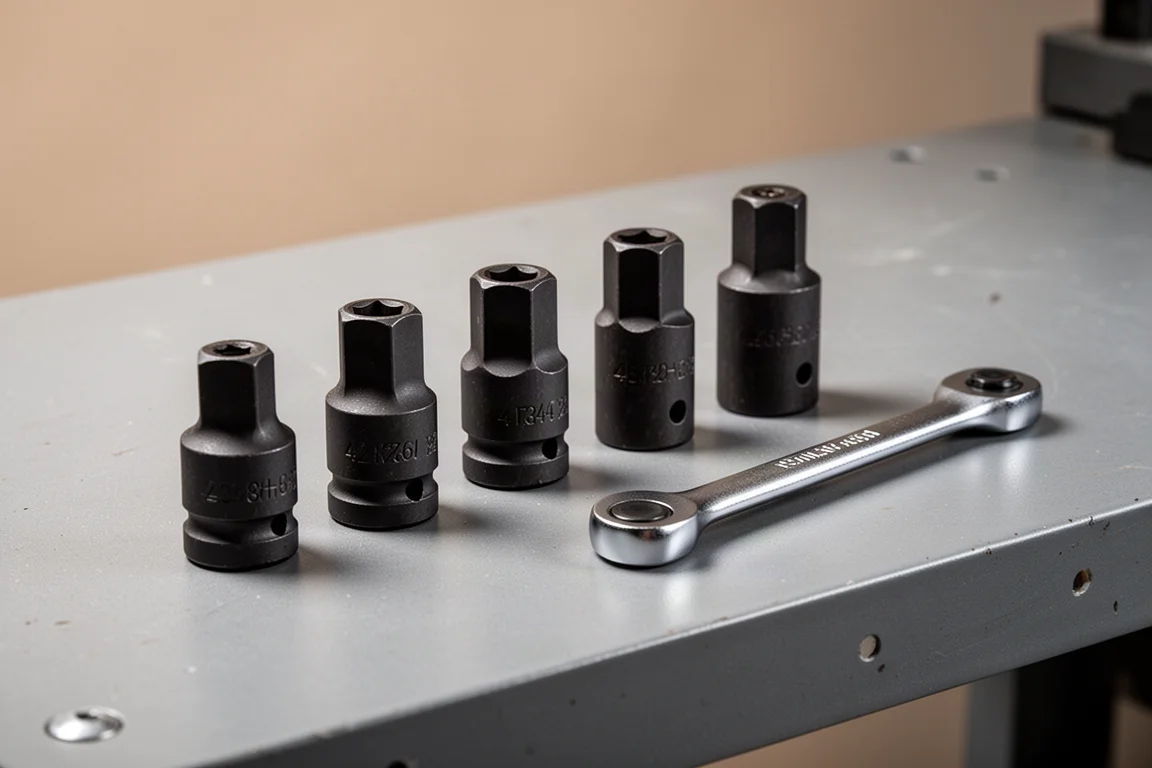
Introduction
If you have ever tried to remove a front-of-engine bolt, an alternator fan bolt, or any fastener buried in a recessed area, you already know the problem: a standard ratchet and socket combination simply does not fit. A full-size half-inch drive socket paired with a standard ratchet is a wonderful tool in open space, but in tight quarters it turns a five-minute job into an exercise in frustration.
The usual fallbacks each fall short in their own way. A ratcheting wrench has a huge head that may be just as hard to fit. A plain open-end wrench fits, but you lose ratcheting action, spend forever working the bolt off one small turn at a time, and the lack of offset makes some bolts nearly impossible to reach.
Compact nano sockets exist to fix exactly this. They pair short, low-profile sockets with slim, low-tooth-count wrenches so you can actually reach fasteners that standard tools cannot touch.
Why Short Sockets Solve a Real Problem
The size difference is not subtle. Measured head-to-head, the compact versions cut the height dramatically:
- Half-inch drive: over 64 mm tall for a standard socket versus roughly 30 mm for the compact version, less than half the height
- 3/8-inch drive: about 45 mm versus 23 mm, again roughly half
- Quarter-inch drive: about 34 mm versus 18 mm
Less than half the height means access where nothing else will fit. Even better, the slim wrenches these sockets are designed for are genuinely pleasant to use, easy to grab, and have become everyday drivers, not just specialty tools kept for emergencies. Standard tools still have their place, but once you own a set of these, you will reach for them more often than you expect.
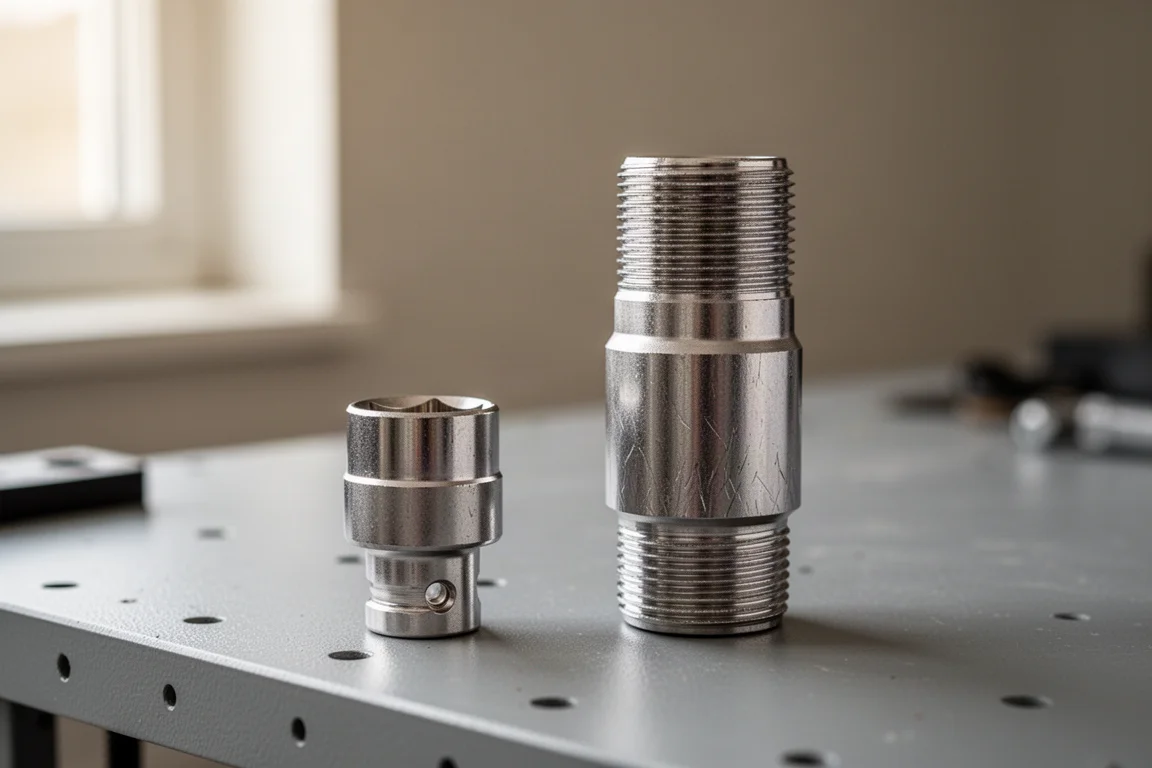
Astro Nano Sockets
Astro is widely credited with popularizing the nano socket category, and the lineup reflects it. The range covers 1/2-inch, 3/8-inch, and 1/4-inch drives, and the half-inch set runs an unusually useful 17 mm to 30 mm. That large range matters: when you are driving a compact socket with a big wrench, small sizes defeat the purpose, and big sizes are exactly where you need the clearance.
The 3/8-inch starter set is the one to buy if you are new to the system. It is priced around 32 dollars, carries a lifetime warranty, and offers very low clearance even paired with a slim ratchet. If you already know you like the system, an expanded size set is available for a bit more. The quarter-inch set covers a frequently used size range as well.
Beyond the basics, Astro offers half-size sockets for dealing with swollen or damaged fasteners, a new 12-point series from 6 to 24 mm, a magnetic V-style holder for triple square, hex, and Torx bits, adapter kits that convert their wrenches to wobble or bit-drive use, and a family of low-profile wrenches including reversible quarter-inch designs in 11 mm and 17 mm, plus a half-inch. Pricing across the whole lineup is fair, and customer service has a strong reputation. In short, Astro is the most complete nano ecosystem available and the default recommendation.
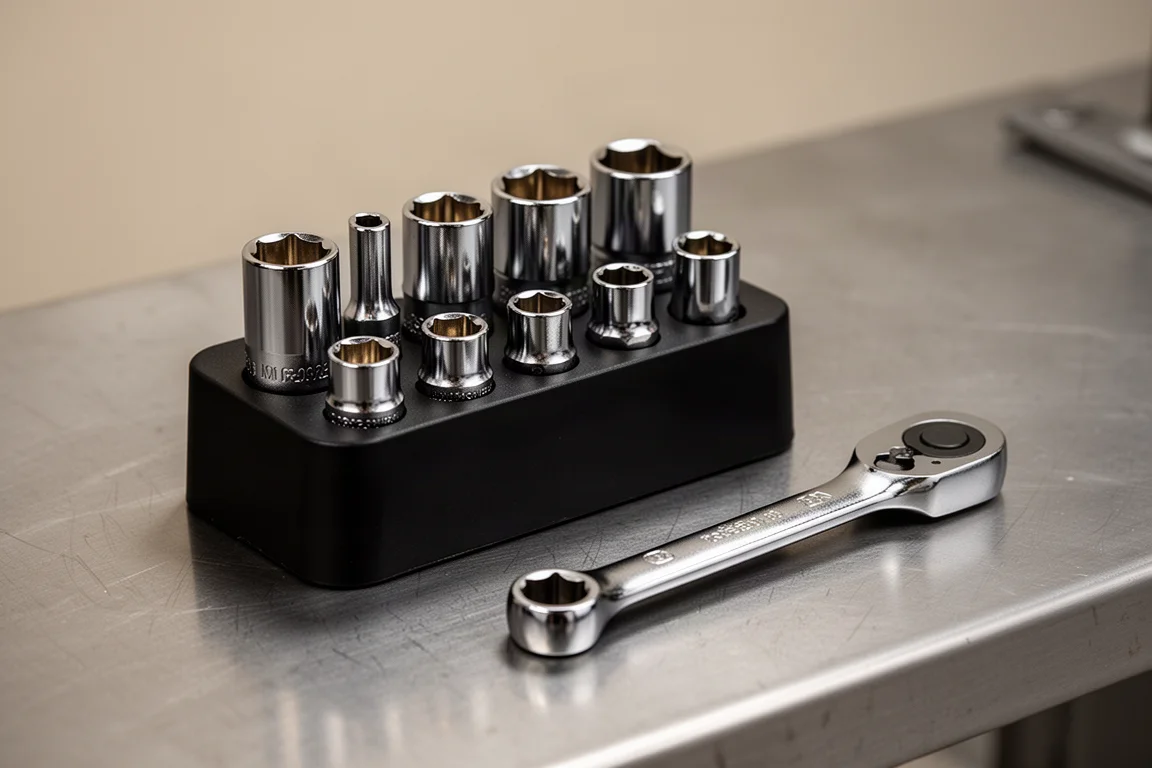
Ulsa Tools Nano Sockets
Ulsa Tools recently released a full nano socket range that is extremely similar to the Astro offering, likely coming from the same manufacturing relationship. The sockets share the same center detent holding mechanism, the same rail style, and functionally identical designs. Ulsa is a Canadian company, with everything made in Taiwan.
The quarter-inch and 3/8-inch sets are essentially interchangeable with Astro in quality and price. Where things diverge is the half-inch set: Ulsa only offers a 10 mm to 24 mm range, which is the same range Quinn uses and a range that makes less sense than Astro’s 17 mm to 30 mm. Small sizes driven by a large wrench miss the point of a compact head, and anything below 17 mm is better handled with a 3/8-inch set.
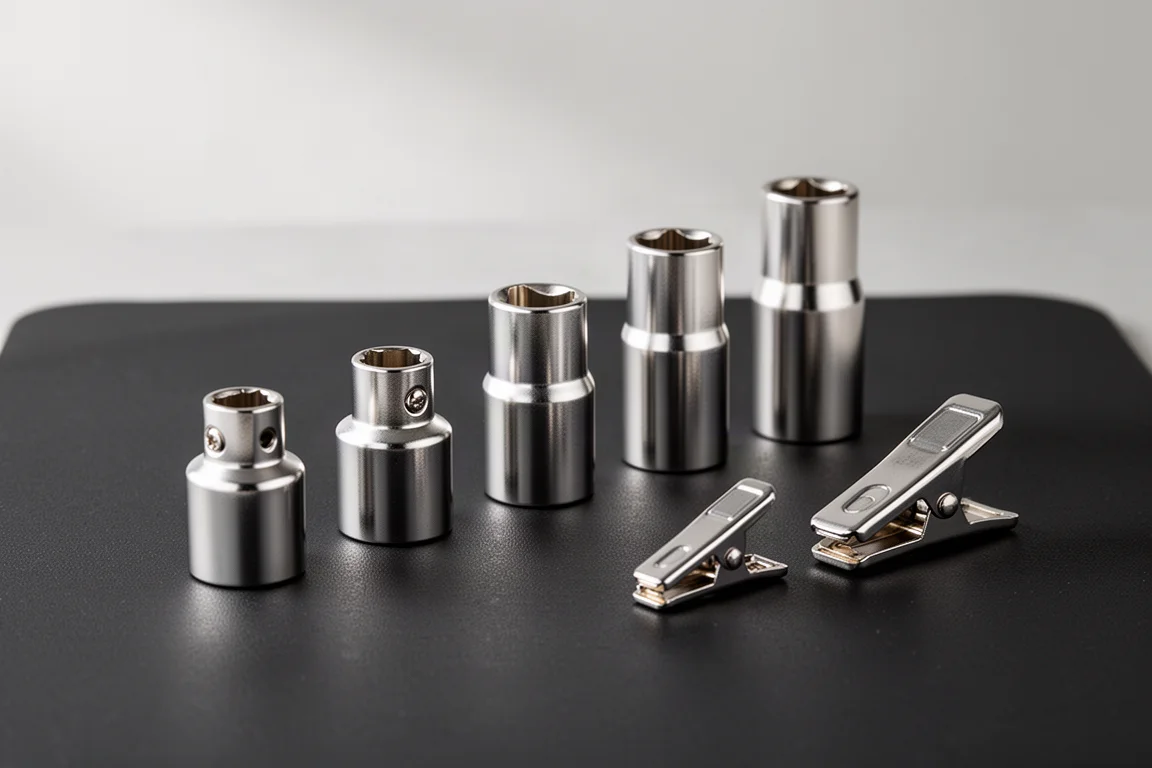
Ulsa also offers a full E-Torx lineup from E4 to E24, plus hex sets in metric and SAE that mix quarter-inch, 3/8-inch, and 1/2-inch drive in one kit. One genuinely unique product: Ulsa clip adapters that let you mount a nano socket onto an 11 mm, 17 mm, or 22 mm wrench. Nothing else on the market does this as well. They are sold only through the Ulsa website, cost around 25 dollars, and a paper towel wedge trick makes the retention excellent. The main drawback is paying a shipping charge on a small standalone order.
Quinn Nano Sockets
Quinn, sold through Harbor Freight, makes a 10 mm to 24 mm half-inch nano set. The sockets themselves are functionally excellent and very similar to the Astro and Ulsa offerings, so the criticism here is purely about the size range rather than quality or warranty. The 10 to 24 range simply is not as useful as Astro’s 17 to 30 for half-inch drive work.
The bigger issue is the ecosystem. Quinn offers no wrenches at all, and buyers are frequently left wondering what to drive the sockets with. The practical answer is to pair them with an Astro wrench, which works fine. Harbor Freight periodically runs sales around 35 percent off, bringing the set near 35 dollars, and the sockets are interchangeable with Astro, Ulsa, and Chrome ratchets.
There is real hope here. A 3/8-inch version, an expanded range, a quarter-inch set, and a line of Quinn wrenches would make this a serious competitor. Until then, it is a sockets-only proposition that leans on another brand for the driving tools.
Vim Dual Drive Sockets
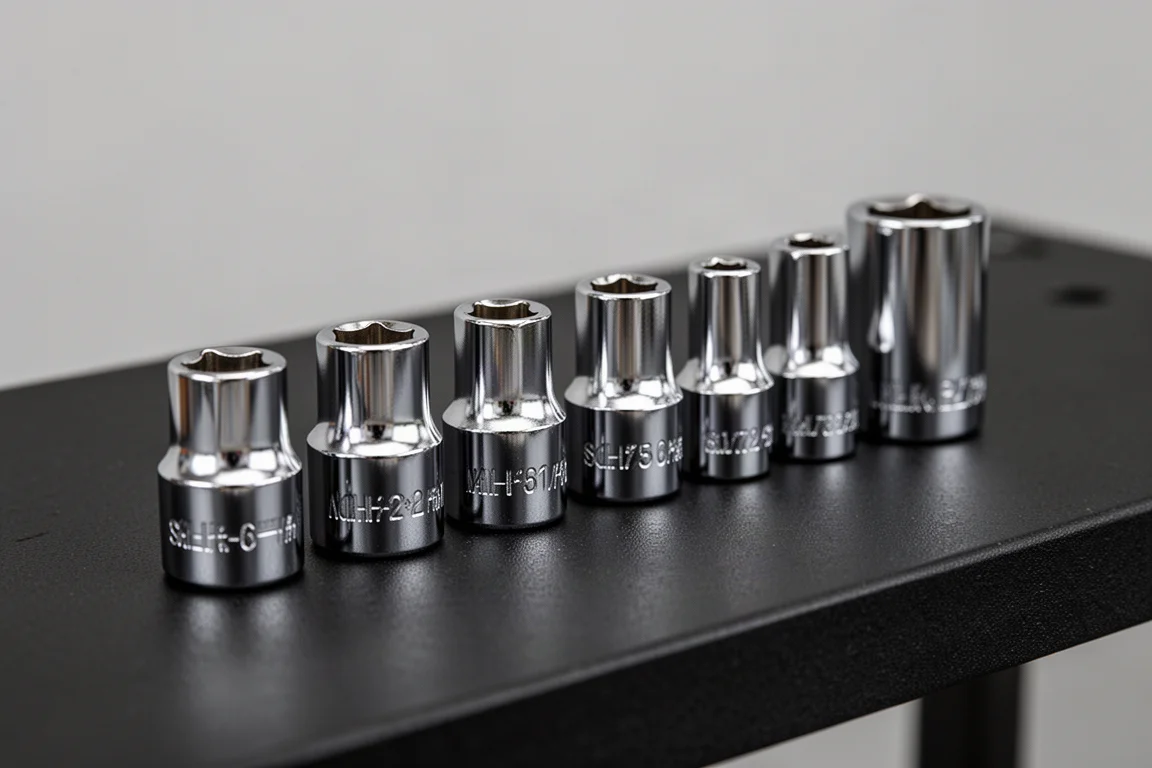
Vim makes a quarter-inch nano set plus a quarter-inch driver with a flex head and a retaining ring. The sockets themselves are good and the design is smart, but Vim pushes the retaining ring to the very end of the socket rather than the center, which creates a compatibility split.
That split matters. In 3/8-inch and 1/2-inch drive, every brand’s sockets and wrenches are interchangeable: Astro, Ulsa, Chrome, Quinn all work together. But in quarter-inch drive there are two standards. Astro and Chrome sockets work fine on the Vim quarter-inch wrench, but Vim sockets do not retain properly on Astro or Chrome wrenches. Matco follows the same standard as Vim.
On pricing, Vim is one of the few brands whose nano offering is semi-reasonably priced, and the company has a track record of innovative ideas. The general pricing model leans expensive, however, with tools typically sold through tool trucks where discounts are inconsistent, so buying outside that channel often means paying full price. Still, if you want the Vim quarter-inch system, it works and can be recommended.
Matco Dual Drive Sockets
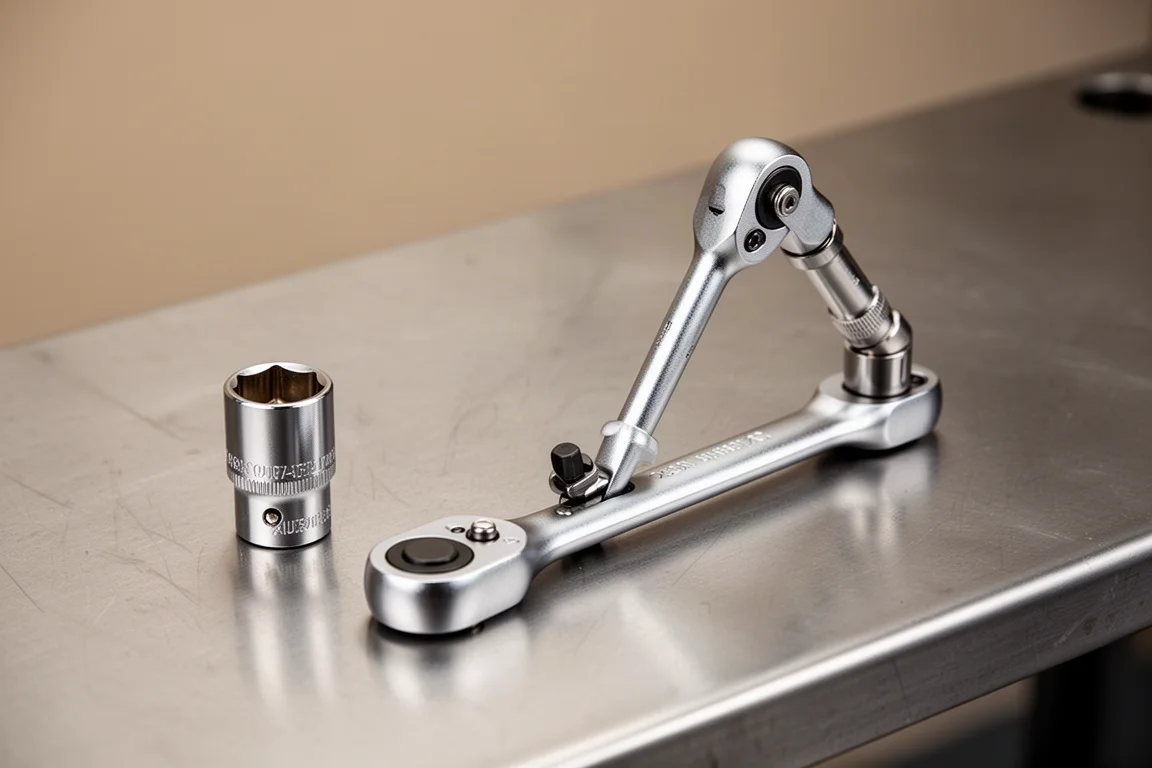
Matco offers a chrome-finished dual drive socket set in the same style, following the Vim standard for quarter-inch compatibility. The chrome finish looks excellent, and these are professional-grade tools by any measure.
The trade-offs are price and range. The chrome sets are significantly more expensive than the equivalent Astro offerings, and they are not impact rated, which limits their use to hand-tool applications. The quarter-inch range also extends higher than Vim’s, going up to 14 mm versus Vim’s smaller range, which gives Matco an edge in coverage if you are committing to that standard.
If price is not a primary concern and you want a polished, professional chrome set, Matco is worth a look. For most buyers working through a budget, Astro’s stamped and impact-rated offerings deliver the same access benefits at a fraction of the cost.
Chrome Nano Sockets
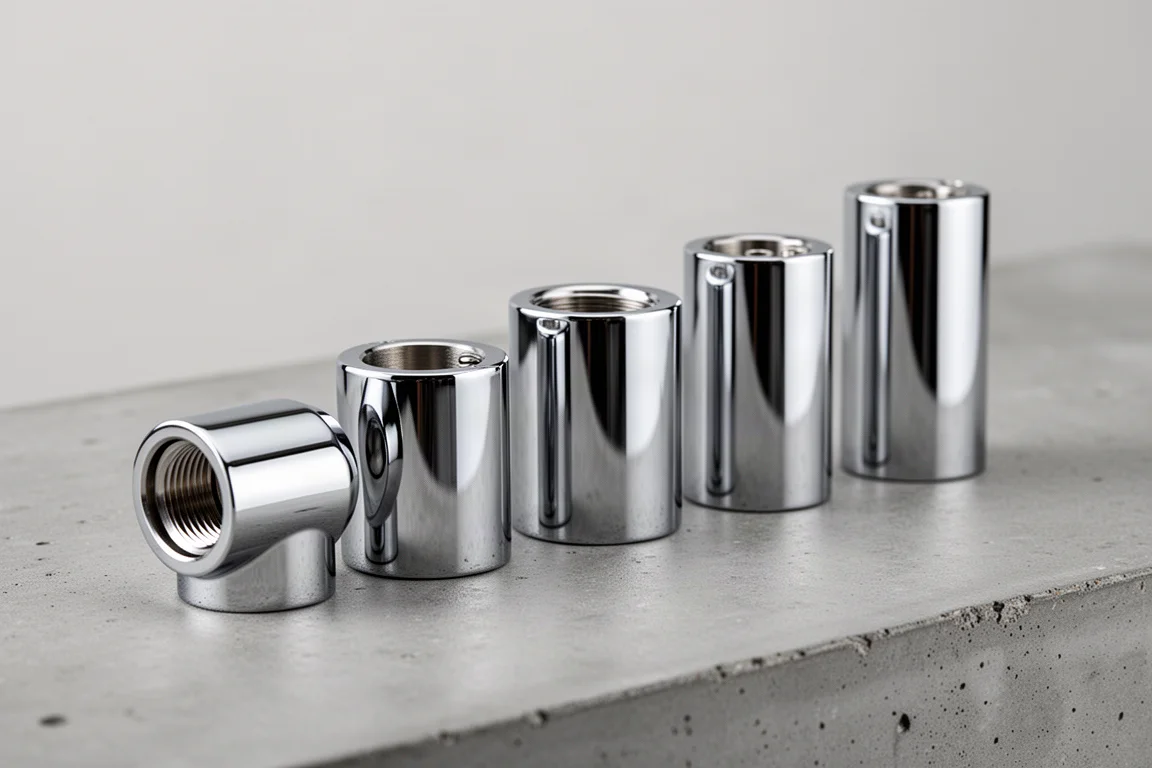
Chrome makes a 3/8-inch nano socket set that is nearly identical to the Astro offering, and very likely shares the same forging. The sockets are excellent quality, roll marked, and functionally indistinguishable from the category leader.
The problem is positioning. Chrome’s set is not any less expensive than Astro’s 32-dollar starter set, the brand is less well known, and the product range is smaller. When the cheaper, better-established option does the same job, the buying decision mostly writes itself.
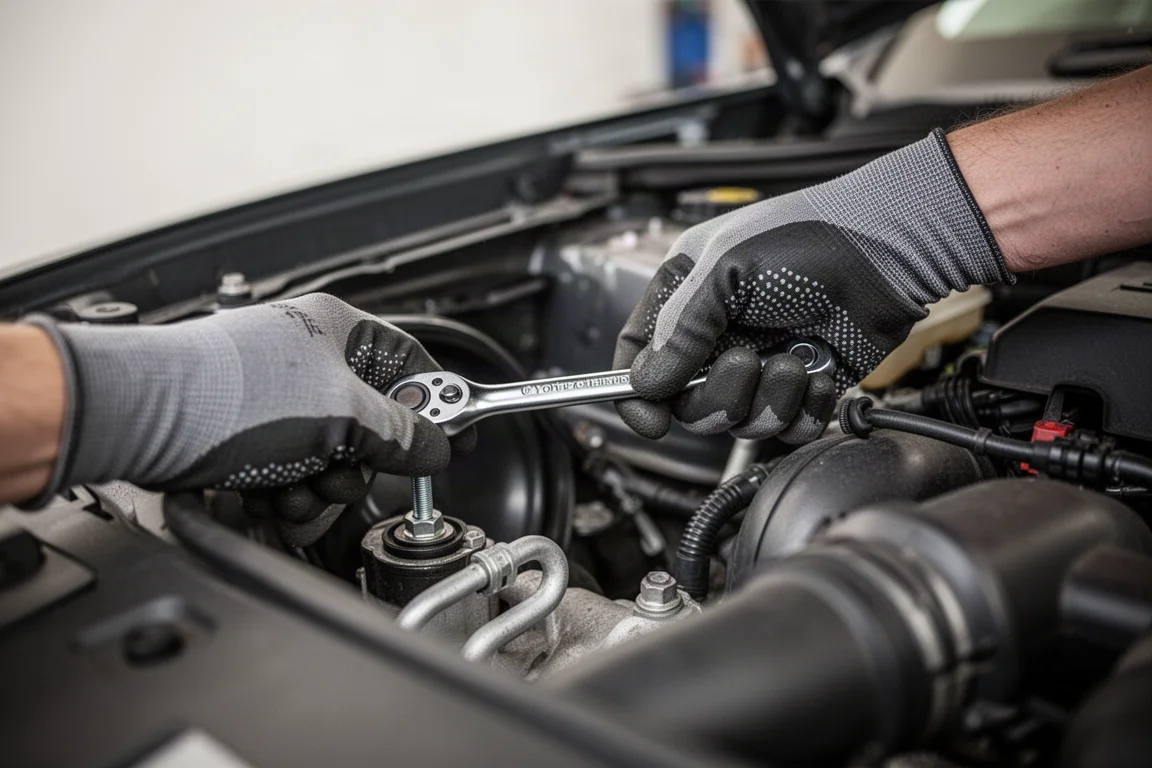
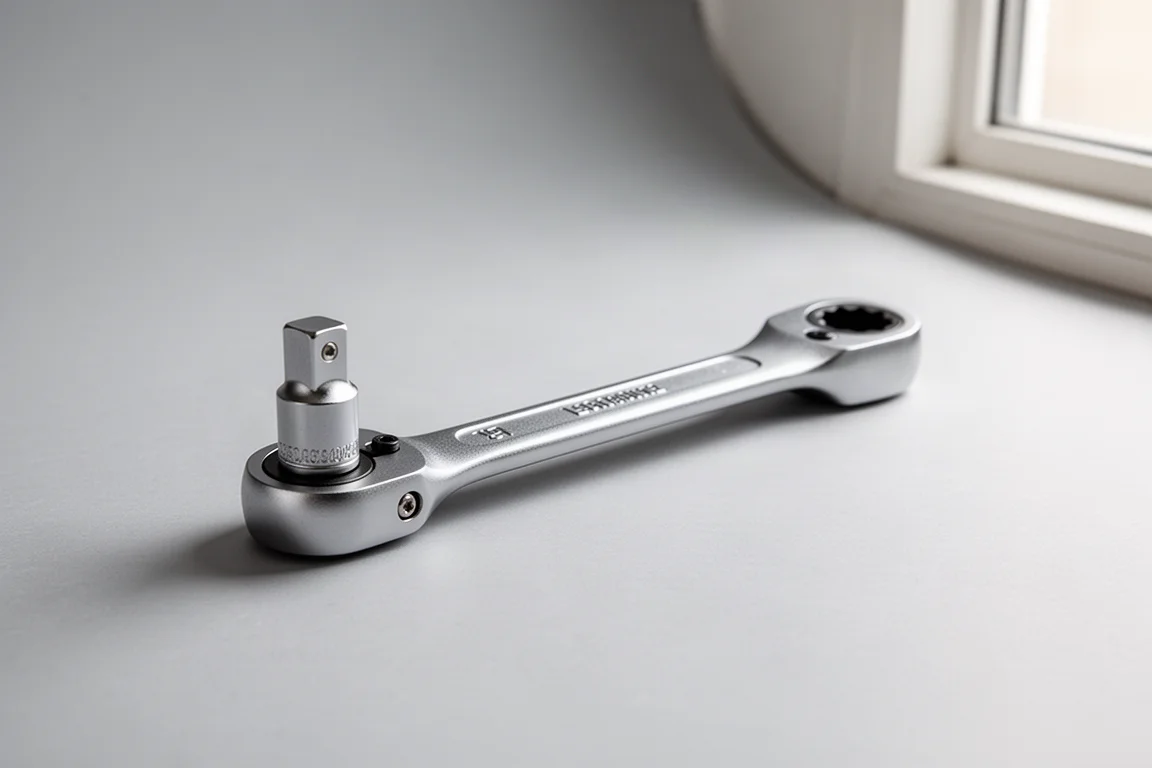
Where Chrome does add value is in wrenches. They offer a 3/8-inch wrench very similar to Astro’s but with 120 teeth instead of 100, meaning a finer ratcheting arc in tight spaces, and a brand-new quarter-inch wrench with the same 120-tooth count. Both retain Astro-style center-detent sockets properly, and both have retaining rings. If you want maximum swing arc in the tightest spaces, Chrome’s wrenches are a genuinely appealing alternative to Astro’s.
Buying Advice: Which Set Should You Get First
Start with the Astro 3/8-inch nano set at around 32 dollars. It is the cheapest entry point into the system, it is on sale often, and it covers the sizes you will actually use. If you are already committed to the ecosystem, add the expanded size set that goes up to 24 mm.
For half-inch drive, Astro’s 17 mm to 30 mm set is the only one in this range that offers that span, and it is the only half-inch nano set worth prioritizing. For quarter-inch, Ulsa and Astro are functionally the same, so compare prices. For specialty bits, E-Torx, hex, and Torx sets from Ulsa or Astro are sensible additions, though skip the ones that include sizes or bit types you will never touch.
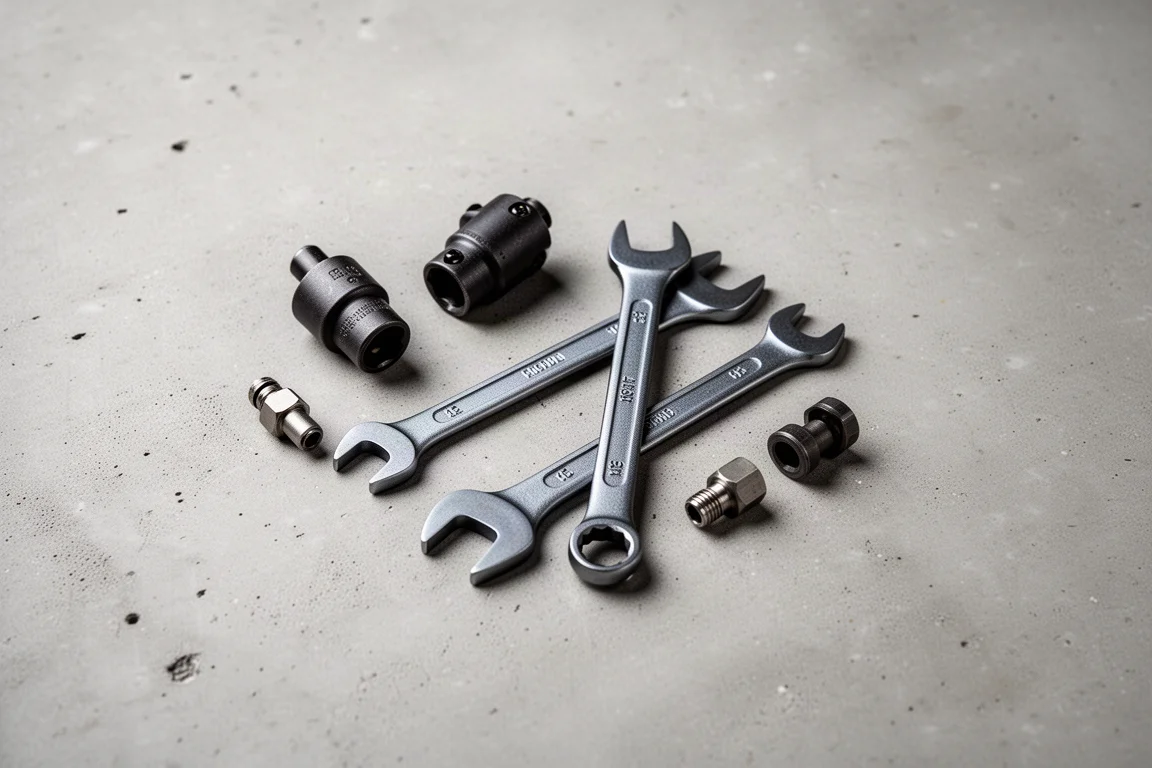
A few practical notes. All 3/8-inch and 1/2-inch sockets in this category are cross-compatible between brands, so you can mix and match freely. In quarter-inch drive, remember the two standards: Astro and Chrome sockets work on Vim and Matco wrenches, but not the other way around. And if you want the unique Ulsa clip adapters for running sockets on wrenches, budget for the shipping since they are website-only.
Conclusion
Compact nano sockets have moved from clever niche solution to essential everyday tools, and the market has matured enough that every major entry is well made. Astro remains the most complete and fairly priced ecosystem, Ulsa adds genuine competition and a couple of unique accessories, Chrome contributes excellent high-tooth-count wrenches, and Quinn, Vim, and Matco serve specific niches within it. Whichever brand you choose, the real win is the same: bolts you can actually reach, turned quickly, without disassembling half the car to get there.
Further reading
Related Reviews
Hand Tools
Best Diagonal Cutters 2026: 16 Pliers Tested for Cutting Power and Durability
We put 16 diagonal cutters through nail, screw, drill bit, and hex key tests to find the best value picks for your toolbox.
Hand Tools
Best Hex L Key Sets 2026: Nine Sets Tested for Real-World Torque
Nine hex L key sets from budget to premium, tested for torque, fit, and durability. See which sets deliver real performance and which ones to skip.
Hand Tools
Best Locking Pliers 2026: Top Picks Tested for Grip and Durability
We tested 18 brands of 10-inch locking pliers for grip strength, jaw bite, build quality, and ease of release to find the best options for tough jobs.