Hand Tools
Nano Sockets and Ratcheting Wrenches: 7 Tools for Tight-Quarters Fastener Work
A practical look at dual drive Nano sockets, high-tooth-count ratcheting wrenches, reversible options, and clever ways to mate any wrench to any socket.
Introduction
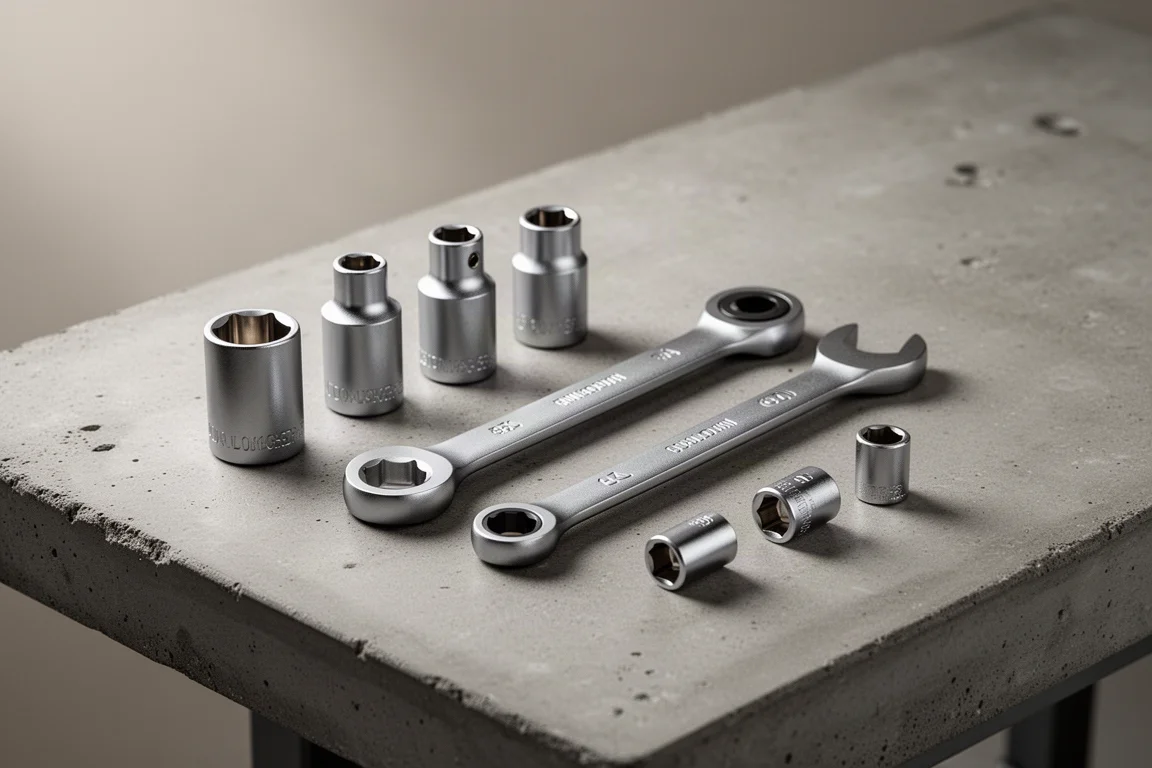
Tool preferences change. The first-choice ratchet and socket combo from five or ten years ago is not necessarily the one that earns bench time today, and one ecosystem in particular has been quietly taking over: compact dual drive sockets paired with slim, high-tooth-count ratcheting wrenches. This guide walks through the sockets themselves, the wrenches built around them, the reversible alternative, and a few inexpensive tricks that let any ratcheting wrench drive any socket.
The Astro Nano Dual Drive Sockets
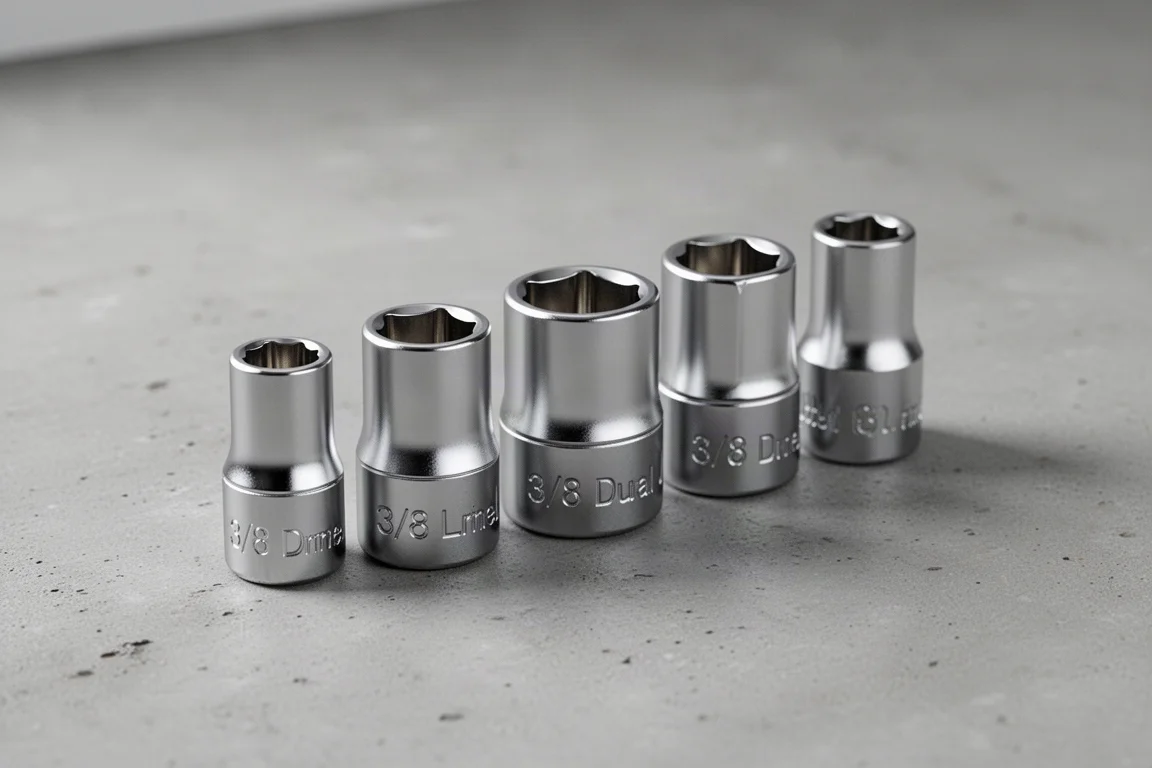
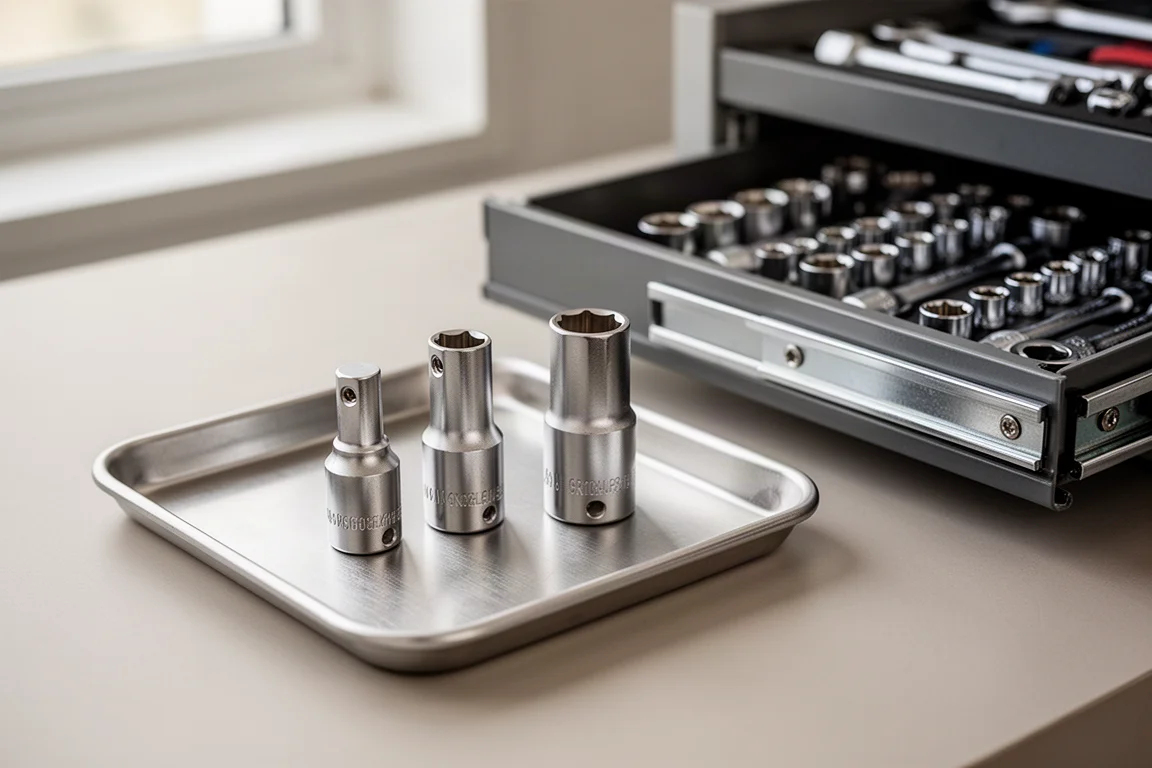
The Astro Nano sockets in 3/8 drive have become a genuine go-to tool. They are dual drive, meaning they are impact rated, yet thin enough to be used as regular sockets. Astro also sells them in 1/4 inch and 1/2 inch drive, and the lineup extends into Torx, hex, and triple square sets in the same dual drive 3/8 format. Astro additionally offers an adapter set that converts any of its wrenches into a ratchet: 3/8 to 3/8, 3/8 to 1/4, 3/8 to 1/2, and a bit driver version. The main gap is a 3/8 to 3/8 wobble adapter, which exists but can be tricky to track down.
The Astro Nano Ratcheting Wrench
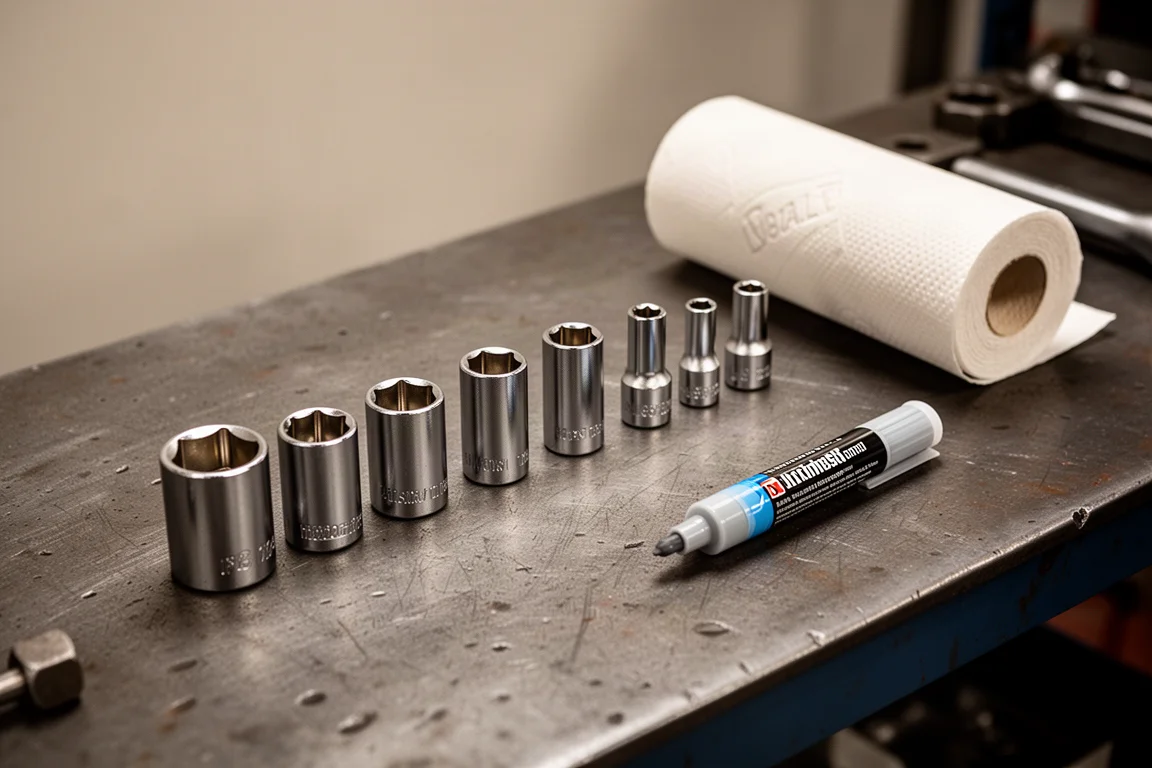
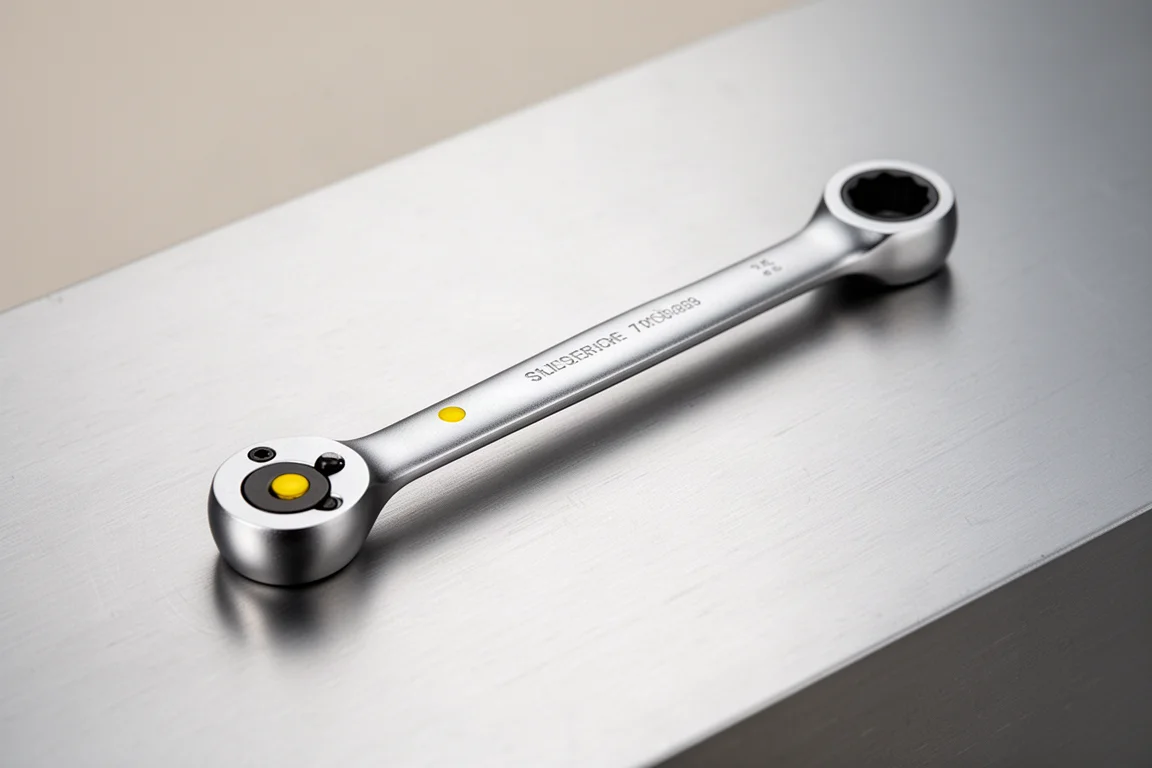
The stock Astro Nano wrench, in the long version, costs roughly 30-something dollars and is fairly reasonably priced for what it delivers. It uses a 100 tooth ratchet mechanism, which translates to a tight swing arc, and keeps a fairly compact head. One ownership tip: because these wrenches reverse by flipping them over rather than by a lever, a small yellow paint dot on the working side makes it easy to spot the “on” direction at a glance. If the dot wears off, a paint pen refreshes it in seconds.
The Chrome Ratcheting Wrench
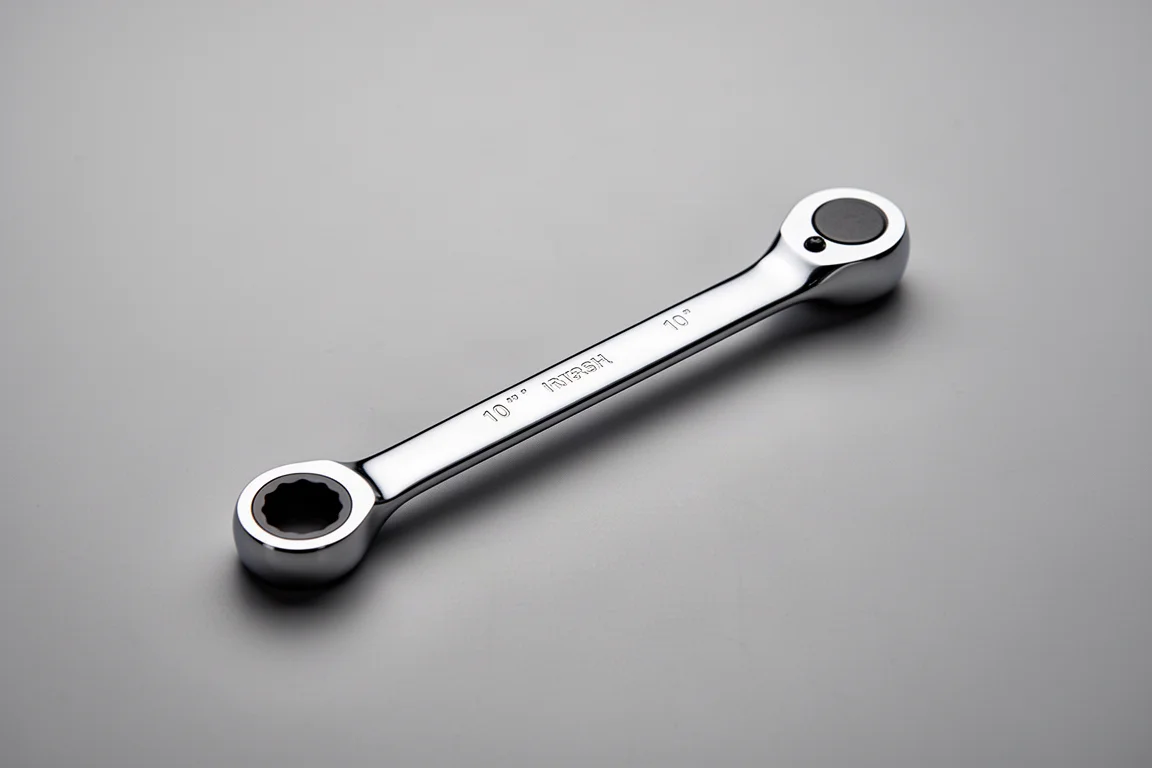
Chrome, which also makes a line of dual drive sockets in a slightly smaller size range, sells its own ratcheting wrench at about the same price, sometimes a little more and sometimes a little less. The quality is high and the tools likely come out of the same factory as the Astro. The ratchet itself is not identical, though: the shorter 10 inch Chrome version is a 120 tooth design, a finer mechanism than the Astro’s 100 tooth, and it runs a bit smoother as a result. The head stays compact, which matters in the low-clearance environments these tools exist for.
The Reversible Alternative: Matco
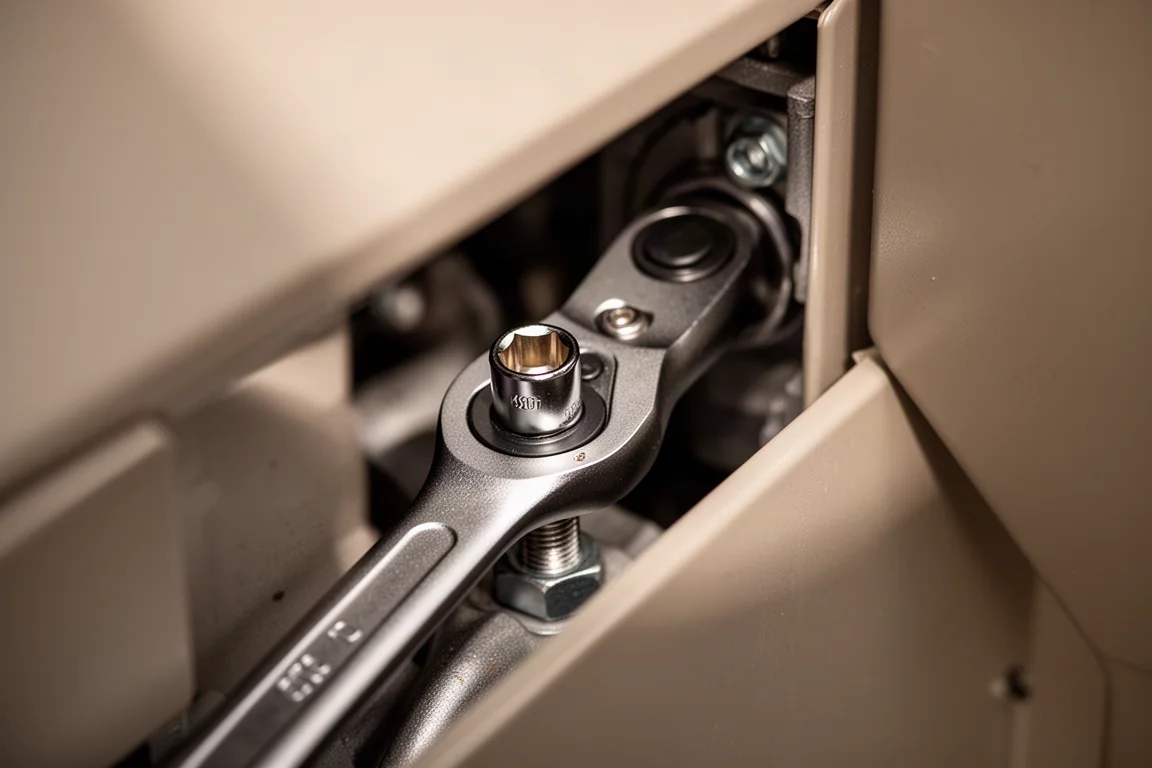
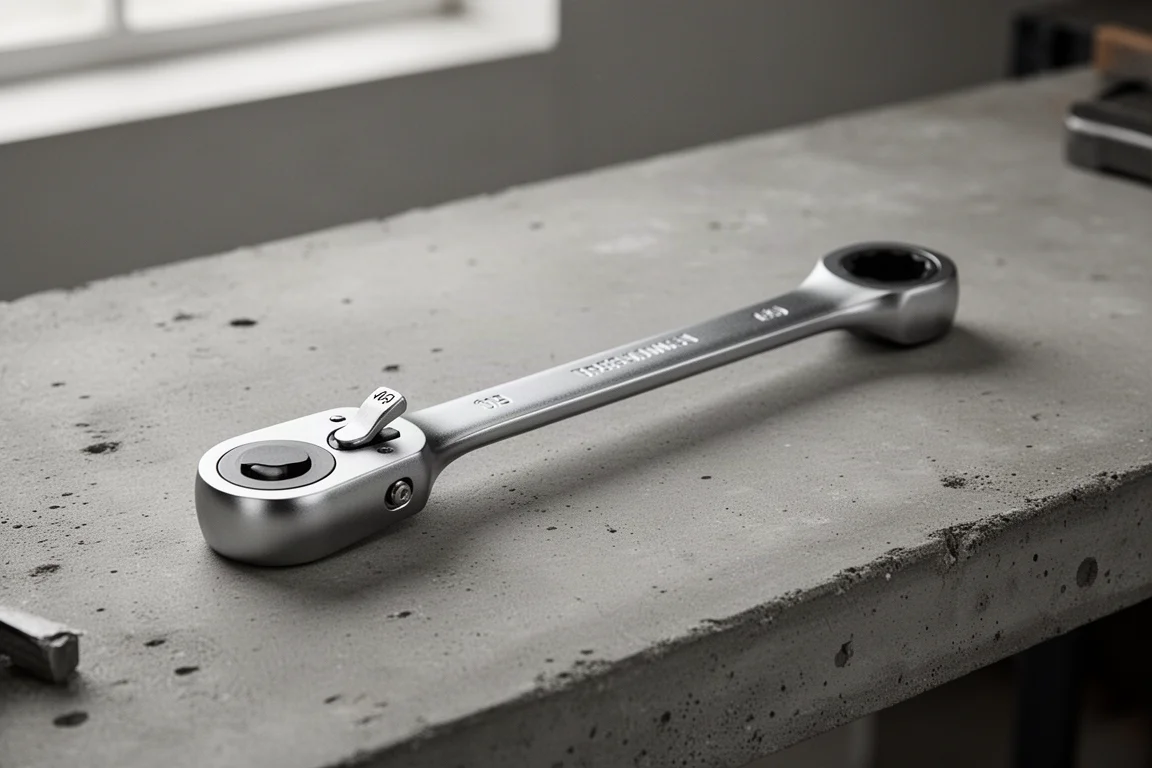
The obvious question is why the Astro and Chrome wrenches have no reverse lever. Matco makes a reversible version, and the lever is genuinely convenient. The trade-offs stack up quickly, though. The Matco has a 72 tooth mechanism, so the swing arc is noticeably coarser, and the head is fatter. In tight spaces, the slimmer heads and tighter ratcheting of the 100 and 120 tooth options can be a real advantage.
Then there is the price. The Matco long version lists at 100 dollars against roughly 30 for the Astro and Chrome. Deals exist, with a new example found for 70 dollars on eBay, but that is still more than double. A hybrid route is possible: Matco heads can be found on eBay for around 35 dollars and pressed onto an Astro handle, producing a short reversible wrench for about 65 dollars total. Matco sells the short version directly at 95 dollars, but deals are harder to find. It is a genuine trade-off: a coarser ratchet with a fatter head and a reversing lever, or a finer tooth wrench with a slimmer head and no lever.
Adapters That Make Any Wrench Work
For sockets that need a retention system on a standard ratcheting wrench, dedicated adapters solve the problem. The Olsa tool adapters are a small plug set that lets any ratcheting wrench hold a dual drive socket, and they work really well. The only real criticism is the price: about 30-some dollars for a set of three little adapters feels steep, even though the performance is hard to fault. Magnetic adapters from Grey Pneumatic and similar companies offer another route, but their retention is weaker; a firm knock can free the socket, whereas the Olsa adapters stay locked in.
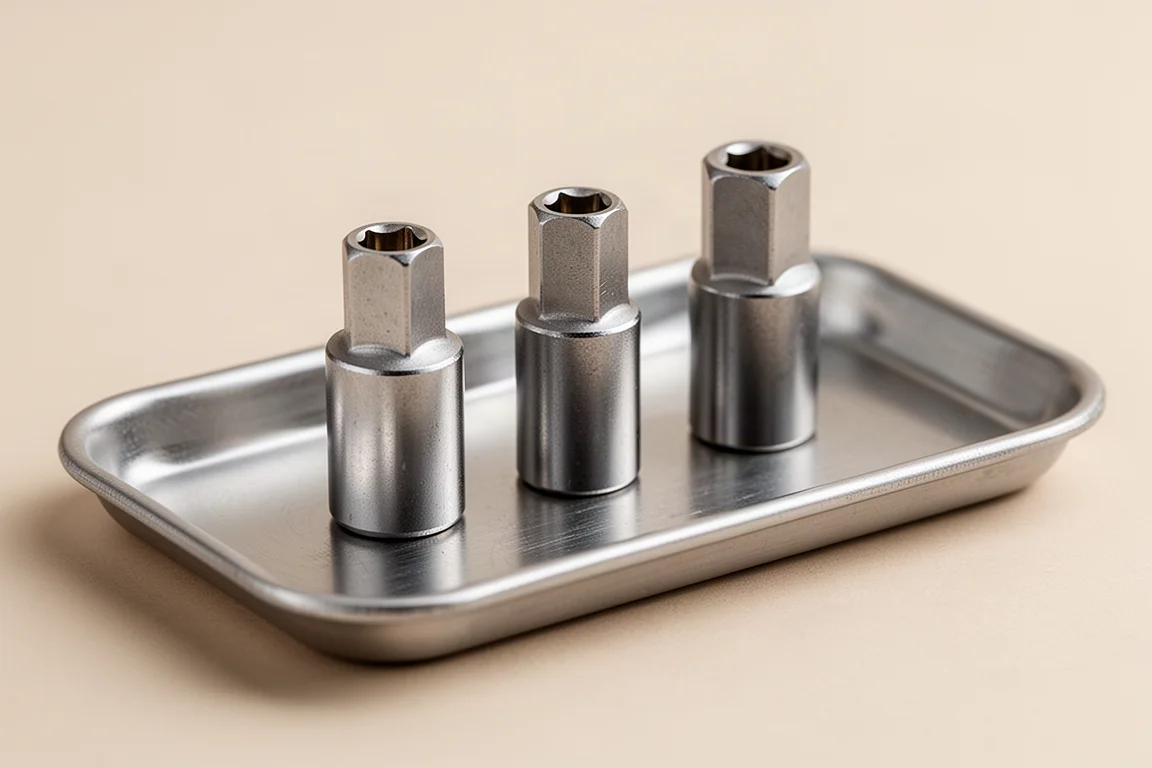
Icon Ratcheting Wrenches Worth Pairing
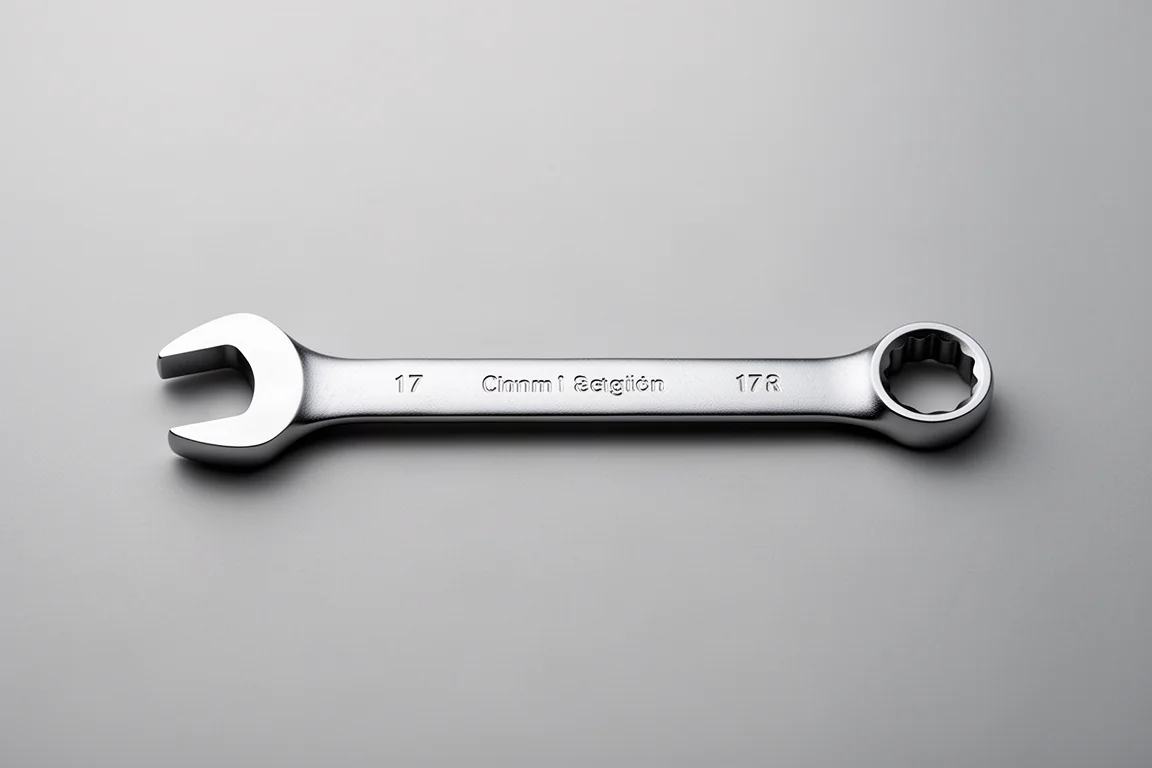
An Icon 17mm ratcheting wrench pairs naturally with this system. It is a nice, very smooth wrench with a high tooth count, and with an adapter it becomes a capable Nano socket driver. The Icon offset double ratcheting box wrenches are also genuinely good, and in many situations the Nano setup actually replaces them. They still have a role, though, particularly where a thicker wrench profile or extended reach comes into play.
The Box Wrench Slop Trick
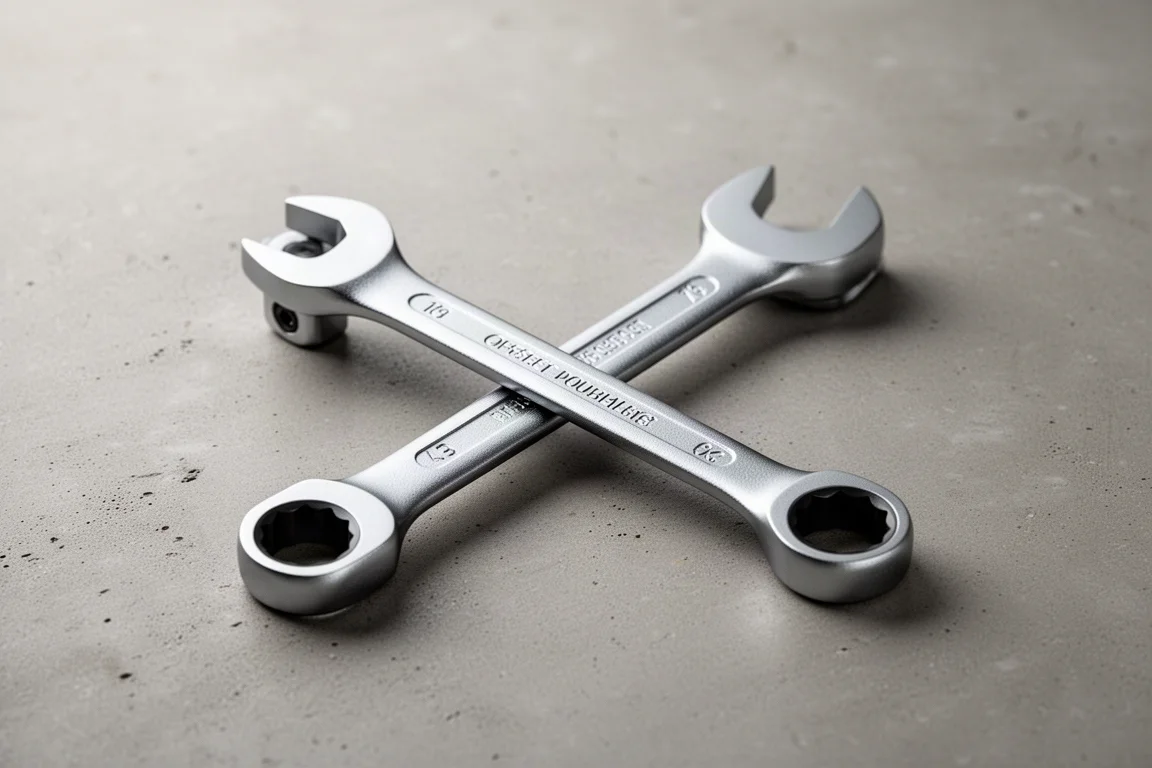
There is a catch with the deeper box wrenches: the Olsa adapters are not deep enough to seat on an offset double ratcheting box wrench. The slop in the regular wrench actually becomes the solution. A standard inexpensive rotating magnetic rail, the kind sold cheaply everywhere, can be pushed onto the wrench and the socket seated onto that rail. The play in the rail gives the extra length needed to lock the socket on, and once seated it holds really well with the slop gone. It is not a perfect solution, but it is good enough, and it also works on wrenches with more extended reach. For breaking a stubborn bolt loose, some mechanics would skip the ratcheting wrench entirely, and the Olsa adapters work perfectly there.
The Shop Towel Trick
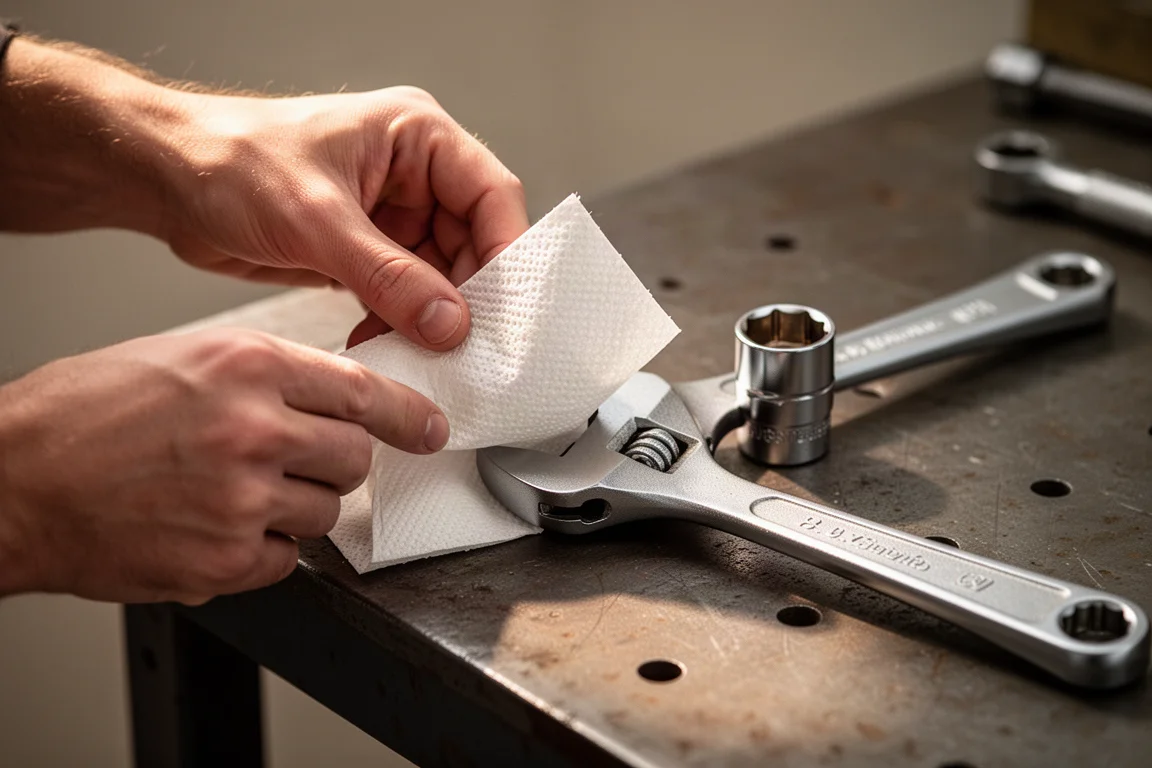
The cheapest solution costs almost nothing and mechanics have used it for years. Tear a corner off a shop towel, push it into the end of a ratcheting wrench, seat the socket, and tear off the excess. It holds firmly, does not back out mid-job, and when finished the towel pops out and goes in the trash. It is not as tidy as a retaining ring, but with this technique any ratcheting wrench, including that smooth Icon 17mm, can drive a Nano socket with no adapter at all.
There is even a second life for a worn-out ratchet head: press the head off the handle, add a key ring, and it becomes a super compact emergency driver that lives on your keys.
Conclusion
There is no free lunch in this category. The reversible lever costs you tooth count, head size, and roughly triple the price. The Astro Nano and Chrome wrenches deliver finer mechanisms and slimmer heads for around 30 dollars each, and the Chrome pushes the count to 120 teeth. Pair them with the Nano dual drive sockets, add the Olsa adapters if retention matters often, and keep a roll of shop towels on the bench for everything else. Choose based on whether a reversing lever or a finer ratchet matters more in your work.
Further reading
Related Reviews
Hand Tools
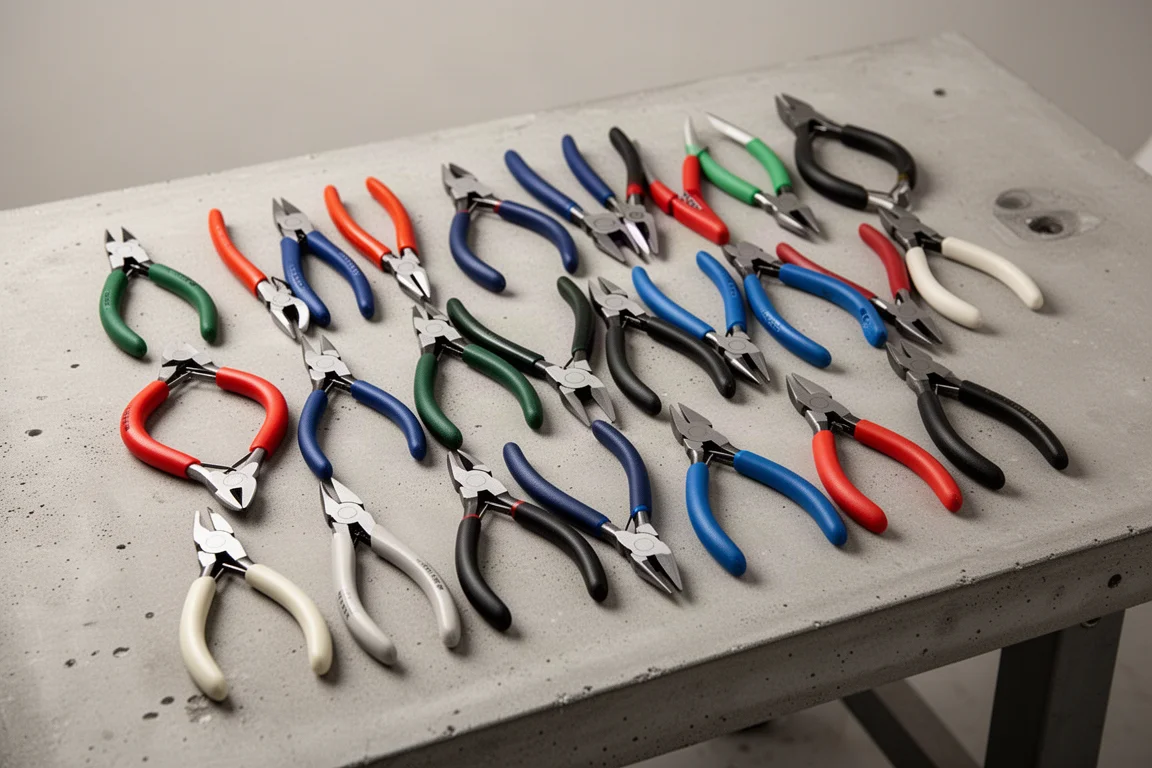
Best Diagonal Cutters 2026: 16 Pliers Tested for Cutting Power and Durability
We put 16 diagonal cutters through nail, screw, drill bit, and hex key tests to find the best value picks for your toolbox.
Hand Tools
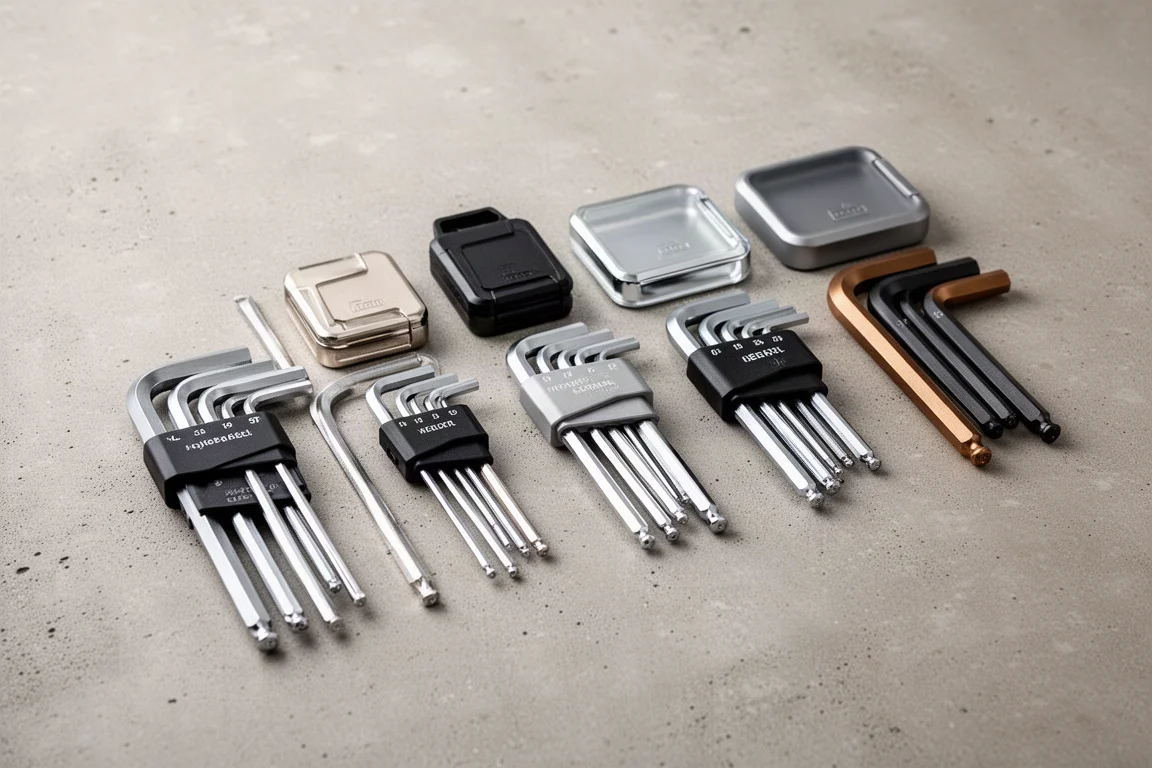
Best Hex L Key Sets 2026: Nine Sets Tested for Real-World Torque
Nine hex L key sets from budget to premium, tested for torque, fit, and durability. See which sets deliver real performance and which ones to skip.
Hand Tools
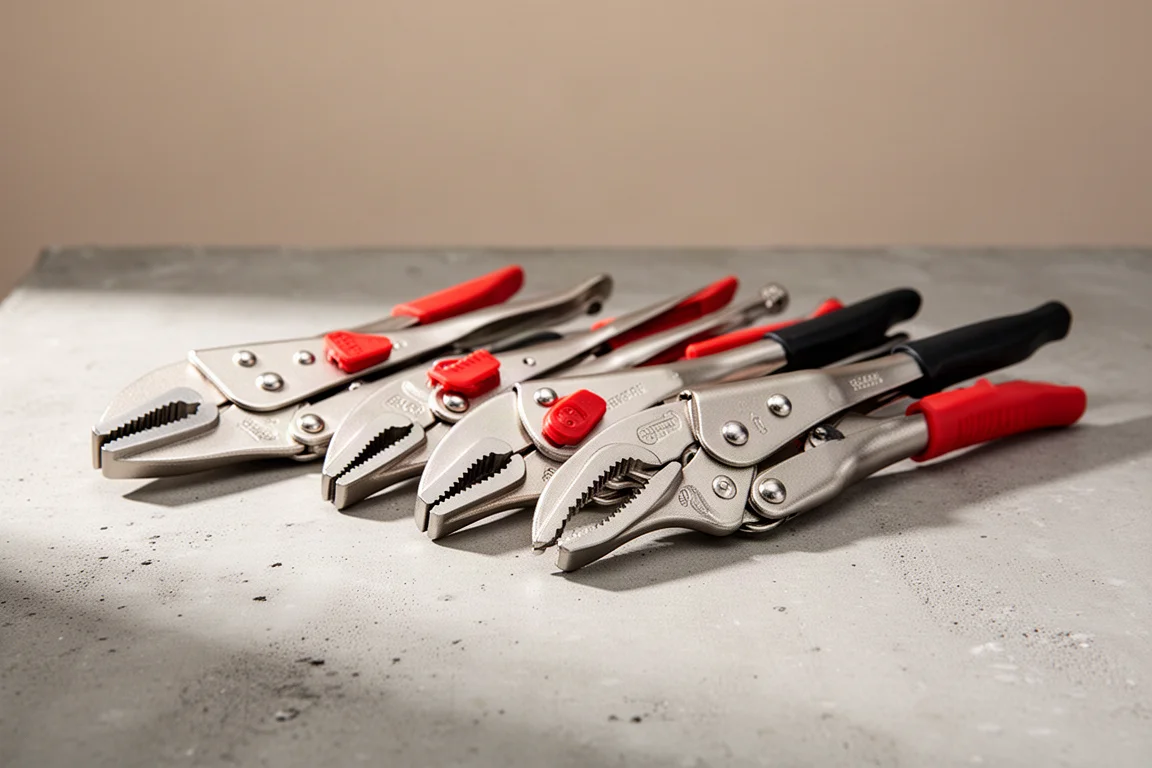
Best Locking Pliers 2026: Top Picks Tested for Grip and Durability
We tested 18 brands of 10-inch locking pliers for grip strength, jaw bite, build quality, and ease of release to find the best options for tough jobs.