Kitchen Knives
Best Nakiri Knives: Two Japanese Vegetable Knives Worth Adding to Your Drawer
A Nakiri is a Japanese knife built for precise, straight vegetable cuts. Here are two picks that stood out from a 12-knife test lineup.
Introduction
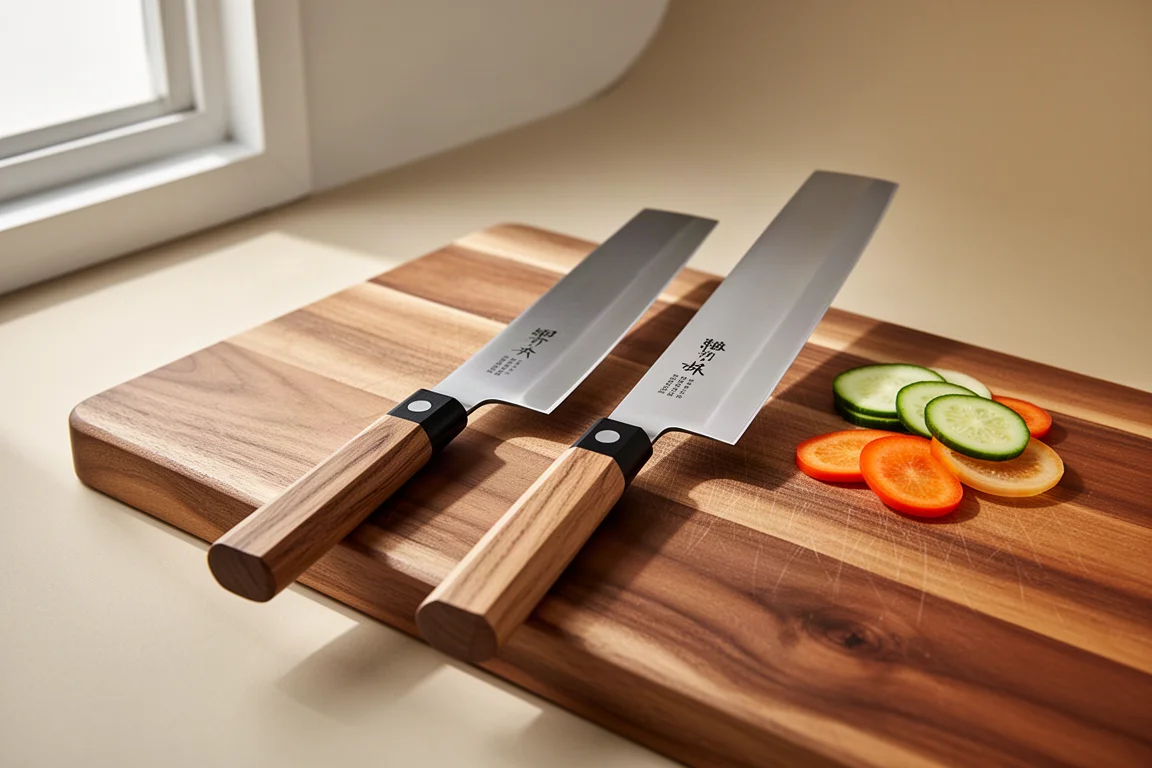
A chef’s knife, a paring knife, and maybe a serrated knife will get you through almost any kitchen job. But once you start adding to your knife arsenal, a Nakiri deserves a spot on the shortlist. This is a Japanese knife made specifically for vegetables, and you will find one in almost every Japanese home kitchen.
A 12-knife lineup, priced from $48 to $255, put these blades through real prep work: chopping onions, fine carrot brunoise, julienned peppers, minced parsley, sliced cabbage, delicata squash, and even partially frozen steaks. Two picks came out on top for different reasons.
What a Nakiri Actually Is
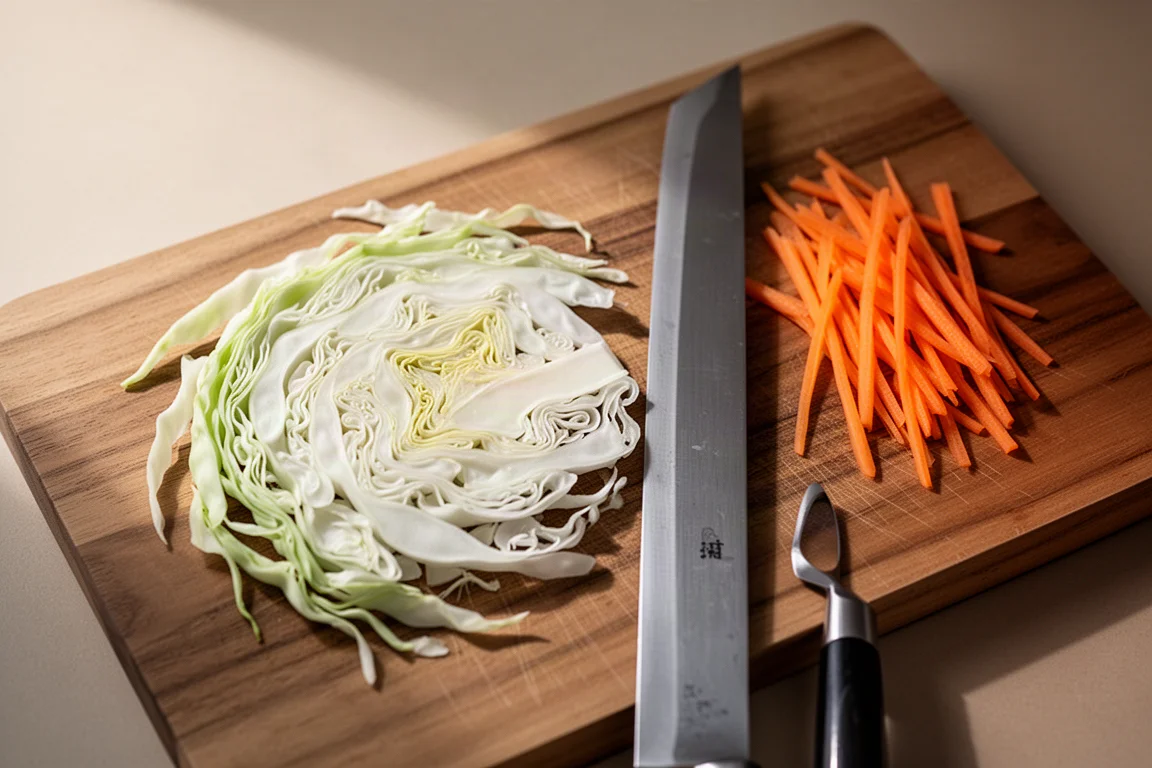
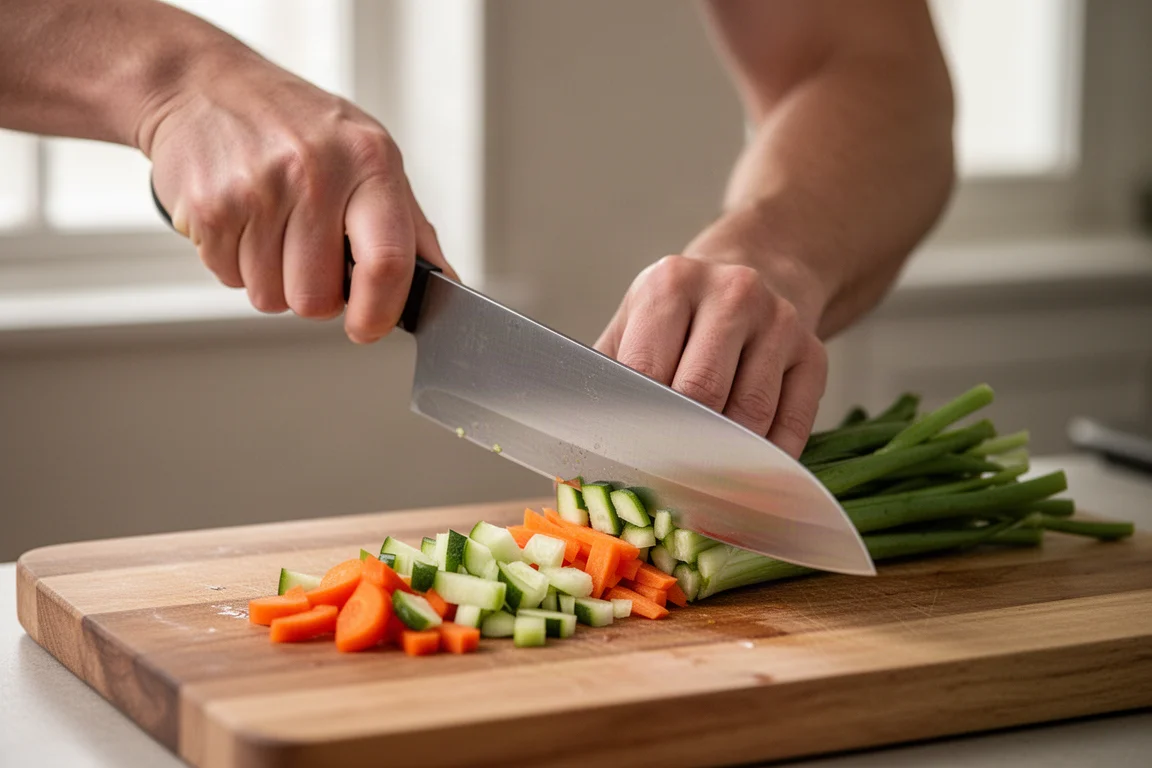
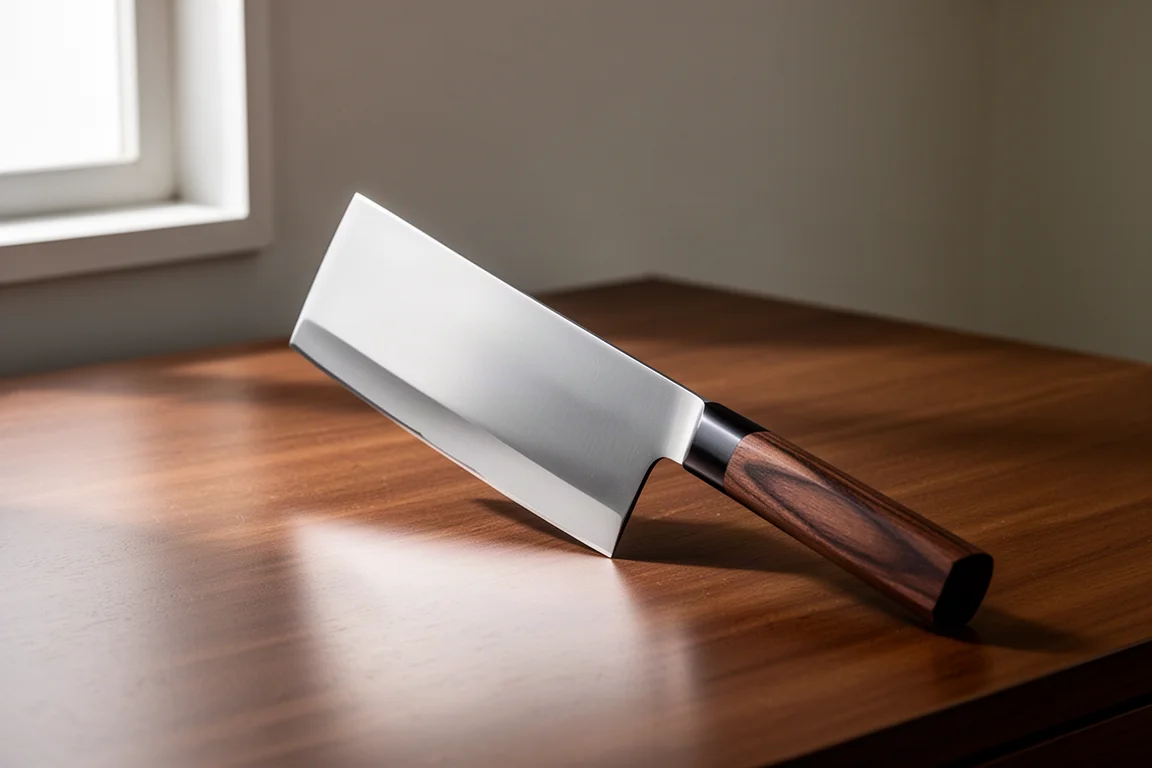
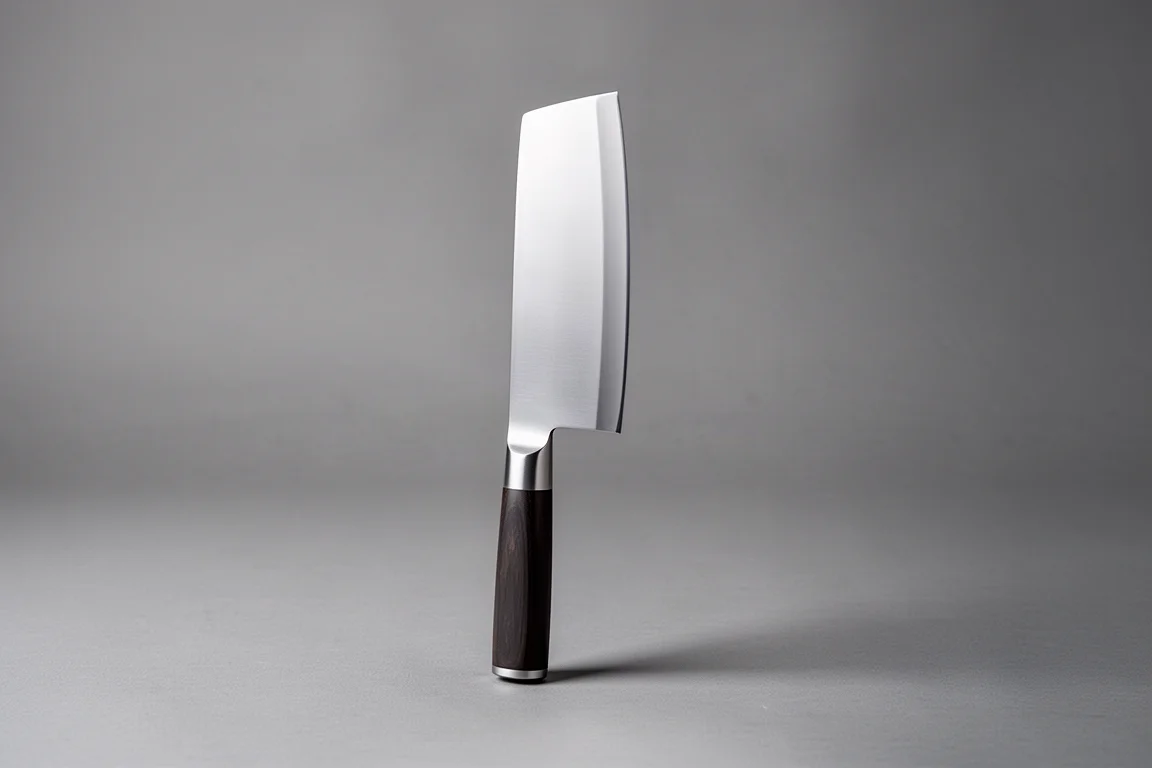
The shape tells you a lot. A Nakiri has a fairly tall, fairly short blade with a blunt tip and a straight edge designed for lots of contact with the cutting board. Unlike a curved chef’s knife belly, a straight edge is not meant for rocking cuts or dicing with a rolling motion. It is built for slicing straight, even, precise, fine cuts.
One important warning before buying: in many Western markets these knives are mislabeled as vegetable cleavers. They are not cleavers. The steel is hard and relatively brittle, designed for precise cuts rather than force. Driving one through a chicken bone or a very hard squash could chip the edge. Treat it as a vegetable knife and it will reward you.
Blade Thickness and Weight Made the Difference
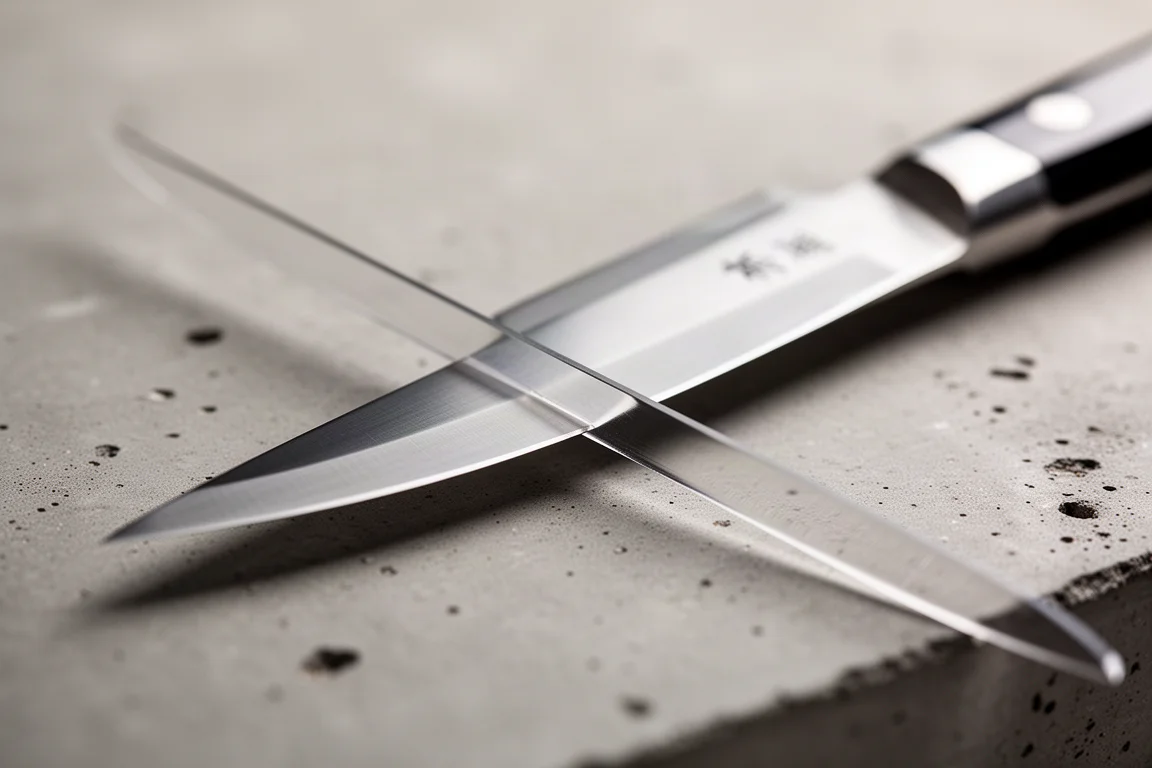
Two factors separated the standout knives from the rest of the lineup. The first was blade thickness, measured at the spine. Thicker blades, around 2.6 millimeters, felt like they were wedging or cleaving through food. Thinner blades, around 1.7 millimeters, produced noticeably finer, cleaner slices and a distinctly more controlled feel. Testers described the thinnest blades as almost surgical.
The second factor was weight. The lineup ranged from roughly five to ten ounces, and the heavier knives demanded more arm effort in the straight up-and-down chopping motion a Nakiri requires. Lighter knives reduced fatigue over long prep sessions and made the whole experience feel more precise.
Best Nakiri Overall: Masamoto Sohonten Wa-Nakiri
The Masamoto Sohonten Wa-Nakiri is the lineup winner. It is not an inexpensive knife at around $210, but testers consistently loved how it performed across every vegetable task. It sits at the lighter, more precise end of what a Nakiri can be.
It will not replace a chef’s knife or even a santoku, and it is not meant to. Think of it as a supplement that turns vegetable prep into the part of cooking you actually look forward to.
Best Nakiri Value: Masutani VG1 Nakiri
If you want to spend less on a supplemental knife, the Masutani VG1 Nakiri is the best buy. It comes in at 165 millimeters and around $70, which is genuinely good value for a knife in this category.
Like the Masamoto, it works best as an addition to your existing knives rather than a replacement for them. For the price, it is an easy way to see whether a Nakiri fits your cooking style before committing to a premium blade.
Buying Advice
If budget is no object and vegetable prep is a daily ritual, the Masamoto Sohonten Wa-Nakiri justifies its price with performance testers rave about. If you are Nakiri-curious and want an affordable entry point, the Masutani VG1 delivers most of the benefit for a third of the cost. Either way, remember the golden rule: straight, precise vegetable cuts only, and never treat it like a cleaver.
Conclusion
A Nakiri will not replace your chef’s knife, but it will change how you feel about prepping vegetables. The Masamoto Sohonten Wa-Nakiri is the premium pick at about $210, and the Masutani VG1 Nakiri at around $70 is a remarkable value. Thin blades, lighter weight, and a straight edge add up to slices that feel almost surgical.
Further reading
Related Reviews

Kitchen Knives
Best Chef's Knives 2026: 27 Popular Options Tested and Ranked
A comprehensive review of 27 chef's knives ranging from $18 to $380, with honest assessments of handle comfort, blade balance, and real-world performance.

Kitchen Knives
Best Chef's Knives Under $75: Two Tested Recommendations
Two practical 8-inch chef's knives that balance sharpness, comfort, and durability without premium pricing.

Kitchen Knives
Best Chef's Knives 2026: 27 Options Tested and Ranked
A comprehensive review of 27 chef's knives ranging from $18 to $380, with honest assessments of handle design, balance, blade profile, and real-world performance.