Kitchen Knives
Best Nakiri Knives: Three Vegetable Knives Put Through a Full Meal Test
The Haruki Kokuto, Masakage, and Moritaka nakiri knives get tested through a whole meal, from cabbage to chicken, to see how far this flat-bladed vegetable knife can really go.
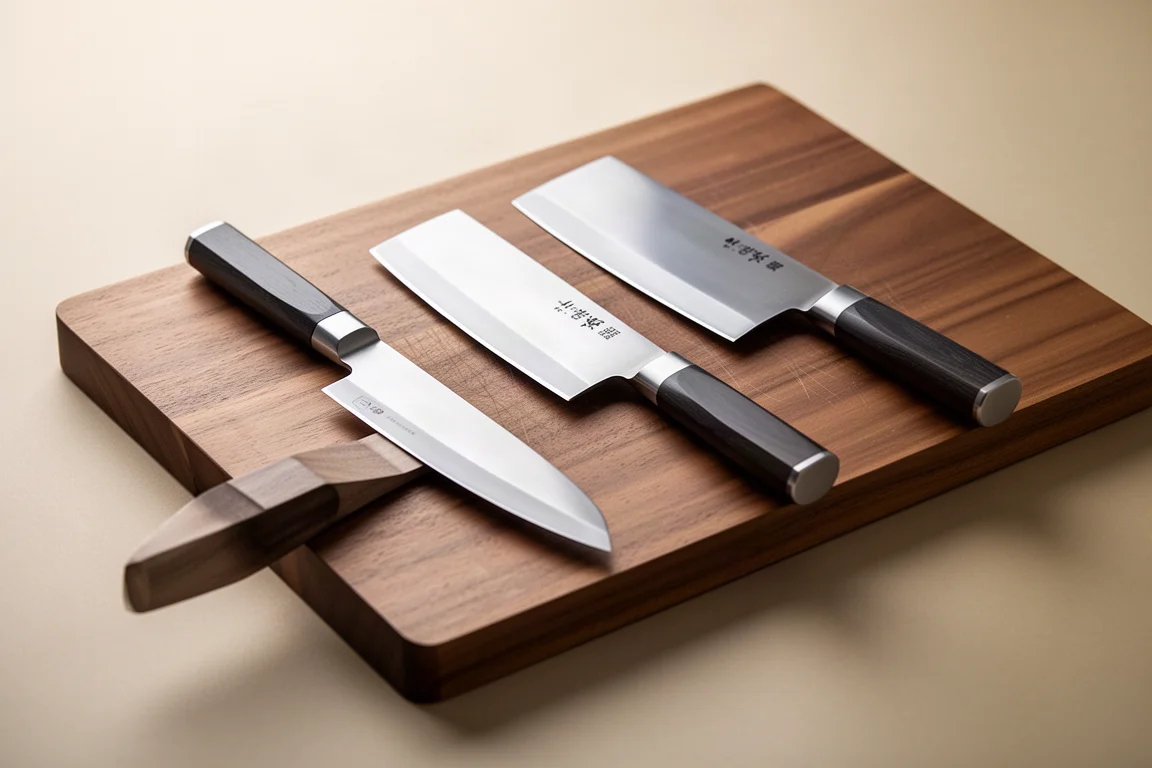
Introduction
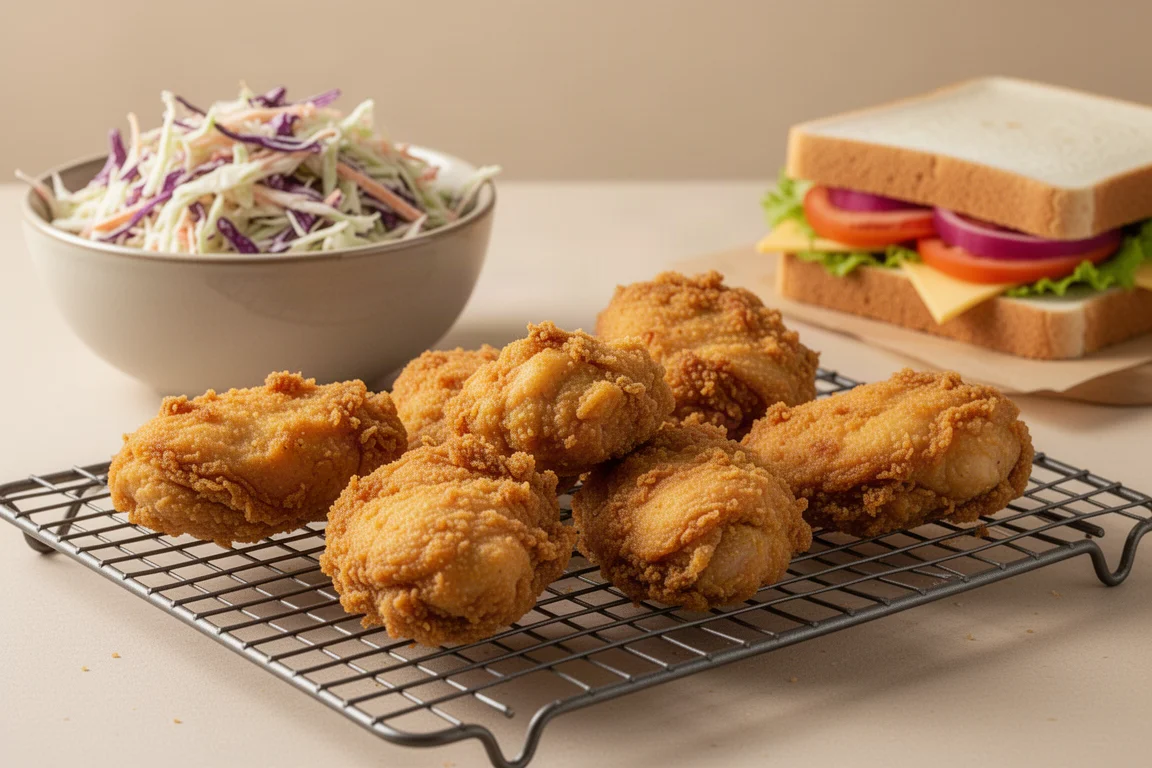
The nakiri is often written off as a one-job knife: a rectangular blade for vegetables and nothing else. But it keeps coming up in questions from home cooks who want to know whether it can genuinely serve as an all-rounder. To find out, this test put three well-regarded nakiri knives to work through an entire meal, fried chicken sandwiches with coleslaw, covering everything from dense cabbage to raw poultry.
Evaluation Criteria
The test focused on the tasks where a nakiri is expected to shine, plus the ones people are curious about. Cabbage, carrots, and onions covered the vegetable basics. Boneless meat slicing and basic chicken butchery covered the question marks. The shape of the blade matters here: the nakiri has a very flat edge and a tall profile, usually somewhere around two to two and a half inches tall on a standard model, which gives it extra knuckle clearance and a plowing feel through tall vegetables.
Everyday Vegetable Work: Cabbage, Carrots, and Onions
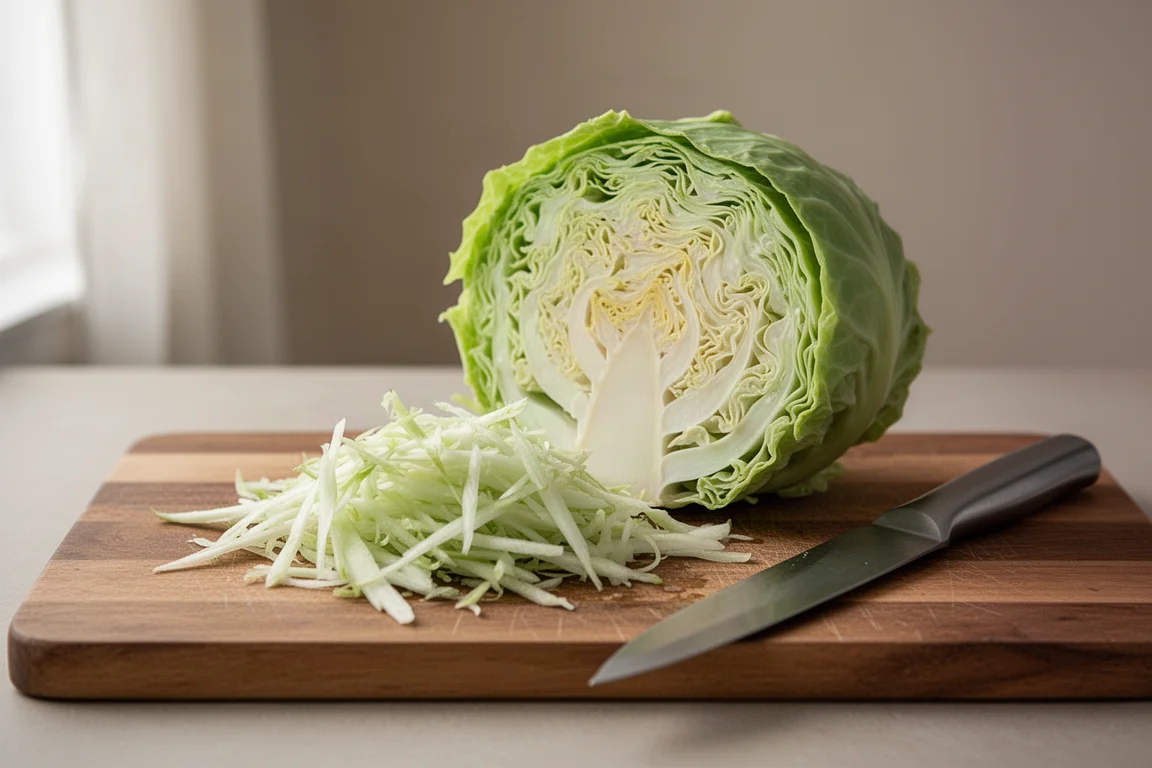
This is where the nakiri earns its reputation. The flat edge is made for a push-pull cut, and dense cabbage is exactly the job it was designed for. The extra height and weight help the blade power straight through a thick head, almost like a train plowing its way through. Carrots and other cheap, plentiful vegetables are the same story: fast, repetitive cutting where the flat edge does the work for you.
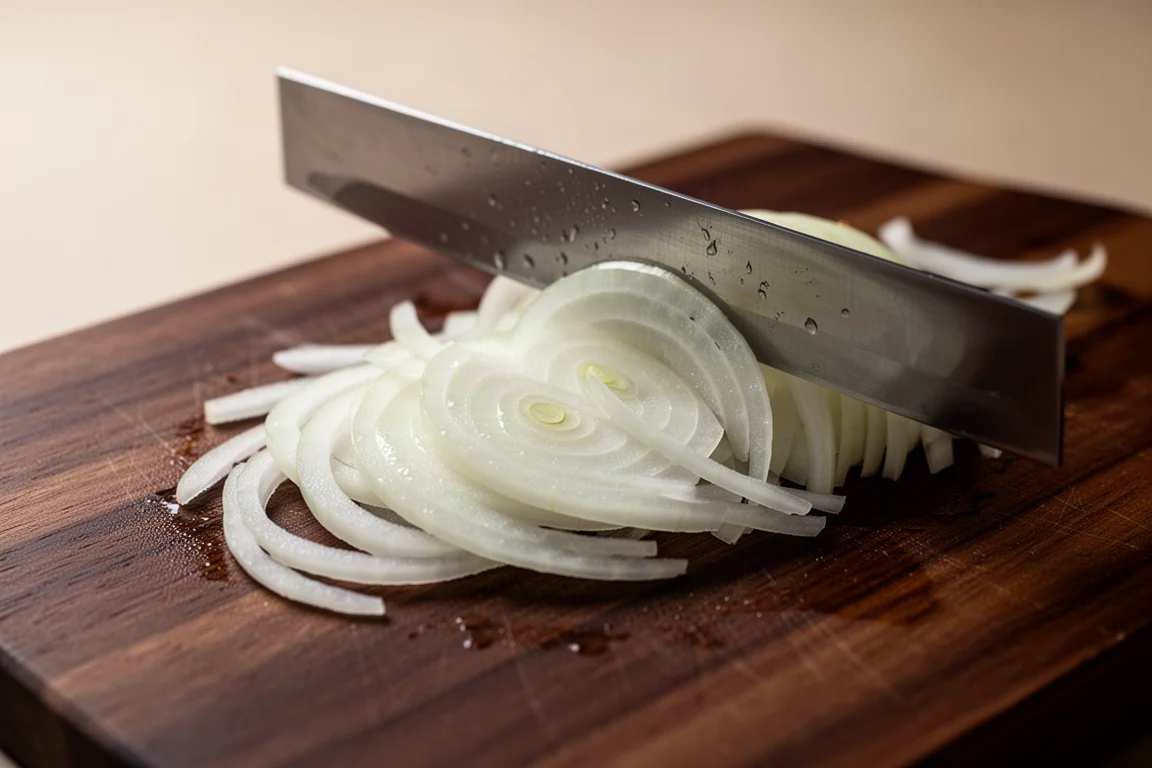
Onions are another common task worth checking. The push-pull motion feels a bit like an old paper cutter, and you can move quickly as long as you do not force the blade. The tip shape matters more than you might expect, and this is where the three knives in this test start to separate from each other.
Haruki Kokuto Nakiri
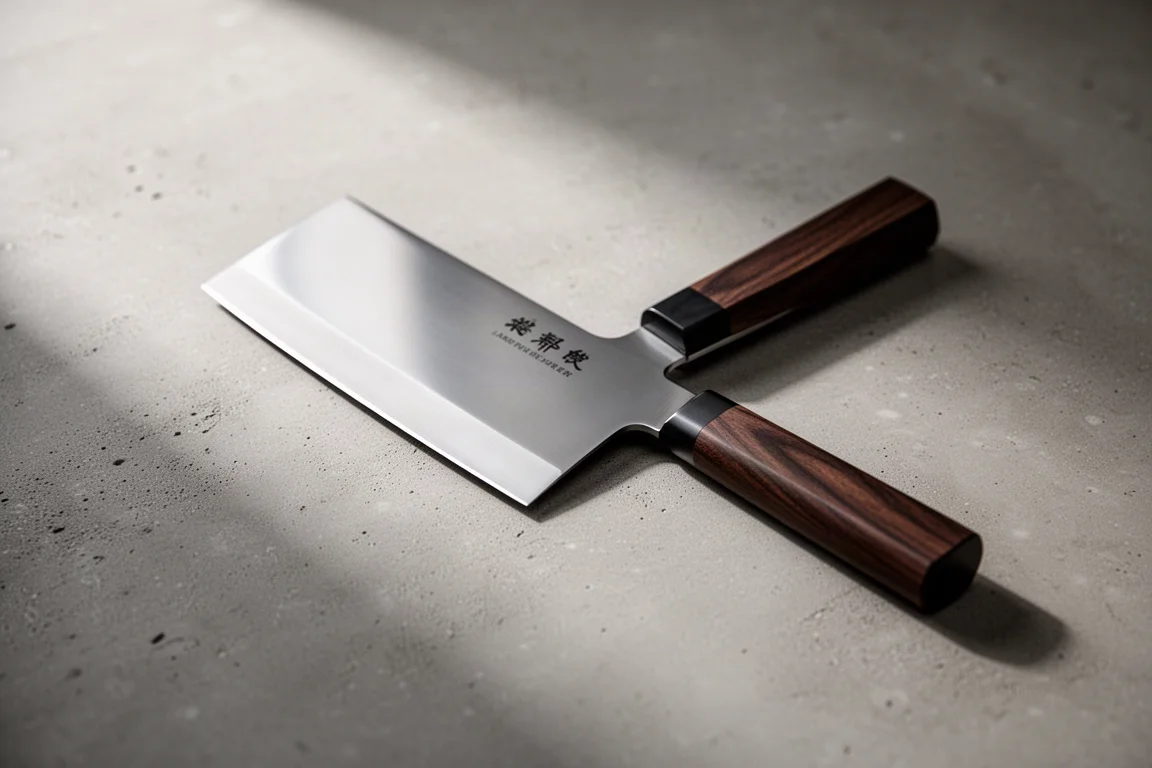
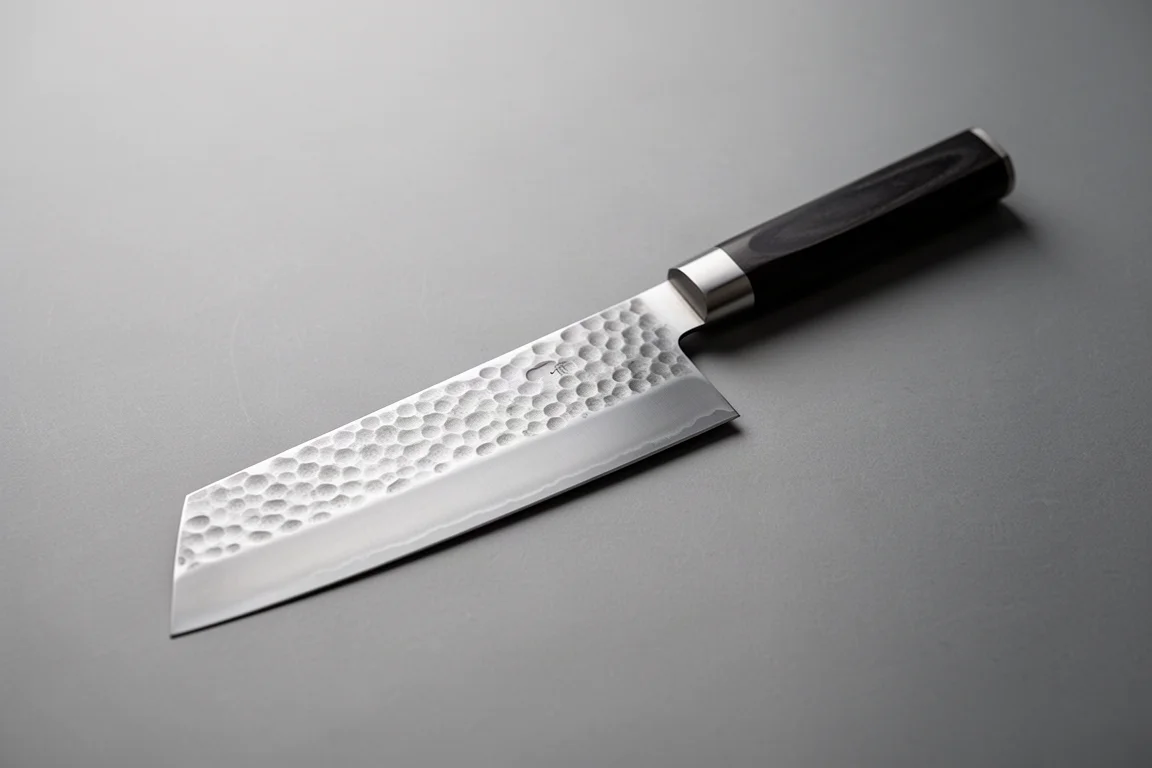
The Haruki Kokuto is a fairly standard-sized nakiri, roughly two to two and a half inches tall. That taller profile is genuinely handy when working through tall vegetables, giving you more blade to push through dense layers. It handles the classic nakiri workload with confidence: shredding cabbage, slicing carrots, and fast push-pull cuts through onions all feel natural. Like any nakiri, it rewards a pinch grip and letting the blade move forward through the cut rather than dropping straight down.
Masakage Nakiri
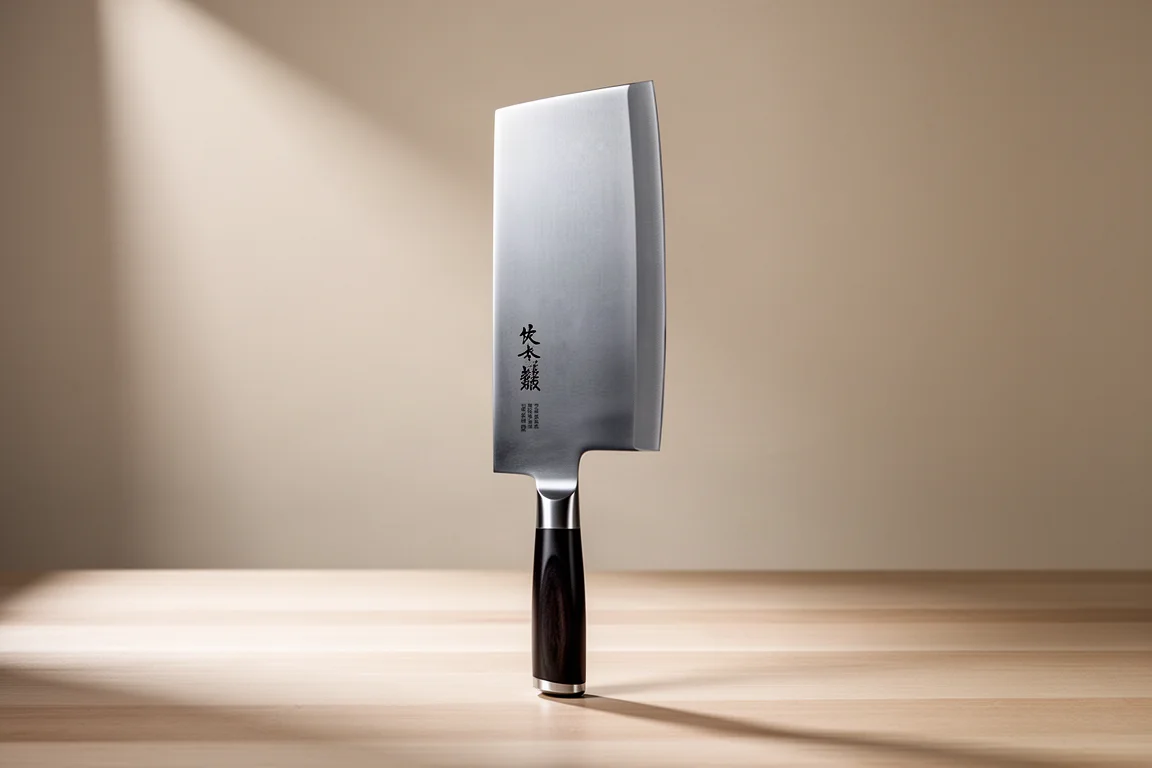
The Masakage nakiris come in noticeably bigger sizes, which is a real advantage if you like a tall blade with generous knuckle clearance. If the Haruki Kokuto is the standard option, this is the step up for cooks who want more blade height and more momentum behind each cut. For heavy vegetable prep, big salads, or anything where you are processing large quantities, the extra size makes the work feel effortless.
Moritaka Nakiri
The Moritaka nakiris are also liked in the bigger sizes, but the blade profile matters here: the tip does not carry as pronounced a curve as some other nakiris. That makes it slightly less forgiving if you like to rock the knife a little while chopping, and you may find the tip digging into the cutting board from time to time. If your technique is a strict push-pull, this is a non-issue, and the knife rewards exactly that motion.
The Meat Question: Breaking Down a Whole Chicken
This is the part most people ask about, and the honest answer is nuanced. Boneless meat is not a problem. Slicing through clean, skin-on chicken pieces for frying is a genuinely good use of the nakiri, and there is no reason not to reach for it.
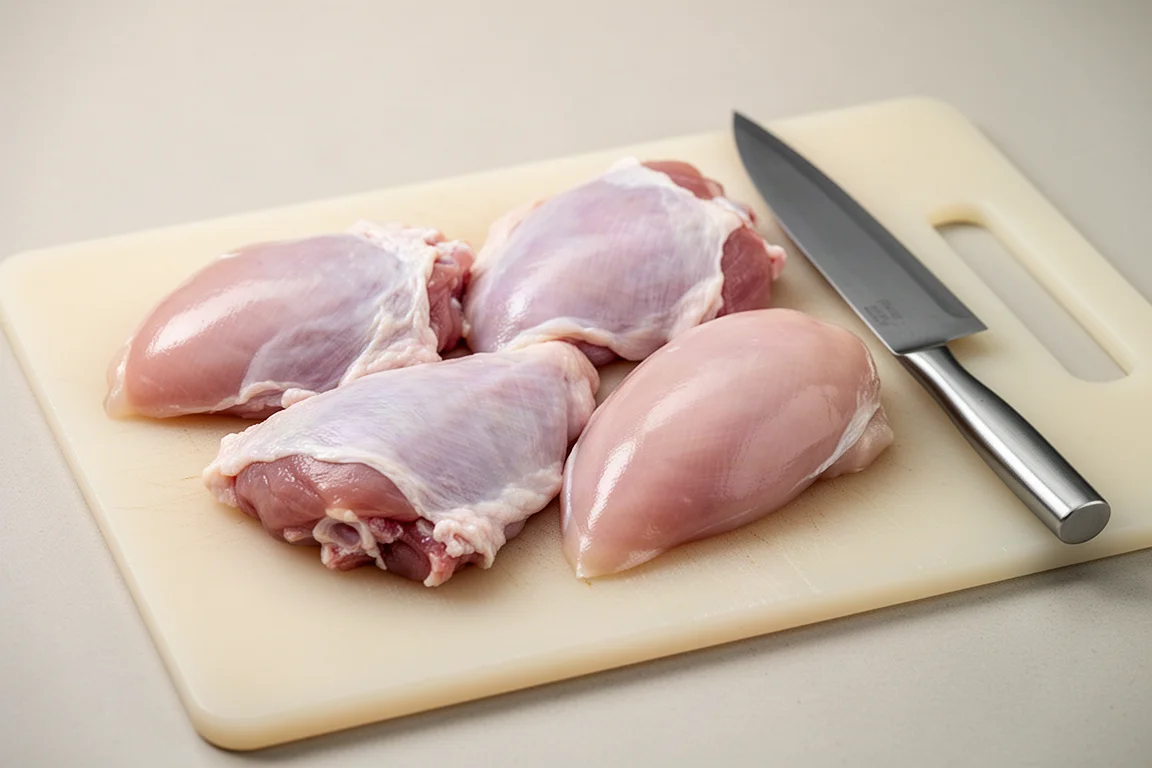
Butchering a whole chicken is a different story. The missing point is felt immediately, because so much of breaking down a bird relies on working around bones and joints with the tip. Using the heel in reverse to compensate is unconventional and not recommended. The job gets done, but the honest rating lands somewhere around four or five out of ten. If you are not comfortable breaking down a chicken, a petty, a gutto, a santoku, or especially a honesuki are better first picks.
The practical takeaway: if you buy boneless chicken breasts or thighs from the store, a nakiri handles the job without complaint. If you regularly buy whole birds, keep a pointed knife in the drawer.
Buying Advice: Which Nakiri Fits Your Kitchen
A nakiri excels with vegetables. It flies through cabbage, carrots, and onions, and any job built around the push-pull cut is where it will make you smile. If you eat a lot of vegetables, cook big salads or stir-fries, or you are not doing much butchery or trimming of large cuts of meat, a nakiri could very well be the knife that does everything in your kitchen.
Between the three, the Haruki Kokuto is the dependable standard size, the Masakage suits cooks who want the biggest, tallest blade for serious vegetable volume, and the Moritaka rewards a strict push-pull technique with its flatter tip profile. Pick based on your hand size and how you chop.
Conclusion
The nakiri is more versatile than its reputation suggests. It handles every vegetable task with speed and confidence, slices boneless meat without complaint, and only truly struggles where a pointed tip is essential, like breaking down a whole chicken. If your cooking leans heavily on produce and you rarely need the point of a knife, any of these three nakiris could comfortably become the knife that does everything for you.
Further reading
Related Reviews

Kitchen Knives
Best Chef's Knives 2026: 27 Popular Options Tested and Ranked
A comprehensive review of 27 chef's knives ranging from $18 to $380, with honest assessments of handle comfort, blade balance, and real-world performance.

Kitchen Knives
Best Chef's Knives Under $75: Two Tested Recommendations
Two practical 8-inch chef's knives that balance sharpness, comfort, and durability without premium pricing.

Kitchen Knives
Best Chef's Knives 2026: 27 Options Tested and Ranked
A comprehensive review of 27 chef's knives ranging from $18 to $380, with honest assessments of handle design, balance, blade profile, and real-world performance.