Kitchen Knives
Chef's Pick Nakiri Knives: Eight Blades Compared Through a Professional Cook's Eyes
Eight nakiri knives across carbon, semi-stainless, and stainless steels, evaluated on look, weight, balance, and cutting feel by a working chef.
Introduction
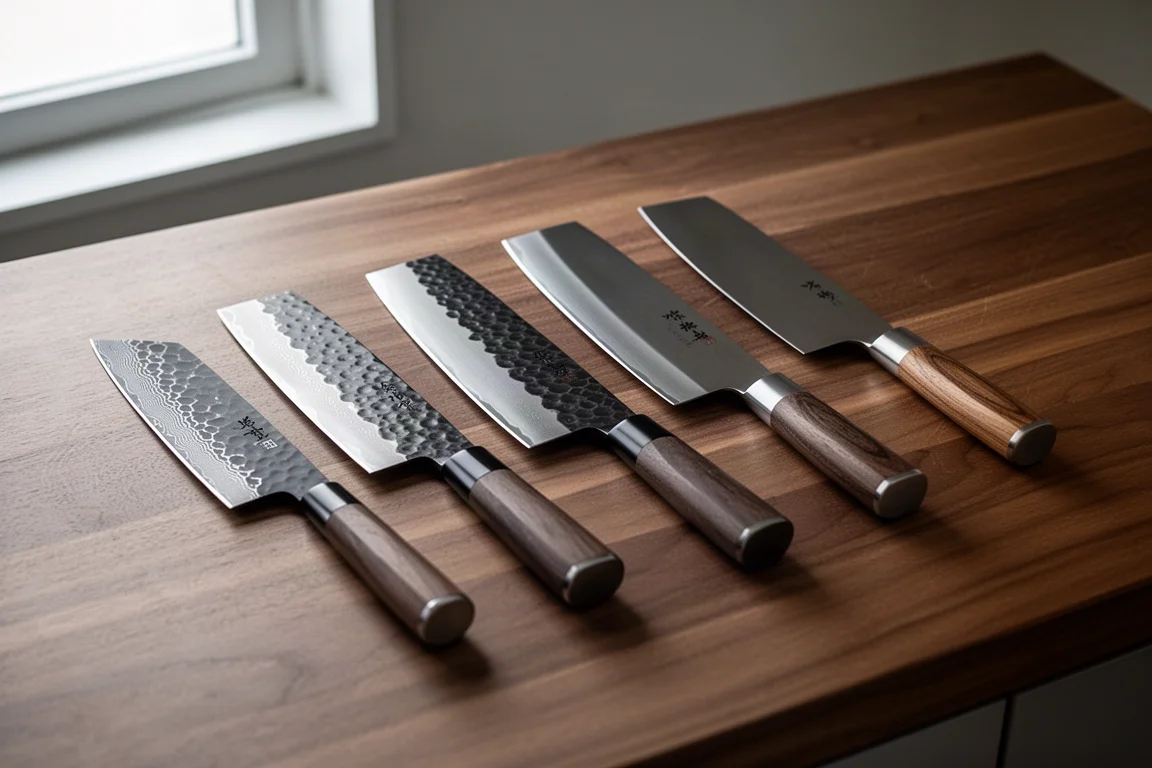
Nakiri knives divide opinion in a way most knife shapes do not. Some cooks treat them as the definitive vegetable knife, while others find them unfamiliar at first. To settle what actually matters when choosing one, we handed a shortlist of eight nakiri knives to a classically trained French chef working in Toronto, who evaluated each on four criteria: looks, weight, cutting performance, and how well the knife suits left-handed use. Here is how each blade on that shortlist stacks up.
How the Selection Worked
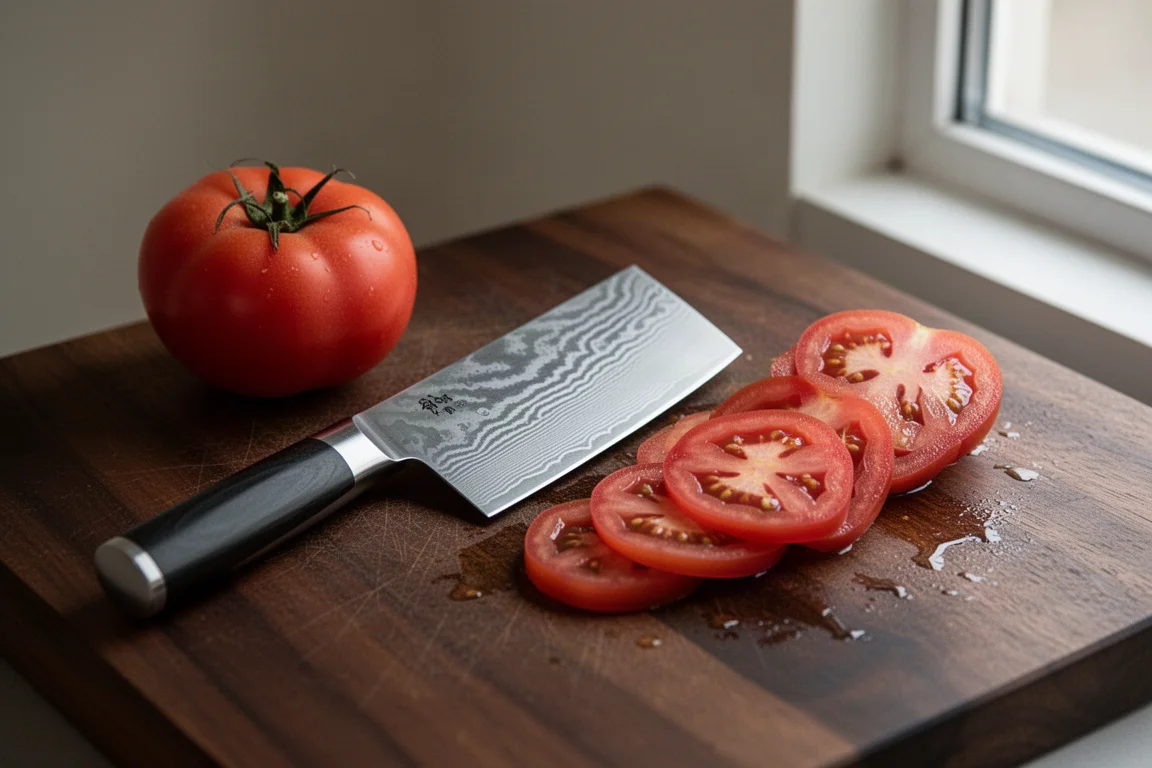
The guest chef narrowed the full field down to seven candidates based on three blade shapes: a sharp-cornered profile, a rounded rectangle profile, and a hybrid of the two. From there, the evaluation moved through weight and balance in the hand, then live cutting tests on cucumber and tomato. Maintenance also played a role, because the shortlist spans carbon steel, semi-stainless steels, and fully stainless steels, and that difference matters for daily care.
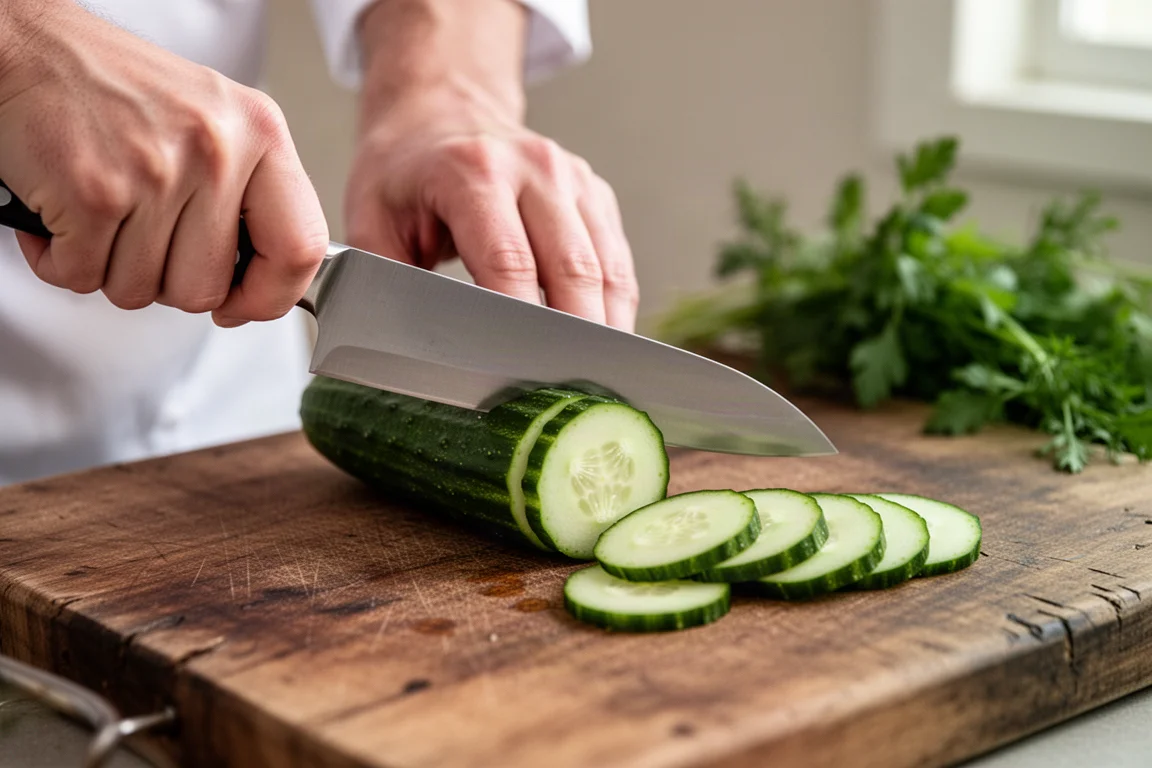
One practical note from the session: wipe your board and your knife every time you finish chopping. It protects the blade, keeps the workspace safe, and reduces cross-contamination.
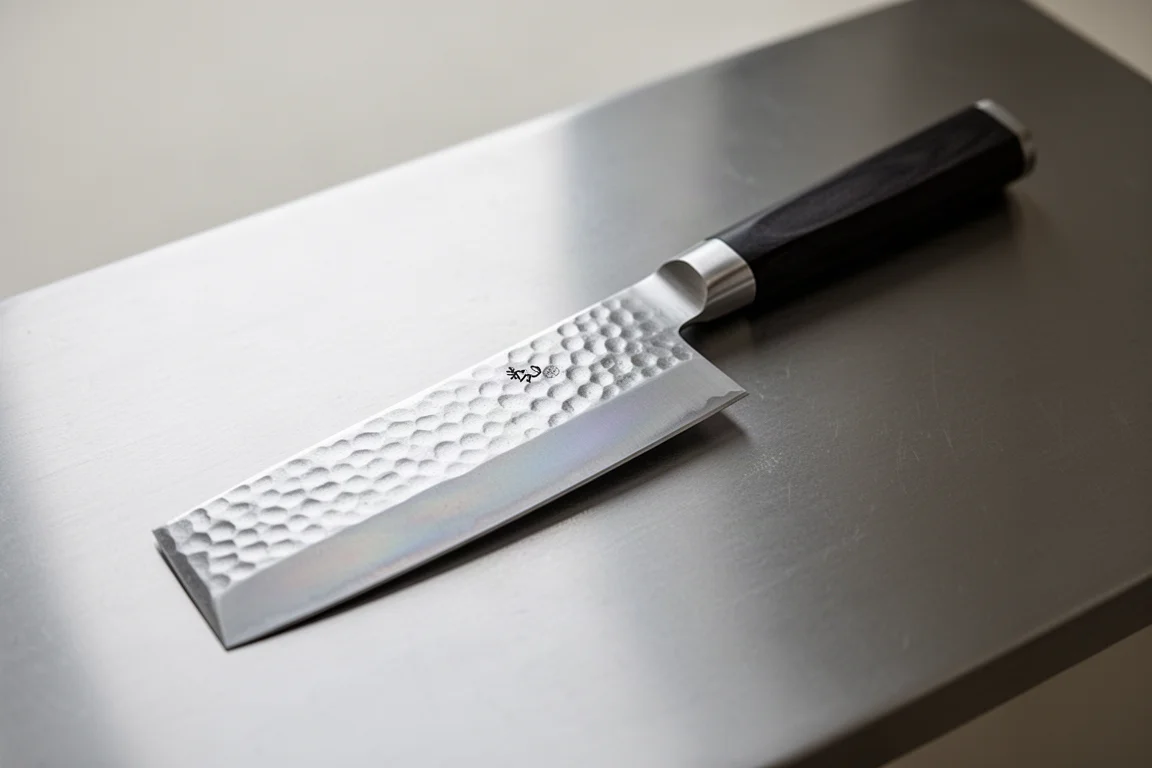
Tetsu Nashiji Nakiri
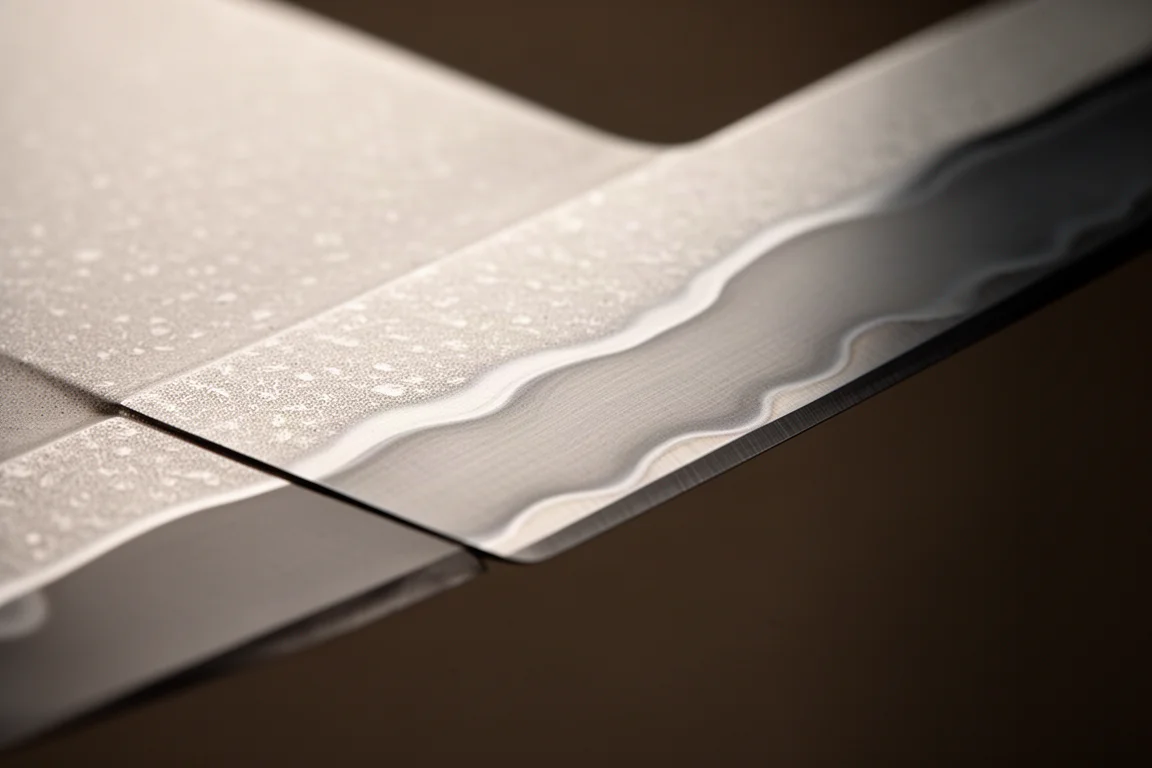
The Tetsu Nashiji is the only carbon steel knife on the shortlist. It is made from Aogami Number Two, also called Blue Paper Number Two, with stainless cladding. A visible wavy line near the edge marks where the stainless cladding ends and the carbon core steel is exposed. That exposed carbon means it is the one knife here that demands real maintenance attention: if left wet or dirty, it can develop patina or rust. Caught early, surface rust wipes away without harming the knife.
Attetsu X-Hammer Nakiri
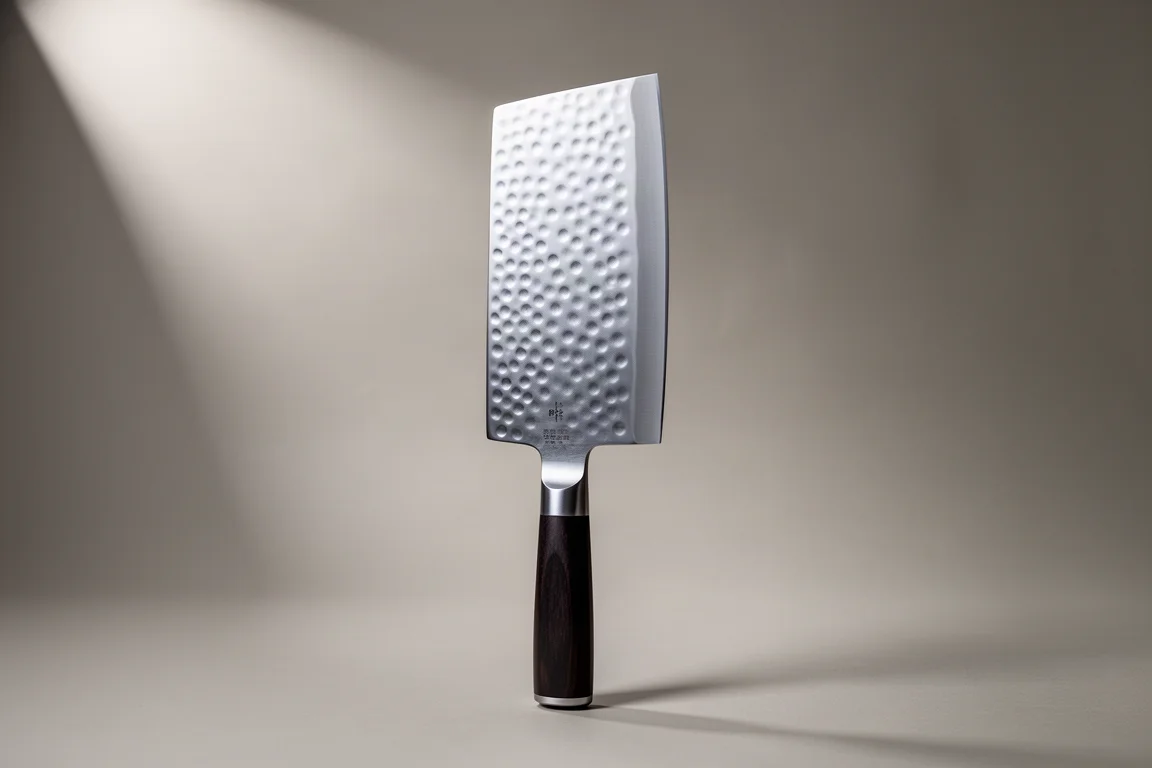
The Attetsu X-Hammer is made from SLD steel and falls into the semi-stainless category. Semi-stainless knives are more forgiving than carbon steel, but they still need to be kept dry and clean to stay in good condition.
Yu Kurosaki Gecko Nakiri
The Yu Kurosaki Gecko uses HAP40, another semi-stainless steel. It earned strong praise on handling: the chef described it as extremely light, likely a personal favorite, with very light overall weight and a pleasing balance between blade and handle.
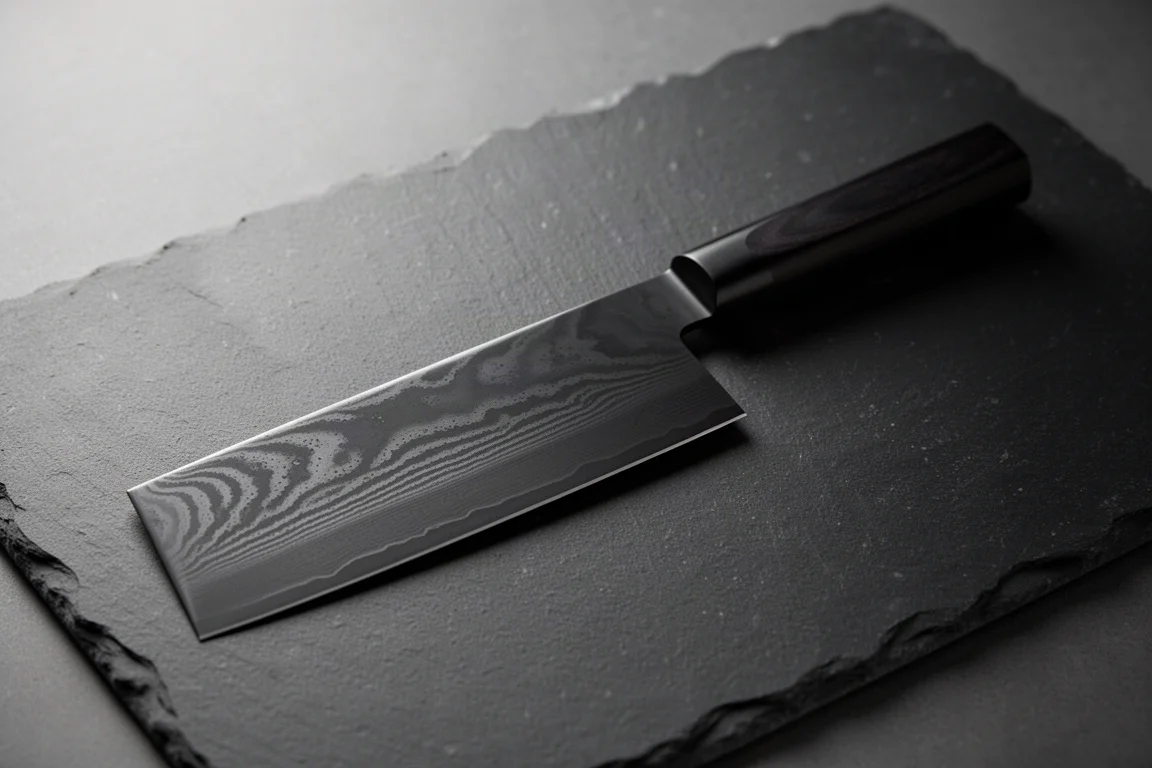
Rousin Bun 10 Nakiri
The Rousin Bun 10 features a black damascus finish. With that construction it behaves like a semi-stainless knife, sometimes reacting a little more than a fully stainless blade, so it benefits from an extra wipe-down after use. Its weight and pattern earned it a spot deep into the evaluation.
Weight and Balance in the Hand
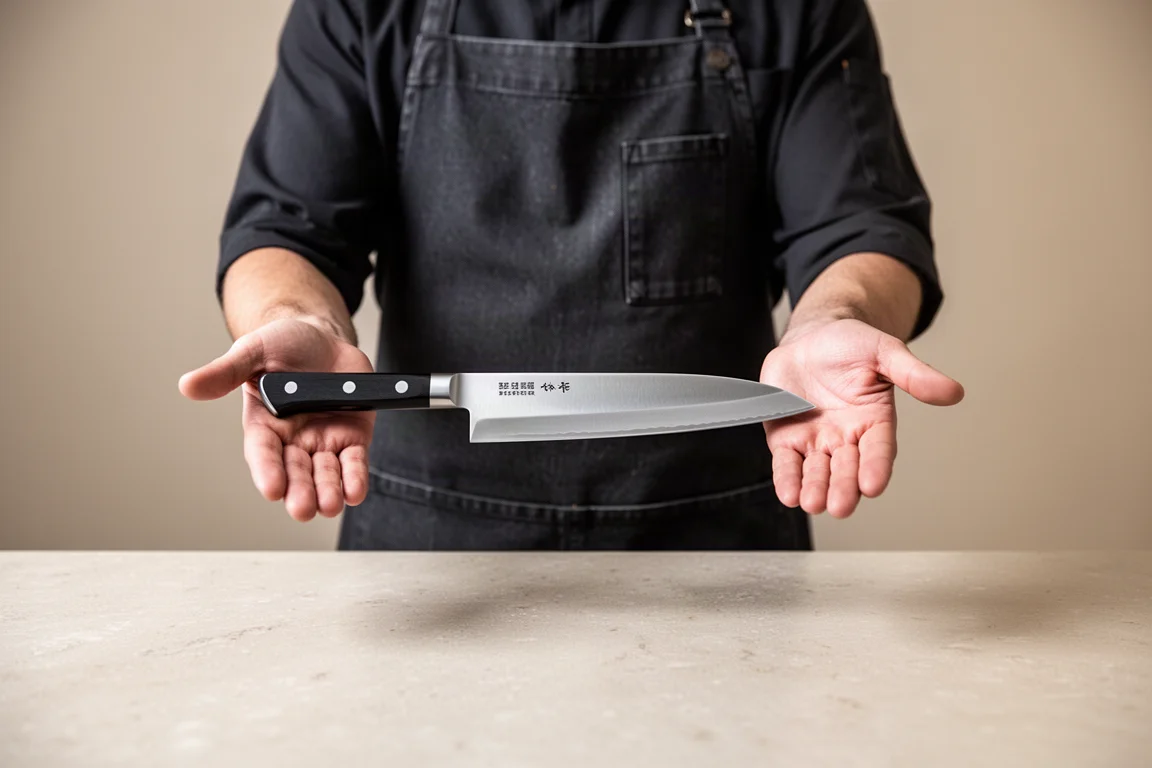
Before the cutting tests, every knife was weighed and balanced by hand. A couple of candidates were set aside at this stage simply for feeling too heavy, with the blade tipping downward in the grip. The chef’s advice is universal and worth repeating: a knife should feel like an extension of your hand. If the balance pulls the blade down or the handle feels off, no amount of steel quality will fix that mismatch for you.
Shigeki Tanaka VG10 Nakiri
The Shigeki Tanaka is made from VG10, a stainless steel developed specifically for kitchen cutlery. VG10 divides opinion in knife forums because it is so widely used: skilled blacksmiths and less skilled ones both work with it, so quality can vary across the market. From a reputable maker, though, it is a dependable choice.
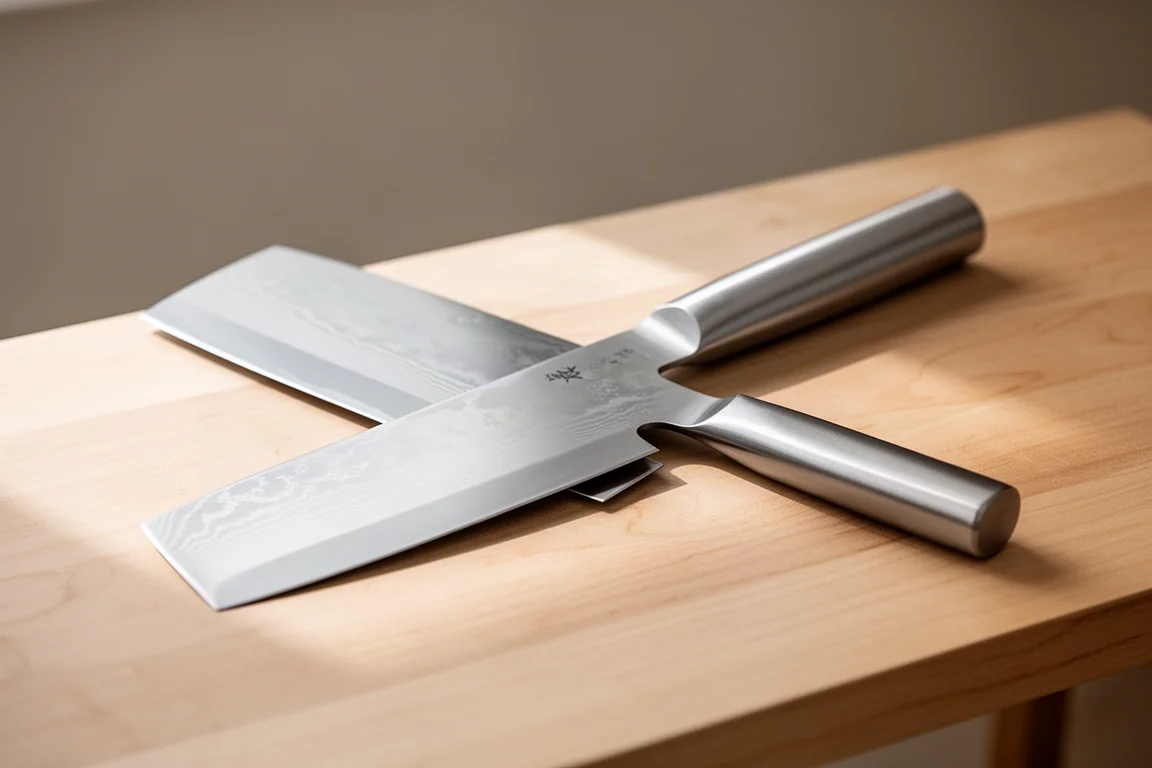
Rousin Homono Blazen Nakiri
The Rousin Homono from the Blazen series is made from R2, also known as SG2, and it drew strong enthusiasm as a favorite stainless steel thanks to its hardness and edge retention. The trade-off is that very hard steels can be slightly more difficult to sharpen, though a competent sharpener handles them without trouble. In cutting tests it performed beautifully, with tomatoes offering essentially no resistance.
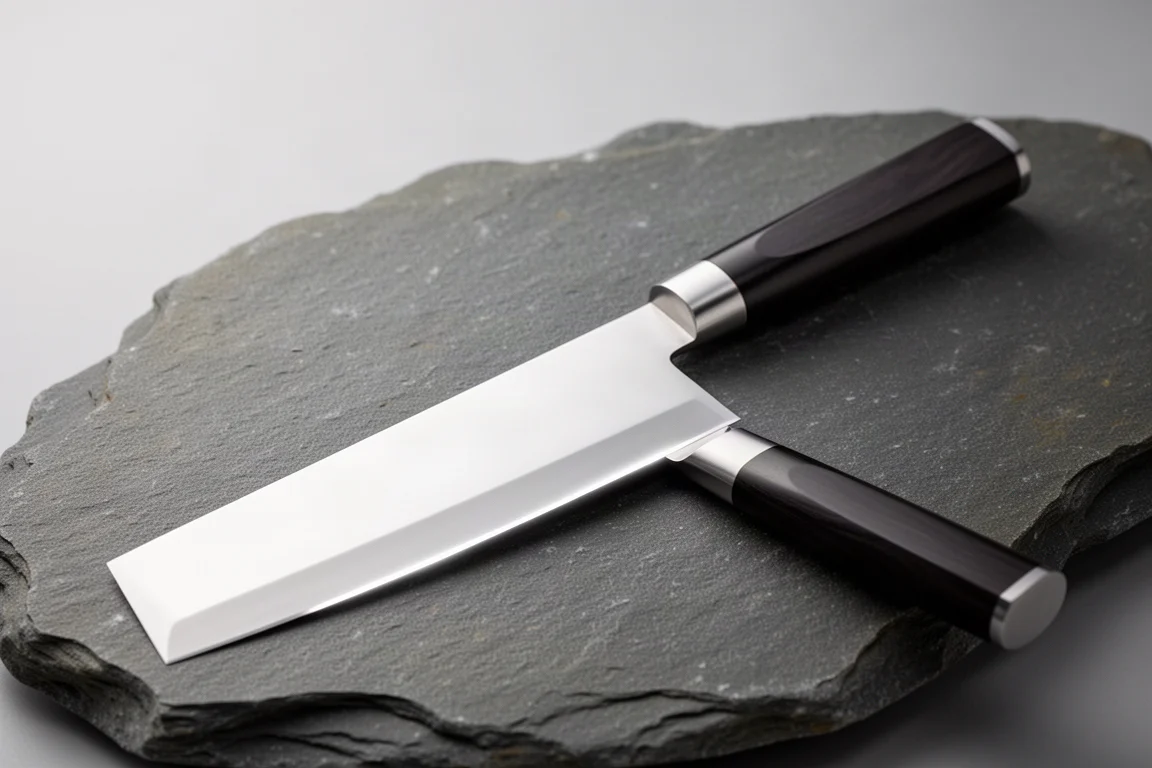
Masutani VG1 Nakiri
The Masutani is made from VG1 Gold, another fully stainless option. It handled well in the tests and its handle design earned a compliment, though it felt slightly heavy toward the top for this particular evaluator. For cooks who prefer a bit more presence in the hand, that characteristic could be a plus rather than a minus.
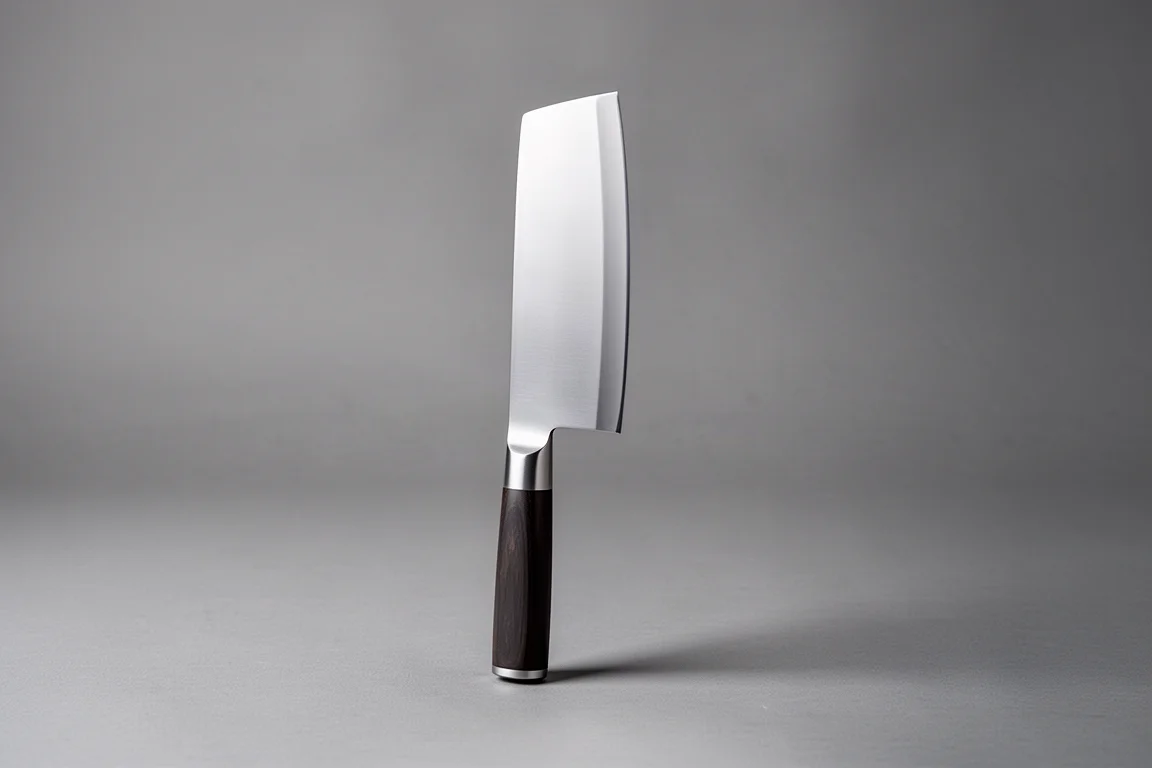
Takeshi Saji Rainbow Damascus Nakiri
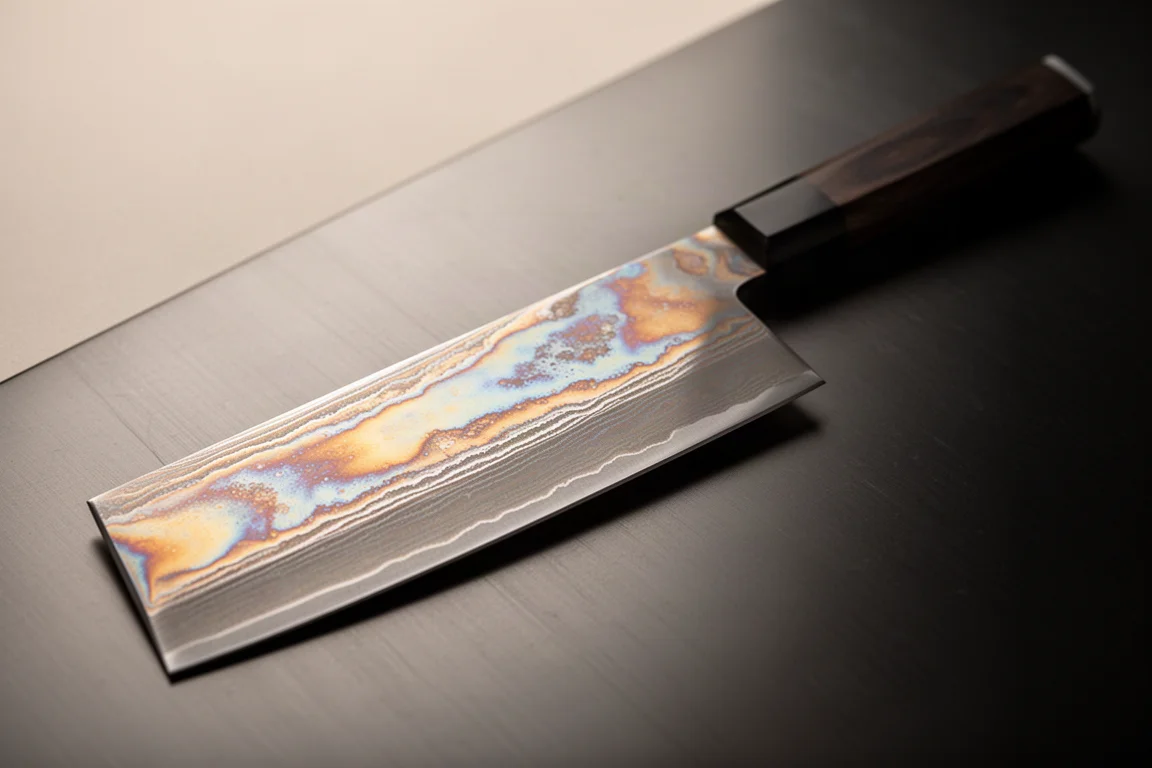
The Takeshi Saji is a VG10 knife with a rainbow damascus finish, and it was the visual standout of the session. Its extremely light weight surprised during the handling test, and the damascus pattern drew the usual admiration. In cutting it sliced cleanly and stayed comfortable, though ultimately another knife matched the chef’s hand motion more closely.
Overall Buying Advice
Choosing a nakiri comes down to a few honest questions. First, how much maintenance are you willing to do? Carbon steel like the Tetsu Nashiji rewards care with character, while fully stainless options like the VG10 and R2 knives ask for little more than a rinse and a dry. Second, how light do you want the knife? The Yu Kurosaki Gecko and Takeshi Saji proved how light a nakiri can be, while the Masutani leans heavier. Third, and most importantly, cut with the knife before you commit if you can. Blade size and angle change how your natural chopping motion connects with the knife, and you will not feel it until the blade is in your hand.
Conclusion
Every knife on this shortlist is genuinely sharp and genuinely well made, which is exactly why the differences came down to fit: weight, balance, and how each blade synced with the cook’s motion. Whether you prioritize a striking damascus finish, an ultra-light profile, or a hard-wearing R2 edge, there is a nakiri here that matches a real cooking style rather than just a spec sheet.
Further reading
Related Reviews

Kitchen Knives
Best Chef's Knives 2026: 27 Popular Options Tested and Ranked
A comprehensive review of 27 chef's knives ranging from $18 to $380, with honest assessments of handle comfort, blade balance, and real-world performance.

Kitchen Knives
Best Chef's Knives Under $75: Two Tested Recommendations
Two practical 8-inch chef's knives that balance sharpness, comfort, and durability without premium pricing.

Kitchen Knives
Best Chef's Knives 2026: 27 Options Tested and Ranked
A comprehensive review of 27 chef's knives ranging from $18 to $380, with honest assessments of handle design, balance, blade profile, and real-world performance.