Mountain Bike Gear
Best MTB Gear of 2023: Seven Standout Picks Worth Knowing
Seven mountain bike products that became default choices this year, from downhill pedals and tyres to a dependable bike computer and a versatile gravel shoe.
Introduction
Every season produces a handful of products that quietly stop being optional. They earn a permanent place on the bike because they solve a specific problem better than everything else in the drawer, and by the end of the year they are simply the default choice.
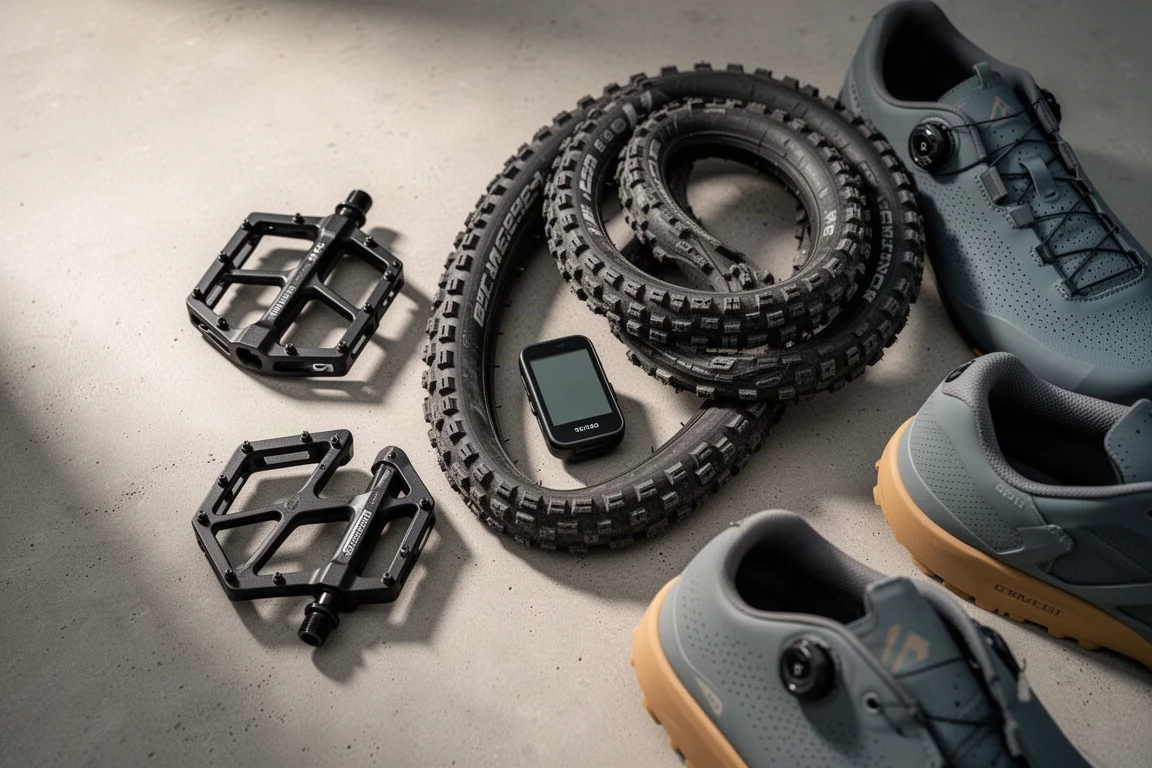
This roundup covers seven of those products. It spans downhill pedals, a tyre that works when the ground turns soft, a downhill fork, a bike computer that has survived years of abuse, a companion smartwatch and a gravel and mountain bike shoe. Only one suspension product made the cut this year, which says something about how strong the rest of the field was.
What Makes These Picks Stand Out
The thread running through all seven picks is versatility. A product earns a place here when it works across disciplines and ride lengths rather than only shining in one narrow scenario, and when it keeps working after a full season of hard use.
Durability matters as much as performance. Several of these items have been used for years rather than months, and their reputation comes from what they still do after thousands of kilometres, not from a first-ride impression.
Value also plays a part, though not in the obvious way. A few of these products sit at the expensive end of their category, and that is worth saying plainly. The question is whether the performance justifies the outlay, and in each case below the answer is a qualified yes with at least one trade-off attached.
Best Downhill Pedals and Shoes: Crank Brothers Mallet
The Mallet pairing of downhill pedals and shoes was the surprise of the year. After years of riding one well-known brand, the switch took a few rides to settle, and the stock cleats were genuinely difficult to release for a rider with a weak, twisted ankle that limits rotation.
Swapping to the optional easy-release cleats changed everything. Once unclipping became predictable, the platform feel and the security on rough ground made the pedals hard to give up. They cost more than many comparable options, and the cleat swap should be treated as part of the setup rather than an optional extra.
Best Enduro Pedals: Crank Brothers Mallet Trail
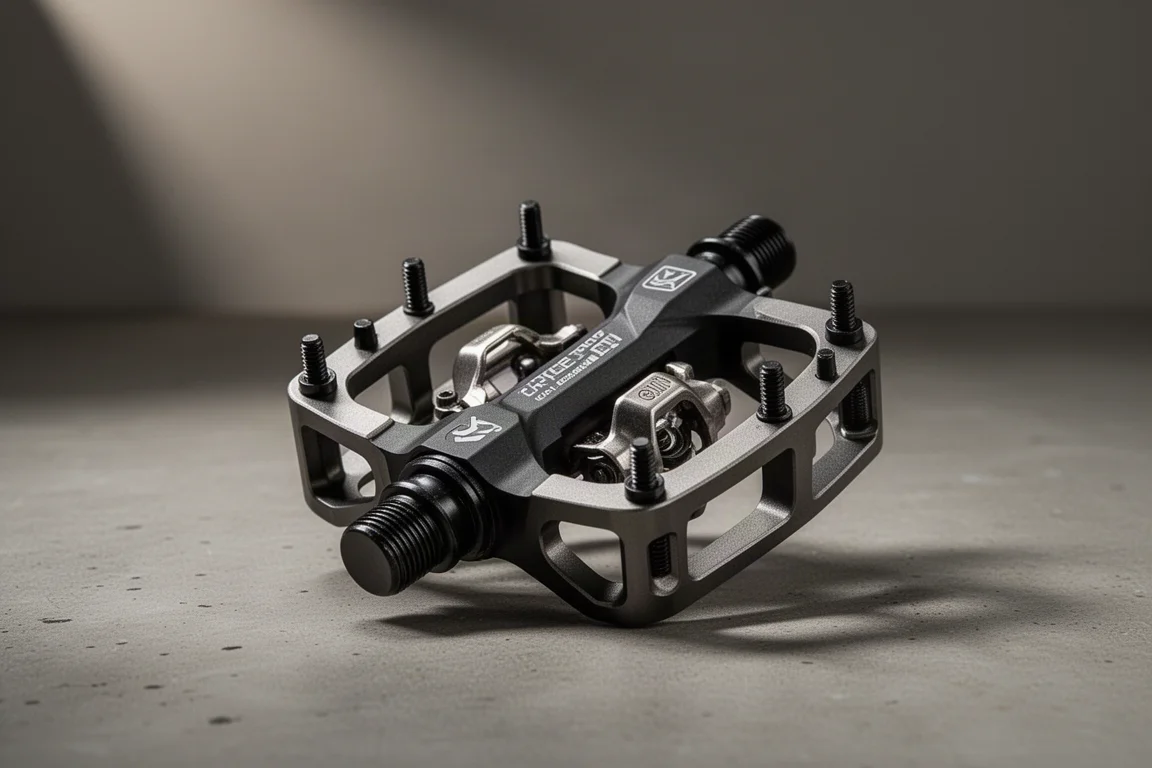
The newer Mallet Trail takes the same approach and aims it at trail and enduro riding. It shares the easy-release cleat option, which makes it a straightforward recommendation for anyone who found the standard cleats slow to disengage.
These are also at the expensive end of the pedal market. The case for them rests on the same combination that makes the downhill version work: a stable platform underfoot, predictable release and a build that stands up to repeated contact with rocks and roots.
Best All-Round MTB Tyre: Maxxis Forekaster
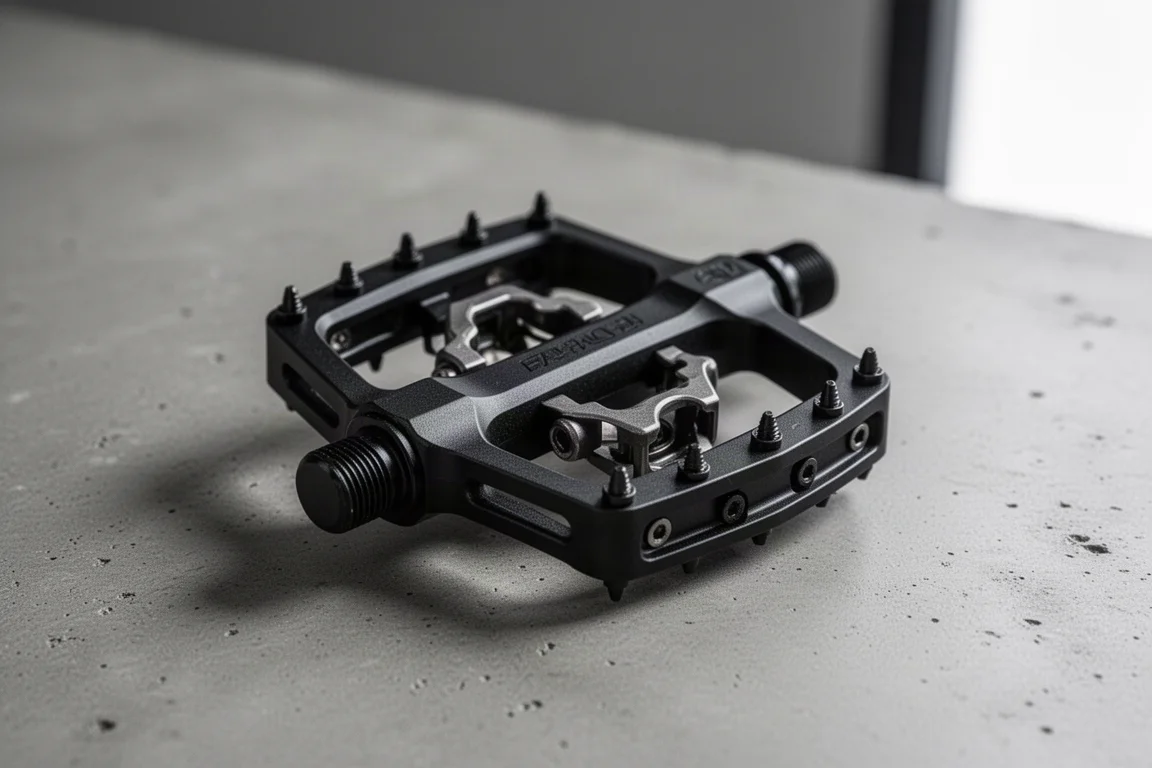
In a wet climate, a low-profile cross-country tyre stops being useful for a good chunk of the year. Shallow tread cannot dig into soft ground, so it generates very little grip, and the same is true in loam and dust.
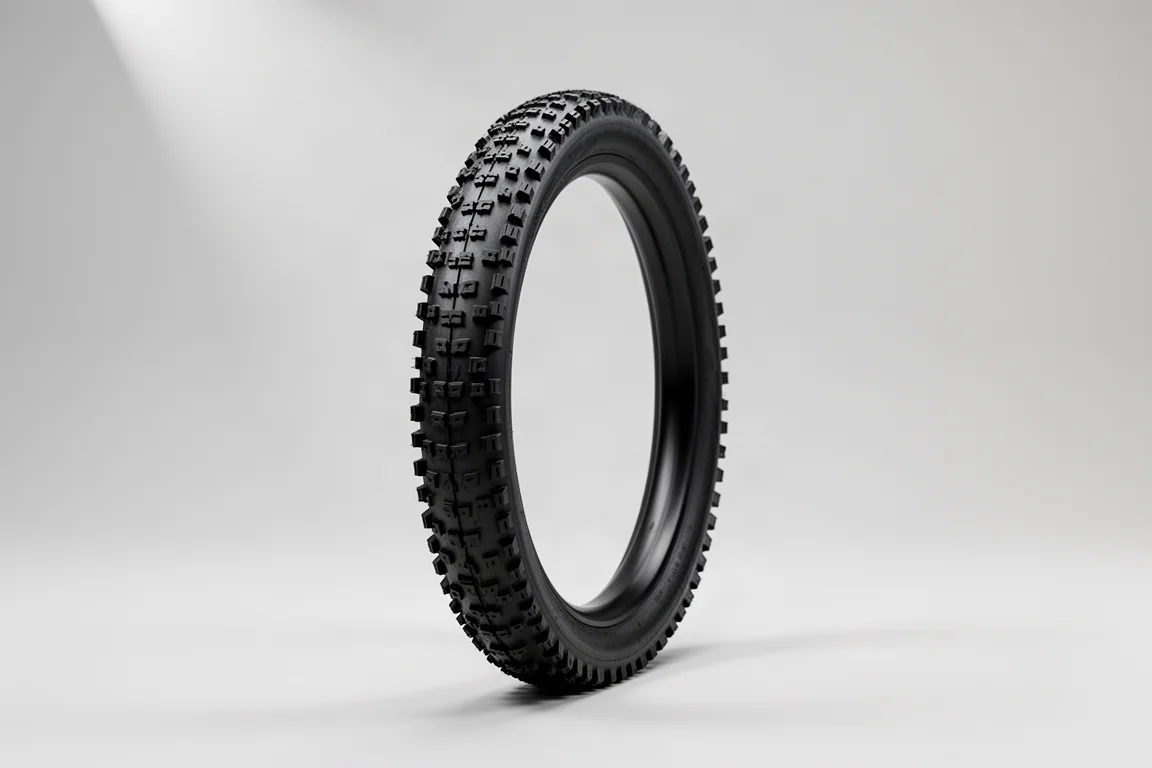
The Forekaster is designed to fill the gap between fast XC tyres with shallow tread and the taller, more aggressive rubber used for trail and enduro riding. It does feel a little more laboured on tarmac and hardpack than a quick XC tyre, which is the honest cost of the extra grip. Once the surface softens it comes into its own, and it sheds mud reasonably quickly when conditions get thick. Rolling speed holds up better than the tread depth would suggest.
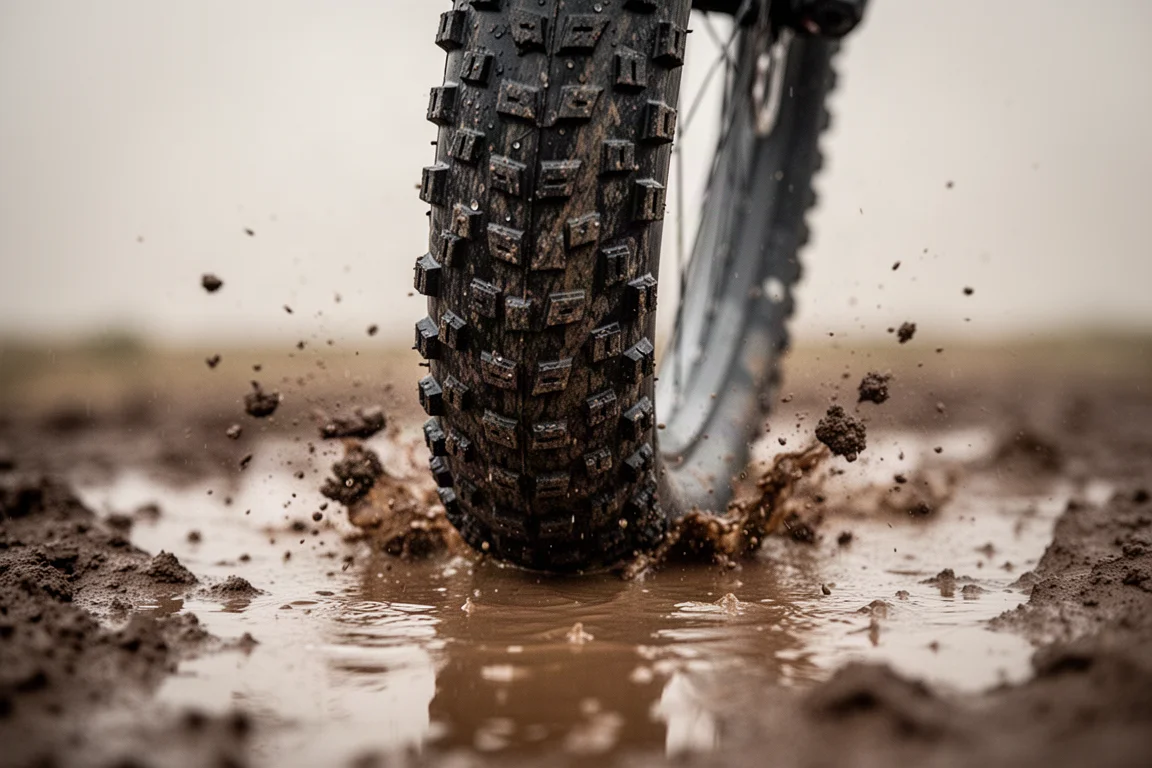
The trade-off is easy to frame: a shallow XC race tyre rolls faster, but if it cannot hold the next corner, the speed advantage is theoretical. For riders who spend most of the year on soft or mixed ground, the extra bite is worth more than the marginal rolling resistance.
Best Downhill Fork: RockShox Boxxer
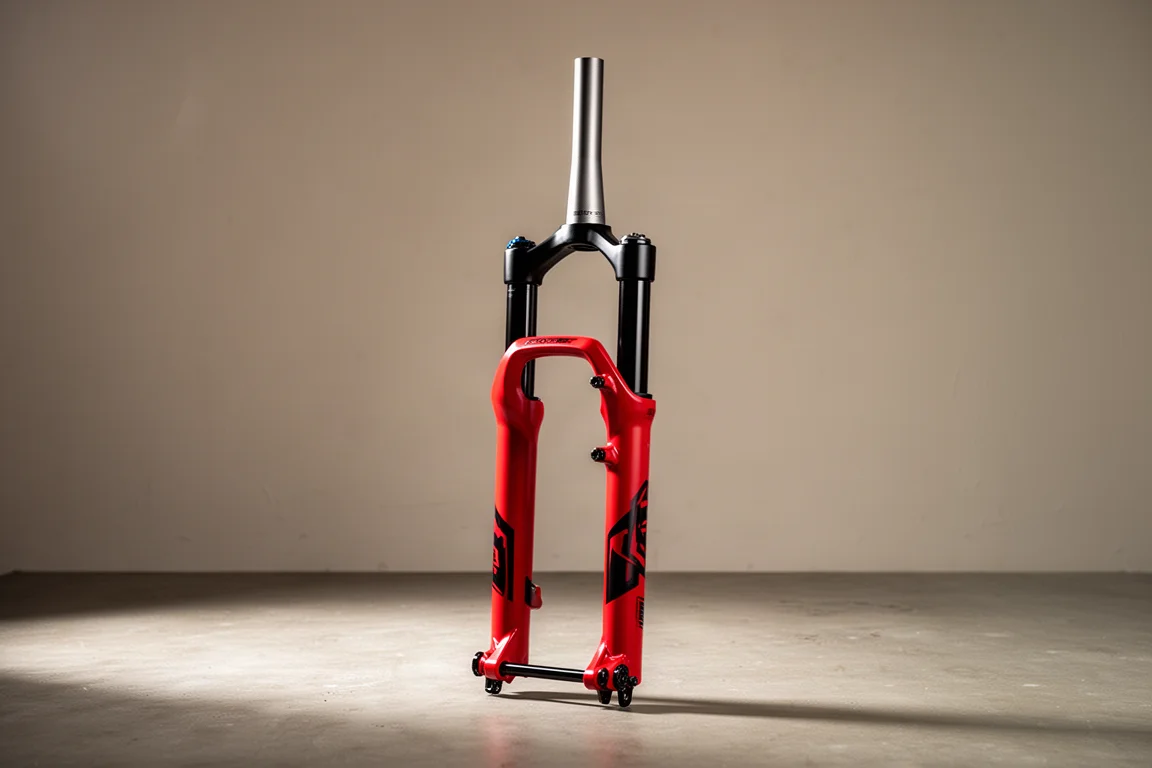
The Boxxer is the best downhill fork in this list, with the honest caveat that not every rival has been ridden. Two weeks in Whistler and several days in Morzine were enough to show what it can do, turning near-crash moments into loud, relieved laughter rather than hospital paperwork.
Three things stand out: comfort, impressive support through the mid-stroke and a burly new chassis that keeps the whole package feeling planted. It also carries genuine heritage, since the red lower legs were an object of desire long before this version existed. Nostalgia aside, the performance is what earns the recommendation.
Best Bike Computer: Garmin Edge 830
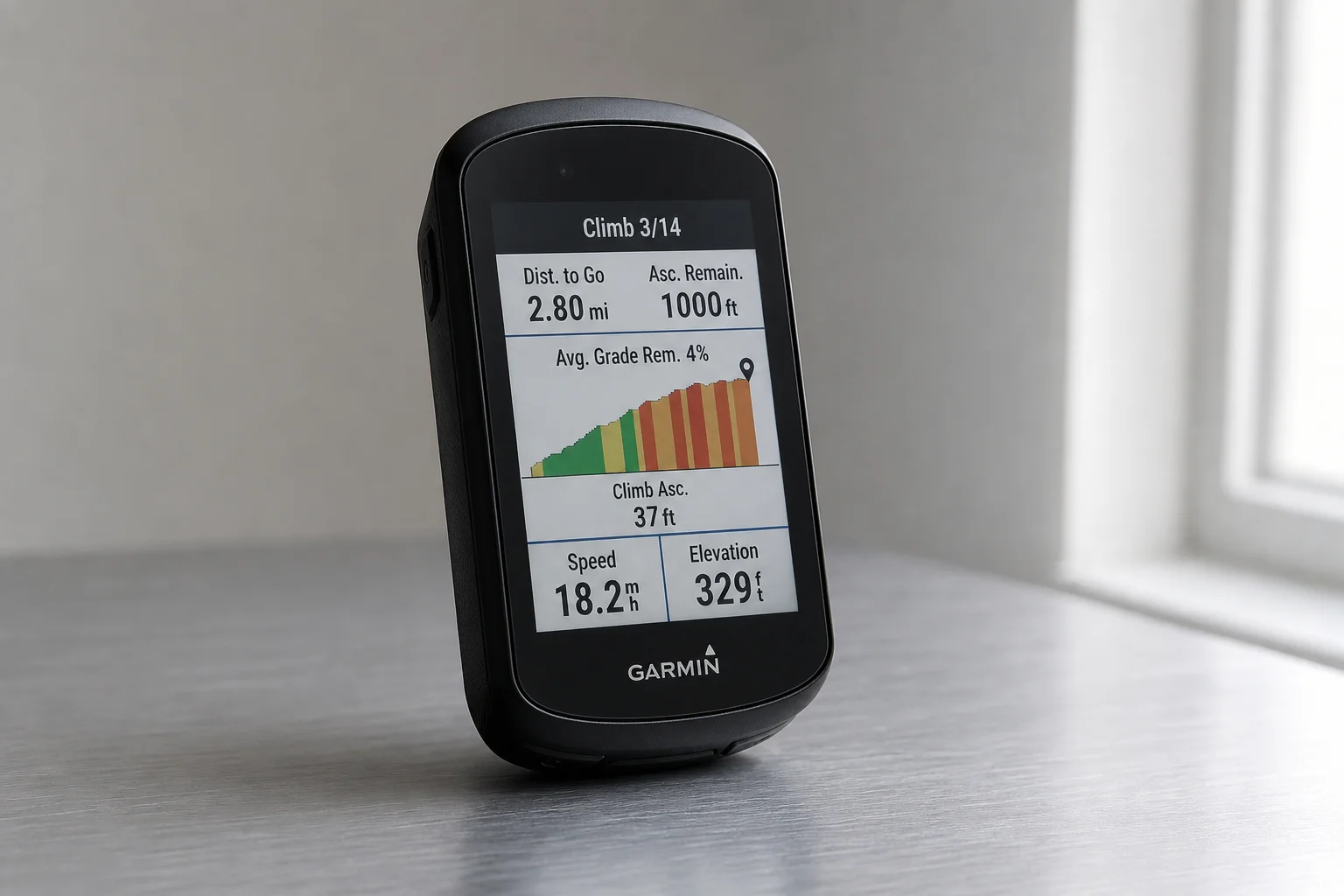
Arguably the most-used product here, the Edge 830 has missed only a handful of rides since 2019. For anyone who records every outing, the volume of data it captures during and after a ride is close to unbeatable: heart rate, power, cadence, elevation and speed, all delivered on a colourful 2.6-inch display.
The robustness is what makes it stick. It has held up in scorching sun, soaking rain, freezing cold and sideways snow, and it has not missed a beat across thousands of kilometres. It now looks well used, with a mud-stained body and a scratched screen, but performance is unchanged from the day the screen protector came off.
Best Companion Smartwatch: Garmin Fenix 6 Pro Solar
Paired with a Garmin bike computer, the Fenix 6 Pro Solar extends the data picture beyond the ride itself. Training status and Body Battery are the headline additions, and together they turn a pile of ride files into something closer to a picture of how the body is coping.
The value here depends on how much you already track. Riders who record every session and want to understand load and recovery will get the most from it, while casual riders may find the extra metrics more than they need. It works best as a companion to a bike computer rather than a replacement for one.
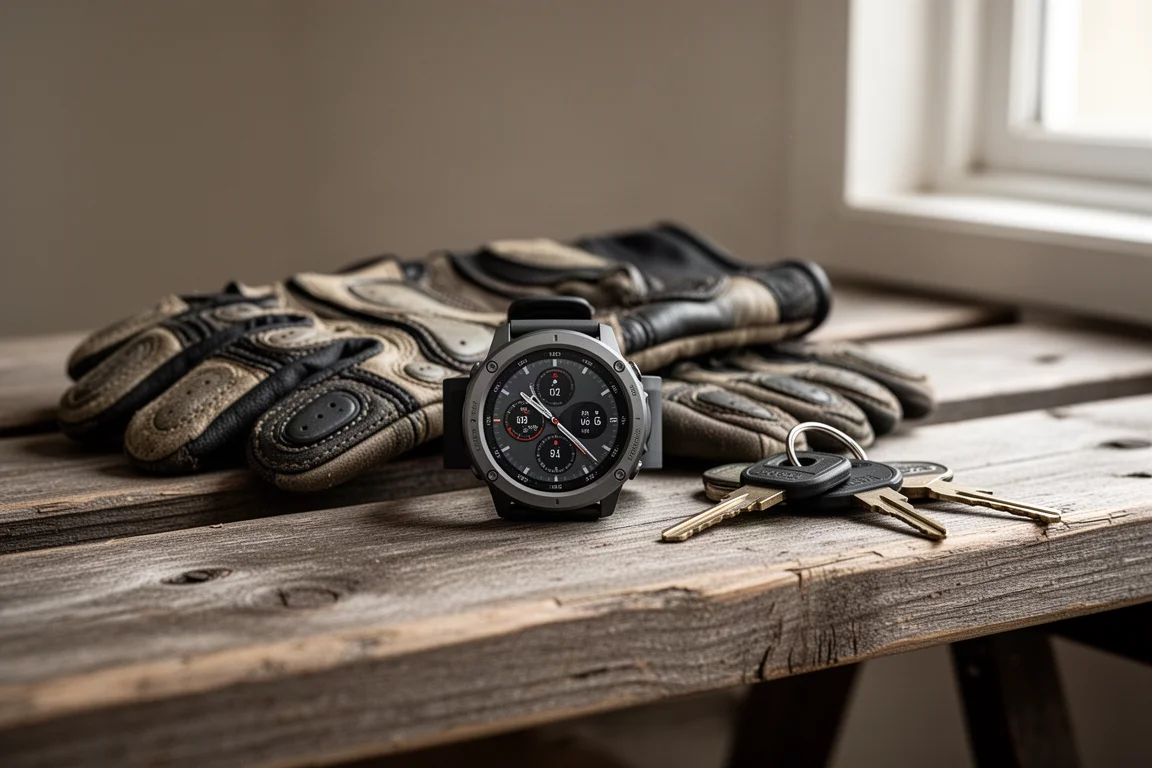
That companion role is the key point. The watch does not change what happens on the bike, but it adds context to it, which is exactly what a training-focused rider is looking for from a second device.
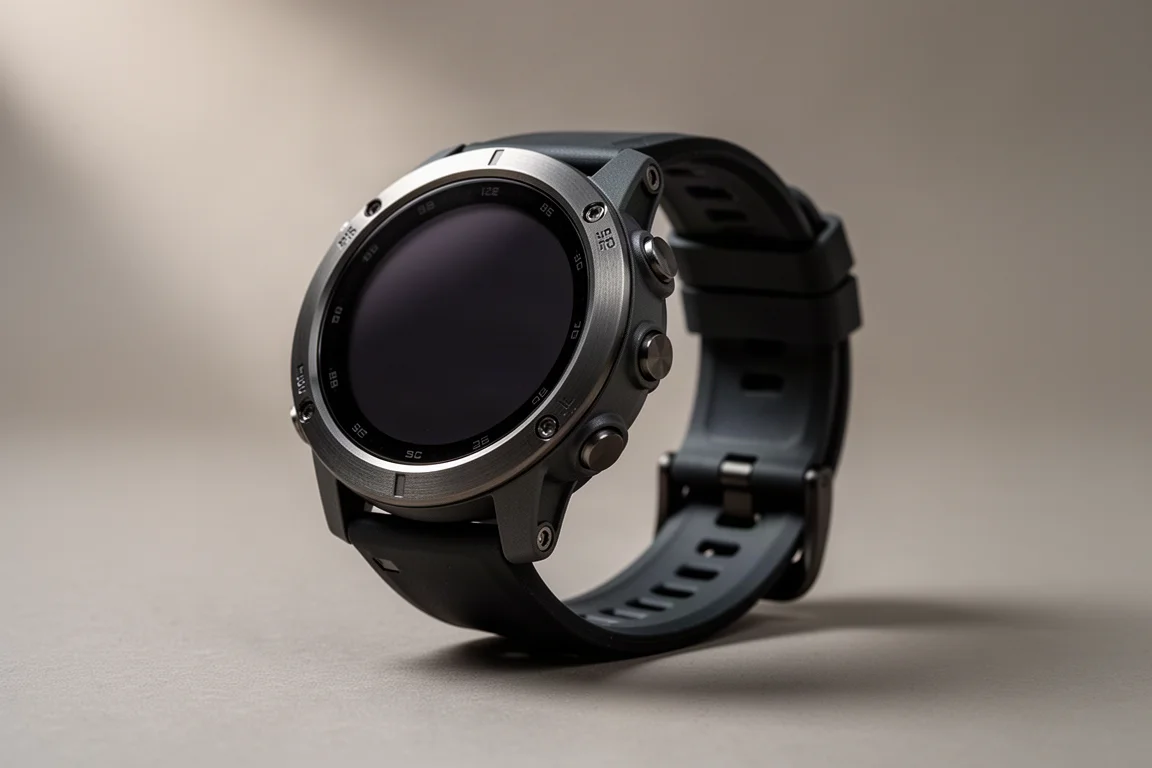
Best Gravel and MTB Shoes: Sidi Dust MTB
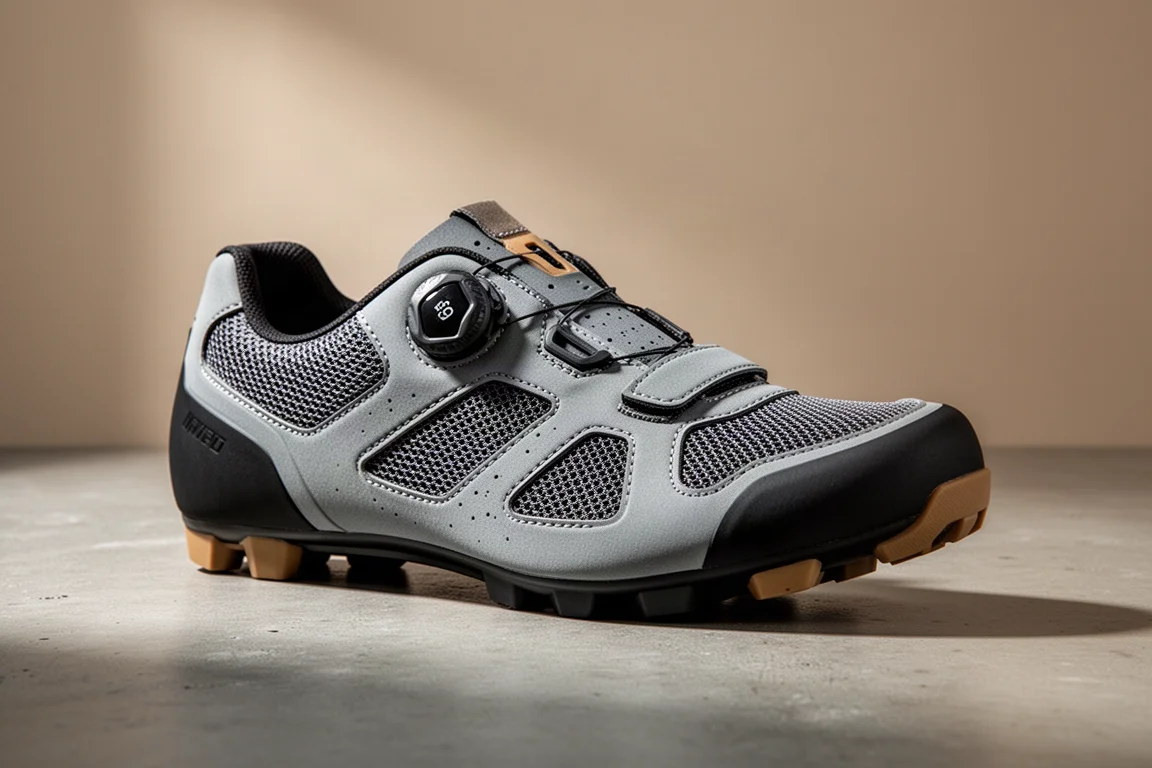
The Dust MTB is pitched as both a gravel and a mountain bike shoe, and it proved impressively comfortable across disciplines and ride lengths. The roomy toe box and excellent ventilation were the standout qualities, and they are the reasons it keeps getting picked for long-distance days.
At a high asking price of around $260, the spec choice is interesting: a nylon MTB SR17 sole rather than a carbon one. The brand position is that the nylon sole represents the ultimate result in terms of pedalling stiffness and flexion for walking, and the on-bike feel supports that balance.
There are two flaws worth knowing about. The first is price. The second is the single dial closure, which does not distribute load as well as two dials would, and which offers no backup if it fails out on a ride. The heel cup could also be a touch tighter. Despite those points, it remains a shoe worth returning to, and a lace version announced at Eurobike suggests the range will keep developing.
Buying Advice
Start with conditions rather than specifications. If you ride somewhere wet for much of the year, tyre choice will change your riding more than almost anything else on this list, and the difference between a shallow XC tread and a taller all-round tread is immediately obvious on soft ground.
For pedals, the deciding factor is release feel. If you have limited ankle movement or have struggled to unclip in a hurry, the easy-release cleat option is the detail that matters, and it is worth treating the cleat swap as part of the purchase rather than an afterthought.
Suspension is the biggest single investment here, and it is the one area where a long-travel downhill fork only makes sense if that is genuinely the riding you do. For everyone else, the computer and the watch deliver the most value per ride, because they shape how you train and how you understand your own effort over a season. Shoes sit in the middle: buy for fit and comfort first, then decide whether the sole and closure system suit the way you ride.
Conclusion
Seven products, one common trait: each of them became the easy answer to a recurring question. The Mallet pedals and the Mallet Trail solved clipping in and out. The Forekaster solved soft ground. The Boxxer solved rough descents. The Edge 830 and the Fenix 6 Pro Solar solved the data side, and the Dust MTB solved long days on mixed terrain.
None of them are cheap, and each comes with a trade-off worth understanding before you buy. But that is exactly why they are worth shortlisting: the compromises are known, documented and manageable, and the performance underneath them holds up season after season.
Further reading
Related Reviews
Mountain Bike Gear
Best Budget MTB Upgrades: 11 Affordable Mountain Bike Products Worth Buying
Eleven low-cost mountain bike upgrades that sharpen comfort, grip, traction, and trailside repairs without stretching the budget.
Mountain Bike Gear
Best Mountain Bike Gear and Accessories 2026: Six Practical Picks
A cross-country race bike, a car-ready transport sleeve, affordable trail sunglasses and three small 3D printed upgrades for SRAM AXS controls.
Mountain Bike Gear
Best Mountain Bike Gloves 2026: Five Practical Options for Trail Riders
Five mountain bike gloves with different protection levels, ventilation, and grip features to match various riding styles and conditions.