Everyday Carry
Best Mini EDC Gadgets 2026: Four Pocket-Sized Picks Worth Carrying
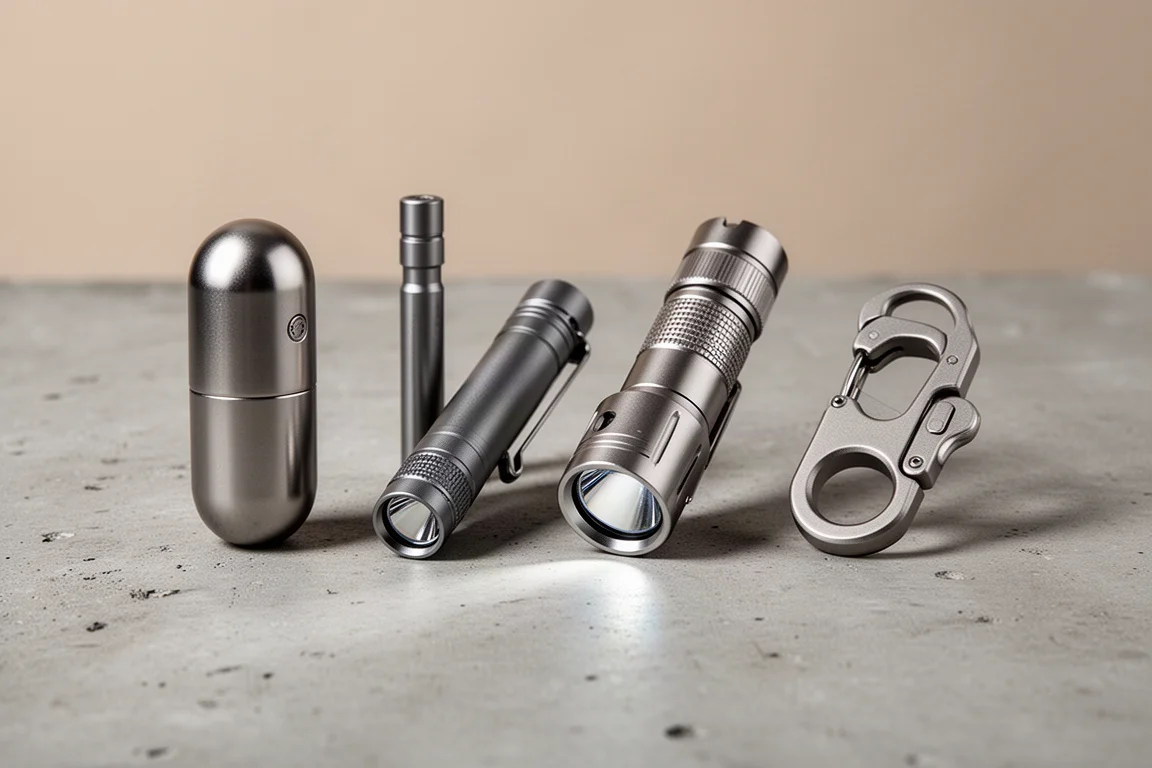
A compact utility knife capsule, a featherweight flashlight, a long-range LEP torch, and a titanium keyring connector: four small gadgets that punch well above their size.
Introduction
Small gadgets earn their place in a pocket in a way bigger gear rarely does. The best ones solve a specific problem, weigh almost nothing, and disappear until you need them. This roundup brings together four pocket-sized picks that cover different everyday carry bases: a micro knife capsule for packages, an ultra-light flashlight for daily use, a long-range LEP torch for a very particular niche, and a titanium keyring connector that makes attaching and detaching gear genuinely effortless.
They are not interchangeable, and that is the point. Each one targets a different kind of carry, from ultralight travel kits to everyday pockets.
Micro Carry Microblade Pill XL
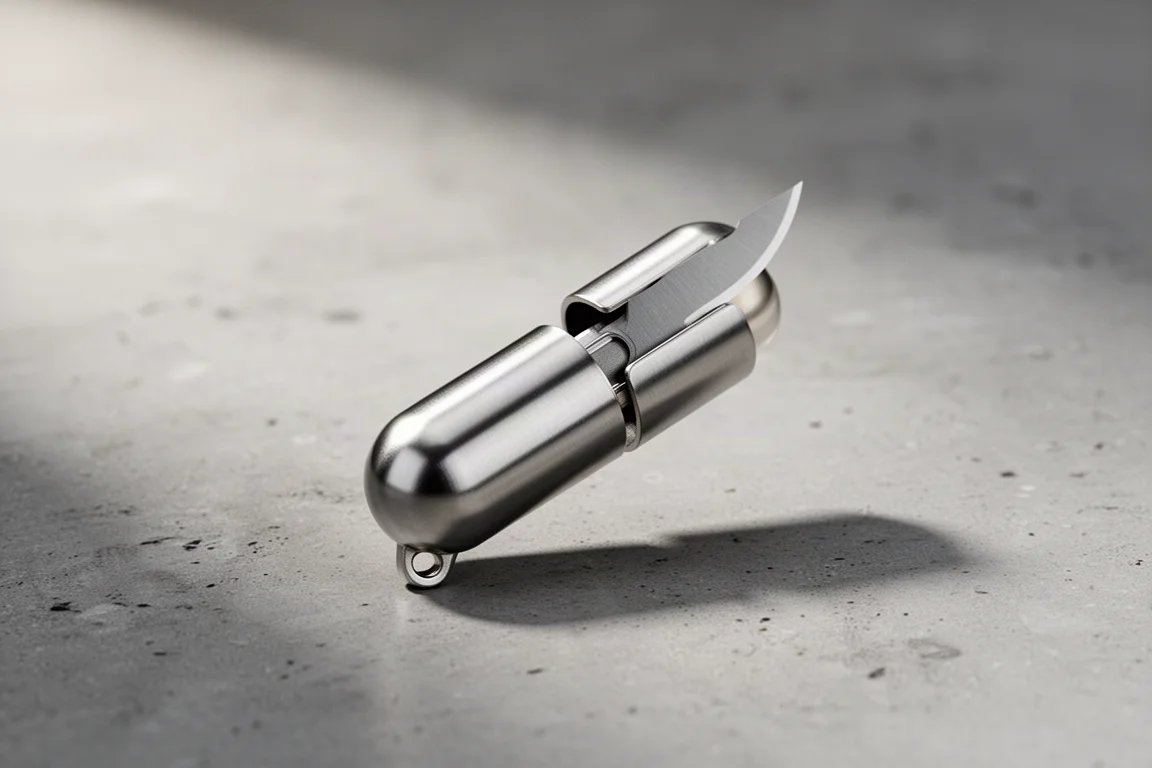
Micro Carry’s original Microblade Pill was a short, stubby blade concealed in a pill-shaped casing barely bigger than the name suggests. The Pill XL is the larger follow-up, and the extra size matters: it is noticeably easier to grip and easier to use than the original. A lanyard hole opens up keyring or zipper-pull carry, and the cap is held by a ball bearing detent that snaps back reassuringly, so there is no risk of the blade exposing unexpectedly.
The XL uses a different cutting edge profile from the original, one that is claimed to be sharper. In practice it works well as a package opener and for scoring and scraping, though it struggled to cut power cord in testing. It is not a knife replacement, but it is far better than nothing, and as a package opener it is an easy carry. Several finishes are available, the XL sits around $30 with the original still offered at $20, and Micro Carry ships worldwide.
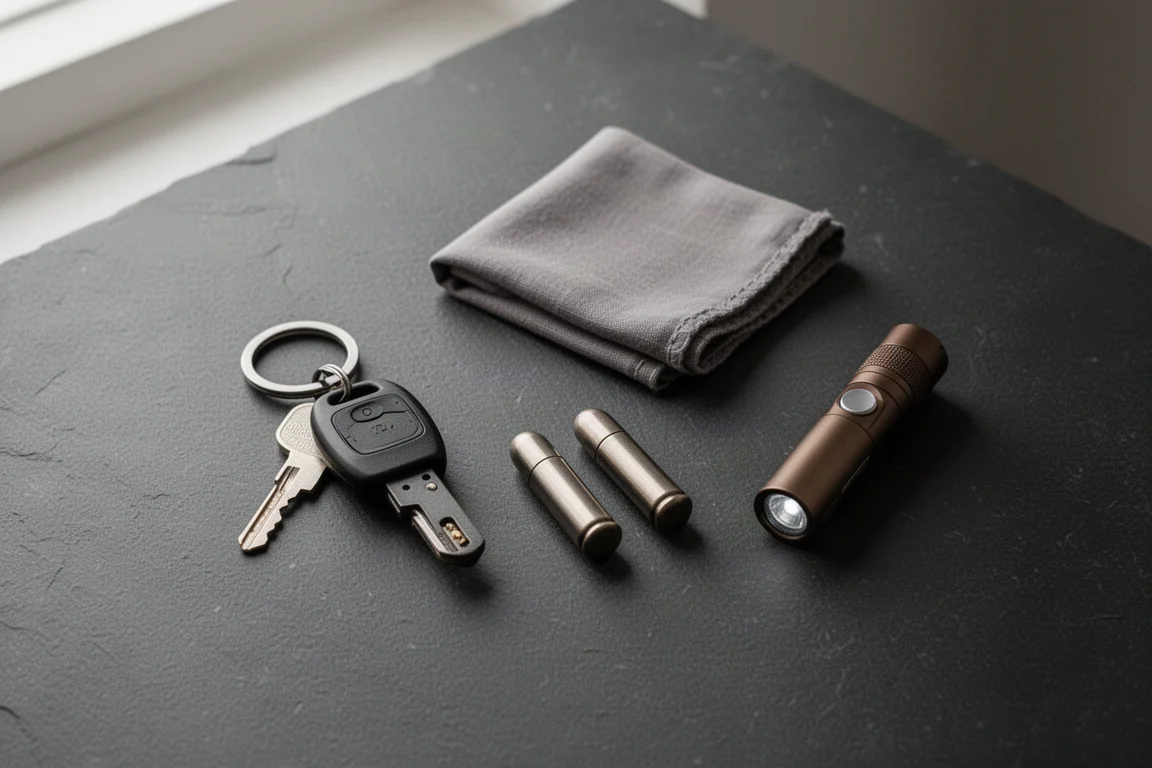
Anyone who regularly fights with shrink-wrapped packages will find this a low-friction addition to a keyring, and the compact capsule shape means it never snags or prints in a pocket.
Rivon A3
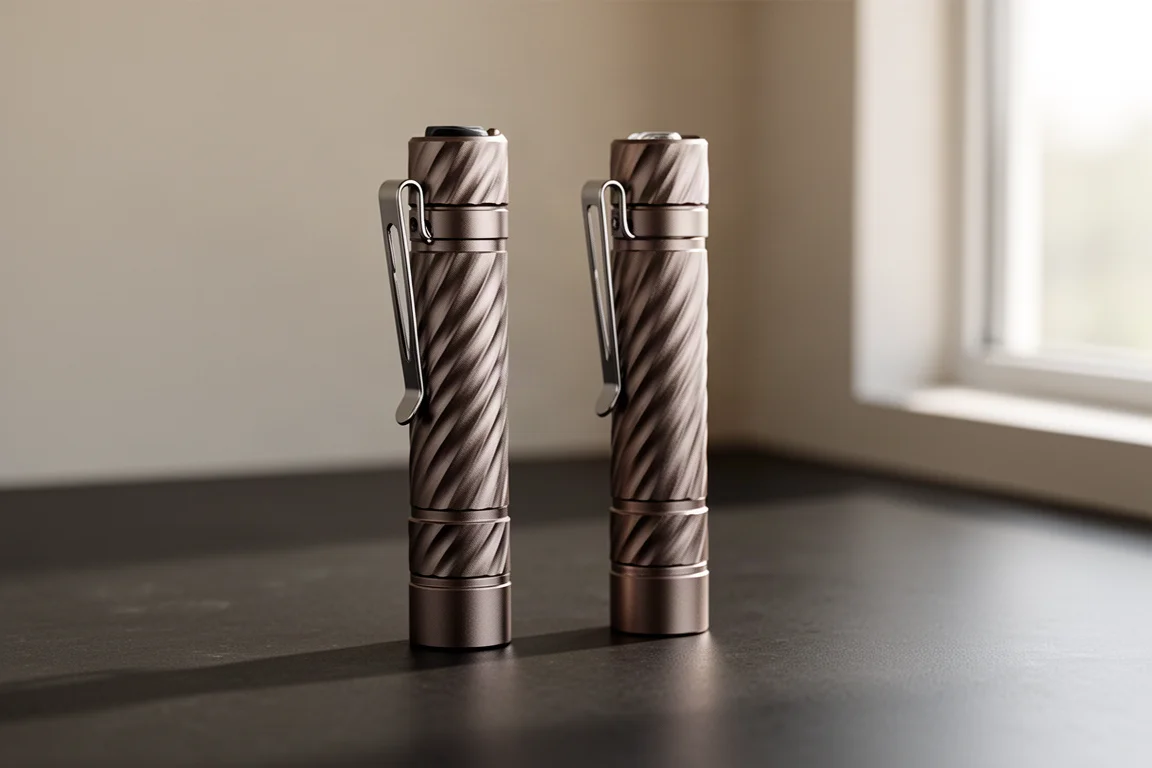
Rivon makes some of the best small flashlights around, and the aluminium A3 is the size worth carrying every day. It weighs just 20g, roughly three-quarters of an ounce, and manages a maximum output of 650 lumens, which is remarkably bright for something this compact. The micro-arc oxidation finish on the body gives it a distinctive, premium look and feel.
On the practical side, you get four light levels plus strobe, instant-on, and a lockout mode to stop it firing up accidentally in a pocket. Battery life is good and charging is via USB-C. A pocket clip with a built-in magnet and a key ring are included, covering pocket, bag, and keyring carry in one package.
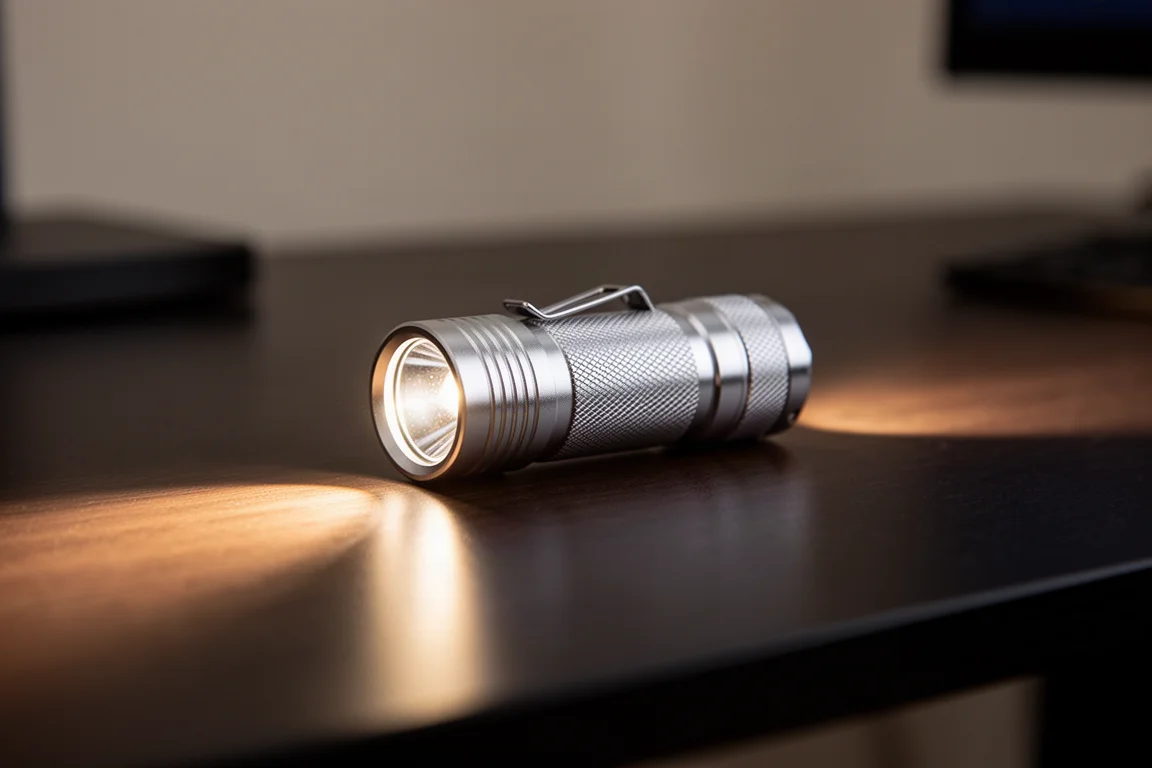
Once a light this small and bright becomes part of a daily routine, it is hard to imagine going without it. It earns its slot for dark cupboards, dropped items, close-up work, and emergencies alike.
Maratech Mini LEP Cosmos
This is not an LED flashlight. The Mini LEP Cosmos uses LEP, laser excited phosphor, technology: a blue laser shines internally onto a phosphor element that produces a very bright white light, which is then focused through a lens into an extremely long-range beam. It outputs no laser light externally, and in this compact form the quoted beam reach is around half a mile, albeit with a very narrow beam pattern.
Two power levels are cycled via the tail switch: high mode gives roughly one and a half hours of runtime, low mode around three hours, with a strobe mode also available. The applications are genuinely niche, aimed at spotting distant targets rather than finding your way around, but for that job it is one of the smallest options available.
Budget carefully: the light itself is $95, the required 14500 battery adds $7, and a compatible USB charger for lithium-ion, nickel-metal hydride, and NiCad cells adds another $12.
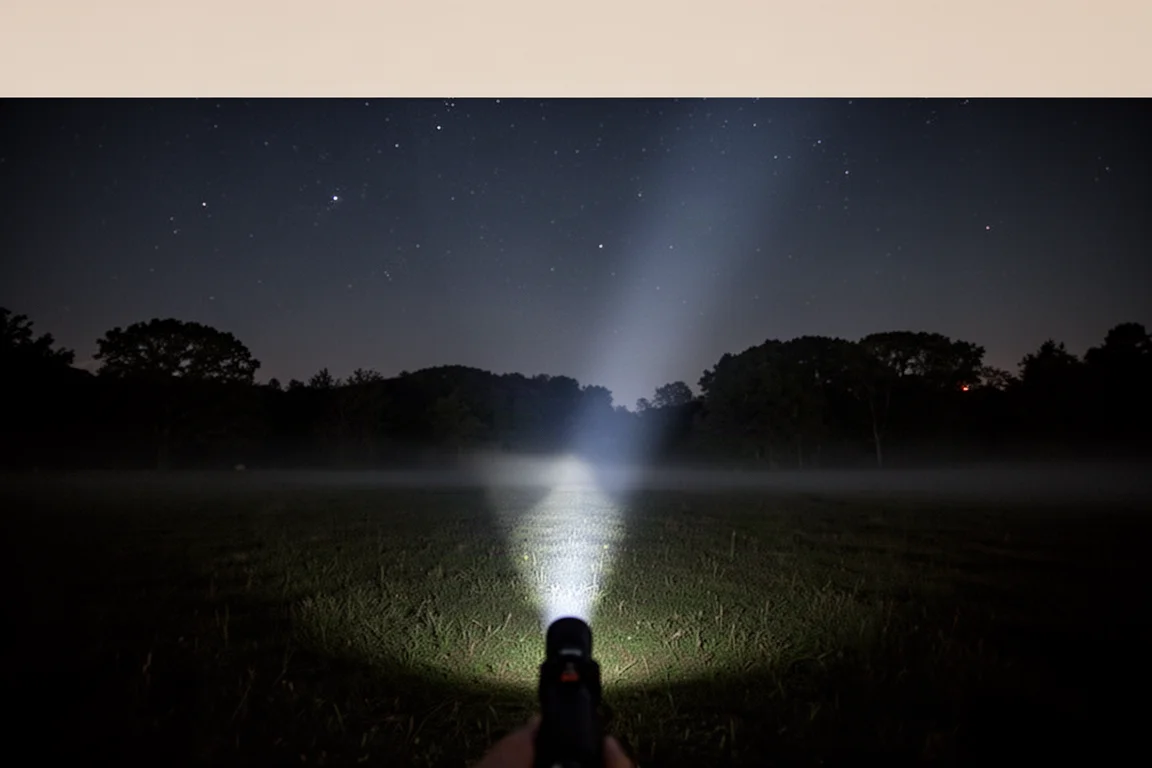
For most people this is a specialist purchase, but if spotting things at serious distance in a compact package sounds like your kind of problem, nothing else does it quite like this.
Ant Design Q1
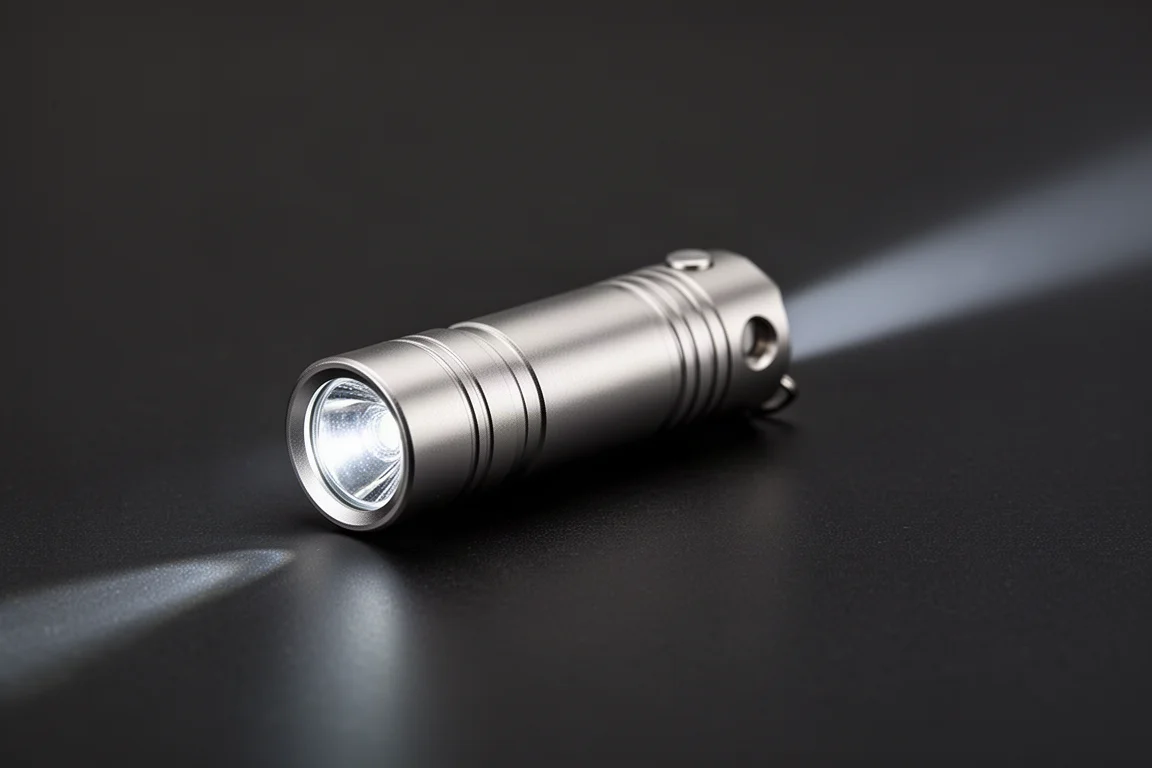
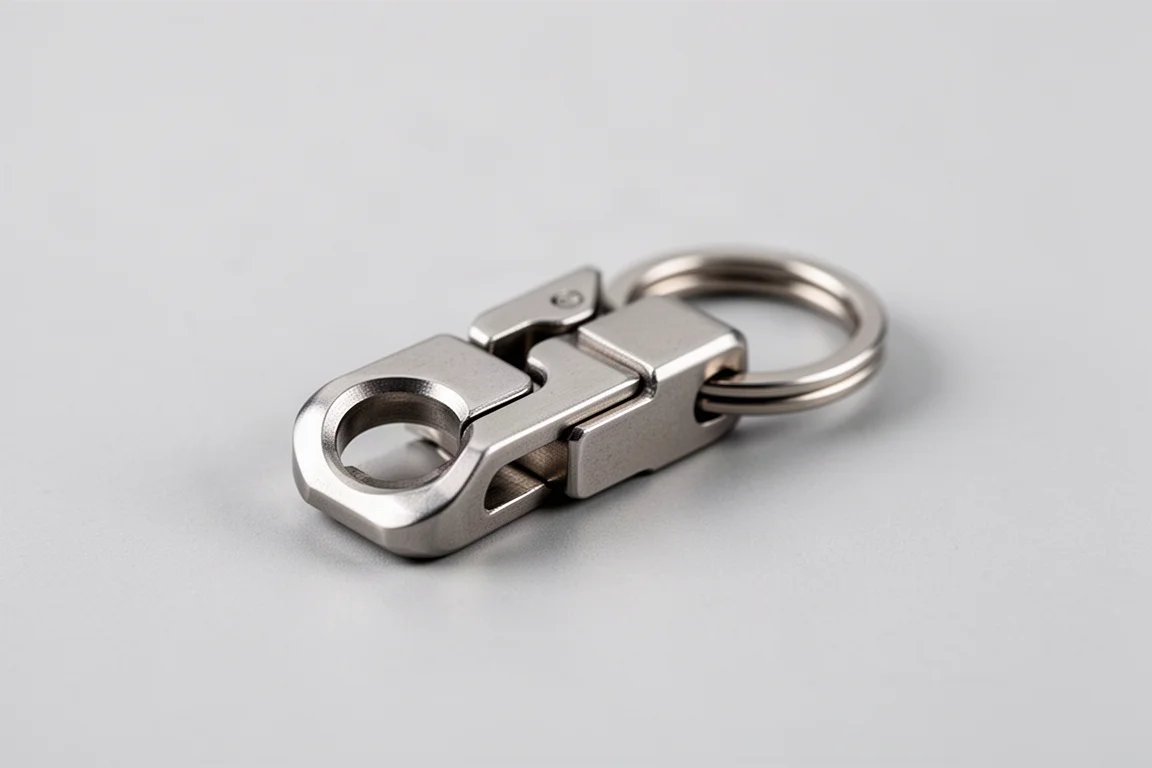
Ant Design makes one of the standout keyring quick-release connectors in the Q1, and this titanium version is the premium take. It is lightweight, extremely secure, and quick and easy to attach and release, with a clean, handsome look that suits the rest of a well-put-together EDC setup. The titanium version sits at $20, while an aluminium version in a range of anodized colors comes in at $10.
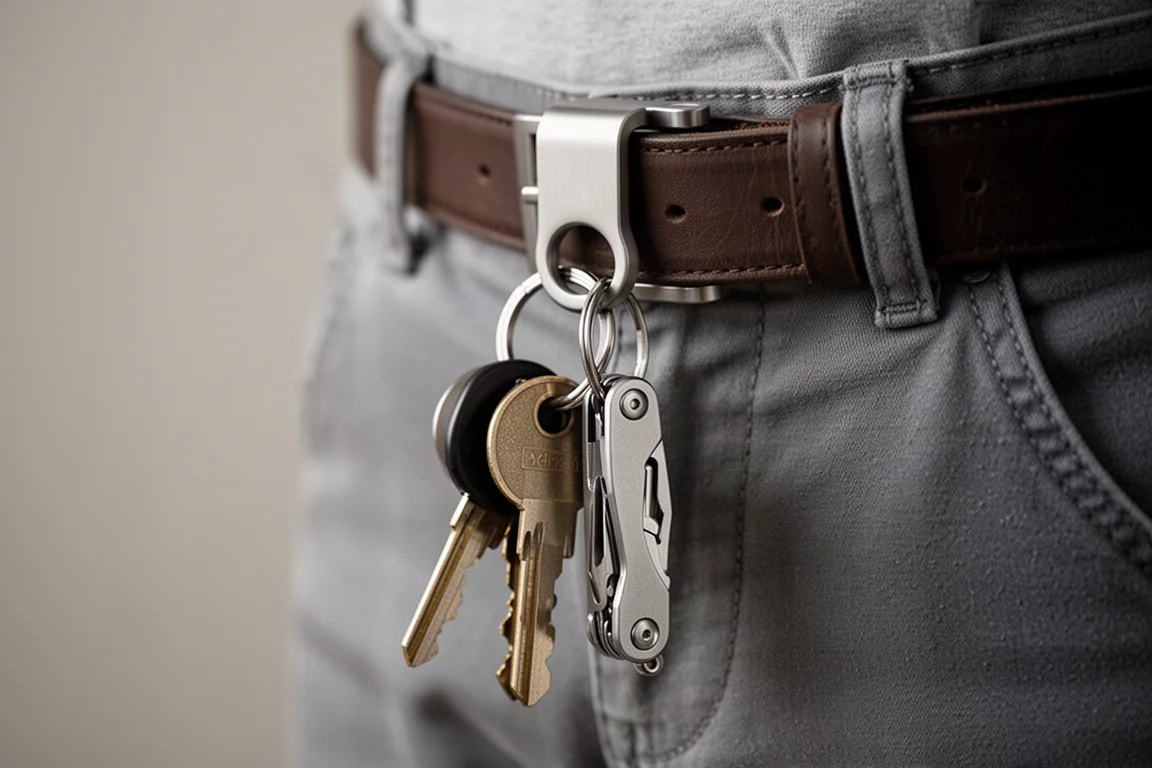
The quick-release design makes it easy to detach keys or a small tool when you need them and clip them back just as fast, which is exactly the kind of friction-free convenience that earns permanent keyring status. As a small upgrade to how your gear attaches, it is one of the nicest options around.
Buying Advice
If you want one gadget that improves every single day, the Rivon A3 is the safest pick: tiny, bright, and genuinely useful in dozens of small moments. The Microblade Pill XL is the better choice if packages and small cutting tasks dominate your frustration list. The Mini LEP Cosmos is a specialist tool for long-range spotting and only makes sense if that use case is real for you, since the total cost including battery and charger climbs past $110. The Ant Design Q1 is a refinement purchase, best paired with the rest of a small, quality-focused keyring setup.
Prices noted here reflect what was listed at the time of writing and can change, so it is worth checking current listings before buying.
Conclusion
Pocket gear works when it is small enough to forget and useful enough to remember. The Pill XL, A3, Mini LEP Cosmos, and Q1 each tick one of those boxes convincingly, and together they cover cutting, lighting, distance spotting, and carry convenience in a combined footprint that still fits comfortably in a pocket or a compact travel kit.
Further reading
Related Reviews

Everyday Carry
Everyday Gear That Deserved a Second Look
A roundup of solid everyday carry items: watches, pens, a pencil, a knife, and a smart ring that each earned a place on the table.

Everyday Carry
KORE Tactical Bifold Wallet Review: A Durable Everyday Carry Option
A close look at the KORE Tactical Bifold Wallet, a reinforced nylon wallet with magnetic closure and room for cards, cash, and IDs.

Everyday Carry
Krabby Wallet Review: A Slim, Simple Carry That Has Stood the Test of Time
A closer look at the Krabby Wallet, a slim canvas and elastic design with a loyal following and a simple, functional approach to everyday carry.