Power Tools
Every Milwaukee Fuel Impact Tested: A Practical Guide to Choosing the Right One
From the M12 compact to the 1-inch 2868, here is how Milwaukee's full impact lineup stacks up in real fastening torque, and which one actually fits your work.
Introduction
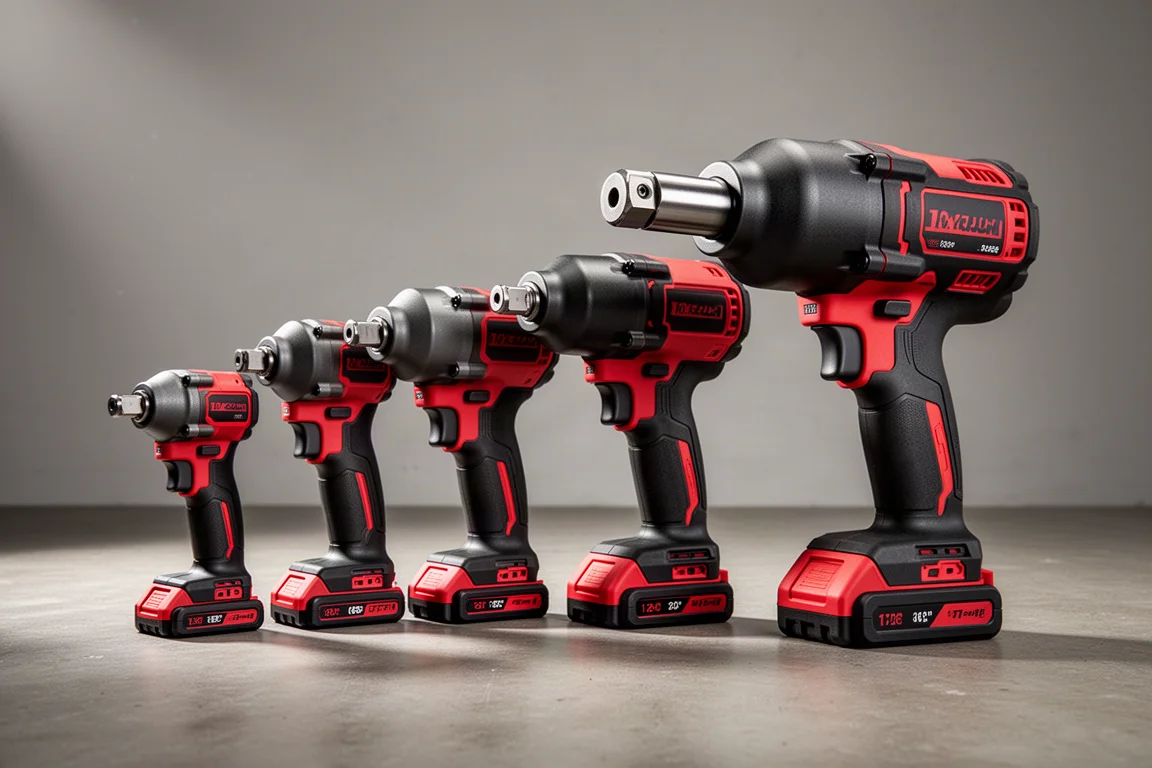
Milwaukee now sells Fuel impacts in three-eighths, half-inch, three-quarter, and one-inch drive sizes, and the gap between the smallest and largest of these is enormous. Understanding where each model actually lands is the difference between buying one tool that does the job and owning two that do not. This guide walks the entire ladder, from the Surge hydraulic driver up to the 1-inch 2868, using consistent 10-second fastening runs and a torque scale built from years of hands-on use on real vehicles.
Evaluation Criteria
Every number here comes from the same style of test: a 10-second maximum torque run against a fixed fastener, using a consistent baseline battery. Two lessons from that testing shape the whole ranking. First, loosening torque matters far more than tightening specs; a bolt with a 125 foot-pound torque spec may need 500 foot-pounds of gun to remove, depending on location and corrosion. Second, on Milwaukee tools, the three-eighths drive versions tend to produce lower out-of-the-gate torque but higher peaks, while battery size and type genuinely change output on some models.
Impact Drivers: Surge and Gen 3 2853
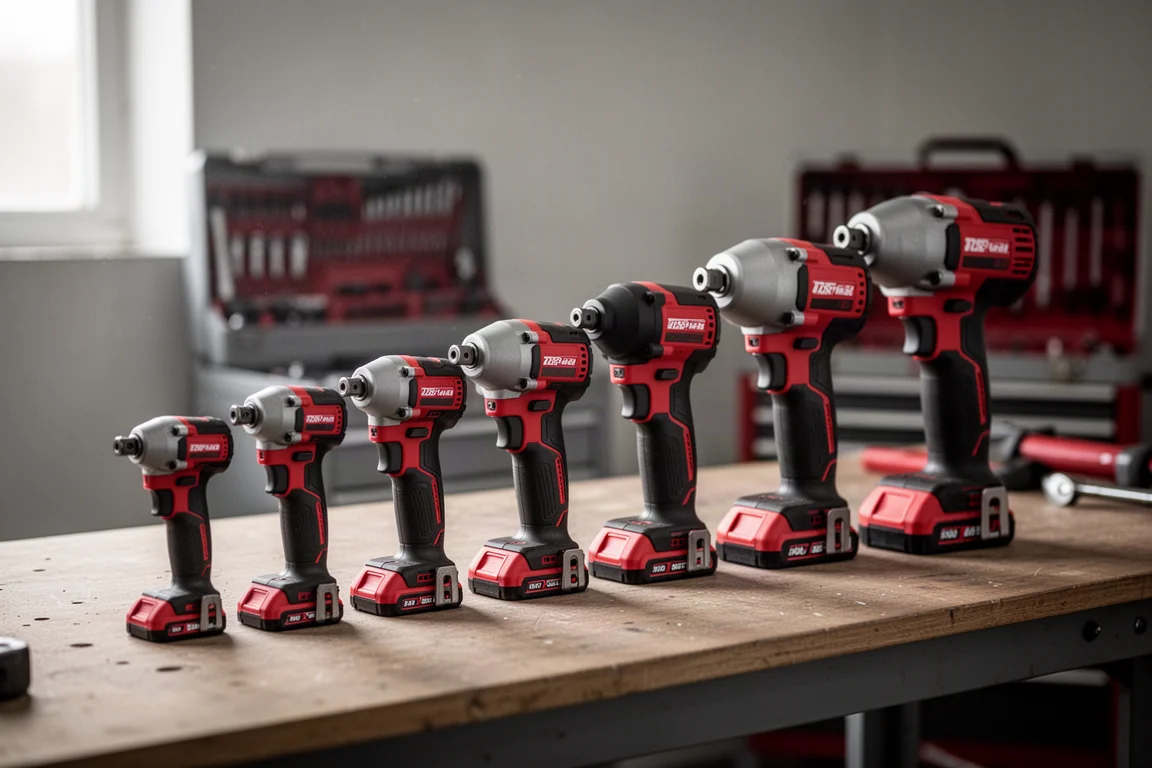
The Milwaukee Surge is a hydraulic impact driver designed for deck screws, and it does not respond well to dyno abuse on bolts. Stick to its intended fastening if you buy one.
The M18 Gen 3 impact driver 2853, on the other hand, is a small tool that handles bolt work without complaint. Its 10-second max torque run produced 181 foot pounds, which is a genuinely spicy figure for a driver. That is more than adequate for top-of-engine work such as valve covers, valley covers, rocker arms, camshaft cradles, and most engine accessories like water pump housings, tensioners, and alternator brackets. It is increasingly common to see impact drivers doing this kind of work in shops.
The M12 Right Angle Impact Wrench
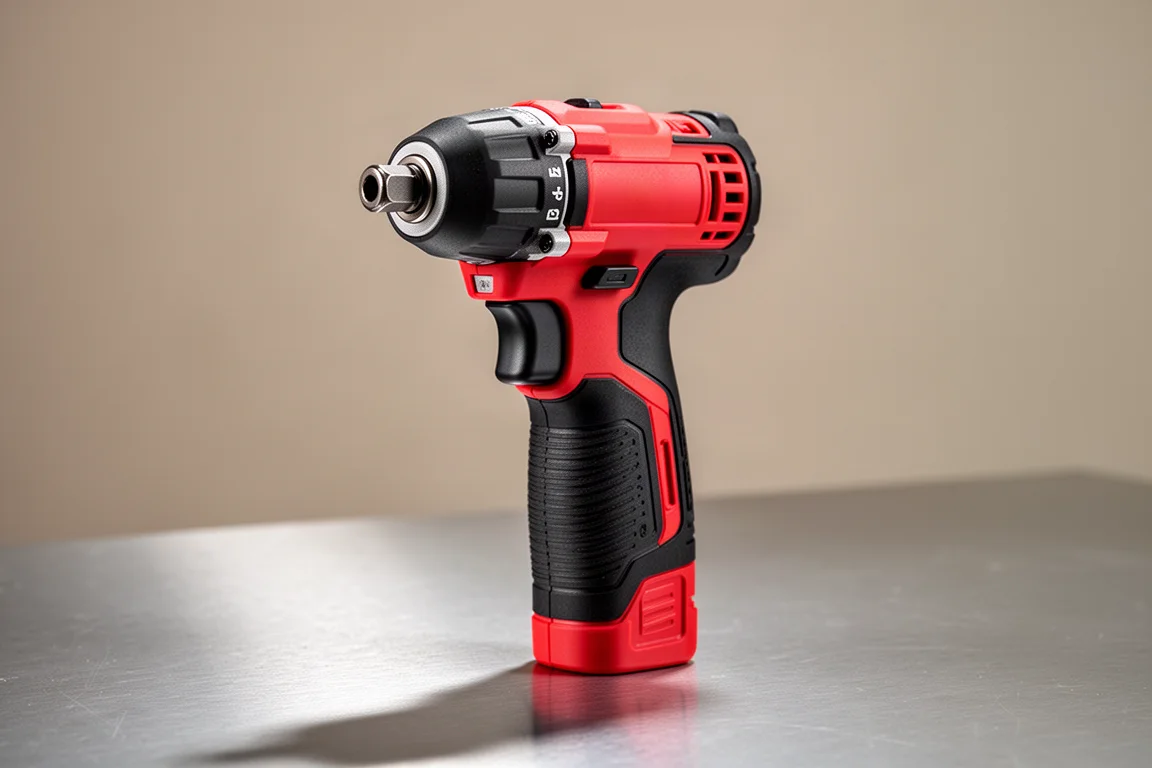
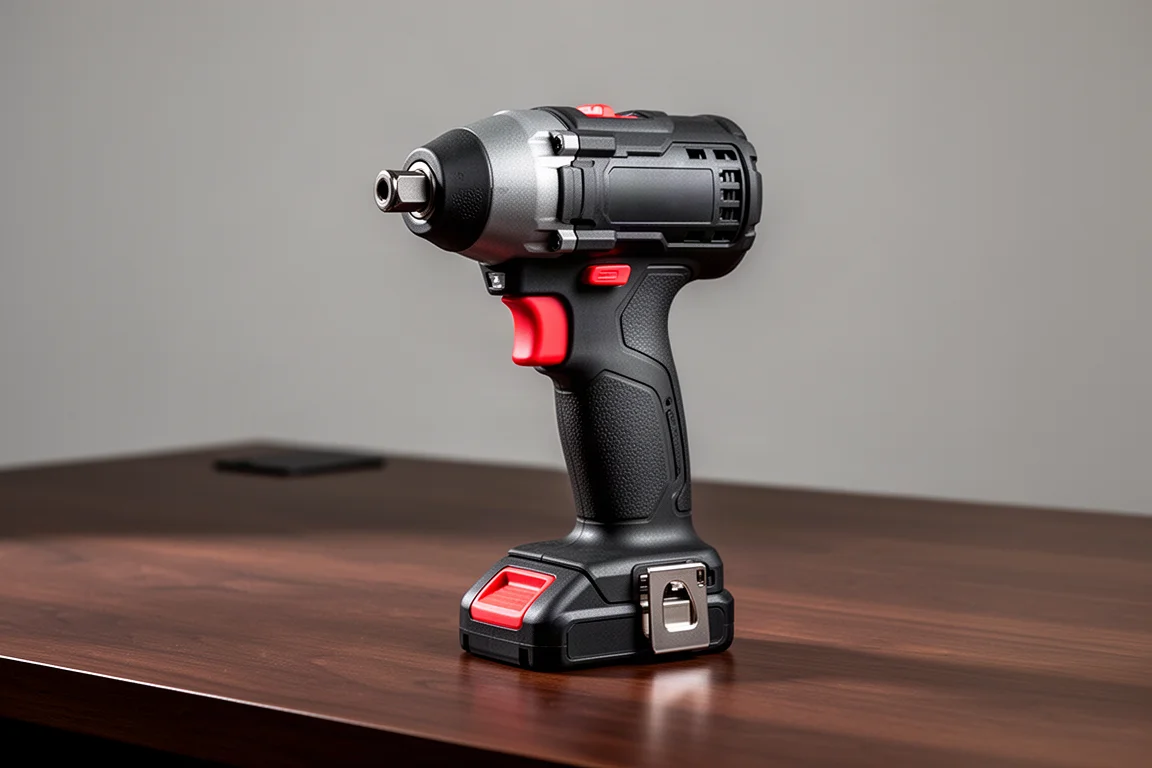
The M12 right angle impact wrench is like a ratchet with a larger head, but reactionless: it does not twist your arm the way a ratchet does, and it makes more power than cordless ratchets or right-angle impact drivers. In a 10-second run it produced 140 foot pounds, slightly below the Gen 3 impact driver. Battery choice matters a lot here; output swings from sort of okay to not particularly useful depending on which M12 pack you use.
The three-eighths version we later tested showed lower initial torque but higher peaks, and while it crested the 150 mark in a 15-second run, it is not enough for brake caliper bolts. It gets reached for rarely, mostly for engine accessories and timing covers, where it works but a cordless ratchet used by hand then triggered does a similar job.
The Compacts: M12 and M18
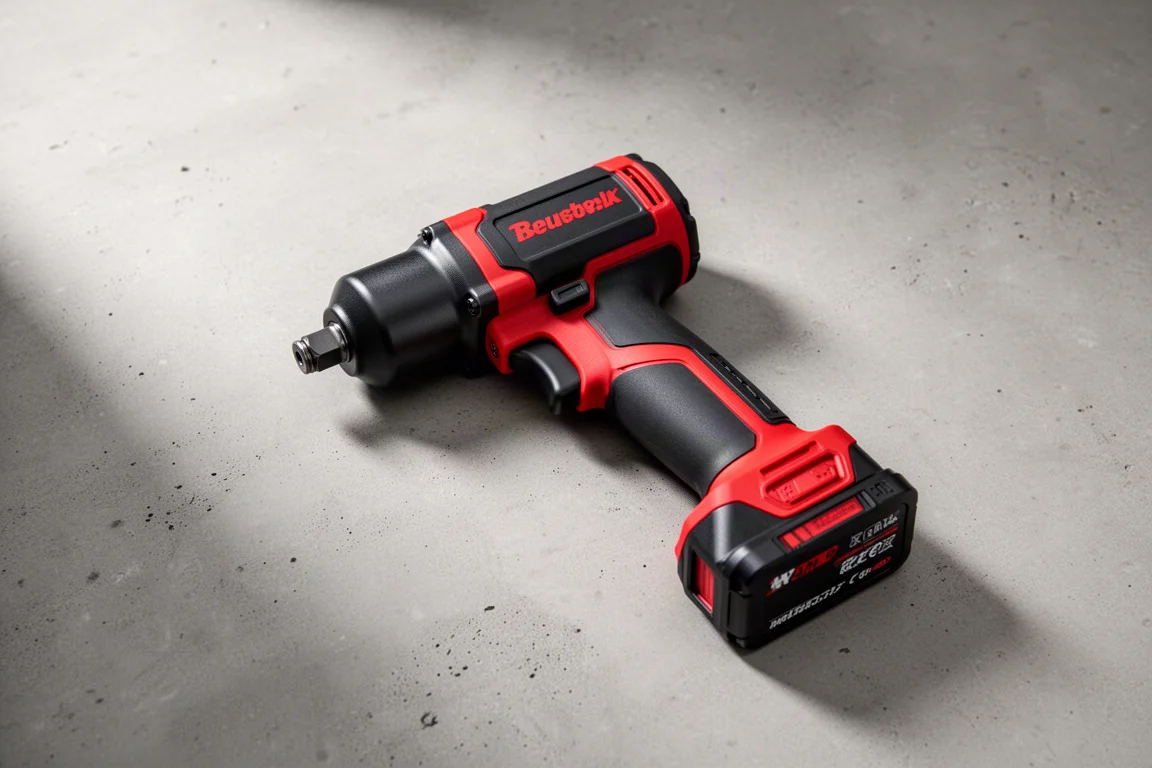
The M12 compact impact wrench, tested in both half-inch and three-eighths drive, produced 233 and 251 foot pounds respectively. Following Milwaukee’s usual three-eighths pattern, the 3/8 comes on late with higher peaks, meaning it should theoretically break loose slightly more recently-tightened fasteners, while the half-inch handles slightly more rusted ones thanks to better out-of-the-gate torque.
The M18 Gen 3 compact is rated for the same 250 foot pounds and produces very similar curves, making a bit more on the curve than the M12 half-inch but nothing you would notice in real life. Neither compact will reliably take off the majority of lug nuts you maintain; even a lug nut you installed yourself can swell or seize from road grime and defeat these tools. The M12 is still the one to keep handy for everything smaller and less demanding, with a better form factor and price than the M18 version, which does not add much extra for the difference.
Mid Torque: The 2861 and 2962
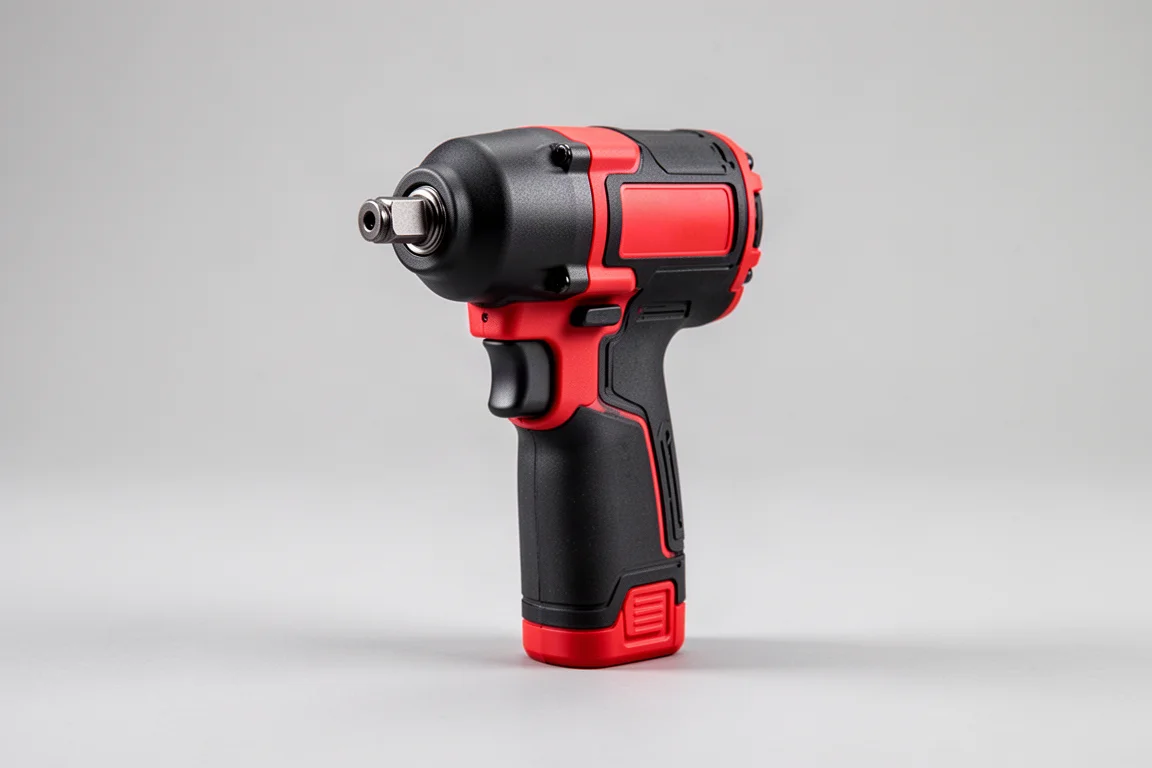
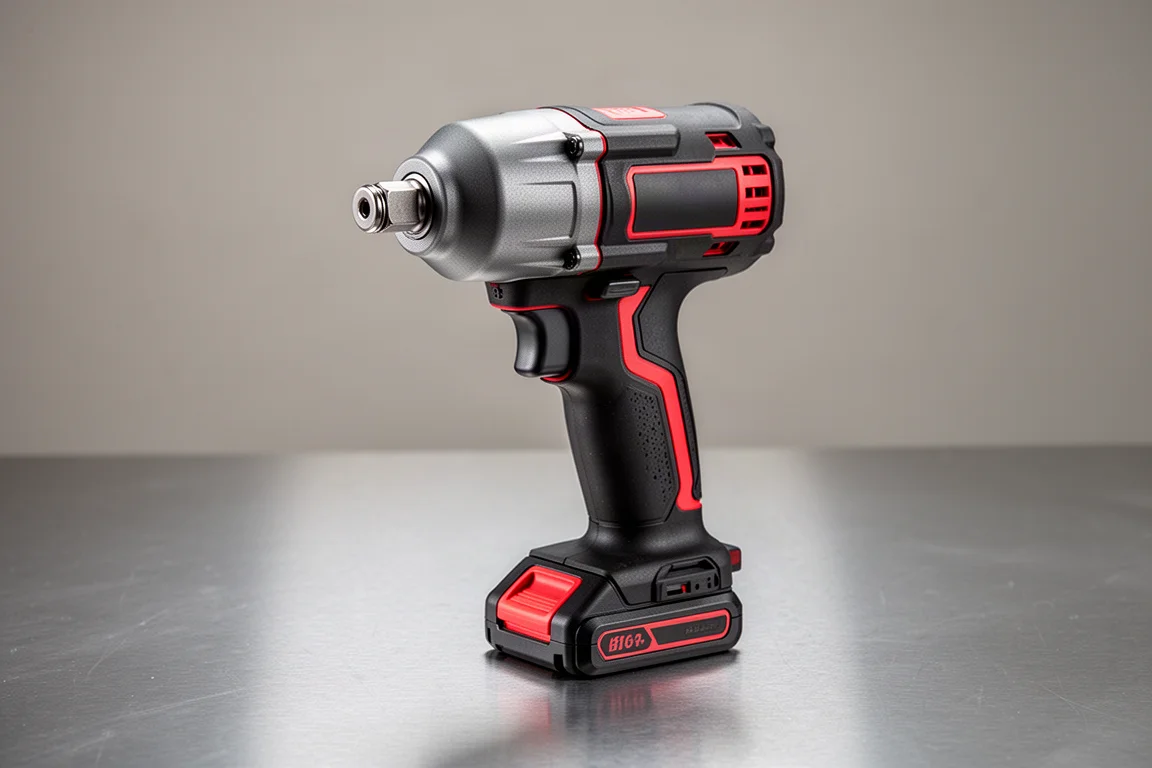
The M18 Gen 1 mid torque 2861 hit 397 foot pounds, a real step up from the compacts. This class, alongside comparable mid-torque tools from other brands, will remove nearly any passenger vehicle lug nut you last torqued yourself with a torque wrench.
The newer M18 Gen 2 mid torque 2962 is the shortest mid torque on the market and more powerful, peaking at 451 foot pounds with big gains across the whole curve, not just at the peak. It is also the first Milwaukee tool where a clear difference appeared between the three-eighths and half-inch versions even with socket size controlled, and battery type and size do affect output here, perhaps less than you would expect.
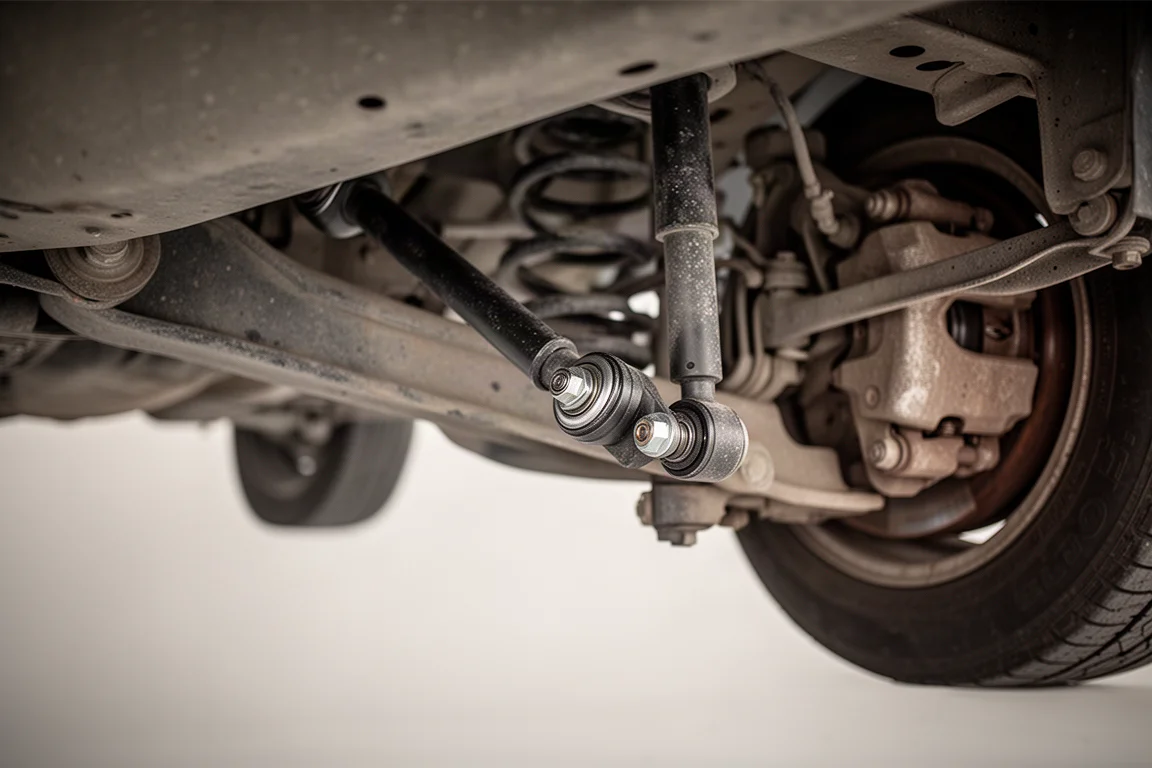
A mid torque opens up a wide swath of automotive work: lug nuts for sure, brake caliper bolts on newer vehicles (often worse than lug nuts because steel-on-steel rusts hardest), axle nuts that often come off without much trouble, and most customer lug nuts between 80 and 160 foot-pound specs. It is not enough for 90 percent of suspension bolts, rusty caliper brackets needing a swivel, upper control arm mounts on 250 foot-pound spec bolts, or very rusty leaf spring shackles. That is high-torque territory.
Half-Inch High Torque: 2766 and 2767
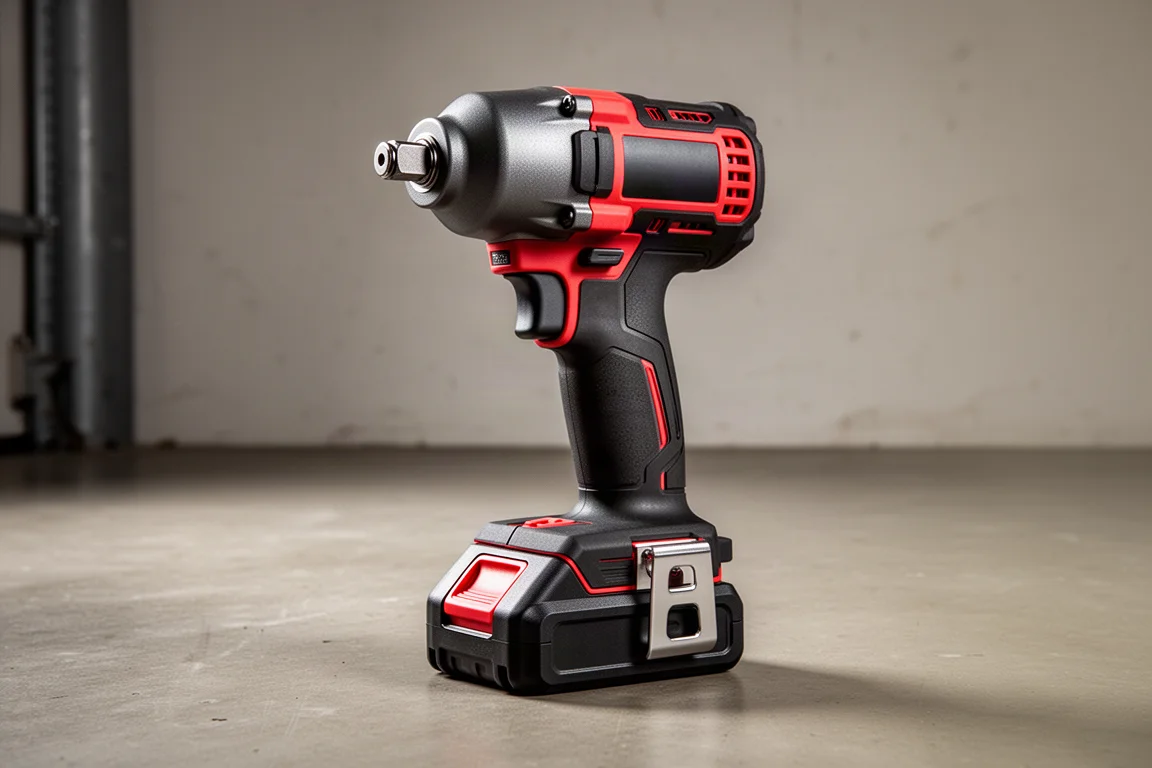
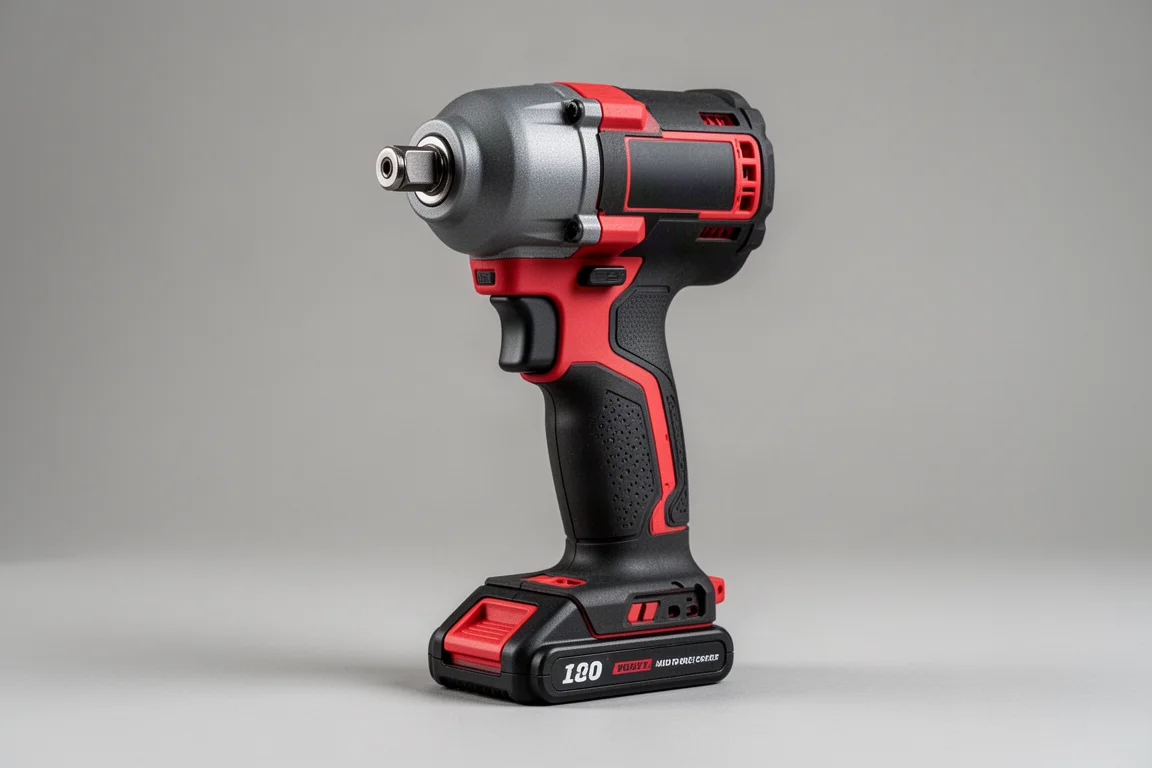
The M18 high torque 2766 pin detent version is a slightly shorter, slightly lighter, and slightly less expensive build rated at a considerably lower 750 foot pounds of tightening torque. On the dyno it produced 709 foot pounds, a big step up from the mid torques and close to its rating. Normally pinning the detent does not change an impact’s power, but Milwaukee built this as its own distinct tool.
The 2767 remains the yardstick half-inch high torque, and its 778 foot-pound run reaches as high as 801 with the HD 12.0 battery even though it is not Milwaukee’s very latest design. At this level, ball joint presses become easy, wheel bearing presses on the vehicle become manageable, and suspension bolts with an extension and swivel, attachments that rob mid torques of their power, are handled without drama. Even the infamous Honda crank bolt falls to it; weaker 700-and-under guns need a weighted socket trick and much more patience for that job.
Three-Quarter Inch: The 2864
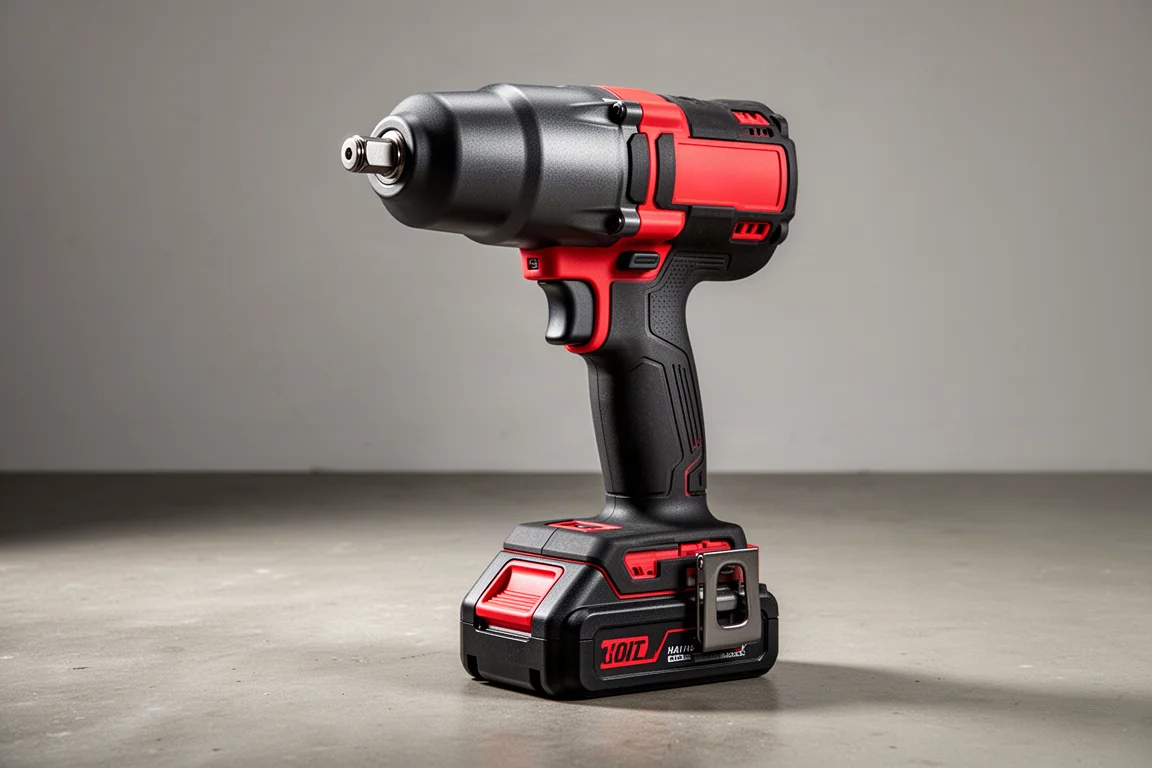
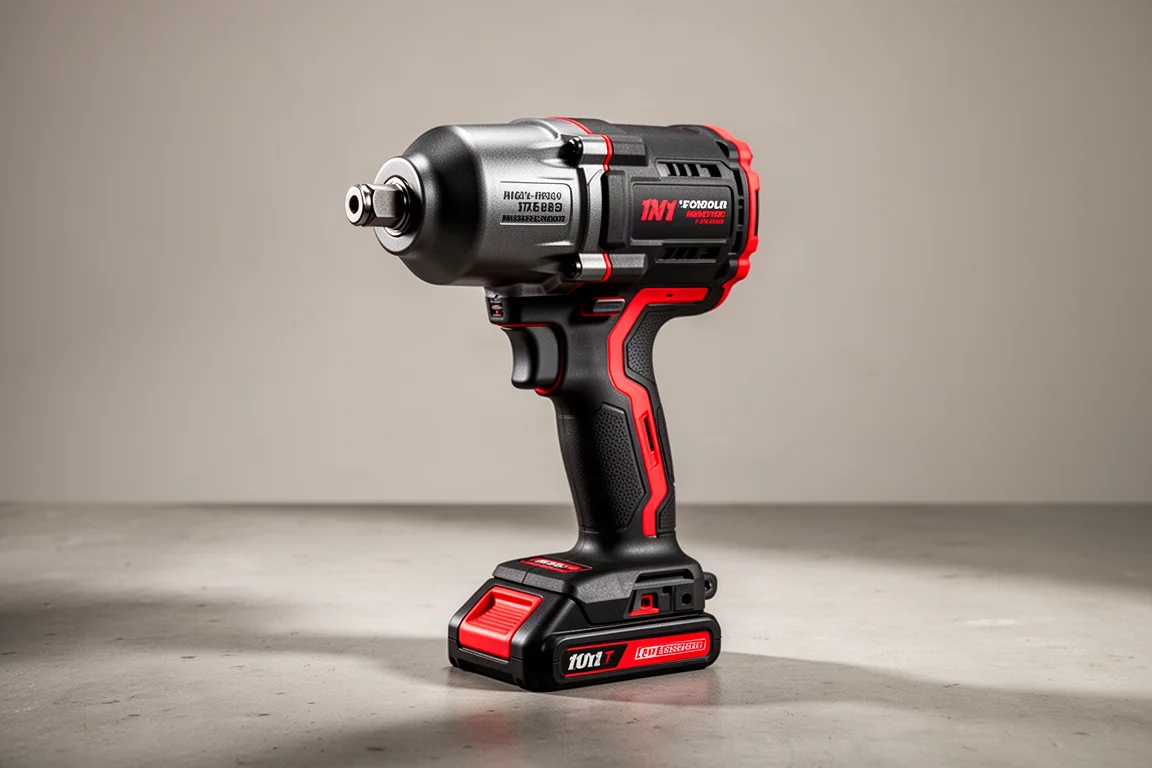
The M18 3/4-inch impact wrench 2864 uses the same core as the half-inch 2767, and with the same baseline battery it stepped up to 801 foot pounds, roughly like bolting an HD 12.0 onto the half-inch without the extra cost of that battery. The difference is not huge, but the larger drive size produced noticeably less vibration and was simply a more pleasant tool to use.
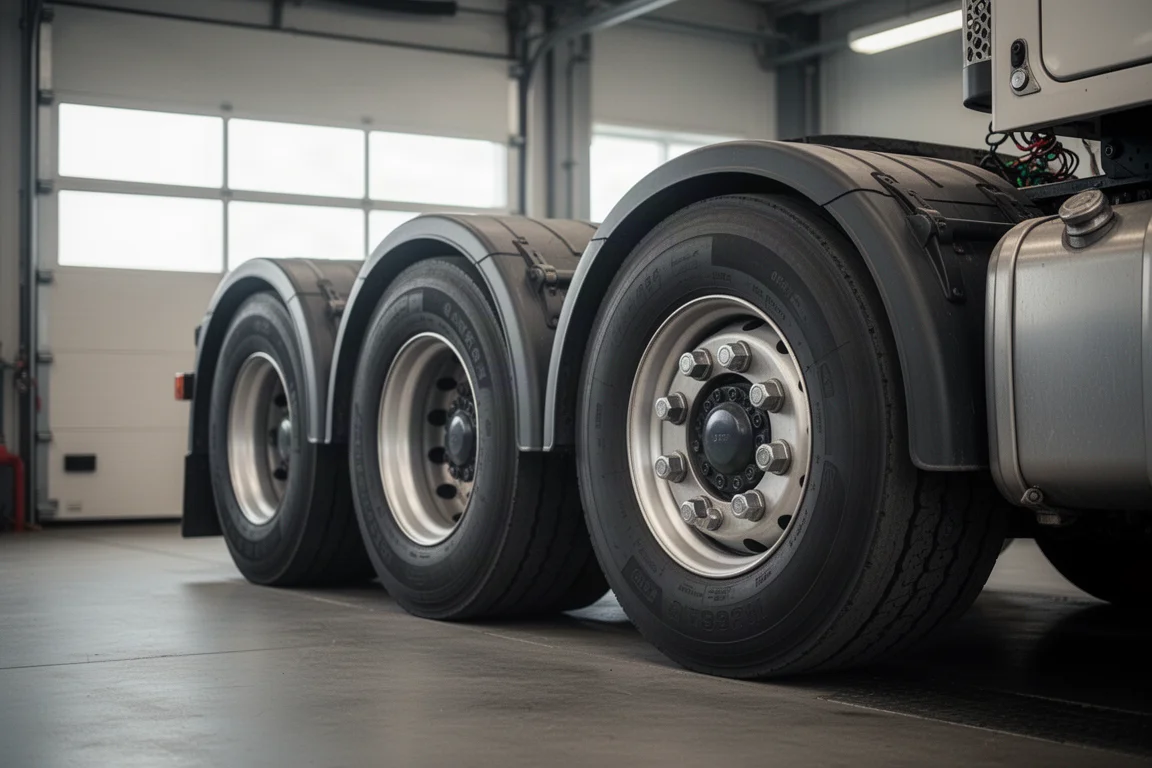
At 800 foot pounds, this gun ventures into road-driven 18-wheeler lug nut territory, getting the job done a bit quicker than the half-inch can manage. It is not a golden bullet for big rigs, though; wheels that have seen road salt or long change intervals may demand far more torque than this three-quarter can supply.
The One-Inch Line: 2867 and 2868
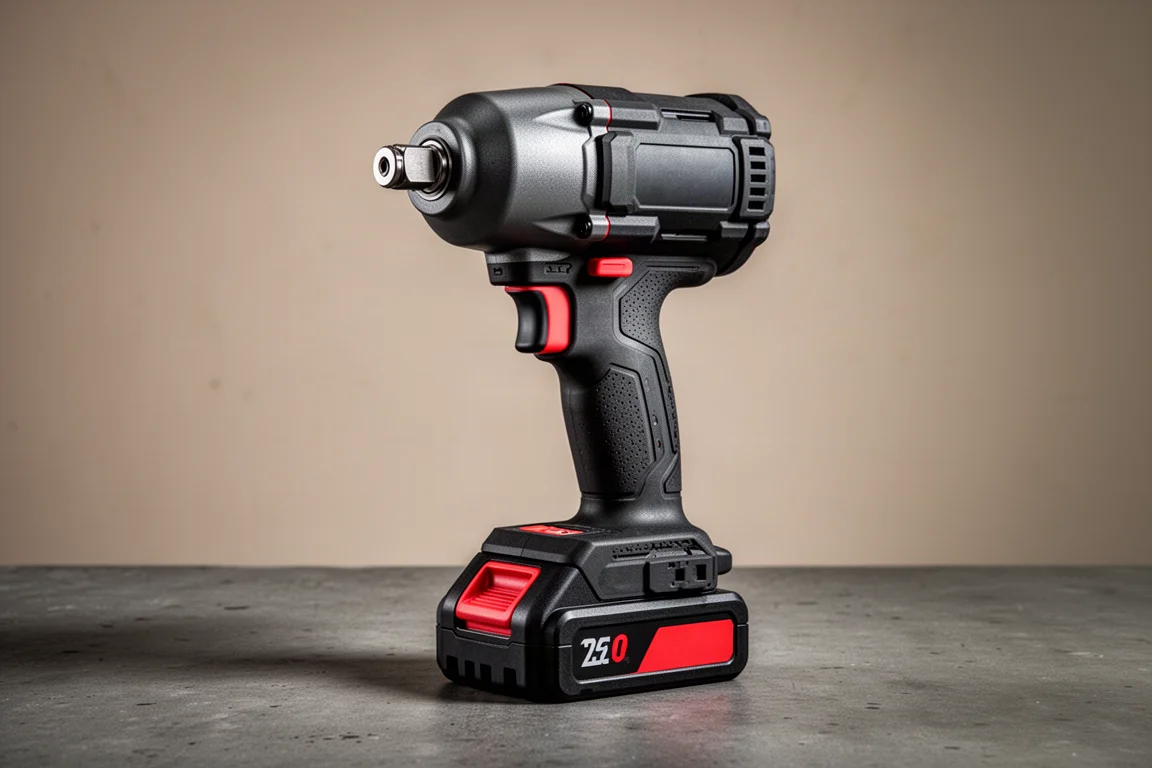
The M18 1-inch pistol 2867 requires Milwaukee’s high output batteries rather than the older 5.0 packs, and its best run hit 1,049 foot pounds, the level where a good amount of heavy equipment work, tractors, and reasonably sized Caterpillar hardware becomes possible. One quirk: this gun made nearly all its power in forward, barely matching the half- and three-quarter-inch high torques in reverse. That makes it a tool for assembly work, the kind of job profile you would expect for iron workers and bridge builders rather than general disassembly.
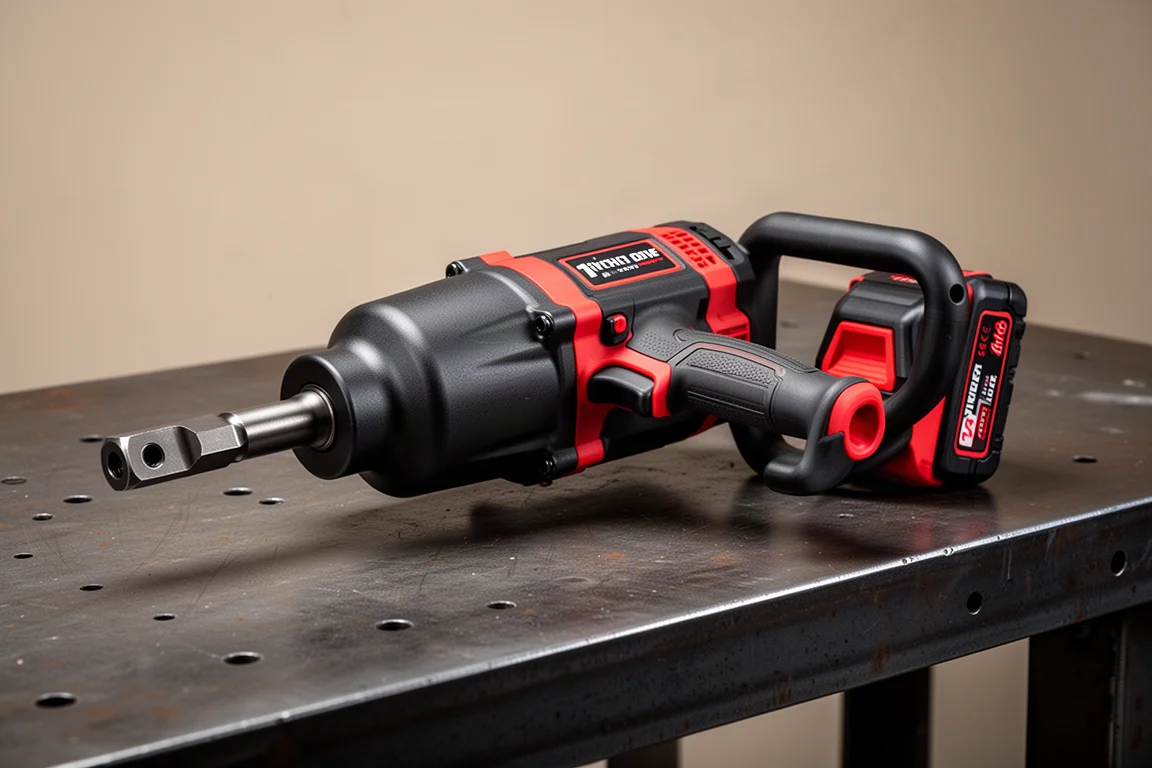
The 1-inch D-handle 2868 with the standard anvil is a different animal entirely. Its best measured run hit 1,406 foot pounds, requiring a heavy-duty calibrated machine to measure after it bent the normal dyno plate. In reverse it removed a 1,720 foot-pound fastener, an informal but telling demonstration. At that level it is qualified for rusty, road-abused 18-wheeler lug nuts most of the time, though some salt-belt big rigs with nasty 33mm lugs will still overwhelm it, as they sometimes do even one-inch air guns. It is not a one-stop shop for road-service truck work.
Buying Advice
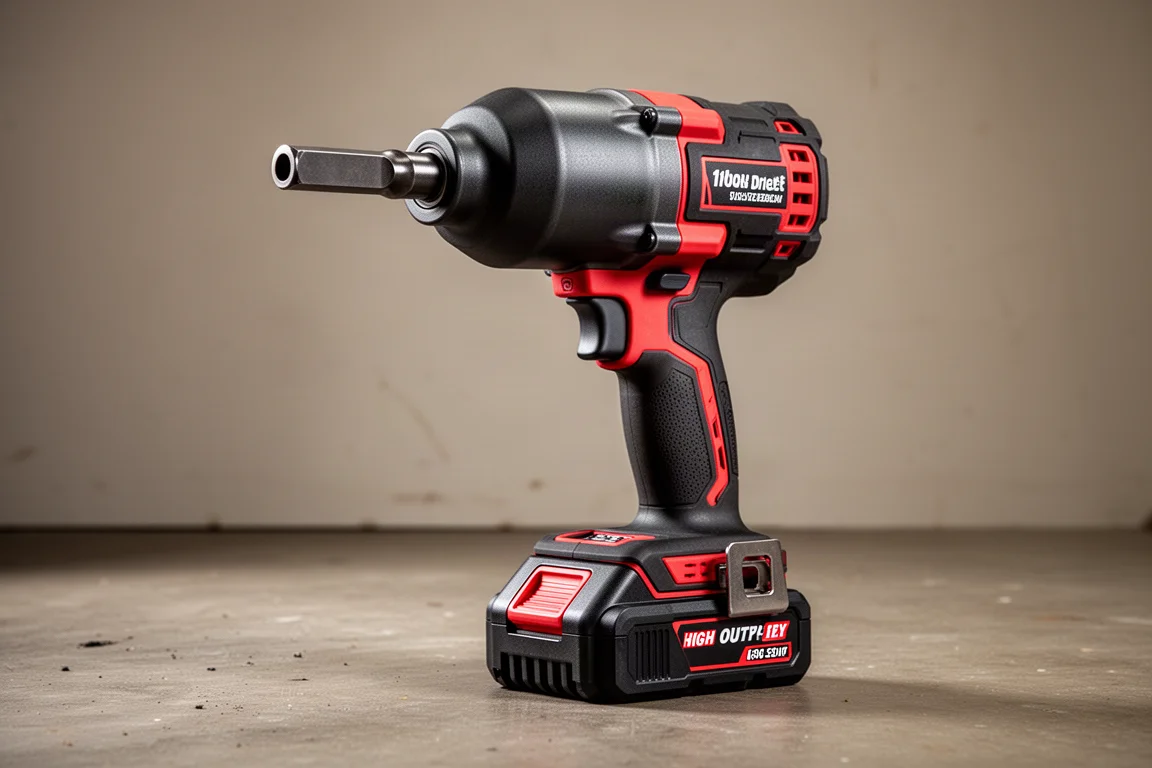
Match the tool to the fastener, not to the torque number on the box. For screws and top-of-engine bolts, the Gen 3 2853 driver or the Surge covers it. For light auto work, keep an M12 compact around. For lug nuts, caliper bolts, and axle nuts, a Gen 2 mid torque 2962 is the sweet spot. Suspension, press work, and stubborn crank bolts want the 2767 high torque. Truck wheels push you to the 2864, and heavy equipment or genuinely seized big-rig hardware is 2868 territory, with the 2867 only if your work is assembly-focused. Remember that Milwaukee’s three-eighths versions trade initial torque for higher peaks, and that battery choice genuinely moves the needle on several of these tools.
Conclusion
Milwaukee’s lineup scales cleanly from a 181 foot-pound driver to a 1,406 foot-pound one-inch D-handle, and no single tool covers everything. Buying the smallest gun that still defeats your real-world fasteners gets you the lightest, most pleasant tool for the job, and the numbers above should make that choice straightforward.
Further reading
Related Reviews
Power Tools
Best 1-Inch Pistol Impact Wrenches: Three Heavy-Duty Options Compared
We compare three 1-inch pistol impact wrenches, from a budget-friendly Harbor Freight model to a premium Caterpillar unit, to help you choose the right one.
Power Tools
Best 3/4-Inch Impact Wrenches 2026: Five Contenders Compared
We compare five 3/4-inch impact wrenches across price and performance, from a budget Amazon option to Snap-on's most powerful model yet.
Power Tools
Best Budget Cordless Tools 2026: Walmart Finds That Punch Above Their Price
We tested five cordless tools from Walmart, including a high-torque impact wrench that trades blows with Milwaukee and a $35 duster that outperforms its price class.