Power Tools
Best Mid-Range Cordless Drills: Five Models Tested Against Milwaukee's Benchmark
Ryobi, Parkside, DeWalt and Ridgid cordless drills measured on power, torque, weight and price against the Milwaukee M18 hammer drill.
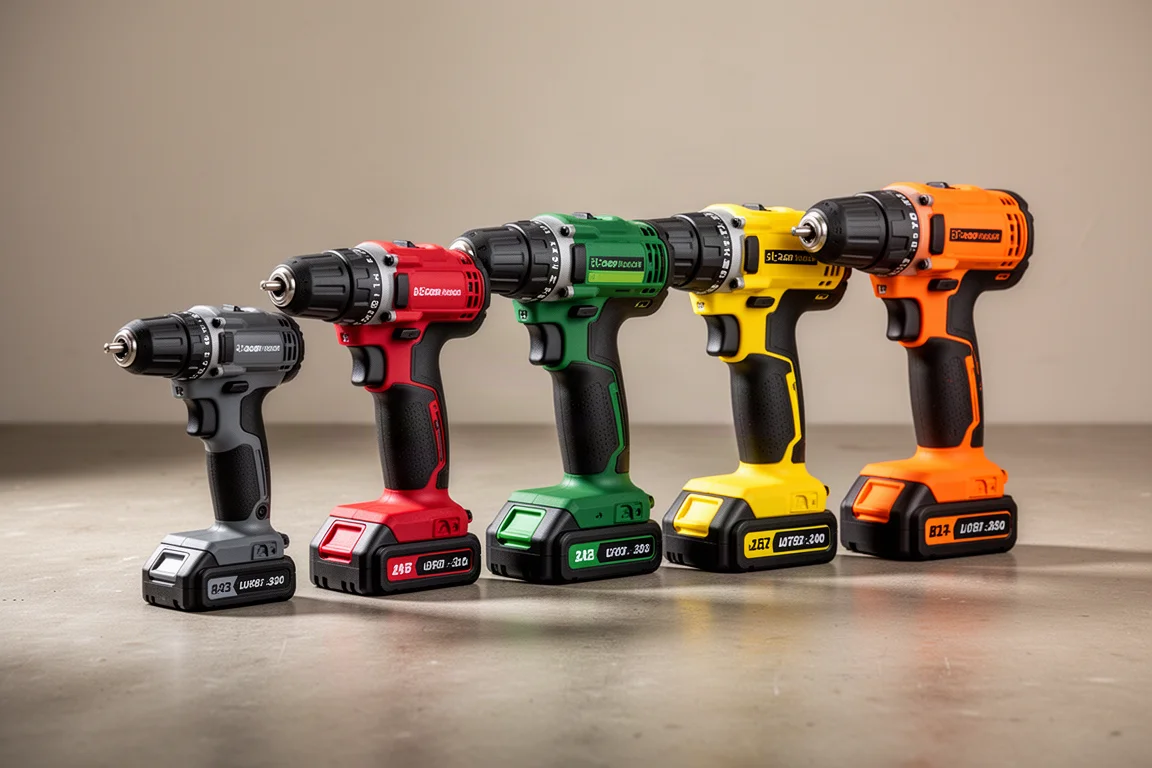
Introduction
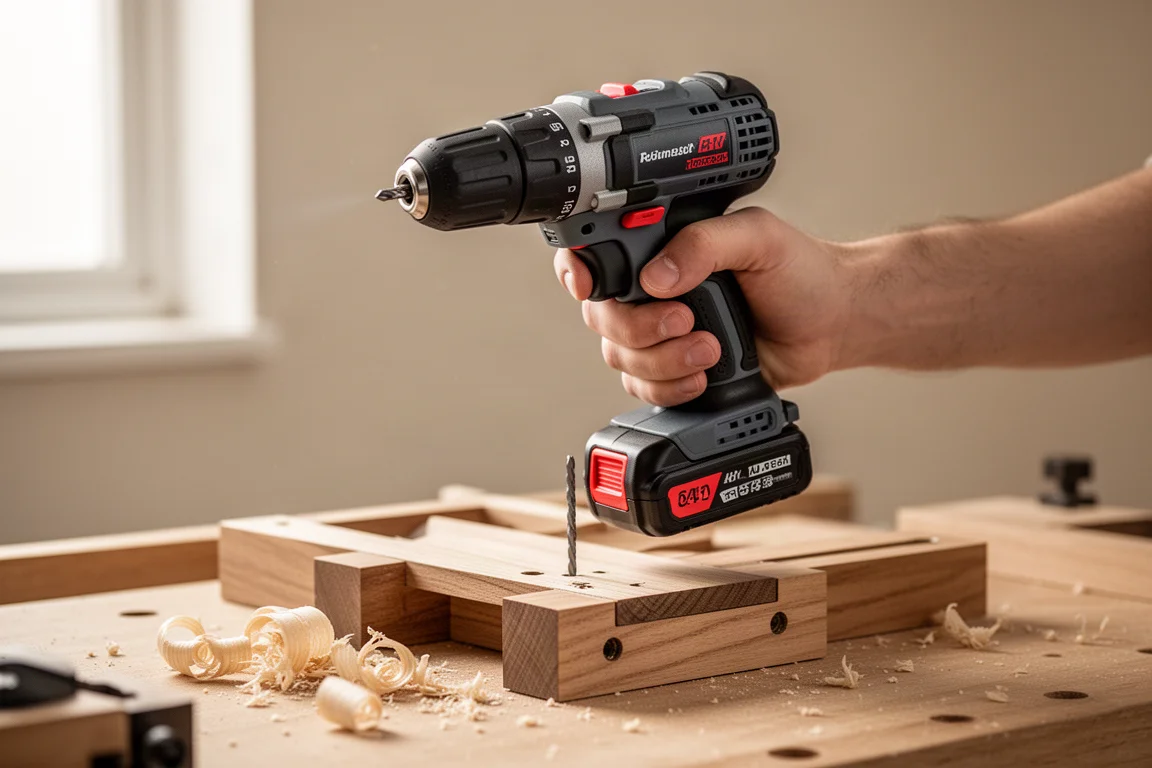
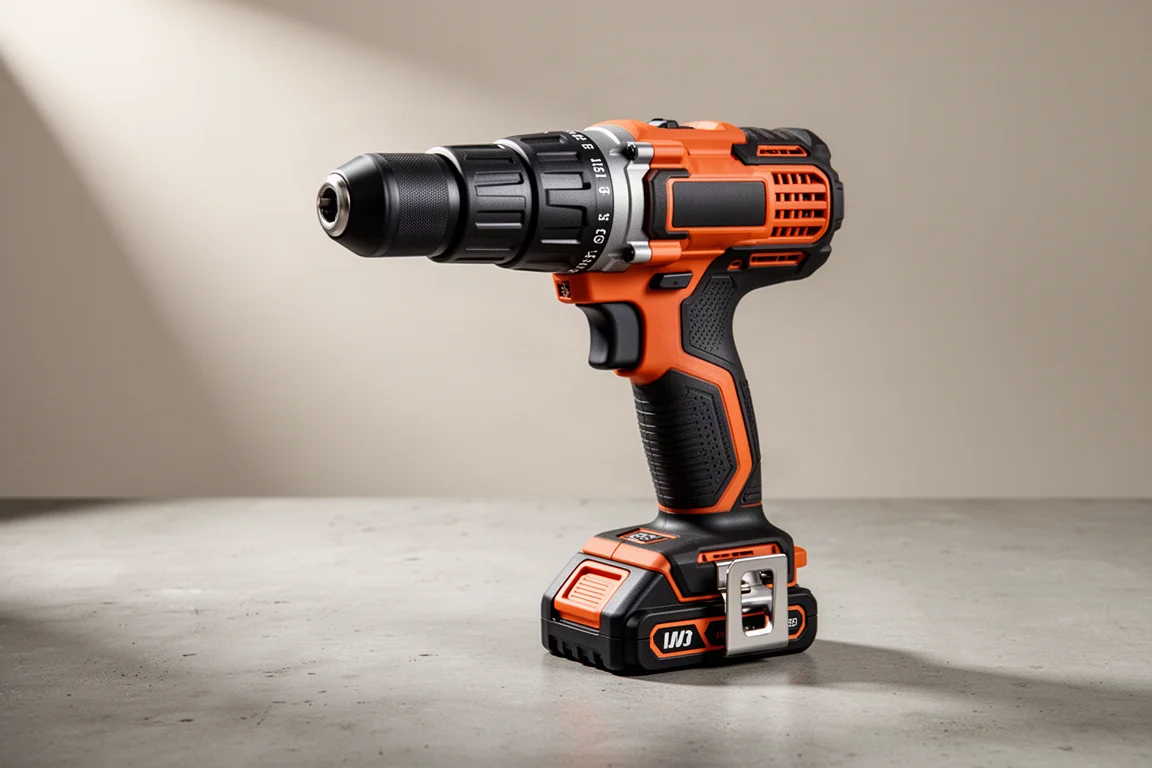
Cordless drills occupy an odd space. While impact wrenches have become absolute torque monsters, most people buying a drill are not chasing the most elite model ever made. There is a long list of drills that sit comfortably in that practical middle ground, capable of everything short of regularly driving 6-inch hole saws, ideally for less money. The benchmark here is the Milwaukee M18 hammer drill, which sells for around 200 dollars bare tool, and the interesting question is how close cheaper alternatives actually get.
How We Evaluated These Drills
Each drill was measured on a test bench for power output in watts, both at high speed under incremental load and in low gear, plus raw torque on a breakaway dyno that registers pounds of force one foot from the center axis. Weight, length and price were factored in as well, including kit pricing where relevant, since batteries change results significantly.
RPM under load proved to be a key differentiator. Some drills keep their speed up as the load rises, which boosts their watt scores, while others trade that high-speed power for low-end torque. Neither approach is wrong; they simply suit different kinds of work.
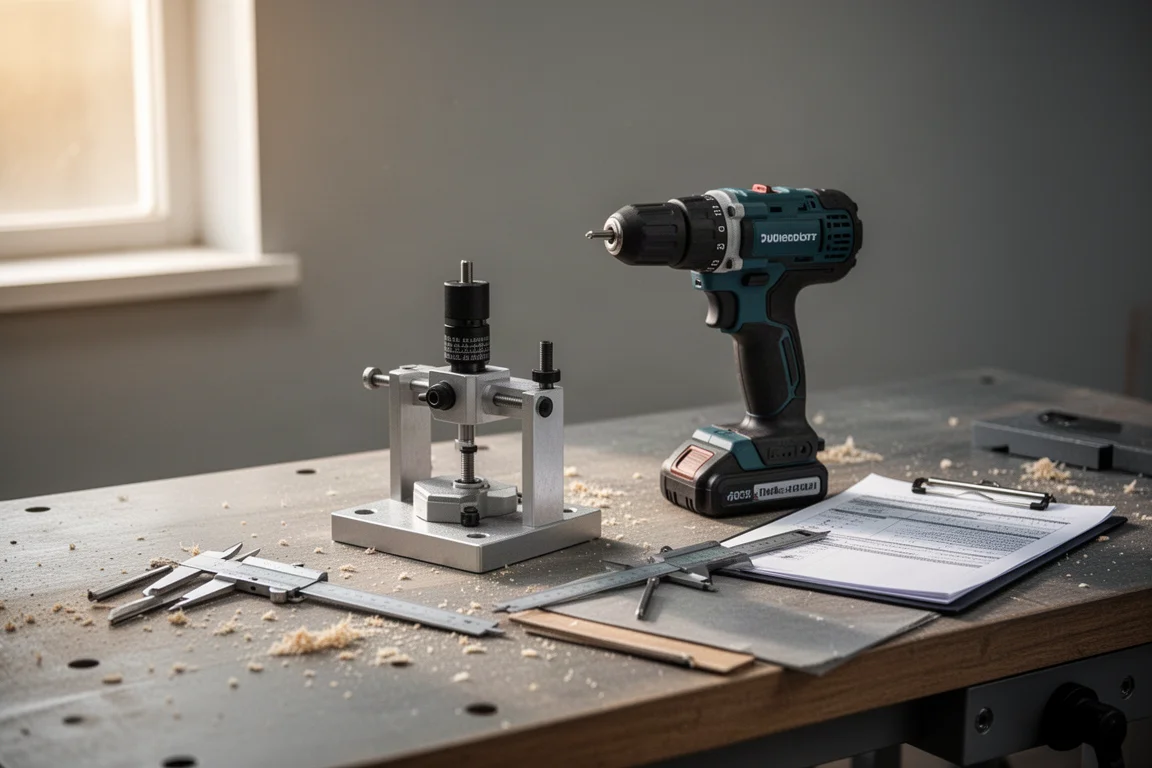
Ryobi PBLHM11
The Ryobi PBLHM11 is their One+ HP hammer drill, costing essentially half of the Milwaukee at about 99 dollars bare, and sometimes as little as 65 dollars on sale. Kit pricing changes the math, so full kit cost was included in its overall score. With the 4Ah high performance battery communicating with the HP pickups, it managed 680 watts in the high-speed under-load test, slightly ahead of the Milwaukee in kit form, which was genuinely unexpected.
The flip side is torque. It managed only 16.2 ft-lbs, a record low for a name-brand drill in this testing, though an 8Ah high performance battery with 21700 cells lifts that to 21.6 ft-lbs and the watt score from 680 to 870. In day-to-day use, the drill seems board-limited: its electronics cut out and call it quits before the motor fully bogs down. That can be annoying on bigger tasks, but it may help extend the tool’s life. For 60 to 70 dollars if you already own batteries, it is not bad at all.
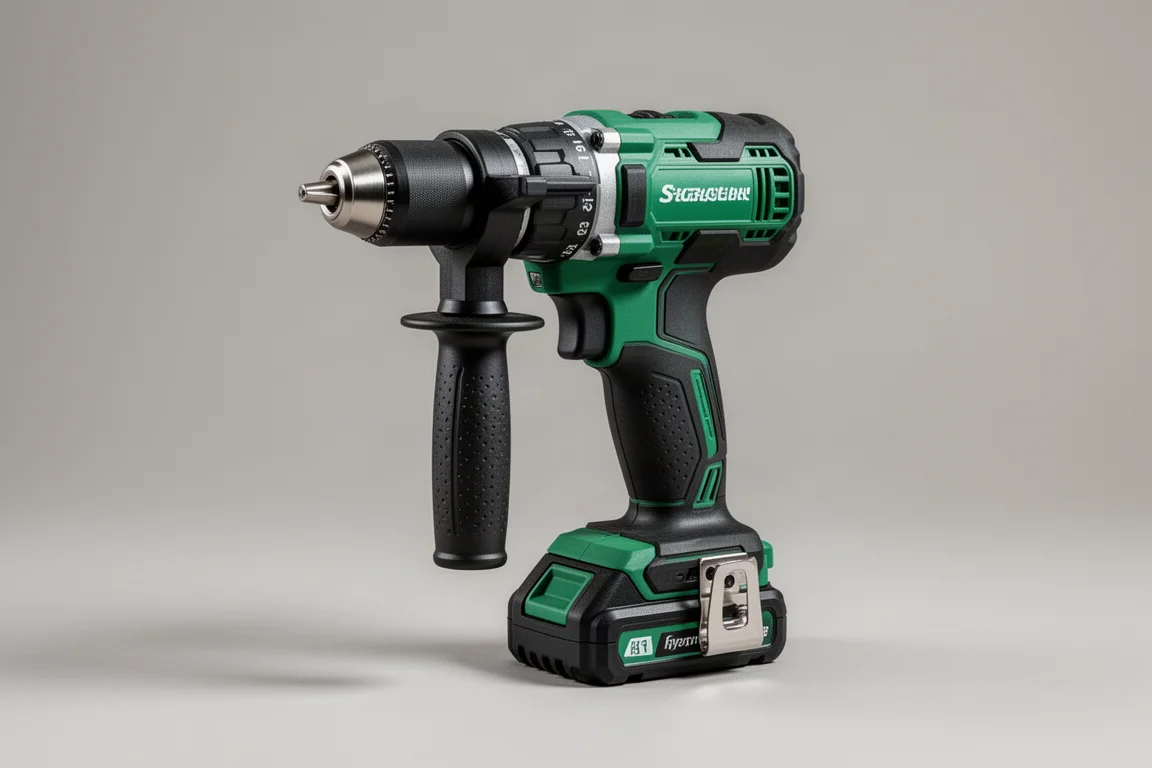
Milwaukee M18 Hammer Drill
The M18 is the reference point here, and what it delivers every time is torque, even above more expensive options from other brands on the breakaway dyno. What is less lovable is its high-speed power under load, particularly with the kit-included 5Ah battery. Drilling 7/16-inch holes through steel is not the best combo in that configuration.
Where it gets serious is with spicier battery options. The drills famously crave larger packs, and with an 8Ah battery it reaches 970 watts and 46 ft-lbs of torque, a combination that is hard to beat. On sale, it becomes even more interesting, and the numbers here let you weigh whatever price you find against the actual performance difference.
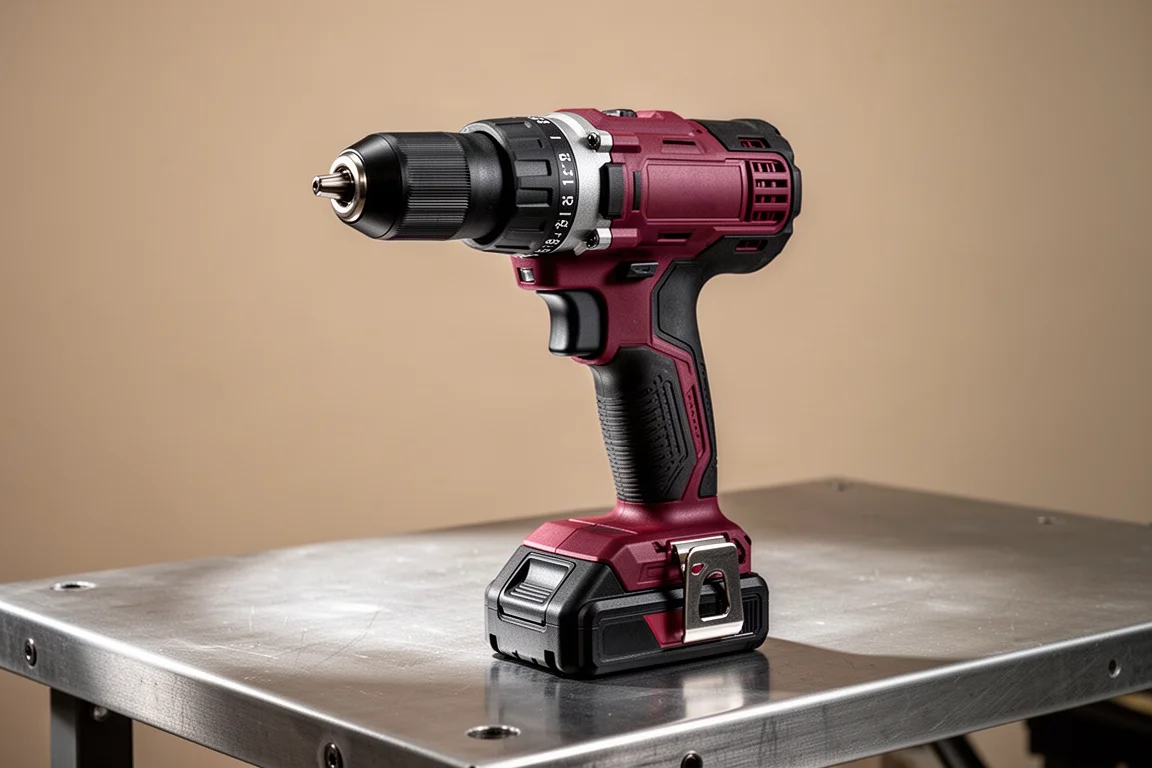
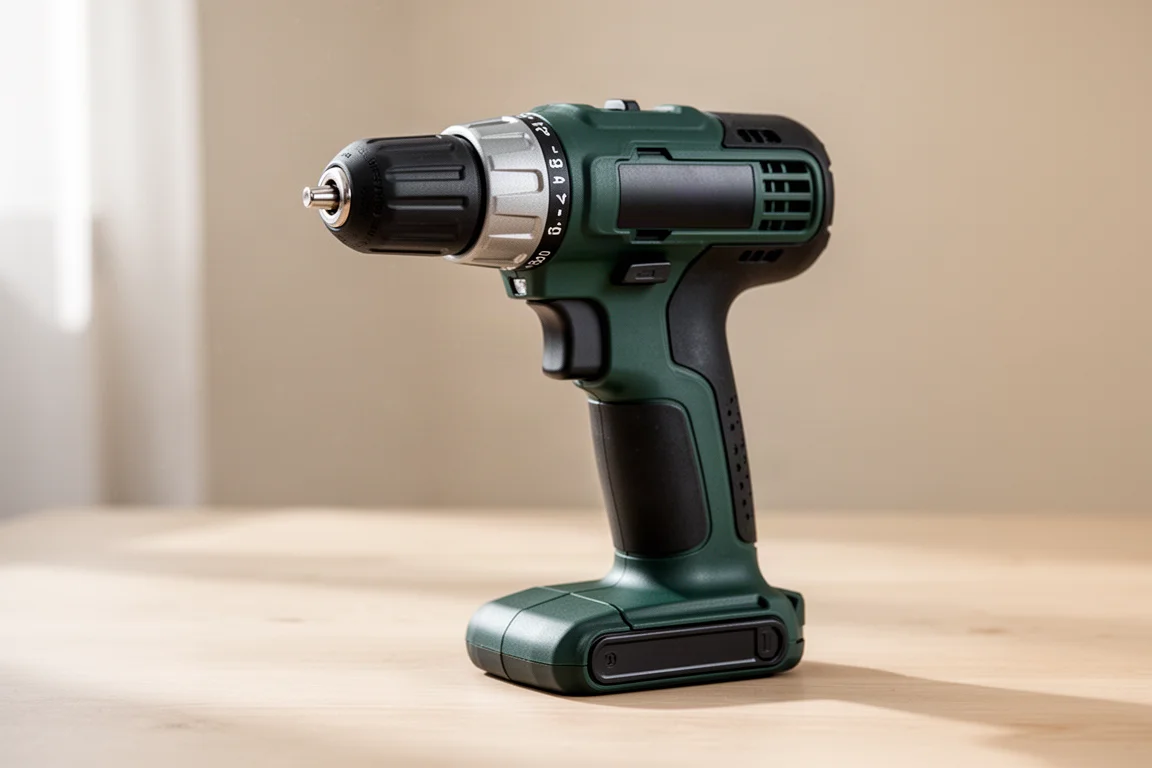
Parkside PABS 20-LiC3
Parkside is the power tool brand from the grocery store chain Lidl, found primarily in Germany and Europe, and it sells very competitively priced tools. The PABS 20-LiC3 costs around 82 to 90 dollars as a kit, and the bare drill alone is only 39 dollars, which is remarkable. It is a brushed tool and comes with a smaller standard battery, which should help weight but limits its ceiling.
Torque is this drill’s playground. It turned in 16.8 ft-lbs, beating the brushless Ryobi with a larger battery, an earned win for a brushed tool of sufficient quality. High-speed wattage is another story, though: it maxed out at around 330 watts and produced some smoking, indicating it was not altogether happy. In this crowd, it understandably struggles, but given its price and battery size, it can be cut some slack.
DeWalt DCD805
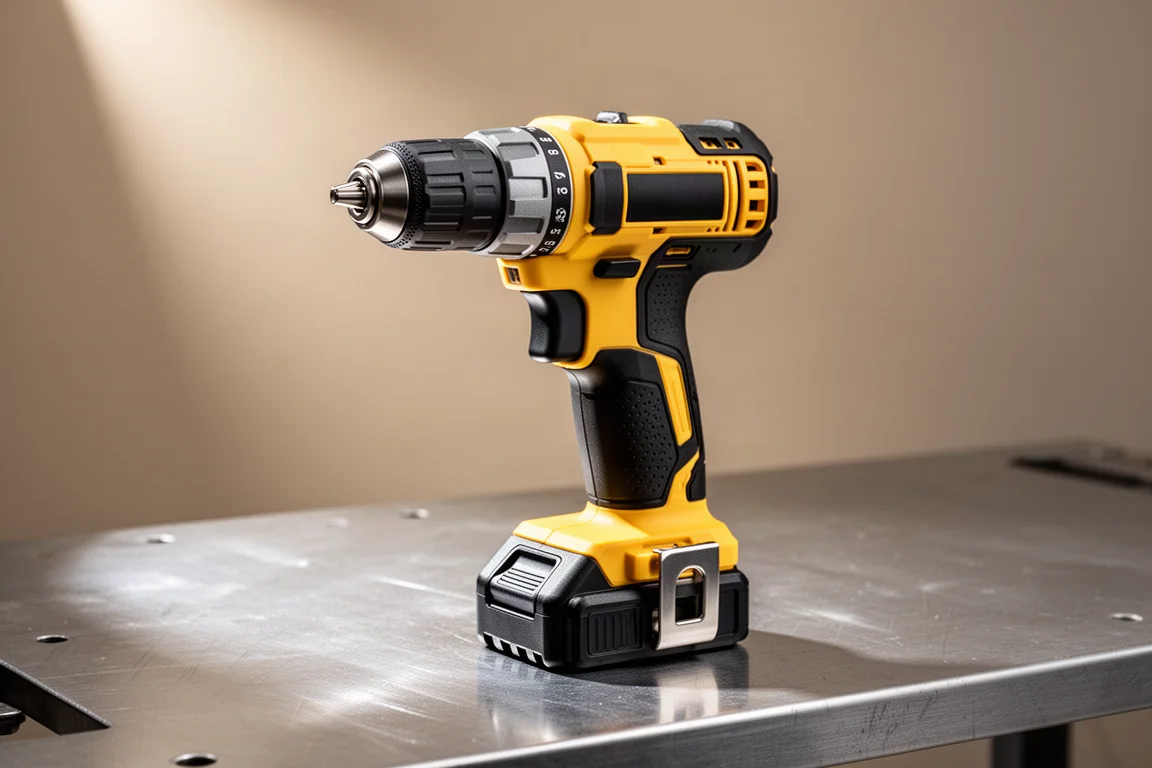
If you want to buy from one of the top brands or already own their batteries but do not want to pay for their top model, the DCD805 fits a nice sweet spot. It is the shortest drill on test by some margin at 7 inches long, and depending on where you buy it, it can be a bit or a lot cheaper than the flagship DCD999, down to about 120 dollars. The trade-off is power: DeWalt rates it at 850 unit watts out, down from 1,000 to 1,200 on the top tier.
On the bench with a standard 5Ah battery it made 750 watts, and the 6Ah XR was its best pack at 830 watts, close to the advertised figure. Torque measured 19.9 ft-lbs, rising to 22.4 with the bigger battery, with less gear reduction than some rivals holding it back slightly. In real use it did not like being maxed out with the best batteries on the dyno, with the clutch or motor occasionally shutting down and needing to cool off for up to an hour before working normally again. Day to day, though, it is arguably the nicest of these to use on wood projects and fixtures: a featherweight that keeps up with much larger models.
DeWalt DCD999
The DCD999 and its sibling are not DeWalt’s latest models, but they remain the top tier. Their three-speed gearboxes make them quite long, quite pricey, and less likely to fit in tight spaces. Where they shine is watts: they have always been impressive in high-power output, which makes sense given how the brand rates them, and they rate well above the smaller DCD805 in that regard.
The downsides are the ones you would expect from the specs: size, weight and cost. Unless you specifically need the extra power or already have the batteries, the smaller model covers most jobs for considerably less.
Ridgid High Torque Hammer Drill
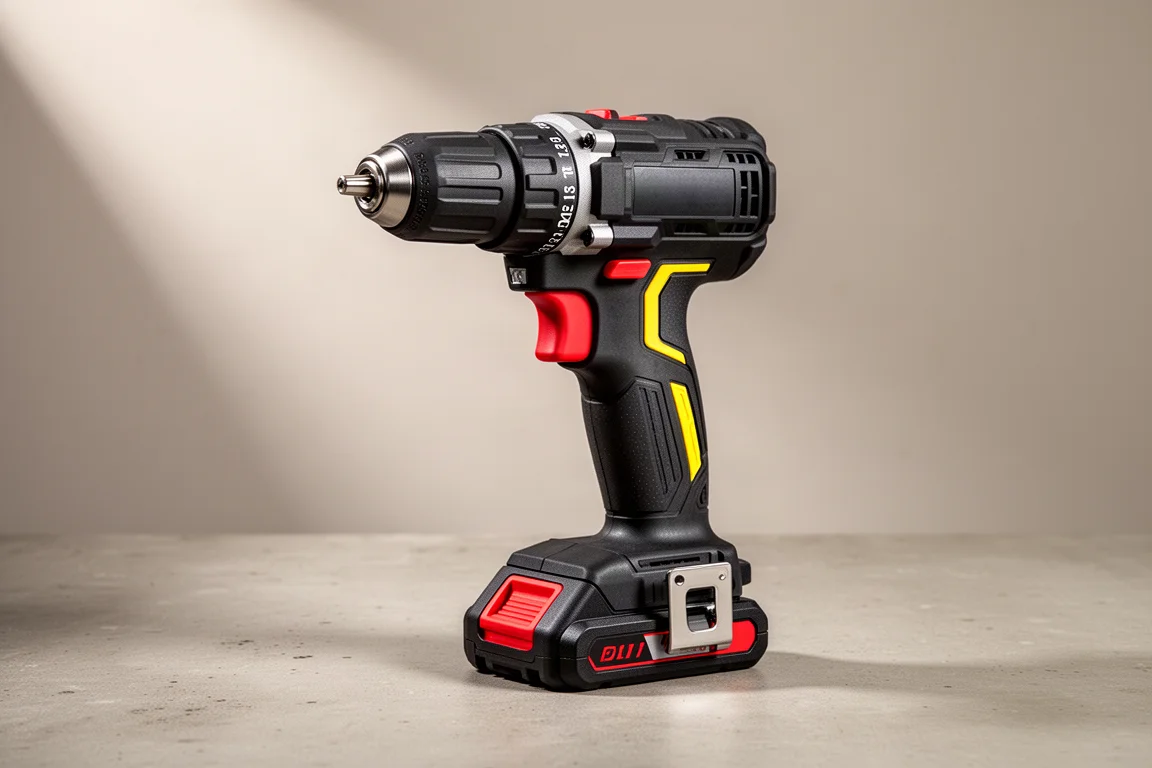
This latest brushless high torque cordless drill from Ridgid almost defines the heavy-hitting middle ground. It is shorter than the Ryobi yet rated at much higher torque, 1,250 in-lbs compared to 750, and it is rated between the previous and current generation M18 drills. As a bare tool it costs more than the smaller DeWalt, but as a kit it is cheaper. Subjectively, the grip also feels the best of the group, and because a drill requires real direction and leverage from the user, that means something.
The numbers back it up. With the 4Ah max output battery it puts up a full 890 watts, a lot more than the Milwaukee with standard equipment, holding higher RPM along the way. With an 8Ah battery it peaks at 970 watts. In drilling half-inch and 5/8-inch holes through 3/16 steel, it was the one that stood out for not repeatedly cutting out, and it is the only drill here with anti-kickback technology, which puts it above the previous generation M18 in our view. Torque came in at 39 ft-lbs, closing on the Milwaukee’s 46.
Buying Advice
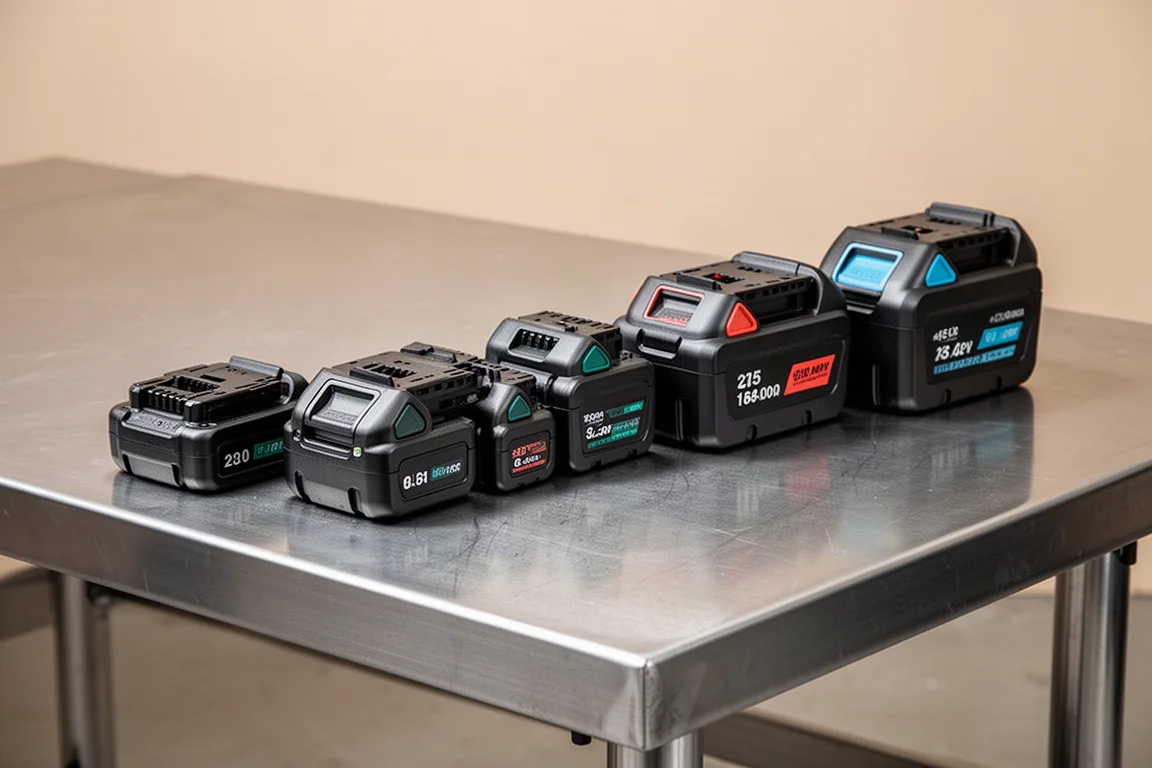
Battery choice genuinely moves these results. The Ryobi improves from 680 to 870 watts and up to 890 with a very large 12Ah pack, the DeWalt goes from 750 to 830 watts on the 6Ah XR, and the Milwaukee climbs to 970 watts and 46 ft-lbs once it can quench its thirst with an 8Ah battery. The Parkside kit does not benefit in the same way since it ships with a smaller battery.
If you are doing woodworking and typical home tasks, the Ridgid, DeWalt and Ryobi are often overqualified for the job. The Ryobi is the value pick if you already own its batteries, the DCD805 is the compact all-rounder with a premium feel, and the Ridgid is the strongest all-round performer in this middle ground. The Milwaukee remains the torque king if you find it on sale and pair it with a big battery.
Conclusion
There are a lot of good options out there these days, and it is easy to feel spoiled for choice. The takeaway is simple: match the drill to what you actually drill. High-RPM wattage favors spade bits and speed, low-end torque favors hole saws and steel, and the best value often comes from pairing a mid-tier tool with the batteries you already own.
Further reading
Related Reviews
Power Tools
Best 1-Inch Pistol Impact Wrenches: Three Heavy-Duty Options Compared
We compare three 1-inch pistol impact wrenches, from a budget-friendly Harbor Freight model to a premium Caterpillar unit, to help you choose the right one.
Power Tools
Best 3/4-Inch Impact Wrenches 2026: Five Contenders Compared
We compare five 3/4-inch impact wrenches across price and performance, from a budget Amazon option to Snap-on's most powerful model yet.
Power Tools
Best Budget Cordless Tools 2026: Walmart Finds That Punch Above Their Price
We tested five cordless tools from Walmart, including a high-torque impact wrench that trades blows with Milwaukee and a $35 duster that outperforms its price class.