Ski Reviews
Best Mid-90s Freeride Skis 2026: 18 Versatile All-Mountain Twin Tips Compared
Eighteen mid-90s freeride twin tips, ordered from most approachable to most demanding, with construction notes, on-snow character, and who each ski suits best.
Introduction
The mid-90s freeride category has quietly become one of the most useful in skiing. These are utilitarian twin tips: playful enough for park sessions and creative skiing, but stable and confident enough to carve groomers, thread trees, and handle bumps. This comparison moves from the most approachable skis on the wall to the most demanding, and this year the group includes 98mm skis for the first time, which shifts the range slightly toward more freeride-oriented builds.
Liberty Scope 94
Liberty has returned to its bamboo roots, and the Scope 94 pairs a poplar, ash, and bamboo core with carbon stringers and a phenolic plate underfoot. At around 1,700g it is light and genuinely easy to ski, with a flatter twin tip profile, a 128/94/118 shape, a 19m radius, and minimal taper that keeps the tips and tails close together for quick side-to-side movement.
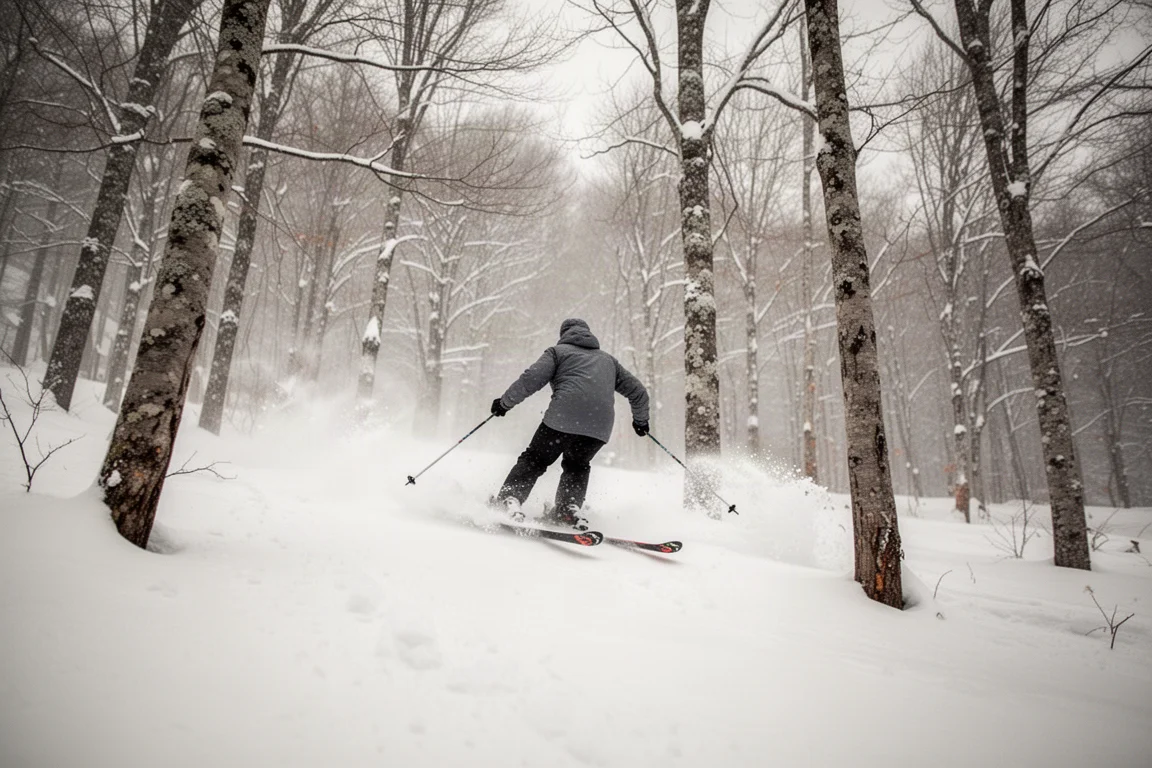
It is an amazing tree ski, one of the easier mogul and woods skis in this group, and the thicker core gives it a smooth, quiet feel despite a flexible build. Lighter skiers will find more stability here than heavier ones, but anyone who wants a ski that will not put up a fight while they progress in softer snow, bumps, and trees will feel right at home.
Elan Ripstick 96
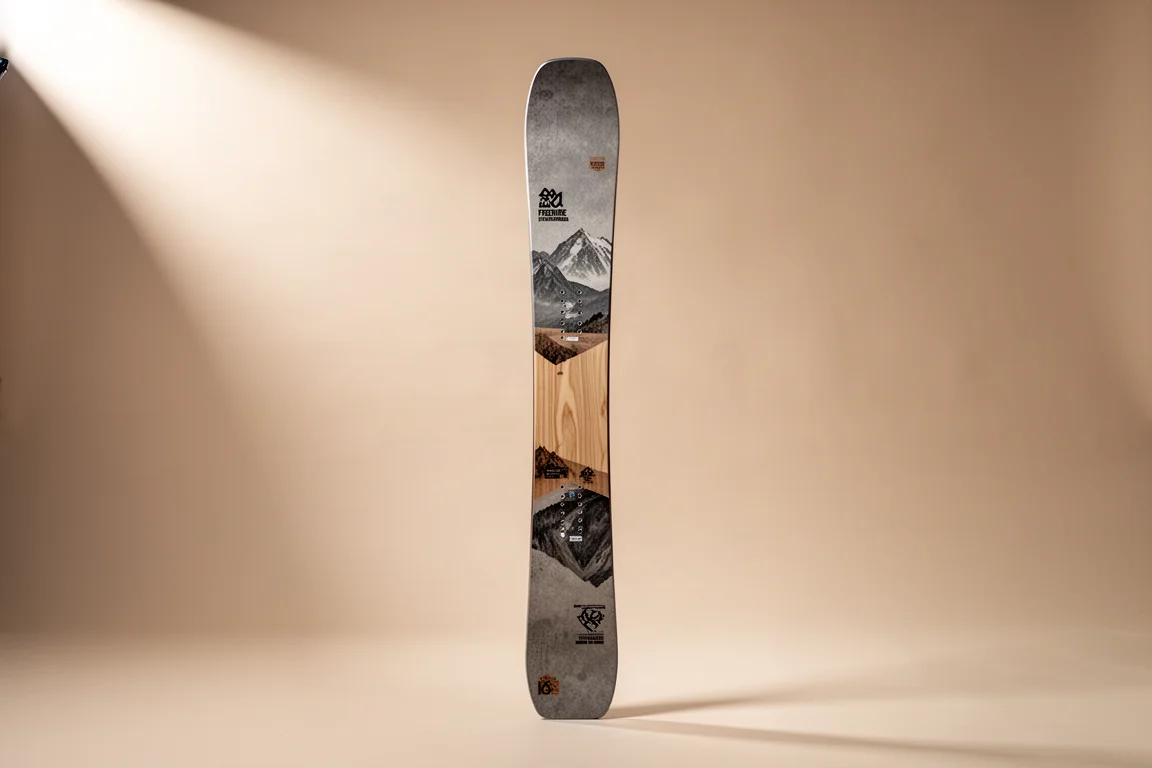
The Ripstick 96 is extremely intuitive with a surprisingly high performance ceiling for how light and soft in the shovel it is. The build pairs a tube light wood core (karuba) with a carbon deck down the spine, two carbon rods underfoot, and a touch of flax in the tips to take the edge off vibration in variable snow.
Elan’s Amphibio rocker makes turn initiation almost automatic: you barely start the turn and the ski does the rest. It is a directional all-mountain ski with forgiving, effortless handling that never punishes your stance, which is exactly why it is one of the most commonly recommended skis in the category. Heavier or faster skiers who want to drive the tips hard at speed may want the added support of the Black Edition version.
Armada ARV 94
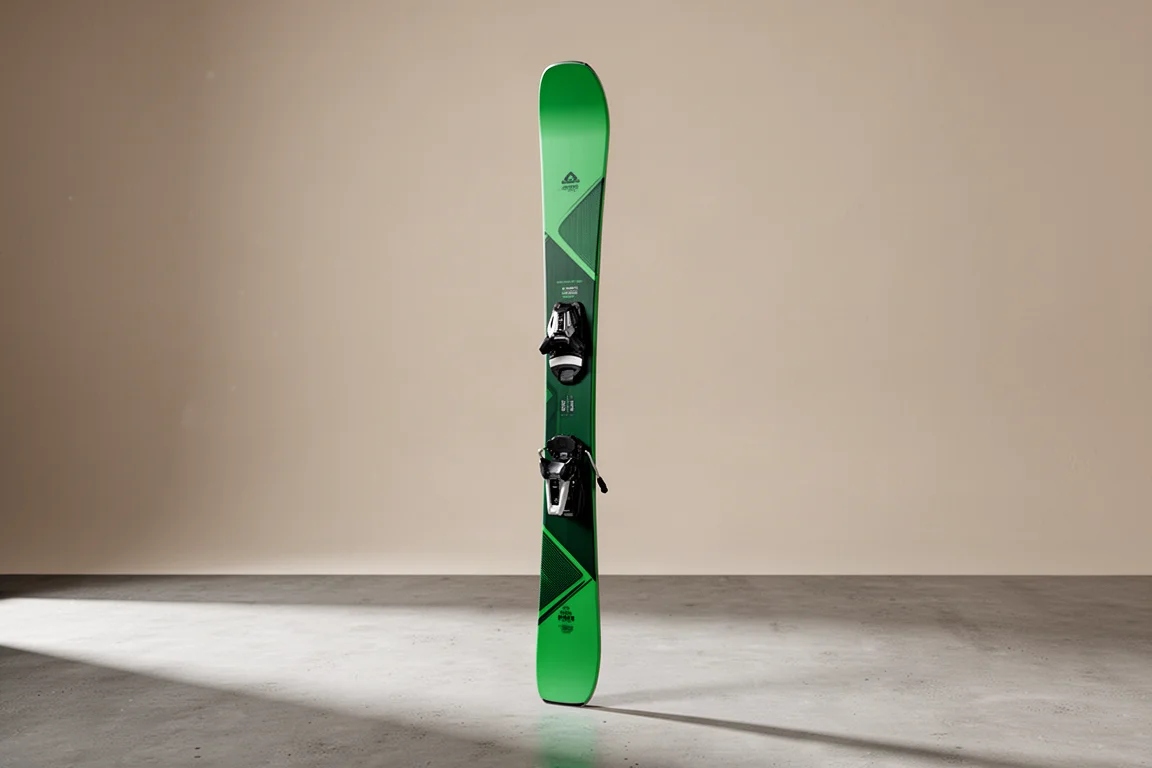
If you looked up mid-90s freeride in a dictionary, the ARV 94 would be a fair definition. Returning unchanged this year with new graphics, it runs 123/94/118 with a 5mm tip-to-tail drop and a partially symmetrical feel that leans a touch more toward the park than the Scope.
The poplar core with Armada’s Wedge Wall technology, where the sidewall extends into the core, gives the ski surprising energy, rebound, and cohesion. On rails the design compresses under impact for extra stability and durability, and on jumps it delivers solid edge grip on takeoffs. It is not a top-to-bottom park ski, which is exactly the point: you can take creative lines through bumps and trees on the way there.
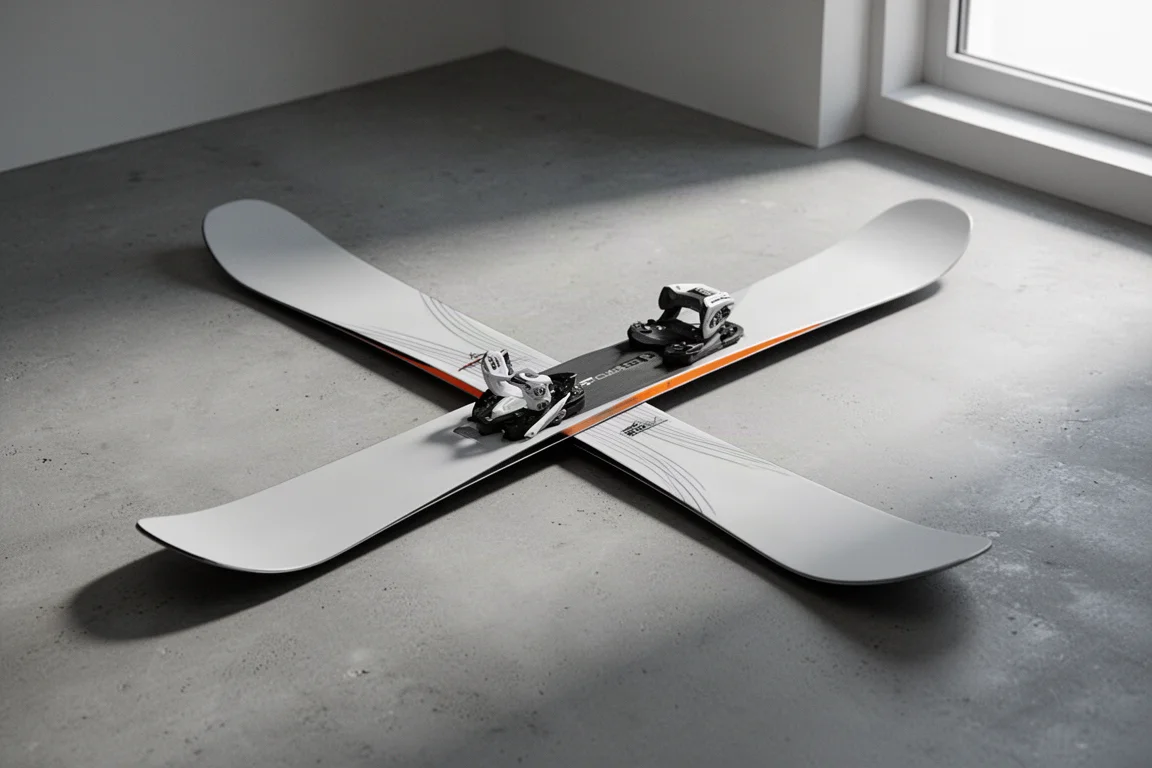
Faction Prodigy 2
The Prodigy 2 surprised everyone by carving far better than expected for a 98mm twin tip. The poplar core with a carbon rubber stomp pad along the edges adds damping and durability when smashing rails, and the roughly 1,915g build translates into real stability, smoothness, and edge grip on piste.
The shape goes from sidewall to cap right at the contact point, so the tip gets extra forgiveness while everything behind is all business. There is plenty of camber and pop for launching off lips, and the 127/98/119 shape with a roughly -2 mount point keeps it directional while still allowing a forward mount. Some skiers found initiation slightly muted, but as a versatile all-mountain twin tip with strong groomer performance plus park capability, it is a genuine contender.
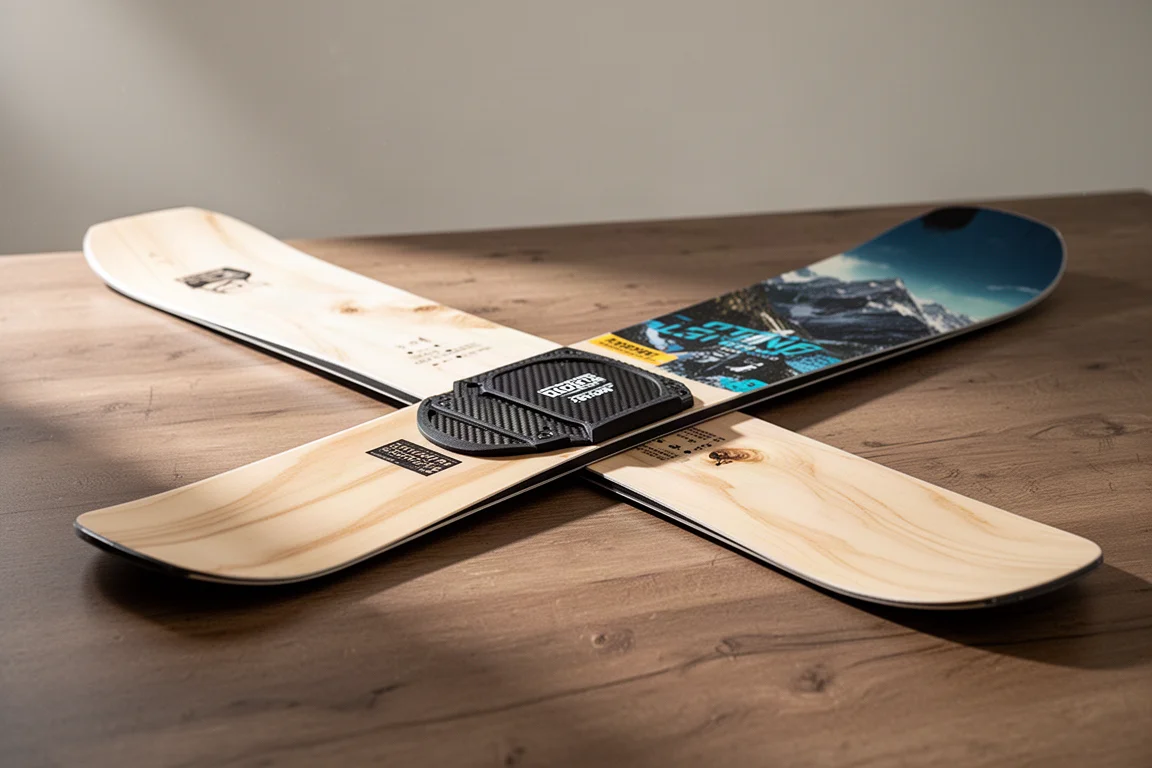
Fischer Nightstick 97
The Nightstick 97 is the kind of ski that under-promises and over-delivers. Its full poplar core and full sidewall construction, with metal below the core underfoot, transmits energy to the snow with a smooth, solid, beautifully built feel that far outweighs initial expectations.
That metal placement, unusual here, boosts edge grip and confidence on firmer snow and sits within a progression that runs from the competition-focused 90 through this park-freeride 97 to the pure freeride 104. Around 1,770g in the short length and closer to 1,800-1,900g in longer sizes, it mixes a solid feel with real wiggle factor, plenty of splay in tips and tails, and multiple mount points. Skiers with no park background have called it their favorite ski of the year, which says a lot about its broad appeal.
View more details for Fischer Nightstick 97
Head Oblivion 94
The Oblivion 94 is probably the most traditional twin tip here: no taper, very bulbous rounded tips and tails, minimal rocker, and lots of camber. Head’s race pedigree shows in a powerful wood sandwich construction with full sidewall that delivers smoothness and stability at 1,750g with a long 21m radius.
That long radius and grippy camber make it a phenomenal carver for a twin, and the untapered tips track extremely well at speed into jumps, which is why this and the Omen Team are arguably the most competition-worthy skis here. It is softer and more forgiving than the Oblivion 102, easy to find at attractive prices, and simply a real ski with a traditional shape. You do have to be looking for this exact combination, but it delivers.
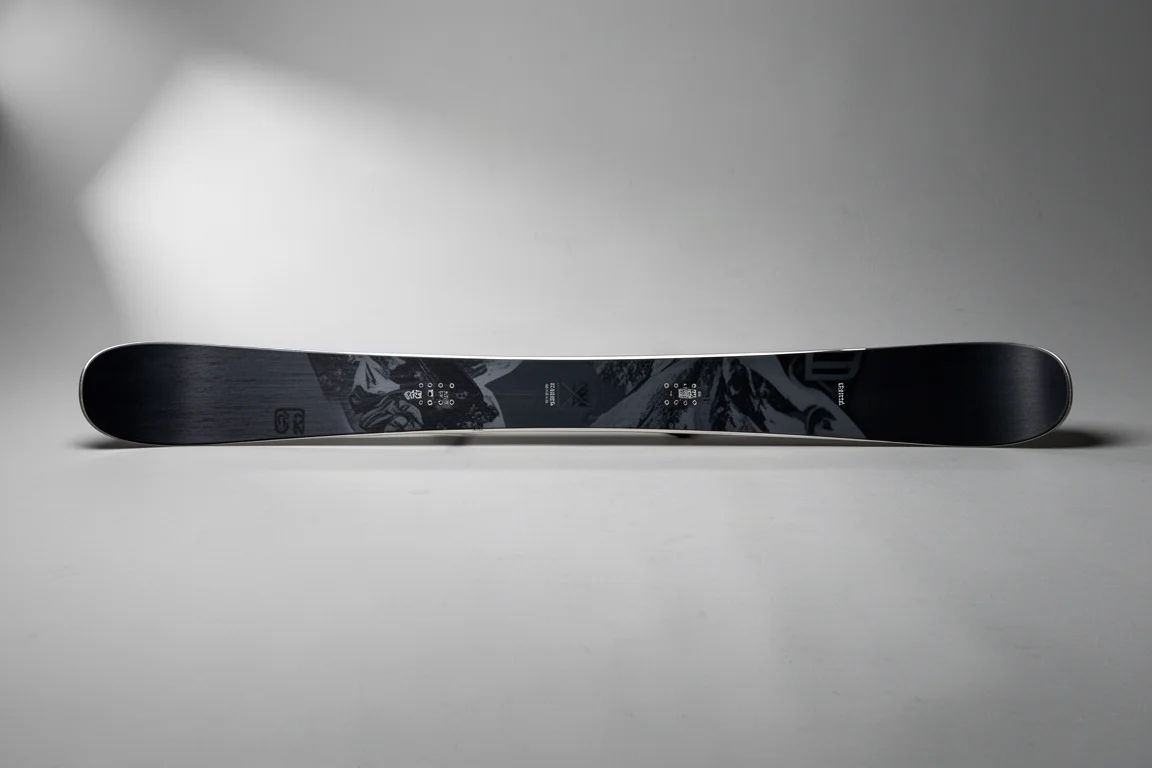
K2 Omen Team
The Omen Team sits at 96mm and 1,980g, with an aspen core, a full triaxial braid of fiberglass with woven carbon stringers, and generous epoxy that gives it a hefty, sturdy feel. The 125/96/118 shape carries a 7mm tip-to-tail drop with a stiff camber underfoot and a balanced, symmetric rocker profile.
K2’s edge beveling reduces swing weight and, as a bonus, lowers the odds of topsheet delamination when skis knock together in the park. The flex is more open than the stiffer Omen 90, which unlocks versatility from slopestyle competition to everyday all-mountain skiing. Like several skis here, the weight does not match the flex: it is heavier but forgiving, which some skiers end up loving.
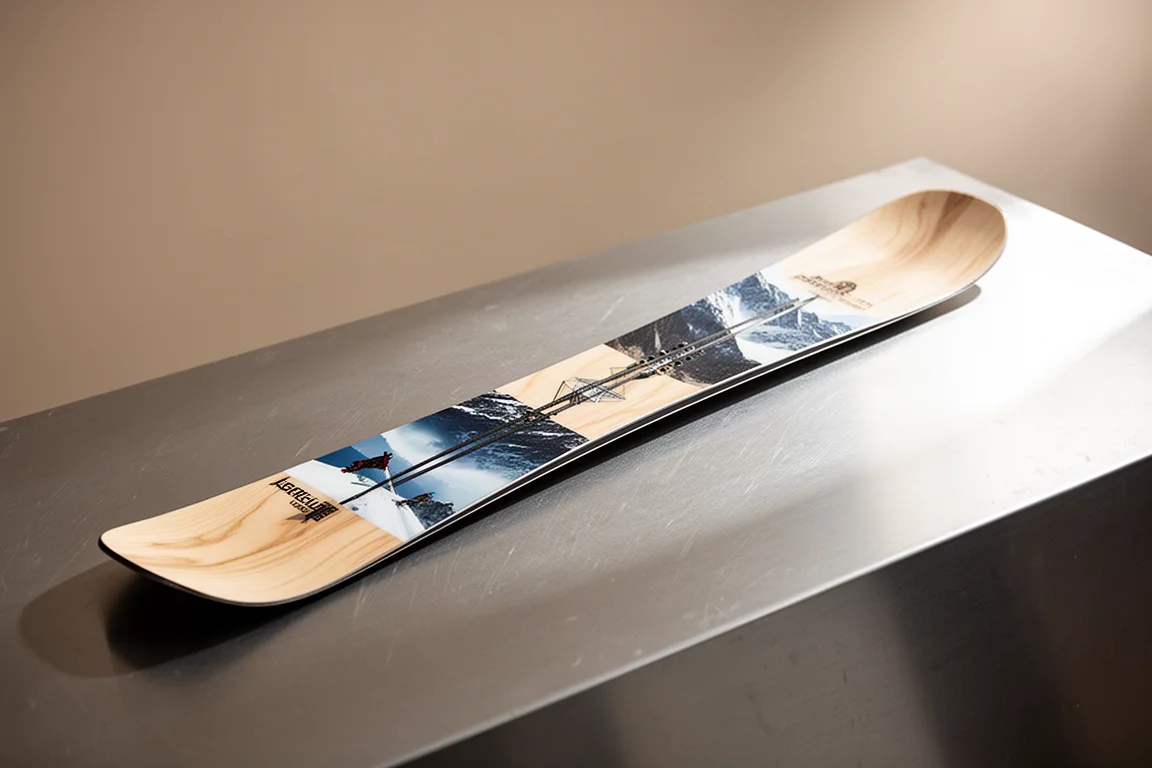
Line Chronic 94
The Chronic 94 carries a long legacy from its pure park days into a genuinely useful all-mountain twin tip. An aspen veneer core with thin tip and tail construction trims swing weight at the ends, while a thick, solid core underfoot keeps the middle straight and supportive.
The result is an unusual flex dichotomy: paper-thin, butter-friendly tips and tails with a firm center. It runs 123/94/117 with a 5mm drop and a nearly symmetric rocker profile at 1,880g. It is a proper butter ski for modern park and urban skiing, yet it carves slalom-shaped arcs remarkably well even from a near-center mount point, and the 101 adds a softer snout for those who want more of the same.
Dynastar M-Free 94
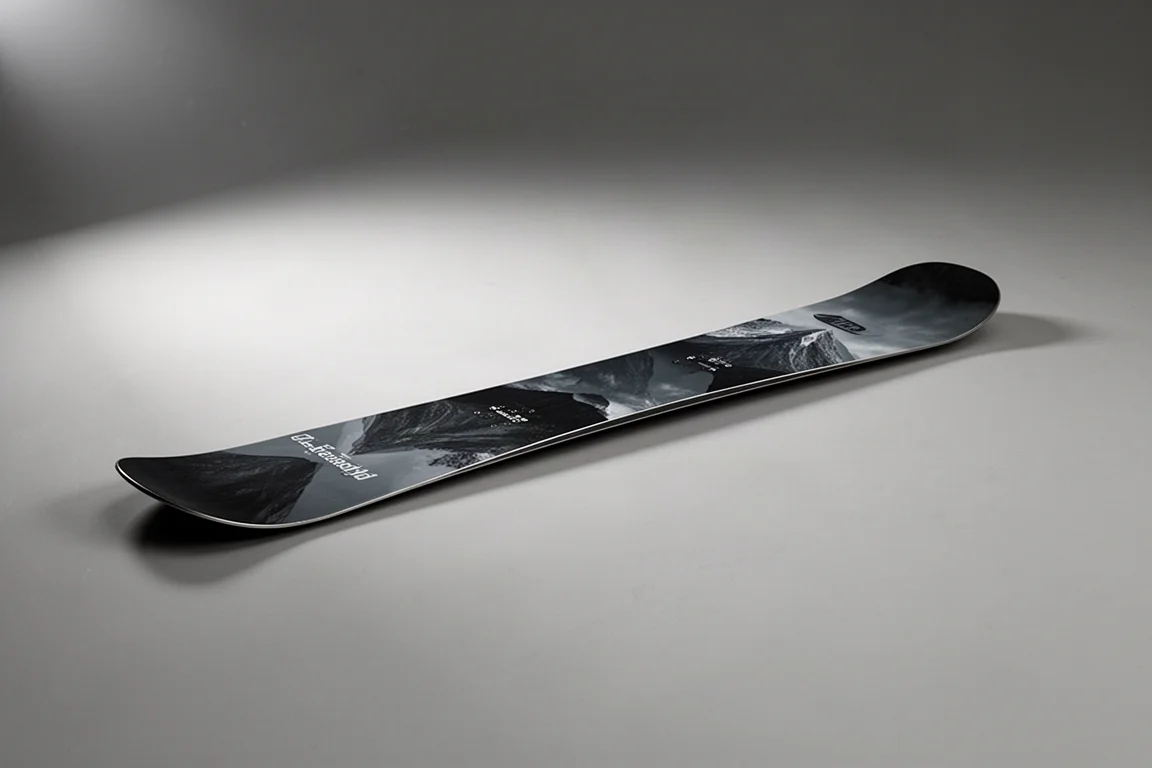
The M-Free 94 is an all-new ski, essentially a more park-oriented version of the M-Free 100. Three layers of poplar in a Hybrid Core 2.0 build, joined under pressure for extra rebound, plus polyurethane along the sides for smoothness and a small metal layer underfoot mainly for binding retention, come together at a relatively light 1,880g in the 179.
It is quicker, more flexible, and easier to use than the 100, with a softer camber and a more gradual rocker profile that leans it toward freeride rather than pure park. For skiers who love the M-Free 100’s energy but find it stiff and heavy, this adds the creativity and jib-friendly ease the bigger ski lacks. The 179-to-188 size jump is an unusual one, so most skiers between sizes may need to test carefully.
Völkl Revolt 96
The Revolt 96 is one of the heaviest skis on the wall at 2,160g, and one of the most well-rounded. A multi-layer wood core with full sidewall is all there is to the build, yet Völkl’s simple formula carves superbly, which is why it is a near-automatic answer whenever a customer asks for a super versatile twin tip.
It is clearly directional in sidecut and rocker, with a long extended rocker profile that makes it swively and playful in soft snow, slush, and the park, while the heft provides stability at speed and edge grip on firm snow. The longitudinal flex is not demanding, so it bends easily. It is a heavy twin, so switch tricks take commitment, and it tops out at 181cm, but as a stable, maneuverable, fun daily twin it is a dark horse favorite.
Rossignol Super Black Ops 98
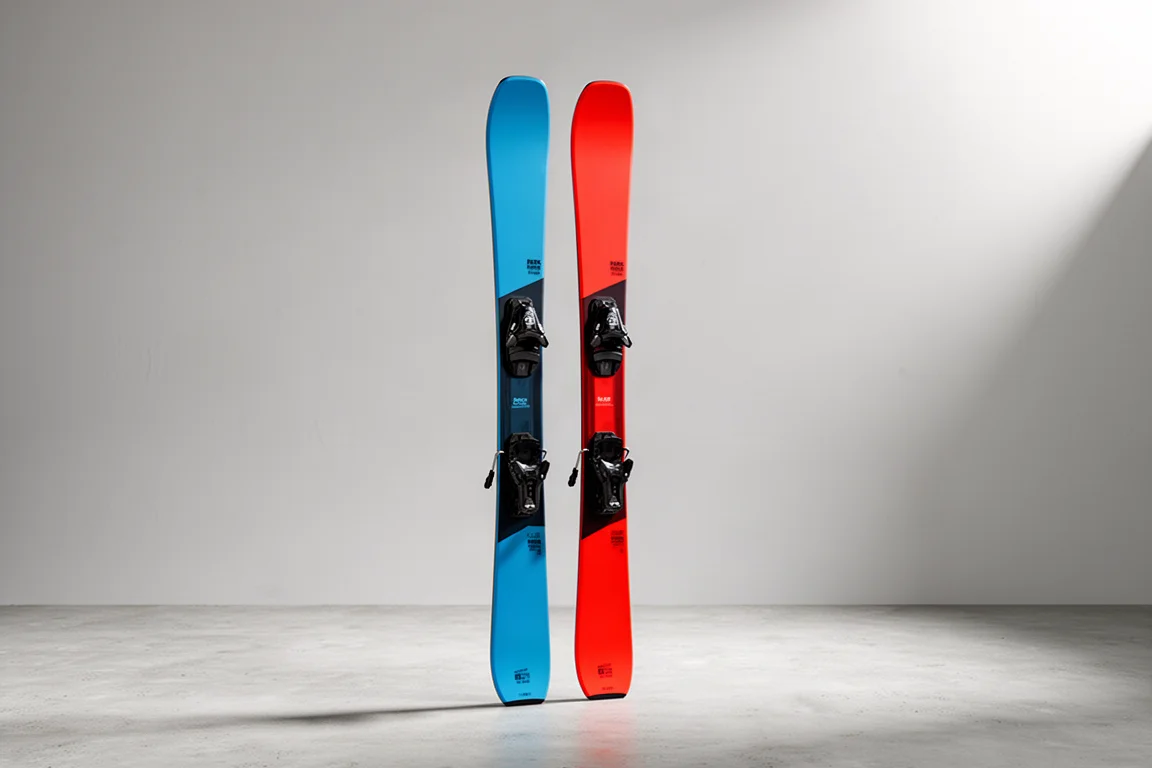
The Super Black Ops 98 keeps its structure as a carryover with new vintage-inspired graphics. The formula is tried and true: a poplar core, full vertical sidewall, rubber in the tips and tails, and metal underfoot, all adding up to 2,000g on the nose in the 182.
Unlike skis chasing low swing weight, this one tries to glue you to the ground, and it succeeds. Tip it on edge and it hooks in and carries you through the turn with a distinct, rewarding smoothness from end to end. In genuinely bad snow, ice, death cookies, and a dusting of fresh, it cut through with a stability level that kept improving the faster it went. It is not easy to ski slow, and swing weight in the tips makes short turns harder, so speed is your friend. The next size up is a 192, a big jump for western skiers to weigh.
Salomon QST 94
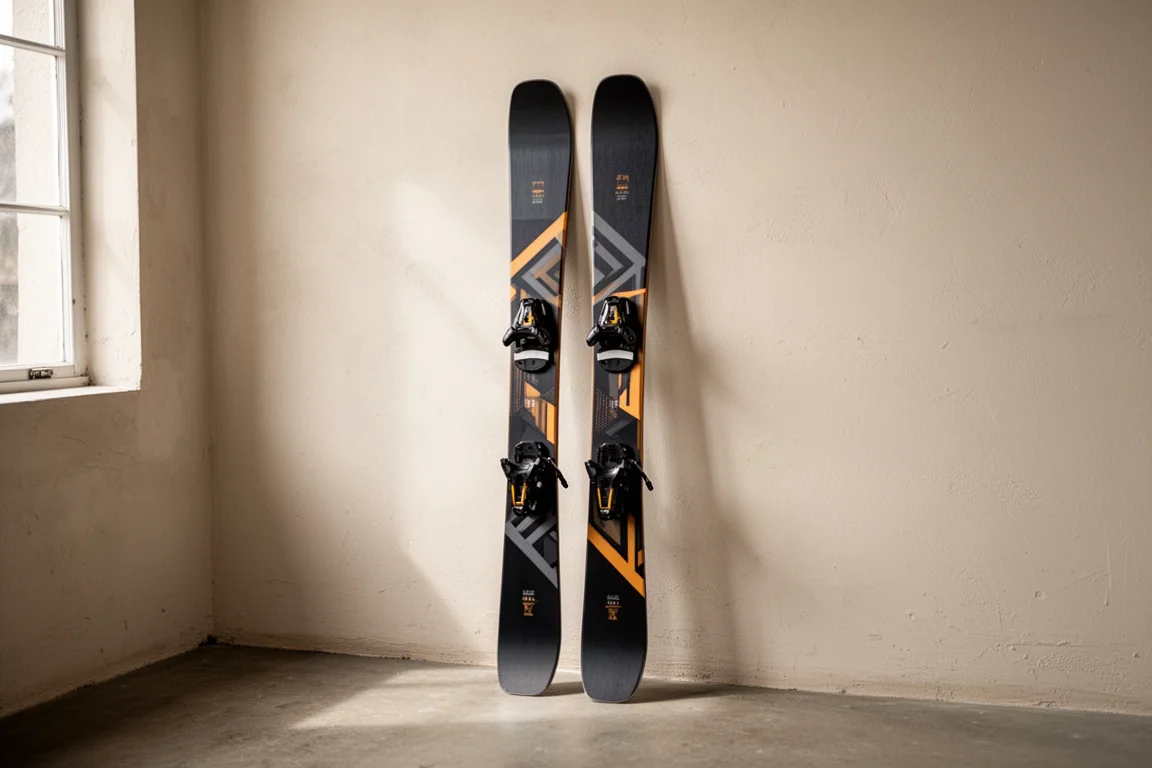
The QST 94 has quickly become a favorite in this category. A poplar core with basalt stringers running tip to tail, plus cork amplifiers reshaped into a horseshoe in the tip so the wood can extend further, give this generation a smoother, more powerful, slightly stiffer feel than its predecessors.
The shape is the star: generous taper for floatation and maneuverability, plenty of tip rocker so it floats for days for a 94, a squared-off tail that adds edge grip and a crisp finish at high edge angles, and enough rocker back there to release when you want. At 1,800g with only a small titanal binding plate for retention, it carves fantastically without any metal helping. It is a one-and-done daily driver that is genuinely easy to recommend.
Line Optic 96
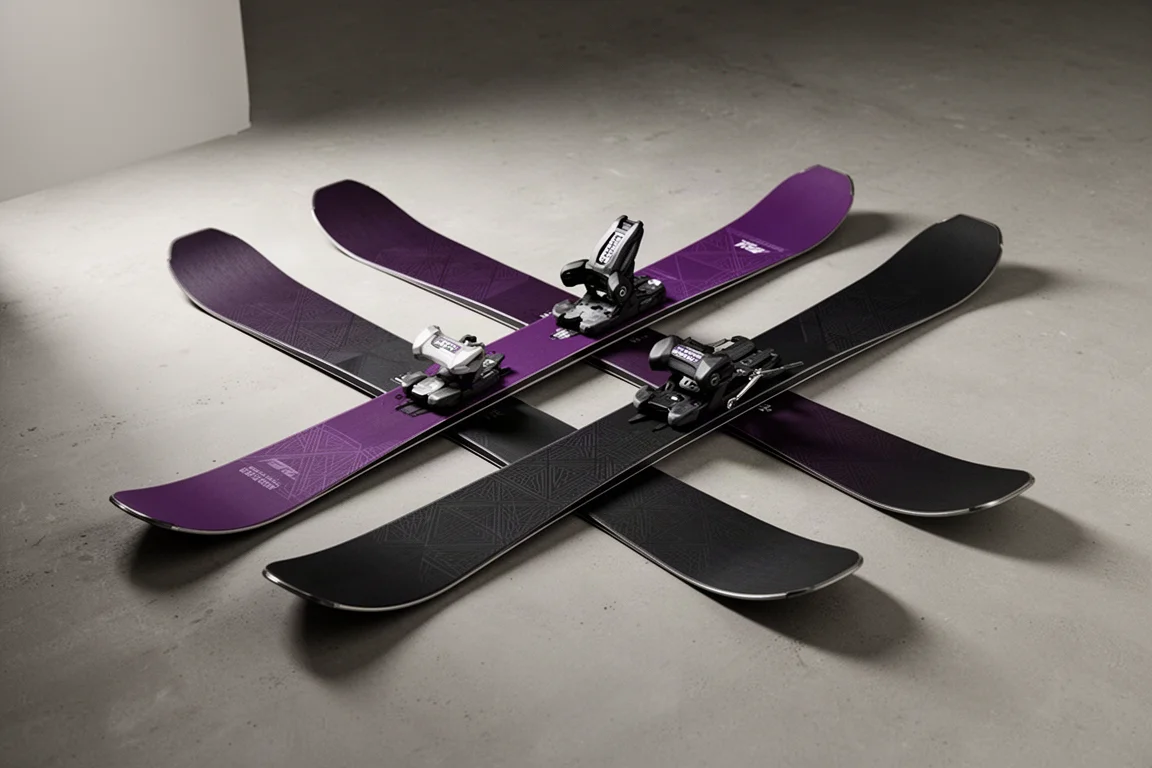
The Optic 96 carries much of what makes the Optic 88 so liked: an aspen core plus a substantial gas pedal metal overdrive laminate that keeps the ski composed and connected in a carved turn while still being playful and quick enough to smear and make tight turns.
At 1,934g, the metal lets the ski hook into whatever you are on and stay planted when you put business into it, yet a softer tip and generous tip rocker let initiation start early for a drifty, playful character. It runs a 10mm tip-to-tail drop in a directional twin shape. Compared with the Black Ops, Rustler, and Unleashed, it sits slightly more on the playful side without giving up much connectivity, and the 104 and 114 above it are out-and-out chargers.
Kästle Transcend 98
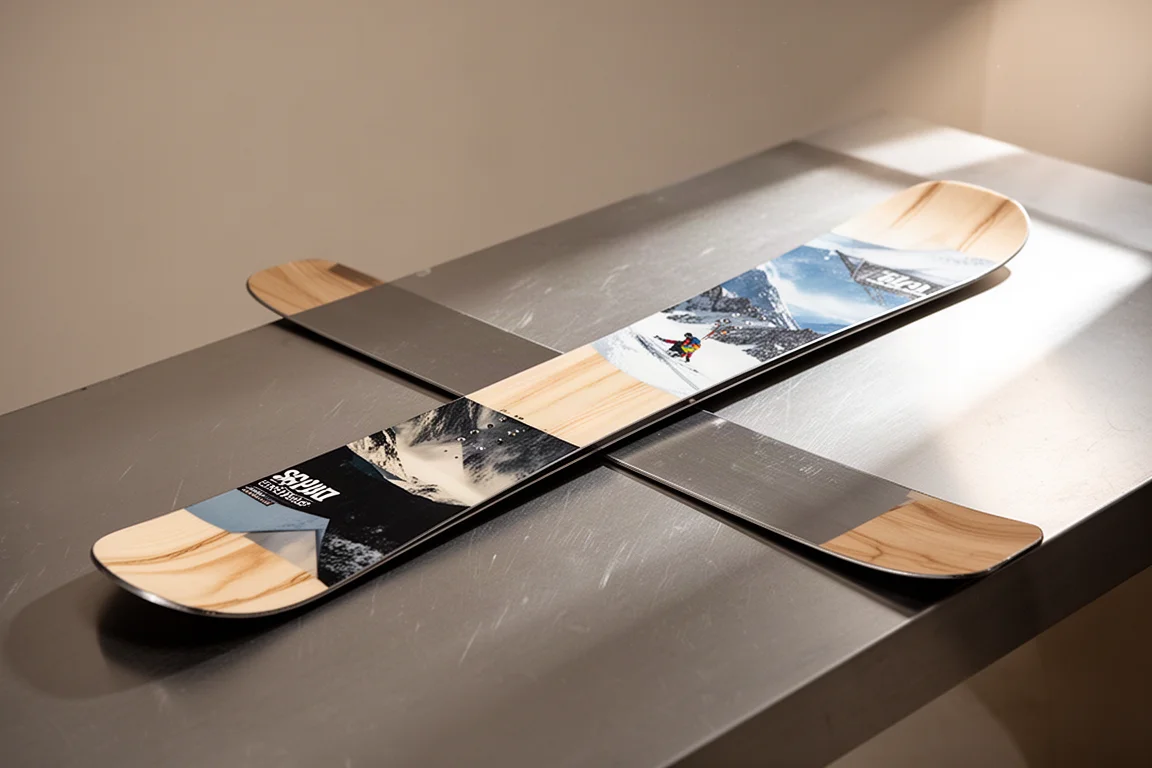
The Transcend 98 is the exciting new addition here: a true twin tip from Kästle that leans into freeride rather than pure park. Poplar and beech in thicker macro block stringers deliver the brand’s signature stability and power, and a partial sheet of metal under the midbody reinforces the point without adding a full layer.
At 1,920g with a stiffer flex and hefty feel, it is deliberately not the most approachable ski on the wall. It craves speed and comes alive on bigger, faster terrain, yet the twin tip shape keeps it amenable at slower speeds. The taper shape, similar to the Paragon, offers real flotation while retaining edge contact from far forward, so it rails turns with unflapping precision while a more tapered, surfy tail releases easily in soft snow. It is the narrowest of its line, the quickest and most energetic of the group, and one worth far more time on snow.
Blizzard Rustler 9
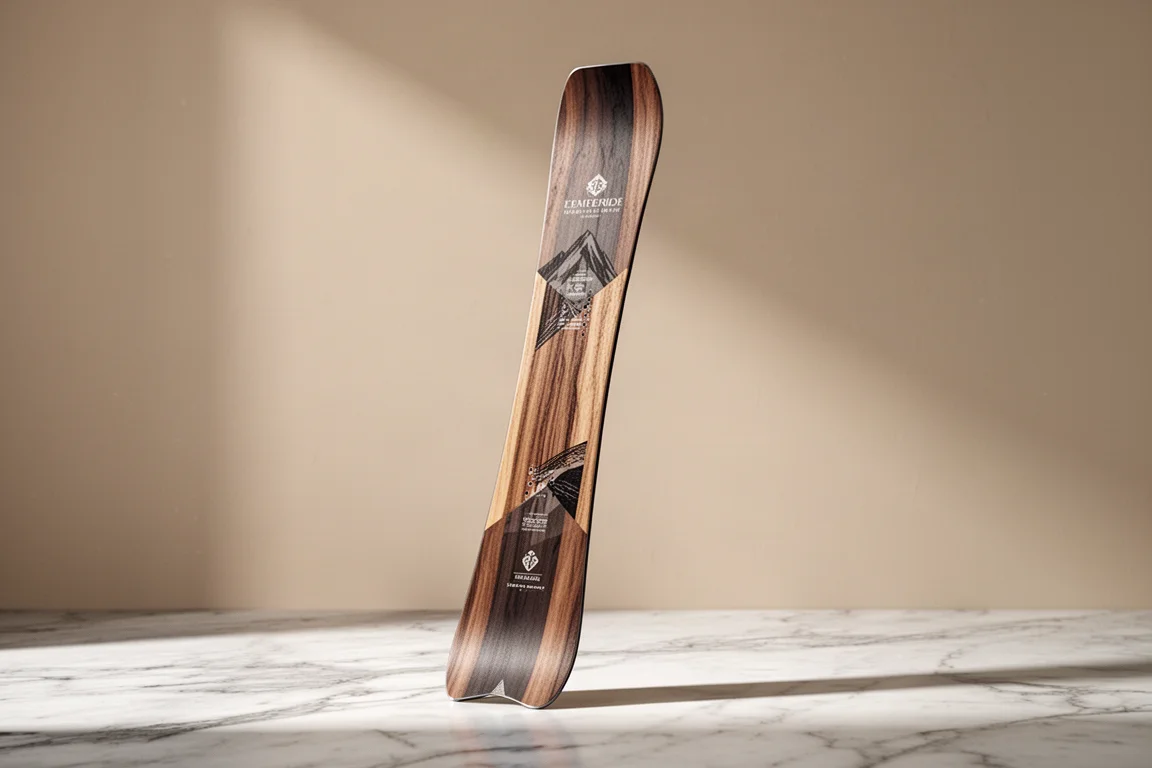
The Rustler 9 is a carryover that remains one of the easiest calls in skiing. Blizzard’s TrueBlend wood core uses three woods arranged to keep the flex consistent across sizes, and Flux Form metal adds a full layer underfoot with tuning-fork style arms through the fore and aft body for damping where it counts.
The mix of sophistication and shaping rewards a huge range of skiers, from intermediates exploring off piste to aggressive experts who charge. It has the most tip play on the wall, giving it real bounce and energy, and a 17m radius with 131/96/121 dimensions that carve high-edge-angle turns with a noticeably round, metronomically perfect shape. It handles the mix of frequent-but-light snowfall and packed powder that defines so many eastern and mixed-condition resorts, which is one reason you see so many of them on the hill.
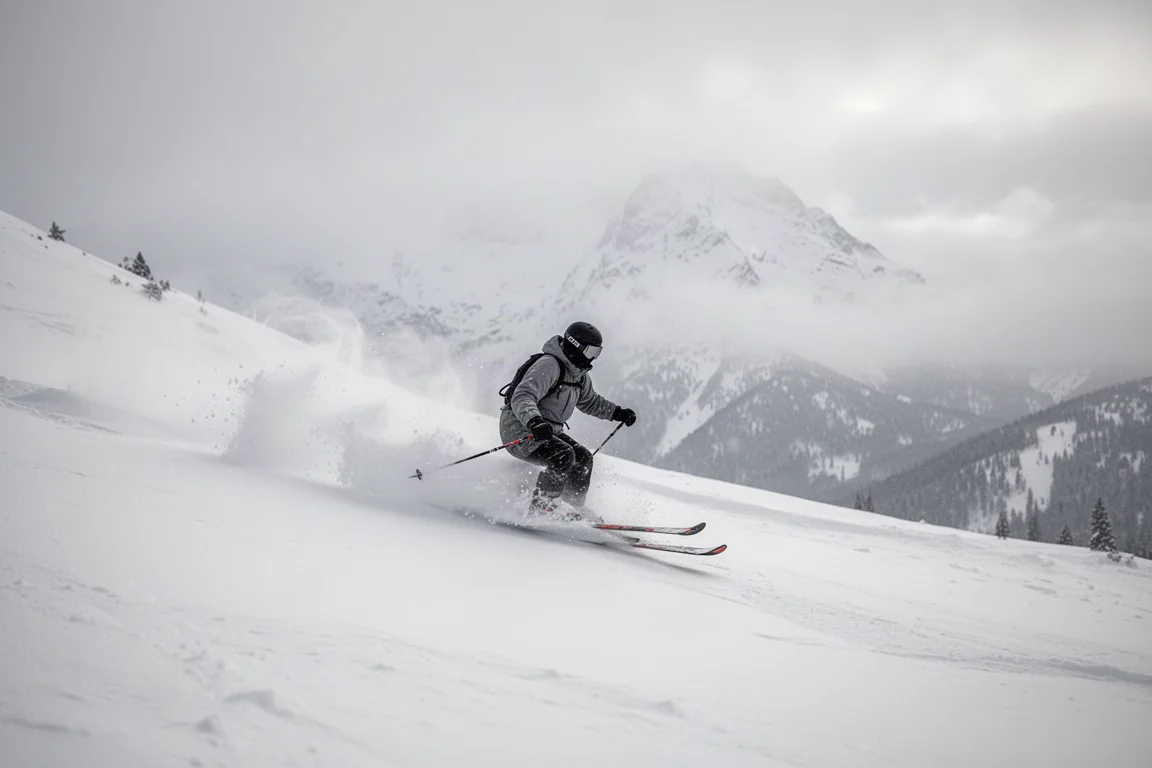
The one caveat is personal: if you prefer to drift along a little easier, the amount of tip splay may not suit you, but that is a preference issue rather than a flaw.
View more details for Blizzard Rustler 9
Nordica Unleashed 98 CA
The Unleashed 98 CA, added last year, pairs a poplar core with carbon and no metal. It is one of the most fun twin tips to carve out there: with minimal taper and rounded tips and tails, turn initiation feels surgical, pulling you across the fall line quickly and precisely.
At roughly 2,000g in the 186 with a supple flex, it bends easily and comes around beautifully. Compared with the TI, the CA trades some damping for extra energy and slightly less weight, which opens up more park usefulness while keeping phenomenal carving performance. It is not a drifty ski; it is catchy in the trees and wants to initiate. If you want similar carving with more tip and tail ease, the Rustler 9 fits, but this has its own distinct, precise spirit.
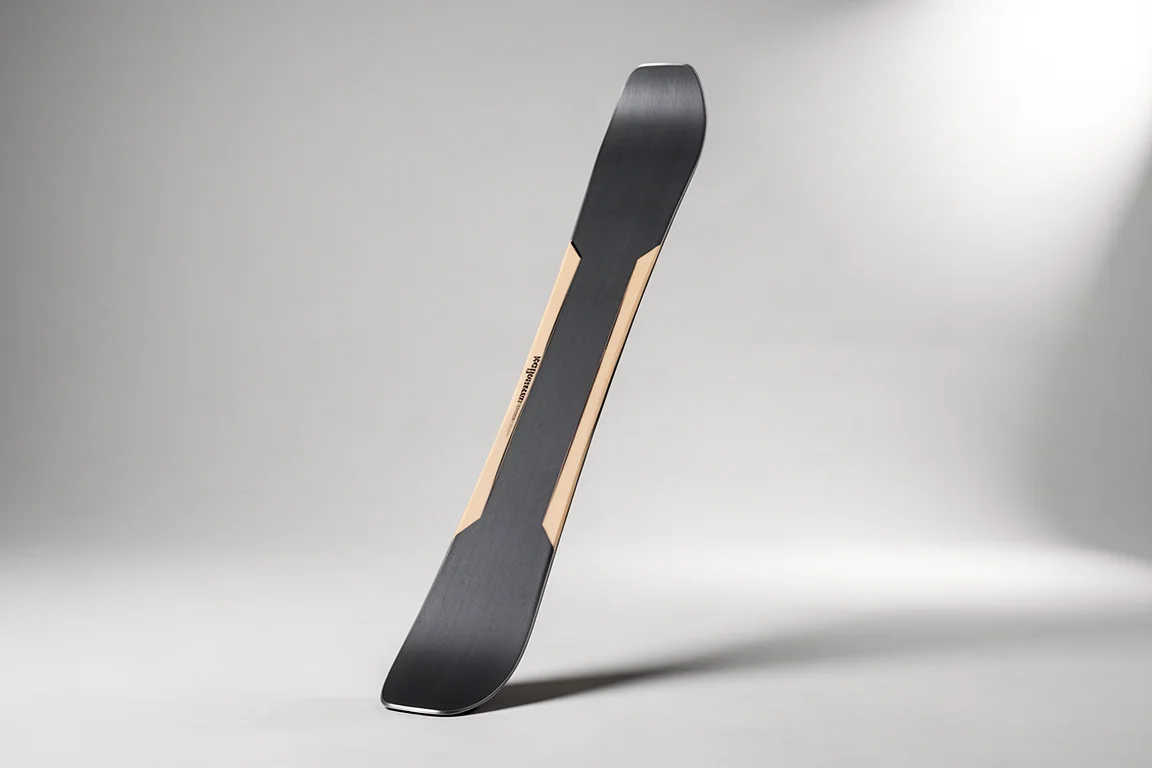
Black Crows Camox
The Camox is unchanged and remains an interesting one: a poplar core with an ash pocket underfoot and no metal, yet it still lands on the demanding side of the wall. The reason is a stiff shovel and a very even flex, which raise the floor of skill required to get the most from it.
Put in the work and the reward is impressive: enormous energy and stability for long GS-style carving turns at speed with no stability complaints at 182cm. It is a bit rounder than older Camox generations, which slightly dumbs down that energy but keeps the initiation strong from a tip shape that feels excellent on snow. It is not naturally slashy in soft snow; you have to stay active, keep your feet together, and stay on top of it, whereas a QST 94 would just slither down. The sidewall-to-cap step-down design keeps swing weight manageable, and it is a fun, rewarding ski for committed skiers.
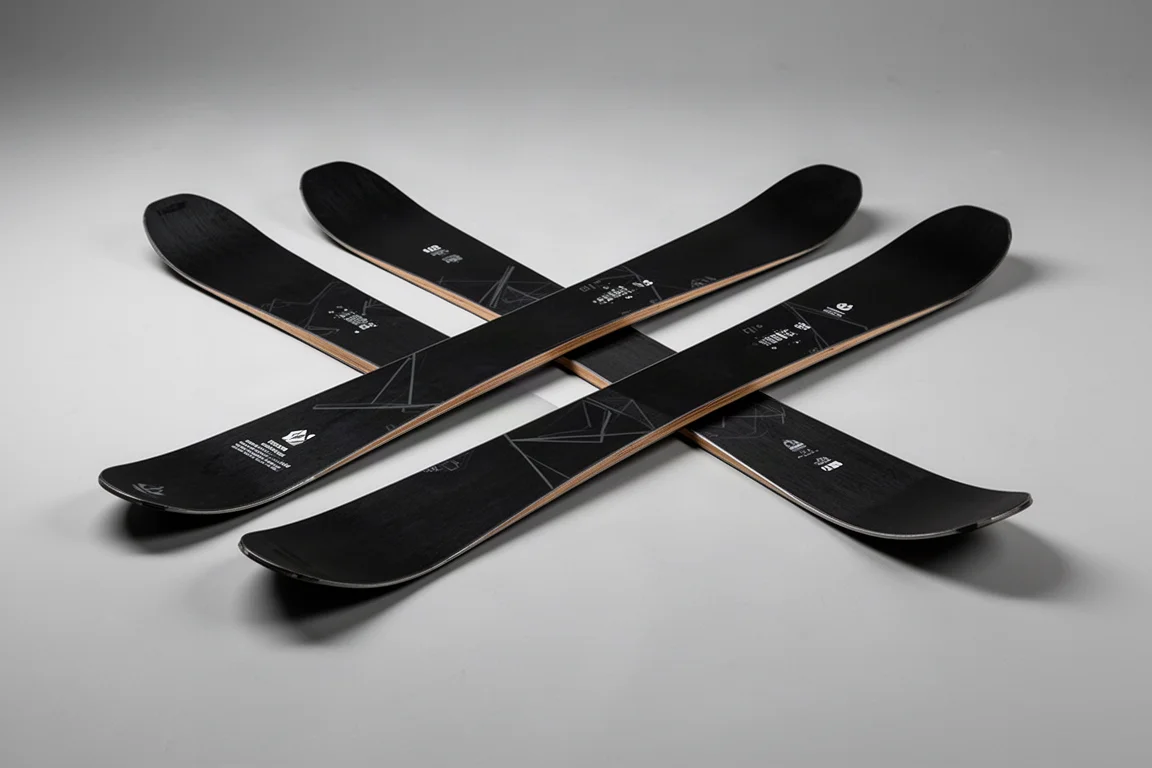
Nordica Unleashed 98 TI
The Unleashed 98 TI shares the same mold and nearly the same core thickness as the CA but adds terrain-specific metal laminates, full width in the tip and underfoot with tapers through the midbody and aft to let tips and tails twist and add forgiveness. The heavier weighting up front acts like a gyroscope, reducing the vibrations that reach your body.
The weight is listed close to the CA’s but it feels heavier on snow, and that extra dampness is exactly what this ski is for. It blasts through crud and chop without complaint, stays planted on firmer snow, and still carves supremely clean, round turns thanks to a softer-than-expected flex. The tip shape rewards a more traditional off-piste style rather than a drifty one. If your skiing is about higher speeds and cutting through whatever stands in your way, the TI is the Unleashed to pick.
How to Choose the Right Ski
If you want the easiest, most forgiving introduction to the category, the Liberty Scope 94 and Elan Ripstick 96 lead the group. Skiers splitting time between park and the rest of the mountain should look hardest at the Armada ARV 94, Faction Prodigy 2, and Line Chronic 94. For a single daily driver that balances carving, trees, and soft snow, the Salomon QST 94, Blizzard Rustler 9, Elan Ripstick 96, and Völkl Revolt 96 are the safest bets.
Skiers who carve hard and ski fast should shortlist the Rossignol Super Black Ops 98, Nordica Unleashed 98 CA and TI, Kästle Transcend 98, and Black Crows Camox, each of which rewards committed input with serious stability. Fischer’s Nightstick 97 and Head’s Oblivion 94 fill valuable middle ground: better on snow than their numbers suggest, and often available at friendlier prices.
Conclusion
The mid-90s freeride category is one of the most well-rounded groups in skiing, mixing soft snow performance, park playfulness, and genuine front-side capability in a single ski. Pick based on where you spend most of your time: approachable and playful at the top of the list, precision and damping at the bottom, with excellent options all the way through.
Further reading
Related Reviews
Ski Reviews
Armada Antimatter 108 Review: A Freeride Ski Built for Speed and Deeper Snow
The Armada Antimatter 108 carries over the beloved Declivity X 108 shape with new construction that adds compliance in soft snow and composure in crud, aimed squarely at strong, aggressive skiers.
Ski Reviews
Armada Antimatter 92 vs Invictus 92: Two All-Mountain Skis Compared
A closer look at two Armada all-mountain skis, one playful and nimble, the other composed and smooth, to help you pick the right one for your skiing.
Ski Reviews
Armada Antimatter 92W Review: A Smoother Take on a Proven All-Mountain Footprint
The Antimatter 92W keeps the trusted Reliance 92Ti footprint but softens the ride with a new metal construction, making it more versatile in softer snow without losing on-trail grip.