Ski Reviews
Best Mid-90 All-Mountain Skis: 17 Models Compared and Ranked
From the easy-turning Volkl Blaze 94 to the demanding Volkl M7 Mantra, a full look at the mid-90 all-mountain category and who each ski is really for.
Introduction
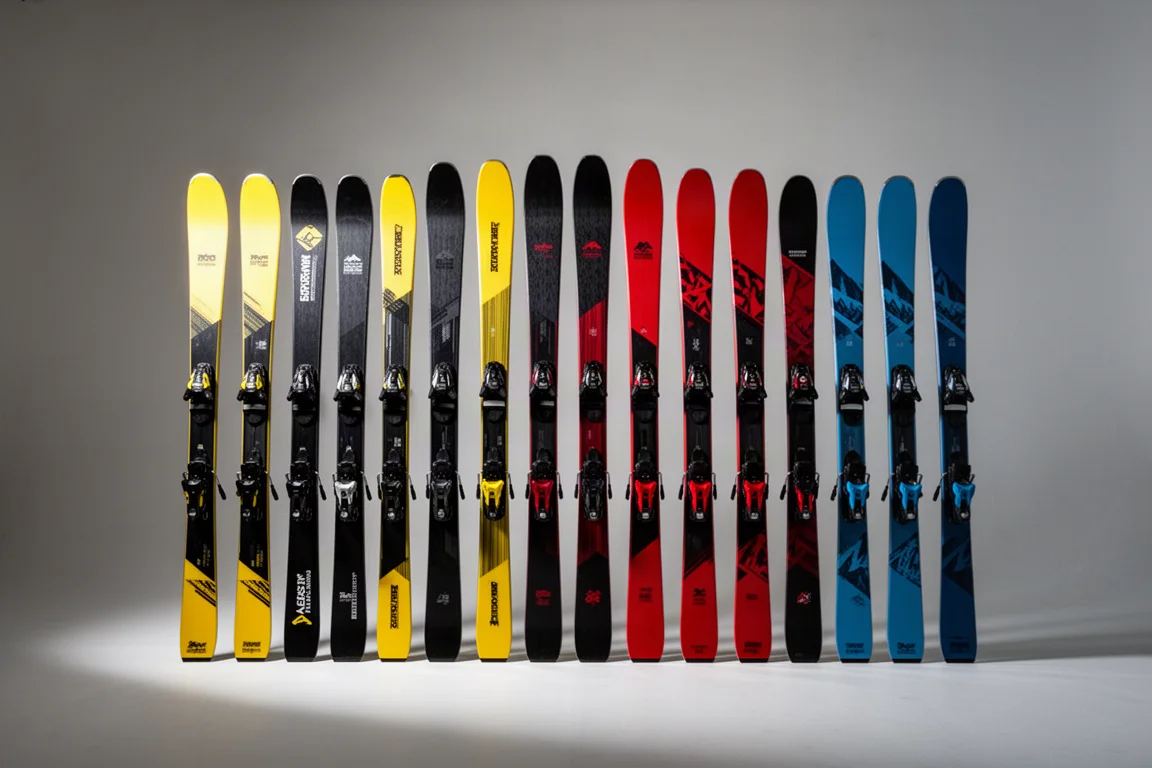
The mid-90 all-mountain category is one of the most popular in skiing, and it is easy to see why. These skis are built for directional all-mountain performance: strong on groomers, capable off trail, and versatile enough to handle bumps, trees, and variable snow. Compared to freeride skis, the intentions here are quite similar across the board, so the differences between models are often subtle rather than dramatic. This comparison walks through seventeen skis, from the most approachable to the most demanding, and explains what each one does well and who it suits best.
Volkl Blaze 94
The Volkl Blaze 94 stands out for how easy it is to turn. It moves from lightning-quick flat-base skids to longer drawn-out carves without much effort, and the variance of turn shapes is what makes it so accessible. It is also light, coming in around 1,627 grams, with a hybrid core that combines lighter wood, PET material through the center, and metal underfoot for binding retention and edge grip. There is even a skin notch on the tail, a reminder that the Blaze started life as more of a hybrid touring option, though most buyers will use it as a versatile resort ski.
Volkl’s shaping is the bigger story. The Blaze and the M7 Mantra both use four radius drive technology, with a flatter underfoot profile and long, low rocker that makes the ski easy to swivel at lower edge angles. Push deeper into the flex and you can access everything from short skids to medium and long-radius carves. It excels in bumps and trees where minimal effort pays off. At higher speeds it can feel a little twitchy, but that is not its design intent; it is happiest at medium speed and medium arcs.
Elan Ripstick 96 Black Edition
The Ripstick 96 Black Edition ticks up the performance of an already fun, playful, versatile ski line. The Black Edition adds more carbon: four carbon rods, a carbon deck, and a carbon frame on top of a tube light wood core. On the scale it reads 1,750 grams in the 182, still light and not tremendously stiff. The shovel is fairly soft, which is either a benefit or a hindrance depending on your style and weight. Lighter, more lateral skiers get intuitive turn initiation and huge grip at high edge angles; heavier skiers who drive the shovel hard may find it less supportive.
Off trail, the Ripstick shines for a directional ski. It has significant tip rocker, good camber underfoot for energy, and tail rocker with a bit more curvature and splay than the Blaze, plus subtle early taper. In bumps and trees it feels incredibly intuitive. You pay a premium for the Black Edition, so it is worth asking whether the standard Ripstick 96 would be enough. For heavier skiers with a race background, the extra carbon genuinely adds usable power.
DPS Pagoda Piste 94
The DPS Pagoda Piste 94 is the lightest ski in this group at 1,600 grams in the 178, yet it delivers performance that is hard to fathom at that weight. The build uses two horizontal wood cores of red oak and poplar, two sheets of aerospace-grade carbon, and a carbon power plate underfoot. The flex is very round and consistent, especially in the shovel, and loading all that carbon produces an electric, energetic rebound. The camber profile is extremely high, which contributes further to that lively feel.
While Pagoda Piste skis sound like pure piste tools, the 94’s real highlight is off-trail performance. It is exceptionally versatile, carves at a level that can hang with the demanding skis further down this list, and stays light and maneuverable in soft snow. At around $2,000 it sits in a different stratosphere than everything else here, and there is no direct dollar-to-performance ratio. What you are paying for is exceptional versatility and approachability with an insanely high ceiling. It is also the rare ski that three very different skiers all loved equally.
Black Crows Serpo
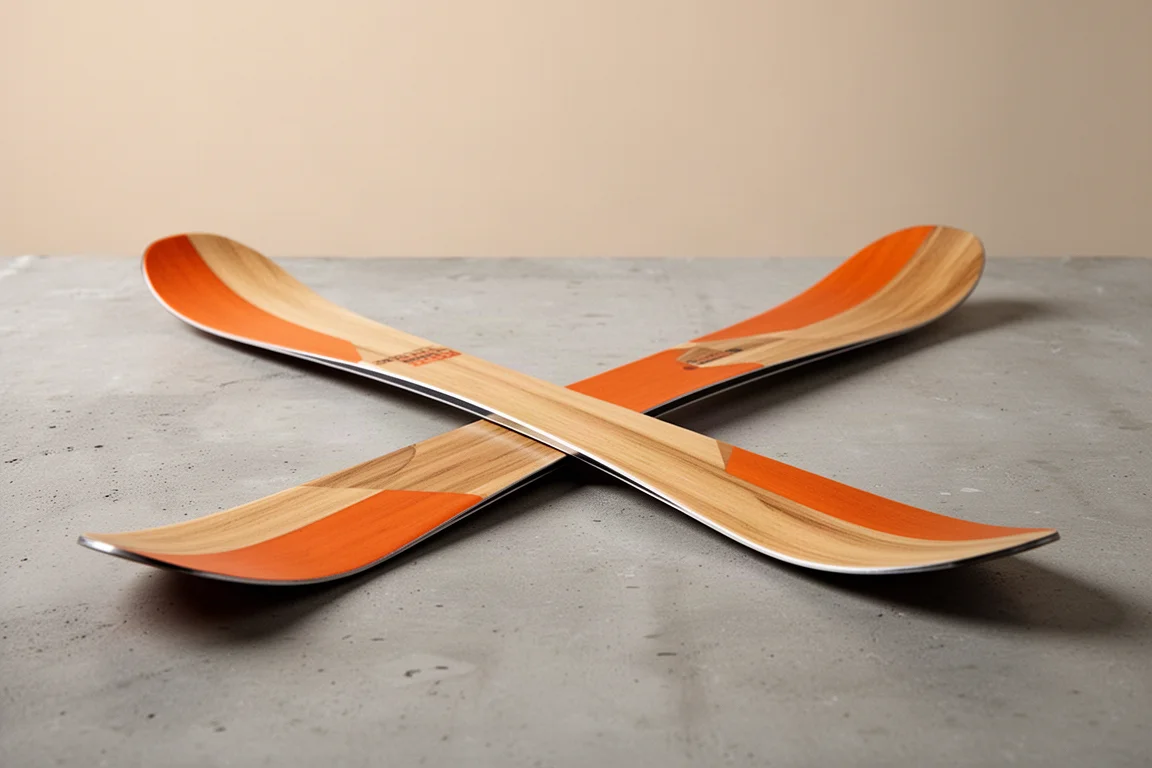
The Black Crows Serpo has one of the longest-running constructions and shapes in this category, and its longevity says a lot about how forward-thinking it was when it launched around six years ago. The popular wood core pairs with H-shaped titanal laminates underfoot, and the flex is notably round, even soft. Despite that, it ranks among the best true groomer performers in this group. The 186.3 length weighs 1,800 grams, and the 20-meter radius can be pushed into shorter, more dynamic turns by the right skier.
The shape is unique: a bulbous tip with extended sidecut, plenty of tip rocker, moderate camber, and tail rocker similar to the Ripstick but with less play. Off trail it is still capable, though it does not have the same versatility or fun factor as the first few skis here. It is more of a groomer version of a QST 94, with more bite and better energy but less of the tapered steering ability in trees and bumps. If you want QST 94 character with more zip on groomers, the Serpo is a strong, proven pick.
Dynastar M-Pro 94
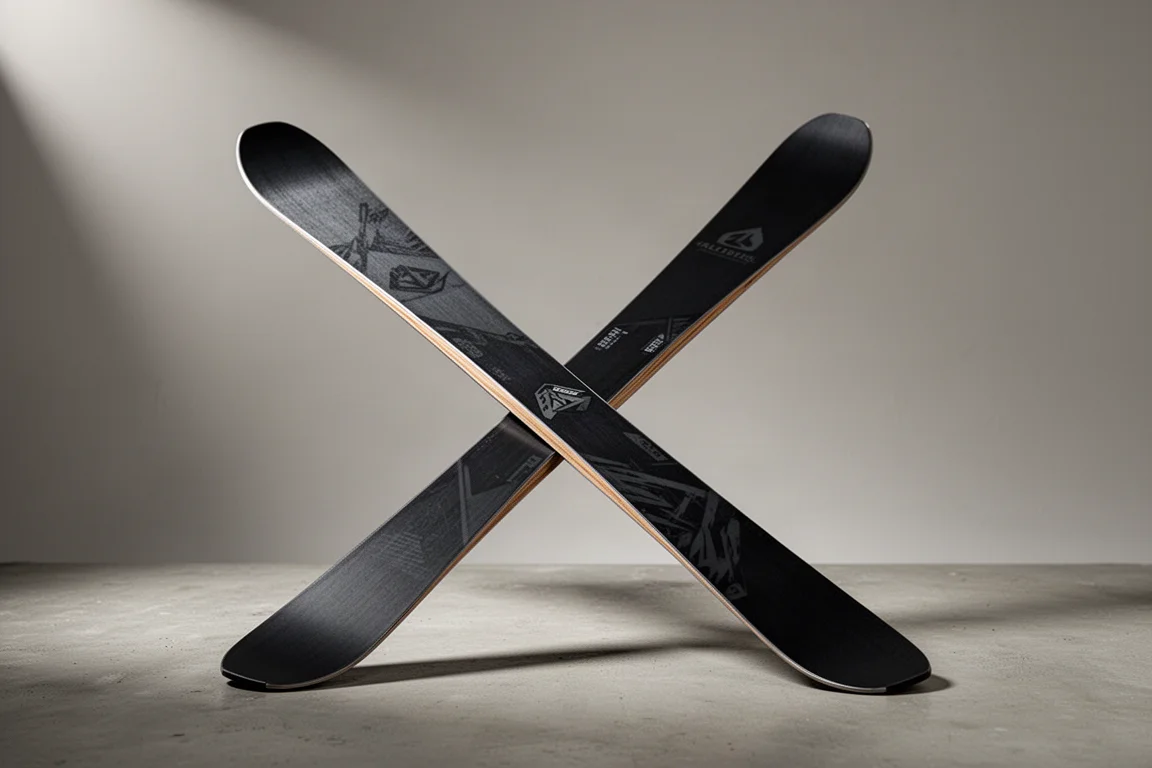
The Dynastar M-Pro 94 might be the best least popular ski on the market, and it wins awards for being one of the most average skis here in the best possible sense. It is a great carver, a great turner, super versatile, fun, and full of energy. Unchanged from last year except for a new graphic, it uses a hybrid core 2.0 with three layers of wood pressed together, and a notably thick wood core that gives the ski plenty of substance underfoot.
The metal frame is a little shorter than on the M-Pro 90 and 99, so it no longer extends far into the tail, making the ski more sophisticated through a carve with a rounder character. The profile prefers rounded shapes and takes less effort to get up on edge while still rewarding you with strong rebound. There is a decent amount of rocker with an immediate contact point and nice taper, giving it good soft snow performance, but this ski favors groomed carving over off-trail work. It is easy to recommend to almost anyone because it delivers speed, smoothness, and power with minimal effort.
Atomic Maverick 96 CTI
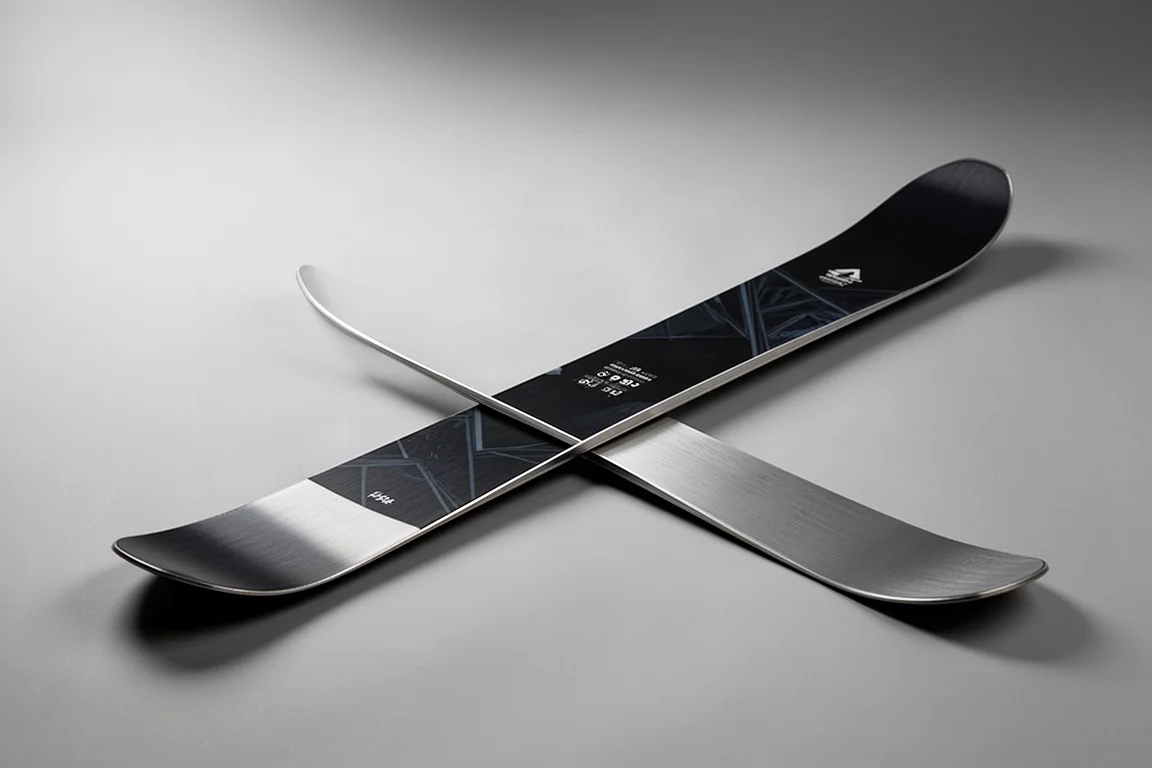
The Atomic Maverick 96 CTI is best understood as a directional freeride ski that lives in an all-mountain comparison. The Maverick line spans from 88 to 115, and this 96 sits at the narrow end of a freeride collection. It uses a poplar and ash wood core with both carbon and titanal in Atomic’s CTI format, weighing 1,750 grams in the 179. The flex has more tip-to-tail consistency than a Ripstick, and Horizon Tech plus generous early taper in the shovel makes the ski intuitive in soft snow, boosting float and maneuverability.
On groomers, it will not pull you into a turn the way the Serpo does. If you drive all your weight forward, the shovel wanders; be patient, start the turn gradually, then load it at the apex and there is plenty of support through the rest of the ski. Off trail is where it comes alive for everybody: very wiggly, very quick, and far less fatiguing than metal-laden alternatives. The tail gives real feedback and a platform to push off, unlike softer freeride skis that wash out. This is an excellent soft-snow-oriented all-mountain ski for a skier with good, relatively traditional technique, and it only makes more sense the more you ski it.
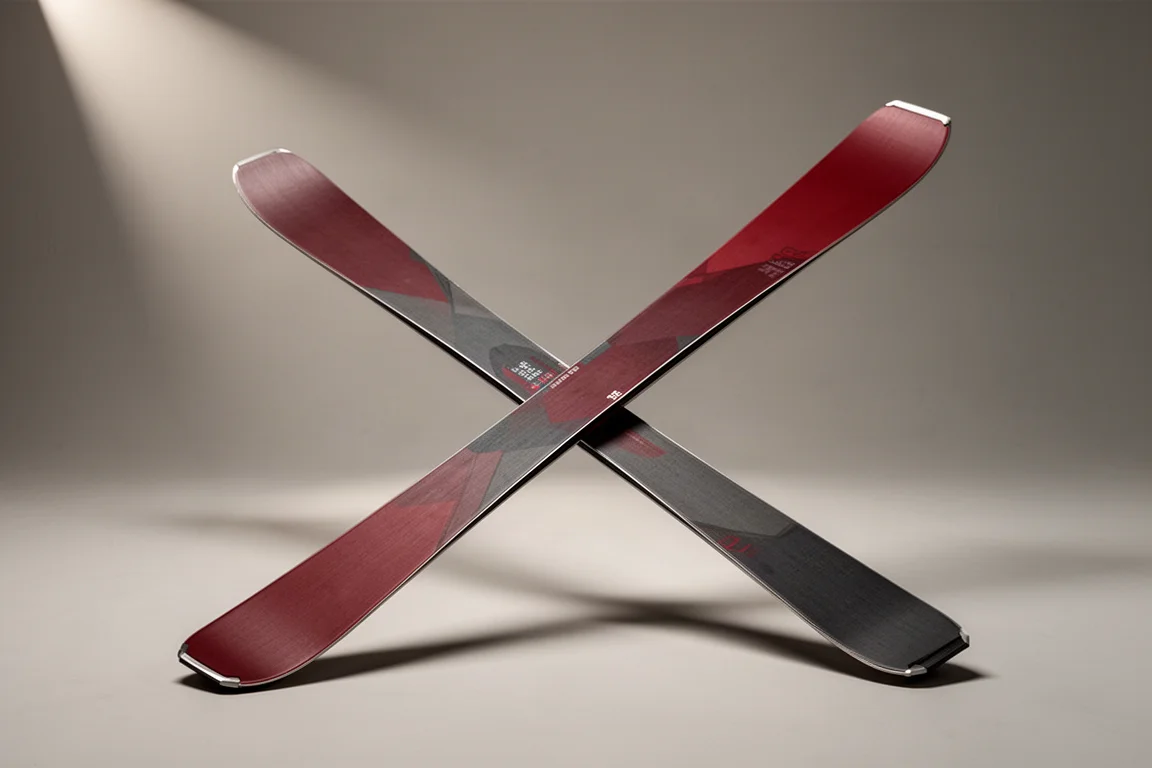
Fischer Ranger 96
The Fischer Ranger 96 shares the most-average-and-most-well-rounded accolade with the M-Pro. It is a solid ski that does more than you expect, holds up to aggressive skiing, and can be dialed back for bumps and trees. Its turning character is genuinely unique; get on it blind and you will know it is a Ranger. The feel is damp and solid but still approachable, weighing 1,980 to 1,990 grams in the 180. The core mixes poplar and beech with a shape ti metal layout that emphasizes edge grip in the forebody and a cut in the middle for a more even flex.
Energy is the big differentiator. The Ranger is more damp than poppy, smoother and more controlled, and it likes to stay on the ground, while thicker-cored skis like the K2 or Dynastar feel more electric. The spoon-tapered, floaty tip stays up and out of the snow, which helps in soft snow but costs some instant connection. To unlock peak performance you have to be an active participant, tipping the ski onto a high edge angle and putting effort in. Cruise on it and it works fine, but push it and it really wakes up.
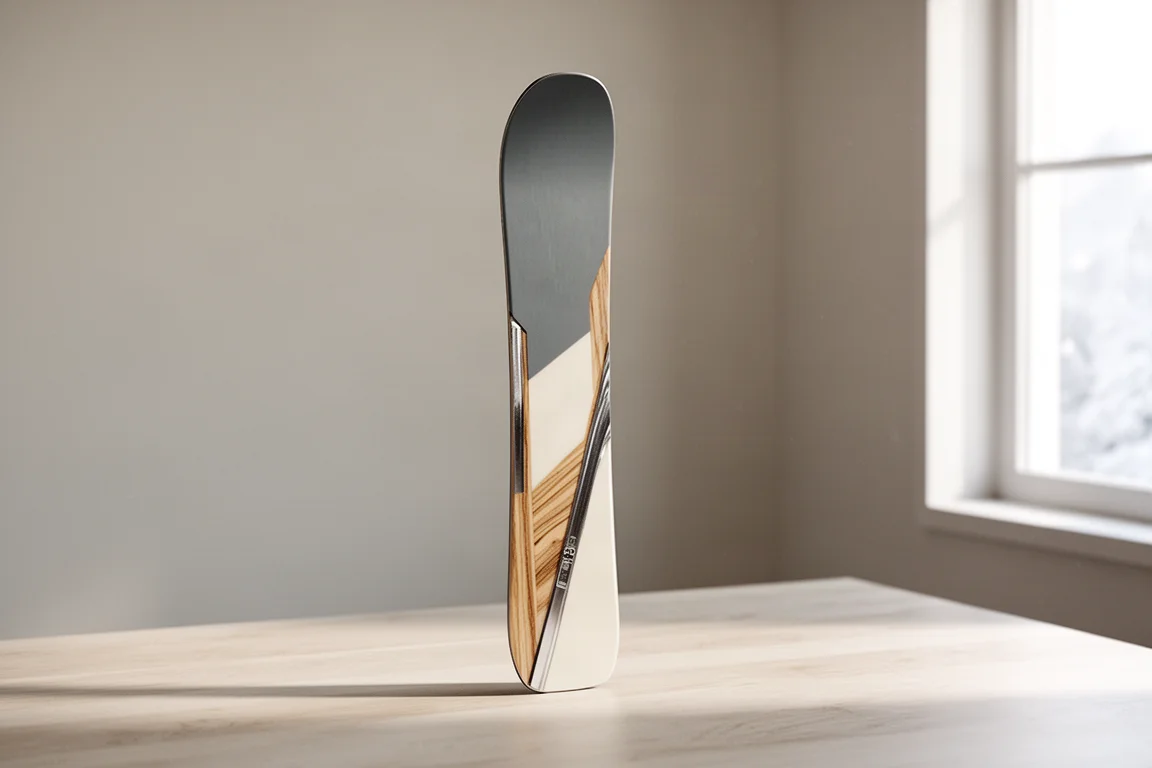
Kaestle Paragon 93
The Kaestle Paragon 93 is the first ski on this list with two full sheets of metal, and at 1,870 grams in the 177 it is lighter than you would guess thanks to a poplar, beech, and paulownia core. Among the two-sheet-metal skis here, it is the most approachable, and that comes mostly from its shape. Generous tip rocker increases float, maneuverability, and control; at a flatter edge angle you can maneuver out of trouble easily.
Underneath, there is a lot of camber and very little tail rocker, so if you tip it up and commit your power you get genuinely dynamic carving turns. The tradeoff is that within carving itself these are stiff, powerful skis that require real input to come alive, unlike the more intuitive Ripstick 96 Black Edition. It is the narrowest ski in a freeride line, and among two-sheet-metal skis it is the best in soft snow. If you like this width range, want the feel of metal, and care about bumps, trees, and more creative skiing, the Paragon 93 is a really nice place to be.
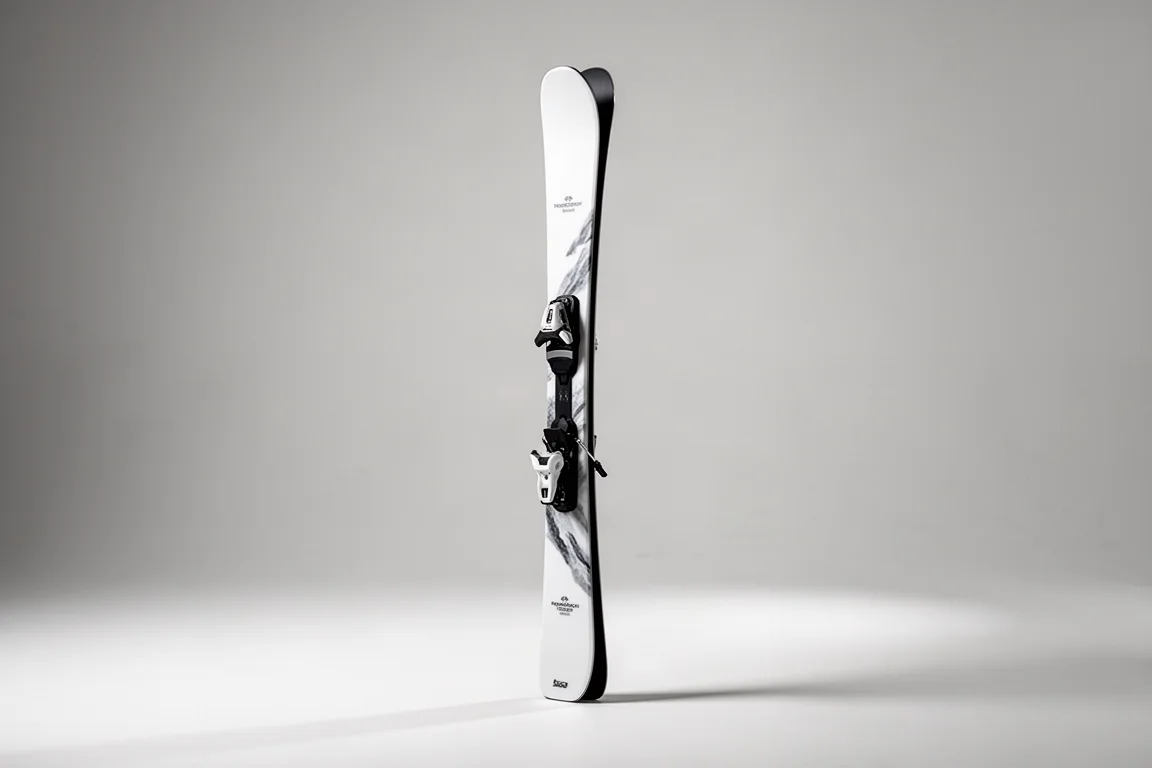
Stoeckli Stormrider 95
The Stoeckli Stormrider 95 is a wider, more piste-focused carving ski, and it is as smooth as it gets. The snow feel is almost silent; you barely feel anything through the snow, and the craftsmanship is beautiful. It returns unchanged at 1,838 grams, light for two sheets of metal, with a poplar, beech, and paulownia core and metal placed close to the foot to act as the first point of contact and filter out vibrations. Rubber in the tips and tails and rubber dust in the adhesive layers add further damping.
The shovel is fairly flexible, so skiers who drive the shovel hard may find it soft, and it is not limitless in stability. Past that zone, it feels like a race ski: incredibly stable and composed through the turn. The shaping is traditional, with very little tip movement when the ski is decambered, a nearly fully cambered body at 95 underfoot, a touch of tail rocker, and a squared-off tail that holds you in the turn. The 18.1-meter radius in the 182 works in both longer and shorter turns, but in a medium-radius arc you forget short turns exist. It is a premium ski in the truest sense, with a calmer, damper feel than the more electric DPS.
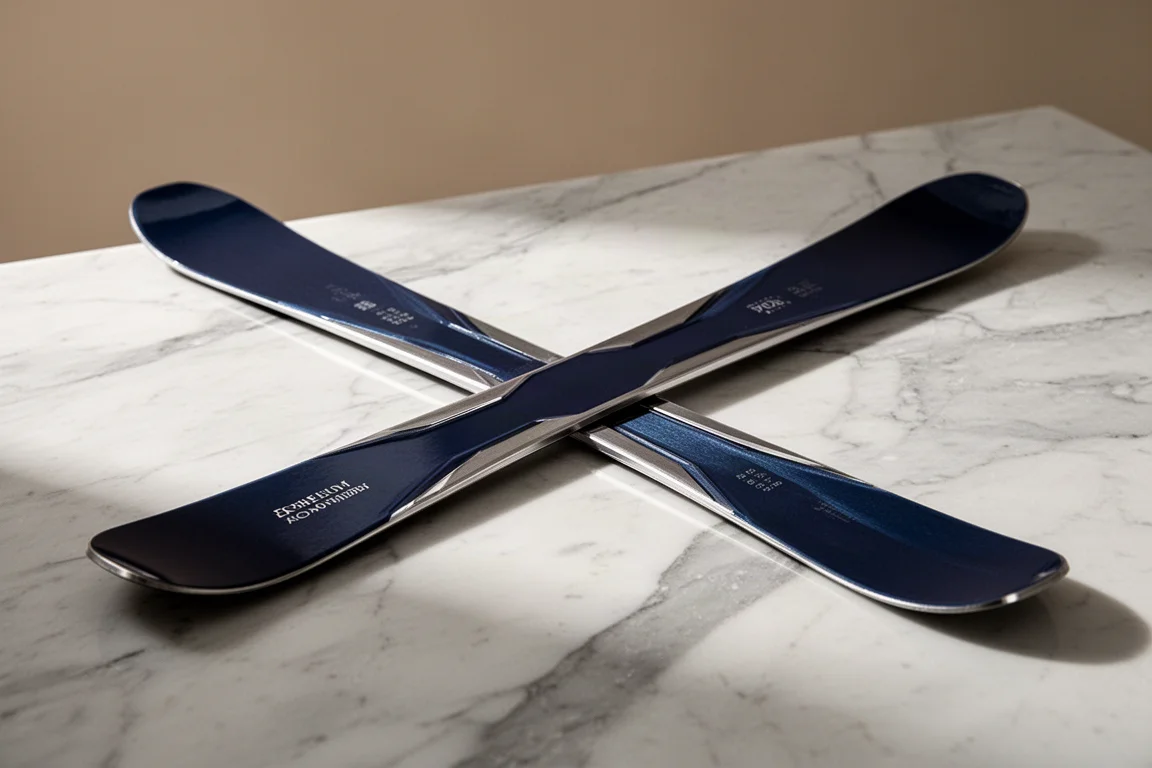
Salomon Stance Pro 96
The Salomon Stance Pro 96, formerly the Stance 96, pairs a poplar and karuba core with two full sheets of metal. On the top sheet of metal, rectangular sections cut into the tip and tail are filled with carbon and basalt, reducing swing weight and widening the sweet spot in the shovel. It is heavy at 1,930 grams in the 182 and pretty stiff, though not the stiffest here.
It has always compared well to the Volkl Mantra because of the similar titanal frame construction, and it is a bit more approachable and a bit better in soft snow, sitting nicely next to the Head Kore 94. It does not have the Mantra’s carving precision, and the 20-meter radius changes its character: less likely to hook up, easier to release the tail edge, and more drift-friendly. Salomon leans freeride as a brand, and this ski retains genuine off-piste potential without demanding expert technique, which sets it apart from the stiffer skis further down the list. If you want two sheets of metal plus power while keeping real versatility, it is a slight outlier in the best way.
Head Kore 94
The Head Kore 94 fits neatly alongside the Stance Pro 96, sharing a damp, smooth mentality and two sheets of metal in a heavy, substantial build. It gets its energy through a high, relatively stiff camber, and the denser construction with karuba and beech in the core, a flax hybrid top sheet, and dedicated damping layers makes it smooth and predictable. There is a bit more energy than the Stoeckli thanks to that camber, but it is no featherweight.
The shaping includes a spoon-tapered shovel with a round taper that helps it get up, down, and through bumps and trees. It carves very well on firmer snow, and softer packed powder is genuinely fun. The tradeoff is stiffness: there is not a ton of give, and it takes effort to push through the camber and engage the full edge. Off trail, you have to get after it and unweight the skis to move them; they are not smeary. If you do not want to spend Stoeckli-level money but want a similar smooth, damp feel, the Kore 94 is a safe and satisfying baseline for this whole category.
Kaestle Sublime 93
The Kaestle Sublime 93 is a brand-new collection that takes the success and character of the MX line and makes it a bit more approachable, supple, and forgiving, with a bigger sweet spot. It uses a poplar and beech macro-block twin core, two sheets of metal, and Kaestle’s signature hollow tech, weighing 1,950 grams in the 176. The 93 is the most flexible of the Sublimes and the odd one out within its own line.
We are squarely in stiff-ski territory at this point on the list, and the Sublime is more groomer-focused than the soft-snow-seeking Paragon. Tip rocker is moderate, mainly helping with wonderfully smooth, easy turn initiation. The camber is incredibly high, giving you a lot to push against and finesse in a turn, while the tail has just enough rocker to call it rocker. The 17.2-meter radius in the 176 rewards skill and technique, yet any advanced or expert skier will make beautiful, clean, round turns immediately with no adjustment phase. If you want carving performance in this category with a touch more relaxation, it is a really good option, and arguably more appropriate for most skiers than the MX line.
K2 Mindbender 96
The new K2 Mindbender 96 is a genuinely new spot on the wall for K2, replacing the Mindbender 96 C and slotting into the performance range where the 99 TI used to sit. Built with an aspen core, a titanal I-beam rather than full sheets or a Y-beam, and dark matter elastomer damping weights in the forebody and aft sections, it is a robust, well-damped ski made in Germany. What stood out immediately was how good it is on groomers: it ticks up the energy, reactivity, and precision over the old 99 TI, with the core profile featuring a notably thick tip and underfoot zone.
It is an energetic, wider-bodied carving ski with strong positive camber, long tip rocker, and a short-feeling turn radius that pulls you across the fall line quickly. Pushing past the thick core takes skill and commitment, but the payoff is a ton of energy and rebound. Off trail it is easier than the Arcade and a legitimate highlight for a ski this carver-focused. Within the new Mindbender line, the 96 is the all-mountain-oriented model while the 88, 101, and 111 lean freeride. This one is an easy ski to want more time on.
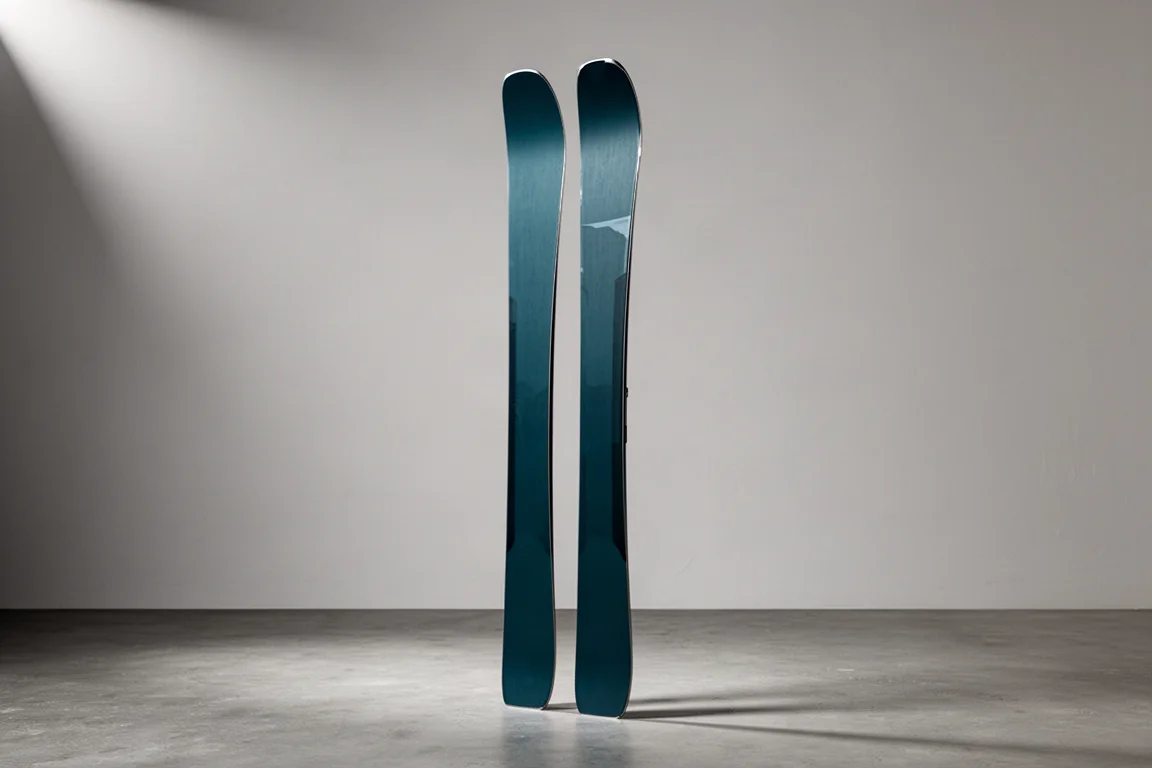
Faction Arcade 94
The Faction Arcade 94 is a wide carving ski first and foremost, and one of the most groomer-focused skis in the entire category alongside the Mantra. Off trail you can ski it, but it does not offer a rewarding feel and requires real work. On groomers, though, it is unbelievably good: one of the best skis on this list purely for rewarding carving performance, and good enough to own for it.
The construction is unique here: a poplar core with a titanal beam, a central portion of metal rather than two full sheets, plus an air tip and a vibration absorption system. It still weighs over 2,200 grams in the 178 and is crazy stiff, though the tips and tails feel slightly softer than the Arcade 88. A bit more rocker, an extended sidecut, and a 17-meter radius make the 94 easier to ski than the 88, starting turns quicker and delivering enormous forces at the apex. It is the former racer’s all-mountain ski. If soft snow is your focus, look elsewhere; consider it alongside the Sublime, Mindbender, and Mantra instead.
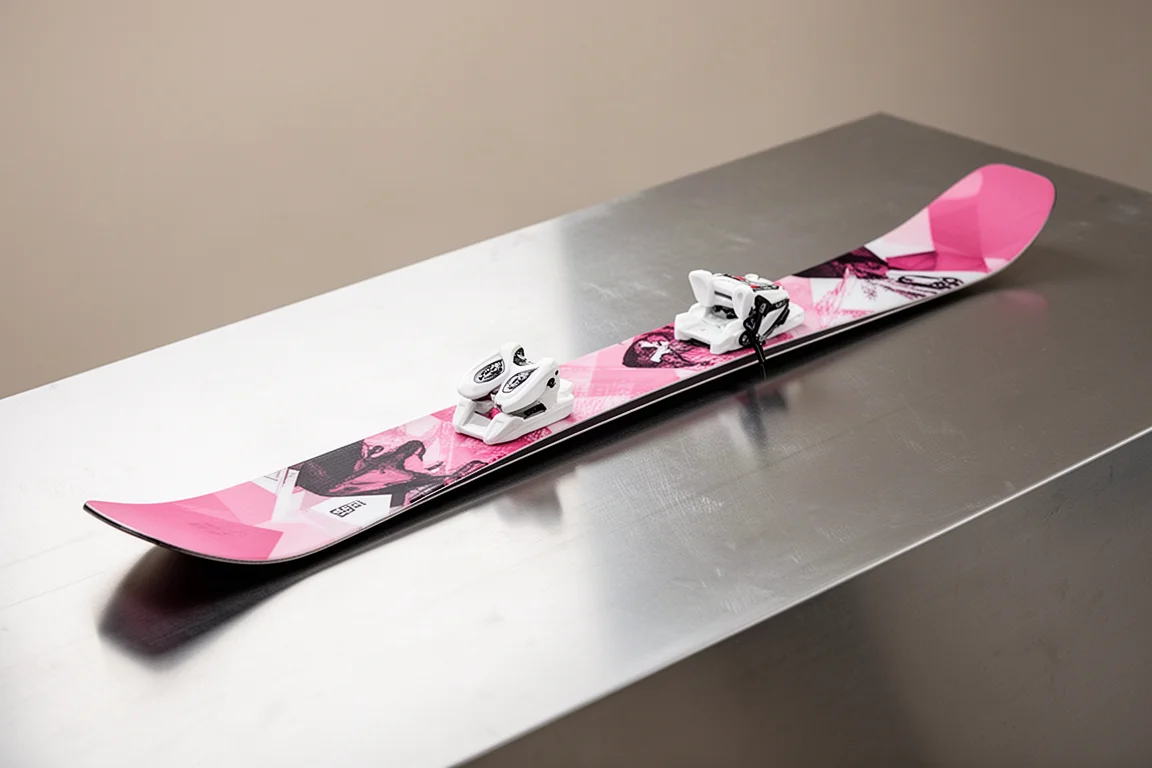
Blizzard Anomaly 94
The Blizzard Anomaly 94 is a great representative of what the demanding end of this category is about: power, versatility, and weight. At 2,200 grams in the 182 it is the heaviest ski here, about 700 grams more than the DPS, yet it delivers comparable performance with more damping and a different level of snow feel. The TrueBlend wood core layers poplar and beech stringers into a central spine, and the metal layout uses a full bottom sheet with the top layer broken into three pieces separated by fiberglass weave.
It inspires confidence and makes you want to go faster and faster. The Anomaly line leans speed-focused, and this 94 loves fast turns on groomers and open terrain, mashing right through crud, chop, and wind-blown snow. There is still plenty of play, with an abrupt tip curvature adding a bit of float and bounce, though the construction smooths much of that out. Tightening turns to shorter arcs is where skill and effort come in. If you are out-skiing the Anomaly, the Enforcer is the next step; not many people are.
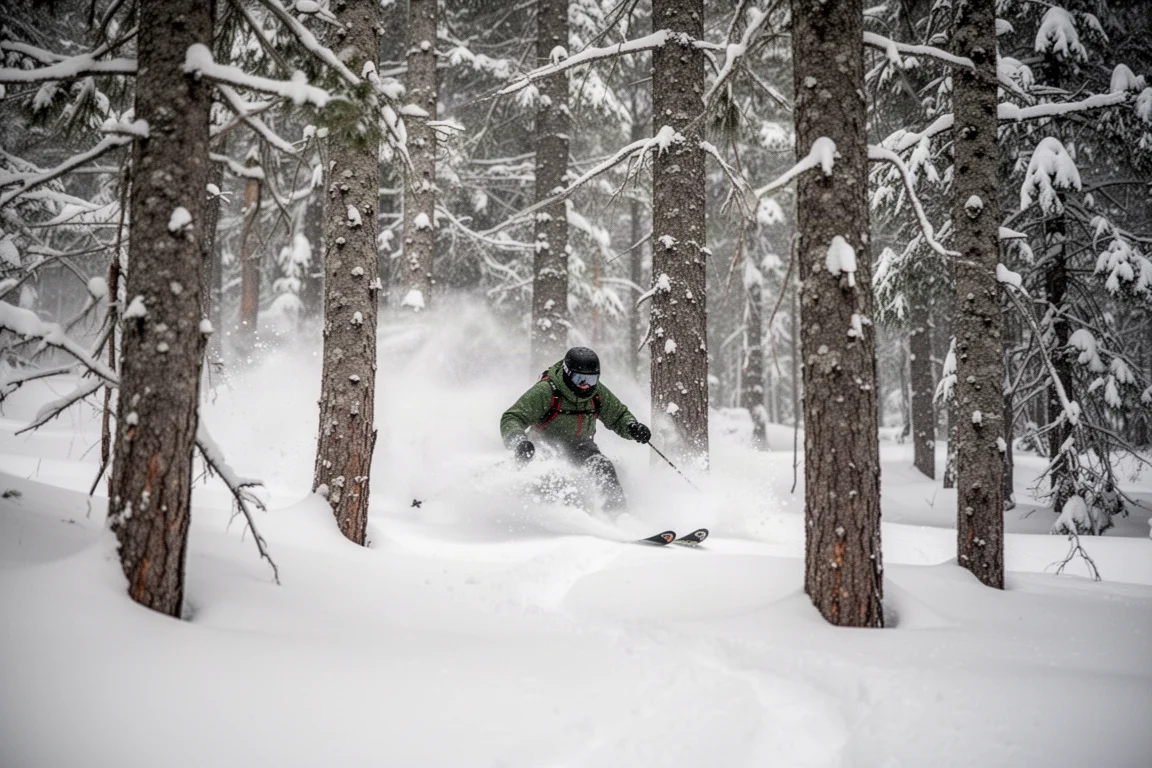
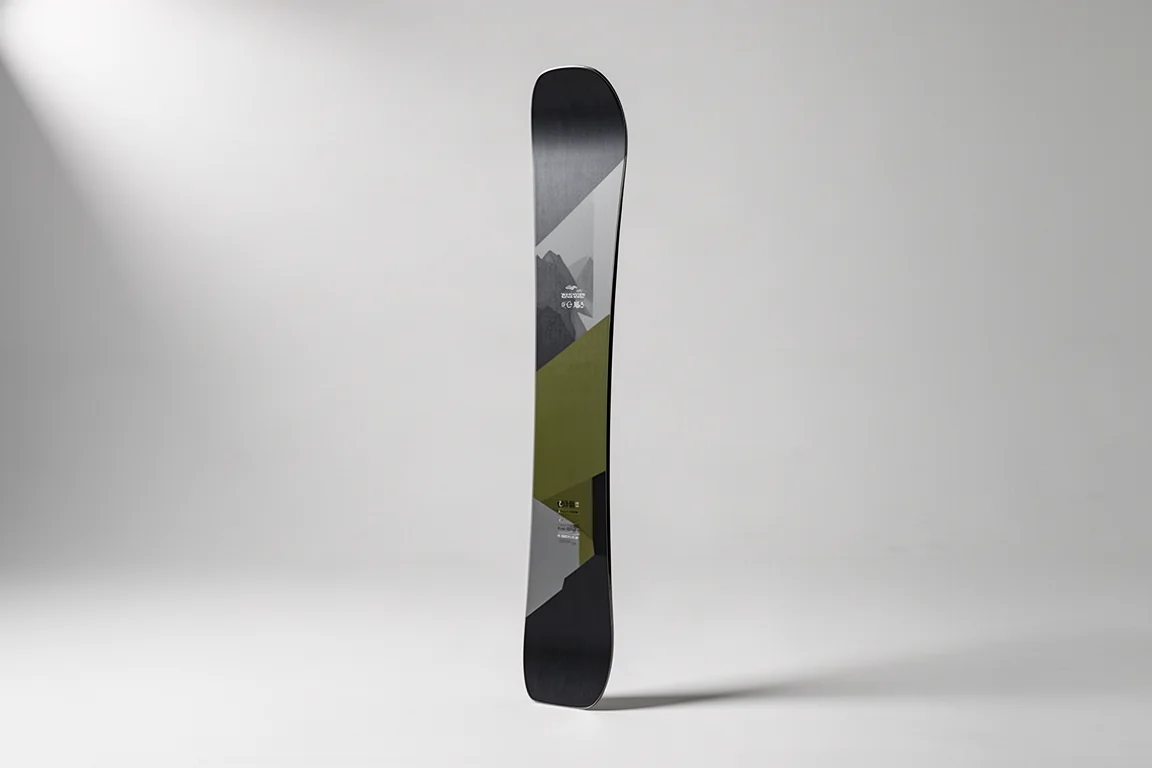
Nordica Enforcer
The Nordica Enforcer is the pick for raw composure at speed: it simply does not bounce. It is a little stiffer than the Anomaly, gives up a bit of that ski’s surprising versatility, and ticks up the power on a groomer while being harder to ski off trail. The poplar and beech core pairs with two sheets of metal and an elastomer pulse core underfoot, weighing about 2,190 grams in the 179. In exchange you get unmatched stability through variable snow conditions.
The classic Enforcer shape does a lot of work. Limited tip rocker and a tip that gets really straight mean the further you tip the ski over, the longer the effective edge becomes, a trait adopted across the industry over the last decade. Good camber underfoot, consistent moderate tail rocker, and a 17.5-meter radius in the 179 keep it rewarding and wrangleable, capturing a sweet spot through the radius. Off trail, it is easier than the Arcade 94 and the M7 Mantra, offering more freeride freedom than the more cranial Mantra. It is a thinking person’s tool for fast, confident, composed skiing.
Volkl M7 Mantra
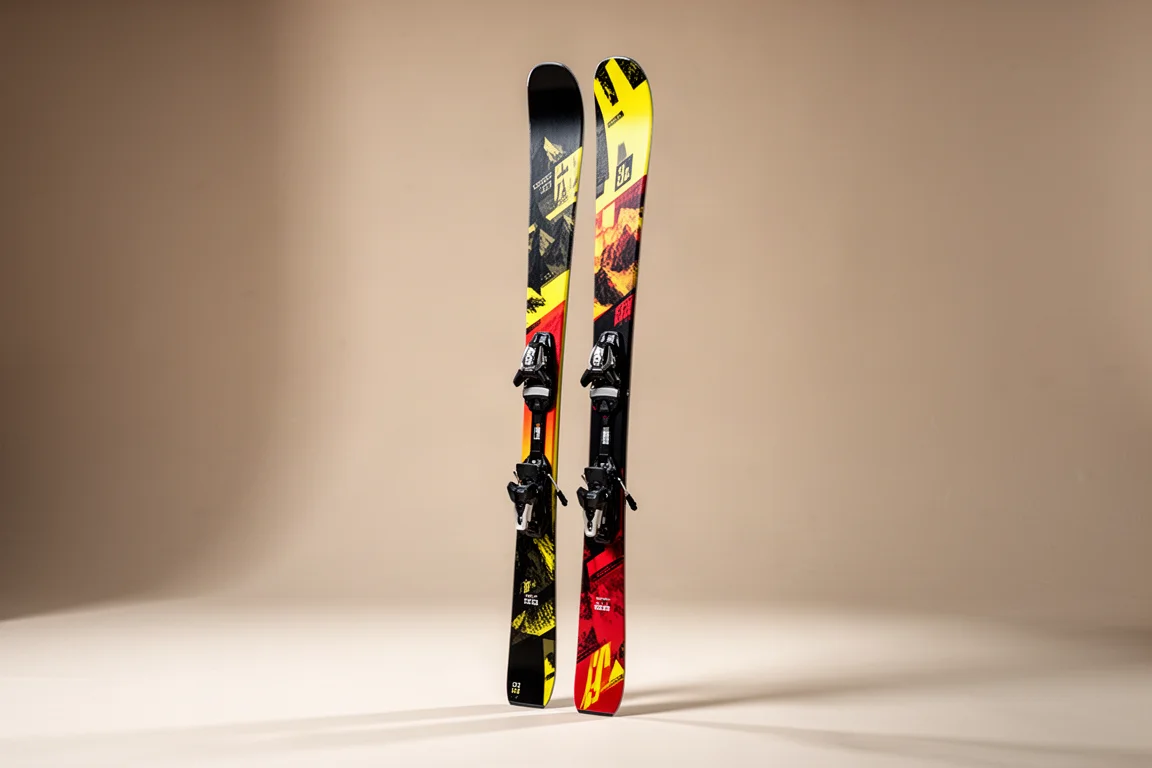
The Volkl M7 Mantra is the most technically sophisticated ski on this wall, and the level of engineering visible in each Mantra iteration has grown consistently since the M5 generation. A multi-layer poplar and beech core places beech along the sides directly beneath the titanal frame, so the dense material sits where the snow contacts the ski first: metal, beech, metal, snow. That alignment of power over the edges is where Volkl’s reputation for edge grip comes from. Tailored carbon tips and a tailored titanal frame add further refinement.
The profile is remarkably similar to the Blaze 94: a flatter underfoot zone with long, low tip and tail rocker and the same four radius drive concept, with radii of 20, 40, 1, and 17.2 meters. The difference is access. The Blaze lets you flick your ankles and access everything; the Mantra requires purposeful, precise weight control to reach its ceiling. It is a lot of ski, and for many skiers it will not feel fully unlocked. On trail, the tip-to-tail precision is in a class of its own, with the Arcade coming closest. Off trail, it has the width, rocker, and radius, but it wants to find the firmest thing it can and turn, and it rewards exceptionally polished technique. If you like a challenge and something to work on, few skis give you more.
Buying Advice
Think in groups rather than a single ranking. The Blaze 94, Ripstick 96 Black Edition, Pagoda Piste 94, and M-Pro 94 form the most approachable and versatile end of the category, with the DPS standing apart on price but not on approachability. The Serpo and Maverick 96 CTI are the specialists, one for groomers and one for soft snow. The Ranger 96 and M-Pro 94 are the best all-around baselines.
From the Kaestle Paragon 93 onward, you are choosing between skis with two sheets of metal or equivalent stiffness, and versatility increasingly depends on your ability level. The Stoeckli Stormrider 95 is the premium smooth-carving choice, the Sublime 93 and Mindbender 96 add approachability to stiff-ski performance, and the Arcade 94, Anomaly 94, Enforcer, and M7 Mantra sit firmly in expert territory. If you are not sure where you land, the Kore 94 or M-Pro 94 are safe places to start, and if budget is unlimited, the Pagoda Piste 94 is the one ski here with almost no compromises.
Conclusion
The mid-90 category rewards matching the ski to the skier more than any other choice you will make. Every ski here is capable; the differences come down to flex, shaping, weight, and how much of the ski’s ceiling you personally can reach. Start with the group that matches your ability and intentions, then let the subtle details decide.
Further reading
Related Reviews
Ski Reviews
Armada Antimatter 108 Review: A Freeride Ski Built for Speed and Deeper Snow
The Armada Antimatter 108 carries over the beloved Declivity X 108 shape with new construction that adds compliance in soft snow and composure in crud, aimed squarely at strong, aggressive skiers.
Ski Reviews
Armada Antimatter 92 vs Invictus 92: Two All-Mountain Skis Compared
A closer look at two Armada all-mountain skis, one playful and nimble, the other composed and smooth, to help you pick the right one for your skiing.
Ski Reviews
Armada Antimatter 92W Review: A Smoother Take on a Proven All-Mountain Footprint
The Antimatter 92W keeps the trusted Reliance 92Ti footprint but softens the ride with a new metal construction, making it more versatile in softer snow without losing on-trail grip.