Ski Reviews
Best Mid-80 All-Mountain Skis: 23 Models Ranked from Most Approachable to Most Demanding
A full rundown of the mid-80 all-mountain ski category, organized from easiest to ski to most demanding, with prices, constructions, and who each ski is really for.
Introduction
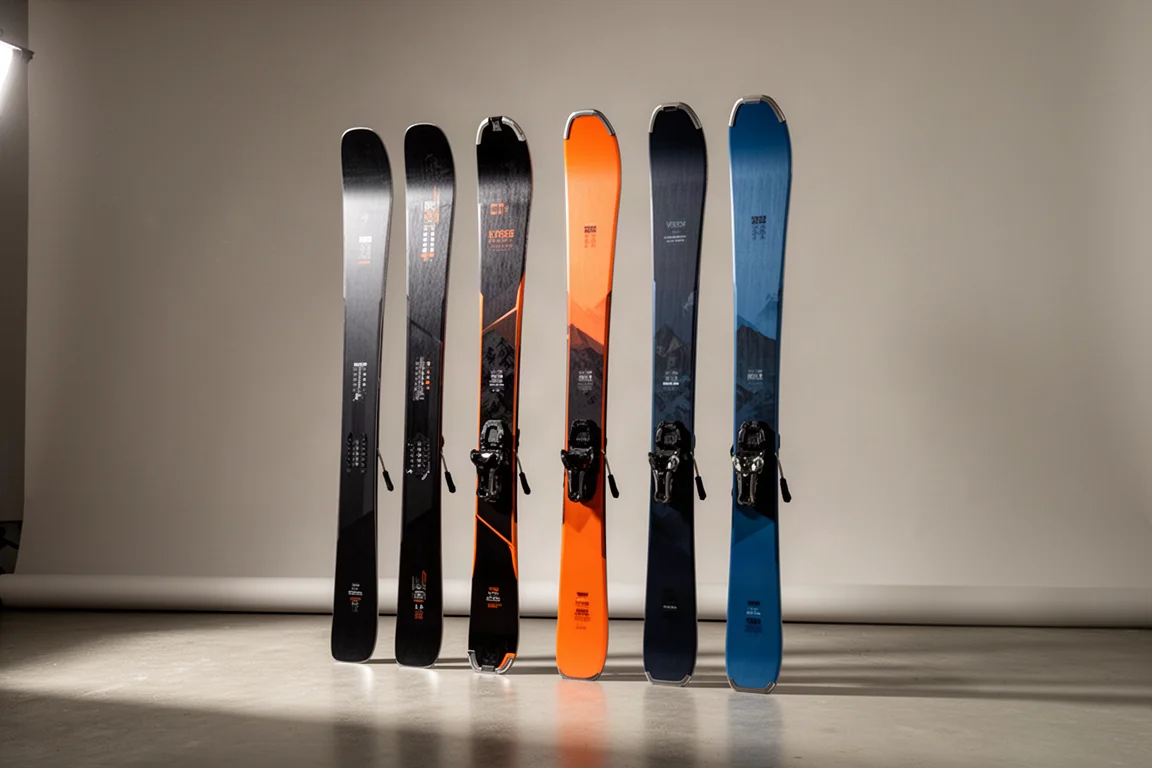
The mid-80 underfoot category sits right where all-mountain performance meets front-side carving, and it is one of the most realistic categories for a huge chunk of the skiing population. It covers an enormous range in price, construction, and required ability level, from progressing beginners to former racers. We have organized this roundup from most approachable to most demanding, because that order reveals a lot about how price and performance actually trade off.
One note on where the line is drawn: a handful of similarly narrow skis, like the Völkl Paragon 82, fall into the wide front-side category instead, since they lean more front-side oriented than the skis below.
Atomic Maverick 86C
The Maverick 86C is the quiet sibling of the better-known Maverick 88 and 96 CTI models, but it deserves attention on its own merits. It is an ultra-lightweight ski at around 1,510 grams in a 179, built with a light wood core and Atomic’s carbon backbone of longitudinal carbon stringers, giving it plenty of energy despite the low weight. Tip and tail rocker are generous for a mid-80 ski, and the Horizon Tech shovel makes it genuinely good in soft snow for the width.
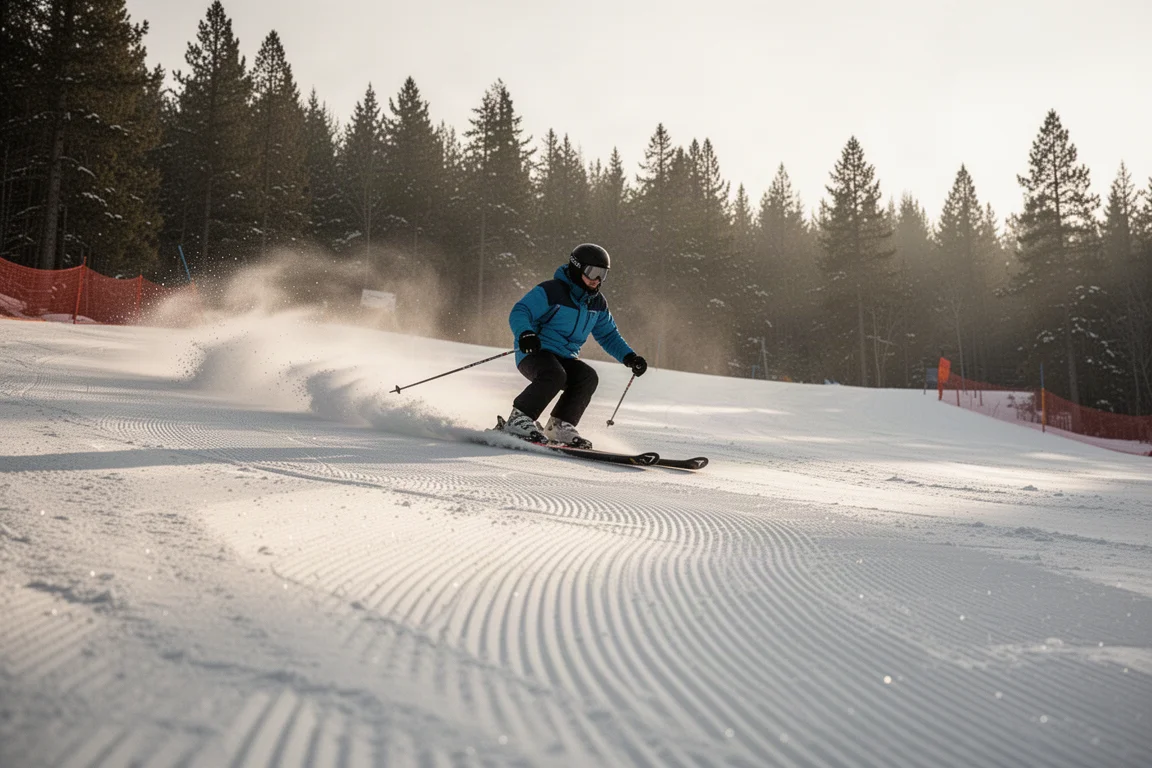
This is a highly approachable, easy-skiing option with real substance to push against. It suits two very different skiers well: a newer skier sticking to mellow groomers, or an upper intermediate to lower advanced skier looking to venture off-piste and improve in bumps and trees. Priced at $649.95, it offers strong overall performance for how easy it is to ski. It has even earned a reputation as a favorite mogul ski for the right combination of quickness and support.
Völkl Blaze 86
The Blaze 86 brings a freeride mentality into a narrow-bodied format, and that shows in its character: slightly less zip on-trail than the Maverick but more off-trail. It is very easy to ski, around 1,580 grams in a 180, with a lightweight wood core, minimal camber, and long, low rocker in both tips and tails designed around Völkl’s 3D radius concept. There is still a skin attachment point, so it works both as a resort ski and a dedicated touring platform.
In the woods and on lightly tracked snow, it is floaty, maneuverable, and highly usable in exploration mode. On groomers it makes more Z-shaped than S-shaped turns, so it is best for skiers who prioritize adventure over carving. Note it tops out at 180 cm, and it sits at $649.99.
K2 Mindbender 85
The Mindbender 85 remains unchanged in a line that is otherwise new for 2027, and it is easy to overlook because there is no metal or carbon in it at all. Just an aspen microblock wood core, fiberglass, and sandwich construction, yet the result is a surprisingly damp, solid ski that offers considerably more bite and engagement on a groomer than the lighter skis above it.
That makes it a genuinely good learning tool for intermediate skiers working on carving: limited early taper engages more of the ski as you edge it, pulling you into rounder turns, while meaningful tail rocker makes mistakes easy to release. At $599.95 including a binding, it is tough to beat as a new, current-model ski-and-binding package for a $600 budget.
Elan Ripstick 84
New for 2027, the Ripstick 84 is designed as a gateway ski into the Ripstick line, at $599.99 flat. It uses a partially composite wood core, carbon tubes, and unidirectional carbon on top, and it is noticeably lighter and damper than the Ripstick 88. It skips the Amphibio profile too, so there is no left-right specific ski, which makes the platform more consistent from side to side.
The flex pattern is well tuned for learning to carve and making multiple turn shapes, and it will not fight back against you. Like most Elans, it will not win stability and power contests, but for a first-time ski buyer coming out of rentals, it is a well-built, intuitive, affordable all-mountain entry point.
Elan Wingman 86Ti
The Wingman 86Ti is one of those rare skis where performance exceeds approachability. Built with a poplar wood core and a mono Ti laminate, plus Amphibio profile with added mass on the inside edge of the outside ski, it delivers genuinely high-level carving performance without demanding much effort in return. It is impressively intuitive: tip it on edge and it simply stays aligned in the turn.
At 1,620 grams in a 182 with a 17-meter radius, it makes beautiful, clean, round, crisp turns with a floor-to-ceiling gap that suits a wide swath of skiers. It is more groomer-focused than anything above it on this list, with nearly full camber, minimal taper, and very little tail rocker. At $649.99, it is one of the best values in the category.
Black Crows Octo
The Octo is a lot of money at $949, and what you are paying for is the uniqueness of Black Crows’ design principles rather than exotic materials. It is a simple poplar wood core ski with interesting shaping: a wide, flatter shovel with generous taper, a 14-meter radius in a 173, and just over 1,500 grams on the scale.
Its standout trait is how easily it gets into slalom-like, high-edge-angle turns, which is what makes it approachable despite the performance. It can go fast, but in a gradual, buildup way rather than a jam-on-the-brakes way, and the further you get from slalom arcs, the harder it is to corral. Off-piste, you get mobility more than flotation. For easily accessible, round, short-radius carving, few skis on this list are more fun.
Fischer Ranger 84
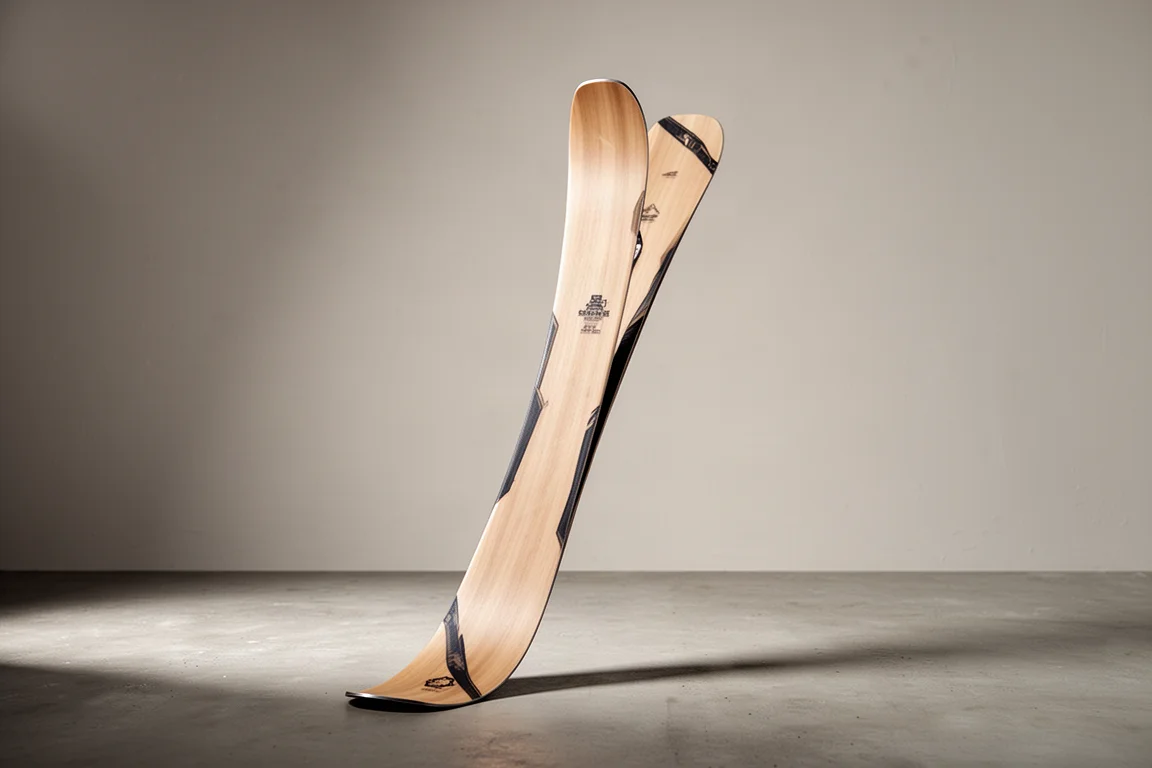
The Ranger 84 is another simple, unchanged model: poplar wood core, no shaped Ti, 1,875 grams in a 181, and $624.99. It slots into the first-time-buyer group with a bit more overall stability, making it a good pick for bigger skiers or those who ski a little faster, since it is round and supportive without being a stiff flexing ski.
Good tip rocker and subtle early taper give it enormous control and forgiveness: pivoty and steerable on a flat edge angle, stronger as you engage the wider extremities on edge. Test feedback over the years has summed it up perfectly: it does every single thing you ask and not one thing more. That is a very valuable quality for a lot of skiers.
View more details for Fischer Ranger 84
Salomon Stance 84
The Stance 84 is one of the most under-the-radar good skis in this whole category, arguably close to a best-seller if it were marketed differently. Construction is a poplar wood core with a light mix of Titanol and carbon, hybrid sidewall-to-cap construction that adds mobility, and a well-rounded rocker profile that makes the ski feel easy and intuitive almost everywhere.
It now comes only with a system binding, which removes some binding choice and nudges the price to $749.95 with bindings. That aside, the blend of easy turn engagement, solid underfoot support, and snappy release is exceptional, and it has handled genuinely big off-piste terrain well. On snow, it skis shorter than its listed 18-meter radius, feeling closer to 16.
Head Discovery 86 Pro
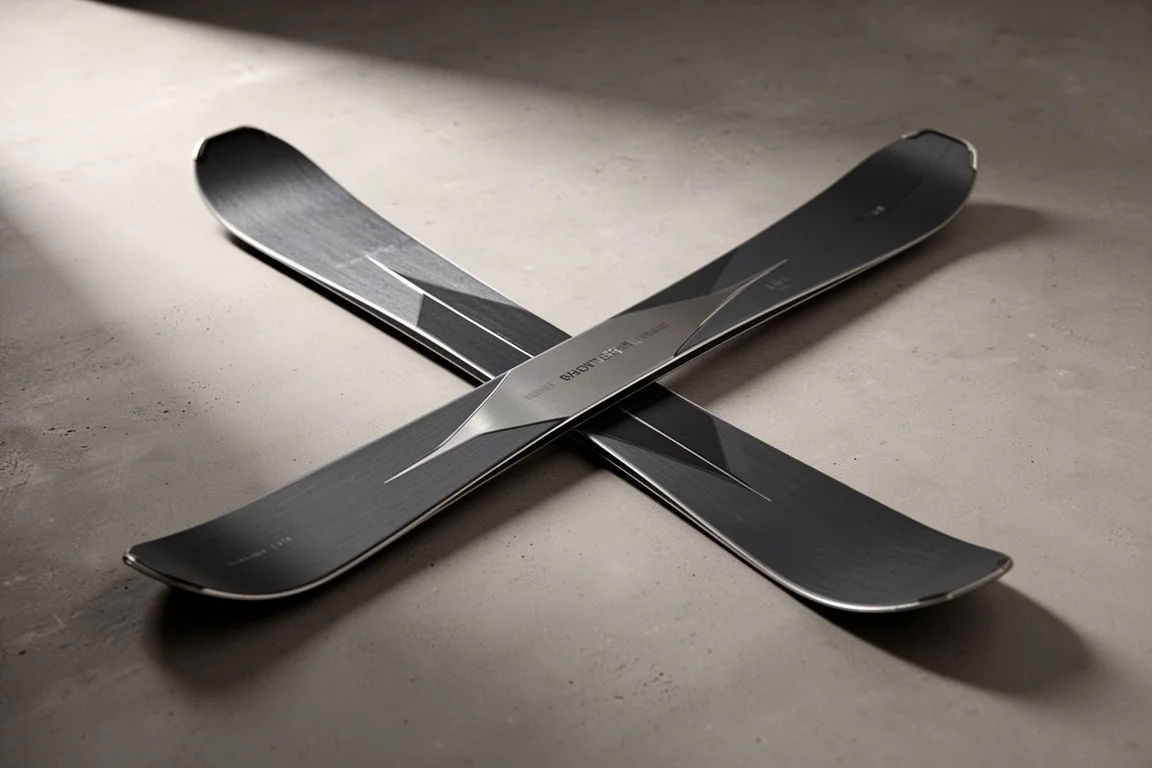
The Discovery 86 Pro is one of the most interesting new entries here, sitting just 2 mm narrower than Head’s supershaped Titan but built as a versatile, more forgiving front-side ski. The headline tech is auxetic material, a metallic grid structure that becomes stronger the harder you push on it, paired with a poplar wood core with graphene. The result is an extremely intuitive ski that is rewarding without punishing you.
It comes with a protector binding and just over 3,000 grams on the scale in a 177, at $899.99. Tip rocker aids easy, intuitive turn initiation, the tail is essentially flat for carving grip, and it is not stiff enough to punish you in bumps. It will break free on the very firmest, steepest hip-drag turns, but it is hard to find a limit in normal skiing, and it replaces the old Shape V10 with something far better.
Dynastar M-Cross 82
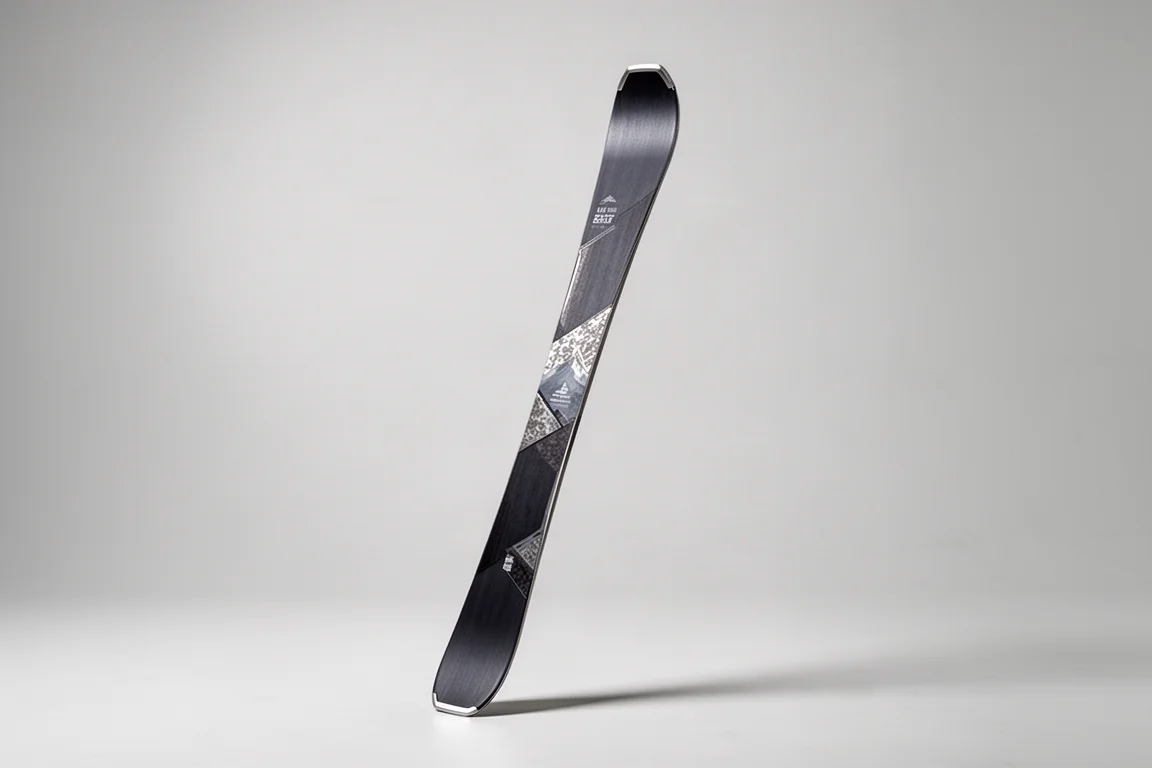
The M-Cross 82 is the definition of a ski that outperforms expectations. People get on it with no expectations and come away surprised by how much energy it offers. It is unchanged for this year, with a hybrid core, metal underfoot, a thicker wood core underfoot than the M-Cross 88, and a stiff, wood-heavy flex that delivers a ton of rebound.
It weighs 1,750 grams in a 176 and carries a 14-meter radius with a huge amount of high, stiff camber. The freeride-looking shovel makes initiation easy before you hit the power band. At $599.95, it is one of the best performance-per-dollar picks here, and despite the stiffness it is mobile enough in the tip to stay controllable in bumps.
Nordica Steadfast 85
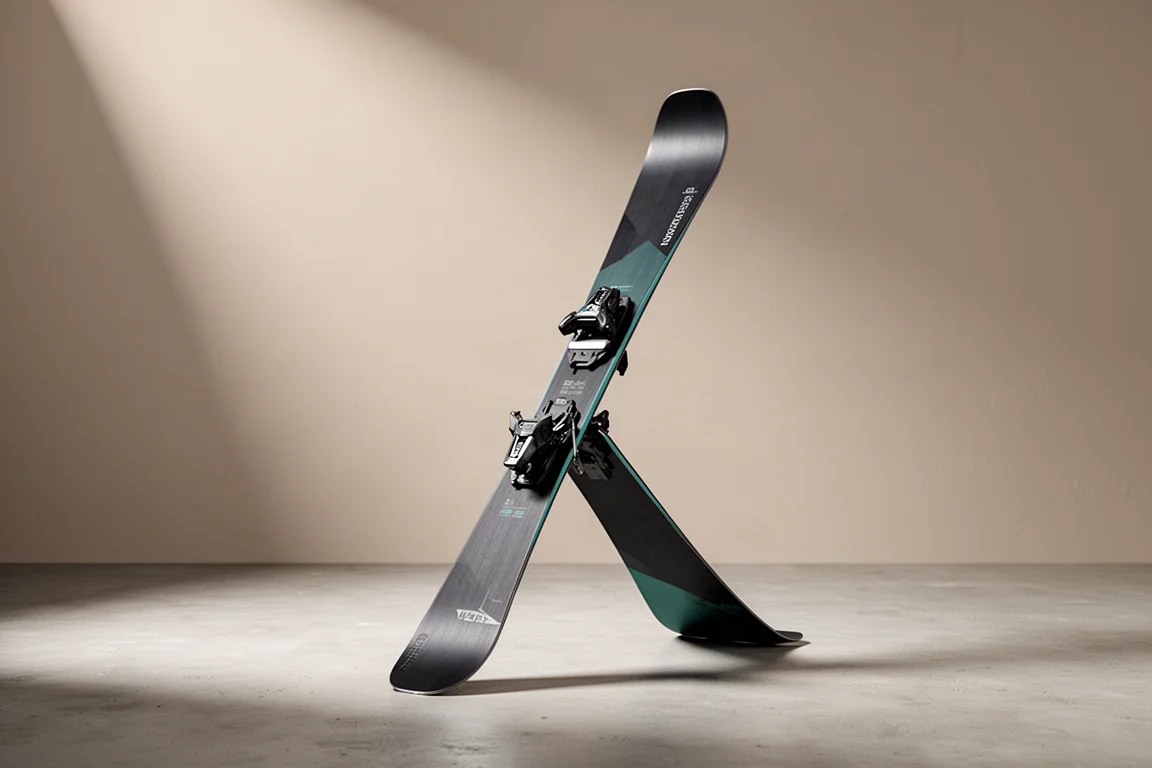
The Steadfast 85 is more true front-side dedicated performance than anything above it here, and its defining trait is a planted, serious feel. Nordica’s double-core construction stacks two wood cores with a sheet of metal in between, producing an incredibly quiet, smooth, damp ride. At 3,350 grams with the binding and $849.99, you feel where the weight and money go.
It is among the stiffest skis here, with barely any tip rocker, high camber, and a rounded flat tail, so it links carved turns with remarkable ease and offers energy and snap at the end of every arc. If you want skis that stay on the snow, it is forgiving; if you want short quick turns or off-piste time, it is more demanding. Some of the most enjoyable carve turns we have experienced have been on this ski.
Elan Wingman 86 Black Edition
The Wingman 86 Black Edition shares its mold and shape with the 86Ti but adds carbon tubes and a unidirectional carbon strip on top of the same wood core, raising the floor of the performance rather than the ceiling. It is more precise and responsive, a touch twitchier at the initial energy phase, and it comes flat or with a system binding, though flat with an alpine binding is the way to go.
It carries Amphibio asymmetry with more carbon on the inside edge of the downhill ski, has a flatter tail than even the Steadfast, and produces an extremely strong rebound. At 2,940 grams with a binding and $849.99 flat, it is nearly 500 grams lighter than the Steadfast while remaining an undeniably superior carver in this width. Heavier skiers tend to adapt to the carbon feel most easily.
View more details for Elan Wingman 86 Black Edition
Salomon Stance Pro 86
The Stance Pro 86 is a capable ski that sits slightly lost in Salomon’s crowded Stance lineup. It uses a poplar wood core with a partial metal laminate underfoot, and it feels closer to a narrow Stance 90 or 96 than to the versatile Stance 84: stiffer, less shapely, more groomer-focused, with tip rocker aimed at carving initiation rather than versatility.
At $699.95, it lands directly next to the Anomaly 84 and Arcade 84, and it is genuinely hard to argue for it over those two. It is perfectly capable, but within this category it does not carve cleanly enough or offer enough off-piste strength to clearly justify its slot.
View more details for Salomon Stance Pro 86
Salomon Stance Pro 82
The Stance Pro 82 shares the same construction but makes more sense, especially for front-side oriented skiers. At 1,710 grams in a 185 and $50 less than the 86, it feels more composed in a carved turn and on firm groomed surfaces without giving up much off-piste capability beyond 4 mm of width.
The narrower width makes it easier to smear and surface around, and skier feedback on this one is consistently stronger. If you want around-80 skis that carve well with some versatility outside that, this is the more useful use case, even if it still feels a bit floaty in terms of what it is supposed to be.
Völkl Paragon V.Werks
The Paragon V.Werks, identical in construction lineage to the Deacon V.Werks, sits at $1,699.99 with a binding, a price tier of its own. Völkl loads it with everything: Titan frame, tailored carbon tips, 3D glass, 3D ridge, and a lightweight wood core, and the craftsmanship shows on snow in an incredibly precise, reactive ski.
It is not tremendously powerful; Mantra 84 offers more. Instead, it rewards technical skiers who love turn-shape variation, edge angles, and biomechanics. At 2,850 grams with a binding, the lightness makes it impressively mobile, though it can border twitchy and demands engagement. The nearly flat profile with long but minimal-splay rocker expands turn-shape versatility more than terrain versatility.
Kästle Sublime 83
The Sublime 83 heads an all-new model line meant to be a friendlier version of Kästle’s MX: think tuned performance sedan rather than supercar. It uses twin core technology with a poplar and beech blend, two sheets of metal, and Hollowtech, weighing 1,792 grams in a 177 with a 16.3-meter radius, at $849.99.
Compared to the MX, the tail carries more curvature and roundness, making it more amenable to varied turn styles. It is super quick edge to edge, smooth and damp yet energetic, and highly intuitive. If you had to own only one ski between the Sublime 83 and the MX84, this is the easier one to live with every day, which for most skiers makes it the better answer.
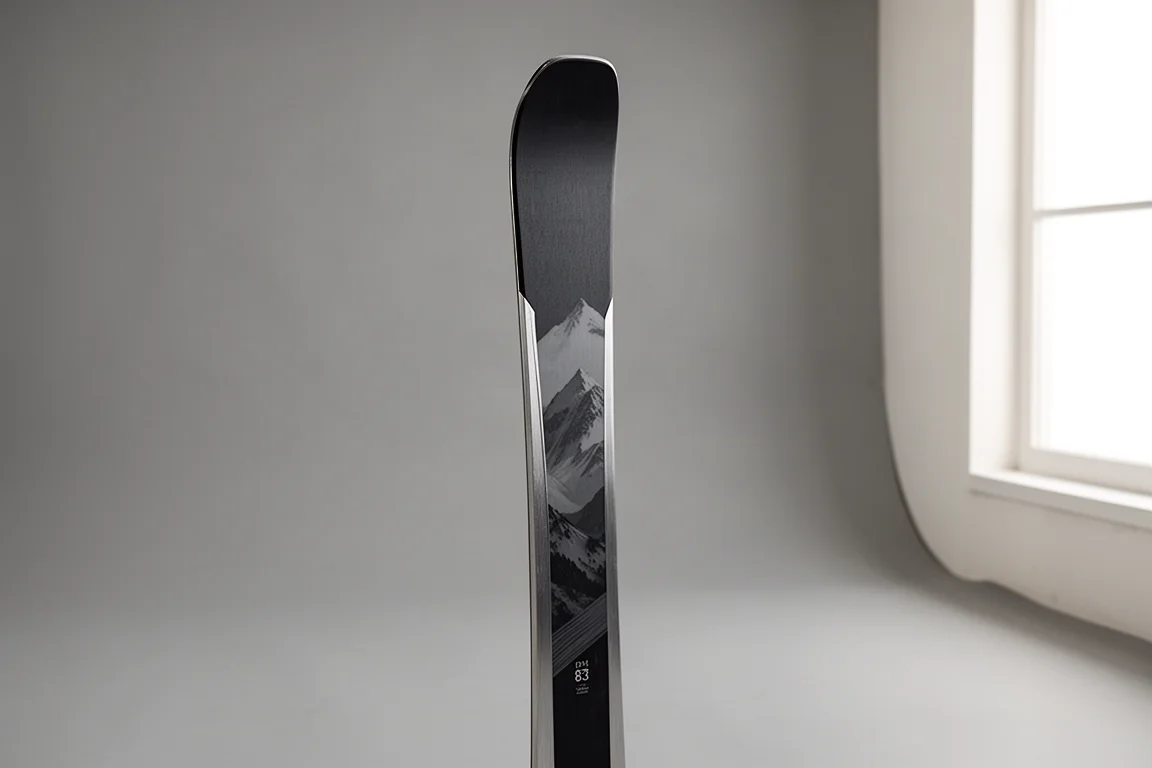
Stöckli Montero AR
The Montero AR costs $1,649 flat, essentially Paragon V.Werks money without a binding, and it might just be the best all-mountain ski full stop, with the usual caveat that “objectively best” always depends on the skier. Beech and poplar wood core, two sheets of Titanal, and tip and tail flex slits moved into the lower metal sheet give it a slightly higher ceiling at speed than the previous generation.
It is a touch over 2,000 grams, quite stiff but not planky, and its shape is front-side oriented in a wider body: minimal tip and tail rocker, lots of camber, 17.3-meter radius in an 84. The turns it makes are beautiful and unlike anything else in feel, largely thanks to Stöckli’s flex control and damping. It is smooth enough that you can cruise on it, it handles bumps and trail edges well, and the only complaint is the price, plus the binding you still have to buy.
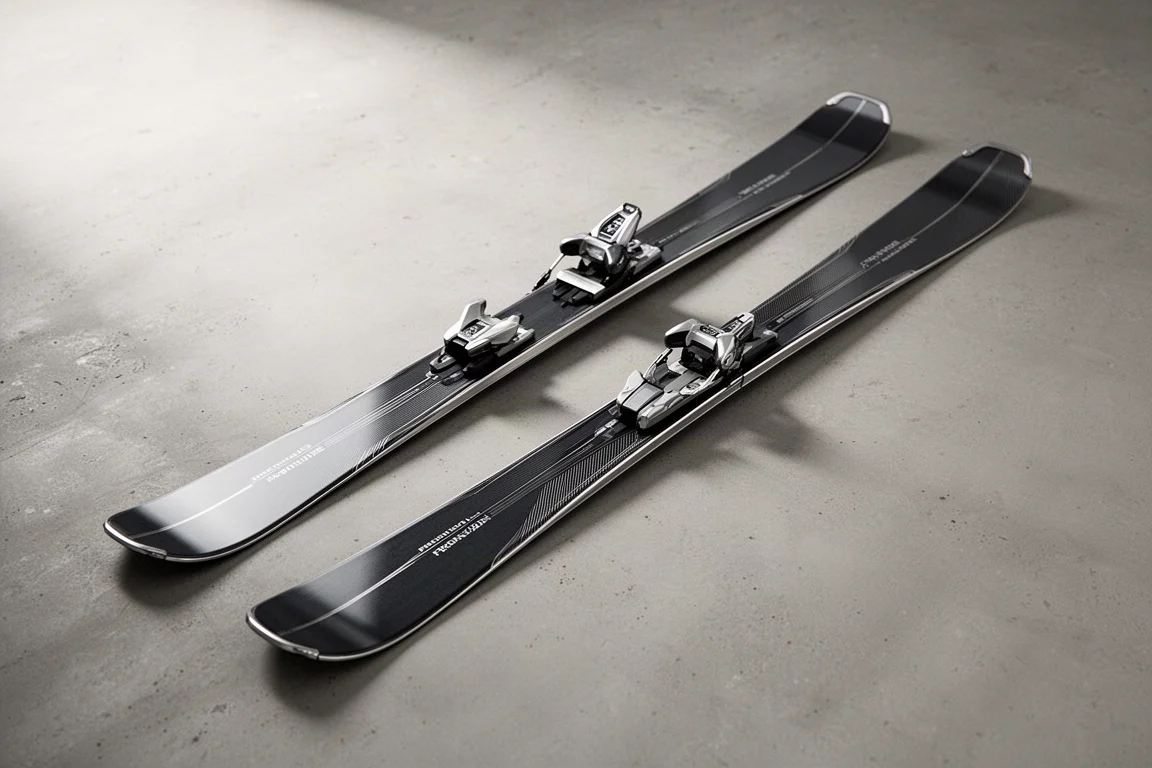
Blizzard Anomaly 84
The Anomaly 84 might have the best blend of high-end performance attributes on this entire list, going from a beautifully carved turn to real off-piste ability in a way almost nothing else here matches. The TrueBlend wood core with poplar and beech plus the Fluxform metal configuration, an upper sheet divided into a central strip and outer wings, creates serious edge connection with enough torsional stiffness to stay manageable in bumps and trees.
At $699.99, it is a smoking deal next to the premium skis around it. Plenty of tip splay keeps it up in softer snow and hooks up hard on firm snow, and the tail has subtle rounded taper and modest rocker for easier releases. It is stiff but not too stiff, slightly softer than the Montero, and it only gets slightly bouncy in broken, narrow bump snow where a wider ski would track better.
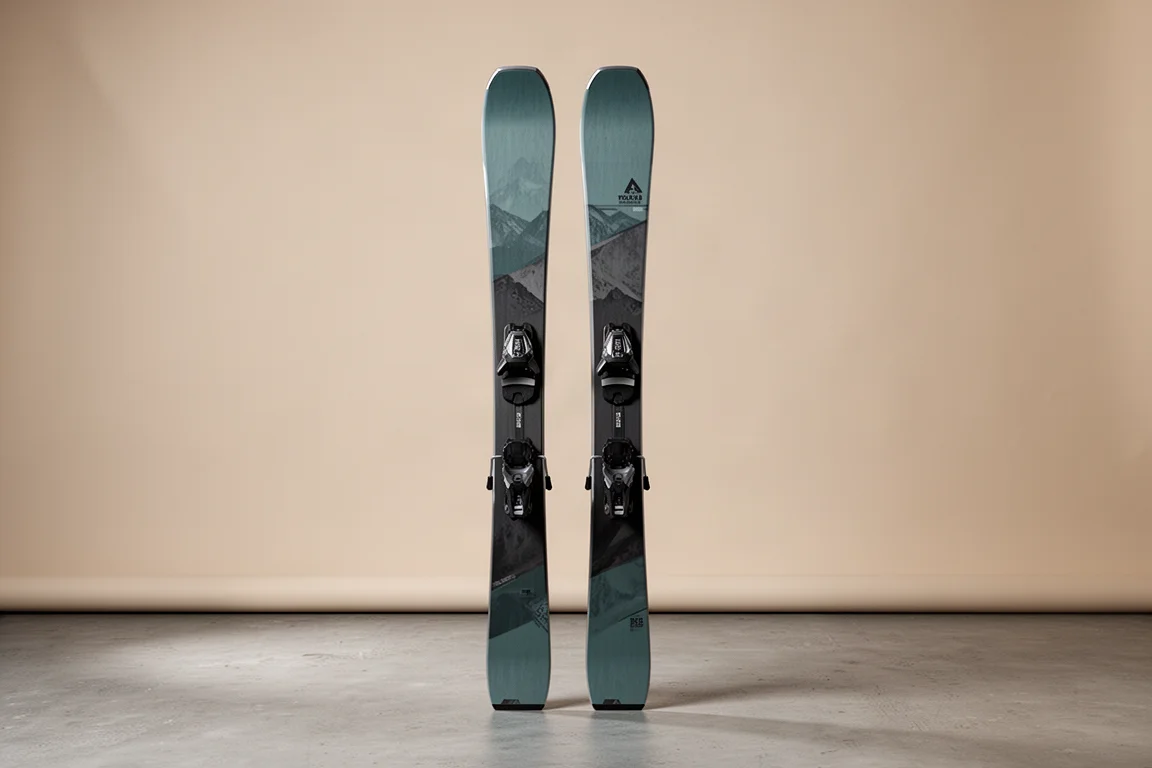
Rossignol Arcade 84
The Arcade 84 is the classic ski whose demand depends entirely on where you ski it. On a groomer, it is intuitive, easy to stay on top of, and not fatiguing. Off-piste, in bumps, or in soft snow, it becomes a handful, which is why it sits to the demanding side of the Anomaly despite the identical $699.95 price.
The build is a poplar wood core with a partial metal sheet underfoot, ABS Line Control, and a vibration absorption system in the shovel. It is a woody, stiff-flexing ski with huge camber height, tip and tail rocker that improves carving feel rather than versatility, and no early taper, so it is full width to the end of a 15-meter radius. If you spend most of your time on groomers and want distinctly responsive, clean, crisp carving, this is a top pick, and people with race backgrounds love it.
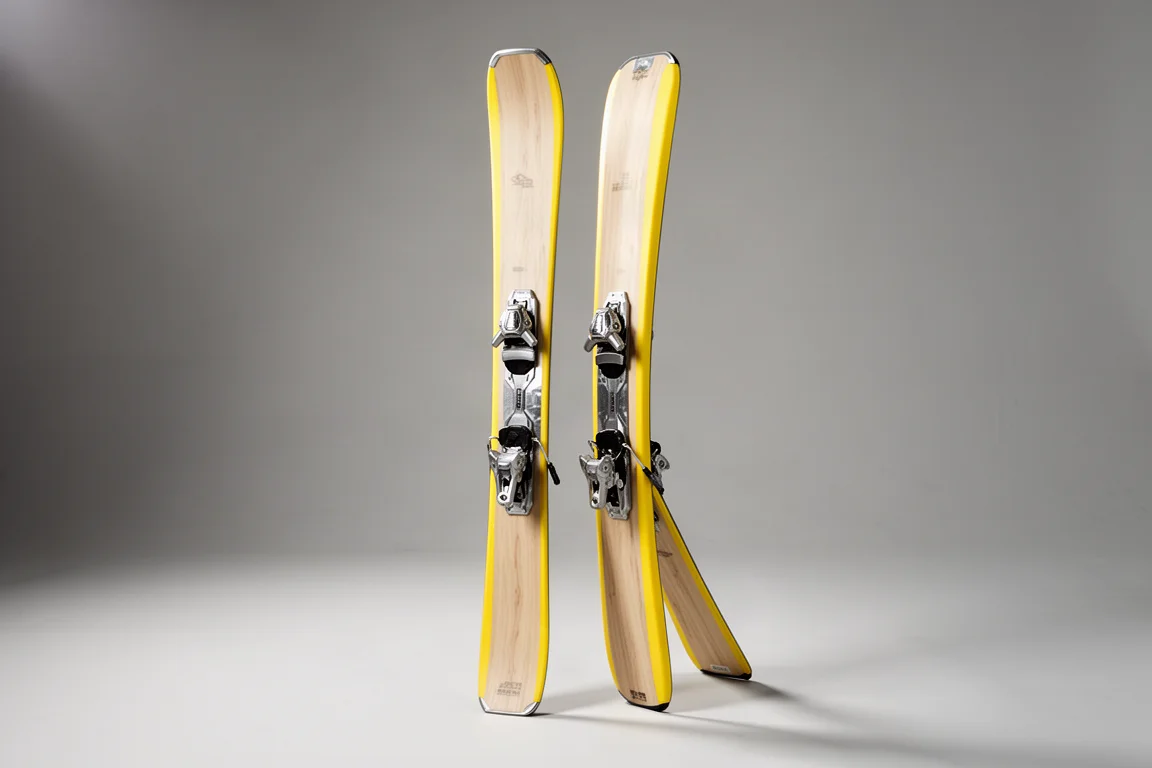
Armada Antimatter 82
The Antimatter 82 is, for all intents and purposes, the former Declivity 82 Ti, unchanged structurally apart from the name and graphics. It is one of the few skis in the low-to-mid 80s with an extra off-piste gear, though it leans more carving than the Anomaly thanks to a slightly stiffer flex. The poplar wood core uses articulated Titanal banding, with metal cut from the shovel and replaced with elastomer to fine-tune torsional flex.
At 1,848 grams and $749.95, light plus stiff equals reactive. It has enormous camber, minimal rocker, and a true tip-to-tail effective edge, so it is highly connected to the snow and produces massive rebound, but you have to wrangle it: flex the front of your boot and engage the tip, or it wants to run straight. Very skier driven, quick edge to edge in bumps, and best for strong technical skiers.
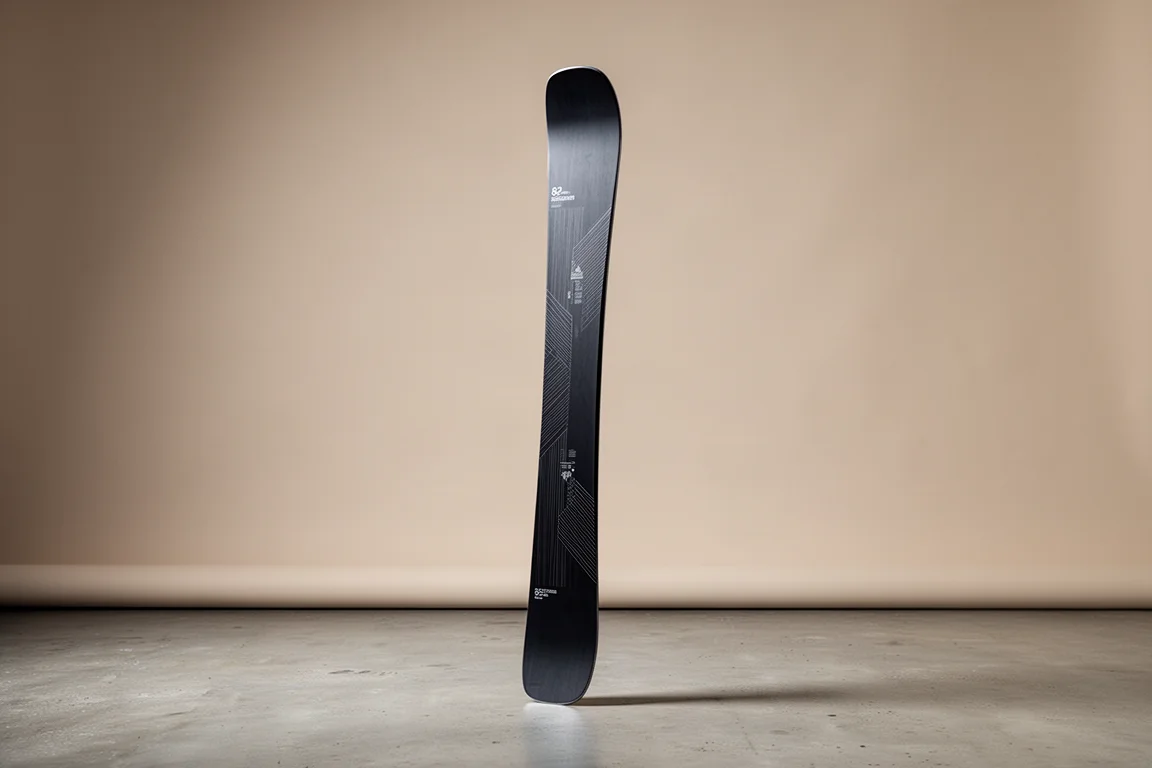
Völkl Mantra 84
Adding an 84 to the Mantra collection may be one of the best decisions Völkl has made, and the width actually enhances the line’s signature feel. The construction is shared across the Mantra family: poplar and beech wood core, tailored Titanal frame, metal underfoot, tailored carbon tips, and a three-radius sidecut with German engineering precision throughout. At around 1,900 grams and $749, it feels like a steal in this company.
It is stiff but far softer than the Antimatter 82, with some roundness to the flex. The super-long, low-splay tip and tail rocker plus almost-flat camber give you enormous control over turn shape: let it run for 25-meter arcs or get forward and find the 16-meter underfoot radius. It wants to find the bottom of the snow and dig into firm surfaces, it is rewarding in bumps for skiers with good technique, and it is one of the standard-setting carving all-mountain skis.
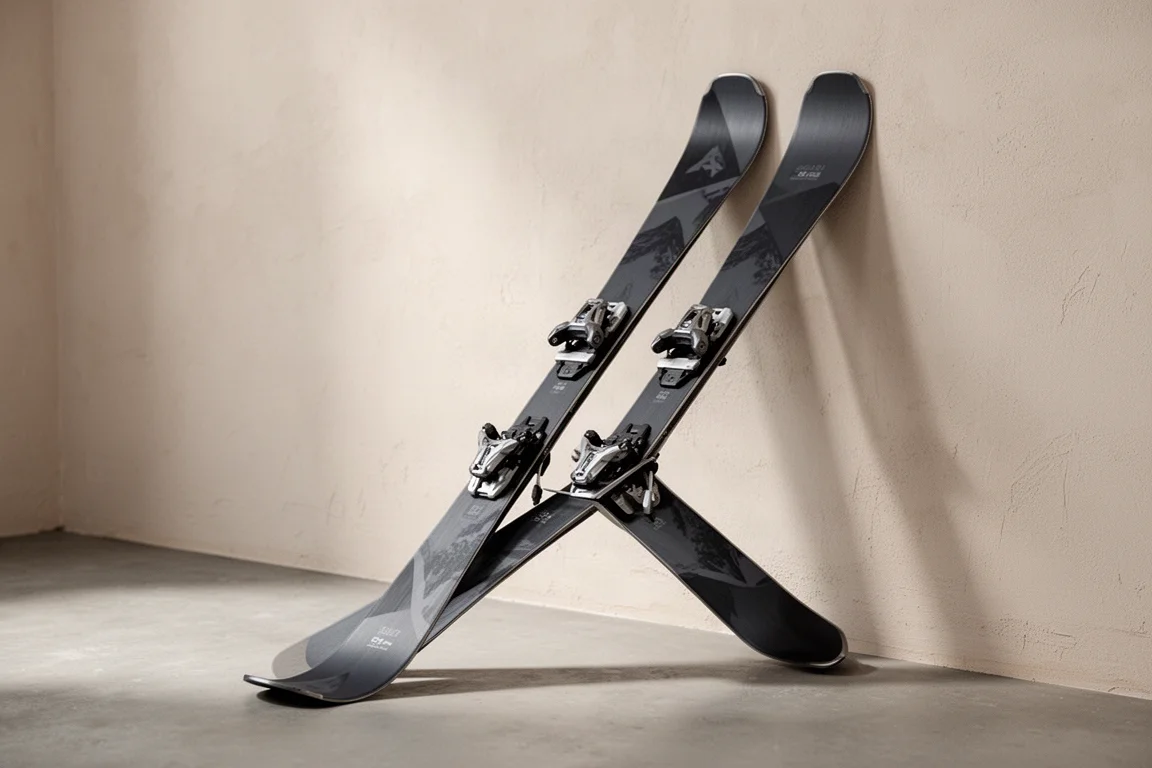
Kästle MX84
The MX84 carries forward with Kästle’s Upinn technology, impossibly thin stringers of poplar and beech paired with two sheets of metal, now at $1,149.99 flat. What you are paying for is materials and construction quality, and the 2,240-gram 183 shows it: a supercharged, race-like ski with tons of energy.
The saving grace for approachability is the Hollowtech zone up front, which adds a little flex ahead of the fully locked-in rear of the ski. Behind that, it is essentially a wide race ski. The thick, chunky aluminum-reinforced tail does not flex at all and wants to ride the turn to the end, unlike the rounder Sublime tail. This is a former-racer retirement ski: incredibly fun, lots of work, and honest about demanding a matching skill set.
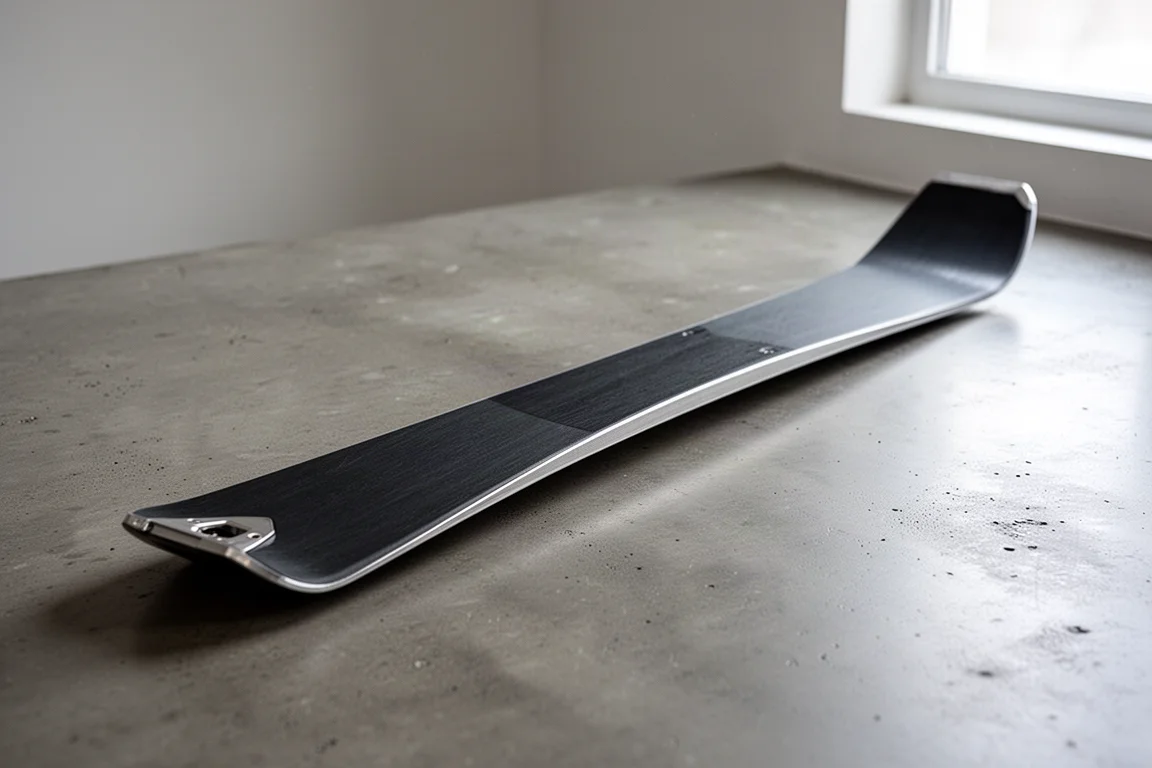
Stöckli Montero AR Pro
The new Montero AR Pro tops the list at $1,799 without a binding, and plenty of people are excited for good reason. Stöckli turned the second metal sheet into the topsheet via its Titec method, swapped tip and tail flex for Flex Torsion Control, added a full race sidewall and race base, and saved about 50 grams versus the standard AR by dropping the topsheet material.
The result is punishingly stiff, especially through the meat of the ski, and it removes the cruising ease of the standard AR. It wants firm snow, a stiff boot, and 100 percent of your strength pushed into the tip at speed. If you ski the AR and want more, this is for you; if you buy it before you are ready, you will simply work into it rather than feel the immediate comfort of the AR. For those it fits, it is remarkable, and it comes flat for full binding customization.
Overall Buying Advice
Two picks emerged with an unlimited budget: the Stöckli Montero AR, for its unmatched smoothness and versatility at the top end. With a normal skier’s budget, the conversation gets much more interesting. The Blizzard Anomaly 84 stands out for overall performance and versatility per dollar, with the Dynastar M-Cross 82 close behind as a value surprise.
For carving-focused skiers, the Elan Wingman 86Ti at $649.99 deserves a serious look because of how good it makes ordinary skiers feel, and the Nordica Steadfast 85 is a favorite for those who want a more planted, front-side dedicated feel. If you are a first-time ski buyer coming out of rentals, the K2 Mindbender 85, Elan Ripstick 84, Fischer Ranger 84, and Salomon Stance 84 are all safe, approachable, well-priced choices.
The key lesson in this category: do not assume the priciest or most aggressively built ski is the better one for you. Intended terrain, your own skiing style, and honest ability level should flip these rankings from skier to skier, and several of the most affordable models here deliver more usable performance than skis costing twice as much.
Conclusion
The mid-80 all-mountain category rewards skiers who match the ski to their real skiing rather than to a spec sheet. From the forgiving, soft-snow-friendly Maverick 86C to the uncompromising Montero AR Pro, every ski here has a clear identity. Find yours, and this width range can genuinely be the one-ski quiver so many skiers are looking for.
Further reading
Related Reviews
Ski Reviews
Armada Antimatter 108 Review: A Freeride Ski Built for Speed and Deeper Snow
The Armada Antimatter 108 carries over the beloved Declivity X 108 shape with new construction that adds compliance in soft snow and composure in crud, aimed squarely at strong, aggressive skiers.
Ski Reviews
Armada Antimatter 92 vs Invictus 92: Two All-Mountain Skis Compared
A closer look at two Armada all-mountain skis, one playful and nimble, the other composed and smooth, to help you pick the right one for your skiing.
Ski Reviews
Armada Antimatter 92W Review: A Smoother Take on a Proven All-Mountain Footprint
The Antimatter 92W keeps the trusted Reliance 92Ti footprint but softens the ride with a new metal construction, making it more versatile in softer snow without losing on-trail grip.