Running Gear
Best Marathon Gear: 15 Tried-and-Tested Picks Beyond Shoes
From chafe-free shorts and lucky socks to carb pouches and packable jackets, these marathon essentials have been raced across dozens of 42.2K efforts.
Introduction
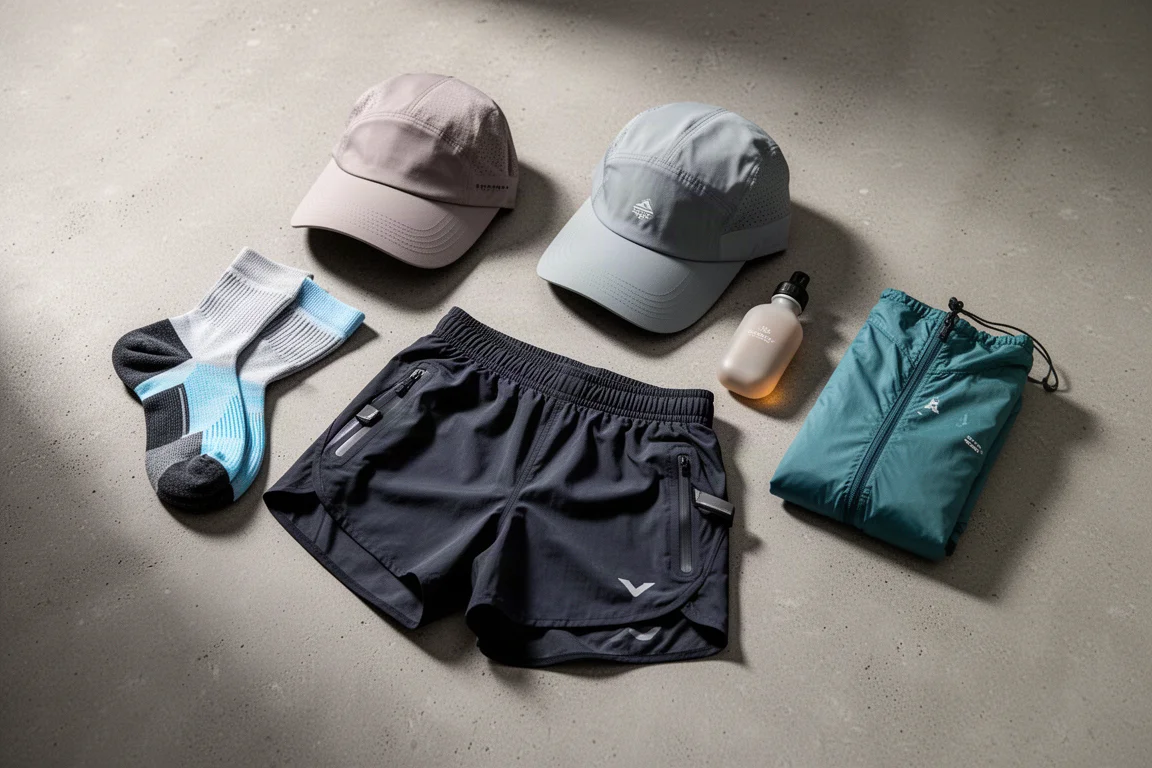
Marathon kit is deeply personal, but the best pieces share a few traits: they never chafe, they carry what you need without bouncing, and they hold up over years of training and racing. This roundup focuses on gear beyond shoes, with clothing, storage, fueling, and audio picks that have been tested across dozens of marathons, from Barcelona to New York.
What Makes a Good Marathon Essential
A few simple criteria run through every pick here. Comfort over 42.2 kilometers matters more than any spec sheet, so chafe-free fabrics and balanced weight come first. Storage matters too: most runners need somewhere to put gels, a phone, and keys without resorting to a bulky vest. Finally, fueling and hydration gear needs to be easy to use on the move, because anything that interrupts your rhythm late in the race becomes a problem.
Socks: Stance Run Crew
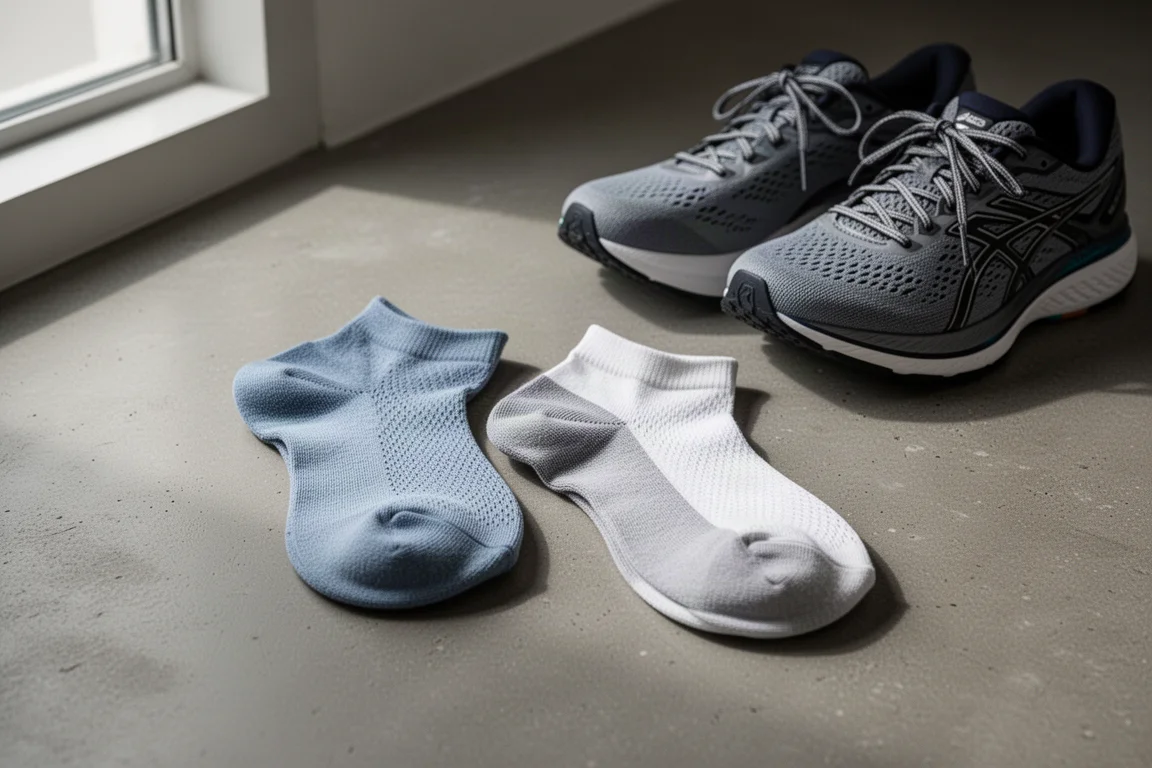
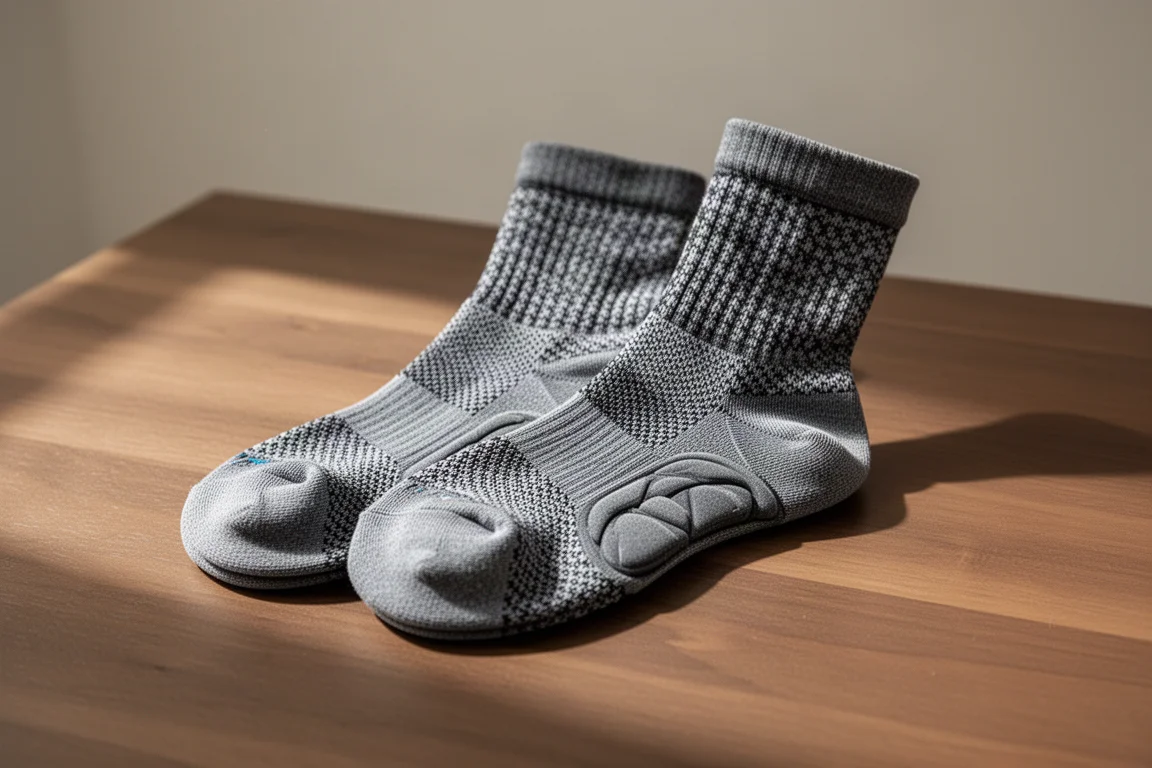
Socks seem simple, but the wrong pair can ruin a race. Too thick and your feet overheat; too thin and the shoe can rub. The Stance Run Crew socks hit a comfortable middle ground, with solid padding where you need it without feeling chunky or hot. They come in a huge range of designs, from plain gray and black to fun novelty patterns, which adds a bit of occasion to race day. At 16.99 to start, they are not the cheapest socks, but a single pair has lasted two years of regular training and multiple marathons, which makes them a solid long-term investment.
Sun Protection: On Lightweight Running Cap
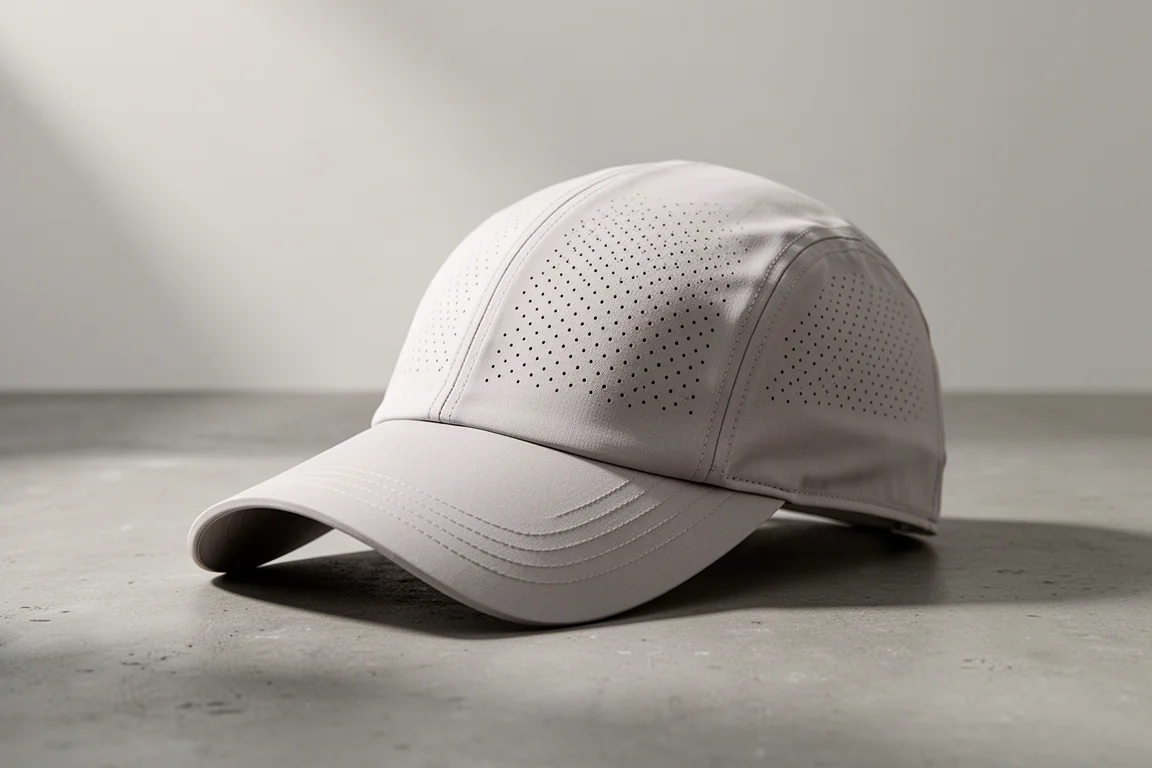
Race-day weather can change fast, and a cap you actually like wearing is worth having ready. The On Lightweight Running Cap is a favorite because it keeps things simple: laser perforations on top for breathability, a very light build, and fast-drying fabric that handles a rinse under the tap after a sweaty run. Many running caps feel heavier than this one, and it looks sharp too. At 30 pounds it is not an every-run necessity, but it is a good piece to keep in the rotation for sunny race days.
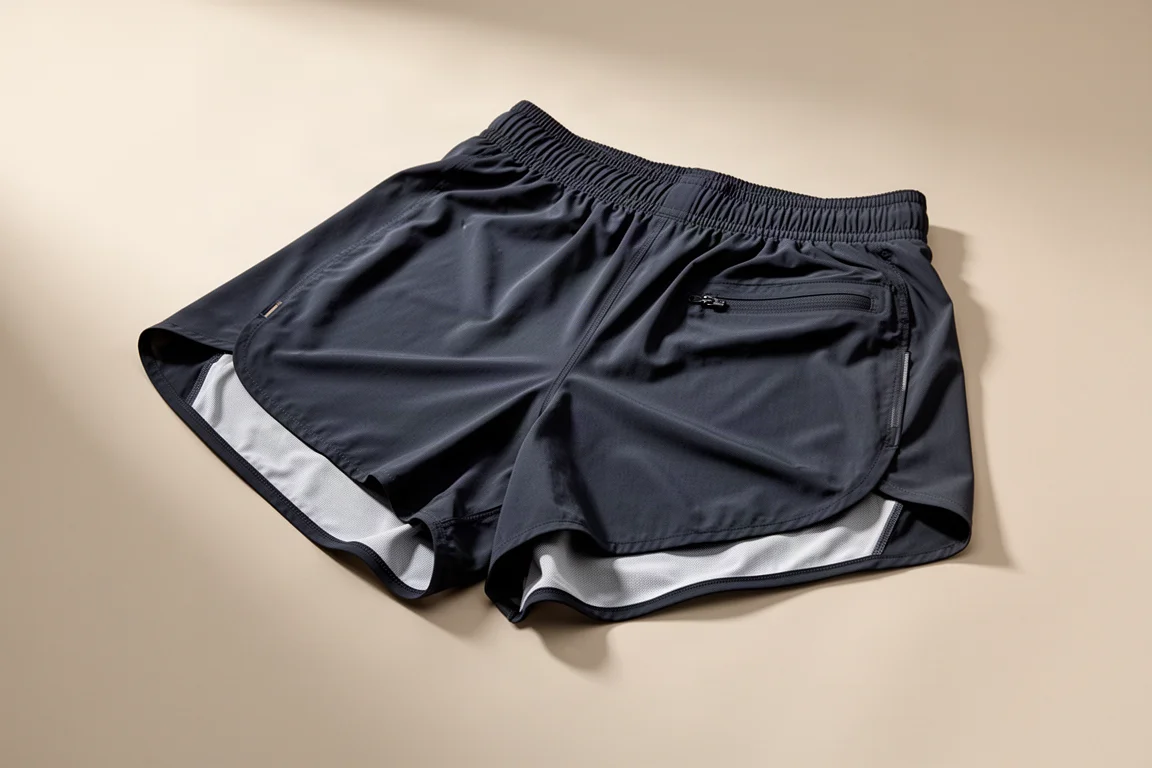
Race-Day Shorts: Soar Three Season
These are among the lightest shorts you can buy, with laser perforations for airflow and a genuinely thin inner liner that does an excellent job of preventing chafing. Unlike some lined shorts where the inner layer feels thick and sweaty, the liner here is so light you forget it exists, and it holds up well over years of use. They also offer a longer cut than typical racing shorts, which suits runners who prefer a bit more coverage. The back zip pocket is small, holding two or three gels, which pairs nicely with a belt for separating caffeine and non-caffeine fuel. At 95 pounds they are an investment, but pairs have stayed in near-pristine condition for three years or more.
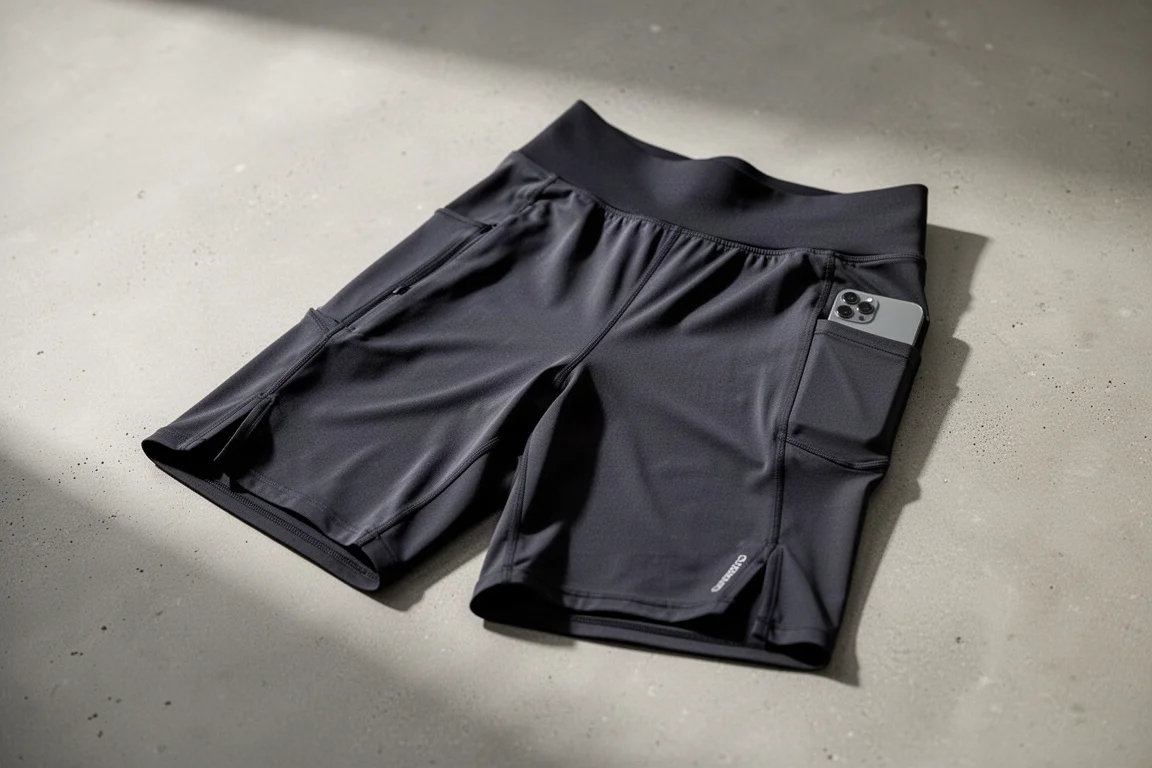
Shorts That Carry Everything: Lululemon Fast and Free
For runners who want maximum storage without a vest or backpack, the Lululemon Fast and Free running shorts are hard to beat. Worn across three marathons, they offer a cycling-short style fit that does not slip, budge, or chafe, with a big back pocket for a phone, drop-in pockets, and leg pockets for gels. The only downside is aesthetic: once you load them up with a phone and gels, you look a bit like a pack horse. On race day, that hardly matters. Note that they may have been discontinued, so availability could be limited.

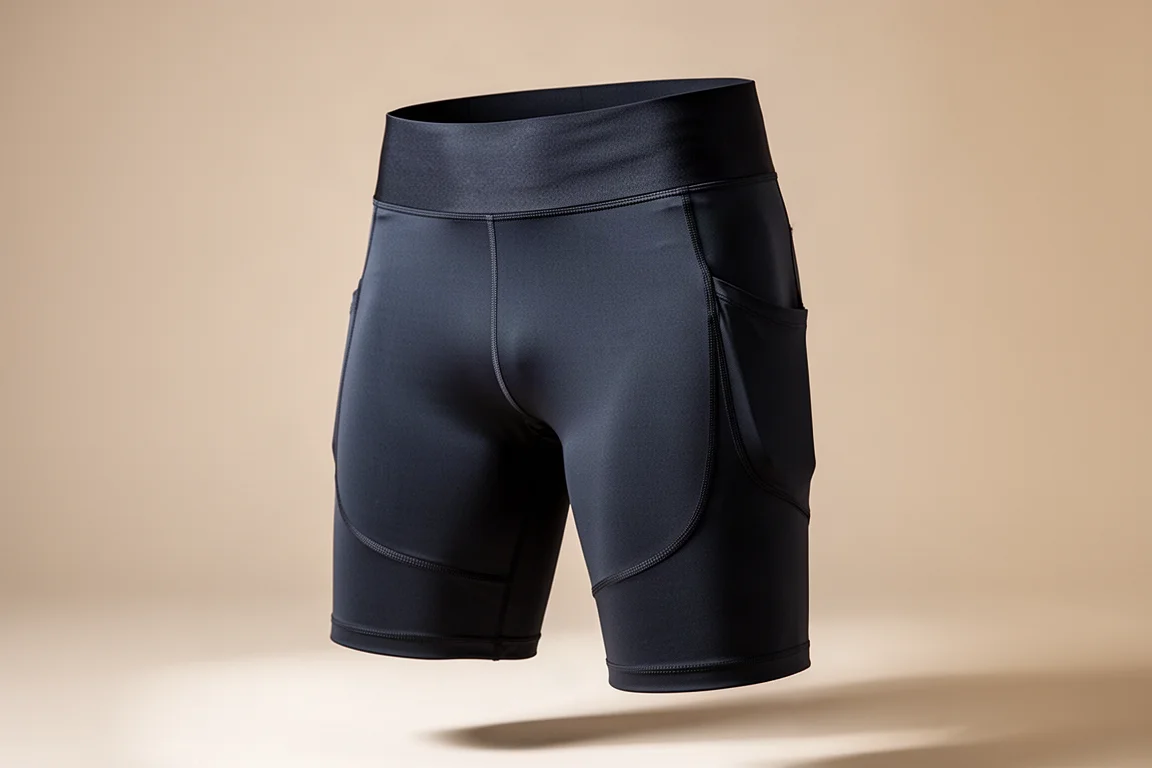
Close-Fit Alternative: On Running Sprinter Shorts
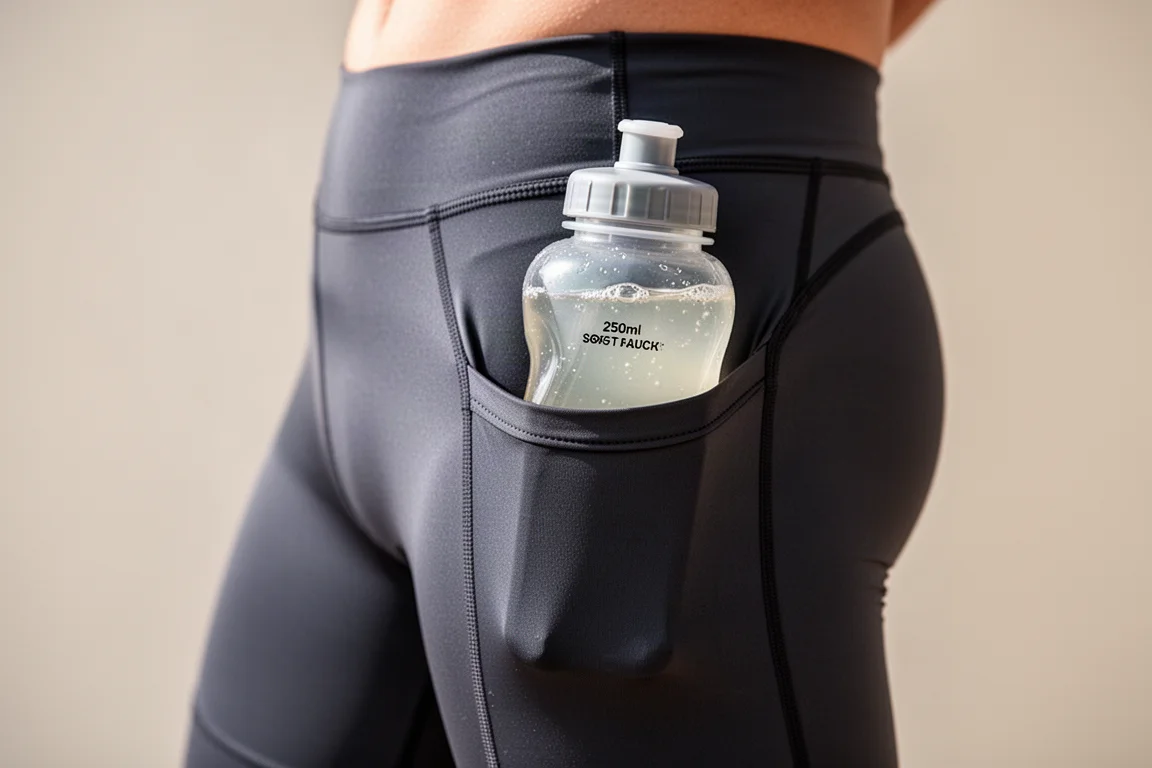
If you prefer a close-fitting short with serious storage, the On Running Sprinter shorts offer excellent value. They have a cycling-short style fit with storage distributed around the waist, and the side pockets can even hold soft flasks, which pairs neatly with the Decathlon flask below. They are comfortable, chafe-free, and let you carry everything you need without thinking about it.
Running Bras: Runderwear and Tracksmith
Getting this wrong is not an option over a marathon, so two options cover different preferences. If you would rather wear a bra under your race vest, the Runderwear Original Running Bra is an excellent long-term choice. The current version 5 costs 45 pounds, has proven durable over years of use, causes no chafing, and is easy to get in and out of at the finish, with no wrestling out of it after the race.
If you are confident in a crop and want built-in storage, the Tracksmith Allston Pocket Bra is a strong race-day option. It has front storage for extra gels or a phone, feels soft, fits nicely, and comes in plenty of colors. It is slightly less supportive, so it suits smaller chest sizes better for a one-off race than for daily training.
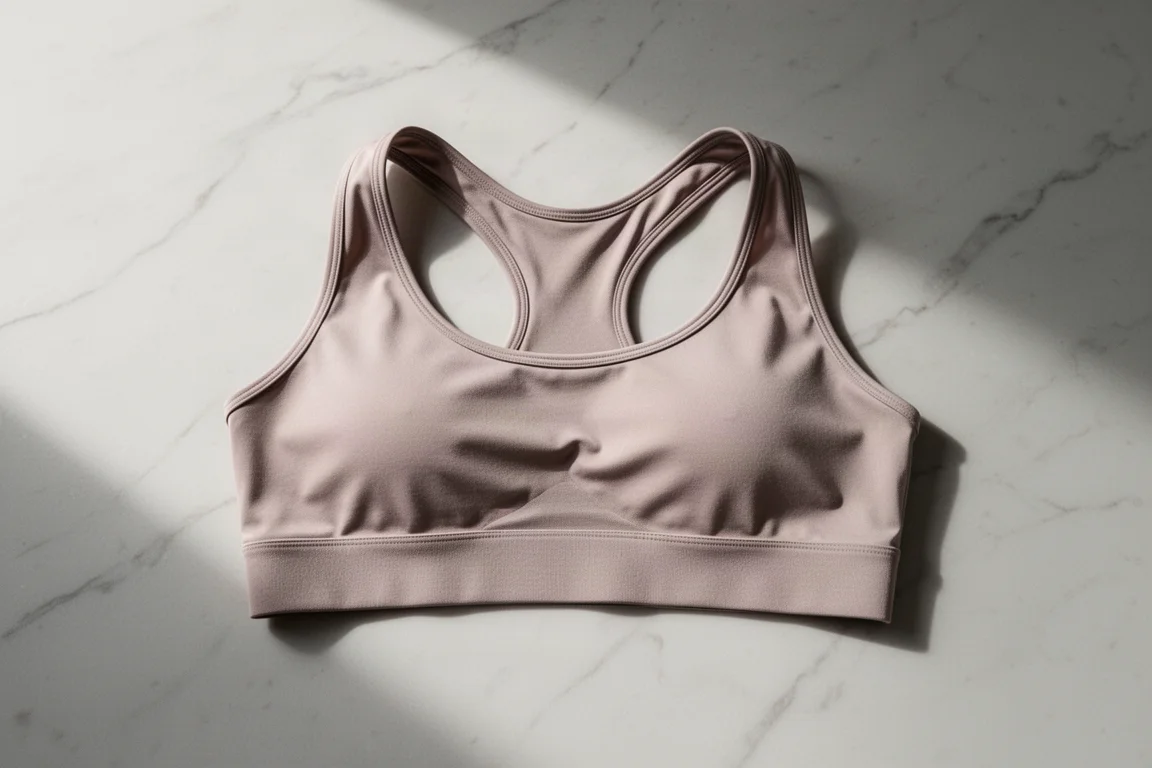
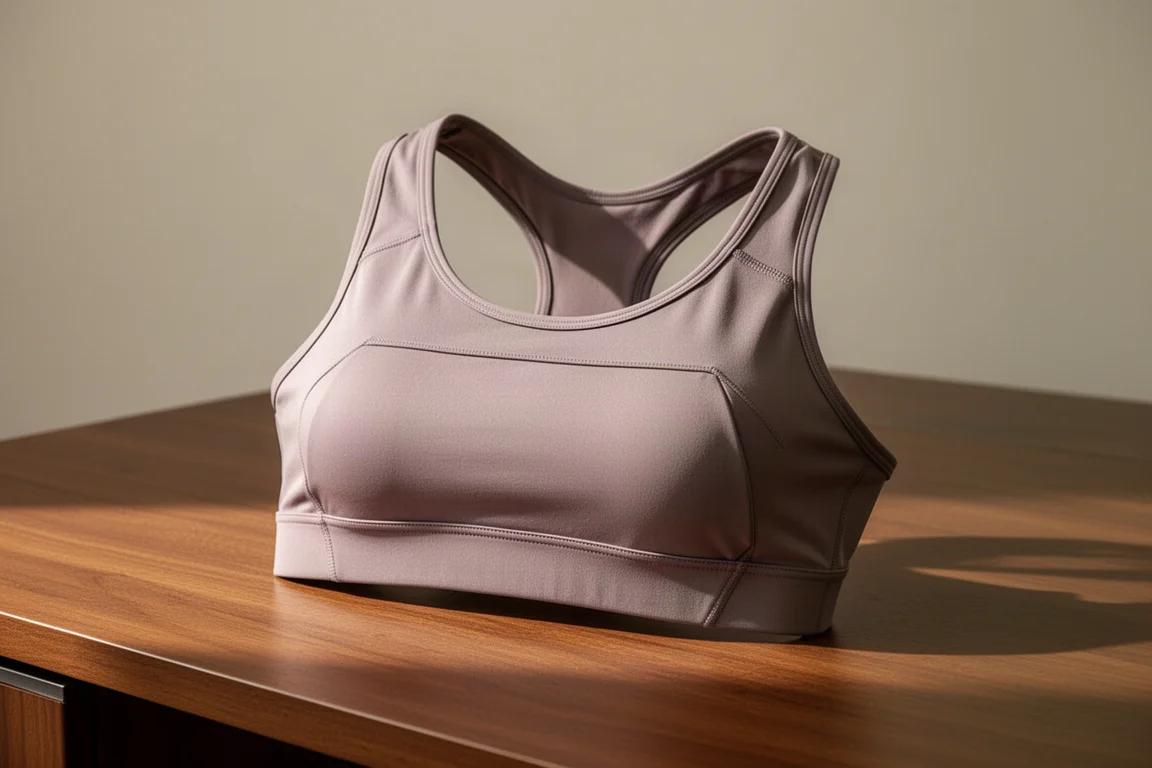
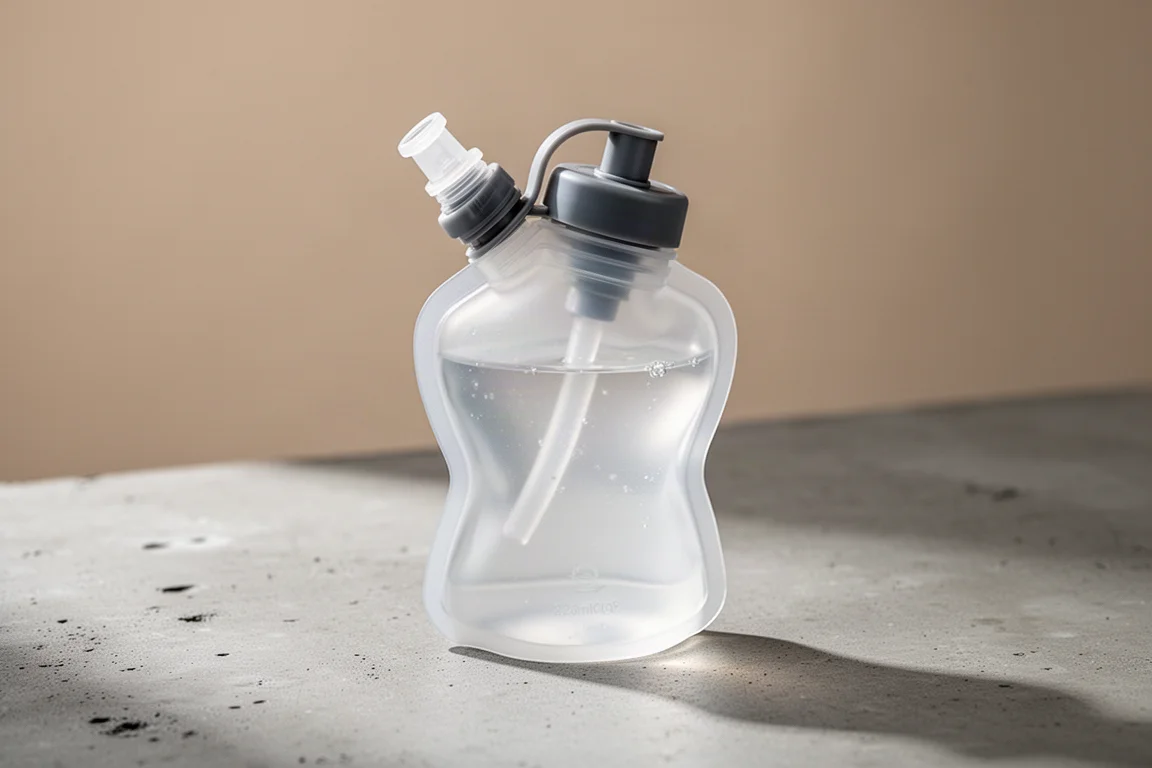
Hydration on the Go: Decathlon Kiprun Soft Flask 250ml
A 250ml soft flask is a small addition that makes a real difference, especially for sipping an electrolyte or carb drink steadily through the race instead of relying solely on gels. The Decathlon Kiprun soft flask costs around 10 pounds, fits neatly in the side pockets of the On Sprinter shorts, and has a twist on-off valve you can operate with your teeth, so you avoid accidental sprays. It is also a good option if you want to reduce gel wrapper waste.
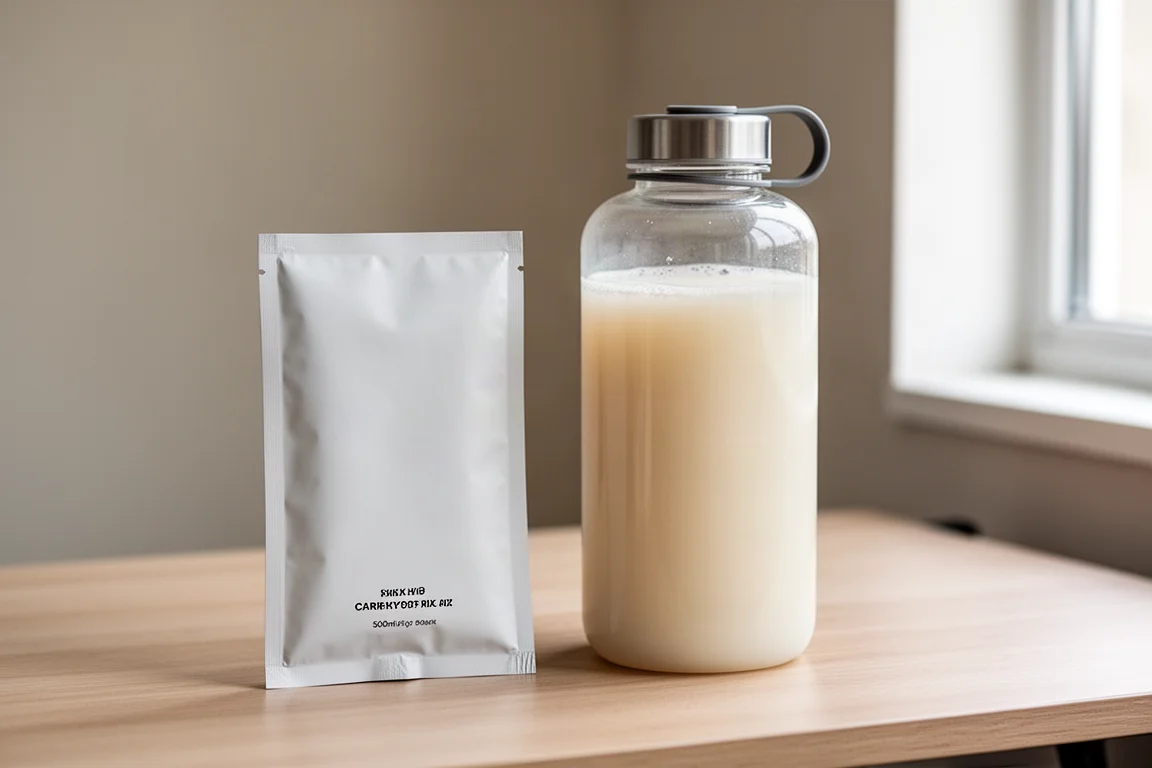
Fueling: Maurten Drink Mix 320
Fueling can make or break a marathon, and Maurten Drink Mix 320 has become a trusted system for many runners. Each serving delivers 80 grams of carbs in a hydrogel form that some runners find easier on the stomach during the later miles, when digestion is under stress. One approach that has worked across many marathons: a full serving with breakfast a few hours before the start, then three 250ml flasks mixed at half strength to carry during the race, sipping half a flask roughly every 5K with a caffeine gel early on.
The honest caveat is price. Fourteen servings of the drink mix cost 43.20 pounds or 48 dollars, and the gels run 12 for 32.40 pounds. If your stomach is hardier, an all-gel strategy from a cheaper brand may work just as well, but for many runners the reliability is worth it.
Belts: Decathlon Marathon Belt and Naked Running Band
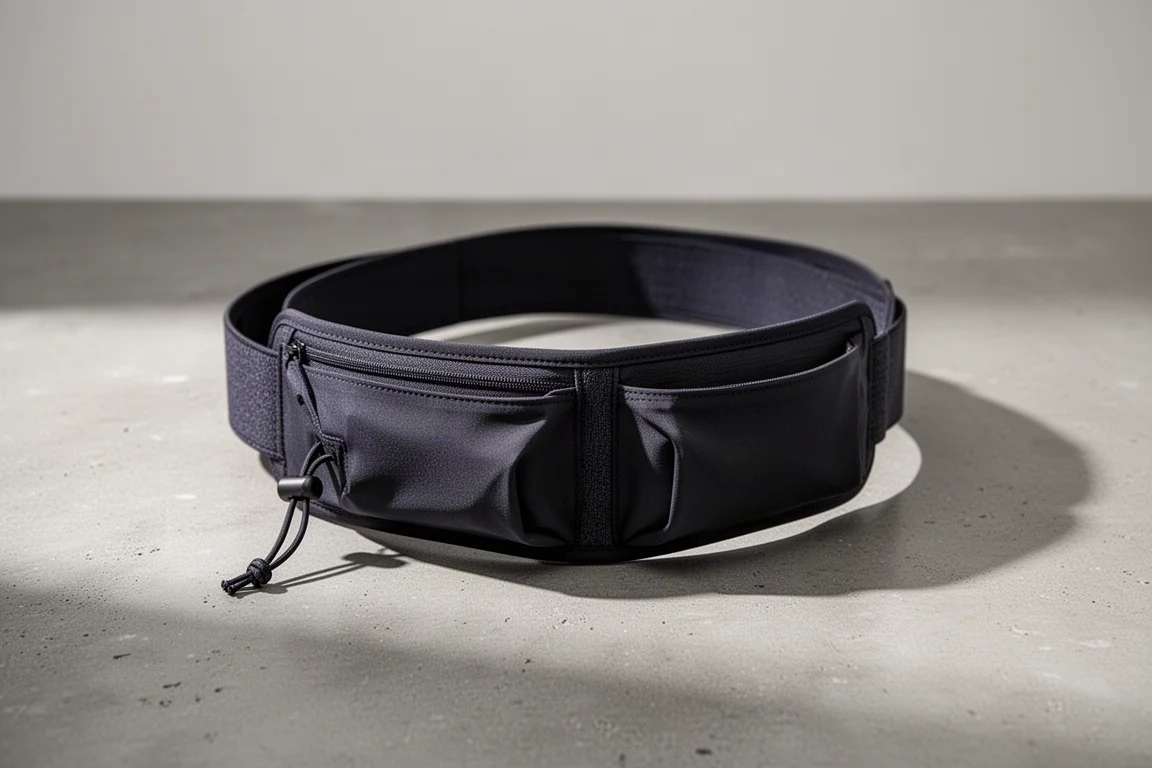
Even with storage-rich shorts, a belt solves the race-day problem of phone and gel access without stopping. The Decathlon Marathon belt is a budget-friendly pick that holds tight to the waist, offers enough room for a phone and several gels, and even survives the washing machine. As a former FlipBelt user who found this more reliable, it is an easy recommendation at its low price.
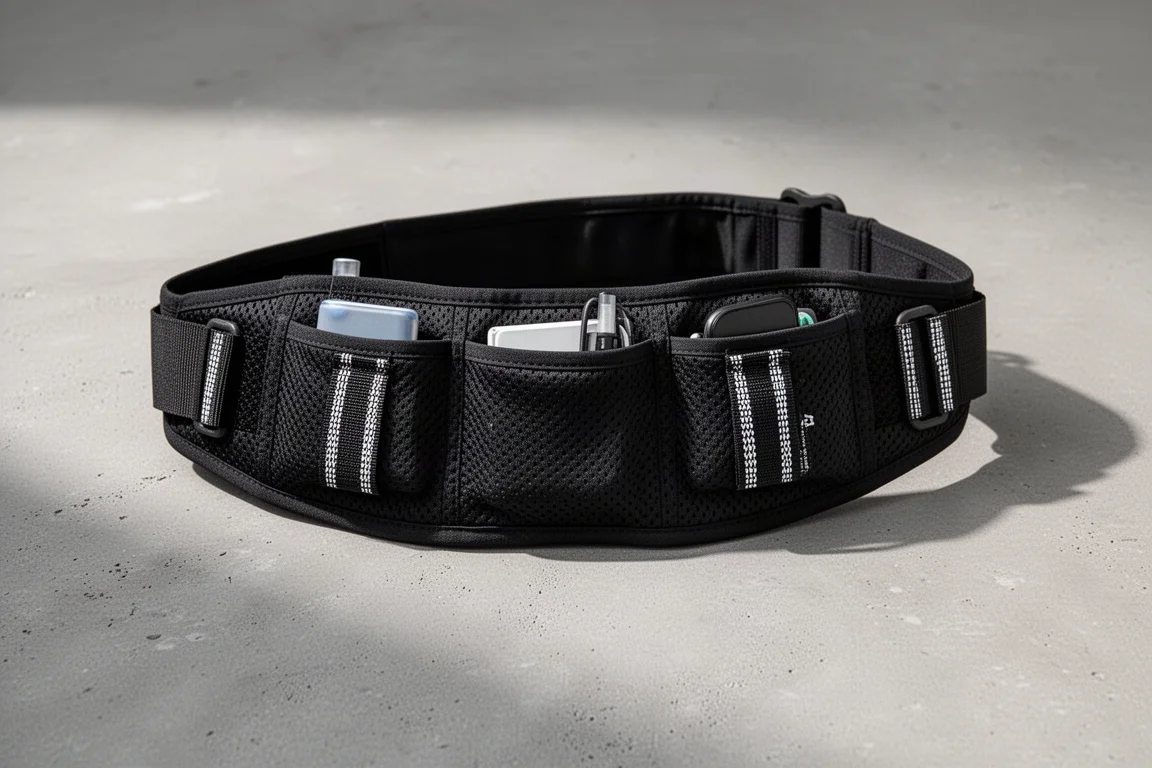
If you want a step up in capacity, the Naked Running Band is one of the best belts available. It has a long stretch mesh pocket along the front and two separated mesh compartments at the back, enough for a phone, keys, gels, cards, and even a 650ml soft flask. It is light, dries fast, does not roll up or cut in, and includes toggles for your race number plus a hook for keys or a headphone case. It costs 49.99 in both the UK and US, and if the front branding bothers you, it works just as well worn inside out.
Carb Fuel in One Pouch: Precision Fuel and Hydration PF90
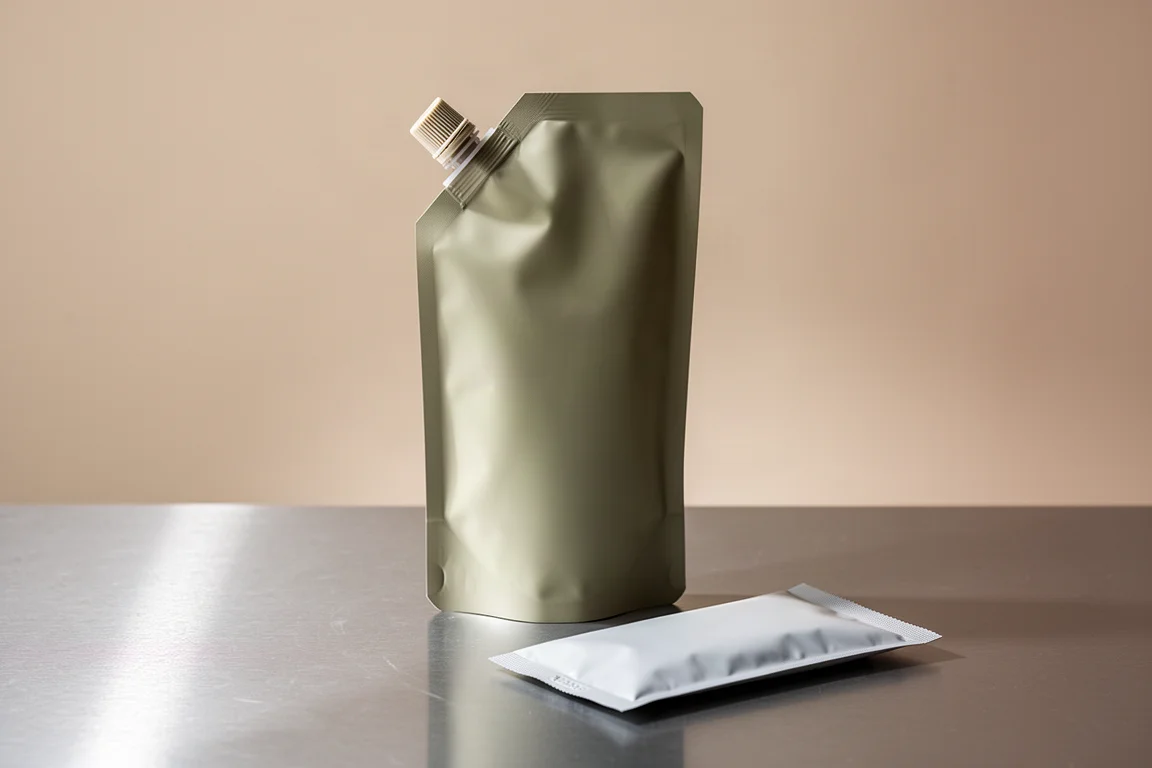
The PF90 90g carb pouch packs the carb equivalent of about four and a half standard gels into a single resealable pouch. The twist lid lets you take on as much or as little carb per hit as you want, which is genuinely useful if a full gel in one go upsets your stomach. It is easy to open and close on the move, leaves no sticky wrappers to deal with, and the neutral taste and smooth texture go down without water. At 14.99 for three pouches, it is decent value for anyone targeting 60 grams of carbs per hour, and it pairs well with a naturally flavored gel like a Veloforce pouch for variety later in the race.
Race-Day Audio: Shokz Open Run Pro Mini
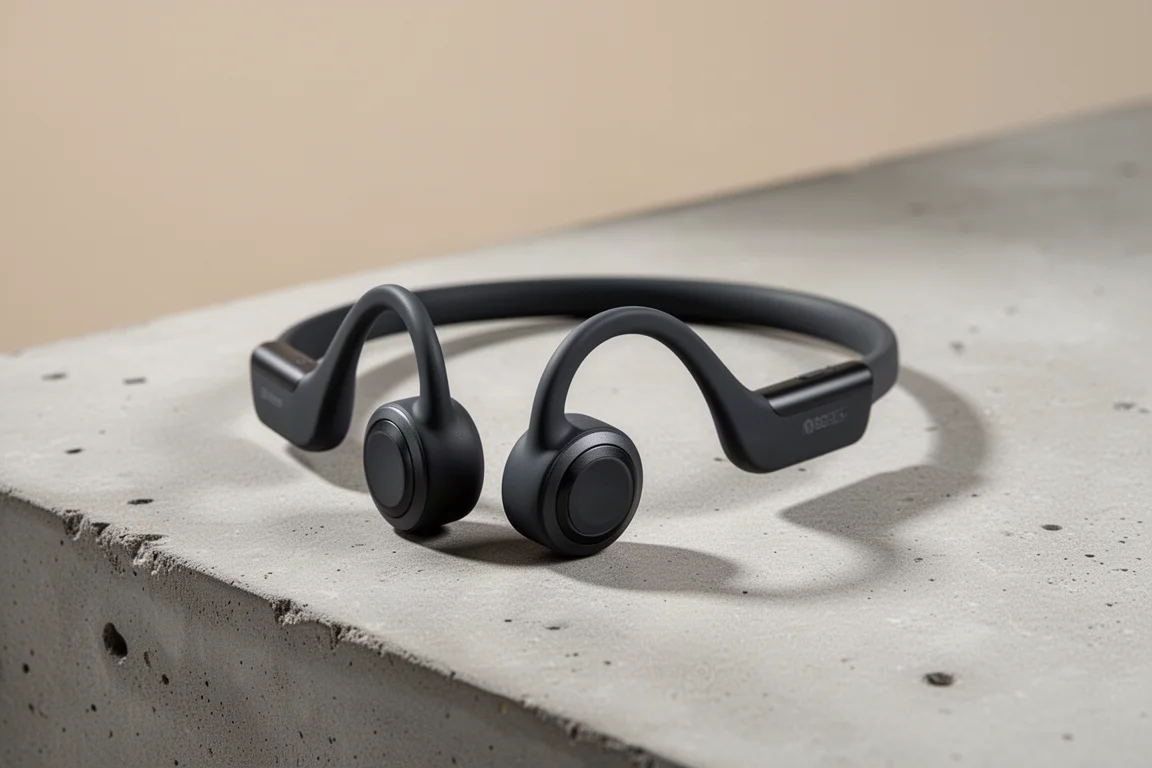
Music carries many runners through the tough miles, and the Shokz Open Run Pro Mini offers a smart middle ground between isolation and race atmosphere. The bone conduction design sits on your cheekbones with open ears, so you can move between your playlist and the crowds or on-course music. The neckband design means you can drop them around your neck mid-race without fumbling with a case, and the Mini version has a slightly smaller band that fits comfortably. They are lightweight, stay put, and offer good battery life and decent sound, though not the full bass of in-ear buds.
Race-Morning and Finish-Line Comfort: Packable Jackets
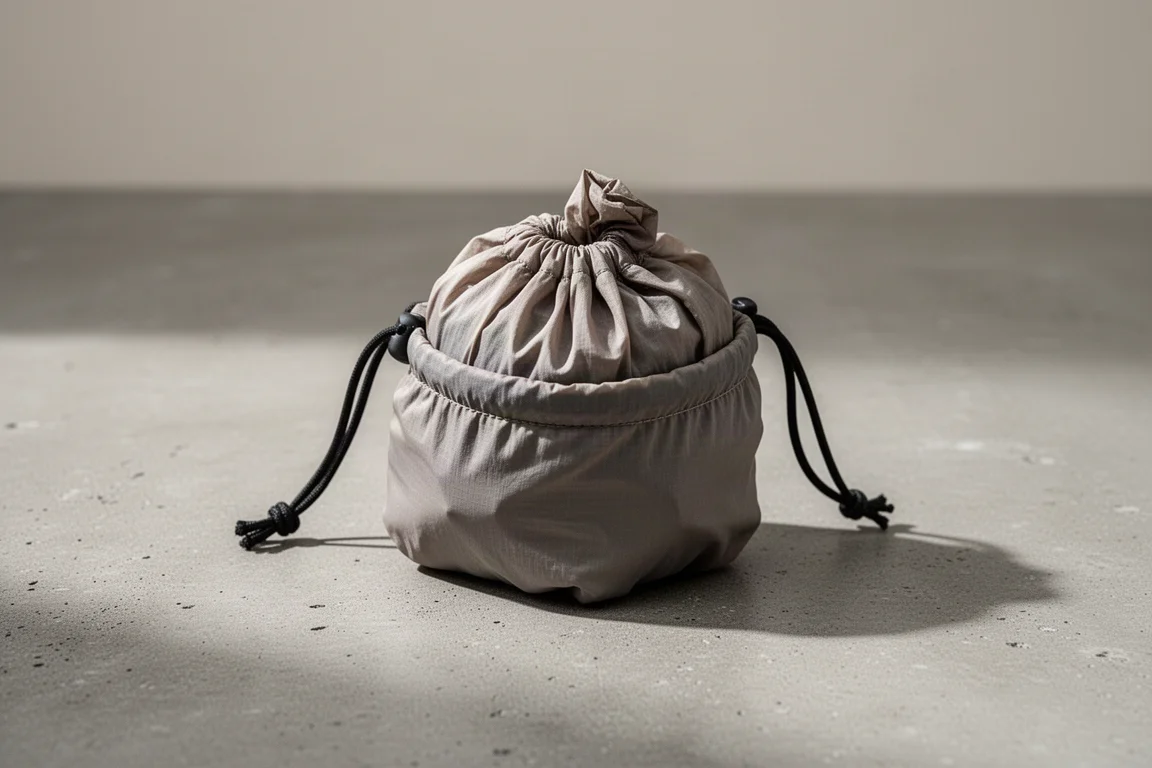
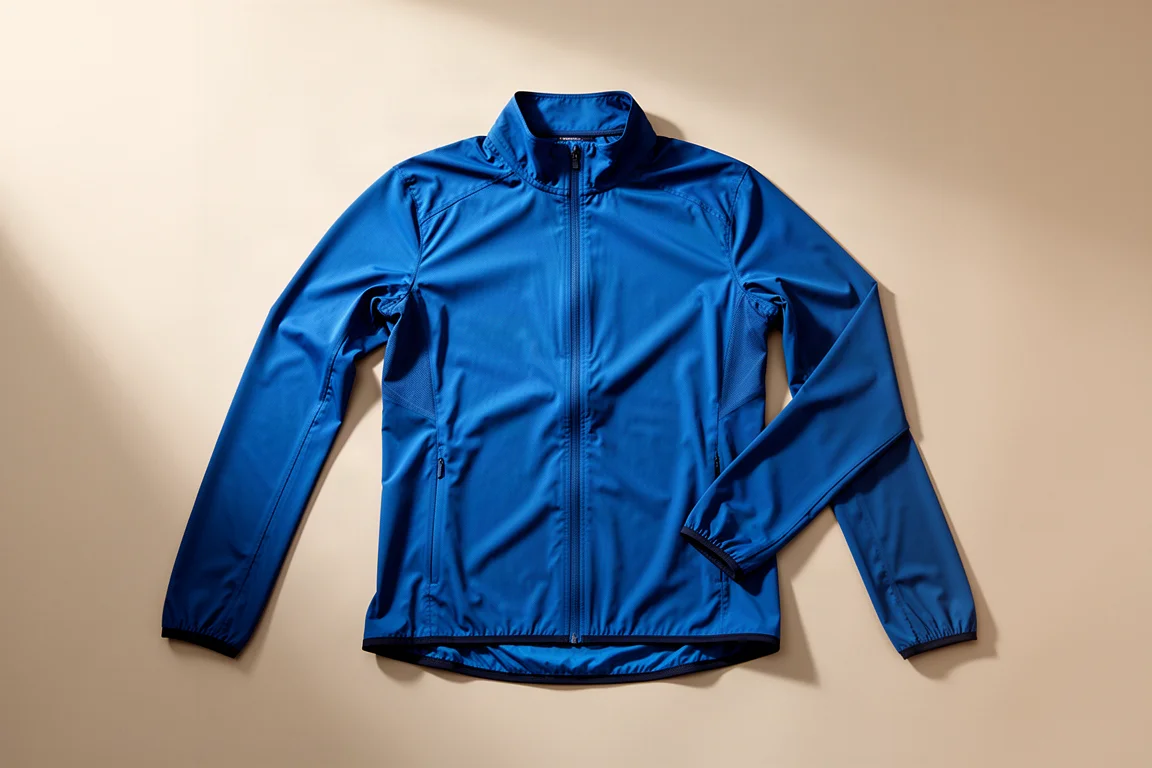
A lightweight jacket you can wear right up to the start and stow in your belt is an optional but genuinely useful pick, especially for runners who get cold easily. The On Zero jacket weighs under 100 grams and rolls up tight enough to disappear into a running belt, though it is pricey. A strong cheaper alternative is the Inov-8 Windshell Pro, which also comes in under 100 grams and packs down just as small. Either one earns its place at the finish line too, since some marathons involve long, cold post-race walks, and New York Marathon veterans know that lesson well.

Conclusion
None of these picks guarantee a PB, but each one removes a small race-day problem: blisters, chafing, fumbled gels, a cold finish-line walk. The most valuable takeaway is the principle behind them. Find a sock, short, belt, and fueling system you trust, then stop changing them. A marathon is a long way to run at pace, and any piece of kit that makes it feel easier is worth knowing about.
Further reading
Related Reviews
Running Gear
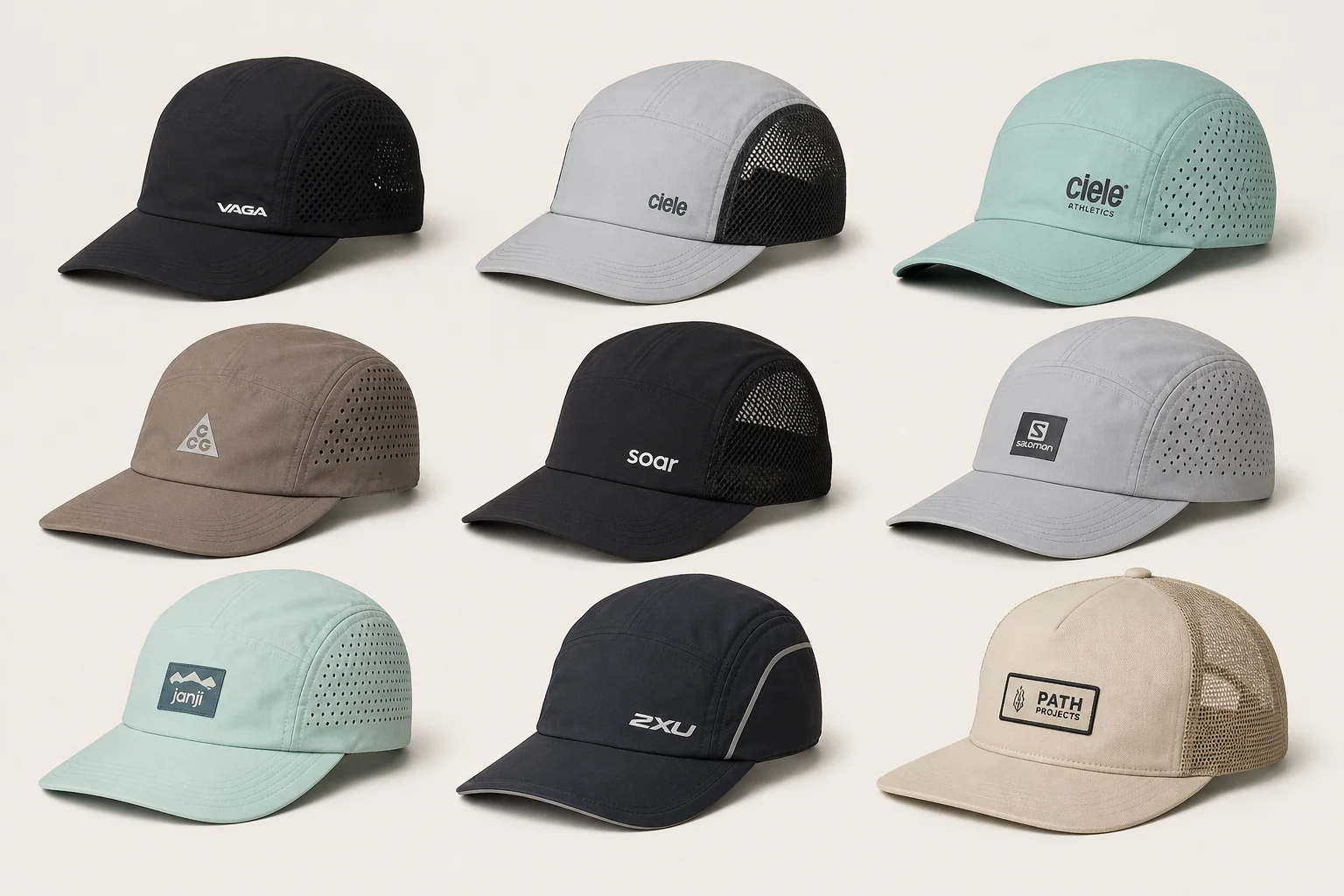
Best Running Caps 2026: Nine Tested Options for Summer and Winter
A comprehensive guide to nine running caps tested across different conditions, from lightweight summer options to waterproof winter choices.
Running Gear
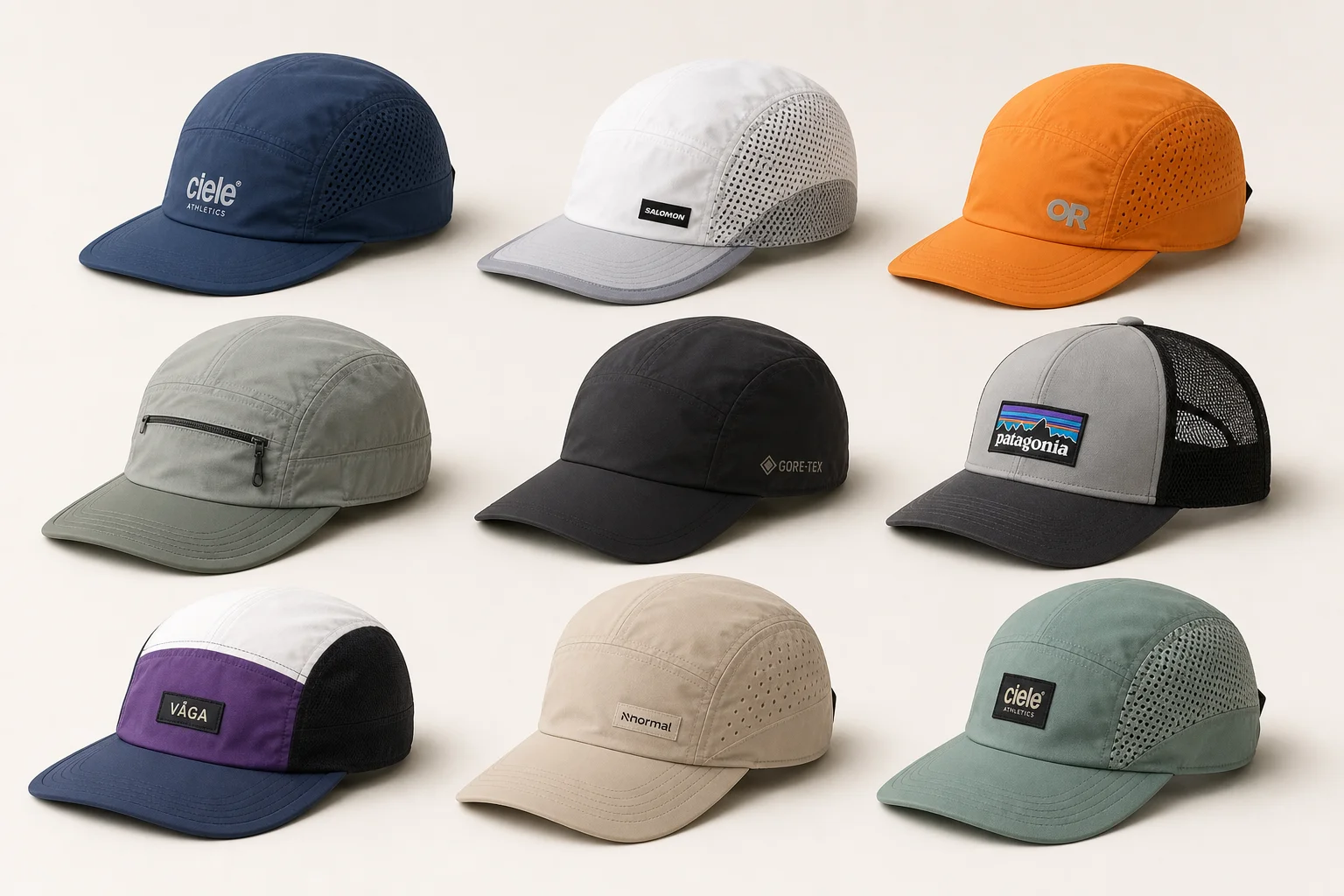
Best Running Caps: A Guide to Summer and Winter Options
A comprehensive review of nine running caps for different conditions, styles, and preferences, from lightweight summer options to waterproof winter choices.
Running Gear
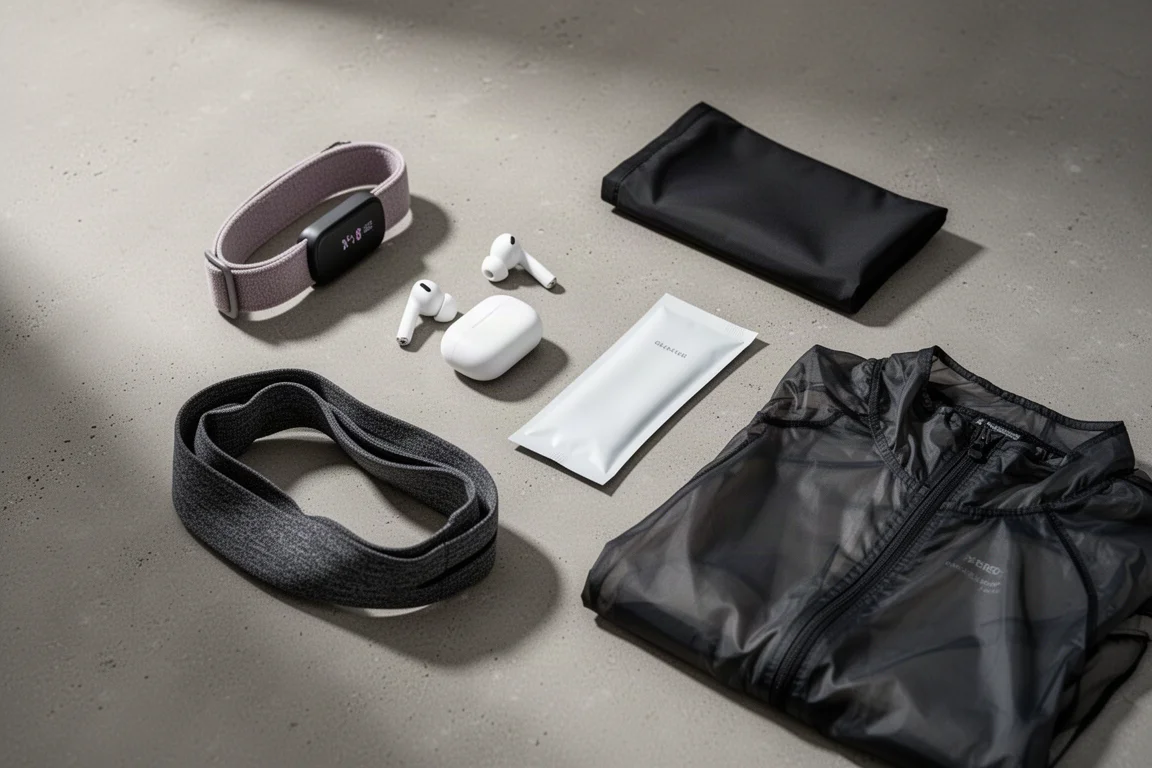
Best Running Gear 2026: Five Picks That Earn Their Place
Five running upgrades covering heart rate, audio, fuelling, carrying and weather protection, with the trade-offs worth knowing before you buy.